


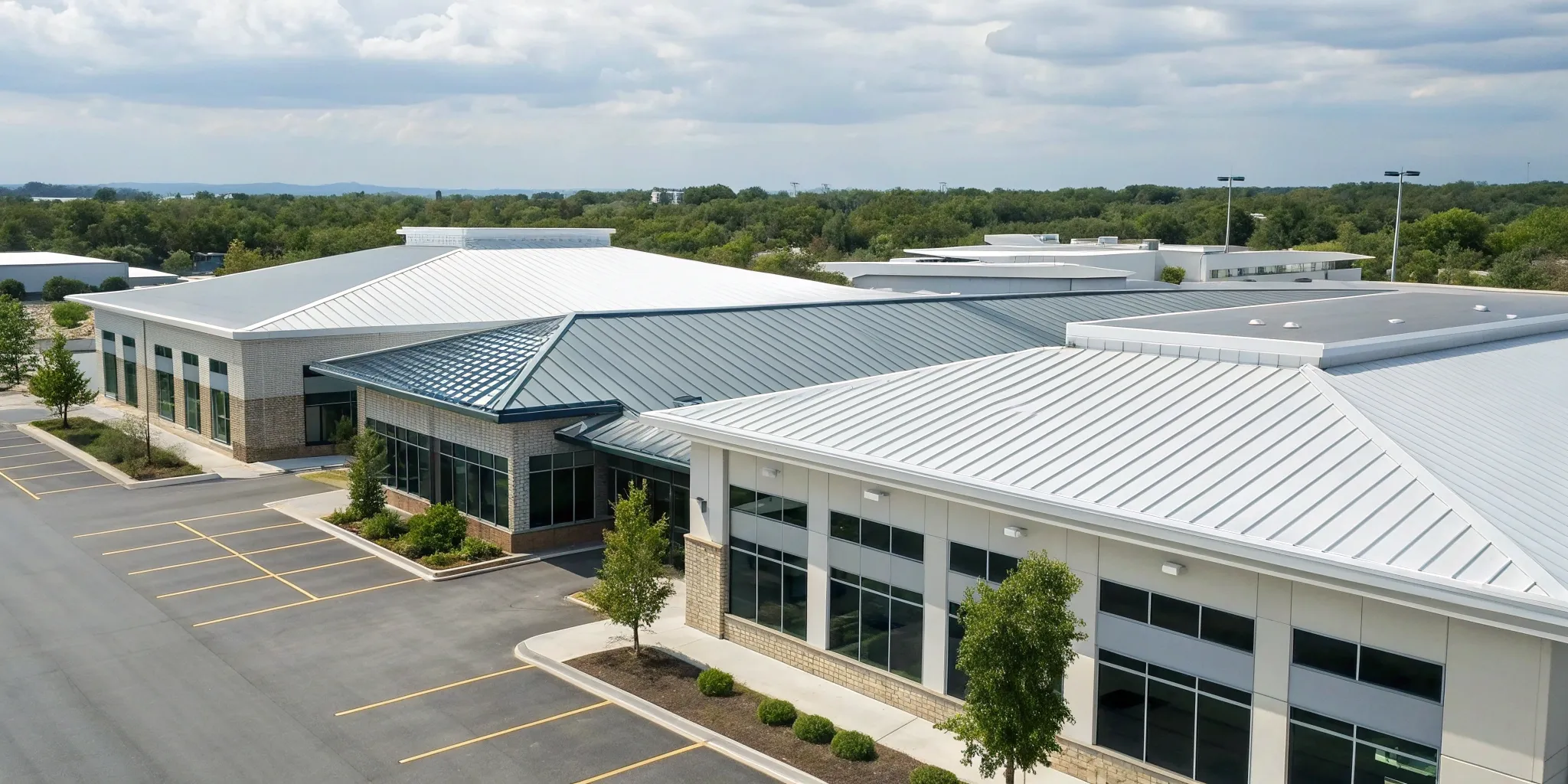
In Central Florida, a commercial roof has to work harder than almost anywhere else. It must withstand intense UV rays, heavy downpours, high humidity, and the constant threat of hurricane-force winds. Choosing a roofing material or a contractor without considering our unique climate is a recipe for failure. A standard approach won’t cut it. You need a team with proven local experience. This article is your guide to making a smart choice for your Florida property. We’ll explore materials built for our weather and show you how to identify the best commercial roof replacement services that have a deep understanding of what it takes to protect a business here.
Key Takeaways
- Focus on proven credentials, not just promises: Always verify a contractor’s Florida license, full insurance, and manufacturer certifications. A strong portfolio and positive client references are the best indicators of a reliable partner who will protect your property.
- Know your materials and get a transparent quote: Understanding the differences between options like TPO, metal, and EPDM helps you make a smart investment. Insist on a detailed, itemized estimate that breaks down all costs, ensuring there are no hidden fees or surprises later on.
- Choose a partner who respects your business: A standout roofer minimizes disruption with a clear project timeline and safety plan. Look for a company that offers comprehensive services, like emergency repairs and financing, which shows they are invested in a long-term relationship.
What Makes a Commercial Roofer Stand Out?
Choosing a contractor for your business is a major decision. Unlike residential projects, commercial roofing involves different materials, building codes, and structural complexities. A leaky or poorly installed roof can disrupt your operations, damage inventory, and create a safety hazard for employees and customers. So, what separates an adequate roofer from a truly exceptional one?
A standout commercial roofing partner doesn’t just fix problems; they provide long-term solutions that protect your investment. They understand that your building is a critical asset and treat it with the care it deserves. The best contractors bring a mix of deep experience, proven expertise, and a solid local reputation to the table. They are transparent, professional, and committed to keeping your business running smoothly throughout the project. Let’s look at the key qualities that make a commercial roofer the right choice for your property.
Proven Experience in Commercial Roofing
Commercial and residential roofing are two entirely different ball games. Commercial roofs often feature flat or low-slope designs, complex drainage systems, and accommodations for HVAC units and other equipment. A roofer who primarily works on houses may not have the specialized skills to handle these challenges. A standout contractor will have a robust portfolio of completed commercial projects similar to yours. They can speak confidently about different roofing systems, materials, and the specific building codes that apply to your property. Ask to see their past work and don’t hesitate to inquire about their experience with your specific type of building.
Proper Licensing and Insurance
This is a non-negotiable. A reputable commercial roofer will always be properly licensed by the state of Florida and carry comprehensive insurance, including general liability and worker’s compensation. This protects you and your business from any liability in case of an accident on your property. Before signing a contract, ask for proof of their license and insurance certificates. Verifying these credentials gives you peace of mind and confirms you’re working with a legitimate professional who follows industry standards and regulations. A contractor who is upfront with this information demonstrates their commitment to professionalism and your protection.
Quality Materials and Strong Warranties
The longevity of your commercial roof depends heavily on the quality of the materials used. Top-tier roofers build strong relationships with leading manufacturers, which often gives them access to superior products and training. These roofing contractor certifications are more than just badges; they mean the roofer is trusted by the manufacturer to install their products correctly. This partnership also allows them to offer better warranties, including coverage for both the materials and the workmanship. A strong warranty is a sign that the contractor stands behind their work and the products they use, giving you a reliable safety net for your investment.
Transparent Pricing and Detailed Estimates
You should never have to guess what you’re paying for. A standout commercial roofer provides a detailed, itemized estimate that clearly breaks down all the costs, including materials, labor, permits, and debris disposal. Be wary of vague quotes or bids that seem unusually low, as they may hide future costs or signal subpar work. A transparent estimate shows that the contractor has thoroughly assessed your project and is communicating openly about the investment required. It allows you to make an informed decision and ensures there are no surprises down the line.
A Clear Plan for Safety and Minimal Disruption
A roof replacement can be disruptive, but a professional contractor will work to minimize the impact on your daily operations. A standout roofer will present a clear plan that outlines the project timeline, safety protocols, and how they’ll manage noise and debris. They will communicate with you every step of the way, ensuring you know what to expect and when. This level of planning shows respect for your business and your time. It demonstrates that they are not just focused on the roof itself, but on providing a seamless and professional service experience from start to finish.
How to Choose Your Commercial Roof Replacement Service
Selecting the right contractor for your commercial roof replacement is a major decision that impacts your property’s safety, value, and daily operations. It’s about finding a true partner, not just the lowest bidder. A great commercial roofer brings a specific skill set to the table, one that’s very different from residential roofing. They understand the complexities of flat or low-slope roofs, the demands of commercial-grade materials, and the importance of working around your business schedule to minimize disruption.
When you start your search, you’ll want to look beyond the initial quote. The best contractors provide a comprehensive plan that covers everything from material selection to project timelines and safety protocols. They should be able to answer your questions clearly and provide transparent documentation, including proof of licensing and insurance. To help you find a reliable professional, we’ve broken down the key qualities to look for. These five factors will help you identify a roofing company that not only does excellent work but also understands the unique needs of your Central Florida business.
Knowledge of Florida’s Climate
Florida’s weather is no joke. Between the intense sun, high humidity, and the constant threat of hurricanes, a commercial roof here takes a serious beating. That’s why it’s critical to hire a contractor who specializes in commercial roofing in our specific climate. They’ll know which materials can withstand UV degradation and which installation techniques are best for preventing wind uplift during a storm. An expert will guide you toward solutions that are not only durable but also energy-efficient, helping you manage cooling costs. Don’t settle for a roofer who treats a commercial project like just a bigger version of a house; it’s a completely different field.
Realistic Timelines and Scheduling
A roof replacement can disrupt your business, so a clear and realistic timeline is essential. A professional contractor will assess the project thoroughly and provide a detailed schedule before work begins. This plan should outline each phase of the replacement, from tear-off to final inspection. It also shows they respect your time and operations. Hiring an unqualified team often leads to unexpected delays and communication breakdowns. A reputable roofer will work with you to create a schedule that causes the least possible interference with your employees, customers, and tenants, ensuring a smooth process from start to finish.
Emergency Service Availability
In Florida, a small roof leak can escalate into a major problem overnight, especially during storm season. Waiting to fix damage can lead to costly structural issues and interior water damage. That’s why it’s smart to partner with a roofing company that offers emergency roof repair. Knowing you have a reliable team on call provides incredible peace of mind. When you’re vetting contractors, ask about their availability for urgent repairs. A company that’s prepared to help you when the unexpected happens is a company that’s truly invested in protecting your property long-term.
Flexible Financing and Payment Options
A commercial roof replacement is a significant but necessary investment in your property. A professional and established roofing company understands this and often provides flexible financing options to help you manage the cost without straining your budget. The availability of financing is often a sign of a stable, reputable business that has built strong relationships with financial institutions. Be sure to ask potential contractors about their payment plans and financing partners. This can make a high-quality, long-lasting roof much more accessible and allow you to protect your investment without a massive upfront capital expense.
A Strong Portfolio and Client References
The best way to gauge a contractor’s quality of work is to see it for yourself. A reputable commercial roofer will be proud to share a portfolio of their completed projects and provide you with a list of client references. Take the time to review their past work, paying attention to projects similar in scope and scale to your own. Don’t hesitate to call their references and ask about their experience. Inquiring about communication, timeliness, and overall satisfaction will give you a clear picture of what it’s like to work with them. A proven track record is your best assurance of a job well done.
Understanding Your Commercial Roofing Material Options
Choosing the right material for your commercial roof replacement is one of the most important decisions you’ll make for your property. It’s not just about what looks good; it’s about finding a solution that can stand up to Central Florida’s intense sun, heavy rains, and hurricane season. The best material for your building will depend on your roof’s slope, your budget, your energy efficiency goals, and how you use the space below. A restaurant has very different needs than a warehouse, for example.
Navigating these options can feel overwhelming, but it doesn’t have to be. Each material has its own unique set of strengths. Some are champions of longevity, while others are prized for their energy-saving reflective properties. We’ll walk through the most common choices for commercial roofing in our area, breaking down what makes each one a solid contender. This will help you have a more informed conversation with your contractor and feel confident that you’re investing in a roof that will protect your business for years to come.
TPO Roofing Systems
TPO, or Thermoplastic Polyolefin, is a modern, popular choice for flat or low-slope commercial roofs, and for good reason. Think of it as a single, durable sheet of protection that’s rolled out and sealed tight. Its biggest advantage, especially here in Florida, is its excellent energy efficiency. The white surface is highly reflective, bouncing the sun’s UV rays away from your building. This helps keep your property cooler and can lead to lower energy bills. TPO is also flexible and resistant to punctures, ozone, and chemical exposure. With proper maintenance, you can expect a TPO roof to last between 15 and 20 years, making it a smart and cost-effective investment.
EPDM (Rubber) Roofing
EPDM (Ethylene Propylene Diene Monomer) is essentially a high-performance rubber roof. It’s a synthetic material that has been a reliable choice for commercial properties for decades. EPDM is known for its exceptional durability and flexibility, allowing it to handle temperature changes without cracking. It’s also relatively easy to install and repair, which can help keep costs down. While it often comes in black, which absorbs heat, white EPDM options are available to provide better solar reflectivity. A well-installed EPDM roof is a long-term solution, often lasting 20 to 30 years with minimal upkeep, making it one of the most dependable roofing systems on the market.
Metal Roofing
When you think of durability, metal roofing should come to mind. It’s an excellent option for buildings with sloped roofs and offers unmatched longevity. While the initial investment can be higher than other materials, a metal roof can easily last 50 years or more with very little maintenance required. Metal is fire-resistant, can withstand high winds, and is not susceptible to rot or insect damage. It’s also available in a wide range of colors and styles, allowing you to match your building’s aesthetic. Plus, many modern metal roofs are treated with special coatings that reflect solar heat, contributing to better energy efficiency for your property.
Modified Bitumen Systems
Modified Bitumen is a modern take on the traditional asphalt roof. It’s made of asphalt combined with rubber or plastic polymers, which gives it enhanced flexibility and strength. This material is typically installed in multiple layers, creating a robust, redundant barrier against leaks. It’s a great choice for low-slope or flat roofs, especially those with a lot of foot traffic, like rooftops with HVAC units that require regular servicing. Modified Bitumen systems are known for their excellent waterproofing capabilities and tear resistance. They offer a great balance of performance and cost, with a typical lifespan of around 20 years, providing a durable and reliable roofing solution.
Built-Up Roofing (BUR)
Often called a “tar and gravel” roof, Built-Up Roofing (BUR) is one of the oldest and most trusted systems for flat roofs. It’s constructed with multiple layers of asphalt (bitumen) and reinforcing fabrics, then topped with a layer of gravel or other aggregate. This multi-layer design creates a thick, seamless, and highly effective waterproof membrane. The top layer of gravel not only protects the underlying layers from UV rays and weather but also provides excellent fire resistance. While it’s a heavier system, its long track record of performance makes it a go-to for property owners looking for a durable roof that can last 15 to 20 years with proper care.
What Will a Commercial Roof Replacement Cost?
Budgeting for a new commercial roof is a major step, and the final price tag can vary quite a bit. It’s not just about square footage; several key elements come together to determine the total investment. Understanding these components will help you see exactly where your money is going and why a quality roof is worth the cost. A commercial roofing project is a significant undertaking, but a transparent contractor will walk you through every line item, ensuring there are no surprises.
The goal is to get a durable, long-lasting roof that protects your property, and that starts with a clear understanding of the potential costs involved. From materials to labor, each part of the estimate plays a crucial role in the success and longevity of your new roof.
Factors That Influence the Final Price
The cost of a commercial roof replacement isn’t a one-size-fits-all number. The final price depends heavily on your specific building and needs. The most obvious factor is the size of your roof, but its complexity also plays a huge part. A simple, flat roof will cost less than one with numerous vents, HVAC units, and multiple levels. The type of roofing material you choose is another major driver of cost, as are local labor rates and the condition of the existing roof deck. If the underlying structure needs repairs, that will add to the total.
Hidden Costs to Watch For
When you’re planning your budget, it’s smart to account for potential hidden costs. Sometimes, issues like water damage or rot in the roof’s underlying structure aren’t visible until the old roof is torn off. These necessary repairs can add to the final bill. Other potential costs include building permits, which vary by municipality, and the disposal of old roofing materials. It’s also important to consider the “cost” of frequent repairs. If your current roof needs constant attention, investing in a full replacement can be more economical over time than continuing to patch up recurring problems with emergency roof repair.
Typical Cost Ranges by Material
Different roofing materials come with different price points, both for the materials themselves and the labor to install them. For example, TPO and EPDM are popular, cost-effective choices for flat roofs, while metal roofing often comes with a higher upfront cost but offers exceptional durability and a long lifespan. While costs can range from tens of thousands to millions depending on the building’s size, it’s impossible to give an accurate number without an inspection. The best approach is to discuss material options with your contractor to find a solution that fits your budget and performance needs.
How to Get an Accurate Estimate
The only way to know the true cost of your roof replacement is to get a detailed, written estimate from a qualified contractor. A thorough roofer will perform a complete inspection of your current roof before providing a quote. This allows them to identify any potential issues, like damage to the underlying structure from a storm. If you suspect hail is the culprit, a hail damage inspection can confirm it. A trustworthy estimate will break down all costs, including materials, labor, permits, and cleanup. Don’t hesitate to ask about financing options, which can make the investment more manageable.
How to Vet Your Commercial Roofing Contractor
Choosing the right contractor for your commercial roofing project is a big decision. The team you hire will be responsible for protecting one of your most significant assets, so it’s essential to do your homework. A thorough vetting process helps you find a reliable, skilled, and professional partner who will get the job done right, on time, and within budget. Taking these extra steps upfront can save you from costly mistakes, project delays, and major headaches down the road. Here’s a straightforward guide to help you evaluate your options and select a contractor you can trust.
Read Online Reviews and Check Credentials
Start your search by seeing what past customers have to say. Online reviews on platforms like Google and the Better Business Bureau offer a glimpse into a contractor’s professionalism, quality of work, and customer service. While a few negative reviews aren’t always a dealbreaker, look for consistent themes and see how the company responds to feedback. Beyond reviews, confirm that any potential contractor is fully licensed to work in Florida and carries both liability insurance and workers’ compensation. This protects you from any liability in case of accidents on your property. Don’t just take their word for it; ask for copies of their certificates.
Request and Compare Multiple Quotes
It’s wise to get at least three detailed quotes from different contractors. This isn’t just about finding the lowest price; it’s about understanding the value each company offers. A proper quote should be a detailed document, breaking down the costs for labor, materials, permits, and cleanup. Compare the scope of work, the quality of materials proposed, and the projected timeline for each bid. If one quote is significantly lower than the others, ask why. It could be a red flag indicating subpar materials or inexperienced labor. This is also a good time to ask about financing options if you need flexibility with payments.
Verify Certifications and Manufacturer Partnerships
Top-tier roofing contractors often hold special certifications from the manufacturers whose products they install, like GAF Master Elite or Owens Corning Platinum Preferred. These aren’t just fancy titles. They mean the contractor has been professionally trained to install those specific roofing systems according to the manufacturer’s strict standards. This partnership often gives you access to higher-quality materials and more robust warranty options that wouldn’t be available otherwise. A certified contractor demonstrates a commitment to quality and staying current with the best installation practices, giving you peace of mind that your investment is well-protected.
Red Flags to Avoid When Choosing a Contractor
Keep an eye out for warning signs that could signal an unreliable or unprofessional contractor. Be cautious of anyone who uses high-pressure sales tactics or pushes you to sign a contract immediately. Another major red flag is a request for a large cash deposit upfront before any work begins. You should also be wary of contractors who provide vague, non-itemized estimates or are hesitant to put everything in writing. If a roofer can’t provide proof of licensing, insurance, or a list of local references, it’s best to walk away. Hiring an unqualified roofer can lead to poor workmanship and complicate any future roof claim assistance.
Key Questions to Ask Before You Hire
Before you sign a contract, make sure you have a clear conversation with your potential contractor. A professional will be happy to answer your questions and provide detailed information.
Here are a few key questions to ask:
- How many years have you been in business in Central Florida?
- Can you provide references from recent commercial projects similar to mine?
- Who will be my main point of contact, and how will you communicate updates?
- What is your process for a hail damage inspection and other potential issues?
- What safety protocols do you have in place for your crew and my property?
- What does your workmanship warranty cover, and for how long?
Related Articles
- 5 Essential Steps in Successful Commercial Roof Installation – Skylight Roofing Inc.
- Finding a Local Roofing Contractor: Your 9-Step Guide to Quality Roof Repairs – Skylight Roofing Inc.
- 6 Essential Steps: How to Choose a Roofing Contractor You Can Count On
- 2024 Comprehensive Commercial Roofing Guide for Businesses – Skylight Roofing Inc.
Frequently Asked Questions
Is hiring a commercial roofer really that different from hiring one for a house? Yes, it’s a completely different field. Commercial roofs often have flat or low-slope designs that require specialized materials like TPO or EPDM, which manage water very differently than the shingles on a sloped residential roof. They also have to accommodate things like large HVAC units, vents, and complex drainage systems. A qualified commercial roofer has the specific training and experience to handle these complexities and understands the stricter building codes that apply to business properties.
What’s the single most important thing to look for in a commercial roofing contractor? While it’s hard to pick just one thing, a combination of proper credentials and a strong local portfolio is essential. Always confirm that the contractor is licensed to work in Florida and carries full liability and worker’s compensation insurance. Beyond that, look for a company with a proven track record of completing projects similar to yours right here in Central Florida. This shows they not only have the right skills but also understand how to build a roof that can handle our unique climate.
Which roofing material is best for a commercial building in Central Florida? The best material really depends on your specific building and budget, but for our hot and sunny climate, energy efficiency is key. For flat or low-slope roofs, TPO is an excellent choice because its white, reflective surface bounces UV rays away, which can help lower your cooling costs. For buildings with sloped roofs, metal is a fantastic, long-lasting option that offers superior resistance to high winds, a critical feature during hurricane season.
A new roof is a huge expense. How can I make the cost more manageable? A full roof replacement is definitely a significant investment, but a professional contractor will help you plan for it. First, make sure you get a detailed, itemized estimate that breaks down all the costs so there are no surprises. A reputable company will also understand that this is a major capital expense and will often offer flexible financing options. Asking about payment plans can make a high-quality, long-lasting roof much more accessible for your business.
What should I expect after my new commercial roof is installed? A great contractor’s job isn’t over when the project is finished. You should receive a comprehensive warranty that covers both the materials used and the workmanship. This is the contractor’s promise that they stand behind their work. It’s also smart to partner with a company that offers ongoing support, such as emergency repair services. Knowing you have a reliable team to call on for any future issues provides valuable peace of mind for your investment.