


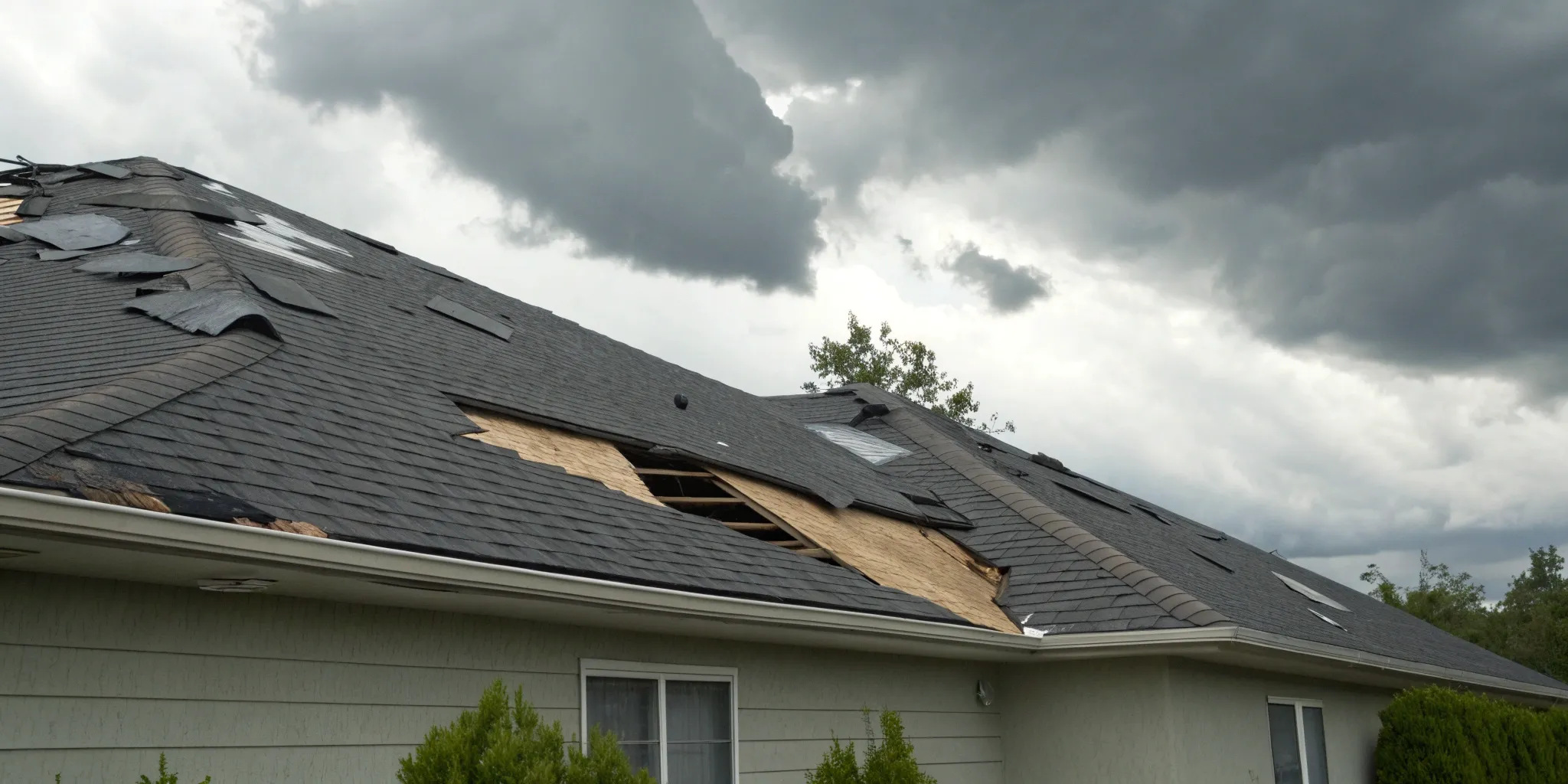
Your roof is more than just a cover; it’s a complex system designed to protect everything underneath it. When high winds tear shingles away, that system is compromised. It’s natural to wonder, “Since shingles blew off my roof, will it leak?” The truth is, a missing shingle creates an open invitation for water damage. While a leak might not be immediate, the exposure of the underlayment to sun and rain starts a process of decay that makes a future leak almost certain. We’ll break down exactly how this happens, what signs to look for, and why a quick response is your best defense against long-term structural problems.
Key Takeaways
- Address Missing Shingles Immediately: Don’t dismiss a few missing shingles as a minor problem. They expose your roof’s underlayment to the elements, starting a chain reaction that can lead to leaks, mold, and costly structural damage.
- Follow a Clear Post-Storm Plan: Your first steps should be to safely assess the damage from the ground, take detailed photos for your insurance claim, and call a professional roofer. This measured approach protects your home while getting the repair process started correctly.
- Focus on Long-Term Prevention: To avoid future blow-offs, prioritize regular professional inspections to catch minor issues early. Investing in high-quality materials and expert installation is the most effective way to secure your roof against Florida’s weather.
The Immediate Risks of Blown-Off Shingles
Seeing shingles scattered across your yard after a storm is unsettling, and for good reason. A missing shingle is more than just a cosmetic flaw; it’s a breach in your home’s primary defense against the elements. When that protective layer is compromised, it sets off a chain reaction of potential problems that can quickly go from minor to major. The risks aren’t just about a future leak—they’re about the immediate health and safety of your home’s entire structure, from the attic rafters to the foundation.
Water Intrusion and Interior Damage
Think of your roof’s shingles as armor. When a piece goes missing, it exposes a vulnerable spot. Rain, especially the heavy downpours we get in Florida, now has a direct path into your attic and the layers beneath. Even if you don’t see a drip from your ceiling right away, moisture is likely seeping into the roof deck and insulation. This can lead to stained ceilings, peeling paint, and damaged drywall inside your home. If you notice missing shingles, it’s wise to look into an emergency roof repair before the next storm hits and turns a small issue into a significant interior mess.
Weakened Structural Support
Once water gets past the shingles, it doesn’t just stop. It soaks into the wooden framework of your roof, causing it to soften, rot, and lose its structural integrity over time. This persistent dampness also creates the perfect environment for mold and mildew to grow in your attic, which can compromise your home’s air quality. What starts as a simple water spot can eventually threaten the very bones of your house. Protecting your residential roofing structure is critical, and that starts with ensuring every shingle is in its place and doing its job.
Further Damage from the Elements
A single missing shingle exposes the surrounding shingles to greater stress. Wind can get underneath the edges of the adjacent shingles, lifting them and making them more likely to blow off in the next gust. The sun’s UV rays will also beat down on the underlayment, which isn’t designed for direct exposure, causing it to become brittle and crack. This domino effect means one missing shingle often leads to several more. That’s why a prompt hail damage inspection or post-storm check-up is so important—it helps you catch the problem before it spreads and becomes a much more expensive fix.
How Missing Shingles Lead to Leaks
Seeing a shingle on your lawn is more than just a minor inconvenience; it’s a clear sign that your roof’s primary defense has been compromised. Your roof isn’t just one solid layer—it’s a complex system of materials working together to keep your home safe and dry. When even one piece of that system goes missing, it creates a weak spot that puts the rest of your home at risk. Understanding how this breakdown happens can help you see why a quick response is so important.
Your Shingles’ Role as the First Line of Defense
Think of your shingles as the armor for your home. They are the outermost layer, designed to take the brunt of Florida’s intense sun, heavy rains, and high winds. Their main job is to shed water, directing it down into your gutters and away from the structure of your house. While a single missing shingle might not cause an immediate gusher in your living room, it creates a direct path for water to get past that first line of defense. The location matters, too—a missing shingle in a valley or near a seam is far more critical than one in the middle of a clear field of the roof. This is the core of any good residential roofing system.
Exposing the Vulnerable Underlayment
Beneath your shingles lies a layer of material called the underlayment. This is your roof’s secondary water barrier, but it was never meant to be the primary one. When shingles are gone, the underlayment is left completely exposed to the elements. The sun’s UV rays can cause it to become brittle and crack, while wind and rain can tear it or wear it down quickly. This material is simply not designed for direct exposure. Once the underlayment is damaged, there is nothing left to stop water from seeping into the wooden roof deck below, which is the first step toward a serious leak.
Weakening Your Entire Roofing System
A missing shingle doesn’t just create one isolated problem; it starts a chain reaction that weakens the entire roof. The gap allows wind and water to get underneath the surrounding shingles, lifting their edges and breaking their seals. This makes them much more likely to be torn off in the next storm. Even one missing shingle can lead to bigger problems over time as the shingles around it get damaged. It’s like having a hole in a boat—water will find its way in. Ignoring it can turn a simple fix into a need for an emergency roof repair as the damage spreads across your roof.
Will Your Roof Leak? Key Factors to Consider
Seeing shingles on the ground is unsettling, and the first question that pops into your head is probably, “Is my roof going to leak now?” The answer isn’t always a simple yes or no. Whether a few missing shingles turn into a major interior water problem depends on a combination of factors. The location of the damage, the weather that follows, and your roof’s overall condition all play a critical role in determining your immediate risk. Understanding these key elements will help you figure out how urgently you need to act.
How Many Shingles Are Gone (And Where)
You might think a large patch of missing shingles is worse than a single one, but that’s not always the case. The location of the damage is often more important than the quantity. If a shingle is gone from the middle of a long, clear slope, the shingles underneath might hold off water for a short time. However, if just one shingle is missing from a vulnerable area—like in a valley, near a chimney, or along the edge of the roof—it’s a much bigger deal. These spots are designed to channel large amounts of water, and a missing shingle can create a direct path for leaks by exposing a seam.
Recent Weather and Time of Exposure
A missing shingle is an open invitation for water, and in Florida, that invitation can be accepted very quickly. If you lose shingles right before a heavy thunderstorm, the risk of an immediate leak is extremely high. But don’t relax just because the sun is out. The longer your roof’s underlayment is exposed, the more it degrades from UV rays and heat. This weakens your roof’s secondary line of defense, making it less effective when the next storm does arrive. That’s why it’s so important to get a professional assessment and an emergency roof repair as soon as possible.
The Age and Condition of Your Roof
The age of your roof is a major clue. If your roof is over 15 years old, blown-off shingles are often a red flag that the entire system is nearing the end of its life. The shingles may have become brittle and the adhesive that holds them down has likely weakened, making them easy for the wind to tear away. For a newer roof (under 10 years old), missing shingles could be the result of a particularly severe storm. However, it could also point to a flaw in the original installation, which is a problem you’ll want to address before it causes more widespread issues for your residential roofing system.
Your Roof’s Design and Installation Quality
Finally, the way your roof was built matters. A simple, steep-sloped roof is less likely to leak from a missing shingle than a complex roof with multiple angles, valleys, and dormers. Each of these features creates a potential entry point for water if not perfectly sealed. More than anything, the quality of the initial installation is paramount. A roof installed with durable materials and by skilled professionals who follow best practices will withstand high winds far better than one that was rushed or poorly constructed. Proper installation is truly your home’s best defense against the elements.
Your Action Plan for Missing Shingles
Seeing shingles scattered across your yard after a storm is unsettling. Your first thought is probably, “Will my roof leak?” While it’s a valid concern, the best thing you can do is take immediate, measured action. Panicking won’t patch your roof, but a clear plan will protect your home from further damage and set you up for a smooth repair process. Think of it as first aid for your roof. By following a few simple steps, you can secure your home and get professional help on the way.
Safely Assess the Damage (Inside and Out)
Before you do anything else, get a sense of the situation—safely. Your first stop should be inside your home. Head up to the attic with a flashlight and look for any signs of moisture: dark spots on the wood, damp insulation, or active drips. This will tell you if water has already breached your roof’s defenses. Next, assess the exterior damage from the ground. Please do not climb onto the roof yourself, especially if it’s wet or windy. Use binoculars if you have them to get a clearer view of the exposed area. Your safety is the top priority.
Temporarily Protect the Area
If you’ve confirmed a leak or see a storm on the horizon, you need to create a temporary barrier. The goal is to prevent water from getting into your home until a professional can perform a proper repair. A heavy-duty tarp is the most common solution for this. If you can safely access the area, cover the exposed patch of roof with the tarp, extending it several feet past the damaged section on all sides. Secure it firmly with sandbags or nail it down with boards to keep it from blowing away. Remember, this is a temporary fix, not a permanent solution.
Document Everything for Your Insurance Claim
Now, put on your detective hat. Thorough documentation is your best friend when it comes to insurance. Use your phone to take clear photos and videos of everything. Capture wide shots of the roof showing where the shingles are missing, as well as close-ups of the damage. If you found the blown-off shingles in your yard, photograph those, too. Don’t forget to document any interior damage, like water stains on the ceiling or walls. This visual evidence is crucial for a successful claim and can be a huge help with your roof claim assistance.
Call a Professional Roofer
With the immediate situation under control, it’s time to call in the experts. A DIY patch might seem tempting, but missing shingles can be a sign of a larger, underlying issue that only a trained eye can spot. A professional roofer will conduct a thorough inspection to determine the full extent of the damage and identify any other weak spots. They can tell you exactly what needs to be done and provide a timeline for repairs. If the damage is severe, you may need an emergency roof repair to prevent catastrophic water damage to your home.
The Long-Term Dangers of Ignoring Missing Shingles
It’s easy to look at a few missing shingles and think, “I’ll get to it later.” But putting off this small repair is a bit like ignoring a check engine light—the problem rarely fixes itself and often gets much worse. What seems like a minor cosmetic issue can quietly set off a chain reaction of damage that compromises your home’s safety and your wallet. Over time, that small, exposed patch on your roof can lead to some seriously expensive and stressful problems. Let’s break down what’s really at stake when you delay a repair.
Creeping Water Damage and Mold Growth
Think of each shingle as a tiny shield. When one goes missing, it leaves a gap in your roof’s armor. While a single missing shingle might not cause a waterfall in your living room overnight, it exposes the underlying materials to sun, wind, and rain. This constant exposure wears them down, creating a slow path for water to seep into your attic. Before you know it, that persistent dampness becomes the perfect breeding ground for mold and mildew, which can spread through your home’s structure and even impact your indoor air quality. A professional hail damage inspection can often spot these vulnerable areas before they lead to bigger issues.
Structural Decay and Safety Hazards
Once water gets past the shingles and underlayment, it doesn’t just stop. It soaks into the wooden decking, rafters, and insulation of your attic. Over time, this moisture leads to wood rot, which can seriously weaken your roof’s entire structure. This isn’t just about a stained ceiling; it’s about the structural integrity of your home. Water can also find its way into your walls and electrical systems, creating fire hazards and other dangerous situations. What started as a simple missing shingle can become a critical safety issue, sometimes requiring an emergency roof repair to secure your home.
How Small Problems Become Expensive Fixes
Here’s the bottom line: the longer you wait, the more it costs. A quick shingle replacement is a relatively minor expense. But if you ignore it, you could be facing a much larger bill down the road. That bill might include replacing rotted wood, tearing out and replacing insulation, remediating a mold infestation, and repairing interior water damage. In some cases, the damage can become so widespread that a full roof replacement is the only option. Getting a professional assessment early can help you understand the extent of the damage and get the process started with your insurance. Our team can even provide roof claim assistance to help you manage the paperwork.
Telltale Signs Your Roof Is Already Leaking
A few missing shingles might not seem like a big deal, but the problem isn’t just what you can see from the ground. A leak can start silently, causing damage long before a drip appears in your living room. Knowing what to look for—both inside and out—can help you catch a problem early and prevent a small repair from turning into a major headache.
Warning Signs Inside Your Home
The most obvious signs of a roof leak show up inside your house. Look for water stains on your ceilings or walls, which can appear as discolored rings or dark spots. You might also notice paint that is bubbling, peeling, or cracking in these areas. A persistent musty odor, especially in upper-floor rooms or closets, can also indicate hidden moisture from a slow leak. If you spot any of these issues, the leak has likely been active for some time. It’s a clear signal that you need an emergency roof repair to stop the water intrusion before it causes more serious structural damage.
Clues on the Outside of Your House
Sometimes, the first clues are on the exterior of your home. The most apparent sign is the visible gap where shingles used to be. Even one missing shingle can expose the vulnerable underlayment to the elements. Take a walk around your property and look for shingle granules—which look like coarse, black sand—in your gutters or on the ground near your downspouts. This means your shingles are deteriorating. Also, look for shingles that are cracked, curled, or buckling, as these are weak points that can easily lead to leaks. A professional hail damage inspection can help you identify these less obvious problems.
Checking for Hidden Damage in the Attic
If you can safely access your attic, it’s the best place to spot a leak in its early stages. With a good flashlight, carefully check the underside of the roof deck for dark streaks, water stains, or signs of rot on the wood. Look at the insulation for any areas that appear damp, matted down, or discolored, as this is a classic sign that water is getting in. You might even see daylight peeking through a hole. Don’t ignore a damp or moldy smell, as it points directly to moisture. Finding these issues early is key, and documenting them with photos can be a huge help when you need roof claim assistance.
When to Call a Professional Roofer
While it’s tempting to handle home repairs yourself, a damaged roof isn’t the place for a DIY project. Knowing when to step back and call in a professional is key to protecting your home and your safety. Some situations are clear-cut emergencies, where you need an expert on-site as soon as possible. Other times, you might notice subtle signs that something is wrong, and getting a professional opinion can save you from much larger, more expensive problems down the road.
If you’ve lost shingles, especially after a storm, it’s always a good idea to get a professional assessment. A trained roofer can spot underlying issues that aren’t visible from the ground, like damage to the underlayment or decking. They have the right safety equipment and experience to navigate a potentially compromised roof. Trying to inspect or repair it yourself can lead to serious injury or cause even more damage. When shingles blow off your roof, it’s important to act fast to prevent further damage, and that usually means calling for professional help.
Emergencies That Can’t Wait
Some roofing issues are undeniable emergencies. If you see water actively dripping into your home, have a large, visible hole in your roof, or a tree has fallen on your house, don’t hesitate. These situations require immediate action to prevent catastrophic water damage and structural problems. Significant shingle loss across a large area of your roof also falls into this category. An exposed roof is a vulnerable roof, and you need a professional to secure it quickly. Our team is ready to handle any emergency roof repair to protect your home from further harm and give you peace of mind.
Signs You Need an Expert Opinion
Not all roofing problems come with a sudden crisis. Sometimes, the signs are more subtle. If you notice shingles that consistently lift or blow off from the same area, it could point to an improper installation. Likewise, if you find an unusual amount of shingle granules in your gutters, it’s a sign your roof is aging and losing its protective layer. After a severe storm, it’s wise to schedule a professional hail damage inspection, as dents and cracks can be hard to spot from the ground but can lead to slow leaks over time. Getting an expert opinion helps you catch these issues before they escalate.
How to Prevent Future Shingle Loss
After you’ve dealt with the immediate stress of missing shingles, the last thing you want is a repeat performance during the next storm. While you can’t stop high winds, you can take proactive steps to make sure your roof is as secure as possible. Being prepared not only protects your home but also gives you incredible peace of mind when the weather turns. Think of it as an investment in your home’s long-term health. A strong, well-maintained roof is your best defense against the elements, and a few key actions can make all the difference.
Schedule Regular Maintenance and Inspections
The old saying “an ounce of prevention is worth a pound of cure” is especially true for your roof. Scheduling routine professional inspections, ideally once a year and after any major storm, is the single best way to catch problems early. A trained roofer can spot subtle issues you might miss, like cracked sealant, loose flashing, or shingles that have started to lift but haven’t blown off yet. Addressing these minor issues right away is far easier and less expensive than dealing with a major leak. A thorough hail damage inspection can also identify vulnerabilities before the next storm rolls through.
Invest in Quality Materials and Installation
Not all roofing materials are created equal, especially when it comes to standing up to Florida’s weather. When it’s time for a roof replacement, choosing durable, wind-resistant shingles can significantly reduce the risk of future blow-offs. However, the best materials in the world won’t perform correctly if they aren’t installed properly. Improper nailing is one of the most common reasons shingles fail. That’s why hiring an experienced, reputable contractor for your residential roofing project is critical. Proper installation ensures every component, from the underlayment to the final shingle, works together to protect your home.
Prepare Your Roof for Storm Season
Getting your roof ready before storm season hits is a smart move for any homeowner in Central Florida. Start with the simple things: trim any overhanging tree branches that could fall and damage your roof, and make sure your gutters are clean and clear so water can drain effectively. It’s also important to understand that your roof’s defense system goes deeper than just the shingles. A high-quality synthetic underlayment provides a crucial secondary water barrier if shingles are compromised. If you’re unsure about your roof’s condition, having a professional assess it can help you create a solid plan to weather any storm.
Related Articles
- DIY Shingle Roof Leak Repair: A Step-by-Step Guide
- Storm Damage Roof Inspection: A Complete Guide
- The Ultimate Asphalt Shingle Roof Installation Guide
- How to Repair a Leak in Your Roof: The DIY Guide
Frequently Asked Questions
I only found one or two shingles in my yard. Is it really an emergency? The location of the missing shingle often matters more than the number. If a single shingle is gone from a critical area like a valley, a roof edge, or near a chimney, it creates a direct channel for water to get in. Think of it as a gap in your home’s armor. While it might not seem urgent, that one exposed spot can quickly lead to a leak, so it’s always best to have it professionally inspected right away.
My roof isn’t actively leaking. Can I just wait to get it repaired? Putting off a repair is a risky gamble. A leak can start slowly, seeping into your attic and soaking insulation and wood without you ever seeing a drip. This hidden moisture can lead to wood rot, mold growth, and damage to your home’s structure. Addressing the problem now, while it’s a simple shingle repair, prevents it from becoming a much more complicated and expensive issue down the road.
Can I just climb up and patch the spot myself? I strongly advise against trying to repair your roof yourself. Walking on a potentially damaged roof is incredibly dangerous, especially without the right safety gear. Beyond the safety risk, a professional roofer can identify underlying damage to the decking or surrounding shingles that a quick patch would miss. A proper repair ensures the entire area is secure, not just the visible hole.
What’s the most important thing I should do right after a storm if I see missing shingles? Your first step is to safely assess the situation from inside your home. Check your attic for any signs of moisture, like dark spots on the wood or damp insulation. Next, take clear photos of the damage from the ground and any shingles you found in your yard for insurance purposes. Once you’ve done that, call a professional roofer to schedule an inspection.
How can I tell if my roof is already leaking if I don’t see drips? Leaks often give subtle clues before you see an actual drip. Look for new or growing water stains on your ceilings, which can look like brownish rings. You might also notice bubbling or peeling paint on walls or ceilings. A persistent musty smell in a room, especially on an upper floor, is another common sign that hidden moisture is present somewhere.