


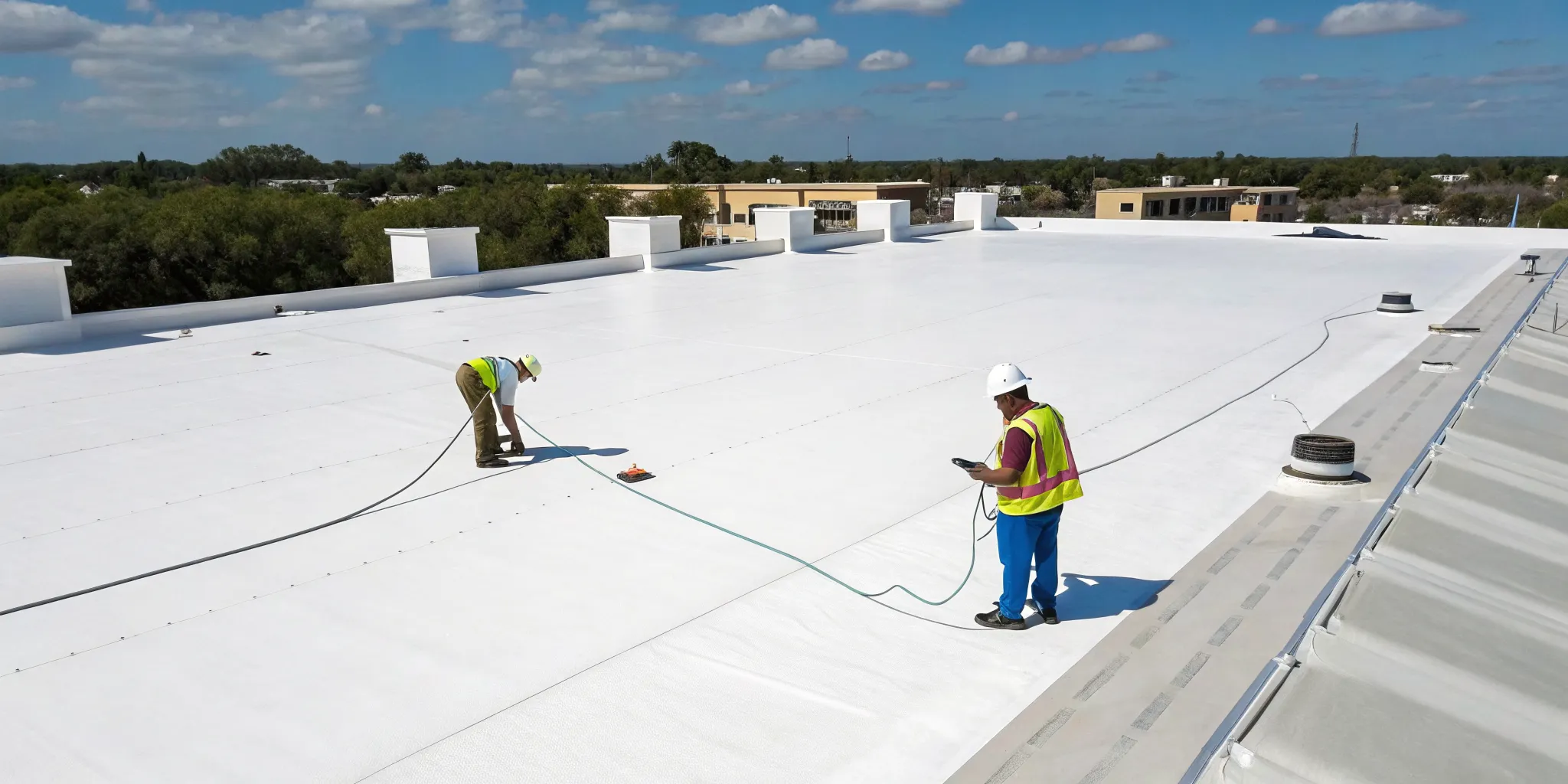
Choosing a roofing material is only half the battle; the team you hire to install it is just as critical. Even the highest-quality material will fail if it’s not installed with expertise and attention to detail. This is especially true for TPO roofing, which relies on specific techniques like heat-welding to create a durable, watertight seal. A poor installation can lead to leaks, reduced energy efficiency, and a much shorter lifespan for your roof. Before you commit to a project, it’s essential to find a qualified TPO roofing contractor Central Florida who has proven experience and a reputation for excellence.
Key Takeaways
- TPO protects your property and your budget: This material is engineered to withstand Florida’s intense sun and storms, while its reflective surface can significantly lower your cooling costs.
- A quality installation is the key to performance: Your roof’s longevity depends on the skill of the installer, so always hire a contractor who is licensed, insured, and certified by the manufacturer.
- Proactive maintenance prevents major repairs: Keep your roof clear of debris after storms and schedule annual professional inspections to address small issues before they turn into costly problems.
Why Choose TPO Roofing for Your Central Florida Business?
If you own a commercial property in Central Florida, you know the roof over your head works overtime. It faces intense sun, heavy rain, and the constant threat of hurricane-force winds. Finding a roofing material that can handle all that without breaking your budget is key, which is why so many local businesses are turning to TPO roofing. It’s a modern solution designed specifically to meet the demands of our unique climate, especially for the flat and low-slope roofs common on commercial buildings.
When you’re exploring your options for commercial roofing, TPO offers a compelling mix of performance, energy efficiency, and long-term value. It provides a durable, protective layer that stands up to the elements while also helping you manage operational costs. It’s not just about keeping the rain out; it’s about making a smart, strategic investment in your property’s future. Let’s break down what makes TPO such a popular and practical choice for businesses just like yours.
What Exactly Is TPO Roofing?
Let’s start with the basics. TPO stands for Thermoplastic Polyolefin. In simple terms, it’s a single-ply roofing membrane made from a durable blend of rubber and other synthetic materials. Think of it as a thick, flexible sheet that we roll out across your roof. The real magic happens when we use a special hot-air welder to fuse the seams together. This process creates a single, continuous surface from edge to edge. This monolithic barrier is incredibly effective at preventing leaks, which is a must-have feature during Florida’s long rainy season. Its strength and flexibility make it a reliable choice for protecting your property.
How TPO Stands Up to Florida’s Climate
Florida’s weather is no joke, and your roof takes the brunt of it. TPO roofing is engineered to be tough. It’s highly resistant to punctures, tears, and the kind of impact damage that can come from hail or flying debris during a storm. Because TPO is durable and water-resistant, it provides strong protection against our frequent heavy rainstorms and hurricanes. The heat-welded seams are a major advantage here, as they are far stronger than seams sealed with adhesives and much less likely to separate over time. This creates a solid, leak-proof shield you can count on to keep your business dry and secure year-round.
Lower Your Energy Bills with a TPO Roof
One of the biggest perks of TPO roofing, especially here in sunny Florida, is its incredible energy efficiency. TPO membranes are typically white or another light color, which naturally reflects the sun’s harsh UV rays. Instead of your roof absorbing all that heat and transferring it into your building, it reflects it away. This simple feature can keep the interior of your property significantly cooler, which means your air conditioning system doesn’t have to work nearly as hard. Over time, this can lead to substantial savings on your energy bills, making TPO a smart financial decision that pays you back month after month.
What Are the Top Benefits of a TPO Roof?
If you’re looking for a roofing material that’s tough, affordable, and energy-efficient, TPO roofing is an excellent choice for your Central Florida property. TPO, which stands for thermoplastic polyolefin, is a single-ply membrane known for its incredible performance on flat or low-slope roofs. It’s a popular option for commercial roofing projects because it delivers a fantastic combination of benefits that are perfectly suited for our climate. From its ability to withstand intense sun and storms to its positive impact on your energy bills, TPO offers a modern solution that checks all the right boxes for savvy property owners. Let’s look at what makes this material stand out from the rest.
Durability Through Sun and Storms
Central Florida weather is no joke. Between the blazing sun, heavy rain, and the constant threat of hurricanes, you need a roof that can handle it all. TPO roofing is specifically engineered for this kind of resilience. Its seams are heat-welded to form a single, watertight barrier across your entire roof, offering powerful protection against leaks and water damage. This material is also incredibly resistant to punctures, tears, and damage from UV rays, which means it won’t crack or become brittle under the relentless Florida sun. Its flexible nature allows it to expand and contract with temperature changes without compromising its integrity, ensuring your building stays protected year-round.
A Smart Investment: Cost and Long-Term Value
A new roof is a significant investment, so getting the best value is key. TPO is one of the most cost-effective roofing materials on the market, offering a lower upfront installation cost compared to many other systems. But the savings don’t stop there. A properly installed and maintained TPO roof can last anywhere from 20 to 30 years, making it a durable, long-term solution. Its resistance to mold growth, dirt accumulation, and tears means you’ll spend less on maintenance over its lifespan. When you combine the reasonable initial price with its longevity and low upkeep, TPO delivers outstanding value. Plus, with convenient financing options, a high-quality roof is more accessible than ever.
An Eco-Friendly Roofing Option
Choosing a TPO roof is also a great move for the environment and your wallet. TPO membranes are typically white or light-colored, which makes them highly reflective. Instead of absorbing the sun’s heat, a TPO roof reflects UV rays away from your building. This “cool roof” effect keeps the interior of your property significantly cooler, reducing the strain on your air conditioning system during our long, hot summers. The result? Lower energy consumption and smaller utility bills each month. Because TPO is made from recyclable materials and contributes to energy efficiency, it’s a sustainable choice that helps reduce your building’s carbon footprint.
How to Find the Right TPO Roofing Contractor in Central Florida
Finding the right team for your TPO roof installation is just as important as choosing the material itself. A great installation ensures your roof performs well for years, while a poor one can lead to headaches and costly repairs. To make sure you partner with a true professional, you need to know what to look for and what questions to ask. Let’s walk through how to find a reliable commercial roofing contractor who will get the job done right.
Must-Have Contractor Qualifications
When you start vetting contractors, look for proof of their expertise. Certifications from TPO manufacturers are a great place to start. Think of them as a seal of approval, showing that a contractor has the technical proficiency and training to install the material according to the highest industry standards. Beyond certifications, always confirm that any contractor you consider is fully licensed and insured in Florida. This protects you from any liability during the project and is a non-negotiable requirement for any legitimate roofing company. It’s the baseline for ensuring you’re working with a credible and responsible team.
Ask About Material Quality
TPO is a fantastic single-layer material that offers great performance without breaking the bank, making it a smart choice for flat roofs. However, not all TPO membranes are created equal. Different manufacturers offer varying levels of thickness, durability, and warranty coverage. A knowledgeable contractor should be able to walk you through the specific products they recommend and explain why they’re the best fit for your building and our Central Florida climate. Don’t hesitate to ask about the brands they work with and the benefits of one type of TPO membrane over another. Their answers will reveal their depth of knowledge.
Key Questions to Ask Before You Hire
Once you’ve narrowed down your list, it’s time to dig a little deeper with some specific questions. This is your chance to gauge their hands-on experience with TPO roofing. Start with questions like, “Which TPO manufacturers are you certified to install?” and “How many square feet of TPO have you installed in your career?” You can also ask them to detail any challenging roof projects they’ve handled in the past. Their responses will give you a clear picture of their expertise and problem-solving skills, helping you feel confident in your decision to hire them.
Common Hiring Mistakes to Avoid
One of the biggest mistakes property owners make is hiring a contractor without checking for proper licensing and insurance. This can leave you exposed to financial risk and potential legal issues. In Florida, it’s critical to hire only Florida licensed contractors for any roofing work. Another common pitfall is choosing a contractor based solely on the lowest bid. While budget is important, an unusually low price can be a red flag for subpar materials or inexperienced labor. Always get a detailed, written contract that outlines the full scope of work, materials, timeline, and cost before any work begins.
What to Expect During Your TPO Roof Installation
Once you’ve chosen your contractor, you’re ready for the main event: the installation. A new roof is a significant project, but it doesn’t have to be a stressful one. Knowing the step-by-step process can help you feel prepared and confident from start to finish. A professional team will keep you in the loop, but having a clear picture of what’s happening on your property is always a good idea. From the initial prep work to the final inspection, here’s a breakdown of what your TPO roof installation will look like.
Getting Ready: The Prep and Planning Phase
Before the first roll of TPO membrane arrives, a little preparation goes a long way. This phase is all about making sure you and your contractor are on the same page. You should have a signed contract that clearly outlines the scope of work, the total cost, the payment schedule, and the project timeline. It’s also crucial to confirm that your contractor has pulled all the necessary permits for the job. The Florida Roofing and Sheet Metal Contractors Association (FRSA) advises property owners to always verify that their roofer is licensed and insured in Florida. This protects you from liability and ensures the work meets state and local building codes.
The Installation Process, Step-by-Step
The actual installation is where the professionals really shine. TPO roofing requires specific techniques and equipment to create a seamless, waterproof barrier. The process typically starts with preparing the roof deck, which might involve removing the old roofing material. Next, the team will install insulation boards, which are vital for energy efficiency. Then comes the TPO membrane, which is rolled out and attached to the insulation. The seams are the most critical part; they are heat-welded together to form a single, continuous sheet across your entire roof. This creates a watertight seal that’s essential for protecting your commercial roofing investment from Florida’s heavy rains.
After the Job: Final Inspection and Warranty
When the installation is complete, the job isn’t quite finished. Your contractor should conduct a thorough final inspection and walk you through the finished project, answering any questions you have. This is your opportunity to make sure everything looks right and meets your expectations. You’ll also receive your warranty documents. Be sure to read through them so you understand what’s covered for both materials and workmanship. To get the most out of your new roof, schedule regular professional inspections and keep it clear of debris. Proper care will extend its life for years to come, protecting your investment and giving you peace of mind.
How to Care for Your New TPO Roof
Your new TPO roof is a fantastic investment in your property’s protection and energy efficiency. Now that it’s installed, a little bit of care will go a long way in making sure it performs beautifully for years to come. Unlike some roofing materials that require constant attention, TPO is relatively low-maintenance. However, being proactive with a few simple steps can help you get the maximum value and lifespan out of your roof, keeping your business safe and dry through every Florida season.
How Long Will Your TPO Roof Last?
With a professional installation, you can expect your TPO roof to last between 15 and 20 years. This durable material is built to handle the intense sun and heavy rains we see here in Central Florida. Of course, its actual lifespan depends on a few factors, including the quality of the installation and how well it’s maintained. Regular care helps ensure your roof reaches its full potential, protecting your investment and giving you peace of mind. Think of it as the key to getting two decades of solid performance from your commercial roofing system.
Simple Maintenance to Extend Its Life
The best way to keep your TPO roof in top shape is through simple, consistent maintenance. After a storm, it’s a good idea to clear away any leaves, branches, or other debris that may have collected on the surface. This prevents moisture from getting trapped and keeps drainage systems clear. We also recommend scheduling regular professional inspections, perhaps once a year. A trained eye can spot minor issues before they become costly problems. A routine hail damage inspection can also identify hidden damage that might not be visible from the ground.
Signs Your Roof Needs a Professional Look
While TPO is tough, it’s not indestructible. It’s important to know what to look for so you can call for help before a small issue escalates. Keep an eye out for any punctures or tears in the membrane, as even a tiny hole can let water seep in and compromise your insulation. Also, check the flashing around vents and edges, as deterioration here can lead to leaks. If you notice any seams pulling apart or bubbles on the surface, it’s time to call a professional. Addressing these problems quickly can prevent serious damage and may require emergency roof repair.
Related Articles
- TPO Roofing Details: A Complete Breakdown
- TPO Roofing Installation Cost: A 2025 Guide
- Top 7 TPO Roofing Manufacturers: A 2025 Review
Frequently Asked Questions
How long can I really expect a TPO roof to last in the Florida climate? A professionally installed TPO roof should give you 15 to 20 years of solid performance. Its durability is one of its main selling points, as it’s designed to handle our intense UV exposure and heavy rain. The key to reaching that full lifespan is proper installation and consistent, simple maintenance, which ensures the seams and membrane remain in great condition.
Is TPO roofing a good option for residential homes too? While TPO is most popular for commercial buildings with flat or low-slope roofs, it can be an excellent choice for modern homes that have similar roof designs. If your home has a flat roof section over a garage or patio, for example, TPO is a great option. However, it isn’t typically used for traditional, steeply sloped residential roofs where shingles are more common.
What makes TPO more energy-efficient than other flat roofing materials? TPO’s energy efficiency comes from its color. The standard white or light-colored membrane is highly reflective, so it bounces the sun’s harsh UV rays away from your building instead of absorbing them. This “cool roof” effect keeps the building’s interior cooler, which means your air conditioning system doesn’t have to work as hard to maintain a comfortable temperature, leading to lower energy bills.
How disruptive is the TPO installation process for a business? A professional roofing team will always work to minimize any disruption to your daily operations. While any construction project has some level of noise, your contractor should provide a clear schedule and plan the work to keep your business running as smoothly as possible. They will coordinate with you to manage site access, safety, and the project timeline from start to finish.
What does routine maintenance for a TPO roof actually involve? TPO is considered low-maintenance, which is a huge plus. Basic care involves keeping the roof surface clear of debris like leaves and branches, especially after a storm, to ensure proper drainage. We also recommend scheduling a professional inspection once a year so a trained expert can check the seams, flashing, and overall condition of the membrane to catch any small issues before they grow.