


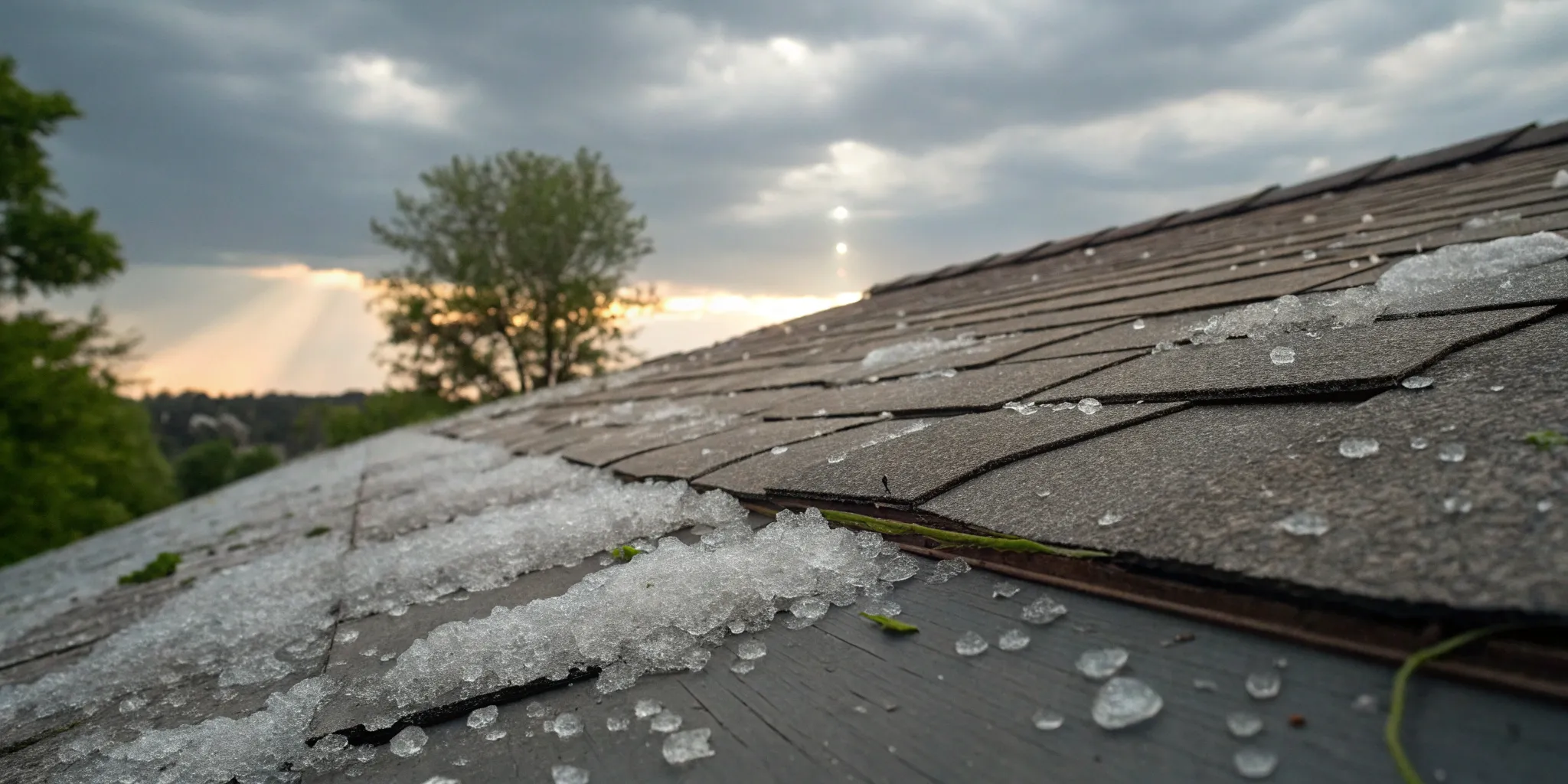
It’s tempting to think that if your roof isn’t leaking right after a hailstorm, you’ve dodged a bullet. Unfortunately, the most serious problems from hail don’t show up overnight. The initial impact creates vulnerabilities that are then exploited by sun, wind, and rain over the following weeks and months. A small bruise on a shingle can slowly turn into a persistent leak that damages your home’s interior. This is precisely why is hail damage bad for a roof—it’s a problem that gets progressively worse over time. What starts as a minor issue can escalate into structural rot, mold growth, and higher energy bills. We’ll explore how this damage evolves and why a professional inspection is the only way to stop small problems from becoming major disasters.
Key Takeaways
- Get a professional inspection, even if your roof looks fine: The most common signs of hail damage, like shingle bruising and granule loss, are often invisible from the ground. A professional assessment is the only way to catch these hidden issues before they lead to slow leaks and bigger problems.
- Address damage immediately to avoid compounding problems: Small impacts from hail create weak spots that worsen with exposure to sun and rain. Waiting to make repairs allows minor issues to escalate into serious water damage, mold, and structural rot, making the fix far more expensive.
- Strengthen your roof for the next storm: The best defense against future hail is a durable roof. When it’s time for a replacement, choose impact-resistant materials, and commit to regular maintenance to ensure your roof is always prepared for severe weather.
What Is Hail Damage?
When a hailstorm rolls through Central Florida, it’s easy to feel relieved once the noise stops. But the real trouble might just be starting on your roof. Hail damage is any harm caused by the impact of hailstones on your roofing system. It’s much more than a few cosmetic dents; it’s a serious issue that can compromise your roof’s integrity and ability to protect your home. Hail can crack, bruise, or puncture shingles and tiles, creating weak spots that aren’t always visible from the ground. Think of it as a series of small but powerful blows that weaken your roof’s first line of defense against the elements.
This kind of damage can quickly escalate. What starts as a small, seemingly insignificant crack can allow water to seep under your shingles and into your home’s structure. Over time, this leads to hidden leaks, damaging your attic, insulation, and ceilings. It can also create the perfect environment for mold and mildew to grow, which can affect your family’s health. Because the effects aren’t always immediate, many homeowners don’t realize the extent of the problem until it’s become a much larger, more expensive fix. That’s why a professional hail damage inspection is so important after a storm—it helps you catch and address these hidden issues before they spiral out of control and threaten the safety of your home.
How Hail Forms
Hailstones are essentially balls of ice that form during intense thunderstorms. They start as small frozen raindrops that are tossed up and down within the storm clouds by strong updrafts. With each trip up, they collect more supercooled water, which freezes into another layer of ice. This process continues until the hailstone becomes too heavy for the updraft to support, and it falls to the ground.
Depending on the strength of the storm, hail can range from the size of a pea to as large as a softball. The combination of its size, weight, and the speed at which it falls creates a powerful impact when it hits your roof, resulting in cracks, breaks, or dents that compromise its protective layer.
The Impact on Your Roofing Materials
The type of damage hail leaves behind often depends on your roofing material. For asphalt shingles, one of the most common signs is granule loss, where the sandpaper-like coating is knocked off, exposing the underlying asphalt to the sun and causing it to age faster. You might also see cracks, bruises, or fractured fiberglass mats that weaken the shingle’s structure.
Even seemingly minor damage can create major headaches down the line. Those small imperfections weaken your roof’s defenses, making it vulnerable to water intrusion. Over time, this can lead to water leaks, mold, and rot in your home’s structure. Ignoring hail damage doesn’t make it go away; it just allows it to worsen, turning a straightforward repair into a complex and costly problem. Protecting your residential roofing starts with understanding these risks.
What Hail Damage Looks Like on Different Roofs
Hail doesn’t treat all roofs equally. The type of damage you’ll find after a storm depends entirely on your roofing material. A hailstorm that leaves a few dings on a metal roof could completely shatter a tile one. Knowing what to look for on your specific roof is the first step in assessing the situation. From subtle bruising on shingles to obvious cracks in tiles, each sign tells a story about your roof’s health and what it needs next.
Asphalt Shingles: Bruising and Granule Loss
If you have an asphalt shingle roof, the most common type for residential roofing, you’ll want to look for signs of “bruising.” This is when hail impacts leave soft, dark spots that feel like a bruise on a piece of fruit. You may also see significant granule loss, where the tiny, sandpaper-like bits have been knocked off the shingles. These granules are your roof’s first line of defense against sun and rain. When they’re gone, the underlying asphalt is exposed, which can drastically speed up the aging process of your roof and leave it vulnerable to leaks.
Metal Roofs: Dents and Compromised Coatings
On metal roofs, hail damage is usually much easier to spot—it looks like dents. While a few dents might seem like a purely cosmetic issue, the real problem lies with the roof’s protective coating. Even a small impact can chip or crack this coating, exposing the metal underneath to moisture. Over time, this leads to rust and corrosion, which can compromise the integrity of the entire panel. This is a common concern for many commercial roofing systems, where a small, untreated spot of rust can eventually cause a significant leak and costly damage.
Tile Roofs: Cracking and Shattering
Tile roofs, whether clay or concrete, are strong but brittle. Instead of denting, they tend to crack or even shatter under the force of large hailstones. A cracked or missing tile is an open invitation for water to seep into your home’s structure, leading to leaks and water damage in your attic and ceilings. Even if the damage isn’t visible from the ground, hairline fractures can compromise the tile’s integrity. Because this type of damage can be hard to spot and expensive to fix, getting a professional hail damage inspection is the safest way to know for sure.
The Immediate Impact of Hail on Your Roof
After a hailstorm rolls through, it’s easy to glance up at your roof and assume everything is fine. But the damage hail leaves behind is rarely just cosmetic. The real problem starts the moment those ice pellets hit your shingles, immediately compromising your roof’s ability to do its one essential job: keep your home safe and dry. This isn’t a problem that develops over months; the vulnerability begins right away, starting with the breakdown of your roof’s primary defenses and creating immediate pathways for water to get in.
Breaking Down Your Roof’s Protective Layer
Think of your shingles as your roof’s armor. Hail acts like a barrage of tiny hammers, cracking, denting, and bruising this protective layer. On common asphalt shingles, this impact knocks off the sand-like granules that shield the shingle from sun and rain. You might see these granules in your gutters or on your driveway after a storm. When this happens, the underlying asphalt is exposed, which rapidly accelerates the aging process of your residential roofing. This damage weakens the shingles’ structure, making them brittle and less effective at protecting your home from the elements.
Creating Openings for Water Leaks
Those cracks and bruises aren’t just surface-level flaws; they are direct entry points for water. Even a small fracture in a shingle or tile can allow rainwater to seep underneath, penetrating your roof’s underlayment and decking. From there, it’s a short trip into your attic, ceilings, and walls. Ignoring this damage can quickly lead to interior leaks, mold growth, and even electrical issues. The best way to know if your roof’s seal has been broken is to schedule a professional hail damage inspection to identify these hidden vulnerabilities before they turn into much larger, more expensive problems.
The Long-Term Dangers of Ignoring Hail Damage
It’s easy to look at a few dings on your roof after a hailstorm and think, “It’s not so bad.” But what you see is often just the beginning. The real trouble with hail damage isn’t the immediate cosmetic issue; it’s the slow, silent problems that develop over weeks, months, and even years. Ignoring these seemingly small impacts can lead to a cascade of expensive and stressful issues down the road. Think of it like a small crack in a car windshield—it might not seem like a big deal at first, but with time and pressure, it can spread and compromise the entire structure. A professional hail damage inspection is the only way to know the true extent of the problem and stop these long-term dangers before they start.
Progressive Leaks and Interior Water Damage
That tiny bruise on your shingle is a weak spot. Every time it rains, water can seep into that compromised area. At first, it might just be a little moisture in your attic, but over time, it can become a full-blown leak. Soon, you might notice water stains on your ceiling or walls, peeling paint, and a musty smell you can’t seem to place. This isn’t just an aesthetic problem; persistent moisture can ruin insulation, warp drywall, and damage the electrical systems in your ceiling. What started as a small dent on the roof has now become a major interior repair project.
Mold, Mildew, and Structural Rot
Where there’s moisture, mold and mildew are sure to follow. Once water gets past your roofing materials and into the underlayment and attic, it creates the perfect dark, damp environment for mold to thrive. This can pose serious health risks for your family, especially for those with allergies or asthma. Beyond the health concerns, chronic dampness can lead to structural rot. The wooden beams and decking that support your roof can begin to decay, weakening the entire structure of your home. This kind of damage is not only incredibly expensive to fix but also puts your home’s safety at risk.
A Shorter Roof Lifespan and Higher Energy Bills
Your roof is designed to last for decades, but hail damage can cut that lifespan short. The granules on asphalt shingles, for example, are there to protect the shingle from UV rays. When hail knocks them off, the shingle becomes exposed and deteriorates much faster. This premature aging means you’ll be facing a full residential roofing replacement years sooner than you planned. A compromised roof also loses its ability to insulate your home effectively. This allows heat to escape in the winter and cool air to leak out in the summer, forcing your HVAC system to work overtime and driving up your energy bills.
Future Repair Costs and Insurance Claim Issues
Putting off repairs doesn’t make the problem go away—it just makes it more expensive. A small patch job today could turn into a major structural repair and mold remediation project a year from now. On top of that, waiting can complicate your insurance claim. Most insurance policies require you to report damage in a timely manner. If you wait too long, your provider could argue that the subsequent damage (like leaks and mold) is due to neglect, not the storm itself. This could lead to a denied claim, leaving you to cover the entire cost. Getting expert roof claim assistance early on can help you get the coverage you deserve.
How to Identify Hail Damage From the Ground
After a hailstorm rolls through, your first instinct might be to worry about your roof. But you don’t need to climb a ladder to start assessing the situation. In fact, you shouldn’t—walking on a potentially damaged roof is a serious safety risk. The good news is that you can spot many of the tell-tale signs of hail damage with your feet planted safely on the ground. By checking a few key areas around your property, you can gather the evidence you need to decide if it’s time to call in a professional.
Checking Your Shingles, Vents, and Flashing
Some hail damage is easy to spot, like a dented car hood or cracked siding. But the damage to your roof is often more subtle. Start by looking at the metal components on and around your house. Check your gutters, downspouts, and even your air conditioning unit for dents and dings. If these sturdy metal surfaces are damaged, there’s a very good chance your roof is, too.
From the ground, you might also be able to see cracked, broken, or missing shingles. However, the most common type of hail damage—bruising—is nearly impossible to identify from a distance. That’s why a professional hail damage inspection is so important to catch the hidden issues that can lead to major problems later.
Spotting Clues Inside Your Home
Sometimes, the first sign of roof damage appears inside your house. Even small impacts from hail can create openings for water to seep in, leading to leaks that can compromise your home’s structure. It’s a good idea to head up to your attic with a flashlight after a storm to check for signs of moisture. Look for damp insulation, dark water stains on the wood, or daylight peeking through the roof deck.
Inside your living spaces, scan your ceilings and the tops of your walls for discoloration or peeling paint. A new water spot is a clear signal that your roof’s integrity has been compromised. Ignoring these signs can lead to much bigger headaches like mold growth and wood rot, so it’s best to address them right away.
Inspecting Your Gutters, Downspouts, and Yard
Your gutters can tell you a lot about the health of your roof. After a hailstorm, take a look inside them and at the areas where your downspouts drain. If you see a build-up of small, sand-like particles, you’re looking at shingle granules. These granules are the top protective layer of your asphalt shingles, shielding them from harsh UV rays. When hail knocks them loose, it’s like scraping off your roof’s sunscreen, leaving it vulnerable to faster deterioration.
While you’re outside, do a quick walk around your yard. Look for any pieces of shingles or roofing material that may have broken off during the storm. Finding this kind of debris is a definite sign that your roof needs immediate attention.
What to Do Immediately After a Hailstorm
When a hailstorm passes, it’s important to proceed with a clear, safe plan. The steps you take right after the storm are critical for protecting your home from further harm and ensuring a smooth insurance claim process. Acting quickly doesn’t mean rushing; it means taking the right actions in the right order. From documenting the damage safely to calling in professionals, here’s a straightforward guide to help you manage the aftermath of a hailstorm and get your home back in shape.
Stay Safe and Document the Damage
Your safety is the top priority. Never climb onto a wet or potentially damaged roof. Instead, start by walking around your property to conduct a visual inspection from the ground. Look for obvious signs of trouble like dented gutters, cracked siding, or damaged vents. Check your downspouts for an accumulation of shingle granules—those tiny, sand-like particles are a key indicator of hail impact. Take clear photos and videos of everything you find, as this documentation will be essential. Having a detailed record can make a huge difference when you need roof claim assistance.
Schedule a Professional Roof Inspection
While a ground-level check is a good start, it won’t reveal the full story. Hail damage can be subtle and easily missed by an untrained eye. That’s why your next call should be to a trusted roofing contractor for a professional hail damage inspection. A certified inspector has the training and equipment to safely assess your entire roofing system, identifying hidden issues like bruising and micro-fractures that aren’t visible from the ground. This expert evaluation is the most reliable way to understand the extent of the damage and get the accurate report you’ll need for your insurance claim.
Take Steps to Prevent Further Damage
If you notice active leaks or significant damage, it’s important to prevent the problem from getting worse. This might involve placing buckets to catch water or covering damaged areas with a tarp, but these are only temporary measures. Ignoring hail damage, even if it seems minor, allows water to seep in over time, leading to more severe issues like mold and structural rot. For any urgent problems, it’s best to call for emergency roof repair services. A professional can secure your roof properly, protecting your home from further harm while you wait for permanent repairs and preventing small issues from becoming costly disasters.
Why Hail Damage Worsens Over Time
Hail damage isn’t a static problem; it’s the starting point for a cascade of issues that can compromise your entire home. The initial impact from hailstones creates vulnerabilities on your roof’s surface. From there, everyday weather patterns take over, turning small dents and cracks into significant problems that grow more severe and expensive to fix the longer they’re left unaddressed.
How Sun and Rain Compound the Initial Impact
Think of the initial hail impact as the first domino to fall. On asphalt shingles, hail strikes knock off the protective granules, exposing the raw asphalt underneath. This granular layer is your roof’s primary shield against the sun. Without it, harsh UV rays beat down on the exposed asphalt, causing it to age prematurely, become brittle, and develop cracks. What started as a minor cosmetic issue now becomes a weak point. When the next Florida rainstorm rolls through, water finds these new pathways, seeping beneath the shingles and into the underlayment. This is why a timely and professional hail damage inspection is so important—it identifies these hidden vulnerabilities before they escalate.
The Ripple Effect on Your Home’s Structure and Efficiency
Once water breaches your roof’s outer layer, the damage begins to spread internally. That slow, persistent moisture can saturate your attic insulation, reducing its effectiveness and leading to visible water stains on your ceilings. This damp, dark environment is the perfect breeding ground for mold and mildew, which can affect your family’s health and your home’s air quality. Over time, the water will begin to rot the wooden components of your roof’s structure, including the decking and support beams. This decay can weaken your entire roof system, leading to sagging and the need for major structural repairs. Furthermore, gaps and cracks from hail damage allow conditioned air to escape, making your HVAC system work harder and driving up your energy bills.
How to Protect Your Roof From Future Hail Damage
While you can’t stop a hailstorm from rolling in, you can take steps to make sure your roof is ready for it. Being proactive is the best way to minimize potential damage and avoid the stress of unexpected, costly repairs. A strong, well-maintained roof is your home’s first line of defense against severe weather. By making smart choices about materials and staying on top of upkeep, you can give yourself peace of mind the next time the forecast calls for hail.
Invest in Impact-Resistant Materials
One of the most effective ways to guard against hail is to choose the right materials from the start. When it’s time for a roof replacement, consider using materials specifically designed to withstand harsh weather. Impact-resistant asphalt shingles or metal roofing are excellent choices for residential roofing because they are engineered to handle hail impacts far better than standard options. While they may have a higher upfront cost, they can save you a significant amount of money over time by reducing the need for frequent repairs and extending the life of your roof. Think of it as an investment in your home’s long-term durability.
Schedule Regular Maintenance and Inspections
Just like a car, your roof needs regular check-ups to perform its best. Routine maintenance, like keeping your gutters clean and trimming overhanging tree branches, prevents minor issues from becoming major problems. It’s also wise to schedule a professional inspection after any significant hailstorm, even if you don’t see any obvious damage from the ground. A trained expert can spot subtle signs of trouble, like bruising or granule loss, that are invisible to the untrained eye. Catching damage early is the key to preventing leaks and preserving your roof’s structural integrity for years to come.
Related Articles
- Storm Damage Roof Inspection: A Complete Guide
- How to Check for Hail Damage on a Roof in 5 Steps
- DIY Shingle Roof Leak Repair: A Step-by-Step Guide
- Hail Damage Roof Insurance Claim: A Complete Guide
Frequently Asked Questions
My roof looks fine from the ground after a hailstorm. Am I in the clear? Unfortunately, what you can see from the ground is only a tiny part of the story. The most common and destructive types of hail damage, like shingle bruising, granule loss, and hairline cracks in tiles, are often invisible from a distance. These subtle issues are what lead to slow leaks, rot, and long-term structural problems. Think of it as a hidden vulnerability; your roof might look okay, but its ability to protect your home has been compromised. The only way to know for sure is to have a professional get up there and perform a thorough inspection.
Can small, pea-sized hail still cause significant damage to my roof? Yes, it absolutely can. While large hailstones cause dramatic, obvious damage like cracking and shattering, smaller hail acts more like a sandblaster. Over the course of a storm, thousands of small impacts can strip away the protective granules on your asphalt shingles. This granule loss exposes the underlying material to the sun’s UV rays, which causes the shingles to become brittle and age much faster, shortening your roof’s lifespan and leaving it susceptible to leaks.
If I have hail damage, does it mean I need a whole new roof? Not necessarily. The right solution depends on the age of your roof and the extent of the damage. If the impacts are isolated to a small area, a professional repair might be all you need. However, if the damage is widespread across multiple sections of your roof, a full replacement is often the smarter, safer, and more cost-effective choice in the long run. A qualified inspector can give you an honest assessment of which path makes the most sense for your home.
How long do I have to file an insurance claim for hail damage? This is a critical question, and the answer varies depending on your specific insurance policy. Most providers require you to report damage and file a claim within a certain window, which is typically one year from the date of the storm. It’s incredibly important not to wait. The longer you delay, the more difficult it can be to prove the damage was caused by that specific storm, which could lead to your claim being denied. Acting quickly is always your best bet.
Will filing a hail damage claim make my insurance premium go up? This is a common fear, but generally, filing a claim for storm damage won’t cause your individual rate to increase. Insurance companies classify hail as an “Act of God,” meaning the damage was out of your control. While it’s true that rates can rise for an entire area after a major weather event, that increase would happen whether you filed a claim or not. Filing a legitimate claim is simply getting the benefit of the coverage you’ve been paying for.