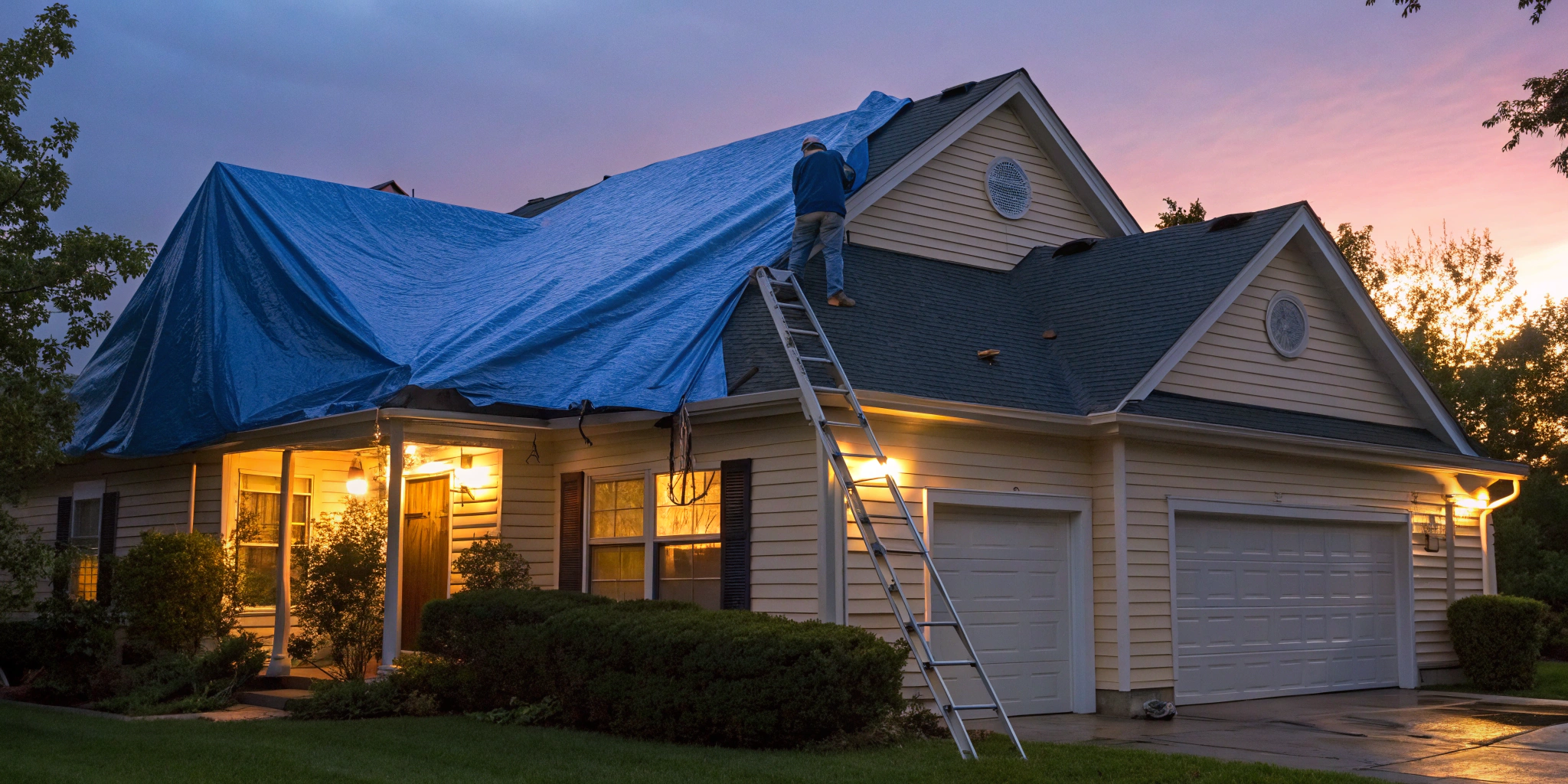
After your roof sustains damage, one of your first calls will likely be to your insurance company. But what they expect from you is just as important. Insurers require homeowners to take reasonable steps to mitigate further damage, and failing to do so can complicate your claim. This is precisely why emergency roof tarping is so critical. It’s the definitive action that shows you’re protecting your property. A professional 24-hour roof tarping service not only secures your home against water intrusion but also provides the detailed documentation and photos you need for a smooth and successful insurance claim, proving you acted responsibly from the very beginning.
Key Takeaways
- Act Immediately to Prevent Further Damage: When your roof is breached, emergency tarping is the critical first step. It acts as a temporary shield to stop water from causing severe, costly damage to your home’s structure and interior, giving you time to plan a permanent repair.
- Always Choose a Licensed Professional: Attempting a DIY tarp job is dangerous and often ineffective. A professional team has the safety equipment and high-quality materials to secure your roof correctly, ensuring the tarp holds up and providing the necessary documentation for your insurance claim.
- Prepare Before the Storm Hits: You can handle a roofing emergency with less stress by planning ahead. Get regular roof inspections, save the number of a trusted local roofer, and understand your homeowner’s insurance policy so you know exactly what to do when damage occurs.
What is Emergency Roof Tarping (And Why You Need It)
When a storm rips through or a tree branch crashes down, the hole in your roof is an open invitation for serious trouble. Emergency roof tarping is the critical first step to protect your home from further harm. Think of it as first-aid for your roof—a strong, temporary barrier that covers the damaged area to keep wind and water out. This immediate action stops a bad situation from getting worse, giving you the breathing room you need to schedule a permanent fix without worrying about every passing cloud. It’s a crucial part of any emergency roof repair plan.
What Does an Emergency Roof Tarp Do?
An emergency roof tarp serves one primary, vital purpose: to prevent water intrusion. After your roof’s defenses have been breached by hail, high winds, or falling debris, a professionally installed tarp acts as a heavy-duty, waterproof shield. It protects your home’s interior—including the attic, insulation, ceilings, and walls—from water damage that can occur in just a matter of hours. By keeping the elements out, a tarp also helps preserve the structural integrity of your roof deck and the rest of your home, preventing a localized problem from spreading and becoming a much more expensive and complicated repair down the road.
Why Acting Fast Matters
When your roof is damaged, time is not on your side. Delaying a temporary fix like tarping can lead to severe consequences. Even a small leak can introduce enough moisture to saturate insulation, stain drywall, and create the perfect environment for mold and mildew to grow, which can pose health risks. Over time, persistent water exposure can weaken wooden support beams and compromise your home’s entire structure. Acting fast not only minimizes this damage but also shows your insurance company that you took responsible steps to mitigate the loss, which can make the roof claim assistance process much smoother.
DIY Tarping vs. Professional Help
It can be tempting to grab a blue tarp from the hardware store and try to fix the problem yourself, but this often does more harm than good. Climbing onto a damaged roof, especially during or after a storm, is incredibly dangerous. Professionals have the safety equipment and training to assess the situation without risk. Furthermore, the tarps we use are not the same as consumer-grade versions; they are thick, UV-resistant, and engineered to withstand high winds and heavy rain. A professional installation ensures the tarp is secured correctly, won’t trap moisture underneath, and won’t fly off in the next gust of wind, giving you true peace of mind.
When to Call for Emergency Roof Tarping
Knowing your roof is damaged is stressful enough without wondering if the situation is a true emergency. The simple answer is: if your home’s interior is exposed to the elements, you need help immediately. A professional tarping service is your first line of defense against further damage while you figure out the next steps for a permanent repair. It’s a temporary fix that covers exposed areas with a waterproof barrier, blocking rain and wind from making a bad situation worse.
Waiting can turn a manageable problem into a catastrophe. Delaying emergency roof tarping can lead to serious consequences like extensive water damage, mold growth, and even compromised structural integrity. Think of it as critical first aid for your home. It stops the bleeding so you can properly address the wound. Whether it’s a few missing shingles from a windstorm or a more dramatic hole from a fallen branch, getting a tarp on quickly protects your property and gives you the breathing room you need to file an insurance claim and schedule a full repair. If you see daylight from your attic or water stains on your ceiling, it’s time to make the call.
After a Storm or Severe Weather
Here in Central Florida, we’re no strangers to intense weather. After a hurricane, tropical storm, or even a severe thunderstorm passes through, it’s essential to check your roof for damage. High winds can lift and remove shingles, while hail can create cracks and punctures. If you notice any signs of damage, calling for an emergency tarp is a crucial first step. Emergency roof tarping helps stop new water from getting in before it can cause long-term structural problems or saturate your insulation and drywall. A quick hail damage inspection can reveal issues that aren’t visible from the ground, and getting a tarp in place immediately can save you thousands in interior repairs.
When a Tree or Debris Hits Your Roof
A fallen tree limb can cause immediate and significant structural damage, leaving a gaping hole in your roof. This is one of the most clear-cut cases for an emergency call. The moment your roof’s structure is punctured, your home is vulnerable to rain, pests, and other outdoor elements. Leaving the area exposed for even a short time invites water to soak your attic, ceiling, and walls, creating a perfect environment for mold. Getting a professional to safely cover the hole with a heavy-duty tarp is the top priority. This secures the area and protects your home while you arrange for emergency roof repair and debris removal.
For Fire Damage or Sudden Leaks
While storms and falling trees are common culprits, they aren’t the only reasons you might need an emergency tarp. A house fire can destroy sections of your roof, and the water used to extinguish it can cause its own set of problems. Tarping the damaged areas is essential to protect what’s left of your home from the weather. Similarly, a sudden, aggressive leak that appears without an obvious cause also warrants an emergency call. This could signal a major failure in your roofing system. A tarp can prevent further interior damage while a professional investigates the source of the leak and plans a permanent fix for your residential roofing.
What Does Emergency Roof Tarping Cost?
When your roof is suddenly damaged, one of your first questions is likely about the cost to secure it. Getting a handle on the potential price of an emergency roof repair can help you make a clear-headed decision during a stressful time. While every situation is unique, here’s a breakdown of what you can generally expect when it comes to emergency roof tarping costs in Central Florida.
Average Cost in Central Florida
As a general guideline, emergency roof tarping in our area typically ranges from $1 to $2.80 per square foot. This estimate usually includes both the materials and the professional labor required to install the tarp correctly. Because of the urgent, often after-hours nature of the work, you can expect the cost to be about 30% higher than a standard, non-emergency tarping job. Think of this range as a starting point, as the final price will depend on the specifics of your roof and the damage it has sustained.
What Affects the Final Price?
Several key factors influence the final bill for an emergency tarping service. The size and steepness of your roof are the most significant; a larger or more pitched roof requires more materials, time, and safety precautions, which increases the cost. The quality of the tarp also matters—a heavy-duty tarp costs more but provides superior protection. Other variables include how difficult your roof is to access and the extent of the damage. A roof with severe structural issues will require a more complex and careful installation, which can also affect the price.
Will Insurance Cover It?
This is a critical question, and the good news is that most homeowner’s insurance policies do cover emergency roof tarping. Insurers see it as a necessary step to mitigate damage—by placing a tarp, you are actively preventing further water intrusion, mold growth, and structural problems that would lead to a much larger and more expensive claim later. While you should always confirm the details with your provider, never delay this crucial service. Acting fast not only protects your home but also strengthens your case when you need roof claim assistance.
How to Choose an Emergency Tarping Service
When your roof is damaged, you’re under a lot of pressure to act fast. But making a panicked decision can lead to bigger problems, from shoddy work to issues with your insurance claim. Choosing the right emergency tarping service is your first and most important step toward protecting your property. A reliable company will not only stop the immediate damage but also provide the documentation you need for your roof claim assistance. Instead of just picking the first name that pops up in a search, take a moment to evaluate your options based on a few critical criteria. This ensures you get a secure, temporary fix that holds up until permanent repairs can be made.
The right team will bring professionalism and expertise to a chaotic situation, giving you confidence that your home is protected. They understand that emergency tarping is more than just throwing a plastic sheet over a hole; it’s a precise process that prevents further water intrusion without causing additional damage to your shingles or roof structure. A quality provider will also help you think ahead, ensuring the tarping job is documented correctly for insurance purposes and setting you up for a smooth transition to a permanent repair. To find a company you can trust, focus on these three key factors.
Quick Response Time and 24/7 Availability
Roof damage doesn’t stick to a 9-to-5 schedule, and neither should your roofer. Water can cause significant structural damage in just a few hours, so you need a team that offers true 24/7 service. When you call, you should be able to speak to someone immediately and get a clear timeline for their arrival. A professional emergency roof repair service understands the urgency and should be able to dispatch a crew within hours, not days. The faster a tarp is placed, the more effectively you can prevent interior water damage, protecting your ceilings, walls, and belongings from costly repairs.
Proper Licensing, Insurance, and Safety
Working on a damaged roof, especially during or after a storm, is incredibly dangerous. The area can have unstable structures, slippery surfaces, and even electrical hazards. Never hire a company that isn’t properly licensed and insured. Liability insurance protects you and your property in case of an accident, while workers’ compensation covers their crew if someone gets injured on the job. Don’t be afraid to ask for proof of both. A reputable company will gladly provide their credentials because it shows they prioritize safety and operate professionally, giving you peace of mind during a stressful time.
A Strong Local Reputation (And How to Spot Storm Chasers)
After a major storm in Central Florida, “storm chasers” often appear. These are out-of-town contractors who travel to disaster areas, perform quick, low-quality work, and then disappear, leaving homeowners with a faulty repair and no warranty. To avoid this, always choose a company with deep roots in the local community. Look for a physical office address, check online reviews, and ask for local references. A contractor who has been serving areas like Orlando, Tampa, and Daytona for years has a reputation to uphold. They are more likely to do the job right and be there for you long after the storm has passed.
What to Expect During a Professional Roof Tarping
When you call for an emergency roof tarping service, you’re likely feeling stressed and unsure of what comes next. A professional team will move quickly to protect your property, and knowing the process can help ease your mind. From the initial assessment to the final documentation, every step is designed to secure your home and prevent further issues. Here’s a straightforward look at what our team does when we arrive.
Step 1: Assessing the Damage Safely
The first thing our crew will do is perform a safe and thorough inspection. It’s crucial to understand the full extent of the problem before taking action. This assessment helps us identify all vulnerable areas and stop new water from causing long-term structural problems. We have the right safety gear and experience to navigate a damaged roof, which is why you should never attempt this yourself. Our goal is to get a clear picture of the situation so we can apply the most effective temporary solution and provide an accurate report for your hail damage inspection or storm-related claim.
Step 2: Installing the Tarp Correctly
Once we’ve assessed the damage, we install the tarp. This isn’t just any blue tarp from a hardware store; we use heavy-duty, waterproof, and UV-resistant materials designed to withstand Florida’s weather until permanent repairs are made. The tarp is a critical temporary fix. It acts as a waterproof barrier, covering exposed areas to block rain, wind, and debris from making things worse. Proper installation is key—we secure the tarp carefully to ensure it stays put and provides a watertight seal, giving you peace of mind while you await emergency roof repair.
Step 3: Documenting for Your Insurance Claim
While we secure your roof, we also document everything, taking detailed photos and notes of the damage. This documentation is essential for your insurance claim. Insurers need proof of the damage and evidence that you took immediate steps to prevent it from worsening—a practice called “mitigating damages.” Delaying an emergency tarp can lead to more extensive water damage and structural issues, which could complicate your claim. We provide all the necessary paperwork to support your case, making the process of getting roof claim assistance as smooth as possible.
How to Prepare for Roof Damage Before It Happens
Living in Central Florida means enjoying beautiful sunshine, but it also means preparing for unpredictable weather. When a storm is on the horizon, the last thing you want is to feel panicked about your roof. A little bit of planning can make a huge difference, saving you from stress and expensive, last-minute decisions. Instead of reacting in the middle of a crisis, you can take a few simple, proactive steps to protect your home and family.
Being prepared means knowing the current condition of your roof, having a trusted professional on standby, and understanding your insurance coverage. These three pillars of preparation will give you peace of mind when the skies turn gray. By thinking ahead, you can handle any roofing emergency with confidence, ensuring a small problem doesn’t turn into a catastrophe. Let’s walk through what you can do right now to get ready.
Schedule Regular Roof Inspections
Think of a roof inspection as a routine check-up for your home. It’s the best way to catch small issues before they become major headaches. A professional can spot subtle signs of wear and tear, like loose shingles or failing seals, that aren’t visible from the ground. More importantly, they can identify hidden problems, such as moisture affecting the underlying wood decking, which can compromise your roof’s integrity. Scheduling a yearly hail damage inspection or a general wellness check gives you a clear picture of your roof’s health. This allows you to make minor repairs on your own schedule, rather than being forced into an emergency fix during a storm.
Know Who to Call in an Emergency
When your roof is damaged and water is getting in, time is of the essence. Scrambling to find a reputable roofer in the middle of a storm is a recipe for stress and poor decisions. This is when predatory “storm chasers” often appear, taking advantage of desperate homeowners. Before the storm season even begins, do your research. Find a licensed, insured, and local roofing company with a strong reputation for quality work. Once you’ve found a team you trust, save their number in your phone. Knowing exactly who to call for emergency roof repair means you can get help on the way with a single, stress-free phone call.
Review Your Homeowner’s Insurance Policy
Insurance policies can feel complicated, but it’s crucial to understand your coverage before you need it. Don’t wait for a disaster to find out what is and isn’t covered. Take some time to read through your policy, paying close attention to the section on roof damage and your deductible. Many policies require you to take reasonable steps to mitigate further damage after an incident, which is why prompt roof tarping is so important. Delaying this step could lead to bigger problems like water damage and mold, which your insurer might not cover if they decide you were negligent. If the language is confusing, our team can provide roof claim assistance to help you make sense of your obligations.
Related Articles
- Hire Storm Damage Repair Contractors With Confidence
- Temporary Patch Roof Leak Repair Until Professional Help Arrives
- 24 Hour Emergency Roof Repair: A Step-by-Step Guide
Frequently Asked Questions
How long can an emergency tarp stay on my roof? Think of an emergency tarp as a strong, reliable bandage, not a permanent solution. While a professionally installed, high-quality tarp can protect your home for several weeks or even a few months, it’s meant to be a temporary fix. The goal is to give you enough time to work with your insurance company and schedule a permanent repair without rushing. We recommend moving forward with a full repair as soon as possible to ensure your home is properly protected long-term.
Will the tarping process cause more damage to my roof? This is a great question and a common concern. When installed by a professional, a tarp will not cause further damage. We use specific techniques to secure the tarp firmly without compromising the integrity of your existing shingles or roof structure. This is one of the biggest risks of trying to do it yourself—improperly nailing a tarp can create new holes and trap moisture, which is the exact opposite of what you want.
Why is a professional tarp so much better than one from the hardware store? The blue tarps you see at hardware stores are great for covering firewood, but they aren’t designed to withstand Florida’s intense sun, high winds, and heavy rain. The tarps we use are significantly thicker, UV-resistant, and waterproof, engineered specifically for this purpose. More importantly, our professional installation ensures the tarp is secured correctly to create a watertight seal that won’t fly off in the next gust of wind.
Does getting a tarp mean I automatically need a full roof replacement? Not necessarily. Tarping is the first step to stop immediate damage, regardless of the severity. The next step is a thorough inspection to determine the extent of the problem. Sometimes, the damage is localized and only requires a targeted repair. In other cases, especially after a major storm, a full replacement might be the best course of action. The tarp simply protects your home while we figure out the right long-term solution for you.
What happens if I wait a day or two to call for a tarp? Waiting is one of the riskiest things you can do. Even a small, unaddressed leak can let in a surprising amount of water in just 24 hours. This moisture can saturate your attic insulation, stain your ceilings, and create a breeding ground for mold. Delaying also signals to your insurance provider that you didn’t take immediate action to prevent further harm, which can sometimes complicate your claim. Acting fast is always the best policy.