


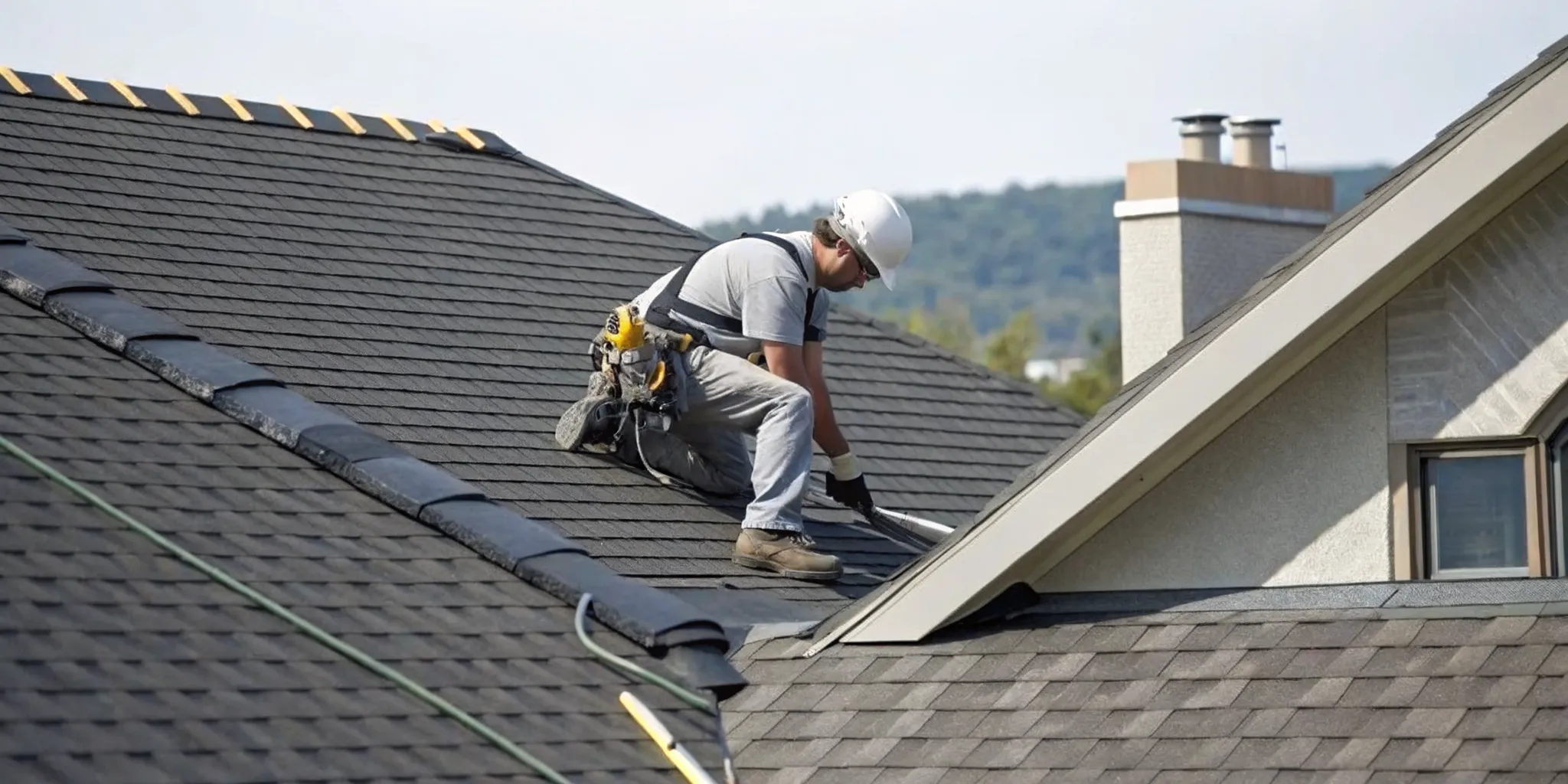
Living in Central Florida means enjoying beautiful weather, but it also means our homes endure a unique kind of stress. The relentless sun bakes our shingles, daily downpours test our seals, and the threat of hurricane-force winds is always present. This constant assault makes our roofs particularly vulnerable to leaks. A problem that might be minor elsewhere can quickly escalate here. That’s why understanding the specific challenges our climate poses is so important. This article is your local guide to protecting your home, covering everything from common storm damage to the wear and tear caused by our intense weather. We’ll help you identify issues early and find the best residential roof leak repair service that knows how to build for Florida.
Key Takeaways
- Proactively check for subtle leak indicators: Regularly look for water stains, musty smells in the attic, or damaged shingles. Identifying common issues like failing flashing or clogged gutters early prevents small problems from becoming major structural damage.
- Prioritize a professional for a reliable repair: While a DIY patch seems quick, a professional roofer can accurately diagnose the true source of a leak. Always choose a licensed and insured contractor who offers a workmanship warranty to ensure a safe and lasting solution.
- Make repairs affordable with smart planning: You can manage the cost of a leak repair without cutting corners. Acting fast to prevent further damage, checking your homeowner’s insurance policy, and asking about financing options are practical steps to protect your home and your budget.
Why Is My Roof Leaking?
That moment you spot a water stain on your ceiling is a heart-sinking one. Your mind immediately jumps to the worst-case scenario, but take a breath. A roof leak is a symptom, and finding the root cause is the first step toward a real solution. Here in Central Florida, our roofs are up against a lot. The intense sun, heavy rains, and hurricane-force winds all work together to test the limits of your home’s most important protector. A leak can start for many reasons, and it’s not always as dramatic as a tree branch crashing down during a storm.
Sometimes, the cause is obvious, like shingles scattered across your yard after a windy night. Other times, it’s more subtle, stemming from issues that have been developing for years. Problems can hide in plain sight, from aging materials that have finally given up to small installation errors made long ago. It’s a common misconception that only old roofs leak; a brand new roof can have issues if not installed correctly. Understanding what causes a roof to leak helps you know what to look for and when to call for help. Below, we’ll walk through the most common reasons your roof might be letting water in, so you can feel more prepared to handle the repair process for your residential roofing system.
Damaged or Missing Shingles
Your shingles are your roof’s first line of defense, and when they’re compromised, your home is vulnerable. Here in Florida, shingles take a constant beating from UV rays, which can make them brittle over time. Add a severe thunderstorm with strong winds, and it’s easy for shingles to crack, curl, or be torn off completely. Even a single missing shingle creates an open invitation for rainwater to seep into the underlayment and decking. Hail is another major culprit, as it can leave dents and cracks that might not be visible from the ground but are serious enough to cause leaks. A professional hail damage inspection can identify these weak spots before they turn into a major interior problem.
Problems with Flashing
If your shingles are the armor, flashing is the seal that protects the most vulnerable areas. Flashing consists of thin pieces of metal installed around chimneys, vents, skylights, and in roof valleys. Its job is to direct water away from seams where water is most likely to penetrate. Unfortunately, flashing can fail over time. It can rust, come loose, or get damaged during a storm. Sometimes, the sealant around the flashing dries out and cracks. An improper installation can also leave gaps from the start. Because these leaks often happen around structures that pass through the roof, they can be tricky to pinpoint, but they are one of the most frequent sources of water intrusion.
Clogged Gutters
It’s easy to forget about your gutters, but they play a critical role in protecting your roof. Their purpose is to collect rainwater and channel it safely away from your home’s foundation. When gutters get clogged with leaves, pine needles, and other debris, that water has nowhere to go. Instead, it backs up and pools along the edge of your roof. This standing water can easily seep under your shingles and rot the wooden structure beneath, including the fascia boards and roof decking. What starts as a simple maintenance oversight can quickly become a significant and costly leak. Regularly cleaning your gutters is one of the easiest ways to prevent this type of water damage.
Age and Wear
Just like anything else, a roof has a finite lifespan. Constant exposure to the elements eventually takes its toll. Over many years, the Florida sun bakes the oils out of asphalt shingles, causing them to become dry and brittle. They may lose the protective granules that shield them from UV rays, making them more susceptible to cracking and breaking. As a roof ages, its ability to withstand storms diminishes significantly. An older roof that seems fine one day can spring multiple leaks after a single heavy downpour. If your roof is approaching the 20-year mark, it’s wise to plan for a replacement before age-related failures lead to an emergency roof repair and extensive interior damage.
What Are the Best Products for Fixing a Leak?
When you spot a leak, your first instinct is probably to figure out how to stop it, fast. The market is full of products promising a quick fix, but choosing the right one is key to a lasting repair. The best product for your leak depends on the source of the problem, your roof’s material, and the size of the damaged area. For a tiny crack in the flashing, a professional-grade sealant might be all you need. For a larger issue or a persistent leak, you might look at liquid rubber coatings or a full patch kit.
It’s also important to remember that not all repair products are created equal. While a DIY solution can be a good temporary measure, professional materials are designed for greater durability and longevity, especially under the intense Florida sun and rain. Using the right product not only stops the current leak but also helps prevent future ones, protecting your home and giving you peace of mind. We’ll walk through some of the most effective options so you can make an informed decision for your residential roofing needs.
Professional-Grade Sealants
Think of sealants as the first line of defense for small-scale leaks. These are typically used to seal gaps around flashing, vents, chimneys, and skylights. A common cause of leaks is the breakdown of old sealant due to weather exposure. Applying a high-quality, professional-grade sealant can create a durable, waterproof barrier that stands up to the elements. For example, products like SkyCoat™ are specifically designed to protect and prolong the life of these vulnerable areas. While you can find basic caulks at any hardware store, a professional roofer will use superior sealants that offer better flexibility and resistance to UV degradation, ensuring the repair lasts.
Liquid Rubber Solutions
For more widespread issues or roofs with complex shapes, liquid rubber solutions can be an excellent choice. These coatings are applied as a liquid and then cure to form a seamless, rubberized, and completely waterproof membrane over the affected area. This method is particularly effective for flat or low-slope roofs where water tends to pool. Products like Sikalastic® Clearglaze are engineered to protect surfaces from rain, hail, and sun, effectively stopping leaks in their tracks. Because it creates a single, continuous layer, there are no seams or joints where water can penetrate, making it a highly reliable repair option for larger surfaces.
Roof Patch Kits
When you’re dealing with a more obvious hole or a section of damaged shingles, a roof patch kit can provide a solid fix. These kits typically include a patching material (like a fiberglass mat or fabric) and a strong adhesive or cement to hold it in place. They are designed to cover punctures, cracks, and other significant damage. Following a clear step-by-step guide is essential to ensure the patch adheres correctly and creates a watertight seal. While patches can be a great DIY solution for an emergency, it’s often best to have a professional assess the damage to determine if a simple patch is sufficient or if a more permanent repair is needed.
Materials for the Florida Climate
Living in Central Florida means your roof faces a unique set of challenges, from hurricane-force winds to relentless sun and torrential downpours. That’s why choosing materials designed for this climate is non-negotiable. When repairing or replacing your roof, look for impact-resistant shingles and materials with high wind ratings. It’s also wise to consider materials that reflect solar heat, which can help keep your home cooler and lower your energy bills. Investing in these high-performance materials can even lead to insurance discounts, especially if you get a wind mitigation inspection. We can help you explore these options and even offer financing to make the investment more manageable.
How Can I Tell If My Roof Is Leaking?
A roof leak doesn’t always start with a dramatic drip from the ceiling. Often, the signs are much more subtle and can go unnoticed until significant damage has occurred. Being proactive and knowing what to look for can save you from costly repairs down the road. If you suspect a problem with your residential roofing, it’s always best to investigate sooner rather than later. Pay attention to these four key indicators that water might be finding its way into your home.
Water Stains on the Ceiling
One of the most common signs of a roof leak is a discolored spot on your ceiling or walls. These stains often look like brownish or yellowish rings and can grow over time. If you spot one, try to trace it back to the source. The leak in the roof might not be directly above the stain, as water can travel along rafters and ceiling joists before it soaks through. While a small stain might seem like a minor cosmetic issue, it’s a clear signal that moisture is getting in. Addressing it quickly can prevent the underlying structure from weakening and stop mold from taking hold.
Musty Odors or Mold
If you notice a persistent musty or earthy smell, especially in your attic or on the top floor of your home, don’t ignore it. This odor is a telltale sign of hidden moisture and potential mold or mildew growth. Water that seeps into your home can get trapped in insulation, drywall, and wood, creating the perfect environment for mold to thrive. Look for black or dark green spots on the underside of your roof decking or along ceiling joists. Because mold can pose health risks, it’s important to identify and fix the source of the moisture as soon as possible.
Daylight Peeking Through the Attic
This one is as straightforward as it gets. On a sunny day, head up to your attic and turn off the lights. If you can see any slivers of daylight coming through the roof boards, you have a direct path for water to enter your home. These holes can be caused by anything from a missing shingle to damage from a storm. A professional hail damage inspection can help identify these smaller punctures that are often hard to spot from the ground. Any visible light is a clear sign that your roof’s protective barrier has been compromised and needs immediate attention.
Damp Insulation
Your attic insulation acts like a sponge, and if there’s a leak, it will likely be the first thing to absorb the water. If it’s safe to do so, carefully check your insulation for any damp spots, clumping, or discoloration. Wet insulation is not only ineffective at regulating your home’s temperature, but it also becomes a breeding ground for mold and can cause the surrounding wood to rot. If you find dampness, it’s a strong indication of an active leak that requires an emergency roof repair to prevent the problem from spreading and causing more extensive structural damage.
Should I Fix My Roof Myself or Hire a Pro?
When you spot a leak, your first instinct might be to grab a ladder and some sealant. The DIY route can seem like a quick and budget-friendly fix, and for some tiny issues, it might be. But roofing is more complex than it looks. A small drip could be a sign of a much bigger problem, and a patch job that isn’t done correctly can lead to more extensive and expensive damage down the road.
Deciding between a DIY repair and calling a professional roofer comes down to weighing the scope of the damage, your own safety, and the long-term value of the repair. While handling a minor fix yourself can feel empowering, knowing when to step back and call in an expert is key to protecting your home and your investment. Let’s walk through the factors to help you make the best choice for your situation.
When to Call a Professional
If you’re dealing with anything more than a single, easy-to-reach damaged shingle, it’s time to call a professional. A professional roofer does more than just patch a hole; they conduct a thorough inspection to find the true source of the leak, which might be far from where the water is showing up inside. Experts can identify underlying issues like hidden water damage, inadequate flashing, or ventilation problems that a DIYer would likely miss. They also understand how to apply materials according to manufacturer specifications, which is often necessary to keep your roof’s warranty valid. For a comprehensive hail damage inspection or any leak that has you stumped, getting an expert opinion is the smartest first step.
DIY Fixes for Minor Leaks
If you’re comfortable working at heights and the problem is genuinely minor, a DIY fix might be an option. We’re talking about things like applying roofing cement to a tiny crack in a shingle or sealing the flashing around a vent pipe that has a small, visible gap. For metal roofs, you might be able to carefully tighten loose screws if you notice they’ve backed out. However, even these simple-sounding tasks can be tricky. It’s crucial to use the right materials for your specific roof type and to ensure you aren’t accidentally causing more damage by walking on the roof incorrectly. If you have any hesitation, it’s always safer to leave it to the pros.
Safety and Complexity
Your safety should always be the top priority. Getting on a roof is inherently risky, especially with Florida’s sudden rain showers that can make surfaces slick in an instant. Beyond the physical danger, there’s the complexity of the roofing system itself. What looks like a simple problem might be a symptom of a larger issue. A single missing shingle could be covering up rotted decking underneath. Attempting a repair without the right knowledge can lead to bigger leaks, structural damage, and voided warranties. A failed DIY fix can quickly turn a small problem into a crisis requiring emergency roof repair, costing you far more in the end.
Comparing Costs and Long-Term Value
While a DIY repair saves you the initial cost of labor, it can be more expensive in the long run. The supplies for a proper repair can add up, and if the fix doesn’t hold, you’ll have to spend more time and money redoing it or calling a professional anyway. A professional repair from a reputable company comes with a guarantee on the workmanship, giving you peace of mind. It also saves you valuable time and physical effort. When you factor in the long-term security of a job done right, the cost of hiring a pro is a worthwhile investment. Plus, with accessible financing options, you don’t have to let budget concerns lead to a risky repair.
How Do I Choose the Best Roof Repair Service?
Finding the right person to fix your roof can feel like a huge task, especially when you’re already stressed about a leak. But you don’t have to just cross your fingers and hope for the best. By looking for a few key qualifications, you can confidently hire a professional who will get the job done right the first time. A great roofing contractor not only fixes the immediate problem but also helps you protect your home for years to come. Think of it as finding a long-term partner for one of your home’s most important assets. Taking the time to vet your options now will save you from headaches and costly repairs later. Here’s what you should focus on to find a reliable and skilled roofing service in Central Florida.
Check for Licensing and Insurance
This is the absolute first thing you should verify. A licensed and insured roofer isn’t just a “nice to have,” it’s essential. Licensing proves they meet state and local requirements to perform the work, while insurance protects you from any liability if an accident happens on your property. Imagine a worker getting injured while on your roof; without proper insurance, you could be held responsible. A professional company will always be upfront with their credentials and happy to provide proof of both. Don’t be shy about asking for it. This simple step ensures you’re working with a legitimate business that values safety and professionalism.
Read Reviews and Get Written Estimates
Once you’ve confirmed a few companies are licensed and insured, it’s time to see what past customers have to say. Check out online reviews on platforms like Google and the Better Business Bureau to get a sense of their reputation. While a perfect record is rare, look for consistent themes of good communication, quality work, and timeliness. After you’ve narrowed down your list, contact at least three companies for a written estimate. This document should detail the scope of the work, the materials they’ll use, and the total cost. Comparing these estimates helps you understand the project better and ensures you’re getting a fair price for the service.
Confirm Their Experience with Your Roof Type
Not all roofs are created equal, and neither are all roofers. Florida’s climate presents unique challenges, from intense sun to hurricane-force winds, so you need a contractor who understands local conditions and building codes. It’s also critical that they have hands-on experience with your specific type of residential roofing, whether it’s asphalt shingles, tile, or metal. An experienced roofer will know the best materials and techniques to use for a lasting repair in our area. Ask them directly about similar projects they’ve completed. A roofer who is familiar with your roof’s material and the local weather is your best bet for a durable, effective repair.
Ask About Warranties
A warranty is a company’s promise to stand behind its work. Reputable roofing contractors will offer a labor warranty on their repairs, which is separate from the material warranty provided by the manufacturer. This labor warranty gives you peace of mind, knowing that if something goes wrong with the repair due to workmanship, they will come back and fix it. Be sure to ask for the warranty details in writing. Understand what it covers and for how long. A strong warranty is a great indicator of a contractor’s confidence in their skills and their commitment to providing high-quality service. It’s a final, crucial checkmark in choosing the right pro for the job.
What Should I Expect from a Professional Roof Repair?
When you discover a leak, the repair process can feel overwhelming. Knowing what to expect from a professional roofer can help you feel more in control and confident in your choice. A reputable company will guide you through a clear, straightforward process, from the initial call to the final cleanup. The goal is not just to patch a leak but to provide a durable solution that protects your home for years to come. It all starts with a detailed assessment to pinpoint the exact cause of the problem.
The Inspection Process
The first step any professional roofer will take is a thorough inspection. This isn’t just a quick glance from the ground; it’s a comprehensive evaluation to find the root cause of the leak and identify any other potential issues. An expert will get on your roof to examine shingles, flashing, and seals around vents and chimneys. They will also likely check your attic for signs of water damage, damp insulation, or daylight peeking through. After the assessment, you should receive a detailed explanation of the findings and a clear, written estimate for the necessary repairs. This process ensures you get the right advice, especially after a storm that might require a hail damage inspection.
Repair Methods and Timelines
Once you approve the estimate, the repair work can begin. Depending on the severity of the leak, many repairs can be completed quickly, sometimes even the same day. For urgent issues, a professional team can often provide a fast response to prevent further damage to your home. The repair method will depend on the problem, whether it’s replacing a few damaged shingles, resealing flashing, or patching a small hole. A professional crew will take care to protect your property during the repair and will always clean up the work area completely once the job is finished, leaving your home secure and tidy.
Quality of Materials and Work
A lasting repair depends on two things: quality materials and skilled workmanship. A professional roofer will use materials designed to withstand the Florida climate, from intense sun to heavy rain. This means using professional-grade sealants, durable shingles, and proper underlayment that won’t degrade after one hot summer. Just as important is the expertise of the team doing the work. Proper installation is key to ensuring the repair holds up over time. A trustworthy company will stand behind their work with a warranty on both materials and labor, giving you peace of mind that your residential roofing is in good hands.
How Can I Save Money on Roof Leak Repairs?
A leaking roof is an unexpected expense nobody wants, but ignoring it will only lead to bigger, more expensive problems down the road. When you see a water stain on your ceiling, it’s easy to feel a sense of panic about the potential cost. However, managing the expense of a roof repair is entirely possible with the right approach. Saving money here isn’t about cutting corners or choosing the cheapest patch job; it’s about making smart, timely decisions that protect your home and your wallet in the long run.
The key is to act quickly and explore all the resources available to you. A small leak left unaddressed can quietly cause thousands of dollars in damage, from rotted wood and ruined insulation to widespread mold growth that can affect your family’s health. By understanding how to work with your insurance, exploring payment options, and recognizing the signs of a true emergency, you can get a high-quality repair without draining your savings. Let’s walk through the practical steps you can take to make your roof leak repair more affordable.
Insurance Claims Assistance
Your homeowner’s insurance policy might be your first line of defense against the cost of a roof leak. Typically, policies cover damage from sudden, accidental events like a hailstorm or a fallen tree branch. However, they usually don’t cover leaks caused by old age or a lack of maintenance. It’s a good idea to review your policy to understand what’s included. The claims process can feel complicated, which is why working with a roofer who offers roof claim assistance can be a huge help. We can document the damage properly and communicate with your insurance company to make sure the process is as smooth as possible.
Flexible Financing Options
If your insurance doesn’t cover the repair or if you have a high deductible, the out-of-pocket cost can still be a concern. Instead of putting off a critical repair, look into financing. Many roofing companies offer payment plans that allow you to fix the problem now and pay for it over time in manageable installments. This approach protects your home from further damage without creating a major financial strain. Our flexible financing options are designed to fit different budgets, ensuring you can get the quality repair you need right away.
When to Call for Emergency Repairs
It might sound strange, but calling for an emergency repair can actually save you money. A small leak can quickly escalate into a major crisis, leading to waterlogged insulation, mold growth, and even structural damage to your home’s frame. These issues are far more expensive to fix than the original leak. If you see water actively dripping from your ceiling, notice stains spreading quickly, or find a leak near electrical wiring, it’s time to make an emergency roof repair call. Addressing the problem immediately stops the damage in its tracks and prevents a small issue from turning into a costly disaster.
Related Articles
- How to Repair a Leak in Your Roof: The DIY Guide
- A Quick Fix for a Roof Leak: Your Emergency Guide
- How to Do a Roof Repair From Inside Your Attic
- Shingle Roof Leak Repair: DIY Tips & When to Call Pros
Frequently Asked Questions
How often should I get my roof inspected to prevent leaks? A professional roof inspection is a great idea once a year, and it’s also smart to have one done after any major storm passes through. Think of it like a regular check-up. An annual inspection allows a professional to spot and fix small issues, like cracked sealant around a vent or a few loose shingles, before they have a chance to turn into a full-blown leak and a much bigger headache.
My leak only shows up during heavy rain. Is it still a big deal? Yes, it absolutely is. Any water getting into your home is a problem, even if it only happens a few times a year. That intermittent moisture can slowly rot the wooden structure of your roof, ruin your insulation, and create a hidden environment for mold to grow. Addressing the leak now, while it seems minor, will almost certainly save you from a more complicated and expensive repair later on.
Will my homeowner’s insurance cover the cost of a leak repair? It really depends on the cause of the leak. Most insurance policies will cover damage from sudden events, like a hailstorm or a tree branch falling on your roof. However, they typically do not cover leaks that result from general wear and tear or a lack of maintenance on an old roof. The best first step is to review your policy, and we can certainly help by providing a thorough inspection and documentation to support your claim if the damage is covered.
How can I tell if I need a simple repair or a whole new roof? The decision often comes down to the age of your roof and the extent of the problem. If your roof is relatively new and the leak is isolated to a small area, a professional repair is usually all you need. But if your roof is approaching 20 years old, or if you’re dealing with multiple leaks and widespread damage, a full replacement is often the more cost-effective solution in the long run. A professional inspection will give you a clear picture of your roof’s health and the best path forward.
What can I do to temporarily stop a leak while I wait for a professional? Your immediate goal is to manage the water inside your home to prevent further damage. Place a bucket or large container directly under the drip to protect your floors and furniture. If you can safely access your attic, you might be able to place a bucket there to catch the water closer to the source. Please avoid getting on the roof yourself, especially during or after a storm. A professional can safely install a temporary tarp if needed when they arrive for the inspection.