


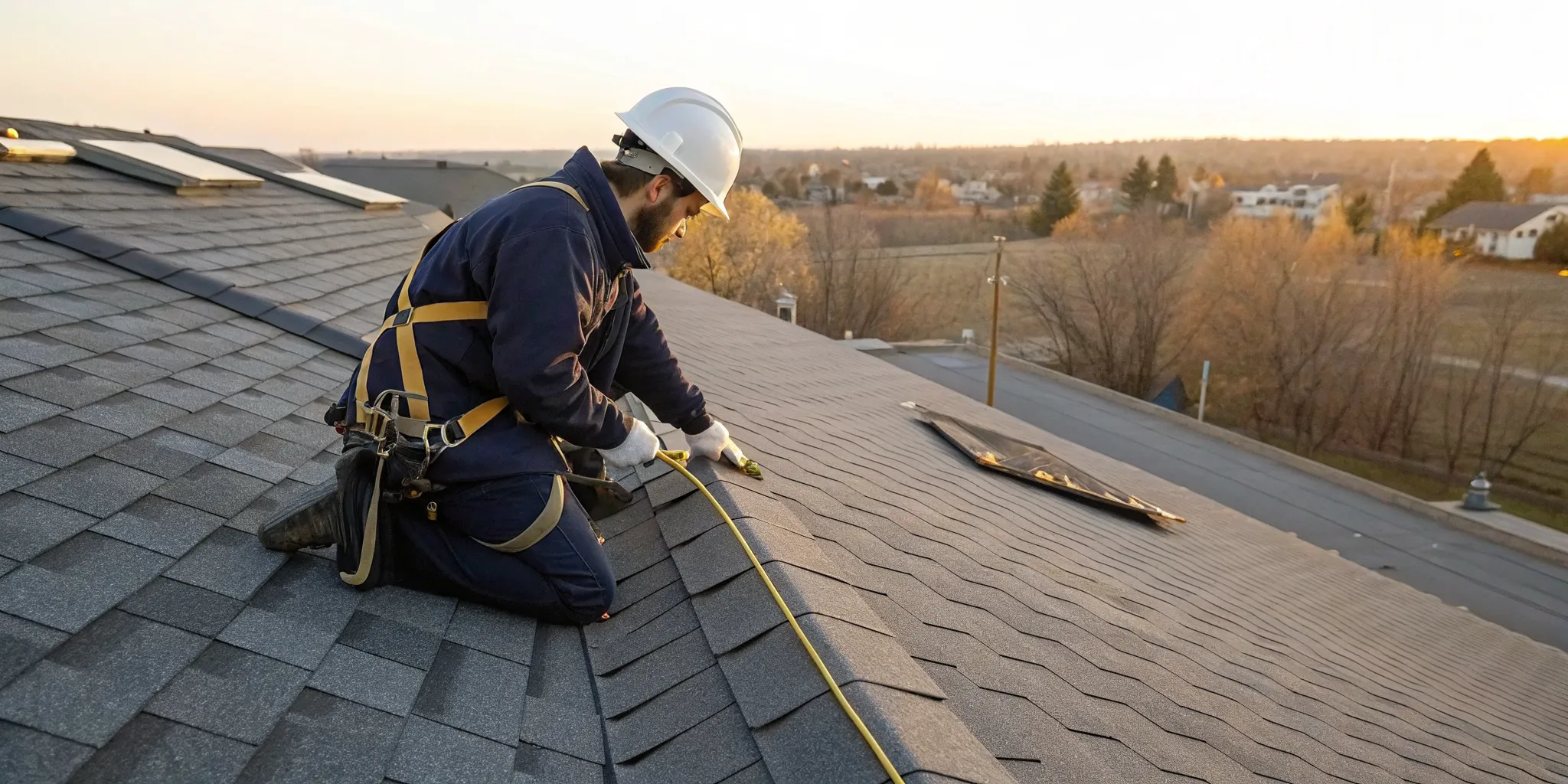
After a storm, you walk outside, look up, and see shingles missing or a tree limb on your roof. The damage is obvious, but the next step feels much less clear. How do you find a reliable professional who can provide a lasting solution, not just a quick patch? The process of hiring a roofer can feel daunting, especially when you’re already stressed. That’s why we’ve broken it down into simple, manageable steps. This guide will help you understand what a thorough inspection looks like, how to navigate the insurance claim process, and what separates a great contractor from the rest. Our goal is to give you the tools you need to find the best roofer for wind damage.
Key Takeaways
- Verify a Roofer’s Credentials: Before signing anything, confirm the contractor is licensed and carries both general liability and workers’ compensation insurance. Choosing a roofer with a permanent local office ensures they are invested in their community and will be available to stand by their warranty.
- Seek Comprehensive Storm Damage Support: The best contractors act as your partner through the entire restoration. Look for a team that offers essential services like detailed inspections, emergency tarping to prevent further water damage, and expert assistance with your insurance claim.
- Compare Detailed Estimates and Spot Red Flags: Always get at least three itemized quotes to compare the full scope of work, materials, and timelines, not just the final price. Be cautious of high-pressure sales tactics or demands for large upfront payments, as these are common signs of a scam.
What to Look for in a Wind Damage Roofer
After a storm passes, the last thing you want is more stress from a bad roofing experience. Finding the right contractor is about more than just getting a quick fix; it’s about ensuring your home is protected for years to come. When you start your search, focus on a few key qualifications that separate the pros from the pack. These are the non-negotiables that guarantee you’re working with a skilled, reputable, and trustworthy team.
Must-Have Licensing and Insurance
This is the absolute baseline for any contractor you consider. A valid state license proves they meet Florida’s standards for professional conduct and knowledge. But insurance is just as critical. A roofer should carry both general liability and workers’ compensation insurance. General liability protects your property from accidental damage during the repair process. Workers’ compensation covers their crew if someone gets injured on the job, so you aren’t held liable. Don’t just take their word for it; ask to see proof of their license and insurance certificates before signing anything. It’s a simple step that can save you from major headaches down the road.
Key Certifications and Specialized Training
Beyond the basics, look for a roofer who invests in ongoing education. Manufacturer certifications are a great sign. These show that the roofer has been specifically trained by companies like GAF or Owens Corning to install their products correctly, which is often necessary to validate the material warranty. For wind damage specifically, specialized training like a Haag Certified Inspector designation is a huge plus. This means they have advanced skills in assessing storm damage, which is incredibly valuable when you’re dealing with an insurance claim. These credentials show a commitment to quality and expertise that goes above and beyond the minimum requirements.
Proven Experience with Storm Restoration
Not all roofing experience is created equal. You want a team that specializes in storm restoration, not just general repairs. A roofer with a deep background in wind damage will know exactly what to look for, from lifted shingles to subtle creasing. They’ll also understand how to properly document everything for your insurance company, which can make the claims process much smoother. Ask about their experience with roof claim assistance and be sure to get details on their workmanship warranty. A strong warranty shows that the company is confident in its installation quality and will stand behind its work long after the crew has left.
How to Vet a Roofer’s Reputation
Once you have a shortlist of potential roofers, it’s time to do a little homework. A company’s reputation tells you everything you need to know about the quality of their work and the customer experience they provide. Taking the time to properly vet a contractor is the best way to protect your investment and ensure you’re hiring a team you can trust. These steps will help you look past the sales pitch and see which companies truly stand behind their work, especially when it comes to complex storm damage repairs.
Check Their License and Insurance Status
Before you even think about getting an estimate, confirm that any roofer you consider is properly licensed and insured. This is the most basic requirement and it’s non-negotiable. A valid state license proves they meet professional standards, while insurance protects you from liability. The contractor should carry both general liability insurance, which covers any accidental damage to your property, and worker’s compensation, which covers their crew in case of injury. Ask for copies of their insurance certificates and don’t be afraid to verify them with the issuing agency. A reputable roofer will have this information ready and will be happy to provide it.
Read Online Reviews and Testimonials
Online reviews offer a candid look into a company’s track record from the perspective of past customers. Check sources like Google, the Better Business Bureau (BBB), and Yelp to get a well-rounded view. Look for patterns in the feedback. Do customers consistently praise the roofer’s communication, professionalism, and cleanup process for services like residential roofing? Pay attention to how the company responds to negative reviews, as this can reveal a lot about their commitment to customer satisfaction. While price is a factor, remember that the cheapest bid can sometimes signal cut corners or subpar materials. Reviews can help you understand the true value a contractor provides.
Ask for References from Recent Projects
While online reviews are helpful, speaking directly with past clients gives you deeper insight. Ask your potential roofer for a list of references from recent projects, preferably ones involving wind damage similar to yours. A confident, established contractor will gladly connect you with satisfied customers. When you call, ask specific questions about their experience. Was the project completed on schedule? Did the final cost match the estimate? How did the crew behave on-site, and were they respectful of the property? This step helps you confirm the quality of their workmanship and their ability to deliver on their promises.
Review Their Insurance Claim Track Record
Repairing wind damage almost always involves an insurance claim, so you need a roofer who is experienced in this area. A great contractor acts as your advocate, providing the detailed documentation and professional assessment your insurance company needs to approve the claim. Ask them about their experience working with insurance adjusters and if they can provide guidance throughout the process. A roofer who can help you with the roof claim assistance process is an invaluable partner. Their ability to accurately document damage and provide a clear, itemized estimate can make the difference between a smooth, successful claim and a frustrating, drawn-out ordeal.
Essential Services for Wind Damage Repair
After a storm, you need more than just a quick patch job. The best roofing contractors offer a complete suite of services designed to assess the damage, protect your home from further issues, and provide a lasting solution. They act as your partner through the entire restoration process, from the initial emergency call to the final nail. Understanding these essential services will help you identify a roofer who is truly equipped to handle the job and support you every step of the way. A comprehensive approach ensures your home is not only repaired but is also secure for years to come.
Thorough Damage Inspections
The first step any reputable roofer will take is a comprehensive damage inspection. This isn’t just a quick glance from the ground; it’s a detailed, on-the-roof assessment to identify every point of failure. A professional will check for missing or lifted shingles, damaged flashing, dented gutters, and any signs of structural weakness. This meticulous process is critical because it forms the basis for an accurate repair plan and a solid insurance claim. A thorough inspection is essential to understand the full scope of the damage and determine the most effective course of action for your home.
Emergency Tarping and Repairs
Wind damage often creates immediate problems, like active leaks that can cause significant water damage inside your home. A reliable roofer will offer emergency roof repair services to address these urgent issues right away. This usually involves securing a heavy-duty tarp over the damaged area to create a temporary, watertight seal. This quick response is crucial for protecting your home’s interior, including ceilings, walls, and personal belongings, while you wait for permanent repairs to be scheduled. It’s a key service that prevents a bad situation from getting much worse.
Full Roof Replacement
Sometimes, the wind damage is too severe or widespread for a simple repair to be effective. In these cases, a full roof replacement is the safest and most reliable long-term solution. While it’s a bigger project, a new roof ensures every component is sound and properly installed, giving you complete protection against future weather events. A trustworthy contractor will provide an honest assessment of whether repairs are sufficient or if a full replacement is necessary to protect your investment. This ensures your home is secure and gives you peace of mind for decades.
Insurance Claim Assistance
The insurance claim process can feel complicated and stressful, especially when you’re already dealing with a damaged home. A seasoned storm damage roofer will offer roof claim assistance to help you through it. They can provide the detailed documentation, photos, and professional estimates your insurance company needs to process your claim correctly. While you should always check your homeowners policy to understand your coverage, having a knowledgeable contractor on your side can make the entire process smoother and help ensure you get the compensation you’re entitled to.
Solid Workmanship Warranties
A workmanship warranty is a contractor’s promise that their installation or repair work is high-quality and free from errors. This is different from a manufacturer’s warranty, which only covers the materials themselves. A solid workmanship warranty shows that a company stands behind its work and is committed to quality. It gives you confidence that if any issues arise from the installation itself, the roofer will return to fix them. Always ask about the warranty before signing a contract; it’s a clear indicator of a contractor’s professionalism and dedication to their craft.
Roofer Red Flags to Avoid After a Storm
After a storm passes, the last thing you want is to deal with a roofing scam. Unfortunately, some contractors prey on homeowners who are stressed and in a hurry to get repairs done. Knowing what to watch out for can save you from a major headache and financial loss. A trustworthy roofer will be patient, transparent, and professional, giving you the space to make an informed decision. If a contractor’s offer seems too good to be true or they make you feel pressured, it’s okay to pause and do more research. Your home is your biggest asset, and finding the right team to protect it is worth the extra time.
Aggressive Door-to-Door Sales Tactics
Be cautious of roofers who show up at your door uninvited right after a storm. While a local company might leave a flyer, a legitimate contractor won’t use high-pressure tactics to get you to sign a contract on the spot. These aggressive salespeople often create a false sense of urgency, pushing you to make a quick decision before you’ve had a chance to assess the damage yourself or get a second opinion. A reputable roofer understands that this is a big decision. They will provide a detailed inspection and a written estimate, then give you the time you need to review it without pressure.
No Proof of License or Insurance
Never hire a roofer who can’t or won’t provide proof of their license and insurance. This is a non-negotiable. A valid license proves they meet state requirements, while insurance protects you from liability if a worker is injured on your property. Some contractors might try to offer a lower price by skipping these credentials, but the risk is all on you. If something goes wrong, you could be left with a poorly done job and a hefty bill for accidents or damages. A professional company will gladly provide their documentation for your peace of mind before starting any residential roofing project.
Demands for Large Upfront Payments
It’s a major red flag if a contractor asks for the full payment before any work begins. While a reasonable deposit (typically 10-30%) is standard practice to cover material costs, demanding the entire amount upfront is often a sign of a scam. The contractor might take your money and disappear without ever completing the job. A trustworthy company will have a clear payment schedule outlined in the contract, with the final payment due only after the work is finished to your satisfaction. If you’re concerned about costs, ask about financing options instead of paying a questionable contractor in full.
“Storm Chasers” with No Local Presence
After a major weather event, you might see an influx of “storm chasers.” These are out-of-town roofing companies that travel to storm-damaged areas looking for quick work. The problem is they often lack a local reputation and may not be around to honor their warranty if issues arise later. They might perform shoddy work and then become impossible to contact once they move on to the next town. Always choose a contractor with a permanent, local address and a proven track record in your community. A local roofer is invested in their reputation and is more accountable for the quality of their emergency roof repair.
How to Find and Compare Local Roofing Specialists
After a storm, your priority is getting your roof fixed quickly and correctly. But choosing the right contractor requires a little homework. Taking the time to find and compare local roofing specialists is the best way to ensure you get quality work that lasts. This process isn’t just about finding the cheapest option; it’s about finding a reliable partner who will restore your home’s safety and value. By gathering a few estimates and asking the right questions, you can confidently select a roofer who is licensed, experienced, and trusted in the community. This careful approach protects you from shoddy workmanship and ensures your investment is secure for years to come.
Where to Find Qualified Roofers
Start your search by asking for recommendations from friends, family, or neighbors who have recently had roof work done. A personal referral is often the most reliable source. You can also use online searches for “roofers near me,” but be sure to check their credentials thoroughly. Look for established local companies with a physical office in Central Florida. After a major storm, out-of-state “storm chasers” often appear, offering quick, cheap repairs before disappearing. A reputable roofer will be licensed, insured, and have a portfolio of residential roofing projects in your area. Always verify they have specific experience with storm damage repair.
Why You Need Multiple Written Estimates
Getting at least three written estimates is a critical step. This allows you to compare not just the price, but the proposed scope of work, materials, and timelines. A thorough contractor will perform a detailed inspection before providing a quote. Each estimate should be a comprehensive document outlining every aspect of the job, from tear-off to cleanup. This level of detail is essential for making an informed decision and is also crucial when you need roof claim assistance. A clear, itemized estimate helps your insurance adjuster understand the full extent of the damage and the cost of repairs. Be wary of any quote that is significantly lower than the others, as it could indicate cut corners or hidden costs.
Key Questions to Ask in a Consultation
When you meet with potential roofers, treat it like an interview. You’re entrusting them with one of your most valuable assets, so don’t be shy about asking questions. Start with the basics: Are you licensed and insured in Florida? Can you provide proof of both liability insurance and workers’ compensation? Ask about their experience with hail damage inspection and other storm-related issues, and if they can share references from recent, local projects. It’s also important to inquire about the warranties they offer on both materials and workmanship. A trustworthy contractor will be happy to answer your questions and provide all the documentation you need to feel comfortable.
How to Compare Roofing Quotes Fairly
When you have your estimates in hand, sit down and compare them side-by-side. Look past the final price and examine the details. Are they all proposing the same quality and brand of materials? Does the scope of work match across the quotes, including underlayment, flashing, and ventilation? A low bid might be tempting, but it could mean the contractor is using subpar materials or doesn’t carry the proper insurance. A professional quote will be transparent and detailed. It should also outline the payment schedule. If the cost of a full replacement is a concern, ask about available financing options, as this is a service many established companies offer to help homeowners manage the expense.
Understanding the Cost of Wind Damage Repairs
After a storm passes, one of the first questions on your mind is likely, “How much is this going to cost?” The price of wind damage repair can vary quite a bit, but understanding the key factors will help you prepare for the expense and work with your roofer and insurance company more effectively. The final cost depends on the severity of the damage, your roofing materials, and your insurance coverage.
What Factors Influence the Price?
The cost to repair wind damage depends heavily on the extent of the problem. Minor repairs, like replacing a few missing shingles, might cost between $300 and $1,000. More significant damage could run from $1,000 to $5,000, while a full replacement is a much larger investment. The type of roofing material, the slope of your roof, and the accessibility of the damaged areas also play a role in the final price. The only way to know for sure is to get a professional hail damage inspection to assess the situation and provide a detailed estimate for your specific home.
How Insurance Coverage and Deductibles Work
The good news is that most homeowners insurance policies cover wind damage. This is typically part of your policy’s “dwelling coverage,” which protects the structure of your home. Before you file a claim, it’s a great idea to review your policy to understand your specific coverage limits and your deductible. The deductible is the amount you’ll pay out of pocket before your insurance coverage begins. The claims process can feel overwhelming, which is why working with a roofer who offers roof claim assistance can make a world of difference. They can help document the damage and communicate with your adjuster.
Financing Options for Major Repairs
Even with a solid insurance policy, a high deductible or the need for a full roof replacement can leave you with a hefty bill. If you’re facing a large out-of-pocket expense, don’t let it stop you from making essential repairs. Many reputable roofing companies offer flexible financing options to help you manage the cost. This allows you to get the work done right away, protecting your home from further damage, while paying for it over time with manageable monthly payments. It’s a practical solution that ensures your home stays safe and secure without draining your savings account.
Making Your Final Choice
You’ve done your homework, gathered quotes, and checked references. Now it’s time to select the right roofing partner to restore your home. This final step is all about ensuring you feel completely comfortable and confident in your decision. A great roofer will not only do excellent work but will also make the process smooth and transparent from start to finish. By confirming a few last details and knowing what to expect, you can move forward with peace of mind, knowing your home is in capable hands.
How to Choose with Confidence
Before you sign on the dotted line, run through a final checklist to solidify your choice. A reputable contractor should be fully licensed and insured in Florida; don’t just take their word for it, ask for copies of their documentation. You should also receive a detailed, written estimate that outlines the scope of work, materials, and costs. Finally, confirm that they offer a solid workmanship warranty. A contractor who stands behind their work will have no problem guaranteeing it. This process is a crucial part of your insurance claim, so choosing a partner who provides clear documentation will make your roof claim assistance experience much smoother.
What to Expect from the Repair Timeline
Understanding the repair process helps manage expectations. It typically begins with a thorough inspection and temporary fixes, like tarping, to prevent further damage. After that, your insurance adjuster will likely need to assess the roof. Once the claim is approved, the actual work begins. Minor repairs might only take a day or two, while a full roof replacement can take a week or more, depending on the size of your roof and weather conditions. Your contractor should communicate this timeline clearly, keeping you informed about material delivery and the project start date. If you have an urgent issue, an emergency roof repair team can secure your home while you wait for the full project to begin.
Preparing Your Home for the Roofing Project
Once you’ve scheduled the work, a little preparation can make a big difference. Start by clearing the area immediately surrounding your home. Move patio furniture, potted plants, grills, and vehicles out of the way to protect them from falling debris and give the crew a safe workspace. It’s also a good idea to cover any delicate landscaping, like flower beds, with a tarp. Inside your home, the vibrations from the work can sometimes shake things on the walls, so consider taking down any fragile pictures or decorations. Giving your immediate neighbors a heads-up about the upcoming noise is a courteous touch that they’ll surely appreciate.
Related Articles
- Wind Damage Roof Repair: A Step-by-Step Guide
- Residential Storm Damage Roof Repair: A Guide
- Hire Storm Damage Repair Contractors With Confidence
- How to Fix a Roof After a Hurricane: A Complete Guide
Frequently Asked Questions
How do I know if I need a simple repair or a full roof replacement? A professional inspection is the only way to know for sure. While a few missing shingles might point to a simple repair, an experienced roofer looks for less obvious signs of widespread damage, like creased shingles or compromised flashing. They will also consider the age of your roof. If the damage is extensive or your roof is nearing the end of its lifespan, a full replacement is often the most cost-effective and secure solution for the long term.
What should I do if my insurance company’s estimate seems too low? This is a common situation, so don’t worry. An insurance adjuster’s initial estimate may not account for everything needed for a quality, code-compliant repair. This is where a roofer experienced in insurance claims becomes your best asset. They can provide a detailed, line-item estimate with photos and documentation to justify the actual cost of the work. This professional report can then be submitted to your insurance company to ensure you get the proper coverage for a complete and lasting repair.
Why is it so important to hire a local roofer instead of one who just showed up in my neighborhood? Hiring a local roofer is all about accountability. A company with a permanent office and a long-standing reputation in your community is invested in doing quality work. They will be there to stand behind their warranty years down the road. In contrast, out-of-town “storm chasers” often perform quick, low-quality work and then become impossible to find once they move on to the next storm-hit area, leaving you with no support if problems arise.
What’s the difference between a material warranty and a workmanship warranty? A material warranty comes from the manufacturer of the roofing products, like the shingles, and it covers defects in the materials themselves. A workmanship warranty is provided by your roofing contractor and covers the quality of the installation. Since most roof failures are due to installation errors, a strong workmanship warranty is a critical sign that your roofer is confident in their skills and will stand behind their work.
Do I have to be home while the roofing work is being done? You don’t need to be present for the entire project. However, it’s a good idea to be there when the crew first arrives to go over any final details and again at the end for a final inspection. The work itself is quite loud, so many homeowners choose to be away during the day. A professional contractor will keep you updated on their progress and maintain clear communication whether you are home or not.