


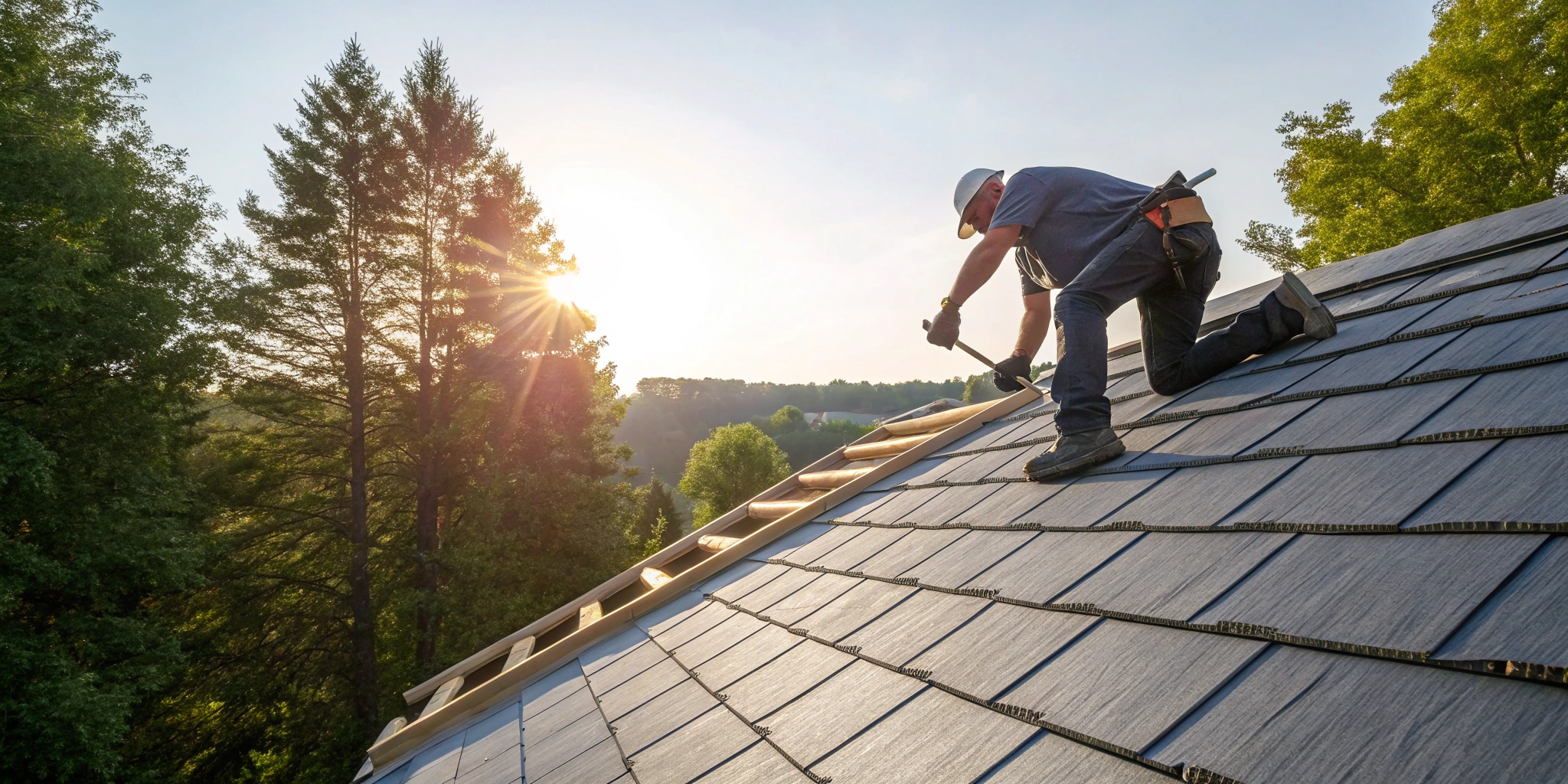
A full roof replacement on an apartment building is a major undertaking, and not just for you. It directly impacts the daily lives of all your tenants. The noise, the crews, the equipment—it can all be a huge disruption if not managed properly. A contractor who prioritizes clear communication and a tidy, safe job site can make the process smooth and stress-free for your residents. On the other hand, a disorganized team can lead to a flood of complaints. That’s why finding the best roofing contractor for apartment buildings is as much about their project management skills as it is about their roofing expertise.
Key Takeaways
- Focus on non-negotiable credentials: Before you even look at a price, confirm the contractor has a valid state license, full insurance coverage, and proven experience with multifamily projects to protect your property and residents.
- Select materials based on long-term value: The best roofing material for your building—whether it’s a TPO membrane for a flat roof or shingles for a sloped one—is the one that balances upfront cost with long-term durability and lower maintenance needs.
- Hire a partner who solves, not just covers: A great contractor does more than install a new roof; they identify and fix core issues like poor drainage, correct previous installation errors, and offer maintenance plans to prevent future problems.
What to Look For in a Multifamily Roofing Contractor
Choosing a roofer for an apartment complex or condo community isn’t the same as hiring someone for a single-family home. The stakes are higher, the logistics are more complex, and the potential for disruption to residents is much greater. You need a partner who understands the unique demands of multifamily properties, from coordinating with tenants and managing large-scale material delivery to ensuring the safety of a busy residential area. Finding the right contractor means looking beyond a simple price quote and digging into their qualifications, experience, and processes. A thorough vetting process will help you find a team that can handle the scale of the job while minimizing headaches for you and your tenants. Here are the key things to look for to ensure your project is in capable hands.
Verify They’re Licensed and Bonded
First things first: any contractor you consider must be properly licensed and bonded. A license isn’t just a piece of paper; it’s proof that the contractor has met the state’s requirements to perform the work legally and professionally. Roofers often need a state-verified certification to work on properties, so this is a critical first check. Being bonded provides an extra layer of financial protection for you. If the contractor fails to complete the job or meet their obligations, the surety bond can cover your losses. Don’t just take their word for it—ask for proof and verify it with the issuing authorities.
Confirm They Have Full Insurance Coverage
Insurance is absolutely non-negotiable. A reputable multifamily roofer will carry both general liability insurance and workers’ compensation. General liability protects your property from any damage caused during the project, while workers’ compensation covers their employees if they get injured on the job. Without it, you could be held liable for accidents. In fact, some states will refuse to issue a license to any business that has failed to secure workers’ compensation obligations. Always request a certificate of insurance directly from their provider to ensure their coverage is active and adequate for the scale of your project.
Look for Manufacturer Certifications
Beyond a state license, look for contractors who hold certifications from leading roofing material manufacturers. These roofing certifications show that a contractor has been specifically trained to install a manufacturer’s products according to their exact specifications. This is a huge advantage for you. Not only does it indicate a higher level of skill and commitment to quality, but it also means the contractor can often offer enhanced or extended warranties on the materials they install. This gives you better long-term protection and peace of mind for your investment, which is critical for a large property.
Prioritize Multifamily Roofing Experience
Working on a single-family home is one thing; managing a roofing project for an entire apartment building is another. Your contractor needs specific experience with multifamily roofing. They should have a deep understanding of the logistics involved, like minimizing disruption to tenants, adhering to strict project timelines, and navigating the complexities of larger, often flat or low-slope, roof systems. A contractor with this background will have the right processes, crew size, and project management skills to handle the job efficiently. They’ll also have a solid knowledge of construction and building codes that apply to larger residential structures.
Ensure a Commitment to Safety (OSHA Compliance)
A contractor’s commitment to safety speaks volumes about their professionalism. A safe job site is an efficient and well-managed one. Ask potential contractors about their safety program and their compliance with Occupational Safety and Health Administration (OSHA) standards. Do they hold regular safety meetings? Is their crew equipped with the proper personal protective equipment (PPE)? A company that invests in safety training, like formal apprenticeship programs, is investing in its people and the quality of its work. This focus on safety minimizes the risk of accidents that could delay your project or create liability issues for your property.
How to Vet and Compare Roofing Contractors
Once you have a shortlist of potential contractors, it’s time to dig a little deeper to find the right partner for your multifamily property. Choosing the cheapest option can often lead to expensive problems down the road. A thorough vetting process protects your investment, ensures the safety of your tenants, and gives you peace of mind that the job will be done right the first time. Taking these extra steps will help you confidently select a reliable, professional, and skilled roofing contractor.
Compare Detailed Quotes, Not Just Prices
When the proposals start rolling in, it’s tempting to scan for the lowest number and call it a day. However, the price tag only tells part of the story. A professional quote should be a detailed, itemized document that breaks down every aspect of the project. Make sure each quote includes the specific materials to be used, labor costs, permit fees, and a plan for cleanup. This allows you to compare apples to apples and understand exactly what you’re paying for. A suspiciously low bid might signal that a contractor is cutting corners with subpar materials or inexperienced labor, which could cost you more in the long run.
Check References and Read Online Reviews
A contractor’s past work is the best predictor of your future experience. Don’t just rely on the testimonials on their website. Ask for a list of references from recent multifamily projects similar to yours and take the time to call them. Ask about their experience with the contractor’s communication, timeliness, and the quality of the finished roof. You should also check online reviews on platforms like Google and the Better Business Bureau. Look for patterns in the feedback and pay attention to how the company responds to any negative comments. A reputable company will have a strong track record of satisfied clients.
Verify Their Credentials and Insurance
This step is non-negotiable. Any contractor working on your property must be properly licensed and insured. Ask for proof of both general liability insurance and worker’s compensation. General liability protects your property from damage, while worker’s compensation covers their crew in case of an injury on the job. Without this coverage, you could be held liable for accidents. Also, look for manufacturer certifications. Top-tier contractors often have special certifications from manufacturers like GAF, which shows they’ve been trained to install those products correctly and can offer better warranties for your commercial roofing project.
Assess Their Communication and Project Management
A major roofing project can be disruptive for your tenants, so clear communication and solid project management are essential. During the vetting process, pay attention to how responsive and professional the contractor is. A good project manager will provide a clear timeline, explain how they’ll protect your property, and outline a plan for keeping residents informed and safe. Ask them who your dedicated point of contact will be and how they will handle any unexpected issues that arise. Their ability to manage the project efficiently is just as important as the quality of their workmanship.
Understand Their Warranties and Service After the Sale
A new roof is a significant investment, and a good warranty protects it. It’s important to understand that there are two types of warranties: the manufacturer’s warranty, which covers the materials themselves, and the contractor’s workmanship warranty, which covers the installation. A contractor who is confident in their work will offer a strong workmanship warranty. Be sure to get the details in writing and understand what is covered and for how long. This provides crucial peace of mind, especially when you need help with a future roof claim assistance process after a storm. The best partners stand by their work long after the final invoice is paid.
What’s the Best Roofing Material for Your Apartment Building?
Choosing the right roofing material for your apartment building is a big decision. It’s not just about what looks good—it’s about protecting your investment, your tenants, and your budget for decades to come. The best material depends on your building’s design, particularly the slope of your roof, as well as your long-term goals for durability and maintenance. A roof is a complex system, and the right choice ensures everything from proper drainage to energy efficiency works as it should. From modern single-ply membranes on flat roofs to classic asphalt shingles on sloped ones, each option has its own set of benefits. Let’s walk through the most common choices so you can feel confident in your decision and find a solution that provides lasting value for your property.
For Flat Roofs: TPO, EPDM, and PVC Membranes
Most apartment buildings feature flat or low-slope roofs because they are cost-effective and provide a convenient space for HVAC units and other equipment. For these roofs, single-ply membranes are the industry standard. Materials like TPO (Thermoplastic Olefin), EPDM (Ethylene Propylene Diene Monomer), and PVC (Polyvinyl Chloride) are rolled out in large sheets and sealed at the seams to create a seamless, waterproof barrier. They are known for their durability and relatively simple installation, which helps keep labor costs down. These modern materials are a top choice for any commercial roofing project, offering reliable protection against Florida’s sun and rain.
Traditional Options: Built-Up and Modified Bitumen Roofing
Before single-ply membranes became popular, built-up roofing (BUR) and modified bitumen were the go-to solutions for flat roofs. These traditional systems are still excellent choices today. Modified bitumen, for example, is made from asphalt reinforced with materials that add strength and flexibility. This makes it incredibly tough and a great option for roofs that need to withstand foot traffic from maintenance crews. Often installed in multiple layers, these systems provide redundant protection against leaks. Their robust nature makes them a dependable choice for property owners looking for a time-tested roofing solution that can handle wear and tear.
For Durability: Metal Roofing
If longevity is your top priority, it’s hard to beat metal roofing. While it often comes with a higher initial cost, a metal roof can last 40 to 70 years with proper care, making it a smart long-term investment. Metal is exceptionally resistant to extreme weather, from high winds and hail to the intense Florida sun, and it won’t catch fire. Over its lifespan, a metal roof can be more cost-effective than other materials because it requires fewer repairs and replacements. This durability not only protects your building but also provides peace of mind, knowing your property is covered by one of the strongest materials on the market.
For Sloped Roofs: Asphalt Shingles
For apartment buildings with sloped or pitched roofs, asphalt shingles are the most popular choice, and for good reason. They strike an excellent balance between affordability, performance, and style. Shingles are easy to install and come in a wide variety of colors and designs, allowing you to match your building’s aesthetic perfectly. A quality architectural shingle roof typically lasts between 15 and 30 years, offering solid protection for your investment. Because they are so common in residential roofing, finding experienced installers is straightforward, ensuring a proper and secure fit for your multifamily property.
Comparing Durability and Long-Term Costs
When you’re comparing quotes, it’s tempting to focus on the upfront price. However, the true cost of a roof is measured over its entire lifespan. A cheaper material might save you money today but could lead to frequent and expensive repairs down the road. Investing in a more durable material like metal or a high-quality TPO membrane can deliver a better return by minimizing maintenance and replacement costs. A reliable roof also enhances your property’s value and keeps your tenants happy and safe. If the initial investment is a concern, exploring financing options can make a higher-quality roof more accessible, protecting your building for years to come.
Common Roofing Problems Your Contractor Should Solve
A great multifamily roofing contractor does more than just lay down shingles or membranes. They are your strategic partner in protecting your investment and ensuring the safety and comfort of your tenants. When you’re vetting potential companies, you want to find a team that can proactively identify and solve complex issues, not just react to them. The best contractors have seen it all and are equipped to handle everything from sudden emergencies to the lingering effects of a shoddy installation from years ago. They should be able to diagnose the root cause of a problem and provide a lasting solution, saving you from the cycle of constant, costly repairs. This means looking beyond the initial quote and focusing on a contractor’s problem-solving capabilities and their approach to long-term roof health.
Expert Leak Detection and Emergency Repairs
A small leak in a single-family home is a problem; a leak in an apartment building can quickly become a catastrophe, affecting multiple units and tenants. Your contractor needs to be a pro at leak detection, capable of tracing water intrusion back to its source, whether it’s from cracks, failed seams, or damage around vents. Because these issues don’t wait for business hours, you need a team that offers reliable emergency roof repair. A swift response can prevent extensive interior damage, protect your residents’ belongings, and stop mold growth in its tracks. When vetting a contractor, always ask about their emergency services and response times to ensure they can be there when you need them most.
Solutions for Poor Drainage and Standing Water
Flat or low-slope roofs, common on apartment buildings, are notorious for drainage issues. Even a slight dip or a clogged drain can lead to “ponding” or standing water. This excess weight stresses the roof structure and accelerates the deterioration of roofing materials, eventually causing leaks. A skilled contractor won’t just patch the leak; they’ll address the underlying drainage problem. This might involve clearing debris, repairing or adding drains, or creating tapered insulation to improve the slope. Solving these issues is critical in Florida, where seasonal rains can turn a minor drainage flaw into a major liability affecting many residents.
Fixing Past Installation Mistakes
Unfortunately, not all roofing jobs are done correctly the first time. We often see problems that stem from poor workmanship by a previous company—improperly installed flashing, incorrect fastening of membranes, or using the wrong materials for the job. A top-tier contractor can identify these installation errors and correct them for good. This is why it’s so important to hire a certified and fully insured team specializing in commercial roofing from the start. A reputable company will stand by their work and ensure every detail is handled correctly, saving you the headache and expense of fixing someone else’s mistakes down the line.
Offering Proactive Maintenance Plans
The most effective way to handle roofing problems is to prevent them from happening in the first place. A forward-thinking contractor will offer proactive maintenance plans designed to extend the life of your roof and catch small issues before they become expensive emergencies. Regular inspections, debris removal, and minor repairs can make a huge difference in your roof’s performance and longevity. Think of it as an investment in your property’s health. A durable, well-maintained roof provides better returns over time by helping you avoid frequent, disruptive repairs and keeping your tenants happy and safe under a reliable roof.
Related Articles
- Multifamily Roofing Contractor: A Complete Guide
- Finding a Local Roofing Contractor: Your 9-Step Guide to Quality Roof Repairs – Skylight Roofing Inc.
- How to Hire a Residential Roof Replacement Contractor
- Can a General Contractor Do Roofing? 5 Things You Should…
Frequently Asked Questions
Why can’t I just hire any residential roofer for my apartment building? Roofing a multifamily property is a completely different ballgame than working on a single-family home. The scale, materials, and logistics are far more complex. A qualified multifamily contractor has experience managing large crews, coordinating material deliveries without disrupting dozens of residents, and adhering to strict safety protocols for a busy property. They also understand the specific building codes and flat-roofing systems common to commercial and apartment buildings, which require a different skill set than a standard sloped shingle roof.
The lowest bid is tempting. What am I risking if I choose the cheapest contractor? A suspiciously low price is often a red flag that a contractor is cutting corners somewhere. This could mean they’re using lower-quality materials that will fail prematurely, hiring an inexperienced or uninsured crew, or skipping crucial steps in the installation process. While you might save money upfront, you could end up paying far more in the long run for frequent repairs, fixing water damage, and potentially even replacing the entire roof again much sooner than expected.
What’s the difference between a manufacturer’s warranty and a workmanship warranty? It’s important to know you’re protected by two different types of warranties. The manufacturer’s warranty covers the physical roofing materials against defects. The workmanship warranty, which is provided by your contractor, covers the quality of the installation itself. A confident, professional contractor will always offer a strong workmanship warranty because they stand behind the quality of their work. This is your protection against leaks or other issues caused by installation errors.
How can I keep my tenants safe and informed during a major roofing project? A great contractor will treat this as a top priority. Before the project begins, they should provide you with a clear communication plan and project timeline. This includes outlining safety measures, such as marking off work zones and securing equipment, and establishing a schedule that minimizes noise and disruption. A dedicated project manager should be your point of contact, providing regular updates that you can easily pass along to your residents so everyone knows what to expect.
My roof has a leak, but it’s not that old. Could it be something other than normal wear and tear? Absolutely. Leaks on a relatively new roof are often a sign of poor installation from a previous job. Common culprits include improperly sealed flashing around vents and skylights, seams that weren’t correctly adhered, or the use of incorrect fasteners. A thorough inspection by an experienced commercial roofer can identify the root cause of the problem and provide a lasting solution, rather than just a temporary patch that will fail again.