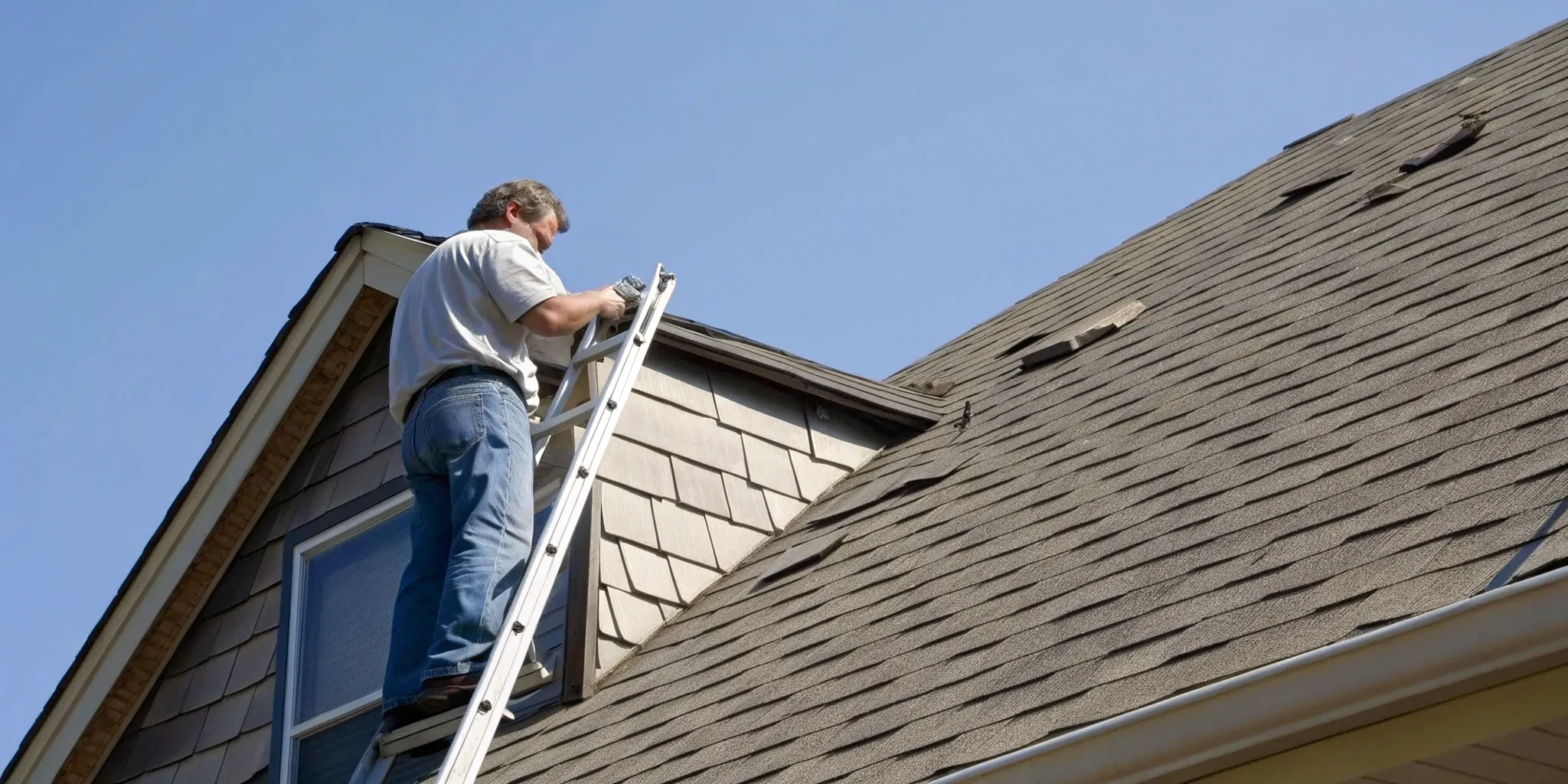
Not all storm damage is as obvious as a fallen tree branch. When it comes to hail, the impact can be surprisingly subtle, leaving behind bruises and weak spots that aren’t visible from a distance. A roof can look perfectly fine after a storm, yet have underlying issues that will only show up later as leaks or deterioration. This hidden damage is why a careful inspection is so critical. Understanding how to check for hail damage on roof materials properly is about more than just spotting cracked shingles; it’s about identifying the less obvious signs that professionals look for. This article explains how to check for hail damage on a roof and what signs to watch for after a storm. For a complete inspection process and professional guidance, visit our storm damage roof inspection resource.
Key Takeaways
- Identify Damage Specific to Your Roof: Each roofing material shows hail damage differently. Knowing whether to look for granule loss on shingles, dents on metal, or cracks on tile helps you accurately assess the situation.
- Assess from the Ground and Gather Proof: Your safety comes first, so start your inspection on the ground, using binoculars for a closer look. Immediately photograph any potential damage to build a strong foundation for your insurance claim.
- A Professional Report is Crucial for Your Claim: An expert inspection does more than just confirm damage; it provides the detailed report you need for a successful insurance process. This documentation identifies hidden issues and serves as critical evidence for your provider.
What Hail Damage Looks Like on Different Roofs
Hail doesn’t leave the same mark on every surface. The material of your roof—whether it’s asphalt, metal, wood, or tile—determines the kind of damage you’ll see after a storm. Knowing what to look for is the first step in figuring out if you need to call a professional for a closer look. It helps you spot potential problems before they turn into major headaches. Here, we’ll walk through the tell-tale signs of hail damage for the most common roofing types we see in Central Florida, so you can feel more confident in your initial assessment.
Spotting Damage on Asphalt Shingles
Asphalt shingles are the most common material for residential roofing, and hail leaves some distinct clues on them. Look for dark spots or circles where the hail has knocked off the protective granules. These granules are the sandy, textured layer on top of the shingles, and their loss exposes the underlying mat to the sun, which can cause it to deteriorate quickly. You might also feel soft spots on the shingles, almost like a bruise on an apple. This indicates the shingle has been weakened by the impact. If you see a lot of loose granules in your gutters or on the ground around your home after a storm, that’s another strong sign that your roof has sustained damage.
Identifying Dents on Metal Roofs
On metal roofs, hail damage typically shows up as dents. The size and depth of these dents will depend on the size of the hail and the type of metal. You’ll often find the most obvious damage on softer metal components, like roof vents, flashing, or metal panels. From the ground, these might look like small, round indentations that catch the light in a specific way. While a few minor dents might seem purely cosmetic, they can compromise the protective coating on the metal, leading to rust and corrosion over time. For many commercial roofing systems, maintaining this protective layer is crucial for the roof’s longevity.
Finding Cracks in Wood Shingles
Wood shingle roofs react to hail differently than asphalt or metal. Instead of dents, you should look for splits in the shingles. Hail-induced splits often have a distinct appearance: they’ll look fresh, with sharp corners and edges, and the color of the wood inside the split might be brown or orange. This is different from the weathered, gray look of splits caused by age or sun exposure. You may also see impact marks or small dents right along the split line, which is a clear giveaway that the damage was caused by hail. These cracks can allow water to seep underneath the shingles, leading to leaks and rot if not addressed.
Recognizing Chips on Tile Roofs
Tile roofs, whether clay or concrete, are durable but can be brittle against the sharp impact of hail. Damage here usually appears as chips or cracks on the tiles. A key indicator of hail damage is the randomness of the broken tiles—you’ll see damage scattered across the roof without a clear pattern. This can sometimes be mistaken for other issues, making it tricky to identify from the ground. Because cracked or chipped tiles can compromise your roof’s ability to shed water, it’s important to get them checked out. A professional hail damage inspection is often the best way to confirm the extent of the problem and ensure no hidden damage is overlooked.
How to Safely Check Your Roof for Damage
After a hailstorm rolls through, your first instinct might be to climb up on the roof and see what happened. Before you grab a ladder, let’s talk about a safer way to assess the situation. Your safety is the top priority, and a thorough inspection can be done without putting yourself at risk. You can spot many of the tell-tale signs of hail damage from the ground. This initial check will help you gather the information you need to decide if it’s time to call in a professional for a closer look. Remember, roofing professionals are trained to move around on roofs safely and have the right equipment for the job. Let’s walk through the steps you can take to check for damage safely.
Start Your Inspection from the Ground
The best place to begin your roof check is with both feet planted firmly on the ground. Walk around the entire perimeter of your home and look for any obvious signs of damage. You might see fallen tree limbs, dented siding, or cracked window casings, which are all clues that the storm was severe enough to damage your roof. While you can’t see all hail damage from the ground, you can look for initial signs to decide if you need a professional. Scan the yard for any shingles or pieces of roofing material that may have been knocked loose. This ground-level survey is a crucial first step in understanding the extent of the storm’s impact on your property.
Use Binoculars for a Closer Look
To get a better view without leaving the ground, grab a pair of binoculars. This simple tool lets you get a detailed look at your roof from a safe distance. Scan the entire surface of your roof, paying close attention to the shingles. Look for dark spots or bruises where hail might have knocked off the protective granules. Check for any shingles that are cracked, split, or missing entirely. Don’t forget to inspect metal components like flashing, vents, and chimney caps for dents. If you spot anything that looks suspicious, it’s a strong indicator that you should schedule a professional hail damage inspection to get an expert opinion.
Safety First: Before You Climb the Ladder
We can’t stress this enough: please avoid climbing on your roof. It can be incredibly dangerous, especially after a storm when the surface might be wet or covered in loose debris. Instead, there are other areas you can safely check for clues. Take a close look at your gutters and downspouts. Hail often leaves its mark here, so look for dents or dings on the metal. Even small dents can suggest there’s more significant damage on the roof itself. You can also check inside your gutters for an accumulation of shingle granules—the sandy material that coats asphalt shingles. A large amount of these granules is a clear sign of impact damage.
How to Document What You Find
If you find any signs of damage during your ground inspection, it’s important to document everything right away. This evidence will be essential if you need to file an insurance claim. Use your smartphone to take clear photos and videos of everything you see, from dents in your gutters to any shingles you find in the yard. Make sure to capture both close-up shots and wider views to provide context. Note the date and time of the storm and when you discovered the damage. If it’s safe to do so, you can even save a few of the larger hailstones in your freezer as proof of the storm’s severity. This documentation will be invaluable when you seek roof claim assistance.
Found Hail Damage? Here’s What to Do Next
Discovering hail damage can feel overwhelming, but taking a few clear, immediate steps can make all the difference. Acting quickly not only protects your home from further issues like leaks but also sets you up for a smoother insurance claim process. Think of it as a simple checklist to get your roof—and your peace of mind—back in order. From documenting the damage to calling in the pros, here’s exactly what you should do after a hailstorm hits.
Take Steps to Prevent Further Damage
Your first priority is to stop any existing damage from getting worse. If you notice active leaks, you may need an emergency roof repair to temporarily patch the area and prevent water from seeping into your home’s structure. It’s also important to address the issue promptly because waiting can complicate things later. If another storm rolls through before you’ve had an inspection, your insurance company might struggle to determine which event caused the damage, potentially leading to a denied claim. Don’t delay—a quick response is your best defense.
Photograph and Record Everything
Before you do anything else, document the scene. Grab your phone and take clear, well-lit photos of any damage you can safely see from the ground. Capture pictures of dented gutters, downspouts, and vents, as well as any visible dings on your shingles. It’s also a good idea to photograph any hailstones you find on the ground, placing a common object like a coin next to them for scale. Keep a simple log with the date and time of the storm and when you discovered the damage. This evidence is invaluable when you need roof claim assistance.
Call Sky Light Roofing for a Professional Inspection
While your photos are a great start, a professional eye can spot damage that’s invisible from the ground. The next step is to schedule a professional hail damage inspection. Our trained experts know exactly what to look for, from subtle bruising on asphalt shingles to hairline cracks in tiles. We can safely assess the full extent of the damage and provide you with a detailed report. This official documentation is crucial for your insurance claim and helps ensure you get the full coverage you’re entitled to for repairs or a replacement.
Know Your Insurance Claim Deadlines
Before you file a claim, take a moment to review your homeowner’s insurance policy. You’ll want to confirm that hail damage is covered and understand the amount of your deductible, which is the portion you’ll pay out of pocket. Most policies have a specific timeframe for filing a claim after a storm, often within a year, so be mindful of any deadlines. Understanding your policy upfront helps you prepare for the process and manage expectations. If you have questions, our team is experienced in working with insurance providers and can help guide you.
Working with Insurance on Your Hail Damage Claim
Once you’ve confirmed there’s hail damage, the next step is working with your insurance company. This process can feel a bit overwhelming, but being prepared makes all the difference. Think of it as gathering evidence for your case—the more organized you are, the smoother your claim will likely go. Your goal is to provide a clear, detailed picture of the damage so your insurance provider can accurately assess the situation and you can get the coverage you’re entitled to.
Dealing with paperwork and adjusters isn’t anyone’s idea of fun, but breaking it down into simple, actionable steps can make it much more manageable. Having a professional on your side can also be a huge help. Our team offers roof claim assistance to guide you through every step, from documentation to meeting with the adjuster. We’re here to make sure your claim is handled fairly and efficiently, so you can get the repairs you need without the added stress.
Take Clear Photos for Your Claim
Your smartphone is your best tool right after a storm. Start taking photos of the damage immediately, as insurers want to see the immediate effects of the hail. Capture everything from different angles and distances. Get close-ups of the dents on your shingles, gutters, and siding, but also take wider shots to show the overall impact on your roof.
To give the photos a sense of scale, place a common object like a quarter or a ruler next to the dents. This helps the insurance adjuster understand the size of the hail that hit your home. Make sure your phone’s camera settings include a timestamp to create a clear record of when the photos were taken.
Keep Detailed Notes of All Damage
Documentation goes beyond just photos. Create a dedicated folder or notebook to keep track of everything related to your claim. Start by writing down the date and time the storm occurred. List all the types of damage you’ve observed, not just on the roof but also on windows, siding, and outdoor fixtures.
Every time you speak with your insurance agent or a contractor, log the date, time, and a summary of the conversation. This detailed record helps you stay organized and ensures no important details fall through the cracks. It’s your single source of truth throughout the claims process.
What to Expect from the Insurance Adjuster
After you file a claim, your insurance company will send an adjuster to inspect the property. The adjuster’s job is to verify the damage and estimate the cost of repairs. It’s a great idea to have your trusted roofing contractor present during this inspection. When your roofer and the adjuster can inspect the roof together, it helps ensure everyone is on the same page.
This collaborative approach can prevent disagreements and speed up the approval process. A professional roofer can point out damage the adjuster might overlook, ensuring your claim accurately reflects the full extent of the necessary repairs for your residential roofing.
Follow the Timeline for Filing Your Claim
Most insurance policies have a specific window of time for filing a claim after a storm, so don’t wait. Contact your insurance agent as soon as you suspect you have hail damage. Filing promptly shows that you’re being proactive about protecting your property from further issues, like leaks that can develop over time.
While some homeowners worry that filing a claim will increase their premiums, waiting can lead to more extensive and costly damage down the road. Acting quickly and providing thorough documentation is the best way to manage the process. A professional hail damage inspection can give you the clear evidence you need to file with confidence.
What to Expect from a Professional Inspection
After you’ve done your own initial check from the ground, the next step is to call in a professional. A trained eye can spot issues that are nearly invisible to homeowners, and a thorough inspection gives you the clear, actionable information you need to move forward. At Sky Light Roofing, our goal is to give you a complete picture of your roof’s condition so you can make the best decision for your home. We’ll walk you through our findings, explain the extent of the damage, and outline your options without any confusing jargon. This professional assessment is also a critical piece of documentation you’ll need if you decide to file an insurance claim.
How We Find Damage You Can’t See
Hail damage is often much more subtle than you’d think. From the ground, your roof might look perfectly fine, but hidden problems can lead to bigger issues down the road. As experts at Travelers Insurance note, hail can cause damage that isn’t obvious to someone who isn’t an expert. Our team is trained to identify these hard-to-see signs. We conduct a comprehensive hail damage inspection where we look for small dents, bruising on shingles, granule loss, and tiny cracks that compromise your roof’s protective layer. We know exactly what to look for on every type of roofing material, ensuring nothing gets missed.
Deciding Between a Repair or a Full Replacement
Once we’ve assessed the roof, we can determine the severity of the damage. This is where a professional evaluation is essential. A key part of our inspection is figuring out if the damage is cosmetic or if it actually affects your roof’s ability to protect your home. This distinction helps you make an informed decision about whether a simple repair will suffice or if a full replacement is necessary for your residential roofing. We’ll provide a straightforward recommendation based on the long-term health of your roof, giving you the clarity you need to choose the right path forward.
How Our Inspection Report Helps Your Claim
If we find significant hail damage, our detailed inspection report becomes your most important tool for the insurance process. This professional documentation provides your insurance company with the proof it needs to validate your claim. Having a credible report from a trusted contractor can make the entire experience much smoother. We provide everything you need to confidently contact your insurance agent and start the claim. Our roof claim assistance is designed to support you, ensuring you have the right paperwork to get the coverage you deserve for your repairs.
Related Articles
- Hail Damage Roof Insurance Claim: A Complete Guide
- Storm Damage Roof Inspection: A Complete Guide
- Wind Damage Roof Repair: A Step-by-Step Guide
- How Much is the Average Hail Damage Roof Payout?
Frequently Asked Questions
My roof looks okay from the ground. Should I still get it checked after a big hailstorm? Yes, it’s always a good idea. Much of the damage hail causes isn’t visible from a distance. Hail can create small bruises or cracks on shingles that weaken them without being immediately obvious. A professional inspector knows how to spot this subtle damage that can lead to leaks and bigger problems over time. Think of it as a preventative check-up to ensure your roof is still in great shape to protect your home.
Will filing a claim for hail damage cause my insurance premium to increase? This is a common concern, but typically, the answer is no. Insurance companies generally classify storm damage as an “Act of God,” which means it’s a no-fault claim. While a widespread disaster might cause rates to adjust for an entire region, your individual premium shouldn’t go up simply because you filed a legitimate claim for storm damage.
What if I only see a few damaged shingles? Can’t I just get those fixed? While a spot repair might seem like a quick fix, it often doesn’t address the full scope of the problem. Hail tends to impact the entire roof, and the damage you can see is often just the tip of the iceberg. A professional inspection will determine if the underlying structure and surrounding shingles have also been compromised. Addressing the full extent of the damage at once is the best way to ensure your roof’s long-term integrity.
How long do I have to file an insurance claim after a hailstorm? Most insurance policies have a deadline for filing a claim, which is often within one year of the storm. However, this can vary, so it’s important to review your specific policy or contact your agent to be sure. We always recommend acting quickly, as waiting can sometimes complicate the process and leave your home vulnerable to further damage from leaks.
What should I do if my insurance adjuster’s estimate seems too low to cover the repairs? Don’t worry, this isn’t uncommon and it’s not the final word. If the adjuster’s estimate doesn’t align with the professional quote you received, the first step is to have your roofing contractor review the adjuster’s report. We can help identify any missed items or discrepancies and communicate directly with your insurance company, providing the detailed documentation needed to ensure your claim accurately covers the full cost of a proper repair.