


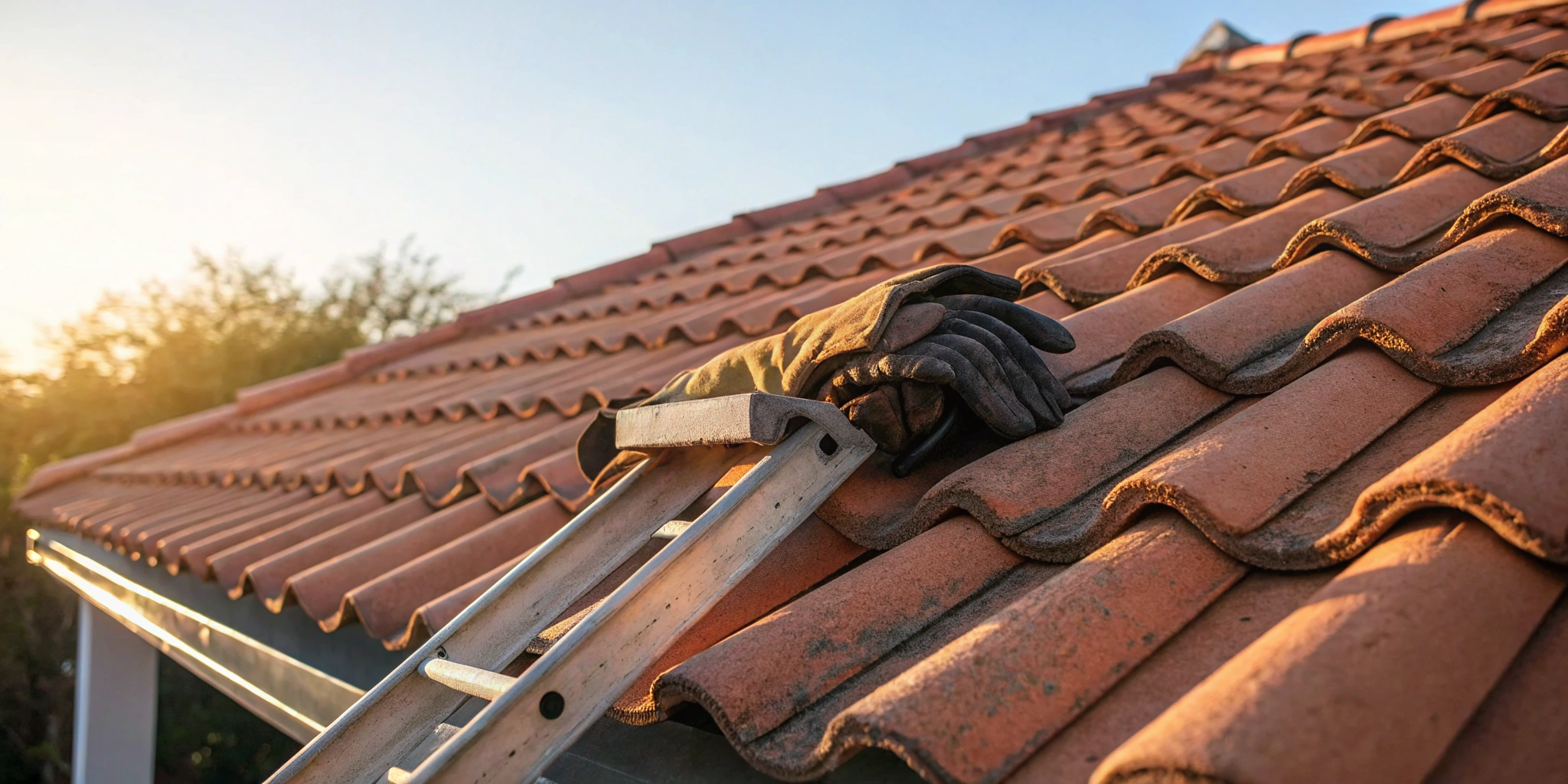
That moment you spot a water stain on your ceiling or a cracked tile on your roof can be stressful. Your mind immediately starts racing with questions about the extent of the damage, the potential cost, and who you can trust to fix it. Taking a deep breath and getting informed is the best first step. A small issue doesn’t always mean a huge expense, but ignoring it can lead to much bigger problems. We created this guide to walk you through the entire process of clay tile roof repair and replacement, giving you the confidence to assess the situation and make the right call for your home.
Key Takeaways
- Choose Clay for Lasting Value and Performance: A clay tile roof is a century-long investment that offers significant returns through lower energy bills, superior storm and fire resistance, and timeless curb appeal.
- Address Small Issues to Prevent Major Headaches: Stay ahead of costly damage by performing visual checks for cracked or slipped tiles after storms and scheduling an annual professional inspection to assess the underlayment and fasteners.
- Hire a Specialist for Clay Tile Work: Proper installation and repair are critical for a clay roof’s longevity, so always select a licensed and insured contractor with proven experience in this specific material to avoid future leaks and damage.
Why Choose a Clay Tile Roof?
Clay tile roofs are a hallmark of Florida architecture, and for good reason. Beyond their beautiful, classic look, they offer some serious advantages for homeowners. If you’re considering a new roof, you’re making a long-term investment in your home’s protection and value. Here’s why clay tile might be the perfect fit for your property.
Built to Last: Durability and Safety
When it comes to longevity, it’s tough to beat clay tile. A properly installed clay roof can last 100 years or more, meaning it could be the last roof you ever need to buy. These tiles are incredibly tough, standing up to rot, insects, and Florida’s intense weather. They have a Class A fire rating—the highest possible—which gives you invaluable peace of mind and can even lead to discounts on your homeowner’s insurance. Their strength also makes them highly resistant to damage from wind and debris. If you’re ever concerned after a storm, a professional hail damage inspection can confirm your roof’s integrity. Choosing clay is choosing a century of security.
Smart and Stylish: Energy Efficiency and Curb Appeal
A clay tile roof does more than just protect your home; it helps keep it comfortable. The curved shape of the tiles creates a natural air pocket between the tile and the roof deck. This space acts as an insulation barrier, preventing heat from transferring into your attic and keeping your home cooler during those long Florida summers. That translates directly into lower air conditioning bills. On top of that, clay tiles offer timeless curb appeal. Available in a wide range of colors and styles, from Mediterranean to Spanish, they add a touch of elegance that can significantly increase your home’s value. It’s a beautiful and practical choice for any residential roofing project.
Signs Your Clay Tile Roof Needs Repair or Replacement
A clay tile roof is a beautiful and incredibly durable choice for any Florida home, often lasting for decades with proper care. But even the toughest roofs aren’t immune to time and weather. Spotting trouble early is the key to preventing a small issue from turning into a major, costly headache. If you know what to look for, you can catch problems before they compromise the integrity of your home.
Paying attention to your roof, especially after a major storm, can save you a lot of stress down the road. From a single cracked tile to subtle signs of aging, your roof has ways of telling you it needs attention. Below are the most common red flags that indicate it’s time to call in a professional for an inspection. Don’t wait for a small leak to become a big problem; a proactive approach is always your best bet for protecting your investment and keeping your home safe and dry.
Cracked or Broken Tiles
Finding a cracked or broken tile on your roof might seem like a minor issue, but it’s a clear sign that your roof’s first line of defense has been breached. Each tile acts as a shield for the sensitive underlayment beneath it. When a tile breaks, that underlayment is exposed to direct sunlight and rain, which can cause it to deteriorate quickly. This damage can be caused by falling tree limbs, severe weather, or even someone walking on the roof improperly. Sometimes, the problem is older fasteners giving way, causing tiles to shift and crack under pressure. A professional hail damage inspection after a storm is a great way to catch these issues early.
Shifting or Loose Tiles
If you look up at your roof and notice tiles that are out of alignment or appear to have slipped down, that’s a serious warning sign. Your tiles are installed in an overlapping pattern that is designed to channel water safely off the roof. When a tile shifts, it breaks this pattern and creates a direct path for water to seep underneath. This is often caused by the failure of old fasteners, like nails or pegs, that have corroded or decayed over time. Loose tiles not only lead to leaks but can also fall off the roof, creating a safety hazard. Addressing this requires a professional touch to ensure your residential roofing system is properly secured.
Water Leaks and Stains Inside
This is the most unmistakable sign that your roof has a problem. If you see brown or yellow stains on your ceilings or walls, it means water has already penetrated your roof and is making its way into your home. Finding the exact source of a leak on a tile roof can be surprisingly difficult, as water can travel along beams and decking before it finally drips down. Don’t ignore these signs. A persistent leak can lead to wood rot, damaged insulation, and even mold growth, which can affect your family’s health. If you spot a leak, it’s time to call for emergency roof repair to prevent further damage.
Visible Wear and Tear from Age
While clay tile roofs can last for 50 years or more, they don’t last forever. Over many decades of exposure to Florida’s sun and rain, the tiles themselves can show their age. You might notice the color has faded significantly, or the surface has become brittle. Another sign of aging is the growth of moss, algae, or fungi, which can trap moisture against the tiles and accelerate their deterioration. It’s also important to remember that the underlayment beneath the tiles has a much shorter lifespan. Even if your tiles look okay, the protective layer underneath could be failing. If your roof is getting on in years, a professional inspection is the best way to assess its condition.
How Much Does Clay Tile Roof Work Cost?
Let’s talk numbers. Investing in a clay tile roof is a significant decision, and understanding the potential cost is a major part of the process. While clay tiles have a higher upfront cost than some other materials, their incredible lifespan and durability often make them a smarter long-term investment. The final price tag can vary quite a bit, depending on whether you need a simple repair or a full-scale replacement. Here’s a breakdown of what you can expect when budgeting for your clay tile roof project.
Breaking Down Repair Costs
If you’ve just noticed a couple of cracked or missing tiles, you can breathe a sigh of relief. Minor repairs are much more affordable than a full replacement. Addressing small issues quickly is key to preventing bigger, more expensive problems like water damage down the road. For example, replacing a few damaged tiles might cost a few hundred dollars. The cost depends on the extent of the damage and the accessibility of your roof. Catching these issues early during a routine hail damage inspection can save you a lot of money and stress.
Factors in a Full Replacement Cost
When repairs aren’t enough, a full replacement is the next step. The average cost for a new clay tile roof often falls between $8,500 and $26,000, with many homeowners landing somewhere in the middle. So, what causes such a wide range? Several factors come into play, including the total square footage of your roof and its complexity—a roof with many peaks, valleys, and angles requires more time and skill. The specific type of clay tile you choose and local labor rates also influence the final cost for your residential roofing project.
Materials vs. Labor Expenses
When you get a quote for a new roof, you’re paying for two main things: materials and labor. For a clay tile roof, the costs are often split fairly evenly, with labor accounting for 40% to 60% of the total bill. This is because installing clay tiles correctly requires specialized skill and precision to ensure the roof is watertight and secure for decades to come. While it might be tempting to cut corners on labor, investing in a team with proven expertise is the best way to protect your home and get the most out of your beautiful new roof.
Using Financing and Insurance
A new roof can be a major expense, but you don’t always have to cover it all at once. If your roof was damaged by a storm or falling debris, your homeowner’s insurance policy might cover a portion of the replacement. We can help you navigate the claims process with our roof claim assistance. For costs that aren’t covered by insurance, or for homeowners who are upgrading proactively, financing is an excellent tool. Many homeowners use financing options to break down the cost into manageable monthly payments, making it easier to afford the roof you really want without delay.
What Are the Best Clay Tile Brands and Materials?
Choosing the right clay tile for your roof is about more than just picking a color. The brand, style, and material quality all play a huge role in how your roof will look and how well it will protect your home for decades to come. A great tile combines beautiful design with the strength to stand up to Florida’s sun and storms. Getting familiar with the top manufacturers and materials is the first step toward making a choice you’ll be happy with for years.
When you’re ready to explore options, we can help you find the perfect fit for your home’s style and your budget. We also offer convenient financing options to make your dream roof a reality without the financial strain. Making an informed decision now ensures your roof remains a durable, beautiful asset for the long haul.
Top-Rated Clay Tile Manufacturers
When you start looking at clay tiles, you’ll notice a few names come up again and again. That’s because certain manufacturers have built a strong reputation for quality and reliability. Ludowici, for example, has been in the business for over 130 years, and their tiles are known for incredible longevity and classic beauty. Other great options include Crown Roof Tiles, which focuses on innovative designs for modern homes, and Eagle Roofing Products, a popular choice known for precision manufacturing. Choosing a reputable roof tile manufacturer is one of the best ways to guarantee a high-quality result for your home.
Popular Tile Styles and Colors
One of the best parts about choosing a clay tile roof is the sheer variety of styles and colors available. If you love a clean, modern aesthetic, you might prefer interlocking tiles like the Plana or Diamant styles, which offer a sleek profile and excellent weather resistance. For a more classic look, you can’t go wrong with traditional Spanish or Mission tiles. Their iconic curved shape adds timeless character and is perfectly suited for Florida architecture. From earthy reds and oranges to cool grays and greens, there’s a color palette to match any home exterior and create the exact look you want.
Comparing Quality and Durability
Not all clay tiles are created equal. High-quality tiles are fired at extremely high temperatures, which makes them denser, stronger, and less porous. This process is key to their durability. When comparing brands, look for tiles with excellent weather resistance, as this is crucial for withstanding Central Florida’s heavy rains and high winds. Longevity is another major factor—a well-made clay tile roof can last a lifetime. Brands with a long, proven history often provide peace of mind that you’re investing in a product that’s built to last and will protect your home effectively through any storm.
Repair or Replace: Which Is Right for Your Clay Tile Roof?
Deciding whether to repair or replace your clay tile roof can feel like a huge decision, and it is. Clay tiles are known for their incredible lifespan, sometimes lasting over a century, but even the toughest roofs can face issues. The right choice depends on the age of your roof, the extent of the damage, and your long-term plans for the property. Understanding the specific signs of trouble will help you make an informed, confident decision that protects your home and your budget.
The key is to assess whether the problem is isolated or a symptom of a larger, underlying failure. A few cracked tiles from a storm are one thing; widespread leaks and a sagging roof deck are another story entirely. A simple repair might cost around $1,200 on average, while a full replacement can be a significant investment, averaging over $17,000. That’s why it’s so important to get it right. We’ll walk through the signs for each scenario, so you can figure out the best path forward for your home. If you ever feel unsure, a professional hail damage inspection can give you a clear picture of your roof’s health.
When a Simple Repair Is Enough
If your clay tile roof is still relatively young and the damage is contained to a small area, a repair is almost always the most sensible and cost-effective solution. A single cracked tile or a minor leak doesn’t mean your entire roof has failed. Often, the issue stems from something simple, like old fasteners that have decayed over time, causing a few tiles to shift out of place. Addressing these small problems quickly prevents them from turning into major headaches. A targeted emergency roof repair can secure your home and extend the life of your existing roof for many more years, saving you thousands compared to a full replacement.
Signs You Need a Full Replacement
Sometimes, a repair is just a temporary fix for a much bigger problem. If you’re seeing multiple warning signs, it’s likely time to consider a full replacement. Widespread cracked or missing tiles, persistent leaks in several spots, and a visible sagging or drooping in the roofline are clear indicators of systemic failure. You should also look for moss, mold, or fungi growth, which suggests moisture is trapped underneath the tiles and damaging the underlying structure. These issues point to problems that go beyond the tiles themselves, often involving the underlayment or support deck. In these cases, a new residential roofing system is the only way to ensure your home is fully protected.
Considering a Partial Replacement
What if your situation falls somewhere in the middle? A partial replacement can be a great option when the damage is too extensive for a simple repair but doesn’t quite warrant replacing the entire roof. This often happens after a storm damages one specific section. The most important rule for a partial replacement is to use perfectly matching clay tiles. Using look-alikes made from concrete or other materials can cause new problems, as different materials expand and contract at different rates. It’s also important to know that a simple repair can sometimes uncover hidden issues, potentially turning a small job into a more significant one. A thorough inspection is key to determining if a partial replacement is the right call.
How to Choose the Right Contractor for Clay Tile Roofing
A clay tile roof is a significant investment in your home’s beauty and protection, so you want to be sure the team working on it knows exactly what they’re doing. Clay tiles are heavy, fragile, and require a specific skill set to install and repair correctly. This isn’t a job for a general handyman or a roofer who only has experience with asphalt shingles. The wrong contractor can cause more damage than they fix, leading to leaks, broken tiles, and a shorter lifespan for your roof. It’s a specialized material that demands a specialized approach.
Finding the right professional means looking for a partner who respects your property and has a proven track record with this unique material. You need a team that understands the nuances of clay tile, from the proper underlayment to the correct fastening methods and weight distribution on your home’s structure. Taking the time to vet your options thoroughly will ensure your roof is not only stunning but also structurally sound for decades to come. The following steps will help you find a contractor you can trust with this important project.
Check for Proper Licensing and Insurance
Before you even discuss a quote, your first step should be to confirm that any potential contractor is properly licensed and insured. In Florida, a roofing contractor must hold a state-issued license, which proves they’ve met specific requirements for experience and knowledge. Equally important is insurance. The contractor should carry both general liability coverage to protect your property from damage and workers’ compensation to cover their crew in case of an accident. Without this, you could be held financially responsible for any injuries that happen on your property. Don’t just take their word for it—ask for copies of their license and insurance certificates and verify them.
Verify Their Experience with Clay Tile
Not all roofing experience is created equal. Working with clay tile is a specialized craft that demands precision and expertise. When interviewing contractors, ask them directly about their experience with clay tile roofs. How many have they installed or repaired? Can they show you a portfolio of their previous residential roofing projects featuring clay tile? A seasoned pro will be happy to share examples of their work and explain their process. They should be able to discuss the specific challenges of clay tile, like weight considerations and the importance of a robust underlayment system. This specific experience is what separates a true tile expert from a general roofer.
Read Customer Reviews and Ask for References
What past customers have to say is one of the best indicators of a contractor’s quality and professionalism. Look up reviews on independent sites like Google, Yelp, and the Better Business Bureau. Pay attention to comments about communication, timeliness, worksite cleanliness, and how the company handled any issues that arose. While a few negative reviews aren’t always a deal-breaker, a consistent pattern of complaints is a major red flag. For a more in-depth perspective, ask the contractor for a list of recent references you can contact. Speaking directly with a former client will give you firsthand insight into what it’s like to work with them.
Understand Their Warranties and Guarantees
A reputable contractor will stand behind their work with a solid warranty. It’s important to understand that there are two types of warranties: one from the tile manufacturer that covers defects in the material, and one from the contractor that covers the installation or workmanship. The workmanship warranty is arguably the more critical of the two, as most roof failures are due to installation errors. Ask for a detailed copy of their warranty in writing. A strong guarantee that covers labor for a significant period shows that the contractor is confident in their skills and committed to quality. This is your long-term protection and peace of mind.
Common Clay Tile Roof Problems (And How to Fix Them)
Clay tile roofs are incredibly resilient, but they aren’t invincible—especially against Florida’s intense weather. Over time, you might encounter a few specific issues. The good news is that most problems have straightforward solutions when handled by a professional who understands the nuances of tile roofing. Knowing what to look for can help you catch minor issues before they become major headaches. From storm damage to the simple effects of aging, here are the most common problems your clay tile roof might face and what you can do about them.
Damage from Hail and Debris
While clay is strong, a direct impact from hail or wind-blown debris like tree branches can cause tiles to crack, chip, or shatter. After a significant storm, it’s always a good idea to do a visual check from the ground. Look for any obvious signs of breakage or tiles that look out of place. Even a small crack can allow water to seep underneath, compromising the underlayment. The fix for this is usually straightforward: a professional can carefully remove the broken tile and replace it with a new one. If you suspect storm damage, scheduling a hail damage inspection can give you a clear picture of your roof’s condition and prevent small problems from escalating.
Failing Underlayment and Flashing
Think of the underlayment as your roof’s hidden layer of defense. It’s a water-resistant barrier between the tiles and your roof deck. Flashing is the metal material that directs water away from vulnerable areas like chimneys, vents, and valleys. If either of these components fails due to age or damage, you’ll likely see signs of a leak inside your home. Repairing this requires a skilled hand. As roofing experts at The Durable Slate Company explain, a professional must carefully remove the tiles in the affected area, repair or replace the underlayment and flashing, and then properly reinstall the original tiles. This isn’t a DIY job, as improper handling can cause more tile breakage.
Issues with Fasteners and Support
Each tile on your roof is held in place by fasteners. In older homes, these might be materials like iron nails that can rust and decay over time, especially in our humid climate. When a fastener fails, the tile can slip out of position, creating a gap that exposes the underlayment to sun and rain. This can quickly lead to leaks and further damage. The solution involves securing the loose tile with new, corrosion-resistant fasteners. Like underlayment repair, this requires carefully lifting the surrounding tiles to access the problem area, which is a delicate process best left to a team with experience in residential roofing.
The Right Repair Technique for Each Problem
When it comes to fixing a clay tile roof, the details matter. It’s crucial to replace any broken tiles with matching clay tiles, not imitations made from concrete or other materials. Using the wrong type of tile can lead to new issues because different materials expand and contract at different rates, which can cause cracking and shifting. The best way to protect your investment is through prevention. Having your roof professionally inspected annually helps you find and fix small issues like a single cracked tile or a loose fastener early on. If you suddenly notice a leak or widespread damage after a storm, call for emergency roof repair to get the problem addressed quickly and correctly.
What’s the Timeline for a Clay Tile Roof Project?
One of the first questions homeowners ask when planning a roofing project is, “How long will this take?” It’s a great question, and the answer depends on several factors, starting with whether you need a simple repair or a full replacement. The size of your roof, its complexity, and even the weather can influence the schedule. A small, straightforward repair might be done in a couple of days, while a complete replacement on a large, intricate roof will naturally take longer.
The process always begins with a detailed inspection. A professional roofer will assess the condition of your tiles, underlayment, and the underlying roof deck to map out a clear plan. This initial step is crucial for creating an accurate timeline and ensuring there are no surprises along the way. At Sky Light Roofing, we believe in clear communication from start to finish. We’ll walk you through the entire process for our residential roofing services, so you know exactly what to expect and when. Our goal is to complete your project efficiently while upholding the highest standards of quality and safety, minimizing disruption to your daily life.
How Long Repairs Typically Take
If your clay tile roof has minor issues, like a few cracked or missing tiles from a recent storm, the repairs can often be completed in just a few days. The process involves carefully removing the damaged tiles, inspecting the underlayment beneath, and setting the new tiles in place. However, if the damage is more extensive—for example, if a hail damage inspection reveals widespread issues or problems with the underlying structure—the timeline will extend. Addressing damaged decking or structural problems is a critical step that must be handled before any new materials are installed, ensuring the longevity of the repair.
The Duration of a Full Replacement
A full clay tile roof replacement is a much more involved project, typically taking between five and ten days to complete. This timeline accounts for the entire process, from tearing off the old roofing materials to installing the final tile. After the tear-off, our team inspects the roof deck for any damage and makes necessary repairs. Then, we install a new, high-quality underlayment before meticulously laying each clay tile. The size and pitch of your roof play a significant role in the duration, but we always work diligently to get the job done right and restore protection to your home as quickly as possible.
How Weather Can Affect the Schedule
Here in Central Florida, we know that the weather can be unpredictable. Rain, high winds, and even extreme heat can cause delays in any roofing project. Safety is our absolute top priority, and we will not put our crew at risk by working in unsafe conditions. Furthermore, installing a roof in poor weather can compromise its quality and integrity. Clay tiles are heavy, and proper installation requires dry, stable conditions. If bad weather rolls in, we may need to pause work, but we will always keep you informed about any changes to the schedule and provide an updated timeline.
How to Maintain Your Clay Tile Roof
A clay tile roof is a fantastic investment in your property’s beauty and longevity. While they are known for being incredibly durable, they aren’t completely maintenance-free. A little proactive care goes a long way in making sure your roof lasts for decades. Sticking to a simple maintenance routine helps you catch small issues before they become expensive problems, especially with Florida’s unpredictable weather.
Essential Maintenance Tips
One of the best things about a clay tile roof is that it doesn’t require a lot of upkeep. Your main job is to keep it clean and periodically check for damage. After a storm, take a look from the ground with binoculars to spot any cracked, chipped, or slipped tiles. It’s also a good idea to clear away any debris like fallen leaves or branches that can trap moisture and lead to algae growth.
The most important step you can take is scheduling a professional inspection at least once a year. A trained roofer can identify subtle signs of wear and tear that aren’t visible from the ground. This regular check-up is the key to ensuring your residential roofing system remains in top condition for years to come.
Common Myths About Clay Tiles
Let’s clear up a couple of common misconceptions. Some people think clay tiles are indestructible, and while they are incredibly tough, they aren’t invincible. They stand up beautifully to fire and rot, but a strong impact can cause damage. Here in Central Florida, that means keeping an eye out for damage after a severe storm.
A hailstorm or wind-blown debris can crack or break tiles, compromising your roof’s integrity. That’s why a post-storm hail damage inspection is so important. While clay is one of the most resilient materials you can choose, it’s still essential to treat it with care and address any impact damage right away to prevent leaks.
Why Professional Inspections Matter
You might be tempted to handle minor roof issues yourself, but calling a professional is always the smarter move. Finding the source of a leak on a tile roof can be tricky because water can enter through one spot and travel before showing up as a stain on your ceiling. A professional has the experience to trace the leak to its origin.
Furthermore, replacing a broken tile isn’t as simple as it looks. It’s crucial to use a perfect match, not just a look-alike made from concrete or another material. Mismatched materials can cause new problems and lead to more extensive damage. An expert ensures the right tile is used and installed correctly, protecting your entire commercial roofing system.
How to Walk on Your Roof Without Causing Damage
The simplest advice for walking on a clay tile roof is: don’t. The tiles are not designed to support concentrated weight and can easily crack underfoot, leading to costly repairs. If you absolutely must get on the roof, it’s critical to know exactly where to step. You should only place your feet on the lower third of the tile where it overlaps the one below it, as this area is supported by the underlying structure.
However, the safest and most effective approach is to leave it to the professionals. We have the proper safety equipment and training to move across your roof without causing damage. If you notice an issue that needs immediate attention, call for emergency roof repair instead of risking your safety and your roof’s integrity.
Related Articles
- What Is a Clay Tile Roof? Types, Benefits, and Challenges
- Cost of Clay Tile Roof vs Shingle: A Full Breakdown
- Cement Roof Tile Replacement: A Complete Guide
- Tile Roof Replacement Cost Florida: A Full Breakdown
- Tile Roof Replacement Cost Guide 2025 | Skylight Roofing
Frequently Asked Questions
How long does a clay tile roof actually last? The clay tiles themselves can easily last for 100 years or more, which is why they are often called a “lifetime” roof. However, the protective underlayment beneath the tiles has a shorter lifespan, typically around 20 to 30 years. Proper installation and periodic inspections are key to making sure the entire roofing system, not just the tiles, reaches its maximum potential lifespan.
Are clay tiles too heavy for my home’s structure? While clay tiles are heavier than materials like asphalt shingles, most modern homes in Florida are constructed to handle the weight without any issue. If you live in an older home or have any concerns, a professional contractor will always perform a structural assessment before an installation to confirm that your home can safely support the load.
What’s the real difference between clay and concrete tiles? They can look very similar, but the key difference is how they age. The color in a clay tile is baked all the way through the material, so it won’t fade over time. Concrete tiles are made from a cement mixture with a color coating applied to the surface, which can fade and wear away after years of sun exposure. Clay is also naturally more durable and less porous over its long lifespan.
Can I pressure wash my clay tile roof to get rid of stains? You should avoid pressure washing your clay tile roof. The high-pressure stream can easily crack the tiles or damage their protective glaze. More importantly, it can force water up underneath the tiles, soaking the underlayment and potentially causing serious leaks. It’s always best to hire a professional who uses a safe, low-pressure chemical wash to clean the roof without causing damage.
Will a clay roof really lower my energy bills? Yes, it absolutely can. The curved shape of the tiles creates a natural air pocket between the tile and the roof deck. This space acts as an insulation barrier, which dramatically reduces the amount of heat that transfers into your attic. Your home stays cooler, so your air conditioner doesn’t have to work as hard, leading to noticeable savings on your energy bills.