A hole in your roof is more than just a structural problem; it’s an open invitation for water damage, mold growth, and costly interior repairs. While a full roof replacement is the long-term solution, the immediate answer is a professionally installed tarp. This isn’t just about throwing a plastic sheet over the damage. A proper emergency roof tarping service uses heavy-duty materials and specific techniques to create a watertight seal that can withstand wind and rain. This crucial step protects your attic, insulation, ceilings, and personal belongings, effectively stopping a bad situation from becoming a catastrophe. It’s the smartest move you can make to mitigate damage and protect your home’s value.
Key Takeaways
- Treat Tarping as an Urgent First Step: An emergency tarp is the critical first action that protects your home from escalating water damage. It’s a small, immediate investment that prevents a roof issue from becoming a much larger and more expensive interior problem.
- Prioritize Safety and a Secure Installation: Attempting a DIY tarp installation on a damaged roof is extremely risky. Hiring a professional ensures the job is done safely with the right equipment and that the tarp is secured correctly to withstand wind and rain.
- Document Everything for Your Insurance Claim: Most insurance policies require you to prevent further damage, and a professionally installed tarp is proof of that. Take photos before and after the tarp is placed and keep all invoices to support a smooth and successful claim.
What Is Emergency Roof Tarping and When Do You Need It?
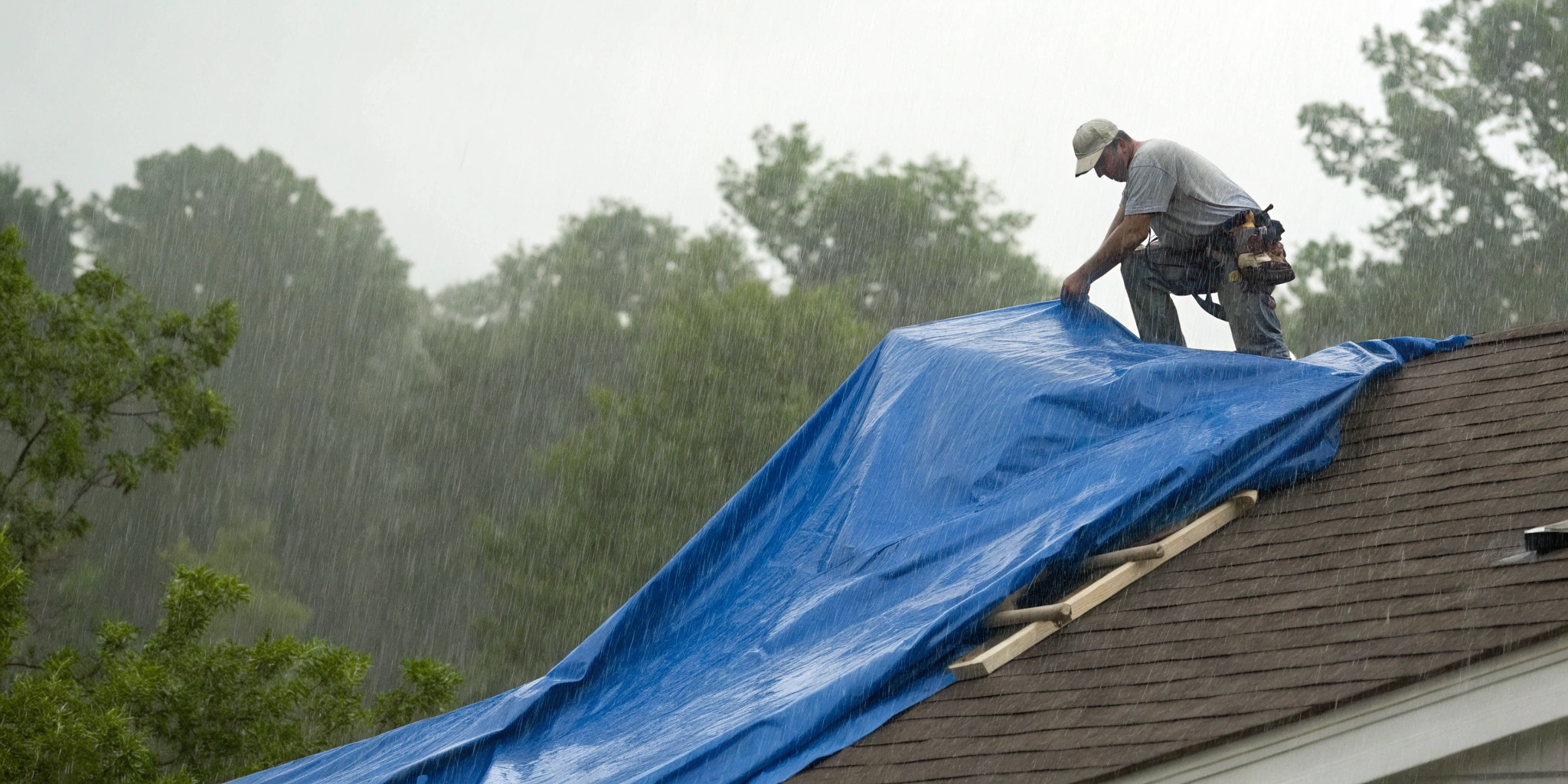
When your roof is suddenly damaged, the immediate priority is to protect your home from the elements. That’s where emergency roof tarping comes in. Think of it as a critical first-aid measure for your house. It’s a temporary but highly effective solution where a large, heavy-duty waterproof tarp is professionally secured over the damaged section of your roof. This creates a barrier against rain, wind, and debris, preventing water from getting inside and causing even more problems.
In Central Florida, where a sudden storm can leave a path of destruction, having a plan for immediate action is key. Tarping isn’t a permanent fix, but it’s the essential first step that buys you valuable time. It secures your home so you can safely assess the full extent of the damage, contact your insurance company, and schedule a proper, long-lasting repair without the stress of ongoing water intrusion. A professionally installed tarp can mean the difference between a simple roof repair and a major interior restoration project involving drywall, insulation, and flooring. It’s a proactive step that shows your insurance company you’re mitigating further damage, which can be crucial for your claim.
Common Scenarios That Require an Emergency Tarp
Life is unpredictable, and so is the weather. Several situations can leave your roof vulnerable and in immediate need of a tarp. The most common culprit is severe weather—think hurricanes, tropical storms, or even a powerful thunderstorm that brings high winds and hail. A fallen tree or large branch can puncture your roof, leaving a gaping hole. You might also need a tarp after a fire damages the roof structure. Sometimes, it’s not a single event but years of wear and tear that finally cause a section of your roof to fail unexpectedly, leading to a major leak. In any of these cases, a tarp is your first line of defense.
How Tarping Protects Your Home from Further Damage
A properly installed tarp does more than just cover a hole; it actively protects your home’s interior and structural integrity. By creating a watertight seal, it stops water from seeping into your attic, soaking insulation, and staining your ceilings and walls. This immediate protection is crucial for preventing the growth of mold and mildew, which can cause health issues and be costly to remediate. Tarping also safeguards your personal belongings, from furniture to electronics. It’s a vital step that stabilizes the situation, giving you the peace of mind to work through your roof claim assistance and plan for a permanent solution without the risk of compounding damage.
Warning Signs That Mean You Need to Act Fast
Sometimes roof damage is obvious, like a tree branch sticking through your shingles. Other times, the signs are more subtle but just as urgent. If you notice water stains appearing on your ceilings or walls, don’t ignore them. After a storm, take a look outside for missing, cracked, or lifted shingles. Can you see a visible hole or a sagging spot on the roof deck? These are clear indicators that your roof’s defenses have been breached. Even finding an unusual amount of shingle granules in your gutters can signal significant wear. If you see any of these warning signs, it’s time to call for emergency roof repair right away to prevent a small issue from becoming a catastrophe.
What Does the Emergency Tarping Process Involve?
When your roof is damaged, getting it covered quickly is the top priority. But what actually happens when you call for an emergency tarping service? It’s more than just throwing a plastic sheet over the problem area. A professional tarping job is a precise, multi-step process designed to provide a secure, watertight seal that protects your home until permanent repairs can be made. Understanding these steps can help you know what to expect and why it’s a job best left to the experts. From the initial assessment to the specific materials used, every part of the process is crucial for preventing further water damage, protecting your belongings, and maintaining the structural integrity of your home. Let’s walk through what a professional emergency tarping service involves, so you can feel confident and informed during a stressful time.
The Tarping Process: A Step-by-Step Breakdown
Once you spot trouble like missing shingles or a visible hole, it’s time to call in the pros. The first thing our team does is a thorough safety assessment of the area. We then carefully clear away any loose debris, like branches or broken shingles, that could tear the tarp or prevent it from lying flat. Next, we measure the damaged section to determine the right size for the tarp, ensuring it extends several feet beyond the damage on all sides for maximum coverage. Finally, we secure the tarp tightly using wooden battens and specialized fasteners. This creates a seal that can withstand wind and rain, giving you a reliable temporary fix while you plan for a permanent emergency roof repair.
Tools and Materials Used for a Secure Tarp
Not all tarps are created equal, and the blue one from the hardware store likely won’t cut it. Professional roofers use thick, commercial-grade, waterproof tarps designed to endure harsh weather. The choice of material often depends on your roof’s slope, the type of damage, and the expected weather conditions in Central Florida. We don’t just use any nails, either. To secure the tarp without causing more damage, we use cap nails or screws with rubber washers, which create a watertight seal around each puncture. These are anchored to wooden boards, or furring strips, which hold the tarp down firmly against the roof. Using the right tools ensures the temporary cover is effective and doesn’t compromise your roof’s structure further.
Safety First: Why DIY Tarping Isn’t a Good Idea
Climbing onto a damaged roof, especially after a storm, is incredibly dangerous. The surface can be slippery from rain or covered in loose, unstable debris. Attempting a DIY tarp installation without the proper safety equipment—like harnesses, ropes, and slip-resistant footwear—puts you at serious risk of a fall. Professionals are trained to work at heights and in hazardous conditions. While it might seem like you’re saving money by doing it yourself, a single misstep can lead to severe injury and potentially even more damage to your home. Trusting a professional with your residential roofing needs ensures the job is done safely and correctly, protecting both your home and your well-being.
What to Expect Beyond the Tarp Itself
It’s important to remember that a tarp is a temporary bandage, not a permanent cure. It’s a critical first step to stop water from getting into your home, but it’s just the beginning of the repair process. Once the tarp is securely in place, the next step is to schedule a comprehensive inspection to assess the full extent of the damage. From there, we can provide a detailed quote for the necessary repairs or replacement. This is also the point where you’ll want to contact your insurance company. We can guide you through the next steps and provide the documentation you need for a successful claim, making the roof claim assistance process as smooth as possible.
How Much Does Emergency Roof Tarping Cost?
When you’re dealing with a sudden roof leak, the first question on your mind is likely about cost. The price for emergency roof tarping can vary quite a bit, but on average, you can expect to pay between $150 and $1,500. Most homeowners in Central Florida find their final bill lands somewhere between $300 and $750 for a standard job. Of course, the size of the damaged area plays a huge role. A small patch-up might be on the lower end, while tarping a larger roof (over 1,000 square feet) could cost $1,400 or more.
Think of a tarp as a critical first-aid measure for your home. It’s a temporary fix designed to prevent water from causing more extensive—and expensive—damage to your home’s interior, like your ceilings, walls, and electrical systems. While it’s not a permanent solution, it buys you the valuable time you need to arrange for a proper emergency roof repair. The cost of tarping is a small investment compared to the potential cost of repairing widespread water damage. It’s about protecting your home and your peace of mind until a professional can assess the situation and provide a long-term fix.
What Factors Into the Final Price?
Several key factors determine the final cost of your emergency roof tarping service. The size of the area that needs to be covered is the most obvious one, but the shape and pitch of your roof also matter. A steep or complex roof with multiple levels is harder and more dangerous to work on, which can increase labor costs. The urgency of the job is another major factor; if you need someone out immediately in the middle of a storm, the price will reflect that. The severity of the damage and the quality of the tarp materials used will also influence the final quote you receive from a contractor.
Emergency Rates vs. Standard Service Rates
It’s important to understand that emergency service rates are different from standard rates. If you need a tarp installed on the same day under normal weather conditions, you might pay between $400 and $900. However, if you’re calling for help after hours, on a weekend, or during severe weather like a hurricane, the cost can jump to between $900 and $1,500 or more. This price difference accounts for the immediate response required and the challenging, often hazardous, conditions your roofing team will be working in. They are prioritizing your home’s safety, and the rate reflects that level of urgency and risk.
How to Get an Accurate Quote from a Contractor
The best way to get a clear and accurate price is to have a professional come out and inspect the damage in person. A reliable contractor will assess the roof’s condition, take photos to document the damage, and provide you with a detailed quote for the tarping service. This professional documentation is incredibly helpful, especially since you’ll likely need it when you begin the insurance process. Having a clear record from the start can make a huge difference, which is why working with a company that offers roof claim assistance can be so valuable. It ensures you have everything you need for a smoother claims experience.
How to Choose a Reliable Emergency Roofing Service
When you’re dealing with a sudden roof leak, the urge to hire the first person who answers the phone is strong. But in a moment of crisis, making a calm, informed decision is more important than ever. The right emergency roofing service won’t just put a tarp on your roof; they’ll provide a secure, professional solution that prevents further damage and gives you peace of mind. Choosing a reliable contractor means looking for someone with the right credentials, round-the-clock availability, and transparent communication. Taking a few extra minutes to vet your options can save you from costly mistakes and future headaches.
Must-Have Credentials and Licensing
Before you let anyone on your roof, your first step should always be to verify their credentials. A reputable roofing contractor will be fully licensed and insured, and they should be able to provide proof without hesitation. In Florida, you can verify a contractor’s license through the Department of Business and Professional Regulation. Insurance is just as critical—it protects you from liability if a worker is injured on your property.
A licensed professional also brings expertise. They understand that not all tarps provide equal protection. A pro will select the right materials based on your roof’s pitch, the type of damage, and the weather forecast to ensure the temporary fix holds up until a permanent repair can be made.
Why 24/7 Availability and a Fast Response Matter
Roofing emergencies don’t stick to a 9-to-5 schedule, and neither should your roofer. Water damage can spread incredibly fast, turning a small leak into a major problem affecting your ceilings, walls, and even your home’s structural integrity. That’s why emergency roof tarping is such a critical temporary solution—it stops the damage in its tracks.
Look for a company that offers 24/7 service and guarantees a fast response time. When you call, they should be able to dispatch a team quickly to assess the situation and secure your property. Waiting until the next business day can mean the difference between a simple repair and a massive, expensive restoration project. A contractor who understands this urgency is one you can trust.
Key Questions to Ask a Potential Contractor
Once you have a potential contractor on the phone, having a list of questions ready can help you quickly determine if they’re the right fit. Don’t be afraid to ask for details—a professional will be happy to explain their process.
Start with these key questions:
- Can you provide proof of your license and insurance?
- How soon can you get a team to my property?
- What is your process for emergency tarping?
- Will you document the damage for my insurance claim?
- What are the next steps for a permanent repair?
Many homeowners also find it helpful to work with a roofer who offers roof claim assistance. Handling insurance paperwork is stressful, and a contractor experienced in this area can make the process much smoother.
Red Flags to Watch Out For When Hiring
Unfortunately, some contractors try to take advantage of a homeowner’s stressful situation. Knowing the red flags can help you steer clear of scams and shoddy workmanship. Be wary of anyone who uses high-pressure tactics, demanding you sign a contract on the spot. Another major warning sign is a request for a large cash deposit upfront.
Also, be cautious of “storm chasers”—out-of-town roofers who show up after a major weather event. Stick with local, established companies with a physical office and a solid reputation in your community. Finally, if a contractor downplays the urgency or suggests that tarping can wait, move on. Failing to use a tarp when needed can lead to much more significant damage, and a true professional knows that immediate action is key.
Will Insurance Cover Emergency Roof Tarping?
When your roof is suddenly damaged, your first thought is probably about the cost. The good news is that homeowner’s insurance often covers emergency roof tarping. However, coverage depends on your policy, the cause of the damage, and how quickly you act. Tarping is a critical first step to prevent further problems—something your insurance company wants to see. Understanding your policy and taking the right steps from the start is key to a smooth claims process.
Understanding Your Homeowner’s Policy
Most homeowner’s policies cover damage from sudden events like storms or a fallen tree. If your roof damage is from a covered event, your insurance will likely pay for the emergency tarp. This is because policies require you to “mitigate” damage, meaning you must take reasonable steps to prevent the problem from worsening. Tarping your roof is a perfect example. It’s always smart to review your policy or call your agent, but generally, if the initial damage is covered, the temporary fix should be, too.
How to File a Successful Insurance Claim
When filing an insurance claim, time is critical. Most policies expect you to act within 24 to 48 hours to protect your property. If you wait and more water damage occurs, your insurer might not cover those secondary issues, arguing they were preventable. That’s why calling for an emergency roof repair service immediately is so important. Acting fast shows your insurance company you’re a responsible homeowner and helps streamline the entire claims process.
The Documentation You’ll Need to Provide
Solid documentation is crucial for your insurance claim. Before any work begins, take clear photos and videos of the damage from a safe spot on the ground, including any interior leaks. After the tarp is installed, take another set of photos to show you’ve taken protective measures. Keep a file with every receipt and invoice from your roofing contractor. This paper trail proves the steps you took and the costs involved, making it easier for your adjuster to approve your claim.
Working with Your Contractor and Insurance Adjuster
While a DIY fix might seem tempting, insurance companies prefer you use a licensed professional. A pro has the right equipment and knows how to install a tarp that will hold up against Florida weather. Hiring an expert also gives you an advocate who can provide your adjuster with a detailed report on the damage. Our team can guide you through the entire process, offering roof claim assistance to ensure everything is handled correctly for a successful outcome.
Related Articles
- Hire Storm Damage Repair Contractors With Confidence
- Temporary Patch Roof Leak Repair Until Professional Help Arrives
- 24 Hour Emergency Roof Repair: A Step-by-Step Guide
Frequently Asked Questions
Is a tarp really necessary if the damage looks minor? Yes, it’s always a good idea. Even a small breach in your roof can let in a surprising amount of water, which can soak insulation, stain ceilings, and lead to mold growth. Tarping is a proactive measure that stops the problem immediately. It also shows your insurance provider that you took responsible steps to prevent the damage from getting worse, which is a key part of a successful claim.
How long can a professional tarp stay on my roof? A professionally installed tarp is a sturdy, temporary solution designed to withstand the elements for a period of time, often up to 90 days. However, it is not a permanent fix. The goal is to protect your home while you arrange for a full inspection and schedule the necessary permanent repairs. You should aim to get the roof properly fixed as soon as possible.
Will the process of installing a tarp cause more damage to my roof? This is a common concern, but a professional roofer knows how to secure a tarp without causing further issues. They use specific methods, like anchoring the tarp with wooden boards over the shingles and using special fasteners, to hold it in place securely while minimizing any new punctures. This is one of the main reasons why a DIY approach is so risky.
My insurance company told me to get a few quotes, but this is an emergency. What should I do? In an emergency, your first priority is to stop the leak and prevent more damage. You should call a single, reputable emergency roofer to get the tarp on right away. The process of getting multiple quotes applies to the permanent repair work that will follow. Your insurance company understands the need for immediate action and will expect you to secure your home first.
What if my roof gets damaged in the middle of the night or on a holiday? Roofing emergencies don’t wait for business hours, and neither should your roofer. A reliable emergency roofing service will be available 24/7, including nights, weekends, and holidays. Don’t wait until morning to make the call. The sooner you get a team out to your property, the more effectively you can limit the extent of the water damage.