
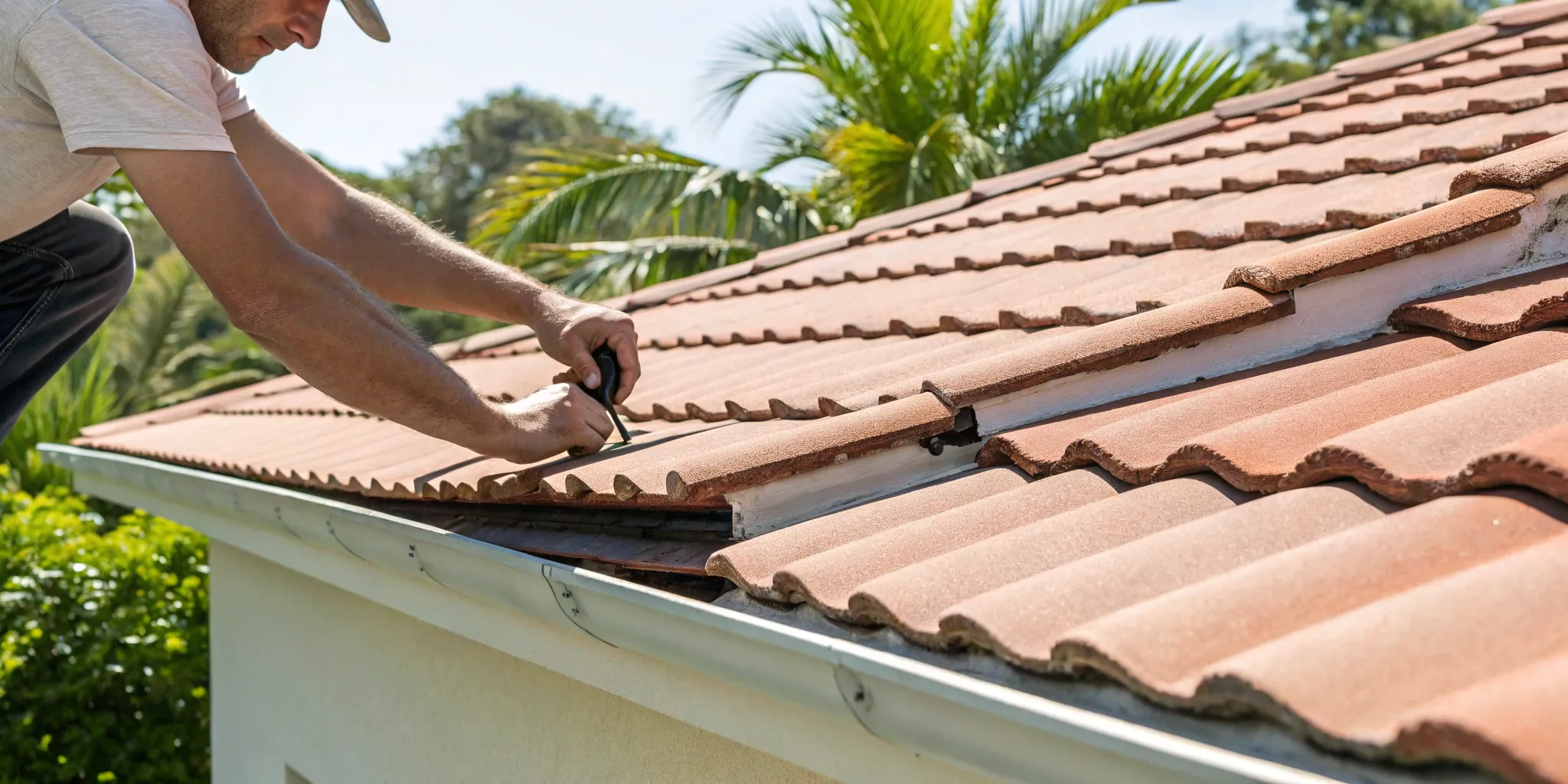
That one crooked tile on the edge of your roof can be easy to ignore. It’s a small flaw, something you tell yourself you’ll get to eventually. The problem is, that tiny imperfection is a breach in your home’s armor. Water is persistent, and it will find a way in, potentially leading to rotted wood, mold in the attic, and stains on your ceiling. Learning how to fix roof tiles at the edge is one of the most valuable skills for preventing these costly issues. We’ll show you how to turn that small, nagging problem into a secure, professional-looking repair that gives you lasting peace of mind.
Key Takeaways
- Spot Damage Early with Regular Checks: Periodically inspect your roof’s edges from the ground, especially after storms. Looking for cracks, slipped tiles, or missing pieces allows you to catch small issues before they turn into significant leaks and costly repairs.
- A Successful Repair Starts with Preparation: Before starting any work, gather all your safety gear, tools, and matching replacement materials. A proper repair relies on correct alignment and a completely watertight seal, so don’t rush the process or skimp on sealant.
- Understand When to Call a Professional: While replacing a single tile can be a DIY project, widespread damage, structural issues like sagging, or complex flashing problems are jobs for an expert. Knowing your limits is key to ensuring a safe and effective repair.
How to Spot Damaged Edge Roof Tiles
Before you can tackle a repair, you need to know exactly what you’re looking for. Think of it as a quick health checkup for your roof. Catching minor issues early can save you from major headaches and costly repairs down the road. In Central Florida, our roofs put up with a lot—from blistering sun to heavy rains and high winds. This constant exposure means the edges of your roof, which are particularly vulnerable, need a little extra attention.
You don’t need to be a roofing expert to spot the most common signs of trouble. A careful look from the ground with a pair of binoculars is often all it takes to identify potential problems. Pay close attention after a major storm, but it’s also a good habit to inspect your roof seasonally. Knowing what’s normal and what’s a red flag is the first step in maintaining a strong, healthy residential roofing system that protects your home and family. Let’s walk through the key things to watch for.
Cracks, Chips, and Missing Pieces
The most obvious signs of damage are physical flaws in the tiles themselves. Take a close look at the tiles along the eaves and rakes of your roof. Do you see any visible cracks, small chips, or entire chunks missing? Also, look for tiles that are curling at the edges, buckling in the middle, or warping. These distortions often mean the tiles are getting old and have absorbed moisture over time. This kind of damage can be caused by falling debris or severe weather. After a storm, it’s always a good idea to perform a hail damage inspection to check for these telltale impact marks. Even one broken or missing tile can compromise your roof’s ability to shed water.
Slipped or Misaligned Tiles
Your roof tiles are designed to work as an interlocking system, creating a solid barrier against the elements. If you notice that a tile has slipped out of place or looks crooked, it’s a sign that this barrier has been breached. Pay attention to any sections along the edge that appear to sag or dip. This sagging can be a clear indicator of long-term water damage to the underlying roof deck. A misaligned tile isn’t just a cosmetic issue; it creates a gap where wind and rain can get underneath, potentially lifting more tiles and leading to widespread problems. Look for any tiles that break the clean, uniform lines of your roof.
Telltale Water Stains and Leaks
Sometimes, the first clue that you have a problem with your edge tiles isn’t on the roof at all—it’s inside your home. If it’s safe to do so, take a flashlight into your attic and inspect the underside of the roof deck. Look for any water stains, dark spots, or signs of mold on the wood and insulation. Leaks from the edge of the roof can run down the rafters and show up far from the original entry point. A damp or musty smell is another red flag. If you see signs of an active leak, it’s time to act fast to prevent further damage to your home’s interior. An emergency roof repair can stop the problem before it gets worse.
Your Toolkit: What You’ll Need for the Repair
Before you even think about climbing that ladder, let’s talk about preparation. Having the right tools and materials on hand is the difference between a smooth, successful repair and a frustrating, potentially unsafe project. Gathering everything you need first saves you from making multiple trips up and down, letting you focus on the task. A well-done repair protects your home, so think of this as setting yourself up for success.
Essential Safety Gear
Let’s be clear: safety is non-negotiable when you’re working on a roof. Start with a sturdy, well-placed extension ladder set on level ground. On your feet, you’ll want heavy-duty work boots with non-slip soles for reliable traction. Protect your hands from sharp edges and rough materials with a good pair of work gloves, and wear safety glasses to shield your eyes from dust and debris. For steeper roofs, a safety harness is a smart investment. Taking these simple precautions is the most important step in any residential roofing project you tackle yourself.
Tools for Tile Removal and Installation
With your safety gear sorted, let’s get your tools in order. You don’t need a whole workshop, just a few key items. A pry bar or the claw end of a roofing hammer is essential for gently lifting the tiles around the one you’re replacing. You’ll also need a standard hammer and roofing nails or screws to secure the new tile. A measuring tape will ensure everything lines up correctly. In some cases, you might need a circular saw for precise cuts, but for a simple replacement, your basic hand tools should do the trick.
Replacement Tiles and Sealants
Now for the materials that will actually fix the problem. First, you’ll need a matching replacement tile. Try to find one that’s the same color, size, and style as your existing tiles for a seamless look. Next, you’ll need roofing cement and a high-quality, waterproof roofing sealant. These are what create the watertight barrier that keeps your home dry. Don’t skimp here—a good sealant is your best defense against future leaks. If you notice widespread cracking or many broken tiles while you’re up there, it could be a sign of recent hail damage, which often requires a professional eye.
How to Safely Access and Assess the Damage
Getting a clear view of the problem is essential, but your safety comes first. Before you climb up to inspect your roof tiles, make sure you’re taking every precaution. A small repair isn’t worth a big accident. If you feel unsure at any point, it’s always best to leave the assessment to a professional who does this every day. A thorough inspection will tell you whether you’re dealing with a simple tile swap or a more significant issue that needs an expert touch.
A Safety-First Approach to Ladder Use
Before you even think about climbing up, let’s get serious about safety. Your first step is choosing a sturdy ladder and placing it on solid, level ground, far from any power lines. Make sure it extends at least three feet above the roof’s edge so you have something to hold onto. As you climb, always maintain three points of contact—that means two hands and a foot, or two feet and a hand, on the ladder at all times. A simple tool belt can be a huge help, keeping your hands free for a secure climb. If the situation feels even slightly unsafe, it’s always better to call for an emergency roof repair than to risk an accident.
Inspecting the Tiles and Underneath Structure
Once you’re safely in position, it’s time to play detective. Look closely at the damaged edge tile, but also check its neighbors for any subtle cracks or chips. You’ll also want to see what’s happening underneath. Carefully check the roofing paper below the tiles to make sure it’s still intact and doing its job. If you suspect a leak, your next stop is the attic. Look for wet spots on the insulation or light peeking through the roof deck. Sometimes the source of a leak isn’t directly above the water stain. If you find widespread issues or the damage looks complex, it’s a good time to get a professional hail damage inspection to understand the full scope.
Step-by-Step: Removing the Damaged Tiles
Alright, you’ve identified the problem tile and have your gear ready. Now comes the part that might seem intimidating, but it’s totally manageable if you take your time. The key to removing a damaged tile is to work carefully to avoid breaking the surrounding tiles. Think of it as a delicate operation, not a demolition project. This process requires patience and a gentle hand, ensuring the rest of your roof stays in perfect shape.
Before you start prying, take one last look at the scope of the work. If you get up there and realize the damage is more widespread than you thought—perhaps from a recent storm—it might be a good idea to pause. Multiple cracked or missing tiles could signal a bigger problem. In that case, getting a professional hail damage inspection is your best move. A pro can spot underlying issues you might miss, like damage to the underlayment or decking. But if you’re just dealing with one or two cracked edge tiles, let’s walk through how to get them out safely and efficiently.
Loosening Adjacent Tiles
Before you can remove the broken tile, you need to create some space to work. You can’t just pull it straight out, as it’s locked in by its neighbors. The goal here is to gently lift the tiles on either side and directly above the one you’re replacing. Using a flat pry bar, carefully slide it under the edge of the adjacent tiles and lift just enough to relieve the pressure. You’re not trying to remove them, just give them a little lift. This creates the wiggle room you need to slide the damaged tile out without a fight.
Carefully Removing the Broken Tile
With the neighboring tiles propped up slightly, you can now focus on the main event. Gently lever up the tiles directly above the damaged one to fully expose it. From there, you should be able to slide the broken tile out. If it’s cracked but mostly intact, it may come out in one piece. If it’s shattered, you’ll need to remove the pieces carefully. Be sure to wear your gloves for this part to protect your hands from any sharp edges. Take your time and work methodically to avoid causing any more damage to your roof’s underlayment.
Prepping the Area for a New Tile
Once the old tile is out, don’t rush to put the new one in. A clean surface is essential for a secure, watertight fit. Take a moment to clear away any old adhesive, debris, or broken tile fragments from the space. Use a wire brush to gently scrub away any stubborn dirt or loose bits from the underlayment. This simple prep work is a crucial step in maintaining your home’s residential roofing and ensures the new tile will sit flat and the sealant will create a strong, lasting bond. A clean slate gives your repair the best chance of success.
How to Install New Edge Tiles Correctly
You’ve removed the broken tile and prepped the area, so now it’s time for the main event: installing the new tile. Getting this step right is crucial for a long-lasting, watertight repair. This isn’t just about filling a hole; it’s about restoring your roof’s first line of defense against the elements. A correctly installed tile will look great and, more importantly, function perfectly to protect your home. Let’s walk through how to position the tile, secure it in place, and ensure the flashing is set up to do its job correctly.
Positioning and Aligning the Replacement
First, give your new tile a quick inspection to make sure there are no hairline cracks or defects. Once it gets your approval, you can slide it into place. Gently guide the new tile under the one in the row above it, wiggling it until it sits completely flat against the roof deck. It’s important to make sure it lines up correctly with the other tiles in the same row. A tile that’s even slightly askew can disrupt the flow of water and create a weak spot. Take a moment to step back and check the alignment from a distance to ensure everything looks straight and uniform.
Securing the New Tile
Once your tile is perfectly positioned, you need to make sure it stays there. Apply a generous amount of roofing cement to the underside of the new tile. Then, slide the new tile into place and press it down firmly to create a solid bond with the surface below. The cement acts as a powerful adhesive that will hold the tile securely, even in strong winds. It also creates a waterproof seal, which is exactly what you want. Let the cement set for a bit before you continue working to ensure the tile doesn’t shift out of place.
Installing the Drip Edge Flashing
The drip edge flashing is a metal strip that runs along the eaves of your roof, and it plays a vital role in water management. Its entire purpose is to direct rainwater away from your fascia board and into your gutters. The drip edge flashing is a vitally important part of roof edge treatment, but sometimes it’s installed incorrectly or even left out altogether. For a proper installation, the flashing should go under the roofing felt or underlayment. Your new edge tile will then sit on top of the flashing, creating a seamless path for water to follow. This small detail is a key component of any professional residential roofing job.
Creating a Watertight Seal for Lasting Protection
Simply replacing a tile isn’t enough—the real magic is in creating a completely watertight seal. This final stage is what stands between your home and the notorious Florida downpours. A proper seal prevents water from seeping into the roof deck, which can lead to wood rot, mold, and costly interior damage. It’s the difference between a quick patch and a durable, long-term solution that protects your investment.
Think of this as the most critical part of the job. Taking your time here ensures the repair integrates seamlessly with the rest of your roof, maintaining its integrity and ability to shed water effectively. A well-sealed tile not only keeps water out but also helps hold the tile firmly in place against strong winds. Rushing this step can lead to slow, hidden leaks that cause significant problems down the road, often requiring emergency roof repair when you least expect it. We’ll walk through how to apply sealant, seal the edges, and check for proper water flow to get it right the first time, so you can have peace of mind the next time the sky opens up.
Applying Roofing Cement and Sealant
To create a strong, waterproof bond, you’ll need roofing cement. Using a putty knife or caulk gun, apply a generous bead of plastic roofing cement to the underside of the new tile and along the edges of the opening on the roof deck. For larger cracks or gaps, you might consider a fiber-reinforced cement for added strength. The goal is to fill the space completely, leaving no room for water to penetrate. Once you press the new tile into place, the cement will create a powerful adhesive seal that holds it firm against wind and rain, protecting the underlying structure of your roof.
Sealing Overlaps and Edges
With the new tile secured, the next step is to seal the overlaps and edges where it meets the adjacent tiles. This is a crucial detail for preventing wind-driven rain from getting underneath. Apply a thin, continuous bead of high-quality roofing silicone along the seams. Then, as the pros do, use your finger to gently smooth the bead. This simple action tools the sealant into the gap, creating a clean, effective, and completely waterproof barrier. This finishing touch ensures your repair is as durable as the rest of your residential roofing system and looks professional.
Checking for Proper Water Runoff
Your repair isn’t finished until you’ve confirmed water can flow freely off the roof. A properly installed tile should sit flush with its neighbors, allowing rainwater to follow its intended path down to the gutters. A tile that sits too high or low can act like a small dam, causing water to pool and potentially seep underneath. After the sealant has had time to cure, perform a quick visual inspection from the ground. If it’s safe to do so, you can even gently run water from a garden hose above the repaired area to watch how it flows over the new tile, ensuring it’s channeled away from your home’s walls.
Common Mistakes to Avoid During Your Repair
Even a seemingly straightforward repair can go wrong if you’re not careful. Small mistakes can quickly turn into bigger, more expensive problems that compromise your entire roof. When you’re working on your roof’s edge tiles, being aware of common pitfalls is just as important as knowing the right steps to take. By avoiding these errors, you can ensure your repair is effective, durable, and keeps your home protected. If you ever feel unsure, remember that a professional residential roofing service can handle the job safely and correctly.
Improper Tile Alignment
One of the most frequent DIY mistakes is improper tile alignment. It might not look like a big deal if a tile is slightly off, but even a small error can disrupt the flow of water off your roof. When tiles aren’t perfectly lined up, they create gaps where wind and rain can get underneath. This can lead to water seeping into the underlayment, causing rot and leaks over time. Always take the extra minute to ensure each replacement tile sits flush and interlocks correctly with its neighbors. A proper fit is your first line of defense against water damage.
Inadequate Sealing and Flashing
Proper sealing and flashing are what make your roof truly watertight, especially at the vulnerable edges. The drip edge flashing is a metal strip that directs water away from your fascia and into the gutters, but it’s often installed incorrectly or forgotten entirely. Without it, water can get behind your gutters and rot the wooden structures of your roofline. Similarly, failing to apply enough roofing sealant around the new tile can leave tiny openings for moisture to penetrate. This is a common cause of slow leaks that can lead to an emergency roof repair down the road.
Using the Wrong Materials
It can be tempting to grab any tile that looks “close enough,” but using mismatched materials is a recipe for trouble. Different tile types and brands can have slight variations in size, shape, and how they interlock. Using the wrong one can create an imperfect seal, leading to leaks. Beyond the functional issues, mismatched tiles can be an eyesore and decrease your home’s curb appeal. Always try to find an exact match for your existing tiles. If you can’t, it’s a good sign that it might be time to consult a professional who has access to a wider range of materials.
Ignoring the Weather Forecast
Working on a roof is dangerous enough without adding bad weather to the mix. Before you even set up your ladder, check the forecast. High winds can make you lose your balance, and a sudden downpour can make surfaces slick and treacherous. Rain will also prevent roofing cement and sealants from curing properly, rendering your repair useless. Plan your work for a clear, calm day. If the weather in Central Florida is unpredictable, it’s always safer to postpone the repair. Your safety and the quality of the repair are far more important than sticking to a strict timeline.
When Should You Call a Professional Roofer Instead?
Tackling a home repair project yourself can be incredibly rewarding. But when it comes to your roof, the stakes are high. A small mistake can lead to bigger, more expensive problems down the road, not to mention the serious safety risks of working at heights. While replacing a single edge tile might feel manageable, certain situations absolutely call for a professional’s touch. Knowing when to put down the tools and pick up the phone is key to protecting your home and your wallet. Here are a few clear signs that it’s time to call in the experts.
Widespread Damage or Structural Issues
If you notice damage that goes beyond one or two tiles at the edge, it’s a red flag. Widespread issues, like numerous cracked or missing tiles across different areas of your roof, often point to a larger problem, such as significant storm damage. It’s wise to get a hail damage inspection to assess the full extent of the problem. Even more serious are signs of structural trouble, like a sagging roofline or soft spots underfoot. These indicate potential issues with the underlying roof deck or supports, which require an expert diagnosis and repair plan to ensure your home’s safety and integrity.
Complex Flashing and Drainage Problems
Flashing is the metal material installed around chimneys, vents, and in the valleys of your roof. Its job is to direct water away from these vulnerable areas. If you see that the flashing is bent, rusted, or pulling away, it’s not a simple fix. Repairing or replacing it requires specialized skills to ensure the waterproof layer underneath isn’t compromised and that a watertight seal is created. Improperly installed flashing is one of the most common causes of major roof leaks. If you suspect a problem here, it’s best to call a professional to prevent water from getting into your attic and causing serious damage that might require emergency roof repairs.
When the Job Feels Beyond Your Skill Level
There is absolutely no shame in admitting a job is too big or too risky to handle on your own. Even for what seems like a small repair, it’s often safer and more effective to hire professionals. Roofing is a complex trade, and small errors like misaligning a tile or using the wrong sealant can lead to leaks and costly fixes later on. If you feel uncomfortable on a ladder, aren’t sure exactly how to perform the repair, or simply feel the project is beyond your current skill set, it’s the right time to call for help. Trusting professional roofing contractors ensures the job is done correctly and safely, giving you peace of mind.
Keep Your Roof Healthy: Maintenance Tips for Edge Tiles
A little proactive care goes a long way in protecting your roof and your home. Your edge tiles are the first line of defense against wind and rain, so keeping them in top shape is crucial. Think of it like regular check-ups for your car—a small investment of time now can prevent major, costly problems down the road. By staying on top of maintenance, you can extend the life of your roof and ensure it continues to protect your property effectively. Here are a few simple tips to help you keep your roof healthy and secure for years to come.
Why Regular Inspections Matter
Regular inspections are your best tool for preventative care. Even a quick look from the ground a few times a year can help you spot obvious issues like slipped or cracked tiles. For a more thorough check, a professional can identify subtle problems you might miss. To a trained eye, even sections of the roof that seem to sag can signal long-term water damage or structural issues that compromise your roof’s integrity. Scheduling a professional hail damage inspection after a storm, or just as a yearly check-up, gives you peace of mind and helps you catch small issues before they become big headaches.
The Importance of Keeping Your Roof Clean
In Florida, humidity and frequent storms mean that leaves, branches, and algae can quickly accumulate on your roof. This isn’t just an eyesore; trapped debris holds moisture against your tiles. If you see tiles curling up at the edges, buckling, or warping, it’s often a sign that moisture is getting trapped underneath, which can lead to serious damage if not addressed. Keeping your roof clean ensures that water can flow freely into your gutters and away from your home’s foundation. This simple step is vital for maintaining both residential roofing and commercial properties, extending the life of your investment.
Catching Small Problems Before They Grow
When you spot a small crack or a single broken tile, it’s tempting to put off the repair. However, it’s important to fix these issues right away. A small crack can allow water to seep in, weakening the underlayment and decking over time. While you might be able to fix a very small crack yourself, it’s best to call a professional if you’re uncomfortable working on a roof or unsure about the process. For more urgent situations, like damage from a fallen branch, our emergency roof repair team can secure your home quickly and prevent further problems. Acting fast is the key to a simple fix.
Related Articles
- Cement Roof Tile Replacement: A Complete Guide
- DIY Shingle Roof Leak Repair: A Step-by-Step Guide
- Tile Roof Replacement: The Ultimate 2025 Guide
- Cost to Fix a Roof Leak: The 2025 Price Guide
- How to Repair a Leak in Your Roof: The DIY Guide
Frequently Asked Questions
How do I find a replacement tile that perfectly matches my roof? Finding a matching tile can feel like a treasure hunt, but it’s definitely possible. Start by looking for any spare tiles left by the previous roofers, often stored in the garage or attic. If you don’t have any, you can sometimes find a manufacturer’s name or code stamped on the underside of a loose or broken tile. Take a clear, well-lit photo of your tile (and the broken piece, if you have it) to a local roofing supply store. They can often identify the style and color and help you find a match or a very close alternative.
Can I just repair a small crack in a tile instead of replacing the whole thing? While it might be tempting to just apply some sealant to a small crack, this is usually a temporary fix at best. A cracked tile has lost its structural integrity and can no longer effectively shed water. Over time, that sealant will break down under the Florida sun, and the crack can worsen, allowing water to seep underneath. Replacing the entire tile is the only way to ensure a permanent, watertight repair that fully restores your roof’s protection.
What if I get on the roof and find more than just one broken tile? Discovering more damage than you expected is actually quite common, especially after a significant storm. If you get up there and see multiple cracked, slipped, or missing tiles, your best and safest move is to stop the project and climb back down. Widespread damage often signals a larger issue that needs a professional assessment to check for problems with the underlayment or roof deck. It’s better to get an expert opinion than to risk an incomplete repair.
How often should I really be inspecting my roof edges? You don’t need to climb up on your roof every month, but making a habit of inspecting it from the ground is a smart move. A good routine is to do a quick visual check every season and always after a major storm with high winds or hail. Just walk around your house and use binoculars to get a closer look at the edges and eaves. This simple habit helps you catch small issues like a single slipped tile before it can turn into a more serious leak.
Is it really safe for me to do this repair myself? Your safety should always be your top priority. If you are completely comfortable working on a ladder, have a roof with a low pitch, and are only replacing one or two easily accessible tiles, a DIY repair can be manageable. However, if you have a steep roof, feel any hesitation about heights, or suspect the damage is more complex, calling a professional is the smartest choice. A small repair is never worth a serious injury.