


Here in Central Florida, a roof does more than just keep out the rain—it’s your home’s first line of defense against intense sun, heavy storms, and hurricane-force winds. That’s why choosing the right materials and the right installation team is so critical. Your journey to a secure, long-lasting roof begins when you get a roof replacement estimate from a local expert who understands our unique climate and building codes. A proper estimate will account for these specific needs, ensuring your new roof is built to last. This guide will help you understand what to look for in a quote and how to select a contractor who can protect your Florida home for years to come.
Key Takeaways
- Demand a detailed estimate: A professional quote is more than a final price; it’s a complete project breakdown. Look for itemized costs for materials and labor, clear warranty information, and a project timeline to ensure you’re comparing apples to apples and avoiding hidden fees.
- Prioritize quality craftsmanship over the lowest bid: The cheapest offer can often signal cut corners, subpar materials, or a lack of proper insurance. Invest your time in vetting contractors by checking for licenses, reading recent reviews, and asking for local references to find a reliable partner.
- Do your homework before getting quotes: You can get a more accurate estimate by doing some prep work. Assess your roof’s current condition, gather any relevant insurance paperwork, and establish a realistic budget to help guide the conversation with your contractor.
What Is a Roof Replacement Estimate (And Why You Need One)?
Think of a roof replacement estimate as your project’s roadmap. It’s a detailed document from a roofing contractor that breaks down all the anticipated costs for replacing your roof—from materials and labor to permits and cleanup. Getting a clear, comprehensive estimate is one of the most important first steps you can take. It’s not just about seeing a number; it’s about understanding exactly what you’re paying for.
This document empowers you to plan your budget effectively, compare your options, and make a confident, informed decision for your home or commercial property. Without a detailed estimate, you’re essentially flying blind, which can lead to unexpected costs and unnecessary stress down the road. A quality estimate provides the transparency you need to move forward with your project, ensuring there are no surprises and that you’re partnering with a professional who has thoroughly assessed your needs. It’s the foundation for a smooth and successful roof replacement.
How the Estimate Process Works
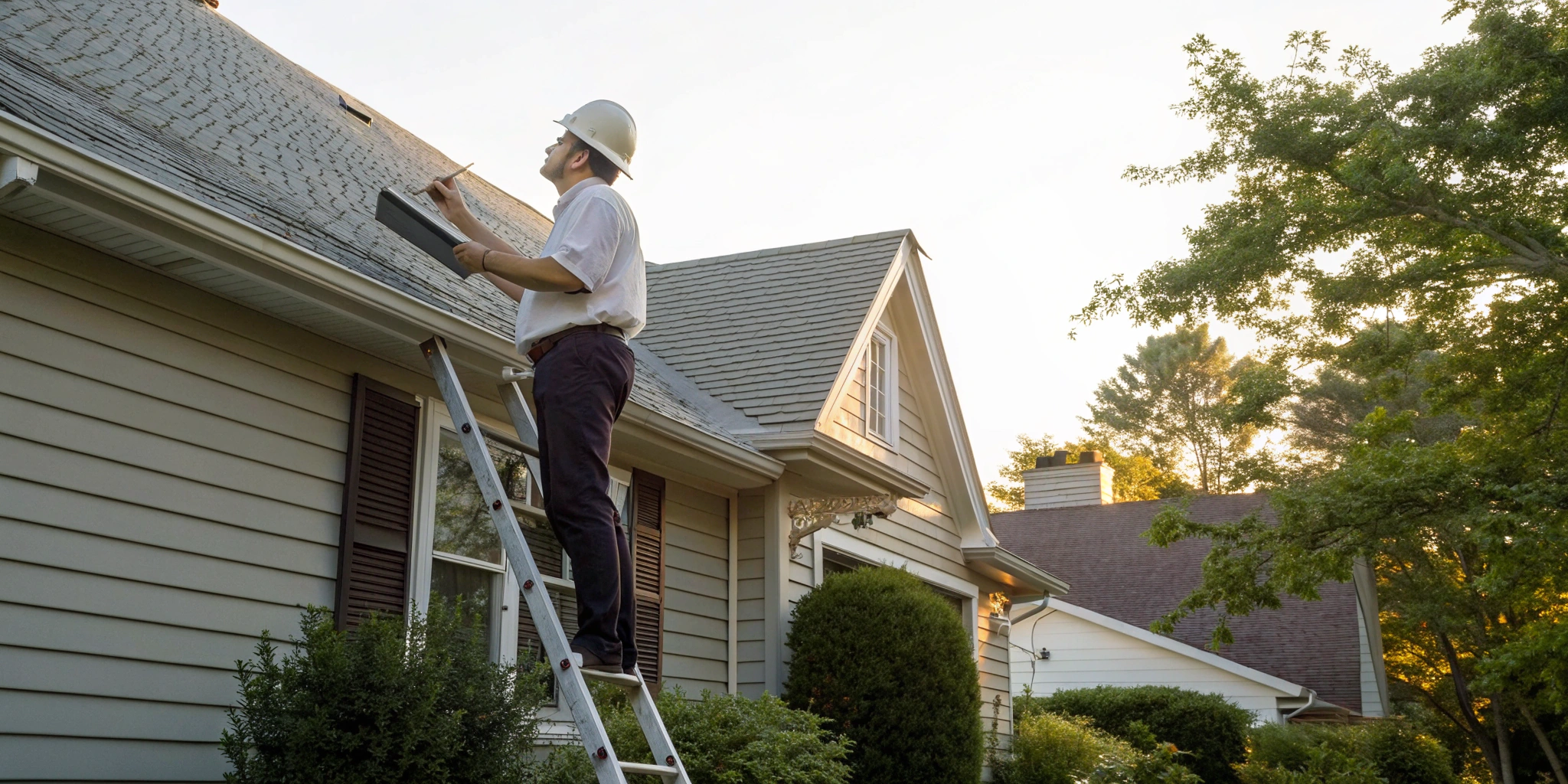
The process for getting an accurate estimate usually starts with a thorough inspection. A professional roofer will visit your property to assess your current roof’s condition, take precise measurements, and note any complexities, like steep slopes, skylights, or multiple chimneys. They’ll discuss your options for residential roofing materials and answer any initial questions you have. This hands-on evaluation is crucial because it allows the contractor to see exactly what the job entails. Based on this inspection, they will create a detailed proposal tailored specifically to your home, ensuring the final quote is as accurate as possible.
Plan Your Budget with Confidence
A new roof is a significant investment, and a detailed estimate is your best tool for financial planning. While average roof replacements can range from $10,000 to $20,000 or more depending on the home, your specific costs will be unique. The estimate lays out every expense, allowing you to see where your money is going and prepare your finances accordingly. This clarity helps you avoid sticker shock and budget with confidence. If the total cost is a concern, knowing the exact amount also allows you to explore financing options ahead of time, making the project much more manageable for your household budget.
Make an Informed Decision
Getting just one estimate isn’t enough to make a truly informed choice. It’s always a good idea to get at least three quotes from different reputable roofing companies. This allows you to compare not just the final price, but also the scope of work, the quality of materials proposed, and the warranties offered. A detailed estimate gives you the information you need to ask smart questions and evaluate each contractor’s approach. It helps you understand the value behind the price, ensuring you choose a partner who offers quality workmanship and transparent communication, not just the lowest bid.
What Factors Influence Your Roof Replacement Cost?
When you start looking into a new roof, one of the first questions you’ll have is, “How much is this going to cost?” The truth is, there’s no single price tag. The final cost of a roof replacement depends on several key factors, from the materials you choose to the unique shape of your home. While a new roof can cost between $10,000 and $20,000, your specific quote will be tailored to your property. Understanding what goes into that number will help you plan your budget and feel confident in your investment. Let’s break down the four main components that determine the price of your new roof.
Your Choice of Roofing Materials
The materials you select are one of the biggest drivers of your total cost. Think of it like choosing finishes for a kitchen remodel—a laminate countertop has a very different price point than a marble one. The same goes for roofing. Standard asphalt shingles are a popular and cost-effective choice, while materials like metal or tile come at a premium but offer different benefits in longevity and style. For a typical home, an asphalt shingle roof might cost between $5,800 and $10,100, whereas a metal roof could range from $10,200 to over $41,000. Your choice impacts not just the initial price but also your home’s curb appeal and its defense against Florida’s weather. We can help you explore the best residential roofing options for your budget and needs.
The Size and Complexity of Your Roof
It makes sense that a larger roof requires more materials and more time to install, which increases the cost. But it’s not just about square footage. The complexity of your roof’s design also plays a major role. A simple, gently sloped roof is more straightforward to work on than a steep roof with multiple peaks, valleys, dormers, and skylights. These features require more detailed work, precision cutting, and additional materials like flashing to ensure everything is watertight. Taller homes can also add to the labor cost, as extra safety equipment and precautions are needed for the crew.
Labor and Workmanship Costs
Labor typically accounts for about 60% of a total roof replacement bill, and this is one area where you don’t want to cut corners. Quality workmanship is what ensures your new roof will last for decades. A low bid might seem tempting, but it can sometimes signal that a contractor is skipping crucial steps, like a proper tear-off of the old roof or installing adequate ventilation. Skilled, experienced roofers ensure every shingle is perfectly placed and every seam is sealed. This expertise is what protects your home from leaks and extends the life of your investment, making professional installation a critical part of the overall value.
Your Property’s Location
Where you live matters. In Central Florida, your roof needs to stand up to intense sun, heavy rain, and the potential for hurricanes. This climate often calls for specific materials or installation techniques that meet strict local building codes, which can influence the final price. Permitting fees, which vary by city and county, are another location-based cost. Furthermore, if your home has sustained storm damage, the scope of work might be more extensive. A thorough hail damage inspection can identify issues that need to be addressed during the replacement, ensuring your new roof is built to last in our unique environment.
How to Prepare for a Roofing Estimate
Getting a roof replacement estimate can feel like a big step, but a little preparation goes a long way in making the process smooth and stress-free. When you know what to expect and have your information ready, you can have more productive conversations with contractors and feel confident you’re getting an accurate quote. Think of it as doing a bit of homework to ensure you get the best possible outcome for your home. A well-prepared homeowner is an empowered homeowner, one who can easily spot a fair deal and understand the value behind the numbers on an estimate.
This isn’t just about getting a price; it’s about starting a partnership with a professional who will be working on one of your most valuable assets. By assessing your roof, gathering your documents, and setting a budget beforehand, you set the stage for a successful project from day one. This proactive approach helps your roofer give you the most accurate information possible and shows that you’re a serious and informed client. You’ll be able to ask the right questions, compare your options effectively, and ultimately choose a contractor who is the right fit for your project and your budget. Let’s walk through the simple steps to get you ready for your estimate appointment.
Assess Your Current Roof’s Condition
Before a contractor even steps onto your property, it’s a great idea to do a quick visual check of your roof yourself. You don’t need to be an expert, but having a general idea of the situation is incredibly helpful. From the ground, look for obvious signs of trouble like curling, cracking, or missing shingles. If you’ve noticed any leaks or water spots inside your home, make a note of where they are. Taking a few photos of the problem areas can also be useful. This initial assessment helps you have a more specific conversation with the roofer. Instead of just saying “my roof is old,” you can point out exactly what you’ve noticed. If you suspect recent storms are to blame, a professional hail damage inspection can confirm the extent of the issue.
Gather Important Documents
Having a few key documents on hand can really streamline the estimation process. If you have any paperwork from previous roof repairs or installations, find it and keep it in a folder. It can provide valuable information about the age and materials of your current roof. It’s also wise to have your home insurance policy information accessible, especially if you think the damage might be covered. This is particularly important if you plan to file a claim for storm damage. Having everything organized ahead of time helps your contractor understand the full scope of the project and can be a huge help with the roof claim assistance process, making everything move along much more efficiently.
Set Your Budget
A new roof is a major home investment, so it’s important to think about your budget before you start collecting quotes. While costs can vary widely based on materials and the size of your home, a full replacement can often range from $10,000 to $20,000. Having a realistic number in mind helps you filter your options and make decisions that you’re comfortable with financially. When you have a clear budget, you can discuss it openly with your contractor. They can help you explore material choices and other options that align with what you’re prepared to spend. Don’t forget to ask about payment options, as many companies offer plans to make the cost more manageable. Exploring financing can help you get a high-quality roof without straining your finances.
How to Choose the Right Roofing Contractor
Getting a few estimates is a great start, but the numbers only tell part of the story. The quality of your roof replacement depends entirely on the team you hire to install it. Choosing the right contractor is the single most important decision you’ll make in this process. You’re not just buying shingles and nails; you’re investing in craftsmanship, reliability, and peace of mind for years to come. A great contractor communicates clearly, respects your property, and stands behind their work. So, how do you find this all-star team? It comes down to doing a little homework and asking the right questions.
Check for Licensing and Insurance
Before you even look at an estimate, your first step should be to confirm that any potential contractor is fully licensed and insured. This is non-negotiable. A proper license proves they meet state and local requirements to perform the work, while insurance protects you from any liability if an accident happens on your property. Imagine the financial nightmare if an uninsured worker was injured at your home. Any professional company will readily provide proof of their general liability insurance and workers’ compensation coverage. If a contractor hesitates or makes excuses, that’s a major red flag. This is also the perfect time to ask about their warranties, so you understand exactly what’s covered long after the job is done.
Look for Experience and a Good Reputation
When it comes to your roof, experience is everything. You want a contractor with a long, established history of quality work in your community, not a company that just appeared after a big storm. An experienced team has seen it all and knows how to handle the unique challenges of Florida weather. They’ll have a portfolio of completed projects and a solid local reputation to protect. Don’t be shy about asking for references from past clients. A confident contractor who provides excellent residential roofing services will be proud to connect you with happy customers. This track record shows they are committed to quality and have built a sustainable business based on trust.
Read Reviews and Ask for References
Online reviews and personal references give you a real-world look at what it’s like to work with a contractor. Check out reviews on Google, Yelp, and the Better Business Bureau to see what previous customers are saying. Look for consistent themes. Do people praise their professionalism, communication, and the quality of the final product? One or two negative reviews aren’t necessarily a deal-breaker, but a pattern of complaints is. Beyond online feedback, asking for a list of local references you can call is a great move. Speaking directly with a former client can give you valuable insight into their experience, especially if they needed help with a complicated roof claim assistance process.
What Should a Good Roof Replacement Estimate Include?
A professional roof replacement estimate is much more than a single number on a piece of paper. It’s a detailed document that outlines the entire scope of your project, from materials to cleanup. Think of it as a roadmap that protects both you and the contractor by setting clear expectations from the start. A vague or incomplete estimate is a red flag. A great one, however, provides the transparency you need to feel confident in your investment and understand exactly what you’re paying for. When you review an estimate, make sure it contains these key components.
A Detailed Breakdown of Material Costs
Your estimate should list all the materials needed for the job, not just a lump sum. This includes the specific type and brand of shingles, underlayment, flashing, and ventilation products. Seeing an itemized list helps you understand where your money is going and makes it easier to compare quotes from different contractors. Some estimates might leave out crucial items or disposal fees, which can lead to surprise costs later. A transparent breakdown ensures you’re comparing apples to apples and getting the quality materials you expect for your residential roofing project.
Clear Labor and Installation Charges
Labor is a significant part of any roof replacement, and your estimate should clearly define these costs. This section should detail the scope of work, including the tear-off of your old roof, installation of the new system, and site cleanup. It should also specify how the contractor handles unexpected issues, like replacing rotted decking, and what the associated charges will be. Understanding the labor charges helps you gauge the overall project cost and ensures there are no misunderstandings about what the installation process involves. This level of detail shows that a contractor is thorough and upfront about their pricing.
Warranty Information
A new roof is a major investment, and a solid warranty is your long-term protection. A good estimate will include clear details on two types of warranties: the manufacturer’s warranty, which covers the materials themselves, and the contractor’s workmanship warranty, which covers the installation. Be wary of any contractor who doesn’t offer a workmanship warranty. Reputable companies stand by their work and will provide this information upfront. Discussing the warranty helps you understand what’s protected, giving you peace of mind for years to come.
A Project Timeline
Knowing how long your roof replacement will take is essential for planning. Your estimate should provide a projected timeline, including a start date and an estimated completion date. While weather can sometimes cause delays, a professional contractor should be able to give you a realistic timeframe for the project. This helps you prepare your home and family for the work ahead. For urgent situations, like after a storm, a clear timeline is even more critical. Having a schedule in writing ensures everyone is on the same page and helps keep the project on track.
Permit Costs and Other Fees
A comprehensive estimate accounts for all potential expenses, leaving no room for surprises. This includes the cost of necessary building permits, which are required in most areas to ensure the work meets local codes. The estimate should also outline any other potential fees, such as waste disposal or charges for specific equipment. A contractor who includes these details in their quote is demonstrating honesty and thoroughness. This is especially important when dealing with an insurance claim, as your provider will need a complete breakdown of all costs associated with the roof claim assistance.
How to Compare Multiple Roofing Estimates
Once you have a few estimates in hand, the real work begins. It’s not just about picking the lowest number; it’s about understanding what you’re actually paying for. A thorough comparison ensures you partner with the right team and make a sound investment in your property. Here’s how to break down the quotes you receive so you can make a confident choice.
Get at Least Three Quotes
Getting at least three separate estimates is the best way to understand the market rate for your project. This process isn’t just about price shopping; it allows you to meet different contractors and hear their proposed solutions. Comparing several quotes helps you establish a realistic budget. If you’re concerned about the upfront cost, remember that many reputable companies offer flexible financing to make the project more manageable.
Compare the Scope of Work
Not all estimates are created equal. For a true apples-to-apples comparison, look closely at the scope of work in each quote. Does one contractor include tearing off the old roof while another lists it separately? Check for specifics like underlayment and flashing replacement. A detailed estimate should outline every step of the residential roofing process. If a quote seems vague or is missing key details that others include, consider it a red flag.
Evaluate Material Quality
The materials used account for a large part of your total cost, and their quality directly impacts your new roof’s lifespan. A cheaper quote might be tempting, but it could be based on lower-grade shingles that won’t stand up to Florida’s weather. Your estimate should specify the brand and type of materials being used. Don’t hesitate to ask why a contractor prefers a certain brand, especially for withstanding events that might require a hail damage inspection.
Avoid the “Lowest Bid” Trap
It’s natural to want the best deal, but the lowest bid is often a warning sign. An unusually low price can indicate a contractor is cutting corners by using subpar materials or skipping crucial steps like proper ventilation. These shortcuts can lead to premature roof failure and costly repairs. Choosing a slightly higher bid from a reputable contractor is an investment in quality and peace of mind. It also ensures you have support if you ever need roof claim assistance in the future.
Key Questions to Ask Your Roofing Contractor
Once you have a few estimates in hand, it’s time to talk specifics. Asking the right questions helps you understand exactly what you’re paying for and gives you a better sense of the contractor’s professionalism and expertise. Think of this as an interview—you’re hiring a team for a major project on your home, and you deserve to feel completely confident in your choice. A reputable contractor will be happy to answer your questions clearly and thoroughly, so don’t hesitate to dig into the details.
This conversation is your best tool for comparing contractors beyond the bottom-line price. A lower bid might seem appealing, but it could hide lesser-quality materials, an inexperienced crew, or a lack of proper insurance. By asking targeted questions about their process, materials, and warranties, you can uncover the true value each contractor offers. This is also your chance to gauge their communication style and see if they are someone you’ll be comfortable working with. Use this list to cover all your bases, from the shingles they recommend to how they handle payments and insurance claims. This discussion will help you spot any red flags, understand the full scope of the project, and ultimately choose a partner you can trust to protect your home for years to come.
Ask About Materials and Installation
Start by asking what types of roofing materials they specialize in. A contractor who primarily works with asphalt shingles might not be the best fit if you’re set on a metal roof. You should also clarify their installation process. Will they tear off the old roof completely or install the new one over the existing layer? A full tear-off is usually the better option for a long-lasting, high-quality residential roofing system, as it allows the team to inspect and repair the underlying roof deck. Understanding their approach ensures there are no surprises about the scope of work or the final cost.
Ask About the Timeline and Warranty
A reliable estimate should always include a projected timeline. Ask the contractor for a start and end date, and find out what factors might cause delays, like weather. Just as important is the warranty. You should receive two types: one from the material manufacturer that covers defects and one from the contractor that covers their workmanship. Be sure you understand the length of each warranty and exactly what is covered. A strong workmanship warranty is a great indicator of a contractor’s confidence in their own work, giving you assurance long after the project is finished.
Ask About Payment and Financing
Before signing a contract, make sure you have a clear understanding of the payment schedule. Ask how much of a deposit is required upfront and when the final payment is due. It’s also a good idea to inquire about what payment methods they accept. Many homeowners find that a major roof replacement can strain their budget, so ask if the company offers any financing options. Reputable companies often partner with lenders to provide flexible payment plans, making the project more manageable without forcing you to compromise on quality.
Ask About Insurance Claim Assistance
If your roof was damaged by a storm, the insurance process can feel overwhelming. Ask potential contractors if they have experience working with insurance companies. A contractor who offers roof claim assistance can be an invaluable partner, helping you document the damage, meet with the adjuster, and ensure your claim includes everything needed for a proper repair. They should be able to provide all the necessary paperwork to support your claim, which can make the difference in getting your replacement fully covered. This support can simplify a complicated process and reduce a lot of stress.
Common Mistakes to Avoid When Getting Estimates
Getting estimates for a roof replacement can feel like a whirlwind. You’re meeting with different contractors, looking at numbers, and trying to make the best choice for your home and budget. It’s easy to get tripped up along the way, but knowing what to watch out for can make all the difference. The goal isn’t just to find the cheapest price; it’s to find the best value and a contractor you can trust to protect your home for years to come.
A detailed estimate is your roadmap for the entire project. It should clearly outline the scope of work, materials, labor costs, and timelines. When you have a comprehensive quote, you can plan your budget with confidence and avoid stressful surprises down the road. This is especially important if you’re navigating an insurance claim, where clear documentation is key. Having a professional guide you through the roof claim assistance process can simplify everything, ensuring all the necessary details are covered in your estimate from the start. Let’s walk through some common missteps so you can approach your roofing project with clarity and confidence.
Ignoring High-Pressure Sales Tactics
If a contractor is pressuring you to sign a contract on the spot, consider it a major red flag. Some companies use aggressive sales tactics, like offering a “today only” discount, to rush you into a decision before you’ve had time to do your research. A reputable roofer understands that a new roof is a significant investment. They will provide a detailed estimate and give you the space you need to review it, compare it with other quotes, and feel completely comfortable with your choice. Don’t let a pushy salesperson make you feel obligated. Your peace of mind is worth more than a supposed one-time deal.
Assuming All Estimates Are Created Equal
When you have several estimates in hand, you’ll likely notice they aren’t identical. One quote might seem incredibly low, while another is much higher. The difference often lies in the details. A vague, one-page estimate that doesn’t break down costs is a warning sign. A professional quote will be itemized, showing you exactly what you’re paying for—from the type of shingles and underlayment to labor, permits, and debris removal. Before you decide, make sure you’re asking the right questions to understand what’s included in each estimate so you can make a true apples-to-apples comparison.
Overlooking Hidden Costs
The price on an estimate should be transparent. A common mistake is failing to account for potential costs that aren’t explicitly listed. For example, does the quote include the cost of tearing off the old roof? What about replacing rotted decking found after the old roof is removed? A thorough estimate will address these possibilities. To know if your quote is fair, you need to understand everything that affects the final price. Discussing these factors upfront ensures there are no surprises. If the total cost feels daunting, remember that many companies offer convenient financing options to make the project more manageable.
Skipping the Vetting Process
Choosing a contractor based on the lowest bid without checking their credentials is a recipe for disaster. Always hire a licensed, bonded, and insured professional. Licensing proves they meet state requirements, while insurance protects you from liability if an accident happens on your property. Take a few minutes to look up online reviews, check their standing with the Better Business Bureau, and ask for references from previous clients in your area. This vetting process is your best defense against shoddy workmanship and ensures you’re partnering with a reliable company for your residential roofing project.
Related Articles
- Average Cost of Roof Replacement: What to Expect
- Tile Roof Replacement Cost Guide | Skylight Roofing
- Roof Replacement Cost: A Complete Breakdown
- How Much Does a Roof Cost to Replace? A Full Guide
- Average Cost to Replace a Roof Per Square Foot (2025)
Frequently Asked Questions
Why is an in-person inspection necessary for an accurate estimate? An in-person visit is essential because every roof has its own unique characteristics. A professional needs to take precise measurements, assess the roof’s pitch and complexity, and check for any existing issues that aren’t visible from the ground. This hands-on evaluation is what allows a contractor to give you a truly accurate price instead of a vague ballpark figure, ensuring there are no surprises later on.
What happens if you find unexpected damage, like rotted wood, during the replacement? This is a common concern, and a professional contractor will have a clear plan for it. A thorough estimate should include a “contingency” clause that outlines the cost for potential extra work, such as replacing a sheet of rotted decking. If any issues are discovered after the old roof is removed, the crew should stop, show you the problem, and get your approval before proceeding with any work that adds to the cost.
How long is a roof replacement estimate valid? Most estimates are valid for a specific period, typically between 30 and 90 days. This is because the costs of materials and labor can fluctuate. The expiration date should be clearly stated on the estimate itself. This gives you a reasonable window to make a decision while protecting the contractor from sudden price increases in the market.
Should I be concerned if one estimate is much lower than the others? Yes, an unusually low bid can be a red flag. While it’s tempting, a price that’s significantly lower than the competition often indicates that corners are being cut somewhere. This could mean the contractor is using subpar materials, is not fully insured, or is planning to skip crucial steps like a proper tear-off of the old roof. It’s a sign to look much more closely at the details of what’s included.
What’s the difference between a material warranty and a workmanship warranty? A material warranty comes from the manufacturer of the shingles and covers defects in the product itself. A workmanship warranty is provided by the roofing contractor and covers the quality of the installation. This is the contractor’s promise that your roof was installed correctly and won’t leak due to their work. A reputable company will always stand behind their installation with a solid workmanship warranty.