


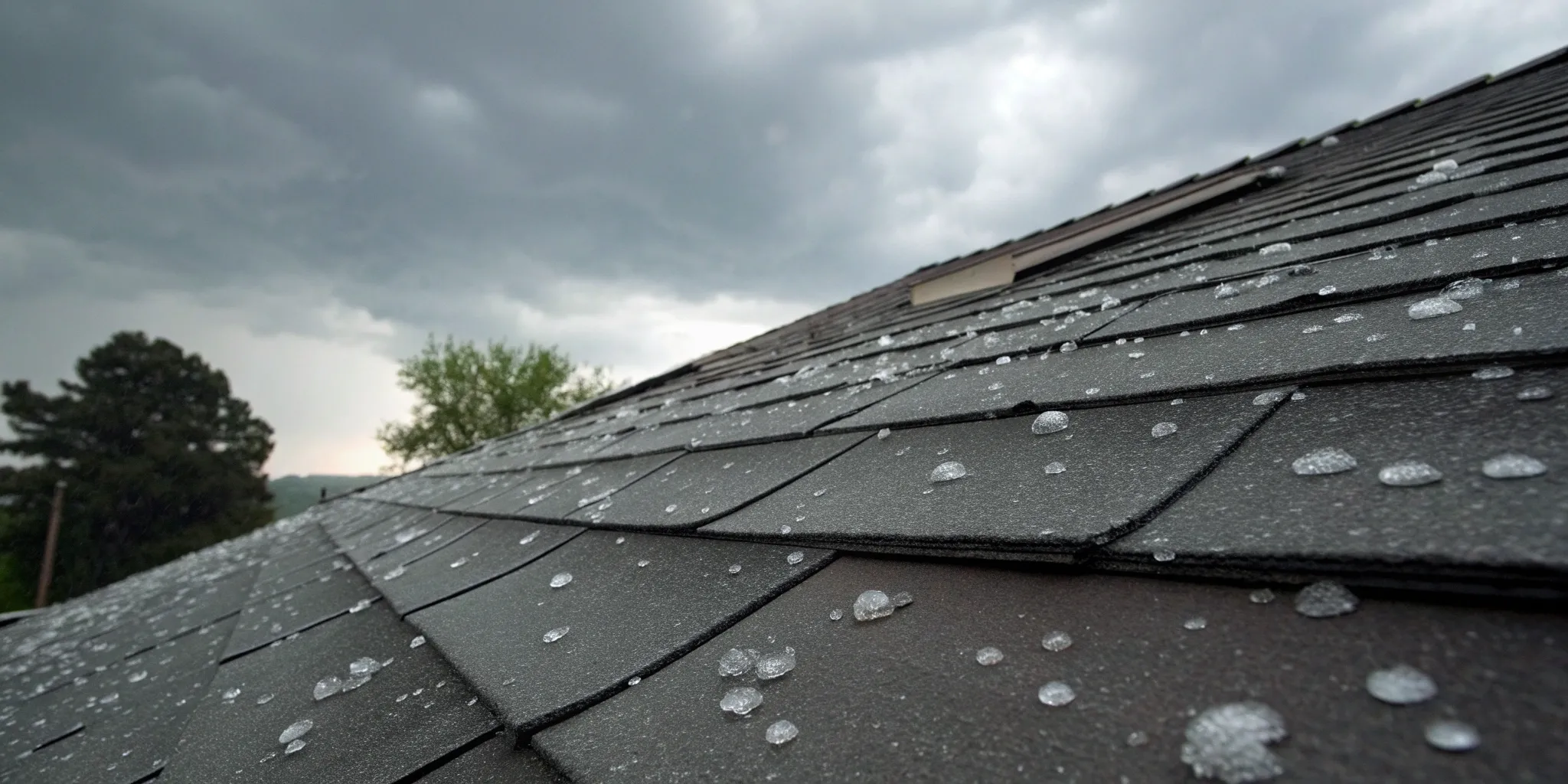
Hail damage is deceptive. From the safety of your driveway, your roof might look perfectly fine. But what you can’t see are the tiny fractures and granule loss that have compromised your shingles’ ability to protect your home. These small issues are where water finds a way in, leading to leaks, rot, and expensive interior damage down the road. Before you can even think about the hail damage house roof repair cost, you need to understand the true scope of the problem. This guide explains the common types of hidden damage and why a professional inspection is the only way to know for sure.
Key Takeaways
- Prioritize a Professional Inspection: Hail damage often hides in plain sight, so an expert inspection is essential to understand the true scope of repairs and provide the detailed documentation needed for your insurance claim.
- Weigh Repair Costs Against Your Deductible: Get a professional estimate before filing a claim to decide if it makes financial sense. For significant damage or out-of-pocket expenses, financing can make the cost more manageable.
- Partner with a Vetted Local Contractor: After a storm, avoid out-of-town “storm chasers.” Protect your investment by choosing a licensed, insured, and local roofing company with a proven track record in the community.
How Does Hail Actually Damage Your Roof?
When a hailstorm rolls through Central Florida, the sound alone can be unsettling. Once it passes, you’re left wondering if your home is okay. Hail damage isn’t always as dramatic as a gaping hole in your ceiling. More often, it’s a collection of smaller issues that compromise your roof’s ability to protect your home from the elements. The severity of the damage depends on a few key factors, including the size and density of the hailstones, the speed of the wind, and the type of roofing material you have.
What might seem like minor cosmetic flaws can quickly become entry points for water, leading to leaks, wood rot, and mold growth inside your home. Because much of this damage is subtle and hard to spot from the ground, a professional hail damage inspection is the only way to know the true extent of the problem. An expert can identify issues that an untrained eye would miss, giving you a clear picture of what needs to be done to secure your home.
Common Types of Hail Damage
Hail can affect different roofing materials in unique ways. For asphalt shingles, the most common residential roofing material, hail impact creates “bruises” or soft spots where the protective granules are knocked away. This exposes the underlying asphalt mat to UV rays, causing it to deteriorate much faster. You might also see shingles that are cracked, fractured, or torn. On other parts of your roof system, you’ll notice dents in metal flashing, roof vents, and gutters. For materials like wood or tile, hail can cause splitting, chipping, or cracking, leaving your roof’s underlayment vulnerable to moisture.
How to Spot Damage From the Ground
While a professional inspection is essential, you can do a quick preliminary check from the safety of the ground. Walk around your property and look for obvious signs of impact. Are your gutters, downspouts, or air conditioning unit dented? Check the ground for fallen debris, especially the tiny asphalt granules that look like coarse black sand collecting where your downspouts drain. This granule loss is a tell-tale sign of shingle damage. However, remember that the most significant damage is often invisible from this vantage point. Issues like hairline cracks and shingle bruising require a close-up look, which is why you should always call a professional instead of climbing on the roof yourself.
How Much Does Hail Damage Repair Cost?
After a hailstorm, one of the first questions on any homeowner’s mind is, “How much is this going to cost?” The honest answer is: it depends. The final price tag for hail damage repair can swing dramatically based on how severe the storm was, the type of roofing material you have, and the overall size of your roof. A few dented shingles will cost far less than a roof that looks like it’s been hit with a meteor shower.
To give you a clearer picture, we can break down the costs into three general categories: minor, moderate, and severe. Think of these as ballpark figures to help you understand what you might be looking at. It’s important to remember that these are just estimates. The only way to get a precise number for your specific situation is to schedule a professional hail damage inspection. An expert can assess the full extent of the damage—including the subtle issues you can’t see from the ground—and provide a detailed, accurate quote for the necessary repairs. This professional assessment is also a critical piece of documentation if you plan to file an insurance claim, making it an essential first step in the recovery process.
Cost for Minor Repairs ($375 – $1,500)
If you’ve only got a bit of damage, you can breathe a little easier. Minor repairs typically cover isolated issues, like a handful of cracked or missing asphalt shingles, small dents in your metal flashing, or sealing a tiny leak. For these smaller jobs, you can expect the cost to fall somewhere between $375 and $1,500. According to home improvement resource Modernize, this price range is standard for localized fixes. While it might be tempting to ignore a few blemishes, getting these minor issues addressed quickly is smart. It prevents water from seeping in and turning a small problem into a much bigger, more expensive one later on.
Cost for Moderate Repairs ($1,500 – $7,500)
When the damage is more widespread, you move into the moderate repair category. This could mean replacing larger sections of shingles, addressing significant granule loss that exposes the underlying material, or repairing damage to the roof’s underlayment. For this level of work, most homeowners spend between $1,500 and $7,500. The national average for moderate hail damage repair hovers around $4,250. These repairs are more involved because they often require more materials and labor to ensure your roof is properly sealed and protected. It’s a necessary investment to maintain your roof’s structural integrity and extend its lifespan after a significant storm.
Cost for Severe Damage & Full Replacement ($8,000 – $25,000+)
In the aftermath of a particularly nasty hailstorm, you might be facing severe damage. This includes widespread punctures, deep dents that have compromised the roofing material, or so much granule loss that the entire roof is vulnerable. In these cases, a full roof replacement is often the only viable solution. The cost for a replacement can range from $8,000 to $25,000 or more, depending on your home’s size and the materials you choose. As publications like This Old House confirm, this is a significant expense, but it’s also an opportunity to protect your home for decades to come. This is where your homeowners insurance plays a huge role, and exploring financing options can also make the cost more manageable.
What Factors Determine Your Final Repair Cost?
When you’re looking at a hail-damaged roof, it’s natural to wonder, “What’s this going to cost me?” The truth is, there’s no single price tag for hail damage repair. The final number on your invoice depends on a unique combination of factors specific to your home. Think of it less like buying a product off the shelf and more like commissioning a custom project. Everything from the sheer size of your roof to the specific type of shingles you have plays a part. Understanding these variables will help you make sense of any quotes you receive and feel more confident as you move forward with repairs. Let’s walk through the main factors that roofing professionals consider when calculating the cost to get your roof back in top shape.
Your Roof’s Size and Shape
It might seem obvious, but the bigger your roof, the more it will cost to repair. A larger surface area simply requires more materials and more hours of labor to fix. But it’s not just about square footage. The complexity of your roof’s design, also known as its pitch and shape, is a major factor. A simple, gently sloped roof is much easier and faster to work on than a steep roof with multiple gables, valleys, and dormers. These architectural features require more precise cuts, specialized safety equipment, and significantly more time from your roofing crew, all of which contribute to a higher final cost for your residential roofing project.
The Type of Roofing Material
The materials on your roof have a huge impact on the repair bill. Some materials are simply more expensive to source and more difficult to work with than others. For example, standard asphalt shingles are one of the most common and affordable materials to repair. On the other hand, materials like slate, tile, or metal can be more costly. While these premium materials are often more durable, repairing or replacing them requires specialized skills and a higher material budget. According to home service experts, materials like wood and asphalt are more prone to damage but less expensive to fix, while materials like slate are less likely to be damaged but cost more to repair when they are.
How Widespread the Damage Is
The extent of the hail damage is one of the most critical cost factors. If a storm only damaged a few shingles in one isolated area, you might be looking at a relatively small and inexpensive patch job. However, if the hail was widespread and impacted the entire roof surface, the cost will increase substantially. The severity matters, too. Minor cosmetic dents are one thing, but cracked shingles, punctured underlayment, and active leaks are much more serious issues that require more intensive labor and materials to resolve. This is why a thorough hail damage inspection is the essential first step to understanding the true scope of the problem and the associated repair costs.
Local Labor and Material Costs
Finally, where you live matters. The cost of labor and materials can vary quite a bit from one region to another. Here in Central Florida, prices are influenced by local market conditions. A major factor that can cause costs to spike is a recent storm. When a hailstorm hits a large area, the demand for qualified roofers and materials shoots up almost overnight. This high demand can lead to increased labor rates and longer wait times. As one home improvement resource notes, prices can fluctuate based on demand, especially right after a big storm. Working with a local, established company ensures you get fair pricing based on current market rates, not inflated “storm chaser” prices.
Will Your Homeowners Insurance Cover Hail Damage?
After a hailstorm rolls through, one of the first questions that pops into your head is probably, “Who’s going to pay for this?” Dealing with insurance can feel like a maze, but understanding your policy is the first step toward getting your roof back in shape. The good news is that hail damage is a common issue, especially here in Florida, and most insurance policies are set up to handle it. The key is knowing what your specific plan covers and when it makes sense to file a claim. Let’s walk through what you can typically expect from your homeowners insurance.
What Your Policy Actually Covers
For most homeowners, your insurance policy does provide coverage for hail damage. It’s usually included under the dwelling protection portion of your plan, which is designed to cover the structure of your home. This means that if hail dents your shingles, cracks your tiles, or causes any other harm to your roof, your insurance provider should cover the cost of the repairs or replacement. You’ll just be responsible for paying your deductible first, and then your insurance will handle the rest of the bill. It’s always a good idea to pull out your policy documents and confirm the specifics, but generally, you can breathe a little easier knowing coverage is likely there.
Understanding Your Deductible
Speaking of deductibles, this is where things can get a little tricky. Your policy might have a separate “wind/hail deductible” that’s different from your standard one. Instead of a flat dollar amount, this deductible is often a percentage of your home’s total insured value—typically between 1% and 2%. For example, if your home is insured for $400,000, a 2% hail deductible means you’d have to pay the first $8,000 of the repair costs out of pocket. This can be a surprise for many homeowners, so it’s crucial to check your policy to see what kind of deductible you have before you file a claim.
Should You File an Insurance Claim?
Deciding whether to file a claim comes down to a simple cost-benefit analysis. If the damage is extensive and the repair estimate is significantly higher than your deductible, filing a claim is almost always the right call. However, if the damage is minor and the repair cost is close to or less than your deductible, you might consider paying for it yourself. Filing claims for small amounts can sometimes lead to an increase in your future premiums. The best way to make an informed choice is to get a professional hail damage inspection. An expert can assess the true extent of the damage and give you an accurate repair estimate, helping you decide if involving your insurance is worth it. We can even provide roof claim assistance to help you through the process.
Your First Steps After a Hailstorm
The sound of hail hitting your roof is stressful enough, but the aftermath can feel overwhelming. Where do you even begin? Taking a few key steps right after the storm passes can make a huge difference in protecting your home from further damage and making the insurance and repair process much smoother. It’s all about acting quickly but safely. Before you do anything else, your priority should be to check on your family and ensure everyone is okay. Once the coast is clear, you can turn your attention to your property.
The initial actions you take—from documenting the scene to calling the right people—set the stage for a successful repair. Think of it as gathering the evidence you’ll need to get your home back to its pre-storm condition. This isn’t something you have to handle alone, but these first few steps are ones you can take to get the process started on the right foot. By staying organized and methodical, you can turn a chaotic situation into a manageable project. We’ll walk you through exactly what to do, step by step, to address potential hail damage and start the path to recovery. Remember, the goal is to be thorough without putting yourself at risk.
Safely Assess and Document the Damage
Your first instinct might be to get on the roof, but please stay on the ground where it’s safe. You can spot a lot from down below. Walk around your entire property and look for obvious signs of damage. Check your gutters, downspouts, siding, and windows for dents or cracks. If you find hailstones in your yard, take a picture of them next to a coin or ruler to show their size. Use your phone to take plenty of photos and videos of any damage you see, making sure to note the date and time. This documentation is your best evidence when you file an insurance claim, so the more detailed you are, the better.
Call Your Insurance Company
Once you have your initial documentation, your next call should be to your insurance company. The sooner you report the damage, the faster you can start the claims process. Let them know that your home was hit by a hailstorm and you suspect roof damage. They will assign you a claim number and explain the next steps, which usually involve sending an adjuster to assess the situation. Be prepared to share the photos and notes you took. If the process feels daunting, remember that you don’t have to go it alone. Companies like ours offer roof claim assistance to help you work with your insurance provider and ensure all damage is properly accounted for.
Schedule a Professional Roof Inspection
Even if you don’t see any dents or missing shingles from the ground, don’t assume your roof is fine. Hail can cause subtle bruising and granule loss that compromises your shingles’ integrity but isn’t visible to an untrained eye. This is why getting a professional opinion is so important. A qualified roofer can safely get on your roof and perform a thorough inspection to identify any hidden issues that could lead to leaks down the road. Scheduling a professional hail damage inspection gives you a clear, expert assessment of your roof’s condition. This report will be critical for your insurance claim and for planning the right repairs.
Repair or Replace: Making the Right Call
After a hailstorm, the big question is always whether you can get by with a simple repair or if you’re looking at a full replacement. The answer isn’t always straightforward and depends on the age of your roof, the materials it’s made from, and just how much damage the storm left behind. While a professional inspection is the only way to get a definitive answer, understanding the difference between these two paths can help you prepare for the conversation with your contractor and insurance adjuster. Making an informed decision here isn’t just about fixing the immediate problem—it’s about securing your home’s long-term safety and value. A quick patch might seem like the easy way out, but if there’s underlying damage, you could be facing bigger, more expensive problems down the road, like persistent leaks and structural issues. On the other hand, you don’t want to pay for a full replacement if a targeted repair will do the job perfectly. This decision impacts your budget, your home’s protection, and your peace of mind for years to come. Let’s walk through the key factors that will help you determine the best path forward for your roof.
When to Choose a Repair
If the hail damage is isolated to a small area and your roof is otherwise in good shape, a targeted repair is often the most sensible and cost-effective solution. Think a few cracked shingles or minor dents in your flashing. These smaller fixes can often be completed quickly, preventing minor issues from turning into major leaks. Financially, you can expect most hail damage repairs to fall somewhere between $375 and $7,500, with very small jobs costing as little as $300. Opting for a repair is a great choice when the damage is minimal and doesn’t compromise the overall integrity of your roof, getting it back in shape without a huge investment.
When You Need a Full Replacement
Sometimes, a repair just won’t cut it. If your roof is older and nearing the end of its lifespan, or if the hail damage is widespread, a full replacement is likely the necessary call. A good rule of thumb is if 25% to 40% of your roof has sustained damage, both contractors and insurance companies will probably recommend a complete overhaul. While this is a bigger project, with costs potentially reaching $25,000 or more, it’s also an opportunity to ensure your home is protected for decades to come. A full replacement for your residential roofing addresses all existing and potential issues at once, giving you total peace of mind.
Considering a Material Upgrade
Whether you’re repairing or replacing, a hailstorm forces you to think about your roofing materials. Some materials, like slate or PVC, are tougher but can be more expensive to fix if they do get damaged. Others, like asphalt and wood shingles, are more susceptible to hail but generally cost less to repair. This is the perfect time to consider an upgrade. You might look into Class 4 impact-resistant shingles, which are specifically designed to withstand hail. While they cost a bit more upfront, they can save you from future damage and may even earn you a discount on your homeowners insurance. Discussing these options during your professional hail damage inspection can help you make a smart long-term investment.
How to Choose the Right Roofing Contractor
After a storm, your priority is getting your roof fixed quickly and correctly. But choosing the right partner for the job is just as critical as the repair itself. The quality of the contractor you hire will determine the quality and longevity of your roof. A great roofer provides not only skilled workmanship but also peace of mind. They’ll guide you through the process, from the initial inspection to dealing with insurance, ensuring you feel supported every step of the way. Taking a little time to vet your options can save you from major headaches and expenses down the road.
Check for Proper Licensing and Insurance
Before you even think about signing a contract, your first step should be to verify that any potential contractor is properly licensed and insured in Florida. This is non-negotiable. A valid license proves they meet state requirements, while insurance protects you from any liability if an accident happens on your property. Any reputable company will gladly provide you with their credentials. Don’t stop there—take a few minutes to look up online reviews and ask for local references. A contractor with a solid history of quality work and happy customers is always a safer bet for your residential roofing project.
Get and Compare Multiple Quotes
It’s always a good idea to get at least three different quotes for your roof repair. This isn’t just about finding the lowest price; it’s about understanding the scope of the damage and what a fair market rate looks like. Each estimate should be a detailed, written document that breaks down the costs for materials, labor, and any other fees. Be wary of any quote that is significantly lower than the others, as it could be a red flag for subpar materials or inexperienced labor. A thorough hail damage inspection is the foundation of an accurate quote, so make sure each contractor performs one.
How to Spot and Avoid “Storm Chasers”
After a major hailstorm, you might notice an influx of contractors in your neighborhood. Be cautious of “storm chasers”—out-of-town companies that sweep into affected areas, perform quick, often low-quality work, and then disappear, leaving you with no warranty or recourse if problems arise. Red flags include high-pressure sales tactics, demands for large upfront payments in cash, and a lack of a permanent local address. Always choose a contractor with deep roots in the Central Florida community. A local company will be here long after the storm has passed to stand by their work and handle any future needs, including emergency roof repair.
How Can You Pay for Your Roof Repair?
An unexpected roof repair can feel like a major financial hurdle, but you have options. Figuring out how to cover the cost is a key part of the process, and it’s often more manageable than homeowners first think. Whether you’re working with your insurance company or looking for a flexible payment plan, let’s walk through the two most common ways to pay for your hail damage repair.
Using Your Insurance Payout
The good news is that hail damage is typically covered by standard homeowners insurance policies. After a storm, your first call should be to your insurance provider to start the claims process. Most policies cover this type of “act of God” damage, meaning you’ll likely only be responsible for paying your deductible.
Of course, you’ll want to weigh your options. If the repair cost is close to your deductible amount, you might consider paying out of pocket to avoid a potential premium increase. For more significant damage, using your insurance is almost always the right move. We can help you document the damage for your claim and work with your adjuster to ensure everything is accounted for. Our team is experienced in providing the necessary paperwork to make your roof claim assistance process as smooth as possible.
Exploring Our Financing Options
What if your insurance doesn’t cover the full amount, or you decide not to file a claim? A major roof repair is a significant investment. While minor repairs might cost a few thousand dollars, a partial or full roof replacement can range from $8,000 to over $25,000. Paying that amount all at once isn’t feasible for many families.
That’s why we offer straightforward and flexible financing options. These plans allow you to break down the total cost into predictable monthly payments that fit your budget. This way, you don’t have to delay essential repairs that protect your home and family. You can get the high-quality roof you need now and pay for it over time, without draining your savings. We believe everyone deserves a safe and secure roof, and our financing plans are designed to make that a reality.
Protecting Your Roof From Future Hail Damage
After going through the stress and expense of a roof repair, the last thing you want is to do it all over again after the next storm. While we can’t stop Florida weather, you can take proactive steps to make your roof more resilient. Thinking ahead not only gives you peace of mind but can also save you significant money and hassle down the road. It’s about shifting from a reactive approach to a protective one. Here are two of the most effective ways to safeguard your home against future hail damage.
Invest in Impact-Resistant Materials
One of the best long-term strategies is to upgrade your roofing materials. When it’s time for a replacement, consider investing in impact-resistant shingles, often rated as Class 4. These are specifically engineered to withstand hail and high winds far better than standard shingles. While they do have a higher upfront cost, this investment can prevent costly damage in the future. Many insurance companies even offer discounts for homes with Class 4 shingles, helping to offset the initial expense. Think of it as armor for your home, providing a stronger first line of defense for your residential roofing system.
Schedule Regular Roof Inspections
You wouldn’t skip a regular check-up for your car, and your roof deserves the same attention. Scheduling regular professional inspections—at least once a year and after any major storm—is crucial. Hail damage isn’t always obvious from the ground; small dents, cracks, and granule loss can be invisible to the untrained eye but lead to major leaks later. A thorough hail damage inspection provides a clear picture of your roof’s health, catching minor issues before they escalate. This professional assessment gives you the clarity you need to plan for maintenance or file an insurance claim with confidence.
Related Articles
- Roof Repair After Hail Damage: 5 Key Steps
- Is Your Leaking Roof Covered by Insurance?
- How to Check for Hail Damage on a Roof in 5 Steps
- How Much is the Average Hail Damage Roof Payout?
- Hail Damage Roof Insurance Claim: A Complete Guide
Frequently Asked Questions
My roof looks fine from the ground after a storm. Do I really need a professional inspection? Yes, absolutely. Much of the damage caused by hail isn’t dramatic or obvious from a distance. Hail creates small bruises and fractures on shingles and knocks off the protective granules, which can be nearly impossible to spot from your yard. These seemingly minor issues are what lead to slow leaks, wood rot, and bigger problems down the road. A professional inspection is the only way to get a true assessment of your roof’s condition and catch these hidden problems before they escalate.
Will filing a claim for hail damage make my insurance premium go up? This is a common concern, but you can generally rest easy. Insurance companies typically classify hail damage as an “act of God,” meaning it was caused by a natural event completely out of your control. Unlike claims related to accidents or negligence, a weather-related claim is far less likely to cause a significant increase in your individual premium. Widespread storms can sometimes cause rates to rise for an entire region, but that would happen whether you filed a claim or not.
How long will it take to repair or replace my roof after hail damage? The timeline really depends on the scope of the work. A simple repair involving a small section of your roof might only take a few hours to a single day. A full roof replacement is a more involved project and typically takes anywhere from two to five days, depending on the size and complexity of your roof. Factors like weather and material availability can also influence the schedule, but a good contractor will keep you updated throughout the process.
Is it okay to wait a while before getting my roof checked after a hailstorm? It’s best to act quickly. Even if you don’t see an active leak, the damage from hail creates vulnerabilities in your roof. Every time it rains, water can seep into those tiny cracks and compromised areas, slowly damaging the underlying wood decking. Waiting can turn a straightforward repair into a much more complex and expensive project that involves addressing water damage and potential mold growth inside your home.
What are impact-resistant shingles and are they worth the extra cost? Impact-resistant shingles, often called Class 4 shingles, are a fantastic investment for Florida homeowners. They are engineered with a more flexible, rubber-like asphalt that allows them to absorb the force of hail without cracking or breaking. While they do cost more upfront than standard shingles, they can save you from having to pay for repairs or a full replacement after the next storm. Plus, many insurance providers offer a discount on your premium for installing them, which helps offset the initial cost over time.