


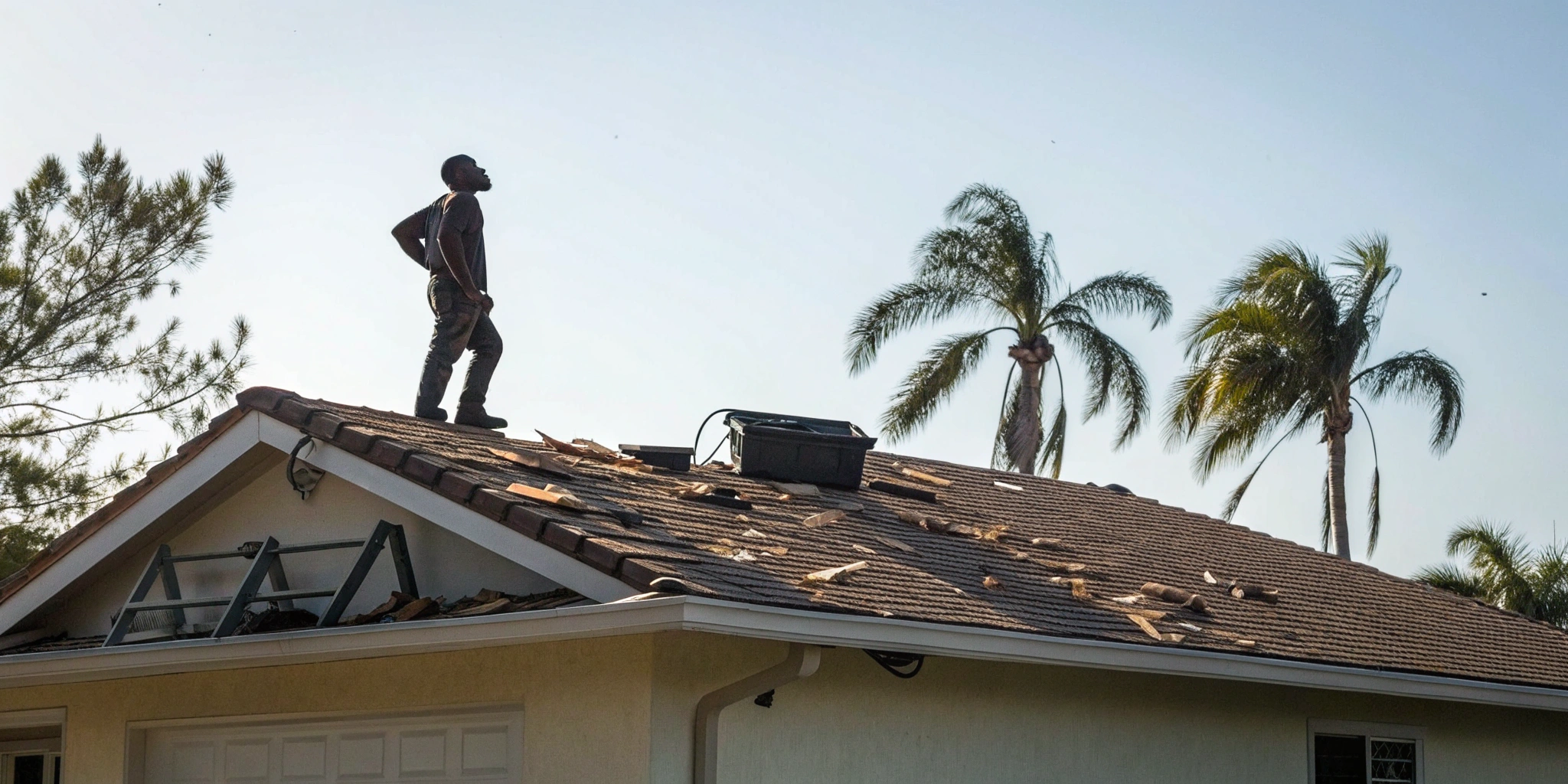
When you’re standing in your yard looking at a storm-damaged roof, it’s hard to know where to even start. Do you call your insurance first? A roofer? Should you try to put a tarp up yourself? This comprehensive guide is designed to answer all those questions and more. We’ve broken down the entire recovery process into manageable steps, creating a complete roadmap that takes you from the initial damage assessment all the way to the final inspection with a trusted contractor. Think of this as your go-to resource for how to fix roof after hurricane damage, covering every detail you need to know.
Key Takeaways
- Act Safely and Document Everything First: Before touching anything, conduct a thorough inspection from the ground and take detailed photos and videos of all damage, inside and out. This visual evidence is your most important asset for a smooth insurance claim.
- Partner with a Vetted Local Contractor: Avoid post-storm scams by choosing a licensed, insured, and local roofer with a proven reputation. A trustworthy professional will provide quality repairs and can be an invaluable ally when working with your insurance adjuster.
- Shift from Repair to Prevention: Once your home is secure, focus on long-term protection. Regular professional inspections, routine maintenance, and upgrading to storm-resistant materials are the best ways to minimize damage from future hurricanes.
Your Post-Hurricane Roof Checklist: First Steps
The wind has died down and the storm has passed. It’s natural to feel overwhelmed, but taking a few key steps right away can make a huge difference. This initial checklist will help you handle the aftermath safely and set you up for a smooth insurance claim process.
First and foremost, prioritize your safety. Your instinct might be to climb up and see the damage for yourself, but a storm-damaged roof can be incredibly unstable. The safest way to get a look is from the ground, using binoculars if you have them. Look for obvious signs of trouble like missing or cracked shingles, dented gutters, or damaged flashing.
Next, grab your phone and start documenting everything. Take clear, detailed photos and videos of any visible damage from multiple angles. Don’t forget to check inside your home, especially the attic and ceilings, for any water stains or active leaks. This visual evidence is essential when you file your insurance claim. If you see active leaks and it’s safe to do so, you can take immediate steps to prevent more water from getting in. Covering the damaged area with a tarp is a common temporary fix until you can get professional emergency roof repairs.
Once you’ve done your initial ground-level check, it’s time to call in the experts. A professional inspection is the only way to uncover hidden issues and get an accurate assessment of the damage. A reputable roofer will provide a detailed report that you can submit to your insurance company. Finally, contact your insurance provider as soon as possible to start the claims process. Having your photos and a professional roofer’s report ready will help things move along more efficiently and is a key part of getting the roof claim assistance you need.
How to Safely Assess Roof Damage
After a hurricane, your first priority is safety. Before you start thinking about repairs, you need to understand the extent of the damage, and you need to do it without putting yourself at risk. Here’s how to get a clear picture of your roof’s condition from the ground up.
Inspect from the Ground
Always start your inspection from the safety of the ground. Climbing onto a potentially compromised roof is incredibly dangerous—it could be slippery, weak, or have hidden structural issues. Grab a pair of binoculars for a closer look and walk around your entire property. Look for obvious signs of trouble like missing, cracked, or curled shingles. Check for damaged flashing around your chimney, vents, and skylights. You should also look for an accumulation of shingle granules in your gutters or on the ground, as this indicates significant wear and tear from the storm.
Check for Leaks in the Attic
Not all roof damage is visible from the outside. Your next safe stop should be the attic. With a good flashlight, carefully look for signs of water intrusion. This could be damp insulation, dark stains on the wood rafters, or a musty smell that wasn’t there before. Don’t forget to check the ceilings in the rooms directly below the attic for new water spots or peeling paint. Finding moisture here is a clear signal that your roof’s protective barrier has been breached. If you spot an active leak, it’s smart to call for emergency roof repair to prevent further damage to your home’s interior.
Know When to Stay Off the Roof
I’ll say it again because it’s that important: stay off the roof. While a ground-level check is a great start, it has its limits. Professionals have the training and safety equipment to perform a thorough inspection without risk. They can identify subtle issues that are easily missed from the ground, like lifted shingle seals or small punctures that can lead to big leaks down the road. It’s always best to have a professional roofer confirm your findings and provide a complete assessment of your residential roofing system. A trained eye can prevent a small issue from becoming a major headache.
Spot Potential Hazards
Beyond the roof itself, take a moment to assess the area for other storm-related hazards. High winds can cause hard-to-see damage, like small cracks or lifted shingles that create a pathway for water. Be aware of any downed power lines near your home and stay far away from them. Also, check for unstable tree limbs hanging over your roof that could fall and cause more damage later. Identifying these potential issues is a key part of the assessment and provides vital information when you begin the process of roof claim assistance. This complete picture helps ensure a smooth and thorough repair process.
How to Document Damage for Your Insurance Claim
After a storm, your first instinct might be to start cleaning up, but it’s critical to pause and document everything first. Think of yourself as a detective building a case—the more evidence you have, the smoother your insurance claim process will be. Solid documentation helps ensure you get the full compensation you’re entitled to for repairs. This step can feel overwhelming, but breaking it down makes it manageable. Having clear, organized records of the damage will be your best asset when you file your claim and speak with an adjuster. It removes guesswork and provides undeniable proof of the storm’s impact on your property. If the process feels like too much to handle on your own, remember that professional roof claim assistance can guide you through every step.
Take Clear Photos and Videos
Before you move a single shingle or piece of debris, grab your phone and start recording. Take wide shots of your entire roof from different angles (safely from the ground, of course) to show the overall picture. Then, get close-ups of specific damage points like missing shingles, dents from hail, or areas where water is getting in. Don’t forget the inside of your home—capture any water stains on ceilings or walls. Videos are great, too. Do a slow walk-around of your property, narrating what you see. The goal is to create a visual record so clear that an insurance adjuster who has never seen your home can understand the extent of the damage.
Create a Detailed Damage List
Your photos and videos are the foundation, and a written list is the blueprint that ties it all together. Go room by room and list every single item of damage you see, no matter how small it seems. For example: “Living room: Water stain on the ceiling, approximately 2 feet by 3 feet in the northeast corner. Three shingles missing above the front window.” Be as specific as possible. This list, combined with your visual evidence, creates a comprehensive package for your claim. It’s also a good idea to have a professional roofer provide a formal damage report to supplement your own records.
Note the Dates and Details
Create a simple log to track everything related to the storm and your claim. Start with the date and time the storm hit. Note the date you first discovered the damage. Every time you speak with your insurance company, a contractor, or anyone else about the repairs, jot down the date, the person’s name, and a quick summary of the conversation. This timeline is incredibly helpful for keeping your claim organized and on track. It prevents details from getting lost in the shuffle and gives you a clear record of communication if any questions or disputes arise later on.
Have Your Policy Information Ready
Before you call your insurance agent, find your policy documents. You’ll need your policy number handy, but it’s also smart to review your coverage. Specifically, look for details about your hurricane deductible, which is often different from your standard deductible. You should also understand what types of damage are covered and whether your policy provides Actual Cash Value (ACV) or Replacement Cost Value (RCV) for your roof. Knowing these key details ahead of time will help you have a more productive conversation with your insurance company and set realistic expectations for the claim process.
How to Make Safe, Temporary Repairs
After a hurricane, your main goal is to stop any more damage from happening. Making temporary repairs can protect your home from further water intrusion while you wait for professional help. But remember, your safety is the top priority. Never climb onto a wet or unstable roof. If you have any doubts about your ability to safely perform these tasks, it’s always best to call for emergency roof repair and let the experts handle it. These quick fixes are designed to be a stopgap measure, not a permanent solution, but they can make a huge difference in protecting your property.
Tarping Damaged Areas
If you notice leaks or see missing shingles from the ground, covering the affected area with a heavy-duty tarp is your best first move. A properly secured tarp acts as a temporary barrier, directing rainwater away from the vulnerable parts of your roof and preventing it from seeping into your attic and home. This simple step can save you from costly interior water damage, mold growth, and wood rot. Make sure the tarp extends several feet over the peak of the roof and is secured tightly with wooden planks or sandbags to keep it from blowing away in the next gust of wind.
Securing Loose Shingles
Hurricane-force winds can easily lift the edges of your shingles, breaking their sealant and leaving them vulnerable to being torn off completely. If you can safely reach them, you can temporarily secure loose shingles with roofing cement or nails. This helps prevent them from catching the wind and flying off, which would expose the underlayment and create a new entry point for water. Addressing these loose shingles right away minimizes the scope of the damage and helps keep your roof as intact as possible until a full inspection and professional repairs can be completed.
Covering Holes with Plywood
For more significant damage, like a hole left by a fallen tree limb, a tarp alone won’t be enough. In these cases, you’ll want to cover the opening with a piece of plywood cut to size. The plywood provides a solid, stable surface that prevents debris and rain from entering your home. Once the plywood is securely fastened over the hole, you should then cover it with a waterproof tarp for an extra layer of protection against moisture. This two-step approach creates a much more durable temporary patch that can hold up until your roofing contractor arrives.
Preventing Further Water Damage Inside
Your work isn’t done once the roof is patched. Head inside to manage any water that has already made its way in. Place buckets under active drips and use towels to soak up puddles. If possible, move furniture, electronics, and other valuables away from the affected areas to protect them. While you’re at it, take plenty of photos and videos of the interior damage—the water stains on the ceiling, damp drywall, and any damaged belongings. This documentation is essential when you file your insurance claim and can be a huge help with your roof claim assistance.
Understanding Your Hurricane Insurance Coverage
Dealing with insurance can feel like learning a new language, especially when you’re stressed about a damaged roof. But taking a moment to understand your policy is one of the most important steps you can take. Knowing what your insurance covers, the type of policy you have, and your specific deductible will empower you to work effectively with your provider and get the funds you need for a quality repair. It’s the best way to ensure a smooth process and avoid costly surprises down the road.
What’s Typically Covered?
Most homeowners insurance policies cover roof damage from sudden, unexpected events. This includes damage from high winds, flying debris, and fallen trees during a hurricane. If a storm causes shingles to be ripped off or a tree branch to puncture your roof, your policy is designed to help. However, it’s important to know that insurance does not cover damage from normal wear and tear or neglect. If your roof was already in poor condition before the storm, your provider might argue that the damage was due to age, not the hurricane itself.
ACV vs. RCV: What’s the Difference?
Your policy will likely be one of two types: Actual Cash Value (ACV) or Replacement Cost Value (RCV). An ACV policy pays for the current value of your roof, meaning it subtracts money for age and wear (depreciation). If you have an older roof, this can leave you with a significant out-of-pocket expense. An RCV policy, on the other hand, pays the full cost to replace your roof with similar materials at today’s prices. While RCV policies have higher premiums, they offer much better financial protection when you need to make a claim.
Your Hurricane Deductible Explained
In Florida, most policies include a separate hurricane deductible. This is the amount you must pay out of pocket before your insurance coverage kicks in for hurricane-related damage. It’s usually a percentage of your home’s insured value (often 2% to 10%), which can be much higher than your standard deductible. Your roof’s age also plays a big role. For example, a typical asphalt shingle roof has a lifespan of about 20 years. If your roof is much older, your insurance company may not cover the full replacement, attributing some of the failure to its age.
Common Claim Mistakes to Avoid
When filing a claim, documentation is your best friend. Take photos and videos of all damage from every angle before any temporary repairs are made. One of the biggest mistakes homeowners make is not having enough evidence. Another major pitfall is hiring the wrong contractor. Be wary of “storm chasers” who appear after a disaster, ask for cash up front, or use high-pressure tactics. Always work with a licensed, insured, and local roofing company. Our team offers professional roof claim assistance to help you manage the process correctly from the start.
How to Choose a Trustworthy Roofing Contractor
After a storm, your priority is getting your home secured, but choosing the right person for the job is one of the most critical decisions you’ll make. The market can be flooded with options, and unfortunately, not all of them are reputable. Finding a trustworthy, local roofing contractor is key to a smooth and successful repair process. This isn’t just about fixing shingles; it’s about partnering with a professional who will restore your peace of mind and protect your home for years to come. Taking the time to vet your options now will save you from major headaches down the road.
Verify Licenses and Insurance
Before you even think about getting an estimate, your first step is to confirm that any potential contractor is properly licensed and insured in the state of Florida. A valid license proves they meet state requirements for competency, while insurance protects you from liability if a worker is injured on your property. Ask for proof of both general liability insurance and workers’ compensation. A professional company will provide this without hesitation. Choosing a local, insured contractor for your residential roofing needs also means they’ll be familiar with Central Florida’s specific building codes and permitting processes, ensuring your repair is done right.
Check Reviews and References
A contractor’s reputation is built over years, not overnight. Look for established companies with a long history of serving your community and a wealth of positive reviews. Check independent sites like Google and the Better Business Bureau to see what past customers have to say. Don’t be afraid to ask a potential contractor for a list of local references you can call or homes you can drive by to see their work firsthand. A company that is proud of its workmanship will be happy to connect you with satisfied clients. This is your best defense against contractors who appear just after a storm and vanish soon after.
Get Multiple Written Estimates
Never settle for the first quote you receive. It’s smart to get at least three detailed, written estimates from different contractors. A professional estimate shouldn’t just be a single number; it should be a comprehensive document that breaks down the costs for labor, specific materials, permit fees, and a projected timeline for completion. While price is a factor, don’t let it be the only one. A suspiciously low bid could signal subpar materials or inexperienced labor. A clear, thorough estimate is often a good indicator of a contractor’s professionalism and is essential for your roof claim assistance with the insurance company.
How to Spot and Avoid Scams
Storms often bring out “storm chasers”—opportunistic scammers who prey on homeowners in distress. Be on the lookout for major red flags. Be wary of anyone who shows up at your door unannounced, uses high-pressure tactics to get you to sign a contract on the spot, or asks for a large cash payment upfront before any work begins. Another common scam involves a contractor offering to waive your insurance deductible, which is illegal. Always insist on a detailed, written contract before any work starts or money changes hands. Sticking with a local, vetted company is the safest way to handle your emergency roof repair.
How to Work with Your Insurance Adjuster
After you file a claim, your insurance company will assign an adjuster to your case. This person is responsible for assessing the damage and determining how much the insurance company will pay for the repairs. Working with them effectively is key to getting a fair settlement, but it can feel intimidating if you’ve never done it before. The goal is to build a professional, cooperative relationship, not an adversarial one. Think of it as a partnership where you provide the necessary information so they can do their job properly.
Being organized and clear in your communication will make the entire process smoother. Remember, you are your own best advocate. Having a professional on your side can also be a huge help. Many homeowners find that having an experienced roofer handle the conversations provides peace of mind. At Sky Light Roofing, we offer roof claim assistance to help you manage the paperwork and discussions, ensuring nothing gets missed. A good relationship with your adjuster, backed by solid documentation and professional support, is the best way to get your roof fixed and your life back to normal.
Prepare for the Adjuster’s Visit
Your first major interaction with the adjuster will be their on-site inspection. It’s incredibly important that you are present for this visit. Don’t just leave it up to them to look around. Walk the property with them and point out every single area of concern you’ve documented. This is your chance to make sure they see the damage through your eyes and understand the full scope of the situation.
Before they arrive, have all your documentation organized and ready to share—your photos, videos, and detailed list of damages. It’s also a great idea to have your trusted roofing contractor meet the adjuster with you. A professional roofer can speak their language, pointing out technical issues and ensuring the assessment is thorough and accurate.
Communicate Clearly and Effectively
Clear, consistent communication is your best tool throughout the claims process. From your first conversation, be polite and professional, and make sure you get the adjuster’s full name, phone number, and email address. It’s smart to keep a communication log where you note the date, time, and a summary of every call or email. This creates a helpful record you can refer back to later.
When you communicate in writing, be direct about your expectations. For example, after sending documents, you can follow up with an email that says, “Please let me know you’ve received these, and I look forward to hearing your thoughts by Friday.” This sets a reasonable timeline and keeps the process moving forward without being pushy.
Know the Claims Timeline
Insurance claims take time, especially after a widespread event like a hurricane when adjusters are handling a high volume of cases. To manage your own expectations and reduce stress, ask the adjuster for a general timeline upfront. Inquire about how long their inspection report will take, when you can expect to receive the settlement offer, and what the typical payment process looks like.
While they may not be able to give you exact dates, a rough outline helps you know what to expect and when it’s appropriate to follow up. Establishing these expectations from the beginning ensures both you and the adjuster are on the same page. It also gives you a framework for checking in if you haven’t heard anything by an expected date.
What to Expect During Professional Repairs
Once you’ve selected a trusted roofing contractor, the process of restoring your home can begin. Knowing what happens next can help you feel more in control and ensure everything goes smoothly from start to finish. A professional repair job isn’t just about fixing the damage; it’s about clear communication and a structured approach that gets your home back to normal. The process generally follows a few key phases, starting with a detailed inspection and ending with a final quality check to make sure you’re completely satisfied with the work.
The Initial Inspection
Before any work begins, your chosen contractor will perform a comprehensive inspection. This is much more thorough than your initial assessment from the ground. A professional will get on the roof to identify all points of failure, including subtle or hidden damage that isn’t visible from a distance. They’ll check for compromised shingles, damaged flashing, and structural issues. This detailed evaluation forms the basis for an accurate repair estimate and a solid plan of action. This professional hail damage inspection report is also a critical piece of documentation you’ll need for your insurance company, as it outlines the full scope of the necessary repairs.
The Repair Timeline
After the inspection, your contractor will provide a projected timeline for the repairs. Keep in mind that several factors can influence this schedule, including the extent of the damage, the availability of materials (which can be scarce after a major hurricane), and, of course, the weather. Acting quickly is key to preventing further water damage to your home’s interior. An experienced roofing company has the skills and tools to make lasting repairs efficiently. They should communicate clearly about the start date and the expected duration of the project, keeping you informed of any potential delays along the way.
Coordinating with Your Insurance
Navigating an insurance claim can feel overwhelming, but a good roofing contractor can be a valuable ally. They will provide all the necessary documentation, including the detailed inspection report and a formal estimate, to support your claim. It’s always best to include all damage in a single claim rather than trying to handle some fixes yourself. Many roofing companies have experience working with insurance providers and can help streamline the process. Having a professional provide roof claim assistance ensures your insurance adjuster has all the accurate information needed to approve the work, making the experience much less stressful for you.
The Final Walk-Through
Once the repairs are complete, the job isn’t finished until you’ve done a final walk-through with the project manager. This is your chance to review the completed work up close, ask any remaining questions, and confirm that every detail meets your expectations. Your contractor should point out the repairs they made and explain any new features or materials. This is also the time to collect all final paperwork, including invoices and, most importantly, the warranties covering both the materials used and the workmanship. This final step provides peace of mind that your residential roofing is secure and the job was done right.
How to Finance Your Roof Repairs
Figuring out how to pay for unexpected roof repairs can feel overwhelming, especially when you’re already dealing with the aftermath of a hurricane. The good news is you have several paths to take, and you don’t have to figure it out alone. Your primary resource will likely be your homeowner’s insurance, but it’s smart to know about other options, too. By understanding how to work with your insurance company, exploring financing, and planning for potential out-of-pocket expenses, you can approach the financial side of repairs with confidence. This process is about getting your home back in shape without adding unnecessary financial strain.
Get the Most from Your Insurance Claim
Your insurance claim is your first line of defense for covering repair costs. To get the best possible outcome, start by documenting everything. Before any cleanup begins, take clear photos and videos of all the damage, both inside and outside your home—this evidence is crucial. When you file your claim, have a professional damage report ready. It’s also a great idea to have your roofer present when the insurance adjuster visits. An expert can point out damage the adjuster might miss and ensure the assessment is fair. If your claim is denied, don’t panic. You can review the reason for the denial and appeal the decision, and having professional roof claim assistance can make a significant difference.
Explore Your Financing Options
Sometimes, an insurance payout might not cover the full cost of repairs, or you may need to start work before the check arrives. This is where financing can be a lifesaver. Most insurance policies are designed to cover damage from sudden events like hurricanes, but coverage limits and deductibles can leave a gap. Many reputable roofing companies offer financing options to help you manage these costs without delay. These plans allow you to pay for the repairs over time with manageable monthly payments, so you can get a safe, secure roof over your head right away instead of waiting for the entire insurance process to play out.
Plan for Out-of-Pocket Costs
It’s wise to prepare for some out-of-pocket expenses. One of the biggest factors is your roof’s age. Insurance companies often account for depreciation, meaning they may not cover the full replacement cost of an older roof. Your policy type also matters. An Actual Cash Value (ACV) policy pays for the depreciated value of your old roof, while a Replacement Cost Value (RCV) policy covers the cost of a new one, but you often have to pay the difference upfront. A thorough hail damage inspection or storm assessment from a trusted contractor provides the detailed report you need to justify your claim and minimize the costs you have to cover yourself.
How to Prevent Future Hurricane Damage
After you’ve managed the immediate repairs, your focus can shift to long-term protection. Taking proactive steps now can save you a significant amount of stress, time, and money when the next storm season arrives. A strong, well-maintained roof is your home’s first line of defense, and a little preparation goes a long way in making sure it’s ready for whatever comes its way. Here are a few key strategies to help you prepare for future hurricanes.
Schedule Regular Roof Inspections
Think of a roof inspection as a yearly health check-up for your home. A trained professional can spot subtle signs of weakness—like loose shingles, cracked flashing, or minor granule loss—that are invisible from the ground. Catching these small issues early allows you to address them before they become major vulnerabilities during a hurricane. An annual hail damage inspection also helps you create a clear maintenance plan and gives you peace of mind knowing your roof is in solid condition before storm season even begins.
Keep Up with Routine Maintenance
Your insurance provider expects you to perform regular upkeep on your property, and your roof is no exception. Simple maintenance tasks can make a huge difference in how your roof performs under pressure. This includes cleaning out your gutters and downspouts so water can drain effectively, trimming back any overhanging tree branches that could fall and cause damage, and addressing small repairs as soon as they appear. Consistent maintenance shows you’re a responsible homeowner and helps prevent minor issues from escalating during severe weather.
Invest in Storm-Resistant Materials
When it’s time for a roof replacement, it’s worth looking into materials specifically designed for high-wind areas. Upgrading your residential roofing with impact-resistant shingles or a properly installed metal roof can significantly improve your home’s durability. These materials are engineered to withstand stronger winds and resist damage from flying debris. While they may have a higher upfront cost, they provide superior protection and can even lead to discounts on your homeowner’s insurance policy, making them a wise long-term investment.
Secure Your Property Before the Storm
Sometimes, the greatest threats to your roof aren’t from the storm itself, but from objects the storm turns into projectiles. Before a hurricane is forecast to make landfall, do a thorough sweep of your yard and patio. Secure loose items like outdoor furniture, grills, potted plants, and trash cans by bringing them inside or anchoring them down. High winds can easily pick up these objects and cause serious impact damage to your shingles, siding, and windows. A few minutes of preparation can prevent a costly repair.
Related Articles
Frequently Asked Questions
Should I call my insurance company or a roofer first after a storm? This is a great question, and my advice is to call a reputable, local roofer first. Having a professional inspection report in hand before you contact your insurance provider gives you a major advantage. It provides you with a clear, expert assessment of the damage, which serves as powerful evidence for your claim. This way, you’re not just reporting a problem; you’re presenting a documented case from the very beginning, which helps set the stage for a smoother claims process.
Will my insurance company drop me if I file a claim for hurricane damage? It’s understandable to worry about this, but filing a legitimate claim for damage from a major event like a hurricane is exactly why you have homeowners insurance. It is unlikely that a single, storm-related claim will cause your provider to drop your policy. Issues typically arise from multiple claims in a short time frame or if an inspection reveals long-term neglect. As long as you’re using your policy as intended and keeping up with routine home maintenance, you should feel confident in starting the claims process.
What if my insurance adjuster’s estimate is much lower than my roofer’s? Don’t panic—this happens more often than you might think, and it’s not the final word. The first step is to sit down with your contractor and compare the two estimates line by line. A professional roofer can point out specific costs for materials, labor, or code requirements that the adjuster may have overlooked. Your detailed photos and documentation are your best tools here. They provide the proof needed to negotiate with the insurance company for the additional funds required to complete the repair correctly.
How can I tell the difference between normal wear and actual storm damage? While it can be tricky, storm damage often looks abrupt and inconsistent. You might see a random pattern of missing shingles, distinct dents on vents from hail, or shingles that are creased and lifted from high winds. Normal aging, on the other hand, usually appears more uniform across the entire roof, like overall fading or a light, even loss of the shingle granules. Ultimately, the only way to know for sure is to get a professional inspection. A trained eye can spot subtle signs of storm impact that are easily missed from the ground.
Is it okay to make small repairs myself while I wait for a professional? Your safety is the absolute top priority, so you should never get on your roof, especially after a storm when it could be unstable. However, you can take safe, temporary steps to prevent further problems. If you see an active leak, placing a tarp over the area is a smart move to minimize interior water damage. Inside, use buckets and towels to manage any water that has already entered. Just be sure to take photos of everything before you make any temporary fixes, as this documentation is essential for your insurance claim.