


You’re an expert at running your household, not at deciphering complex insurance policies. After a storm, you shouldn’t have to become a claims expert overnight just to get your roof fixed. Dealing with adjusters, contractors, and endless paperwork is a full-time job, and you already have one. This is where having a knowledgeable partner makes all the difference. This guide will show you how to approach your insurance claim for hurricane roof damage not as a battle to be fought alone, but as a process you can manage with the right support. We’ll explain how to work with professionals who can advocate for you, ensuring your claim is handled correctly from start to finish.
Key Takeaways
- Document damage immediately and act fast: Use your phone to take extensive photos and videos of your roof and any interior leaks as soon as it’s safe. Promptly making temporary repairs and contacting your insurer are crucial first steps that protect both your home and your claim.
- Know your deductible before you file: Most Florida policies have a separate, percentage-based hurricane deductible. Compare this amount to your repair estimates to determine if filing a claim makes financial sense, as it can affect your future premiums.
- Choose a contractor who understands insurance: The right roofer does more than just repairs; they act as your advocate. Select a licensed, local professional with proven experience in storm damage claims to ensure an accurate assessment and help you through the process with the adjuster.
What Hurricane Damage Does Insurance Cover?
After a hurricane, figuring out your insurance can feel overwhelming. The good news is that most standard homeowner’s policies are designed to protect you from the specific types of damage these storms cause. In your policy, these are often called “covered perils.” While every policy is a little different, they generally cover damage from wind, falling objects, and the water that gets in as a direct result. Let’s break down what that means for your roof and your home.
Wind and Hail Damage
Hurricane-force winds can lift, curl, or completely tear shingles from your roof. This is the most common type of hurricane damage, and it’s almost always covered by a standard policy. The same goes for hail, which can dent or crack shingles and gutters. If you notice granules missing from your shingles or see dents on your roof vents, you likely have hail damage. A professional hail damage inspection can confirm the extent of the problem. Your insurance should cover the cost to repair or replace the affected sections of your roof.
Falling Debris and Trees
Falling trees and flying debris can cause significant impact damage to your roof during a hurricane. Thankfully, this is another standard “covered peril.” If a tree falls on your house, your homeowner’s insurance will typically cover the repairs to your roof and structure. The policy often includes the reasonable cost of removing the tree from your roof as well, which is a huge relief. Just be sure to take pictures of the tree on the house before it’s removed, if you can do so safely.
Water Damage from Leaks
This is where things can get tricky. Homeowner’s insurance generally covers water damage that is a direct result of a covered peril. For example, if high winds tear a hole in your roof and rain pours in, damaging your ceiling, that interior damage is typically covered. The key is that the water entered through a storm-created opening. This is different from flood damage, which is caused by rising ground water and requires a separate policy. Getting help with your roof claim assistance can make navigating these details much easier.
What Does Insurance Typically Not Cover?
While your homeowner’s policy is your first line of defense after a hurricane, it’s important to understand its limits. Insurance is designed to cover sudden, accidental damage, but there are several key exclusions that can catch homeowners by surprise. Knowing what isn’t covered is just as important as knowing what is, as it can help you set realistic expectations and prepare for out-of-pocket expenses. Insurance companies look closely at the cause of the damage, and if it falls into one of their exclusion categories, you could be left with a denied claim. Understanding these common exclusions can save you a lot of frustration during the claims process and help you see why working with an experienced roofer is so valuable. They can help you identify potential issues before you even file. Let’s look at the three most common types of damage that a standard policy won’t cover.
Pre-Existing Roof Damage
Insurance policies are meant to restore your home to its pre-storm condition, not to pay for deferred maintenance or fix problems that were already there. If your roof was old, had existing leaks, or showed signs of significant wear and tear before the hurricane, your insurance company might deny your claim or offer only partial payment. They may argue that the storm only worsened an existing issue. For example, if you had curled or missing shingles before the storm, an adjuster could determine that the roof was not in good condition and therefore not eligible for full replacement, even if the hurricane caused further damage. This is why a professional hail damage inspection or routine check-up is so important for documenting your roof’s health.
Neglect or Poor Maintenance
In the eyes of an insurer, homeowners have a responsibility to keep their property in good repair. Damage that results from a lack of routine maintenance is typically not covered. Things like clogged gutters that cause water to back up under your shingles, or failing to replace broken flashing around a chimney, can lead to a denied claim. An adjuster will look for signs of neglect that may have contributed to the roof’s failure during the storm. Keeping records of any residential roofing repairs or maintenance you’ve had done can be a huge help in demonstrating that you’ve been a responsible homeowner. It proves that the damage was truly caused by the storm, not by long-term neglect.
Floodwater Damage
This is a critical exclusion that every Florida homeowner needs to understand. Standard homeowner’s insurance policies do not cover damage caused by flooding, which includes storm surge from a hurricane. It’s a common point of confusion, but the source of the water matters. If wind damages your roof and rain gets in from above, that’s typically covered as windstorm damage. However, if rising water enters your home from the ground up, you are not covered unless you have a separate flood insurance policy. You can get this coverage through the National Flood Insurance Program (NFIP) or a private insurer. To learn more about your risk and policy options, you can visit the official NFIP website.
How to Document Roof Damage for Your Claim
Prioritize Safety First
Your safety is the top priority after a storm. A damaged roof can be unstable, slippery, and covered in hidden hazards. Please, do not climb onto your roof to inspect it, especially in wet or windy conditions. Your well-being is worth more than any photo. If you can’t see the full extent of the damage from the ground, the safest option is to call a professional. A qualified roofer can conduct a complete hail damage inspection and give you a written report for your insurance claim, keeping you out of harm’s way.
Take Detailed Photos and Videos
As soon as it’s safe, use your phone to take plenty of photos and videos. This visual evidence is critical for your insurance claim. Capture the damage from multiple angles, getting wide shots of the whole roof and close-ups of specific issues like missing shingles, dented gutters, or damaged flashing. If you have leaks, be sure to document any water stains or ruined property inside your home. This detailed record helps the insurance adjuster understand the full scope of the damage and is a vital step in the roof claim assistance we provide.
Create an Inventory of Damaged Items
In addition to photos, create a detailed written list of all damages. Use a notebook or a note on your phone to be as specific as possible. Instead of “roof damage,” write “12 shingles missing from the back slope” or “water stain on the ceiling in the master bedroom.” Note the date and time of the storm. If water came inside, list any personal items that were damaged, such as furniture or electronics. This inventory provides clear, organized information that supports your visual evidence and helps ensure you receive fair compensation for all your losses.
Keep All Receipts
Start a file for every receipt related to storm repairs, no matter how small. This includes the cost of tarps, plywood, or any materials you purchase for temporary fixes to prevent further damage. If you need to schedule an emergency roof repair, keep that invoice. These costs are often reimbursable under your homeowner’s policy, but you need proof of payment. Having organized receipts makes it simple to claim these expenses and ensures you get back every dollar you’re owed for protecting your property.
Your First Steps After the Storm
The wind has died down and the rain has stopped. Now, it’s time to assess the situation and take the first critical steps toward recovery. What you do in the hours and days immediately following a hurricane can make a huge difference in the outcome of your insurance claim and the long-term health of your home. It’s easy to feel overwhelmed, but focusing on a few key actions will set you on the right path. Your main goals are to ensure your family’s safety, prevent any more damage from happening, and get the insurance process started on the right foot. Taking a calm, methodical approach will help you handle the situation effectively and get your home back to normal as soon as possible.
Make Temporary, Emergency Repairs
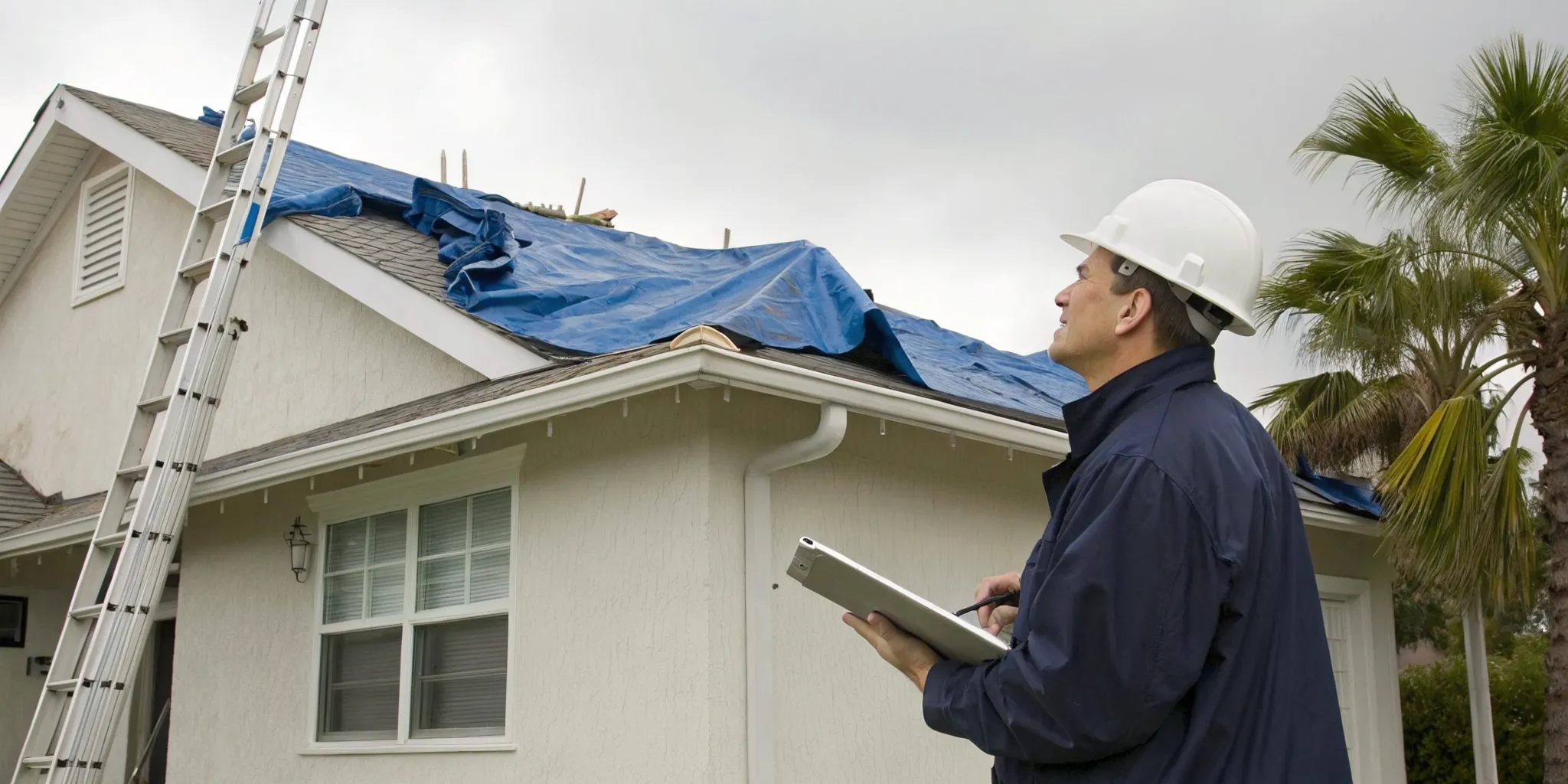
Before you do anything else, make sure it’s safe to be in and around your home. If you spot obvious damage to your roof, like missing shingles or a gaping hole, your first instinct should be to prevent the problem from getting worse. You can make small, temporary fixes to stop more damage, like covering a hole with a tarp to keep rain out. These aren’t permanent solutions, but they are crucial for protecting your home’s interior. If you need professional help with this step, our team is ready to provide emergency roof repair. Just be sure to keep every single receipt for materials you buy; your insurance company will likely ask for them for reimbursement.
Contact Your Insurance Company
Once you’ve addressed any immediate safety concerns, your next call should be to your insurance provider. It’s important to file your claim as quickly as possible because most insurance companies have deadlines for reporting damage after a storm. The sooner you call, the sooner you can get an adjuster scheduled to visit your property. Have your policy number handy and be prepared to give a general description of the damage you’ve observed. This phone call officially kicks off the claims process and gets you in the queue for assistance. Remember, you don’t need a full damage report yet, just enough to get the ball rolling.
Protect Your Home from Further Damage
While you wait for your adjuster, your responsibility is to mitigate further harm to your property. This goes hand-in-hand with making temporary repairs. Continue to document everything with photos and videos, capturing the damage from multiple angles. If you have broken windows, board them up. If there are active leaks, move furniture and valuables out of the way and use buckets to catch the water. Taking these protective measures shows your insurance company that you’re being a responsible homeowner. Our team can help you with this process with our roof claim assistance services, ensuring you take all the right steps to secure your home and your claim.
How to File Your Roof Damage Claim
Filing an insurance claim can feel like a huge task, especially when you’re already dealing with the stress of a damaged roof. But with a clear plan, you can move through the process confidently. It all comes down to documenting everything, acting quickly, and communicating clearly with your insurance company. Let’s walk through the key steps to get your claim filed correctly and set you up for a successful outcome.
Submit Your Documentation
Your smartphone is your best tool right after a storm. Once it’s safe to go outside, thoroughly document all the damage to your roof and property. Take more photos and videos than you think you need, capturing everything from different angles and distances. Get close-ups of lifted or missing shingles, dents from hail, and any debris that struck your home. Don’t forget to check inside for water stains on your ceilings or walls. This visual evidence is crucial for your claim and helps ensure the adjuster sees the full extent of the damage. A professional hail damage inspection can also provide expert documentation for your file.
Understand the Claims Timeline
When it comes to insurance claims, time is of the essence. Most policies have a specific window for filing a claim after a storm, and waiting too long could result in a denial. Contact your insurance agent as soon as you discover the damage to get the process started. They can explain your policy’s specific deadlines and tell you exactly what information you need to provide. Acting promptly shows the insurance company that you are serious about protecting your property from further harm. If you need help with the paperwork and deadlines, our team offers roof claim assistance to guide you through every step.
Prepare to Meet the Adjuster
Your insurance company will send an adjuster to inspect the damage in person, and it’s a good idea to be there when they arrive. This is your opportunity to walk them through your property and point out every issue you documented. Have your photos and any repair receipts ready to share. Being present allows you to answer questions and make sure they don’t overlook anything important. Think of it as a chance to tell the full story of the damage. If you’ve already had to get an emergency roof repair to prevent more water from getting in, be sure to show the adjuster where the temporary fix was made.
Understanding Hurricane Deductibles and Premiums
Before you file a claim, it’s important to understand the financial side of your insurance policy, specifically your deductible and premiums. These two factors play a huge role in determining whether filing a claim is the right move for your situation. A hurricane deductible is often different from your standard deductible, and making a claim can impact what you pay for insurance down the road. Thinking through these costs will help you make a smart, informed decision after a storm.
How Hurricane Deductibles Work
In Florida, most homeowners insurance policies include a special hurricane deductible. Unlike a standard deductible that’s a fixed dollar amount, a hurricane deductible is usually a percentage of your home’s insured value. For example, if your home is insured for $400,000 and you have a 2% hurricane deductible, you would be responsible for the first $8,000 of repair costs. Your insurance coverage only begins after you’ve paid this amount out of pocket. It’s crucial to check your policy to know your exact percentage so you aren’t caught by surprise.
Deciding if a Claim is Worth It
Once you have a repair estimate, compare it to your deductible. If the cost to fix your roof is only slightly more than your deductible, it might not be worth filing a claim. For instance, if your deductible is $6,000 and the repairs cost $6,500, you might consider paying for it yourself. Why? Because every claim goes on your insurance record for several years, which can make you seem like a higher risk to insurers. Our team can provide roof claim assistance to help you weigh the pros and cons based on a professional damage assessment.
How a Claim Might Affect Your Premium
Filing a claim for hurricane damage can cause your insurance premium to increase at your next renewal. In some cases, the rate hike could be significant, potentially making it more expensive in the long run than if you had paid for the repairs yourself. Insurance companies may also choose not to renew your policy if you file too many claims in a short period. This doesn’t mean you should never file a claim, but it’s a good reason to be strategic, especially for smaller amounts of damage.
How to Work with Your Insurance Adjuster
After you file a claim, your insurance company assigns an adjuster to inspect the damage and determine the value of your loss. This step is one of the most critical parts of the entire process, as the adjuster’s report directly influences the settlement amount you’ll receive. It’s easy to feel a bit intimidated by this meeting, but it’s best to view it as a collaborative discussion rather than a confrontation. The adjuster’s job is to verify the damage according to your policy, and your job is to make sure they have a complete and accurate picture of everything that needs to be repaired.
Being organized, present, and clear in your communication can make a huge difference in the outcome. When you approach the inspection with confidence and solid documentation, you position yourself as a proactive partner in the process. This helps ensure that no detail is overlooked and that the assessment truly reflects the full extent of the storm’s impact on your home. A smooth and productive meeting with the adjuster sets a positive tone for the rest of your claim and gets you one step closer to a fair resolution.
Prepare for the Inspection
Before the adjuster is scheduled to arrive, take some time to get all your documents in order. Create a dedicated folder with your before-and-after photos, videos, and any receipts from temporary repairs you made to prevent further damage. It’s also incredibly helpful to have a professional roofer perform their own inspection first. A roofer can spot issues an untrained eye might miss, like subtle hail dents or lifted shingles, and provide a detailed report with a line-item estimate for repairs. This professional assessment gives you a solid baseline to compare with the adjuster’s findings and serves as powerful evidence to support your claim.
Be Present for the Assessment
Whenever possible, make sure you are home for the adjuster’s inspection. Being there in person allows you to be your own best advocate. You can walk the property with the adjuster, point out every area of concern you’ve documented, and answer any questions they might have on the spot. This is your chance to ensure nothing gets missed. If you’ve hired a roofing contractor, ask if they can be present, too. Having an expert by your side can be invaluable. Companies that provide roof claim assistance are experienced in these meetings and can help make sure the assessment is thorough and accurate, speaking the same technical language as the adjuster.
Communicate Clearly and Effectively
From your first call to the final settlement, clear communication is key. Keep a simple log of every conversation you have with your insurance company, noting the date, time, and who you spoke with. Follow up important phone calls with an email to create a written record of what was discussed. If the initial settlement offer comes back lower than you expected, don’t panic. You have the right to negotiate. Politely present your contractor’s estimate and your photo documentation to support your case for a higher amount. By staying organized and presenting your evidence factually, you can build a strong argument for the funds you need to properly repair your roof.
How to Choose the Right Roofing Contractor
After a hurricane, your neighborhood will likely be full of contractors offering to help. While it’s tempting to hire the first person who shows up, taking a little time to find the right partner is one of the most important steps you can take. The right roofing contractor won’t just fix your roof; they’ll be your advocate, helping you through the insurance process and ensuring the work is done to the highest standard. This choice can make the difference between a smooth, successful claim and a long, frustrating ordeal. Here’s what to look for to make sure you’re hiring a true professional.
Verify Licensing and Insurance
Before you even discuss a quote, your first question should be about licensing and insurance. A valid contractor’s license means they’ve met Florida’s requirements to do the job legally and professionally. More importantly, proper insurance, including liability and workers’ compensation, protects you. If a worker is injured on your property and the contractor isn’t insured, you could be held financially responsible. Ask for proof of both and don’t hesitate to verify them. A reputable company will have this information ready and will be happy to share it.
Ask About Their Insurance Claim Experience
Fixing a roof is one thing; working with an insurance company is another skill entirely. You want a contractor who has extensive experience with storm damage claims. They understand the specific language and documentation insurance adjusters require and can spot all the related damage, not just the most obvious issues. A roofer who knows how to deal with insurance companies can make the process much easier. We offer dedicated roof claim assistance because we know how critical this partnership is to getting your claim approved and your home restored quickly.
Get Multiple Written Estimates
Even when you’re in a hurry, it’s smart to get at least two or three written estimates from different licensed contractors. This isn’t just about price shopping. Comparing detailed estimates helps you understand the full scope of the damage and what a fair market price for the repair looks like. Each estimate should clearly itemize the costs for materials and labor. Having these documents on hand is also helpful if your insurance company questions the cost of repairs. It shows you’ve done your due diligence to find a fair price for quality residential roofing work.
Common Mistakes to Avoid When Filing a Claim
Filing an insurance claim can feel like a maze, especially when you’re already stressed about a damaged roof. The good news is that you can make the process much smoother by sidestepping a few common errors. Knowing what to watch out for helps you present a clear, strong claim and get the funds you need for repairs. Let’s walk through the biggest mistakes homeowners make and how you can easily avoid them.
Waiting Too Long to File
After a storm, life is chaotic, and it’s easy to put off dealing with insurance. However, most insurance policies have strict deadlines for filing a claim. If you wait too long, you risk having your claim denied on a technicality, regardless of the damage. Acting quickly shows your insurance provider that the damage is a direct result of the recent storm. If you’re unsure about the extent of the damage, a professional hail damage inspection can give you a clear picture of what needs to be addressed, helping you decide whether to file a claim right away.
Not Understanding Your Policy
Your homeowner’s insurance policy is a detailed contract, and it’s essential to know what it does and doesn’t cover. Policies are designed to cover sudden and accidental damage, like a tree branch falling on your roof during a hurricane. They typically don’t cover issues from long-term neglect or normal wear and tear. Take some time to read through your policy, paying close attention to the section on wind or hurricane damage and your specific deductible. Understanding these details beforehand prevents surprises and helps you set realistic expectations for the claims process.
Hiring the First Contractor You Find
When your roof is leaking, your first instinct is to hire someone, anyone, to fix it fast. But choosing the wrong contractor can create even bigger problems. It’s best to work with a trusted, local roofer who has proven experience with the insurance process. A knowledgeable contractor can provide an accurate assessment and detailed estimate that your insurance company will trust. We offer roof claim assistance to help you through every step, ensuring all damage is properly documented and you get a fair outcome. Always get a few written estimates from licensed and insured professionals before making a final decision.
What to Do if Your Claim is Denied
Receiving a denial letter from your insurance company can feel like a major setback, but it doesn’t have to be the final word. A denied claim is often the start of a conversation, not the end of it. You have the right to question the decision and fight for the coverage you deserve. Taking a calm, organized approach is the best way to handle the situation and work toward a better outcome. The key is to understand the process and know what steps to take next.
Understand Why Your Claim Was Rejected
Your first step is to find out exactly why the insurance company denied your claim. They are required to provide you with a specific reason in writing. Common reasons include assertions of pre-existing damage, wear and tear, or improper maintenance. Once you have their official explanation, you can start building your case to counter it. This is where a professional assessment becomes invaluable. We can help you make sense of the adjuster’s report and provide an expert second opinion on the condition of your roof. Our team offers comprehensive roof claim assistance to help you understand the details and prepare your response.
Know Your Options for an Appeal
If you believe the denial was unfair or the settlement offer is too low, you can formally appeal the decision. Start by gathering all your documentation, including the photos you took after the storm and any contractor estimates. A detailed report from a reputable roofing company can be your strongest piece of evidence. This report should clearly outline the storm-related damage and provide a clear scope of work for the necessary repairs. You can then present this new information to your insurance company to negotiate a better result. For particularly difficult cases, you might consider consulting a public adjuster or an attorney who specializes in insurance claims.
Move Forward with Repairs After Approval
Once your claim is approved, whether initially or after an appeal, it’s time to focus on repairs. Don’t delay this step, as even minor damage can lead to bigger problems like leaks and structural issues down the road. Your priority should be to hire a licensed, insured, and experienced contractor with a strong reputation in the community. Be sure to get a detailed, written estimate before any work begins. If your insurance payout doesn’t cover the full cost or you need help with your deductible, ask about available financing options. This can make the cost of a quality residential roofing project much more manageable.
Related Articles
- When Does Insurance Cover Roof Leaks From Rain?
- Is Your Leaking Roof Covered by Insurance?
- Wind Damage to Roof Insurance Coverage Explained
- Shingles Blown Off Roof Insurance: Are You Covered?
- Hail Damage Roof Insurance Claim Guide | Sky Light Roofing
Frequently Asked Questions
How is a hurricane deductible different from my regular one? Think of it this way: your standard deductible is usually a fixed dollar amount, like $1,000. A hurricane deductible, which is common in Florida, is typically a percentage of your home’s total insured value, often between 2% and 5%. So, if your home is insured for $300,000 with a 2% hurricane deductible, you would be responsible for the first $6,000 of repairs. It’s a much larger out-of-pocket expense, so it’s important to check your policy to know your exact percentage.
My roof is a bit old. Will insurance still cover hurricane damage? This is a great question. Insurance is designed to cover new damage caused by a specific event, like a hurricane, not to pay for a roof that was already at the end of its life. An insurer might argue that an older, worn roof was more susceptible to damage and may try to reduce the payout. However, if the storm caused clear, new damage, it should still be covered. This is why professional documentation is so important; a good roofer can help distinguish between normal aging and actual storm damage for the adjuster.
Why is it so important to hire a roofer who has experience with insurance claims? A roofer who is experienced with the claims process is more than just a repair person; they are your advocate. They know exactly what kind of documentation and line-item estimates adjusters need to see. They can spot subtle damage that you or an adjuster might miss and can speak the same technical language to ensure the scope of work is accurate. This partnership helps make sure your claim is valued correctly from the start, saving you a lot of time and potential frustration.
How soon do I need to file my claim after a hurricane? You should contact your insurance company as soon as it is safe to do so. Most policies have a clause that requires you to report damage in a “timely” manner, and some have specific deadlines. Filing quickly helps connect the damage directly to the storm event, which strengthens your claim. The sooner you start the process, the sooner an adjuster can be scheduled and you can begin moving toward a resolution.
Can I make repairs to my roof before the insurance adjuster comes? Yes, and you absolutely should. Your policy requires you to “mitigate damages,” which means you have a responsibility to prevent the problem from getting worse. This includes making temporary fixes, like covering a hole with a tarp to keep rain out. Just be sure to take detailed photos and videos of the original damage before you cover it up, and keep every single receipt for materials you buy. These costs are usually reimbursable as part of your claim.