


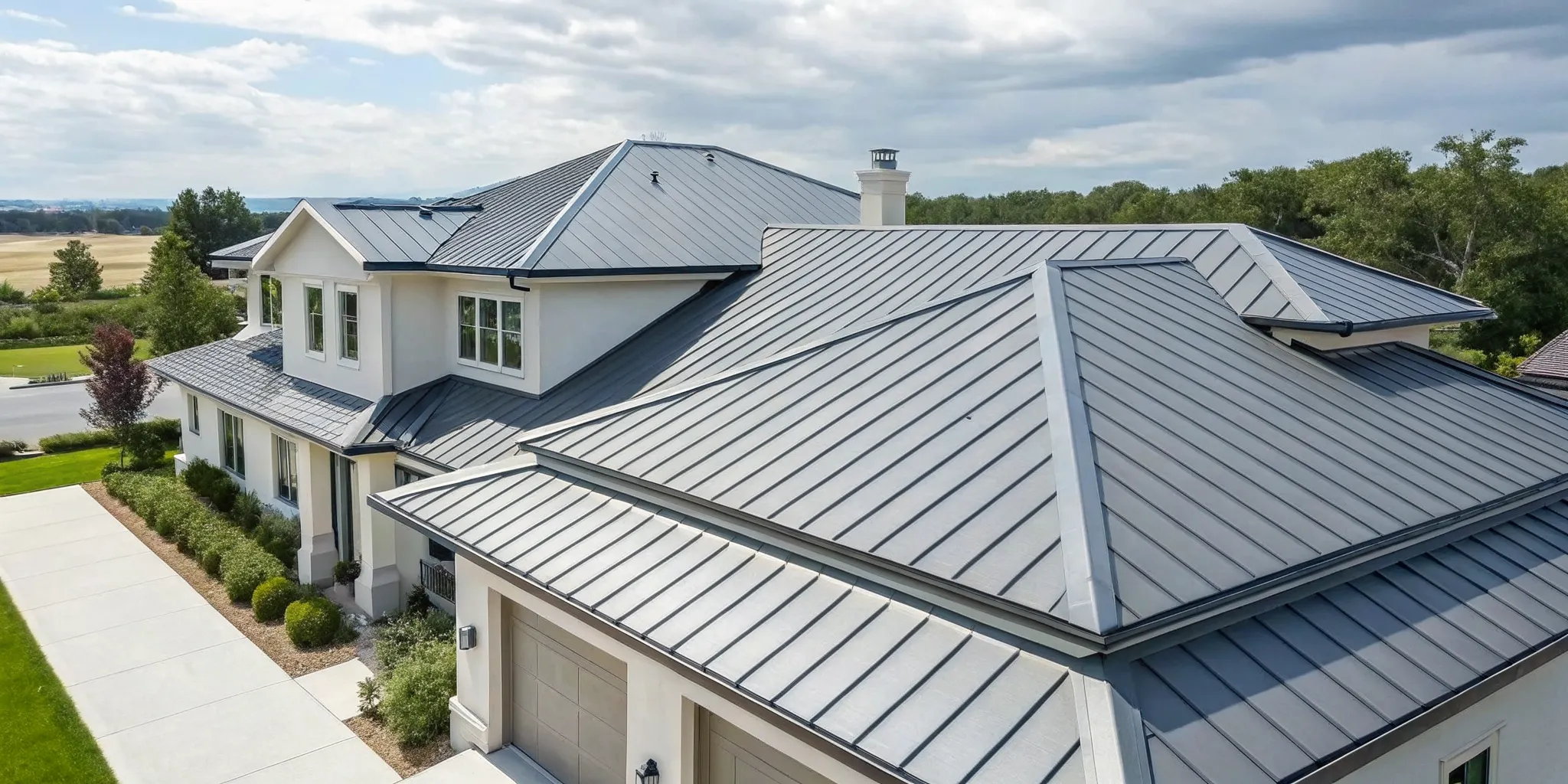
Here in Central Florida, a roof does more than just keep the rain out. It’s your home’s first line of defense against hurricane-force winds, intense UV rays, and sudden hailstorms. Choosing a material that can withstand our unique climate is essential for long-term protection and peace of mind. So, how do you know which shingles will hold up when the weather gets rough? We look to the experts. Their lab-tested reviews are the foundation of the best residential roof replacement consumer reports, giving you real data on performance. We’ll walk you through their findings on materials tested for wind, impact, and sun exposure, helping you find the perfect fit for your Florida home.
Key Takeaways
- Choose materials suited for Florida’s weather: While architectural asphalt shingles offer a great balance of value and durability, metal roofing provides superior long-term performance with its high impact resistance and energy efficiency, making it an excellent investment for our climate.
- Look beyond marketing to find proven quality: Use independent lab tests from sources like Consumer Reports to see how different roofing brands actually perform against high winds, hail, and intense sun, ensuring you select a product with proven resilience.
- Vet your contractor to protect your investment: The quality of your installation is just as important as the materials, so always verify a contractor’s license and insurance, compare at least three itemized estimates, and check recent references before making a final decision.
What Are the Best Roofing Materials, According to Consumer Reports?
Choosing the right material for your roof is a big decision. It affects everything from your home’s curb appeal to its ability to stand up to Florida’s weather. To help you make a confident choice, we looked at what Consumer Reports has to say about the most popular roofing options on the market. Their independent testing offers a clear, unbiased look at how different materials perform when it comes to durability, weather resistance, and overall value. Think of this as your cheat sheet for understanding the pros and cons of each type, so you can find the perfect fit for your home and budget.
How Asphalt Shingles Stack Up
Asphalt shingles are the go-to for most homeowners, and for good reason. They are affordable, straightforward to install, and offer a great balance of performance and value. According to Consumer Reports, their lifespan can range from 10 to 50 years, depending on the type you choose. The most common option, three-tab shingles, can handle winds up to 60 mph. For a step up in durability, architectural shingles feature multiple layers, giving them more strength against wind and weather. The top-tier multilayered architectural shingles can withstand winds up to 110 mph, making them an excellent choice for our storm-prone climate. These are a popular option for many residential roofing projects.
Evaluating Metal Roofing
If longevity is your top priority, metal roofing is hard to beat. Consumer Reports notes that metal roofs can last 40 to 50 years or even longer, far outlasting many other materials. Beyond their impressive lifespan, they are incredibly durable and can handle severe weather with ease. Another huge plus for Florida homeowners is their energy efficiency. Metal reflects sunlight, which can help keep your home cooler and potentially lower your air conditioning bills. When tested, metal shingles are evaluated for everything from wind and hail damage resistance to how well their seams hold up against the elements, ensuring you get a product built to last.
A Look at Composite and Premium Materials
For a specific aesthetic, composite and other premium materials offer unique benefits. Composite shingles are designed to mimic the look of natural slate or wood shakes but at a lower cost and weight. They typically last between 20 and 50 years. Cedar shakes provide a beautiful, rustic appearance and are naturally energy-efficient, though they often require special fire treatment. At the high end, slate is a timeless choice that can last for over a century. However, it’s also one of the heaviest and most expensive options available. These premium materials represent a significant investment, which is why exploring financing options can be a helpful step in the planning process.
How Consumer Reports Tests Roofing Materials
When you’re making a big investment like a new roof, you want to know you’re choosing materials that will actually last. That’s where the unbiased, in-depth testing from Consumer Reports comes in. They don’t just look at brand names or marketing claims. Instead, they put roofing materials through a series of tough, standardized tests designed to simulate the real-world challenges your roof will face, from hurricane-force winds to the intense Florida sun.
Their process is all about performance. By recreating harsh weather conditions in a controlled lab environment, they can see which shingles bend, break, or degrade under pressure. This gives you a clear, data-backed picture of how different materials will hold up over time. For homeowners in Central Florida, this information is incredibly valuable because it helps you choose a roof that’s truly built to withstand our unique climate. It’s like getting a sneak peek into how your roof will perform years down the road.
Inside the Lab: Testing Methods
Consumer Reports uses a comprehensive approach to see what roofing materials are made of. Their lab technicians evaluate shingles on several key performance factors. They test for wind and impact resistance, which is crucial for standing up to storms and falling debris. They also measure the strength of the seams between shingles, as this is often a weak point where leaks can start. For coastal areas, they even assess how well materials resist rust from saltwater exposure. This rigorous process ensures that when a material gets a high rating, it has truly earned it. If you’re ever concerned about storm effects, a professional hail damage inspection can identify similar vulnerabilities on your current roof.
Testing for Weather and Impact Resistance
To find out how shingles handle extreme weather, Consumer Reports uses specialized equipment to mimic the force of strong winds and falling objects. A machine called an Instron pulls on the shingles to test their strength against uplift, evaluating both the thickest and thinnest parts to find potential weak spots. To simulate hail, testers drop 5-pound weights from different heights to see how well the shingles resist cracking and denting. These lab-tested reviews provide a reliable measure of a shingle’s ability to protect your home when a storm hits, giving you peace of mind during hurricane season.
Measuring Durability Against Sun Exposure
A roof in Florida is constantly exposed to intense sunlight and heavy rain, which can cause materials to break down over time. To replicate these conditions, Consumer Reports places shingles in a chamber for 500 hours of intense UV light exposure and water spray. This accelerated weathering test mimics the long-term effects of the sun and rain, revealing how well the shingles will retain their color, flexibility, and protective qualities. This test is especially important for understanding the long-term value and lifespan you can expect from your residential roofing investment.
Breaking Down the Cost of a New Roof
Understanding the budget for a new roof is one of the biggest steps in the replacement process. The total cost depends heavily on the materials you choose, the size of your roof, and the complexity of the installation. Each material comes with its own price point and set of benefits, from upfront affordability to long-term value. Let’s look at the costs associated with some of the most popular roofing options so you can find the right fit for your home and your budget.
The Price of Asphalt Shingles
Asphalt shingles are the most common choice for residential roofing projects, and for good reason. They offer a fantastic balance of performance, durability, and affordability, making them an accessible option for many homeowners. An asphalt shingle roof typically lasts between 15 and 30 years, providing reliable protection without a massive upfront expense. Because they are so widely used, they are also relatively easy to install, which can help keep labor costs down. If you’re looking for a dependable, budget-friendly material that gets the job done, asphalt is a solid starting point.
Comparing Metal Roofing Costs
If longevity is your top priority, metal roofing is an excellent investment. While the initial cost is higher than asphalt, a metal roof can last 40 to 50 years or even longer. This incredible durability means you may never have to replace your roof again. Over the decades, a metal roof often proves more cost-effective because it requires less maintenance and stands up exceptionally well to Florida’s harsh weather. Think of it as a premium purchase that pays for itself over time through its extended lifespan and resilience, giving you peace of mind for many years to come.
The Investment for Premium Materials
Ultimately, the best material for your roof comes down to your priorities. Are you focused on a lower upfront cost, or are you willing to invest more now for long-term savings? Asphalt shingles provide dependable performance at a great price point. Metal roofing, on the other hand, is a premium option that delivers superior longevity and energy efficiency. Making a significant home improvement like a roof replacement is a big decision, which is why we offer convenient financing options to help you get the best roof for your home without breaking your budget.
Which Roofing Brands Does Consumer Reports Recommend?
When you’re making a significant investment in your home, like a new roof, you want to be sure you’re choosing a product that will last. With so many brands on the market, it can be tough to know who to trust. That’s where a trusted, unbiased source like Consumer Reports comes in. They put roofing materials through rigorous, independent testing to see which brands truly stand up to the elements, cutting through the marketing noise to give you the facts. Their recommendations can give you confidence that you’re selecting a quality product for your home. Let’s look at some of their top picks for the most popular roofing materials here in Florida.
The Best Brands for Asphalt Shingles
Asphalt shingles are a classic choice for a reason: they offer a great balance of performance, style, and value. Consumer Reports conducts extensive lab tests to find the best options on the market, evaluating everything from strength and impact resistance to how well they hold up against wind and rain. Their findings highlight top-performing brands in both traditional 3-tab and modern architectural styles. These shingles are proven to provide reliable protection while also improving your home’s curb appeal. For a full breakdown of their testing and specific brand recommendations, you can check out their comprehensive guide.
Top-Rated Metal Roofing Brands
Metal roofing has become a go-to for homeowners looking for exceptional durability and a long lifespan, especially in a place with intense weather like Florida. It’s a premium option, but its performance can be well worth the investment. Consumer Reports also puts metal roofing to the test, identifying brands that excel in performance and longevity. Their top picks are recognized for their ability to withstand harsh conditions, including high winds and heavy rain, without sacrificing their appearance. Since metal is a significant investment, knowing which brands perform best is key. You can find a complete list of their recommended metal roofing options in their detailed analysis.
How to Choose the Right Roofing Contractor
A new roof is a major investment, and the quality of the installation is just as crucial as the materials you choose. Finding a trustworthy and skilled contractor is the key to a successful project that protects your home for years to come. It can feel like a big task, but with a few key steps, you can confidently hire the right team for the job. Let’s walk through what you should look for.
Check for Licensing, Insurance, and Experience
First things first, any contractor you consider must be properly licensed and insured. A valid license shows they meet state and local requirements to perform the work. Just as important is their insurance coverage. You’ll want to confirm they have both general liability insurance, which covers property damage, and workers’ compensation, which protects you if a crew member gets injured on your property. Beyond the paperwork, look for a contractor with a proven track record. According to Consumer Reports, a company with at least five years of local experience is a good benchmark, as they understand Central Florida’s unique weather challenges and have built a solid reputation in the community.
Why You Should Get Multiple Estimates
It’s always a good idea to get at least three different estimates for your roof replacement. This isn’t just about finding the cheapest price; it’s about understanding the value you’re getting. Comparing bids allows you to see how different contractors plan to handle the job, what materials they recommend, and how they break down their costs. Be wary of any bid that is significantly lower than the others, as it could be a sign of subpar materials or rushed work. Once you have a few quotes, you can also explore financing options to make the project more manageable.
Verifying Reputation and Checking References
Before you sign a contract, take some time to verify the contractor’s reputation. You can start by reading online reviews, but don’t stop there. Ask each potential contractor for a list of recent references you can call. Speaking directly with past customers gives you firsthand insight into their experience with the company’s communication, timeliness, and quality of work. If your project involves storm damage, a reputable roofer can also provide roof claim assistance to help you with your insurance company. A trustworthy contractor will also provide a detailed, itemized estimate, which is a great sign you’re working with a true professional.
Comparing Warranties and Long-Term Value
Choosing a new roof is about more than just picking a color you like. It’s a major investment in your home’s safety and value. Looking past the initial price tag to consider warranties, lifespan, and overall performance will help you make a choice that pays off for decades. A great roof should give you peace of mind, not a recurring spot on your to-do list. Let’s break down what really matters for the long haul.
Understanding Manufacturer Warranties
A “lifetime” warranty can be misleading. For many roofing materials, this often means you get full replacement value for about the first 10 years. After that, the coverage may be prorated, meaning you’d only receive a depreciated value. It’s also critical to know what isn’t covered. Most standard warranties won’t cover damage from poor attic ventilation or “acts of God,” like a severe hurricane. This is why having a team that can help with roof claim assistance is so important. A strong shingle and a reputable contractor are always more important than the warranty alone. Also, if you plan to sell your home or add solar panels, check if the warranty is transferable and how modifications might affect your coverage.
Lifespan: How Long Will Your New Roof Last?
How many times do you want to replace your roof? Asphalt shingles are a popular choice and typically last between 15 and 30 years, though many homeowners find they need a replacement around the 20-year mark. It’s a reliable material that gets the job done. However, if you’re looking for a more permanent solution, metal roofing is worth considering. A metal roof can last from 40 to 70 years, sometimes even longer. While the upfront cost is higher, you may never have to think about a full residential roofing replacement again. This durability makes it a fantastic long-term investment in your property.
The Benefits of Energy Efficiency and Low Maintenance
In Florida, a roof that helps you stay cool is a huge plus. Metal roofs excel here because they reflect the sun’s rays, which can help lower your energy bills during our long, hot summers. Darker asphalt shingles, on the other hand, tend to absorb that heat. When it comes to upkeep, metal roofs generally require less attention. An occasional inspection is usually all that’s needed to ensure everything is secure. Asphalt shingles may need more frequent checks for things like granule loss or small leaks, especially after a storm. Choosing a low-maintenance material saves you both time and money on future repairs.
How Different Roofing Materials Perform
Protection from Wind and Impact
Florida’s weather can be unpredictable, with strong winds and hail being serious concerns for any homeowner. Metal roofs are known for their strength in these conditions. Many carry a Class 4 impact resistance rating, which is the highest available, meaning they can withstand significant impact from hail and debris. Consumer Reports even puts metal shingles through rigorous testing for wind and impact resistance to verify their durability. While premium asphalt shingles can also be quite durable, standard versions may not hold up as well over time. After a major storm, it’s always a good idea to get a professional hail damage inspection to check for any hidden issues, no matter what material you have.
Fire Resistance and Safety Ratings
Fire resistance is another critical safety factor. Most modern roofing materials offer excellent protection. Metal roofs are naturally non-combustible and typically have a Class A fire rating, the highest possible. Many asphalt shingles, particularly those with a fiberglass base, also achieve a Class A rating, providing great protection for your home. Beyond fire safety, some materials offer an extra performance perk: energy efficiency. Metal roofs, for example, can reflect solar rays, which helps keep your attic and home cooler. This can lead to lower energy bills, a welcome benefit during our long, hot Florida summers. Choosing the right residential roofing material is a balance of safety, performance, and efficiency.
Choosing the Best Roof for Florida’s Climate
So, what’s the best choice for a home in Central Florida? It comes down to balancing your priorities. Our climate demands a roof that can handle intense sun, high winds, and torrential rain. Metal roofing is an excellent long-term investment due to its durability, minimal maintenance needs, and energy efficiency. It often adds significant value to a home. High-quality architectural asphalt shingles are also a fantastic option, offering great protection and a wide variety of styles at a more accessible price point. Ultimately, the best roof is one that fits your budget and provides reliable protection. Considering the long-term value and available financing options can help make a premium, durable roof a more attainable investment.
How to Maximize Your Roof Replacement Investment
A new roof is one of the most important investments you’ll make in your home. It protects your family and your property from Florida’s unpredictable weather, so you want to be sure you’re getting the best possible value for your money. Making a smart investment goes beyond just picking the right materials; it involves careful planning from start to finish. By taking a few key steps, you can ensure your new roof is a durable, long-lasting asset that adds value to your home for years to come.
Getting the most out of your investment means looking at the big picture. The process starts with a thorough, professional assessment to understand exactly what your home needs. This isn’t a step to skip, as an expert eye can catch issues you might miss. From there, you can map out a financial plan that works for your budget, taking advantage of available resources like financing or insurance claims. A new roof can even improve your home’s curb appeal if you plan to sell. Finally, timing your replacement correctly can save you from the stress and expense of emergency repairs down the road. Let’s walk through how to approach each of these steps to make your roof replacement a confident and successful project.
Start with a Professional Inspection
Before you make any decisions, the first step is always a professional roof inspection. Climbing onto your roof is not only dangerous, but it also takes a trained eye to spot subtle signs of trouble. An experienced roofer can identify underlying issues that aren’t obvious from the ground, like hidden water damage, compromised flashing, or structural weaknesses. They can also perform a detailed hail damage inspection to find dents and cracks that could lead to future leaks. This initial assessment gives you a clear, accurate picture of your roof’s condition, allowing you to plan your replacement with confidence and avoid any surprises.
Explore Financing and Insurance Claim Help
A roof replacement is a significant expense, but you don’t have to handle it all at once. Many homeowners find that flexible financing options make the cost much more manageable, allowing them to get a quality roof without draining their savings. If your roof was damaged by a storm, you may also be able to file an insurance claim. Working with a contractor who offers roof claim assistance can simplify the process and help ensure you get the coverage you’re entitled to. Planning your finances ahead of time gives you the freedom to choose the best long-term solution for your home.
When Is the Best Time to Replace Your Roof?
Knowing when to replace your roof is key to preventing small problems from becoming big, expensive ones. If you’re dealing with recurring leaks, that’s a clear sign it’s time for a change. Age is another major factor. Most asphalt shingle roofs last around 20 years, so if yours is approaching that milestone or is already out of warranty, it’s wise to start planning for a replacement, even if there are no obvious issues. Acting proactively helps you avoid the stress and potential interior damage that comes with sudden roof failure, saving you from needing costly emergency roof repairs later on.
Related Articles
- Your Guide to Residential Roofing (2021)
- The Best New Roofing Materials: A Buyer’s Guide
- Best Residential Roof Replacement: The Ultimate Guide
- What Are the Top 5 Roofing Materials? A Guide
- An Overview to Commercial Roofing (2021)
Frequently Asked Questions
What’s the best roofing material for a home in Florida? There isn’t one single “best” material for every home; it really depends on your budget and priorities. For a great balance of performance and value, high-quality architectural asphalt shingles are a fantastic choice that can handle our weather. If your main goal is longevity and energy efficiency, a metal roof is an excellent long-term investment that stands up to intense sun and storms while helping to keep your home cooler.
How do I know if I need a full roof replacement or just a repair? This often comes down to the age of your roof and the extent of the damage. A few missing shingles from a storm or a small leak can often be repaired. However, if your roof is approaching 20 years old, you see widespread issues like curling shingles or significant granule loss, or you’re dealing with persistent leaks, a full replacement is usually the more cost-effective solution in the long run.
How long does a typical roof replacement project take? For an average-sized residential home, the hands-on work of removing the old roof and installing the new one can often be completed in just a few days. The exact timeline can be affected by factors like the size and steepness of your roof, the materials you choose, and of course, the weather. A professional contractor will always give you a clear project schedule before they begin.
What’s the difference between a manufacturer’s warranty and a workmanship warranty? This is a great question because they cover two different things. The manufacturer’s warranty protects you against defects in the roofing materials themselves, for example, if the shingles fail before their expected lifespan. The workmanship warranty is provided by your contractor and covers the quality of the installation. Both are important, as even the best materials won’t perform well if they aren’t installed correctly.
Will a new roof actually increase my home’s resale value? Yes, it’s one of the best home improvements for adding value. A new roof is a huge selling point for potential buyers, as it gives them confidence that they won’t have to worry about a major expense for many years. It also dramatically improves your home’s curb appeal. While you might not get a dollar-for-dollar return, it makes your home far more attractive and competitive on the market.