


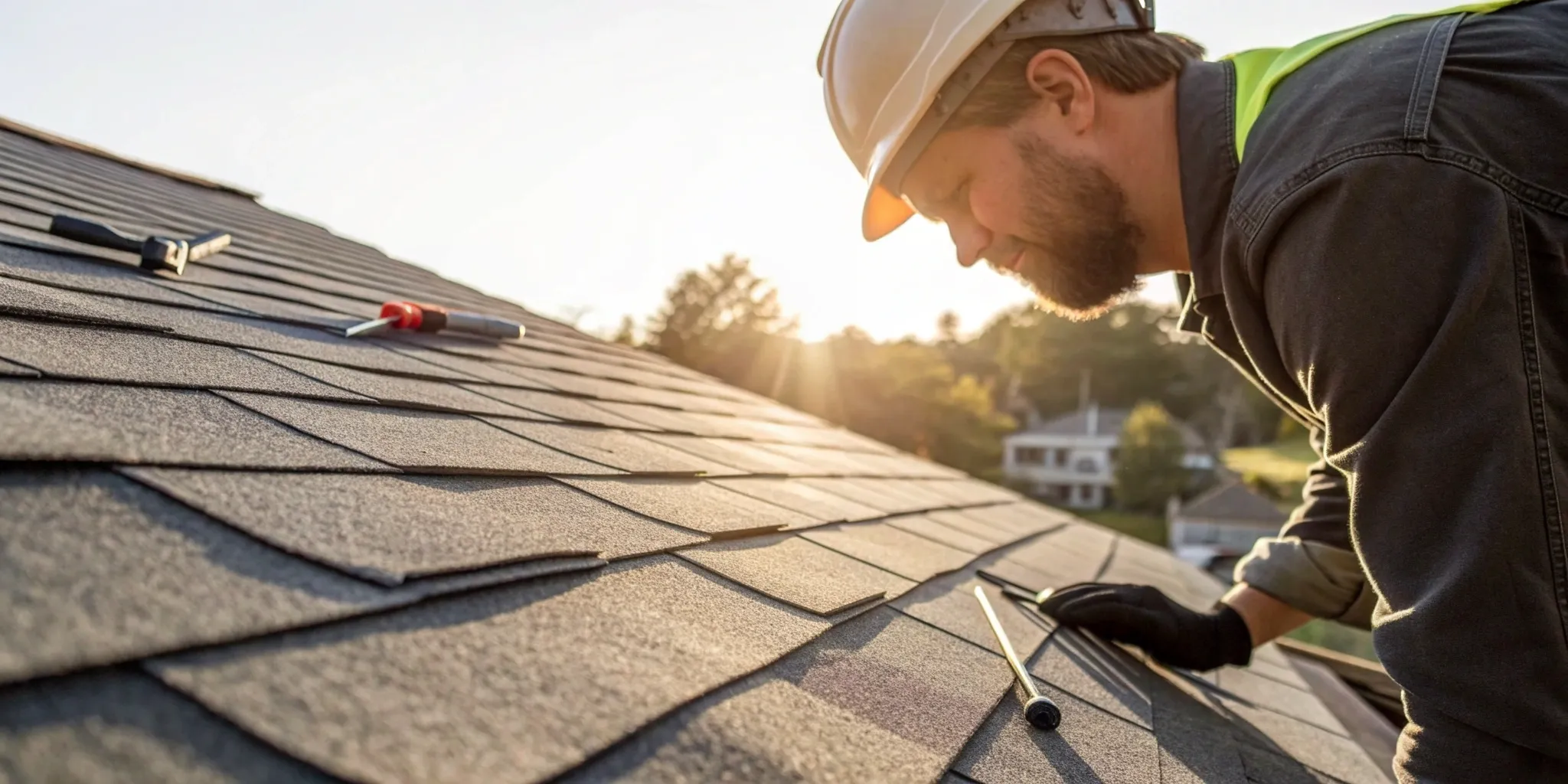
Facing a roof repair can make you feel powerless, but knowledge is the best tool for taking back control. Understanding how contractors calculate your bill empowers you to ask the right questions and spot a fair deal. It all starts with the roof repair cost per square foot, which bundles the price of materials and labor into one simple metric. However, that number can change based on your roof’s pitch, the type of damage, and any hidden issues like rotted decking. We’ll walk you through every factor that shapes your final estimate, turning you into an informed homeowner who can manage any repair with confidence.
Key Takeaways
- Understand What Drives Your Repair Cost: Your final price tag is shaped by two main things: your roofing material, as premium options like tile and metal cost more to fix, and the extent of the damage, which determines the amount of labor and supplies required.
- Act Quickly to Control Costs: Addressing a small leak or minor damage as soon as you spot it is the most effective way to save money. Prompt action prevents issues like water damage and rot, keeping a simple fix from turning into an expensive structural problem.
- Insist on a Detailed, Itemized Estimate: A professional quote should clearly break down all costs, including labor, materials, permits, and cleanup fees. Comparing these detailed estimates is the best way to understand the full scope of the work and choose a transparent, trustworthy contractor.
How Much Does Roof Repair Cost Per Square Foot?
When you’re dealing with a roof leak or damage, one of the first questions that comes to mind is, “How much is this going to set me back?” It’s a fair question, and while there’s no single magic number, understanding the cost per square foot is a great starting point for budgeting. Think of it as a unit price for your roof repair. This measurement helps contractors create a baseline estimate, but the final cost will also depend on the type of material on your roof, the extent of the damage, and even where you live here in Central Florida.
The price per square foot bundles together the cost of materials and the labor needed to fix one 10×10 foot area (which is 100 square feet, or one roofing “square”). So, if a small section is damaged, you can get a rough idea of the cost. However, a simple leak patch will cost much less than repairing structural damage from a fallen tree, even if the square footage is the same. Let’s break down the key factors that will shape your final repair bill.
Cost Breakdown by Roof Material
The type of material on your roof is one of the biggest drivers of repair costs. Some materials are simply more expensive to purchase and require more specialized labor to install and repair. For most residential roofing projects, asphalt shingles are the most common and typically the most affordable to fix, usually running between $3 and $7 per square foot.
If you have a metal roof, you can expect to pay a bit more, somewhere in the range of $5 to $10 per square foot. For tile and slate roofs, which are known for their durability and distinct look, the repair costs are higher. Clay tiles often cost $10 to $15 per square foot to repair, while premium slate can range from $15 to $30 per square foot.
How Location Affects Your Price in Central Florida
You know the saying: location, location, location. It doesn’t just apply to real estate—it applies to your roof repair costs, too. Here in Central Florida, we get our fair share of intense sun, heavy rain, and the occasional hurricane. This severe weather means there’s a higher demand for durable materials and skilled roofers, which can influence pricing. After a major storm, the need for hail damage inspection and repairs can cause a temporary spike in costs.
Beyond the weather, local building codes and permit fees also play a role. Each county and city has its own set of rules that we have to follow to ensure your roof is safe and up to standard. These requirements can add to the overall project cost, but they’re non-negotiable for a safe, quality repair.
How Your Roofing Material Impacts Repair Costs
The material covering your home is one of the biggest factors determining your final repair bill. Different materials require unique tools, skills, and replacement products, all of which come with different price tags. An asphalt shingle repair is a very different job from fixing a cracked slate tile, and the estimate will reflect that. Understanding the typical cost range for your specific roof type helps you set a realistic budget and know what to expect when you get a quote. Below, we break down the common roofing materials we see here in Central Florida and what it generally costs to repair them.
Repairing Asphalt Shingles
Asphalt shingles are the most common material for residential roofing in our area, and for good reason—they offer a great balance of durability and affordability. When it comes to repairs, they are typically the most economical option. Minor fixes, like replacing a few shingles after a storm, might only cost a few hundred dollars. For more extensive work, you can expect to pay between $3.40 and $5.95 per square foot. The straightforward installation process and wide availability of materials help keep both labor and product costs down, making asphalt shingle repairs a manageable expense for most homeowners.
Fixing a Metal Roof
Metal roofs are known for their incredible longevity and resilience, but when they do need repairs, the cost can be higher than for shingles. The price for fixing a metal roof can range from $6.00 to over $24.00 per square foot. This wider range is due to the variety of metal types (like steel, aluminum, or copper) and the specialized expertise required to work on them. Repairing panels, addressing rust, or sealing seams requires a roofer with specific experience in metal systems. While the upfront repair cost is higher, the durability of metal often means you’ll face fewer repairs over the roof’s lifespan.
Pricing for Tile and Slate Repair
Tile and slate roofs bring a beautiful, distinct look to a home, but they are premium materials with repair costs to match. Fixing a tile roof generally falls between $6.30 and $12.30 per square foot, while slate, one of the most durable and expensive materials, can cost between $23 and $32 per square foot to repair. These materials are heavy, fragile to walk on, and require meticulous skill to replace individual pieces without damaging the surrounding area. The higher labor costs reflect the craftsmanship needed to properly service these elegant and long-lasting roofing systems.
Costs for Wood Shingles and Flat Roofs
Wood shingles or shakes offer a natural, rustic aesthetic, with repair costs typically running from $6.00 to $9.15 per square foot. These repairs involve carefully replacing split or rotting shingles to maintain the roof’s classic look and protective function. On the other hand, flat or low-slope roofs, common in commercial roofing, present unique challenges. Repairing them often costs more than sloped roofs because it requires specialized materials and techniques to ensure proper drainage and prevent pooling water. Ensuring a perfect seal is critical, which makes the labor more intensive and drives up the overall cost.
What Factors Influence Your Total Repair Bill?
When you get a roof repair quote, the price per square foot is just the starting point. Several other key factors come into play that can significantly change the final number on your invoice. Understanding these variables helps you see the full picture of what you’re paying for and why one quote might differ from another. It’s not just about patching a leak; it’s about the materials used, the complexity of the job, and even the time of year.
From the specific type of damage your roof has sustained to its age and overall condition, each element plays a role. A simple repair on a newer, easily accessible roof will naturally cost less than a complex job on an older, steeper one. Let’s break down the main factors that determine your total repair bill so you can feel more prepared when you review an estimate.
The Scope and Type of Damage
The biggest driver of your repair cost is the extent and nature of the damage. Replacing a few blown-off asphalt shingles is a relatively quick and inexpensive fix. However, if a storm has caused widespread issues, you’ll be looking at a higher bill. Widespread problems often require a thorough hail damage inspection to assess the full extent of the problem. The type of roofing material also matters. Asphalt shingles are generally the most affordable to repair, while materials like metal, slate, or clay tile require specialized skills and materials, which increases the cost.
Your Roof’s Age and Accessibility
An older roof can sometimes complicate repairs. If your roof is nearing the end of its lifespan, patching one area might just be a temporary fix before another problem appears. In cases of significant damage on an old roof (covering more than 30% of the surface), a full replacement might be more cost-effective in the long run. The design of your roof also plays a part. A steep pitch or a complex layout with multiple gables and valleys makes the work more dangerous and time-consuming for the crew. This increased difficulty and risk will be reflected in the labor costs.
Seasonal Demand and Weather
Here in Central Florida, we know that weather plays a huge role in our lives—and it affects roofing, too. After a major hurricane or a severe hailstorm, the demand for roofers spikes. With more homeowners needing immediate help, this high demand can lead to longer wait times and higher prices. If you have a leak that isn’t an immediate crisis, scheduling your repair during a calmer season might save you some money. However, if you’re facing a critical situation, you’ll likely need an emergency roof repair regardless of the season, which can sometimes come at a premium.
Local Labor Rates
Labor is typically the largest portion of your roof repair bill, often making up around 60% of the total cost. This isn’t just for the physical work; it covers the team’s expertise, training, insurance, and safety equipment. Skilled, professional roofers command higher rates than a general handyman for good reason—they have the specific knowledge to diagnose and fix problems correctly, ensuring the repair lasts. While labor rates vary across Central Florida, investing in a qualified team protects your home and prevents the need for more costly repairs down the road.
Why Is Labor the Biggest Part of Your Bill?
When you get a roofing estimate, it’s easy to focus on the cost of shingles or tiles. But you’ll quickly notice that labor is the largest line item, and for good reason. Labor often accounts for 50% to 70% of your total bill because roofing isn’t just manual work—it’s a highly skilled trade. You’re paying for the expertise, precision, and safety that only a professional crew can provide.
Think of it this way: the best materials in the world won’t protect your home if they’re installed incorrectly. A professional roofer knows how to handle different materials, address underlying structural issues, and ensure every component is sealed against Florida’s intense weather. This expertise is what stands between you and a leaky, damaged roof down the road. Paying for skilled labor is an investment in quality workmanship that protects your home for years to come. When you hire a team for residential roofing, you’re paying for the peace of mind that the job is done right the first time.
The Cost of Skilled Labor vs. a General Contractor
Hiring a specialized roofer means you’re paying for a specific, hard-earned skill set. Professional roofers typically charge between $30 and $100 per hour, a rate that reflects their training and experience. While a general contractor might offer a lower rate, they often lack the focused expertise needed for a durable, watertight roof. Improper installation can void material warranties and lead to costly future repairs.
For smaller jobs, you might see labor costs between $300 and $500, but more complex repairs can easily top $1,000. This is because a skilled roofer does more than just replace shingles; they assess the entire roofing system. This level of detail is crucial, especially when you need help with roof claim assistance, as proper documentation and expert work are key to a successful claim.
Why Emergency Repairs Cost More
When a storm hits and your roof is suddenly damaged, you need help fast—and that urgency comes at a premium. After major weather events, the demand for qualified roofers skyrockets, and prices naturally follow. This isn’t about price gouging; it’s a simple matter of supply and demand for a limited number of skilled crews who are working overtime to help homeowners.
Beyond high demand, the nature of the work itself increases the cost. An emergency roof repair often involves working in less-than-ideal conditions. Furthermore, the complexity and steepness of your roof play a big role. A steep, multi-gabled roof is more dangerous and time-consuming to work on than a simple, low-slope roof. Crews need extra safety equipment and more time to complete the job safely, which is reflected in the final labor cost.
What Hidden Costs Should You Plan For?
When you get a quote for a roof repair, it’s easy to focus on the number at the bottom of the page. But a roofing project can sometimes uncover issues that weren’t visible during the initial inspection. While a trustworthy contractor will give you a detailed and transparent estimate, it’s smart to prepare for a few potential costs that might pop up once the work is underway.
Think of it like this: you can’t see the condition of the wooden foundation under your shingles until you actually remove them. Planning for these possibilities ahead of time helps you avoid sticker shock and ensures your project stays on track without financial stress. A good rule of thumb is to set aside a contingency fund of about 10-15% of your total project cost. This buffer gives you peace of mind, knowing you’re prepared for whatever your roof might be hiding. These aren’t signs of a dishonest contractor; they’re just the realities of a complex home repair. A professional will communicate these findings with you immediately and explain your options clearly. If you’re concerned about managing these potential expenses, exploring financing options can also provide a safety net, allowing you to handle necessary repairs without derailing your budget.
Permits and Inspection Fees
Before any work begins, your roofing project will likely need a green light from your local municipality. Most roof repairs and replacements require official permits to ensure the job meets local building codes, which are in place for your safety. The cost for these permits can vary depending on where you live in Central Florida, but they typically run from $100 to $500. Additionally, your city or county will probably require an inspection after the work is done to sign off on it. A professional roofer will handle the entire permitting process for you, but these fees are a standard part of the overall project cost that will be included in your final bill.
Decking and Structural Repairs
One of the most common hidden costs is damage to your roof’s decking. The decking is the layer of wood sheathing that sits on top of your roof trusses and under the shingles, creating the foundational surface of your roof. Unfortunately, issues like rot, mold, or water damage aren’t always visible until the old roofing material is torn off. If your roofer discovers compromised decking, it will need to be replaced to ensure your new roof is stable and secure. This is a crucial step you can’t skip. A thorough hail damage inspection can sometimes identify potential problem areas beforehand, but it’s always wise to budget for the possibility of needing some decking replaced.
Disposal and Cleanup Fees
Tearing off an old roof creates a lot of debris—shingles, nails, underlayment, and flashing all have to go somewhere. The process of removing, hauling, and properly disposing of these materials comes with a cost. These fees cover the dumpster rental, transportation, and landfill charges. While most professional roofing quotes will include disposal and cleanup, it’s always a good idea to confirm this is listed as a line item in your estimate. A reputable contractor will leave your property just as clean as they found it, but this service is a built-in part of the project’s labor and logistics costs. Asking about it upfront ensures there are no surprises when you get the final invoice.
How to Get an Accurate Repair Estimate
Figuring out what your roof repair will cost can feel like a guessing game, but it doesn’t have to be. With a little know-how, you can approach the process with confidence and ensure you’re getting a fair and accurate price. The key is to understand the basics of how estimates are calculated, what to look for in a quote, and how to interpret the information you’re given. This knowledge empowers you to ask the right questions and choose a contractor who is transparent and trustworthy.
Taking these steps will help you avoid surprises and feel secure in your investment. A clear estimate is the foundation of a successful repair project, setting clear expectations for everyone involved and protecting your budget from unexpected costs down the line.
Measure Your Roof’s Square Footage
Before you even pick up the phone, it helps to have a rough idea of your roof’s size. In the roofing world, everything is measured in “squares,” where one square equals 100 square feet. Knowing this term will help you understand the quotes you receive. While you don’t need to climb up there with a tape measure yourself (please don’t!), you can get a rough estimate by finding the square footage of your home’s footprint and factoring in the roof’s pitch or slope. A steeper roof will have more surface area. This basic measurement gives you a starting point for understanding material costs and comparing estimates from different contractors.
Get Multiple Professional Quotes
This is the single most important step you can take. Always aim to get at least three detailed estimates from reputable, local roofing companies. A professional quote should be more than just a number on a piece of paper; it should be a comprehensive document. Look for a clear breakdown of costs, including materials, labor, permit fees, and the estimated timeline for the project. This level of detail allows you to compare your options accurately and spot any red flags. A vague or unusually low bid could signal cut corners or hidden fees later on. A thorough quote shows that a company is professional and transparent.
How to Read a Damage Report
After an inspection, you’ll receive a damage report. This document can seem technical, but it’s your roadmap to understanding what needs to be fixed and why. It should clearly outline the specific areas of damage, the recommended repairs, and the associated costs for each item. If you’ve recently dealt with a storm, a professional hail damage inspection will provide the detailed report you need. Don’t hesitate to ask the roofer to walk you through the report line by line. Understanding the extent of the damage helps you budget effectively and is crucial if you need roof claim assistance with your insurance provider.
Common Myths That Can Cost You Money
When it comes to roof repairs, a few common misconceptions can end up costing you a lot more than you bargained for. We all want to make smart, budget-friendly decisions for our homes, but sometimes what seems like a shortcut is actually the long, expensive way around. Believing you can put off a small repair or handle a complex issue yourself can turn a minor problem into a major headache. Let’s clear up some of these myths so you can protect your home and your wallet. Understanding the truth behind these common beliefs will help you make informed choices and avoid unnecessary expenses. From the allure of a quick DIY fix to the temptation of ignoring a tiny leak, we’ll break down why these approaches often backfire and what you should do instead to keep your roof in top shape without breaking the bank.
The Hidden Cost of DIY Repairs
It’s easy to see the appeal of a DIY roof repair. A quick trip to the hardware store and a few hours on a Saturday afternoon seems like a great way to save on labor costs. However, trying to fix your roof yourself can lead to much bigger problems. An incorrect patch can trap moisture, making the original issue worse, and working on a roof without the right safety equipment is incredibly risky. Plus, many roofing warranties become void if work is done by an unlicensed individual. Instead of saving money, you could end up with a more expensive professional repair bill and a voided warranty. It’s always best to call for a professional inspection to get the job done right the first time.
Why You Shouldn’t Ignore Small Leaks
That tiny drip in the attic might seem harmless, but ignoring it is one of the costliest mistakes a homeowner can make. A small leak is a clear sign that your roof’s defenses have been breached. Over time, that slow trickle of water can saturate insulation, rot the wooden decking, and create the perfect environment for mold and mildew to grow inside your walls and ceiling. What starts as a simple shingle replacement can quickly escalate into a major structural repair with a hefty price tag. Addressing a small problem promptly is the best way to prevent it from becoming a large, expensive disaster. If you notice any signs of a leak, it’s time to schedule an emergency roof repair.
Is Cheaper Material Really a Deal?
When choosing materials for a repair or replacement, it’s tempting to go with the cheapest option. While asphalt shingles are often the most affordable to install and repair, opting for a lower-quality material to save a few dollars upfront might not be a deal in the long run. Specialty materials like slate, tile, or metal have a higher initial cost but often boast a longer lifespan and greater durability. When they do need repairs, however, the work can be more complex and expensive due to the specialized skills and materials required. The best choice for your home depends on your budget, climate, and long-term goals. Understanding the full lifecycle cost of different residential roofing materials helps you make a truly cost-effective decision.
Should You Repair or Replace Your Roof?
Deciding between a roof repair and a full replacement is a major choice for any property owner. It’s not just about the immediate cost, but the long-term health of your building. While a simple patch seems easy, it can be a temporary fix for a larger issue. The right decision depends on the extent of the damage, your roof’s age, and your budget. Thinking through these points helps you make a smart investment that protects your property for years.
Repair vs. Replace: A Cost Analysis
It’s tempting to choose a repair for its lower upfront cost, but it’s important to see the bigger picture. If your roof needs constant fixes or if damage covers more than 30% of its surface, you might spend more on frequent repairs than on a one-time replacement. A full roof replacement is a significant investment, but it’s often more economical over time, especially for an aging roof. Think of it as a long-term solution that provides peace of mind, not just a temporary patch.
Considering Your Roof’s Age and Condition
Your roof’s age is a major clue. Asphalt shingles over 20 years old, for example, are likely near the end of their effective life. On an older roof, even minor damage can lead to bigger issues like water damage, mold, and rot inside your home. Ignoring a small leak is never a good idea. The best way to know for sure is to get a professional hail damage inspection. An expert can assess the overall condition and tell you if a repair is enough or if a replacement is the wiser choice.
What Your Insurance Will Cover
Many homeowners think insurance covers any roof issue, but that’s not always true. Homeowners insurance typically covers sudden, accidental damage—like from a major storm—but not problems from normal wear and tear or lack of maintenance. Before making a decision, review your policy to see what’s covered. If the damage is storm-related, document everything and file a claim promptly. The claims process can be complex, so getting expert roof claim assistance can make a huge difference in getting your claim approved.
How to Budget for Your Roof Repair
A surprise roof repair can feel overwhelming, but having a financial plan makes it much more manageable. Budgeting for a repair isn’t just about finding the money; it’s about understanding your options so you can make a clear-headed decision that protects your home and your wallet. Whether you’re dealing with a minor leak or significant storm damage, a little preparation goes a long way. By setting aside funds, exploring payment options, and knowing how to work with your insurance, you can handle any roofing issue with confidence.
Start an Emergency Repair Fund
The best time to save for a roof repair is before you need one. Setting up an emergency fund specifically for home maintenance can turn a crisis into a manageable inconvenience. Fixing a damaged roof quickly is essential because it prevents smaller issues from becoming bigger, more expensive problems down the road. A minor leak left unchecked can lead to water damage, mold growth, and even structural issues, all of which cost far more to fix than the original problem. Having funds ready means you can schedule prompt emergency roof repairs without delay, protecting your home’s integrity and saving you money in the long run.
Explore Your Financing Options
Let’s be realistic—not everyone has thousands of dollars sitting in a savings account for a major repair. If you need a complete roof replacement, the cost can easily reach $12,000 or more. When the expense is too high to cover out-of-pocket, it’s time to look at your payment options. Many reputable roofing companies offer convenient financing options to help you manage the cost. Think of it as an investment. A new roof often comes with a strong warranty, increases your home’s value, improves curb appeal, and can even make your home more energy-efficient. Spreading the cost over time can make an essential replacement affordable without draining your savings.
How to Work with Your Insurance
Your homeowner’s insurance can be a huge help, but it’s important to know what it does and doesn’t cover. Typically, policies cover sudden, accidental damage—like from a storm or a fallen tree—but not issues caused by normal wear and tear or lack of maintenance. Before you ever have to file a claim, take the time to read your policy and understand your coverage. When damage does occur, the first step is getting a professional inspection to document the extent of the problem. A trusted roofer can provide the detailed report you need and help you with your roof claim assistance to ensure the process goes smoothly.
How to Save Money on Roof Repairs
Roof repairs can feel like an unexpected expense, but they don’t have to break the bank. With proactive care, you can manage roofing costs and protect your home for the long haul. The key is to address issues before they become major problems. By focusing on regular maintenance, timely repairs, and smart hiring decisions, you can save significant money and stress. Let’s walk through a few practical strategies to keep your roof in top shape without draining your savings.
Invest in Preventive Maintenance
The best way to save money on roof repairs is to avoid them altogether. Think of preventive maintenance as a regular health check-up for your roof. Experts recommend you inspect your roof twice a year and after major storms. In Central Florida, that means checking for loose shingles or debris after our intense summer storms. Cleaning out your gutters is another crucial task, as clogs can cause water to back up and lead to rot. A professional hail damage inspection can also catch small issues before they become costly headaches.
Schedule Repairs Strategically
When you spot a problem, timing is everything. It’s tempting to ignore a single missing shingle, but small issues escalate quickly. A minor leak can lead to significant water damage, mold growth, and compromised structural integrity. As roofing pros often say, fixing small problems right away prevents them from becoming much bigger, more expensive repairs later. Acting fast protects your home and keeps the repair bill manageable. After a storm, scheduling an emergency roof repair can save you from a much larger project down the road.
Hire a Qualified Local Roofer
While a DIY fix might seem like a cheap solution, it can often cost you more in the long run. Professional roofers have the training, tools, and experience to do the job safely and correctly. Hiring a qualified expert for your residential roofing needs ensures the repair is done right the first time. It’s always a good idea to get a few quotes from different local companies to compare prices and services. This helps you find a fair price without sacrificing quality. A reputable roofer will provide a detailed estimate and stand by their work.
Related Articles
- Average Cost to Replace a Roof Per Square Foot (2025)
- Roof Leaks in Heavy Rain Cost: What to Expect
- Cost to Fix a Roof Leak: The 2025 Price Guide
- Major Roof Repair Cost: Your 2025 Pricing Guide
- How to Repair a Leak in Your Roof: The DIY Guide
Frequently Asked Questions
Why can’t I get one simple price for a roof repair? Think of a roof repair less like buying a product off the shelf and more like a custom service for your home. The final cost depends on a unique combination of factors, including the type of material on your roof, the true extent of the damage, and even your roof’s specific design. A simple patch on an asphalt shingle roof will have a very different price tag than repairing structural damage under heavy slate tiles on a steep roof. A professional estimate breaks down these variables to give you a price tailored specifically to your situation.
How do I know if I need a repair or a full replacement? This is a big decision, and it usually comes down to three things: your roof’s age, the extent of the damage, and long-term value. If your roof is relatively young and the damage is isolated to one area, a repair is often the perfect solution. However, if your roof is nearing the end of its typical lifespan (around 20 years for many shingle roofs) or if the damage covers more than a third of its surface, a full replacement is often the smarter financial choice to prevent the cycle of constant, costly repairs.
Are “hidden costs” like replacing wood decking a sign of a bad contractor? Not at all. In fact, finding and addressing these issues is the sign of a thorough, honest contractor. No one has X-ray vision, so it’s impossible to see the condition of the wooden decking underneath your shingles until the old material is removed. If a roofer finds rot or water damage, they have a responsibility to fix it to ensure your new repair is built on a solid foundation. A true professional will stop, show you the problem, and clearly explain the necessary steps and costs before moving forward.
Can I save money by fixing a small leak myself? While the DIY spirit is admirable, the roof is one place where it can backfire spectacularly. An improper patch can actually trap moisture and make the underlying problem worse, leading to rot and mold. More importantly, working on a roof without the proper safety training and equipment is incredibly dangerous. You could also accidentally void your roofing material’s warranty. The money you might save on labor is rarely worth the risk to your home and your safety.
My homeowner’s insurance should cover the repair, right? It depends on the cause of the damage. Homeowner’s insurance is designed to cover sudden, accidental events like damage from a storm, hail, or a fallen tree. It typically does not cover issues that arise from normal wear and tear, old age, or a lack of maintenance. The best first step is to review your policy and then get a professional inspection to document the cause and extent of the damage, which is essential for filing a successful claim.