


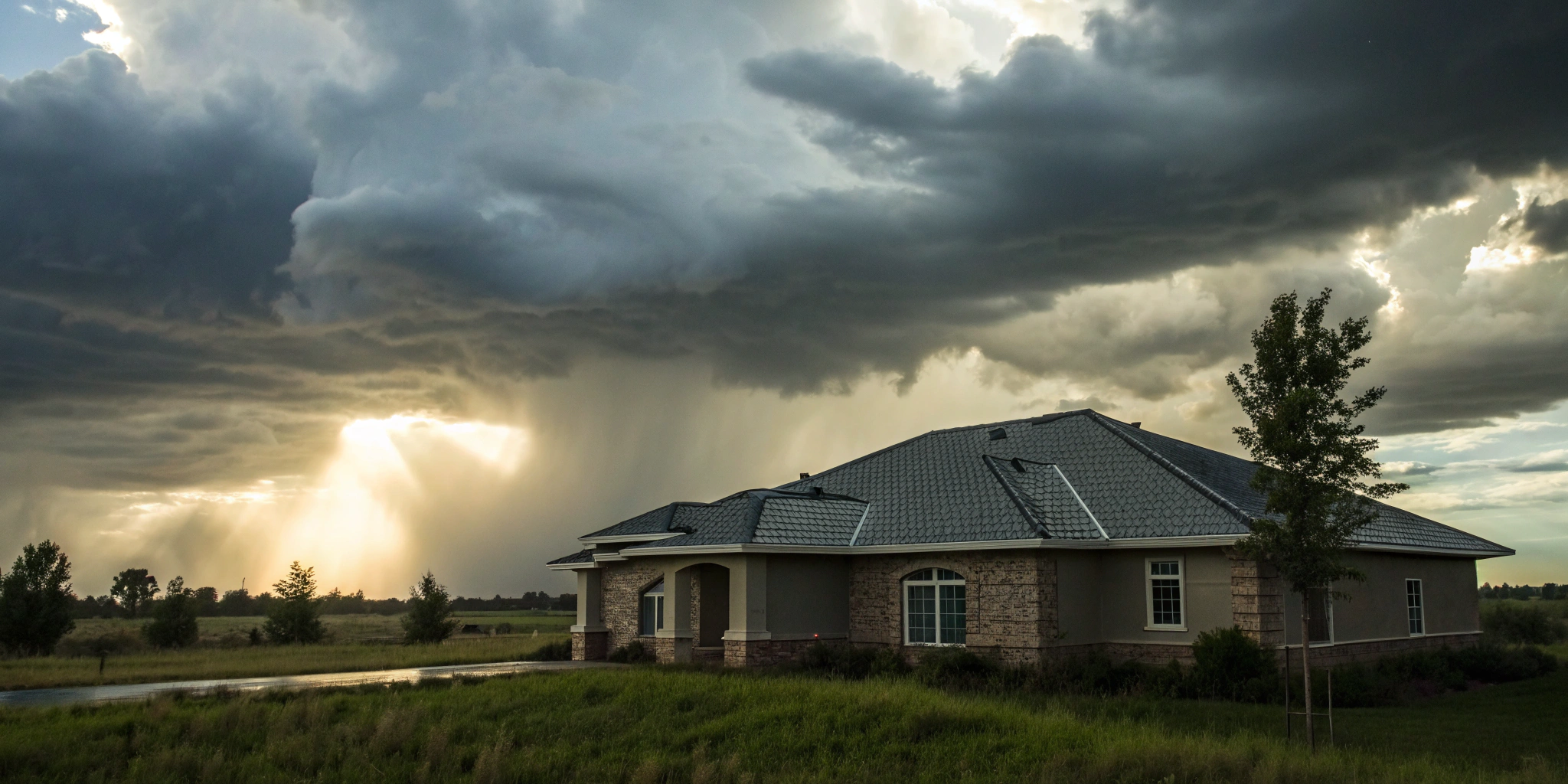
When a storm hits, your neighborhood can quickly fill with roofing trucks and contractors knocking on doors. While the urgency to get your roof fixed is real, choosing the right company to do the work is a critical decision that shouldn’t be rushed. A hasty choice can lead to shoddy work and future problems. This guide is designed to help you find a trustworthy, local expert amidst the chaos. We’ll give you the key questions to ask, the red flags to watch out for, and the credentials to verify, ensuring your roof repair for storm and wind damage is handled by a professional who will protect your home and your wallet.
Key Takeaways
- Prioritize Safety and Documentation Immediately After a Storm: Your first move should be to safely assess your property from the ground, taking detailed photos of any damage for your insurance claim. Avoid climbing on the roof and call a professional for a thorough inspection and any necessary temporary tarping.
- A Vetted Contractor is Your Best Asset: Protect yourself by choosing a licensed and insured roofer with proven storm damage experience. A trustworthy contractor is essential for getting an accurate estimate, navigating the insurance process, and ensuring a high-quality, lasting repair.
- Invest in Long-Term Resilience: Understand that roofing materials perform differently in severe weather. Regular maintenance and considering upgrades to more durable options, like architectural shingles or metal roofing, can significantly reduce the risk of damage from future storms.
How to Spot Storm Damage on Your Roof
After a big storm rolls through, it’s natural to worry about your roof. It’s your home’s first line of defense, and catching problems early can save you a lot of headaches down the road. The good news is that you can do a preliminary check yourself without ever setting foot on a ladder. Your safety is the top priority, so please don’t climb on a potentially damaged roof. A quick walk around your property and a peek inside your attic can tell you a lot about your roof’s condition. Think of it as a simple health checkup for your home after it has weathered the storm.
Check for These Exterior Signs
Start by walking around your house and looking up at the roof from the ground. If you have binoculars, now is a great time to use them. Look for shingles that are missing, cracked, curled, or torn. Strong winds can lift shingles and break the watertight seal, leaving your home vulnerable. Also, check your gutters, vents, and window sills for dents or cracks, as this can be a sign of hail. Don’t forget to scan your yard for clues—fallen tree limbs or hail marks on your deck or patio furniture can indicate your roof might have taken a hit, too. A thorough hail damage inspection can confirm the extent of the impact.
Look for These Interior Clues
Storm damage isn’t always obvious from the outside. Sometimes, the most telling signs are found inside your home. Carefully make your way into your attic and look for signs of water. Use a flashlight to check the underside of the roof decking for wet spots, stains, or active drips. Back inside the main house, look up at your ceilings. Water stains, discoloration, or peeling paint are all red flags that point to a leak. Even a small, hidden leak can lead to bigger issues like mold growth and structural problems, so it’s important to catch them early. If you spot any of these signs, you may need an emergency roof repair.
When to Call a Professional
If your initial check reveals any of the signs we’ve talked about—or even if you just have a gut feeling that something is wrong—it’s time to call in a professional. A trained roofer can safely get on your roof and spot subtle damage that is easily missed from the ground. They know exactly what to look for and can assess whether a small repair will suffice or if more significant work is needed. Getting a professional opinion is the best way to understand the full scope of the damage and protect your home. It also gives you a clear path forward for any necessary repairs and helps with the roof claim assistance process.
How Different Roofing Materials Hold Up in a Storm
When a storm is brewing, the last thing you want to worry about is your roof. But the reality is, not all roofing materials handle high winds and heavy rain the same way. Here in Central Florida, where storms are a fact of life, the material protecting your home plays a huge role in its safety and your peace of mind. Understanding how different options perform can help you make an informed decision, whether you’re repairing damage or considering a full replacement. Let’s look at how the most common materials stack up against severe weather.
Asphalt Shingles vs. High Winds
Asphalt shingles are the most common choice for residential roofing for a reason—they offer a great balance of cost and performance. However, their storm resistance can vary significantly. Standard three-tab asphalt shingles are generally rated for winds up to 60-70 mph. While that handles a typical thunderstorm, it might not be enough for a more severe event.
For better protection, architectural shingles are a fantastic upgrade. They are thicker, heavier, and designed to withstand winds up to 110 mph or even higher when installed correctly. Proper installation is the key here; even the best shingles can fail if they aren’t fastened securely. If you have an asphalt shingle roof, knowing which type you have can help you understand your home’s vulnerability during a storm.
The Performance of Metal Roofing
If you’re looking for a true heavyweight champion in storm resistance, metal roofing is a top contender. Unlike individual shingles that can be lifted and torn off by strong gusts, metal roofs are typically installed in large panels that are securely fastened, making them far more wind-resistant. In fact, many metal roofing systems can endure wind gusts exceeding 140 mph.
Beyond wind, metal also provides superior protection against hail and flying debris. Its durability means you’re less likely to find dents or punctures after a storm passes. If you suspect your current roof has been damaged by hail, a professional hail damage inspection can determine the extent of the issue. For homeowners seeking maximum protection and longevity, a metal roof is an excellent investment.
The Durability of Tile and Slate
Tile and slate roofs are known for their timeless beauty and incredible longevity, and their performance in a storm is just as impressive. Made from materials like clay, concrete, or natural slate, these roofing options are extremely heavy. That weight is their greatest asset against high winds, as it makes them incredibly difficult for gusts to lift.
When properly installed, tile and slate can easily withstand winds well over 100 mph. They are also highly resistant to fire and impact from debris. Because these are premium materials that require specialized installation, they represent a significant upfront investment. However, their long lifespan and powerful storm protection often make the cost worthwhile, and many homeowners explore financing options to make it happen.
What to Do Right After a Storm Hits
The wind has died down and the rain has stopped. Now what? Seeing your home after a storm can be overwhelming, but taking a few key steps right away protects your property and makes the recovery process much smoother. Your first moves are all about safety, preventing more damage, and preparing for what comes next. It’s not about fixing everything at once, but about taking control of the situation calmly. Following a clear plan ensures your home is secured and you’re ready for any necessary repairs and insurance claims.
Prioritize Safety Above All Else
Your safety, and your family’s, is the number one priority. After a storm, resist the urge to climb on your roof. Surfaces can be slippery, and the structure itself might be unstable in ways you can’t see. There’s also the hidden danger of downed power lines. The best and safest course of action is to assess what you can from the ground, then call a professional for a thorough inspection. A trained expert knows what to look for and has the right equipment to do it without risk. Many, like us, offer a free hail damage inspection that covers all types of storm-related issues.
Temporarily Protect Your Home from Further Damage
If you see signs of a leak or obvious roof damage, the next step is to prevent the problem from getting worse. Water intrusion can quickly lead to serious issues with your home’s insulation, drywall, and even its structural frame. A professional roofer can provide emergency roof repair services, like securing a heavy-duty tarp over the damaged area. This temporary fix is a critical measure to keep your home dry while you arrange for a permanent repair. Trying to tarp the roof yourself is dangerous and can cause more damage, so it’s always best to leave it to the pros.
Document Everything for Your Insurance Claim
Before any cleanup or repairs begin, grab your phone and start documenting. Your insurance company needs clear evidence of the damage to process your claim efficiently. Walk around the exterior of your home and take photos and videos of any missing shingles, dents from hail, or damage from fallen branches. Do the same inside, capturing any water stains on ceilings or active leaks. Be as thorough as possible—the more documentation you have, the better. This evidence is your best tool for a smooth claims process and is a key part of our roof claim assistance service.
How to Choose the Right Roofing Contractor
After a storm, finding a trustworthy contractor can feel like another storm in itself. The urgency to get your roof fixed is real, but rushing this decision can lead to bigger problems down the road. Taking a moment to find the right partner for the job is one of the most important things you can do to protect your home and your wallet. A great roofing contractor will not only fix the damage but also guide you through the process with clear communication and expert advice, making a stressful situation much more manageable.
Think of this as a hiring process where you’re in the driver’s seat. You’re looking for a professional with the right credentials, a proven track record, and a commitment to quality. Whether you need residential roofing services for your family home or repairs for a commercial property, the principles of choosing a great contractor remain the same. It’s about finding someone who is licensed, insured, experienced with storm damage, and transparent in their business practices. This isn’t just about getting the lowest bid; it’s about finding the best value and ensuring the work is done right the first time. By focusing on these key areas, you can confidently select a team that will restore your peace of mind along with your roof.
Verify Their License and Insurance
Before you even start discussing estimates, your first step should always be to confirm the contractor’s license and insurance. This isn’t just a formality; it’s your primary layer of protection. A valid license proves the contractor meets Florida’s standards for knowledge and professionalism. It shows they’re a legitimate business, not just someone with a truck and a ladder.
Equally important is their insurance. Ask for proof of both general liability insurance and workers’ compensation. Liability insurance protects your property from any accidental damage during the repair process, while workers’ compensation covers their crew if anyone gets injured on the job. Without it, you could be held financially responsible for accidents. A reputable contractor will have no problem providing you with copies of their certificates.
Key Questions to Ask Every Contractor
Once you’ve confirmed their credentials, it’s time to dig a little deeper to gauge their expertise. Treat this like a mini-interview to see if they’re the right fit for your specific situation. Start by asking about their experience with storm damage repairs and if they can provide a few local references from recent jobs. A contractor who specializes in storm restoration will understand the unique challenges involved, including how to properly document damage for insurance purposes.
You should also ask who will be overseeing your project and how they’ll keep you updated. Clear communication is key to a smooth process. A professional team will be happy to explain how they can help with roof claim assistance and walk you through every step, ensuring you feel informed and comfortable from start to finish.
Red Flags to Watch Out For
Unfortunately, a major storm can bring out opportunistic, and sometimes dishonest, contractors. Knowing what to look out for can help you avoid a scam. Be wary of anyone who shows up at your door uninvited right after a storm, often called “storm chasers.” These individuals may use high-pressure sales tactics, like offering a “special deal” that expires as soon as they leave.
Other red flags include demanding a large cash deposit upfront, providing a vague or non-itemized estimate, or being unwilling to sign a detailed contract. A professional contractor will provide a thorough hail damage inspection and a clear, written estimate without pressuring you to sign on the spot. Trust your gut—if an offer seems too good to be true, it probably is.
A Guide to the Roof Damage Insurance Claim Process
Dealing with roof damage is stressful enough without adding a complicated insurance claim to the mix. But filing a claim is a necessary step to getting your home back in order. Think of it as a straightforward process with a few key stages. By understanding your policy, knowing how to communicate with your adjuster, and avoiding a few common missteps, you can handle the process with confidence. Let’s walk through what you need to know.
Understand What Your Policy Covers
Before you even pick up the phone to call your insurance agent, take a moment to review your homeowner’s policy. Most standard policies do cover damage from wind and storms, but the specifics can vary. Look for details on your deductible—the amount you’ll pay out of pocket—and your coverage limits. It’s also important to know if your policy covers the Replacement Cost Value (RCV) of your roof, which pays for a full replacement, or the Actual Cash Value (ACV), which accounts for depreciation. If the fine print feels overwhelming, our team can help you make sense of it through our roof claim assistance services.
How to Work with Your Insurance Adjuster
Your insurance adjuster is assigned to assess the damage and determine the payout for your claim. While they are a crucial part of the process, remember that you are your own best advocate. Be present when the adjuster inspects your roof so you can point out all the damage you’ve documented. It’s also a smart move to have a professional estimate from a trusted roofing contractor. This gives you a benchmark to compare against the adjuster’s findings. Don’t feel pressured to accept a settlement that you know isn’t right. A thorough hail damage inspection from an expert can provide the detailed report you need to support your claim.
Avoid These Common Claim Mistakes
A few simple mistakes can unfortunately delay or reduce your insurance payout. One of the biggest is waiting too long to file; report the damage to your insurer as soon as it’s safe to do so. Another is failing to document the damage thoroughly with photos and notes. Some insurers may also suggest that the damage was caused by poor maintenance rather than the storm. This is why having a professional on your side is so important. We can help identify storm-specific damage and ensure your claim accurately reflects the necessary residential roofing repairs. By avoiding these pitfalls, you put yourself in a much better position for a smooth and fair claims process.
What Will My Storm Damage Repair Cost?
After a storm, one of the first questions on your mind is likely, “How much is this going to cost?” It’s a valid concern, and the answer depends on several moving parts. The final price tag for storm damage repair isn’t a simple, flat rate. It’s influenced by the type of damage your roof sustained, the materials it’s made of, and how quickly you act. Understanding these elements will help you prepare for the expense and ensure you’re getting a fair price for quality work.
Factors That Affect the Final Price
The cost of your repair project is unique to your home. Key factors include the extent of the damage—a few missing shingles will cost less than repairing a large hole from a fallen branch. Your roofing material also plays a big role; asphalt shingles are typically more affordable to repair than slate or metal. The complexity of your roof, like its steepness and accessibility, can influence labor costs. It’s also important to remember that visible damage might not be the whole story. A professional hail damage inspection can uncover underlying issues with the roof deck, which can add to the cost but are critical to fix. Acting fast prevents bigger, more expensive problems down the road.
How to Get an Accurate Estimate
The only way to truly know what your repair will cost is to get a professional assessment. A quick look from the ground simply won’t cut it. A qualified roofer needs to safely get on your roof to conduct a thorough inspection and identify every issue, big or small. When you contact a trusted contractor, they will schedule a visit to evaluate the damage firsthand. Afterward, you should receive a detailed, written estimate that clearly breaks down the costs for materials, labor, and any necessary permits. This transparent quote for your residential roofing project helps you understand exactly what you’re paying for and avoids any unwelcome surprises later on.
Emergency vs. Standard Repair Costs
It’s helpful to think about storm repairs in two stages: emergency and standard. An immediate emergency roof repair is a temporary fix, like placing a tarp over a hole, designed to stop water from pouring into your home and causing more destruction. This urgent service prevents costly interior water damage while you plan for a permanent solution. The standard repair is the complete, long-term fix that restores your roof’s integrity. While an emergency patch adds an initial cost, delaying action will almost certainly multiply your final expenses. If you’re concerned about managing these unexpected costs, exploring financing options can provide peace of mind and help you get the necessary repairs done without delay.
What to Expect During the Repair Process
Once you’ve chosen a trusted contractor, the roof repair process can begin. Knowing what’s coming can make the experience much smoother and less stressful. From the first look at the damage to the final nail, a professional team will follow a clear, structured plan to restore your roof and protect your home. Here’s a breakdown of the key stages you’ll go through.
The Initial Assessment and Game Plan
The first step is always a thorough, professional inspection. This is more than just a quick glance from the ground. A skilled roofer will get on your roof to carefully assess every detail of the storm damage. They’ll check for missing shingles, cracks, dents from hail, and any hidden issues that could cause problems later. This detailed hail damage inspection is essential for creating an effective game plan. Based on this assessment, your contractor will outline the exact scope of work, the necessary repairs, and a clear strategy to get your roof back in top condition. This ensures there are no surprises and that the root of the problem is addressed.
Choosing Materials and Getting to Work
With a solid plan in place, the next step is selecting the right materials for the job. In a place like Central Florida, this decision is critical. You need materials that can stand up to high winds, heavy rain, and intense sun. Your contractor will walk you through the best options for your home’s style and budget, explaining the benefits of different materials for residential roofing. For example, certain types of shingles are designed to resist wind uplift, a common issue during hurricanes. Once you’ve made your choice, the repair work begins. The team will work efficiently to fix the damage, using their expertise to ensure every repair is done right.
How Long Will the Repair Take?
One of the most common questions is, “How long will this take?” The timeline for a roof repair depends on several factors, including the extent of the damage, the materials being used, and of course, the weather. While a minor repair might take a day, a more significant restoration could take longer. The most important thing is to act quickly. Delaying repairs can allow water to seep in, leading to much bigger and more expensive problems like mold, damaged insulation, or even structural issues. Addressing storm damage promptly is the best way to protect your home and keep repair costs from escalating. If the damage is severe, you may need emergency roof repair to secure your home immediately.
How to Protect Your Roof from Future Storms
After you’ve dealt with repairs, the last thing you want is to go through it all again. While you can’t stop a storm from coming, you can take proactive steps to strengthen your roof’s defenses. A little preparation goes a long way in protecting your home and giving you peace of mind when the weather turns. By focusing on regular upkeep and smart upgrades, you can significantly reduce the risk of future storm damage.
Why Regular Maintenance Matters
Think of roof maintenance like a regular health check-up for your home. Catching small issues early prevents them from becoming major, costly problems during a storm. At least twice a year, it’s a good idea to walk around your property and look for any obvious signs of trouble. You can check your roof for loose or missing shingles and make sure your gutters are clean and securely attached. Clogged gutters can cause water to back up under your shingles, weakening the roof deck. A professional inspection can spot subtle weaknesses you might miss, ensuring your roof is ready for anything.
Consider Storm-Resistant Upgrades
If you live in Central Florida, investing in storm-resistant materials is one of the smartest moves you can make. While the initial cost might be higher, the long-term savings on repairs and replacements can be substantial. For example, modern metal roofs can endure wind gusts over 140 mph and are excellent at resisting hail. Upgrading your residential roofing materials can also prevent wind uplift, which happens when strong winds get underneath your shingles and peel them away. It’s a powerful way to fortify your home against the region’s unpredictable weather.
Prepare Your Roof for Storm Season
Getting ready before storm season hits can save you a lot of stress. One of the best things you can do is take clear photos and videos of your roof while it’s in good condition. Documenting your home’s current state can make the insurance claim process much smoother if you ever need to file one. It’s also wise to have a plan in place. Know which contractor you’ll call for an emergency inspection and have materials like tarps on hand for temporary protection. This ensures you can act quickly to prevent water from getting inside your home after a storm passes.
Related Articles
- Storm Damage Roof Inspection: A Complete Guide
- How to Fix a Roof After a Hurricane: A Complete Guide
- Storm Roof Inspection – Skylight Roofing Inc.
- How to Check for Hail Damage on a Roof in 5 Steps
Frequently Asked Questions
My roof isn’t leaking after a storm. Does that mean it’s okay? Not necessarily. A leak is often one of the last signs of a problem. Storms, especially those with hail, can cause subtle damage like bruising, cracking, or granule loss on your shingles. While these issues might not cause an immediate leak, they compromise your roof’s integrity and can lead to serious water damage and rot over time. The only way to be certain your roof is in good shape is to have it professionally inspected.
What’s the very first thing I should do if I suspect my roof is damaged? Your first priority is safety, so please stay on the ground. Walk around your property and take clear photos and videos of any damage you can see from a safe distance, including issues with shingles, gutters, or vents. Documenting everything right away is crucial for your insurance claim. Once you’ve done that, your next call should be to a trusted, local roofing contractor to schedule a professional inspection.
Will my insurance policy automatically pay for a full roof replacement? Insurance coverage varies quite a bit from policy to policy. Most will cover storm damage, but whether they pay for a full replacement depends on the extent of the damage and the type of coverage you have. Some policies pay the full replacement cost, while others only cover the depreciated value of your old roof. A professional roofer can provide a detailed damage report to help you substantiate your claim and ensure you get the fair settlement you’re entitled to.
How can I spot a ‘storm chaser’ and avoid hiring a bad contractor? Be cautious of anyone who shows up at your door uninvited right after a storm. Major red flags include using high-pressure sales tactics, demanding a large cash deposit upfront, or being unwilling to provide proof of a local license and insurance. A reputable contractor will have a permanent local address, provide a detailed written estimate without pressuring you, and will be happy to answer all of your questions.
Is it really worth the extra cost to upgrade to a more storm-resistant roof? Think of it as a long-term investment in your home’s safety and your own peace of mind. While materials like architectural shingles or metal roofing have a higher upfront cost, their ability to withstand high winds and impact can save you from expensive repairs and insurance hassles down the road. Here in Central Florida, strengthening your home’s first line of defense is one of the smartest improvements you can make.