


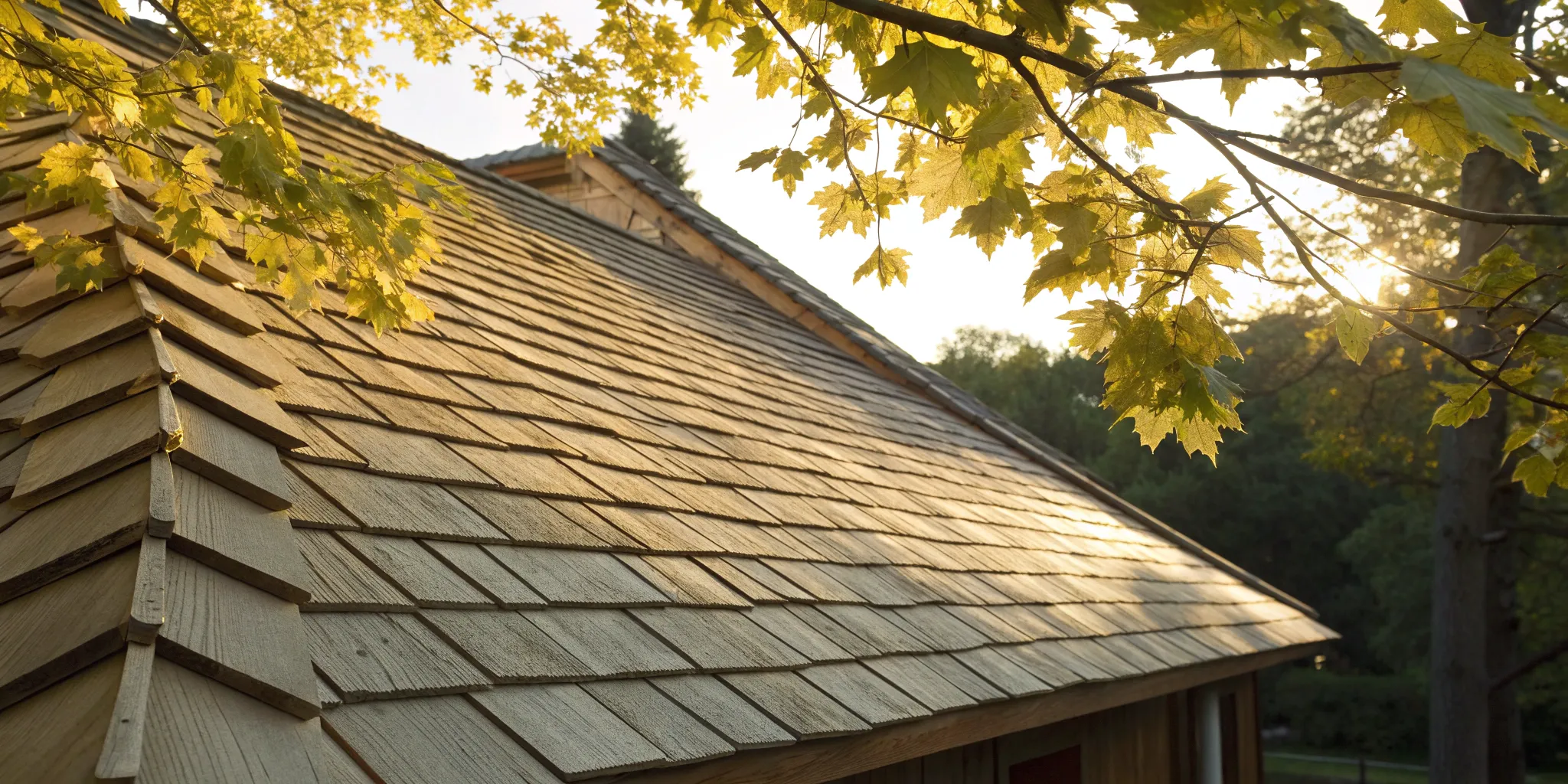
In Central Florida, our roofs face a unique set of challenges, from intense sun and high humidity to the occasional tropical storm. A beautiful wood shake roof is no exception, and our climate can accelerate issues like moss growth, algae stains, and sun damage that can compromise the wood over time. Understanding how our local weather affects your roof is the first step toward effective maintenance. This guide is designed specifically for Florida homeowners, helping you identify common problems caused by our environment and outlining the best approach to shake roof repair to keep your home protected, season after season.
Key Takeaways
- Stay ahead of problems with routine checks: A simple walk-around inspection and clean gutters are your best tools for preventing moisture damage and helping your roof last longer.
- Learn to spot the red flags: Keep an eye out for physical changes in the wood like curling or splitting, dark streaks from algae, and any bent or rusted metal flashing, as these are early signs of trouble.
- Understand your limits with repairs: While gentle cleaning is manageable, widespread damage or recurring leaks are clear signs to call a professional who can safely diagnose and fix the root cause of the problem.
What Is a Shake Roof?
If you love a home with classic, rustic charm, there’s a good chance you’re admiring a shake roof. These beautiful roofs have been around for centuries, and for good reason. They offer a unique, natural aesthetic that you just can’t get from more modern materials. But a shake roof is more than just a pretty face; it’s a durable and practical choice for many homeowners. Understanding what makes a shake roof special can help you decide if it’s the right fit for your home and how to care for it properly. Let’s explore what these roofs are all about, from the materials they’re made of to their surprising durability.
What Are Shake Roofs Made Of?
At its core, a shake roof is made from high-quality wood. Shakes are traditionally split from logs, which gives each piece a unique, textured grain and thickness. The most common types of wood used are cedar and redwood. These woods aren’t just chosen for their good looks; they contain natural oils and tannins that make them inherently resistant to rot, decay, and insect infestations. This natural durability is a huge part of what makes wood shakes a premium roofing material. The process of splitting the wood, rather than sawing it smoothly, results in a rugged, character-rich surface that defines the classic shake style.
The Natural Look and Insulating Benefits
The number one reason people choose shake roofs is their stunning appearance. The rich textures and warm, earthy tones of natural wood add incredible curb appeal and a timeless, traditional look to any home. Because each shake is unique, the entire roof has a one-of-a-kind character that simply can’t be replicated by uniform, manufactured materials. Beyond aesthetics, wood is a fantastic natural insulator. A shake roof can help keep your home cooler in the summer and warmer in the winter, which can lead to lower energy bills over time—a welcome benefit here in the Florida climate.
Shake vs. Shingle: What’s the Difference?
You might hear the terms “shake” and “shingle” used interchangeably, but they are actually quite different. The main distinction comes down to how they’re made. Shakes are split from a log, giving them a rough, uneven surface and a thicker, more irregular shape. Wood shingles, on the other hand, are sawn on both sides for a smoother, more uniform appearance. This difference creates a distinct look on the roof; shakes provide a rugged, rustic style, while shingles offer a more refined and uniform finish. Understanding this difference is key when exploring your residential roofing options.
Durability and Eco-Friendly Perks
Don’t let their natural material fool you—shake roofs are tough. The cedar or redwood they’re made from is naturally equipped to handle the elements. When installed correctly by a professional, a shake roof can effectively shed water and withstand strong winds. With proper maintenance, a quality shake roof can last for 30 years or even longer. For homeowners looking for a sustainable option, wood is a great choice. It’s a renewable resource, and at the end of its long life, it’s biodegradable. This combination of longevity and environmental friendliness makes a shake roof a smart and responsible investment for your home.
Common Shake Roof Problems to Look For
A wood shake roof has a stunning, natural look, but like any roofing material, it needs a little attention to stay in top shape. Knowing what to look for can help you catch small issues before they become major headaches. From the way the wood ages to the effects of Florida’s weather, several common problems can arise. Regularly checking for these signs is the best way to protect your investment and keep your home safe and dry. Think of it as a routine health check-up for your roof. By familiarizing yourself with these potential issues, you’ll be better prepared to take action and know exactly when it’s time to call in a professional for an expert opinion. Spotting a problem early can often mean the difference between a simple, affordable repair and a costly, extensive one. For example, a single split shake is easy to replace, but if left ignored, it can allow water to seep in, leading to rot, mold, and structural damage inside your attic and walls. We’ll walk through the most common issues—from curling shakes and moss growth to damaged flashing—so you can confidently assess your roof’s condition and make informed decisions about its care.
Curling, Cupping, and Splitting Shakes
It’s completely normal for wood shakes to change shape over time as they age and weather. You might notice the edges starting to curl up (curling) or the center dipping down (cupping). While a little of this is just part of the wood’s natural lifecycle, it becomes a problem when it’s severe. Extreme curling or deep splits can expose the roofing felt underneath to sunlight and moisture, which can lead to leaks. If you see shakes that are cracked all the way through or curled so much that they lift away from the roof, it’s a clear sign that those sections are losing their ability to protect your home effectively.
Moss, Algae, and Rot Damage
In Florida’s humid climate, it’s common to see moss or dark streaks of algae on roofs, especially in shady spots. While it might seem like a cosmetic issue, this organic growth can cause real damage to a shake roof. Moss acts like a sponge, trapping moisture against the wood. When shakes stay damp for too long, they can begin to rot, becoming soft and weak. This decay compromises the integrity of your roof and can create pathways for water to seep into your home. Regular cleaning and maintenance are key to preventing this kind of damage and extending the life of your residential roofing.
Loose or Missing Shakes
After a heavy storm with strong winds, it’s always a good idea to check your roof for loose or missing shakes. High winds can lift the edges of the shakes and eventually tear them off completely, leaving a gap in your roof’s defense. Even one missing shake is a serious issue, as it exposes the underlayment and sheathing to direct rain and sun. This can quickly lead to water damage inside your attic and home. Addressing these problems early is crucial to prevent more widespread issues. If you suspect storm damage, a professional hail damage inspection can identify any vulnerabilities.
Worn-Out Flashing and Weather Damage
Flashing is the thin metal material installed around chimneys, vents, and skylights to direct water away from these vulnerable areas. Over time, flashing can rust, corrode, or pull away from the roof, creating a prime spot for leaks. Poor installation can also cause problems down the line, leading to trapped moisture that causes mold and rot. Because flashing is a critical component in keeping your roof watertight, any signs of damage—like rust stains or bent sections—should be addressed immediately by a professional. These types of leaks can be tricky to pinpoint and often require an expert touch to repair correctly.
Red Flags That Signal It’s Time for a Repair
So, how do you know when it’s time to call for help? Keep an eye out for a few key warning signs. Look for widespread curling or splitting shakes, dark patches that could indicate moisture or rot, and any loose or damaged flashing. It’s also smart to periodically check your attic, especially after a heavy rain, for any damp spots or water stains on the ceiling. If you notice granules from your shingles in the gutters or see multiple signs of wear across different parts of your roof, it might be time for a professional assessment. Sometimes, a full replacement is a more practical long-term solution than a series of small repairs.
How to Spot Shake Roof Damage
Catching roof damage early is one of the best things you can do for your home. A small issue can quickly become a major, expensive problem if it’s ignored. The good news is that you don’t need to be a roofing expert to spot the initial warning signs. By knowing what to look for, you can perform a quick visual check from the safety of the ground and from inside your attic. This simple routine can help you identify potential trouble and know exactly when it’s time to call in a professional for a closer look. Think of it as a regular health checkup for your roof—it’s the key to keeping it strong and protecting everything underneath it.
Inspecting Your Roof Safely from the Ground
You can learn a lot about your roof’s condition without ever stepping on a ladder. Grab a pair of binoculars and walk around your property, taking a close look at all sides of the roof. Look for shakes that are obviously missing, cracked, or crooked. You’ll also want to keep an eye out for any shakes that are curling up at the edges or look warped. Dark patches or discolored spots can signal moisture issues or algae growth, which can trap water and lead to rot. Also, check the metal flashing around your chimney and vents to see if any pieces look loose or rusted. A thorough ground-level check is the first step in a hail damage inspection and can give you a clear idea of your roof’s overall health.
Checking Your Attic for Interior Warning Signs
Sometimes, the first sign of a roof problem isn’t on the outside of your house—it’s on the inside. Your attic is the front line for detecting leaks. On a bright, sunny day, head up to your attic and turn off the lights. Look for any pinpricks of daylight shining through the roof deck; if light can get in, so can water. You should also check for water stains or damp spots on the underside of the roof, the rafters, or your insulation. A musty smell is another red flag that moisture is present. If you find a water stain, try to trace it to its highest point to pinpoint where the leak is starting. Catching a leak here could save you from needing an emergency roof repair down the road.
Looking for Cracks, Splits, and Organic Growth
Over time, wood shakes are exposed to a lot of stress from sun, wind, and rain. It’s important to look closely for signs of wear and tear. While some minor curling is a natural part of a shake’s aging process, excessive cupping, curling, or large cracks are signs of trouble. These openings allow water to seep underneath the shakes and into your roof deck. Also, be on the lookout for any organic growth. Moss, algae, or mildew can appear as green or black patches on your roof. This growth acts like a sponge, trapping moisture against the wood and accelerating rot, which significantly shortens the lifespan of your residential roofing.
Examining Your Flashing and Roof Edges
Flashing is the thin metal material installed around areas where your roof meets a wall, chimney, or vent. Its job is to create a waterproof seal, and if it fails, you’ll likely end up with a leak. During your visual inspection, pay close attention to these areas. Look for any flashing that has pulled away from the roof, or for signs of rust or cracks in the metal itself. The sealant around the flashing can also dry out and crack over time, creating a path for water. Don’t forget to check the edges of your roof as well. Damaged or loose drip edges can allow water to get behind your gutters and rot the underlying wood, so make sure everything looks secure and intact.
When to Call for a Professional Inspection
While DIY inspections are great for spotting obvious issues, some problems are harder to see. If you notice widespread damage, like multiple missing shakes or large areas of moss, it’s time to call for help. Persistent leaks that keep coming back are another clear sign that you need an expert opinion. You should also call a professional immediately if you suspect any structural issues, like a sagging roofline. A trained roofer can safely get on your roof to assess the full extent of the damage and identify problems you might have missed. If the damage is from a recent storm, they can also provide guidance on roof claim assistance to help you with your insurance company.
DIY Shake Roof Repair vs. Calling a Professional
Knowing when to tackle a home project yourself and when to call in a professional is a key part of being a homeowner. When it comes to your shake roof, this decision is especially important. A well-maintained roof is your home’s first line of defense, and a botched repair can lead to much bigger, more expensive problems down the road. While there are a few minor tasks a confident DIYer can handle, most roof work is best left to trained and insured professionals who have the right tools and safety equipment.
Working on a roof is inherently risky. Professionals have the experience to move around safely and spot issues that an untrained eye might miss. They can also assess whether a small problem is a symptom of a larger, hidden issue. Before you pull out the ladder, it’s important to honestly evaluate the scope of the problem and your own skill level. A small, isolated issue might be within your reach, but widespread damage or anything involving the roof’s underlying structure requires an expert. We’ll walk through what you can potentially handle and when it’s time to make the call.
Minor Fixes You Can Handle Yourself
If you notice a small stain on your ceiling, it might be from a single cracked or missing shake. For homeowners with the right safety gear and experience working at heights, replacing one or two shakes can be a manageable task. Small leaks that show up as minor drips can sometimes be addressed this way. However, it’s crucial to know your limits. If you find that the wood underneath is soft or damp, or if you see more than a few damaged shakes, the problem is bigger than it looks. What seems like a simple fix could be a sign of a more significant issue, and in those cases, a professional hail damage inspection can give you a clearer picture of what’s really going on.
How to Safely Clean Moss and Algae
Moss, algae, and lichen can trap moisture against your wood shakes, leading to rot over time. Gently cleaning your roof can extend its life. If you’re comfortable on a ladder, you can use a pump sprayer with a mix of water and white vinegar or a commercial roof cleaner designed for wood. The key is to be gentle. Never use a pressure washer, as it can strip the wood’s natural protective oils and force water up under the shakes. Always spray from the top down to avoid lifting the shakes. If your roof is steep or you’re not steady on your feet, hiring a professional for a cleaning is always the safer choice.
When to Leave Repairs to the Experts
It’s time to call a professional when you see signs of significant damage. This includes large areas of missing or broken shakes, which can leave your home vulnerable to the elements. If you notice any sagging or feel that the roof structure itself is weak, stay off of it and contact an expert immediately. Widespread rot or decay is another major red flag that requires professional attention. These issues go beyond simple repairs and often point to deeper problems with your roof’s decking or ventilation. For urgent situations, an emergency roof repair service can secure your home and prevent further damage while you figure out a long-term solution.
Deciding Between a Major Repair and a Full Replacement
If you find yourself scheduling repairs every year or if a storm has caused extensive damage, you might be better off replacing the roof entirely. While a replacement is a bigger investment upfront, it can be more cost-effective than a series of expensive, temporary fixes. A professional roofer can help you make this call. They will assess the overall condition of your shakes, check the underlayment, and estimate your roof’s remaining lifespan. This expert evaluation is essential for making an informed decision about your residential roofing and protecting your investment in your home. An honest roofer will tell you if a repair is sufficient or if a replacement is the smarter long-term choice.
Repair vs. Replace: Comparing the Costs
When weighing your options, it helps to look at the numbers. A new cedar shake roof installation can cost around $600 to $700 for every 100 square feet, and that doesn’t include the cost of removing the old roof or fixing any damaged wood underneath. A repair will be less expensive initially, but if your roof is nearing the end of its life, those repair costs can add up quickly. If storm damage is the issue, your homeowner’s insurance may cover a portion of the replacement. A good roofing company can provide roof claim assistance to help you with the process. To make a large project more manageable, many companies also offer convenient financing options.
How to Maintain Your Shake Roof
A wood shake roof is a beautiful investment, and with the right care, it can protect your home for decades. Proactive maintenance is the secret to getting the most out of your roof’s lifespan and avoiding costly surprises down the road. By staying on top of a few key tasks, you can keep your shakes in great shape and ensure they continue to add character and value to your property. Think of it as a simple routine that pays off in the long run, preserving both your roof and your peace of mind.
Create a Regular Inspection and Cleaning Schedule
The best way to prevent big problems is to catch them while they’re small. Look over your roof at least once a year and after any major storms. You can do a lot from the ground with binoculars—check for shakes that appear cracked, curled, or missing. In Florida, it’s also smart to get a professional hail damage inspection if you suspect a storm has taken a toll. A regular cleaning schedule to gently remove leaves and other debris will also prevent moisture from getting trapped, which is a leading cause of rot.
Use Preventive Treatments to Extend Its Life
Your shake roof is constantly exposed to Central Florida’s sun and humidity. To protect it, consider applying a wood protector every few years to shield it from water and UV damage. There are also special treatments available that can protect your roof from mold, algae, and even fire. While a light power wash can be part of this process, it’s a job best left to professionals. Using too much pressure can easily damage the wood shakes, so it’s crucial to have an expert handle any deep cleaning or treatment applications to ensure it’s done safely.
Keep Gutters Clear of Debris
It’s an easy task to overlook, but clean gutters are one of your roof’s best friends. When your gutters are clogged with leaves and debris, rainwater has nowhere to go. It backs up and pools along the edge of your roof, soaking the shakes and the underlying structure. This constant moisture can lead to rot and serious water damage over time. Check your gutters twice a year, especially in the spring and fall, and clear them out so water can drain away from your home properly. This simple step is one of the most effective ways to maintain your roof’s integrity.
How to Budget for Maintenance and Future Repairs
Setting aside a small budget for roof maintenance can save you financial stress later. The cost of repairs will always depend on the extent of the damage. Fixing a few individual shakes might only cost a few hundred dollars, but more significant repairs can easily exceed $1,000. Remember that when you hire a professional, you’re paying for their expertise and safety. If a major repair is on the horizon, look into financing options to make the cost more manageable. Planning ahead ensures you’re prepared to handle any issues that arise without delay.
Related Articles
- The Ultimate Asphalt Shingle Roof Installation Guide
- DIY Shingle Roof Leak Repair: A Step-by-Step Guide
- 6 Best Flat Roof Repair Materials: A Florida Guide
- How to Do a Roof Repair From Inside Your Attic
- Temporary Patch Roof Leak Repair Until Professional Help Arrives
Frequently Asked Questions
How long can I expect a shake roof to last here in Florida? With our intense sun and humidity, a roof’s lifespan is a valid concern. A high-quality wood shake roof that is properly installed and consistently maintained can last for 30 years or more, even in Florida. The key is proactive care. Regular inspections, keeping the roof clear of debris, and addressing any moss or algae growth will help it reach its full potential and protect your home for decades.
Is a wood shake roof a good option for a home in Florida, considering the storms and humidity? Yes, a shake roof can be an excellent choice for a Florida home, but its success depends heavily on proper installation and maintenance. The natural oils in woods like cedar make them inherently resistant to moisture and insects. When installed correctly, shakes are surprisingly resilient against strong winds. Plus, their natural insulating properties are a fantastic benefit for keeping your home cooler and your energy bills down.
Can I just pressure wash my roof to get rid of moss and algae? Please don’t! While it might seem like a quick fix, using a pressure washer on a wood shake roof can cause serious damage. The high-pressure stream can strip the wood of its natural protective oils, making it more vulnerable to rot and decay. It can also force water up underneath the shakes, trapping moisture and leading to leaks. A gentle cleaning with a designated roof cleaner is a much safer approach.
A few of my shakes are starting to curl. Should I be worried? A small amount of curling or cupping is a natural part of how wood shakes age over time, so it isn’t necessarily a cause for panic. However, you should pay close attention to it. If you notice that the curling is severe, widespread, or if the shakes are cracking and splitting, it’s a sign that they are losing their ability to shed water effectively. That’s when it’s time to call a professional for an inspection.
How do I know if I need a simple repair or a whole new roof? This is the big question for many homeowners. A simple repair is usually the answer for isolated issues, like a single missing shake or a small leak around flashing. However, if you’re dealing with widespread problems such as extensive rot, multiple persistent leaks, or if more than 20-25% of your roof is damaged, a full replacement is often the more practical and cost-effective long-term solution.