


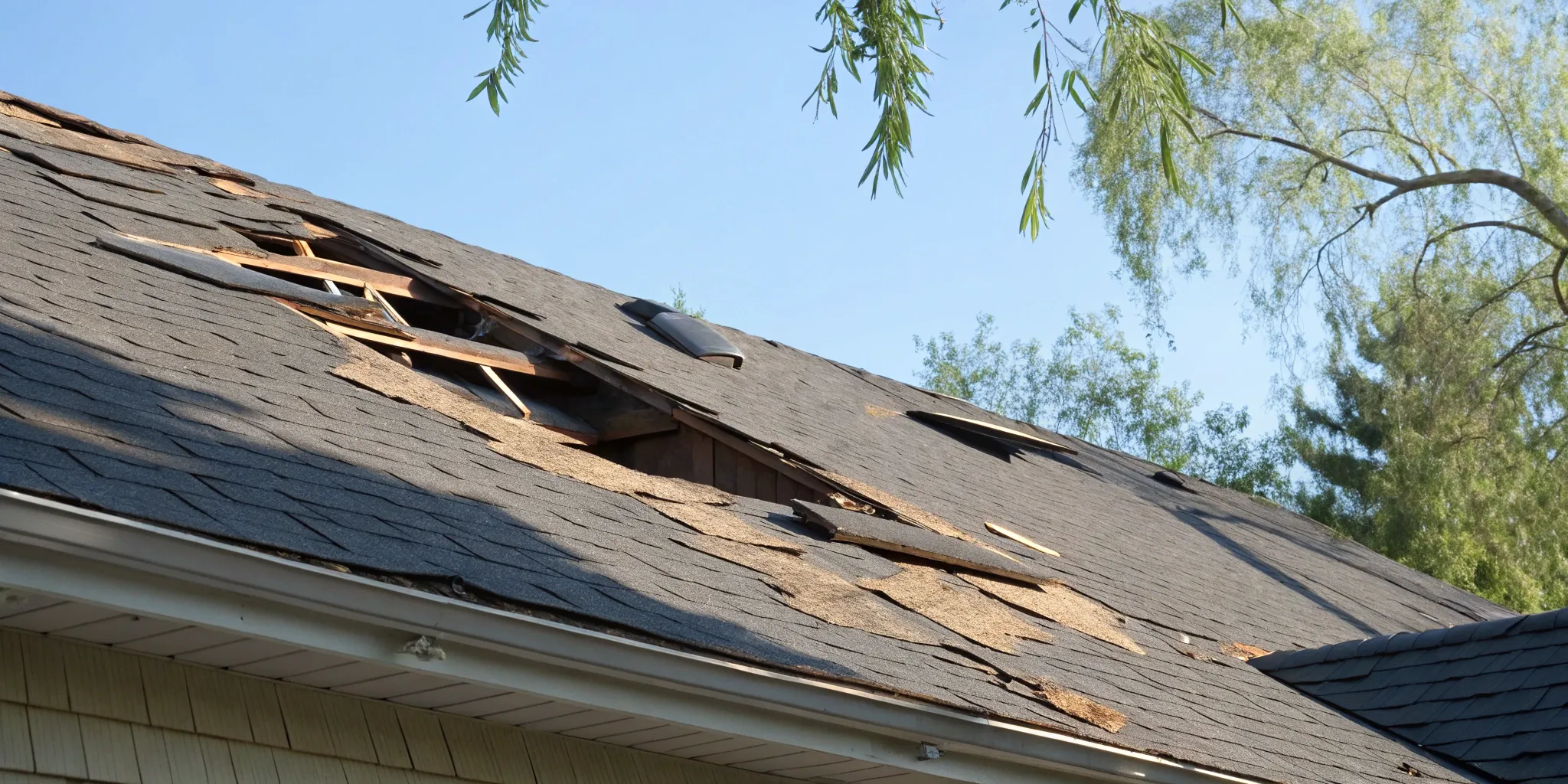
After a major storm rolls through, the first sign of trouble is often the shingles you find in your yard. That discovery immediately triggers a wave of questions and a whole lot of stress. Will my insurance company approve my claim? How much will I have to pay out of pocket? The truth is, getting a fair payout for shingles blown off roof insurance involves more than just making a phone call. Insurance providers look closely at your roof’s age, its maintenance history, and the specific cause of the damage. This article breaks down what you need to know to build a strong claim, work effectively with your adjuster, and understand the difference between what’s covered and what’s not.
Key Takeaways
- Distinguish Storm Damage from Wear and Tear: Homeowners insurance is for sudden events like high winds, not for a roof that fails due to age or lack of maintenance. Proving a specific storm caused the damage is the foundation of a successful claim.
- Document Everything, Before and After: Your strongest tool in a claim is evidence. Keep a file with maintenance records and take detailed photos of your roof’s condition immediately after a storm to prove the damage is new and severe.
- Know Your Policy and Your Rights: Understand if you have Replacement Cost Value (RCV) or Actual Cash Value (ACV) coverage, as this dictates your payout. If your claim is denied or undervalued, you have the right to appeal the decision with a second opinion from a professional roofer.
Does Insurance Cover Blown-Off Shingles?
Seeing your roof’s shingles scattered across the lawn after a storm is a sinking feeling. Your first thought is likely about the cost and hassle of repairs, followed quickly by the big question: Will my insurance cover this? For most homeowners in Central Florida, the answer is yes, but it depends on why the shingles came off and the overall condition of your roof.
Homeowners insurance is designed to protect you from sudden and accidental events, not gradual decline. If a severe storm with high winds rips shingles from your roof, your policy will likely cover the replacement. However, if the shingles were already old, curling, and poorly maintained, your insurer might argue the wind just finished a job that wear and tear started long ago. Understanding this distinction is key to knowing what to expect when you pick up the phone to file a claim.
Wind Damage Your Policy Likely Covers
The good news is that standard homeowners insurance policies almost always cover wind damage. Your policy is there to protect you from what insurers call a “covered peril,” which includes sudden and unexpected events. In Florida, this means damage from hurricanes, tropical storms, tornadoes, and other severe weather is typically covered.
If your shingles were in good condition before a storm and were torn off by strong winds, your insurance provider should cover the cost of repair or replacement, minus your deductible. This is precisely the kind of scenario insurance is for. A professional hail damage inspection can also uncover impacts that weaken shingles, making them more susceptible to being blown off in the next gust of wind—damage that is also usually covered.
Common Coverage Limits and Exclusions
While wind damage is covered, insurance companies draw a hard line at issues caused by neglect or normal aging. Insurance doesn’t cover damage that happens slowly over time. This includes problems stemming from an old, worn-out roof, a lack of routine maintenance, or small leaks that were never addressed. Insurers refer to this as “wear and tear,” and it’s a common reason for a claim to be denied.
Think of it this way: Your policy is for accidents, not for predictable decline. If your 20-year-old roof loses shingles in a moderate breeze, the insurance company will likely point to the roof’s age as the primary cause. This is where the claims process can get complicated, and why having expert roof claim assistance can help you present the strongest possible case to your insurer.
Why Might Your Insurance Claim Be Denied?
Getting a denial letter from your insurance company after a storm is incredibly frustrating, especially when you see shingles missing from your roof. While it feels unfair, insurance policies have specific rules about what they will and won’t cover. Understanding these common reasons for denial can help you prepare a stronger claim from the start. Most denials come down to three main factors: the age and condition of your roof, the type of damage it sustained, and whether it was properly maintained. Knowing where your roof stands in these areas can make all the difference. If you’re ever unsure how to proceed, getting professional roof claim assistance can help you make sense of your policy and the adjuster’s findings.
Your Roof’s Age and Condition
One of the first things an insurance adjuster looks at is your roof’s age. In Florida, this is a huge factor. Many insurance policies limit or completely deny coverage for roofs older than 15-20 years, particularly those with standard asphalt shingles. Insurers see older roofs as a higher risk because their materials are naturally closer to the end of their lifespan and more susceptible to damage from wind and rain. Some companies may even refuse to renew a homeowner’s policy if the roof is too old. This doesn’t mean you’re automatically out of luck, but it does mean your claim will face more scrutiny, and the burden of proof will be higher.
Gradual Wear vs. Sudden Storm Damage
Insurance is designed to cover sudden and accidental events, like a hurricane or a severe hailstorm. It generally doesn’t cover damage that happens slowly over time. This is often referred to as “wear and tear.” Problems from an old, deteriorating roof, curling shingles, or small leaks that were ignored for months won’t typically be covered. The key is proving the damage was caused by a specific, covered event. A professional hail damage inspection, for example, can document that the damage is new and directly related to a recent storm, not a pre-existing issue that has been worsening over the years.
Lack of Maintenance or Neglect
Your insurance policy assumes you’re doing your part to take care of your property. If an adjuster finds that the roof damage was caused or worsened by a lack of maintenance, your claim could be denied. For instance, if your shingles blew off because they were already loose and lifting, the insurer might argue that proper upkeep would have prevented the problem. Similarly, if a small leak from a previous storm was never fixed and led to bigger issues like rot or mold, that could be considered neglect. Keeping your roof clean and promptly addressing minor issues is one of the best ways to protect your home and your coverage.
Lost Shingles? Here’s What to Do First.
Seeing shingles scattered across your yard after a storm is a sinking feeling. Your first instinct might be to panic, but taking a few calm, methodical steps right away can make a huge difference in how smoothly your insurance claim process goes. Before you do anything else, focus on these three immediate priorities to protect your home and set yourself up for a successful claim. Acting quickly and documenting everything will be your biggest assets in the days to come.
Document Everything
Before you even think about picking up the phone, grab your smartphone. Your most important job right now is to become a detective and document the scene. Take clear photos of everything: the overall roof, close-ups of the missing shingle spots, any cracked or damaged shingles still in place, and any shingles you find on the ground. If the damage has caused any leaks, be sure to get pictures of water stains on your ceilings or walls inside. This visual evidence is your best tool for showing the insurance company that the damage was sudden and directly caused by the storm, not by pre-existing issues.
Call Your Insurance Company
With photos in hand, your next call should be to your insurance provider. Don’t wait. Most policies have a specific timeframe for reporting damage, so acting quickly is key to getting your claim started on the right foot. When you call, have your policy number ready and be prepared to describe the damage you’ve documented. The process can feel overwhelming, which is why getting professional roof claim assistance can help you manage the paperwork and conversations with your adjuster, ensuring nothing gets missed. An expert can help you present your case clearly and effectively.
Make Temporary Repairs to Prevent More Damage
While you wait for an adjuster, your responsibility is to prevent the problem from getting worse. If the damage has left your roof vulnerable to leaks, you need to make temporary fixes. This usually means covering the exposed area with a tarp. Your insurance company actually expects you to do this to mitigate further damage. Be sure to hire a licensed professional for any emergency roof repair and keep every single receipt. These costs are often reimbursable as part of your claim, so good record-keeping is essential for getting your money back.
How Your Roof’s Age Affects Your Claim
When you file an insurance claim for roof damage, one of the first things your provider will look at is your roof’s age. It’s a major factor that can significantly influence the outcome of your claim, from the amount you’re paid to whether the claim is approved at all. Understanding how age plays a role helps you prepare and maintain your roof in a way that protects your investment and ensures you have the coverage you need when a storm hits.
Why Older Roofs Have Coverage Limits
In Florida, it’s common for insurance policies to have specific rules for older roofs. Many insurers limit or even deny coverage for asphalt shingle roofs that are over 15 years old. From their perspective, an older roof is a higher risk because it’s more susceptible to damage from normal wear and tear, not just a single storm event. Insurance is designed to cover sudden, accidental damage, not the gradual decline of a roof that has reached the end of its expected lifespan. If your claim is denied on the basis of age or pre-existing wear, getting expert roof claim assistance can help you understand your options.
How Upgraded Shingles Can Lower Your Premium
While your insurance policy might not pay for you to upgrade your materials after a storm, investing in a stronger roof can pay off in other ways. When you choose high-quality, impact-resistant shingles for your residential roofing project, you’re making your home more resilient against future storms. Insurance companies love to see this kind of proactive protection. By reducing the likelihood of future claims, you may qualify for a lower annual premium. Think of it as a long-term investment in your home’s safety that also comes with potential savings. It’s a smart move that adds value and peace of mind.
The Importance of Maintenance Records
Keeping detailed records of your roof’s upkeep is one of the most powerful things you can do to support a future insurance claim. A thorough file with receipts from repairs, invoices from inspections, and photos of your roof’s condition proves that you’ve been a responsible homeowner. This documentation helps you show that any damage was caused by a specific event, like a hurricane, rather than neglect. A professional hail damage inspection report, for example, can serve as a crucial piece of evidence, establishing a baseline of your roof’s condition before a storm and strengthening your case with the insurance company.
What’s the Difference Between ACV and RCV Coverage?
When you file an insurance claim for missing shingles, you’ll quickly run into two important acronyms: ACV and RCV. Understanding the difference between them is key, because it directly affects how much money your insurance company will pay for the damage. Whether your policy pays for a full roof replacement or just a fraction of the cost depends entirely on which type of coverage you have. Let’s break down what each one means for your wallet.
Your insurance policy is a contract, and its terms will determine the outcome of your claim. Working through the fine print can be tricky, especially when you’re already stressed about a damaged roof. Knowing whether you have an Actual Cash Value (ACV) or Replacement Cost Value (RCV) policy will help you set realistic expectations for the claims process and plan for any out-of-pocket expenses you might face.
Actual Cash Value (ACV): What It Means
An Actual Cash Value (ACV) policy pays you what your roof is worth today. Think of it like trading in a used car—you get what it’s currently valued at, not what you originally paid for it. Insurance companies calculate this value by taking the cost of a new roof and subtracting depreciation for its age, wear, and tear.
If you have a 15-year-old roof with a 25-year lifespan, an ACV policy will only pay for the remaining value. This means your insurance check likely won’t be enough to cover the full cost of a brand-new roof, and you’ll be responsible for paying the difference out of pocket.
Replacement Cost Value (RCV): Getting a New Roof
A Replacement Cost Value (RCV) policy is designed to cover the full amount it costs to replace your damaged roof with a new one of similar quality, minus your deductible. This type of coverage doesn’t factor in depreciation, so you get the funds needed to make your home whole again. While RCV policies typically come with higher premiums, they offer greater financial protection and peace of mind.
With an RCV policy, insurers often issue two payments. The first check is for the actual cash value (ACV) of the damaged roof. Once you’ve completed the repairs and provided proof of payment, they send a second check for the remaining amount.
How to Choose Between ACV and RCV
The right coverage depends on your budget and how much financial risk you’re comfortable taking on. An ACV policy might save you money on monthly premiums, but it could leave you with a significant bill if your roof needs a full replacement. An RCV policy costs more upfront but provides a much stronger safety net.
The best first step is to pull out your current homeowners insurance policy and see what kind of coverage you have. If the language is confusing, our team can help. We offer roof claim assistance to help you understand your policy and work with your insurer. If you find yourself facing unexpected costs, we also provide flexible financing options to ensure you can get the secure, high-quality roof you need without delay.
How to File a Strong Insurance Claim
Filing an insurance claim can feel like a daunting task, especially when you’re already stressed about a damaged roof. But with the right preparation, you can build a strong case and get the coverage you deserve. The key is to be organized, thorough, and proactive from the very beginning. Think of it as telling a clear story to your insurance provider, with every piece of evidence backing you up. If the process feels overwhelming, remember that companies like ours offer roof claim assistance to guide you every step of the way.
Gather Your Documents and Proof
Your claim is only as strong as the evidence you provide. Before a storm ever hits, it’s a great habit to take photos of your roof every year to document its condition. After you notice damage, act quickly. Take clear, detailed photos and videos of everything. Get wide shots of the entire roof, close-ups of missing or cracked shingles, and pictures of any shingles you find on the ground. Don’t forget to document interior damage, like water stains on your ceiling. Keep a folder with these photos and any records of past roof maintenance or repairs. This documentation helps prove the damage was sudden and directly caused by the storm, not by pre-existing issues.
How to Work with Your Insurance Adjuster
When the insurance adjuster schedules their inspection, make sure you’re home. It’s even better to have your trusted roofer present. A professional can point out damage the adjuster might overlook and ensure the assessment is fair and complete. They act as your advocate, speaking the technical language to make sure nothing is missed. Don’t feel pressured to accept the first offer on the spot. If it seems low, ask questions and discuss the findings. For example, some policies may be required to replace the entire roof if new shingles don’t match the old ones, which is something a professional roofer can help you discuss.
What to Expect from the Claims Timeline
Time is of the essence when filing a claim. Most insurance policies have a strict deadline for reporting damage, so contact your provider as soon as it’s safe to do so. While every claim is different, the process generally follows a few key steps: you’ll make the initial call, an adjuster will inspect the damage, you’ll receive a report and an offer, and then the repair work can be scheduled. The insurance process can be complicated and take time, so patience is important. Working with an experienced roofing company can help you manage expectations and keep the process moving forward smoothly.
Common Myths About Roof Insurance Claims
Navigating a roof insurance claim can feel like a maze, especially when you’re already stressed about a damaged roof. Misinformation only makes the process more confusing and can lead to costly mistakes. Many homeowners assume their policy is a catch-all for any roof problem, but the reality is often more nuanced. Insurance policies are detailed legal documents, and the fine print matters. Understanding what your insurance actually covers—and what it doesn’t—is the first step to a successful claim and getting your home back in order.
Let’s clear up some of the biggest myths floating around. These misconceptions often spread through word-of-mouth or online forums, and they can set you up for disappointment. Knowing the truth about your coverage helps you set realistic expectations and prepare a stronger claim from the start. From what kind of damage is covered to whether you’ll get a full replacement, we’ll break down the facts. This way, you can work with your insurance company effectively and get the support you need without any unwelcome surprises. If you ever feel overwhelmed by the process, remember that professional roof claim assistance can guide you through every step.
Myth: All Roof Damage Is Covered
It’s a common assumption: if your roof is damaged, your insurance will pay for it. Unfortunately, it’s not that simple. Home insurance is designed to cover sudden, accidental events, often called “covered perils.” As one expert puts it, your policy will likely pay for repairs “if they are blown off by a ‘covered peril.’ This usually means sudden, unexpected events like severe storms, strong winds, or hail.”
This means damage from a hurricane or a severe hailstorm is typically covered. However, issues that develop slowly, like a small leak that worsens over time or damage from pests, are usually excluded. Every policy is different, so it’s crucial to read yours carefully to understand exactly what events are covered and which ones are not.
Myth: Wear and Tear Doesn’t Matter
Another frequent misconception is that the age and general condition of your roof won’t affect your claim. In reality, insurance is not a maintenance plan. Its purpose is to protect you from unexpected disasters, not the natural aging process of your roof. As one legal source explains, “Insurance usually does not cover damage that happens slowly over time. This includes problems from an old, weak roof, poor maintenance, or small leaks that were ignored.”
Insurers refer to this as “neglect” or “wear and tear.” If an adjuster determines the damage was caused by a lack of upkeep rather than a specific storm, your claim will likely be denied. This is why keeping maintenance records is so important—it proves you’ve been taking care of your property.
Myth: You’ll Always Get a Full Replacement
Many homeowners believe that any significant storm damage automatically qualifies them for a brand-new roof, paid for entirely by their insurance. This depends entirely on the type of policy you have. Many standard policies are for “Actual Cash Value” (ACV). An ACV policy “pays you what your roof is worth right now, after it’s been used for a while.” This depreciated value is often not enough to cover the full cost of a replacement, leaving you to pay the difference.
The alternative is a “Replacement Cost Value” (RCV) policy, which covers the full cost of a new roof, minus your deductible. Check your policy documents to see which type of coverage you have. Understanding this distinction is key to knowing what to expect financially.
What to Do If Your Claim Is Denied or Too Low
Receiving a denial letter or a low settlement offer from your insurance company can feel like a major setback, especially when you’re already dealing with a damaged roof. But it’s important to remember that this isn’t necessarily the final word. You have the right to question the decision and take steps to get the fair coverage you deserve. The key is to understand why the claim was denied and to build a strong case for an appeal.
Don’t get discouraged. Instead, get organized. By following a clear process and gathering the right evidence, you can challenge the insurance company’s initial assessment. With the right approach and professional support, you can successfully argue for the funds needed to properly repair or replace your roof.
Find Out Why Your Claim Was Denied
The first step is to understand exactly why your claim was rejected or undervalued. Your insurance company is required to provide a reason in its denial letter. Read this document carefully. Common reasons for denial include the insurer believing the damage was pre-existing, merely cosmetic, or the result of normal wear and tear rather than a specific event like a storm. They might also argue that the repair cost is less than your deductible. Understanding their specific reasoning is crucial because it tells you exactly what you need to disprove in your appeal.
How to Appeal the Decision
Once you know the reason for the denial, you can start building your appeal. Don’t just call and complain; you need to present a formal, evidence-based case. Start by getting a second opinion from a licensed, independent roofing contractor. A professional inspection can provide a detailed report and a more accurate estimate, which can serve as powerful evidence. If you need help with this process, our team offers expert roof claim assistance to ensure your side of the story is heard. With solid documentation in hand, you can submit a formal appeal to your insurance provider.
When to Call in a Professional
If your appeal is still not getting the results you need, it might be time to bring in more support. A public adjuster is a licensed professional you can hire to represent you and negotiate with the insurance company on your behalf. Unlike the insurance company’s adjuster, a public adjuster works for you. Partnering with a trusted roofer is also essential. We can provide a thorough hail damage inspection and detailed documentation to counter the insurer’s assessment. Having an expert in your corner who can argue for the true cost of repairs can make all the difference in getting a fair payout.
Protect Your Roof and Keep Your Coverage
Dealing with insurance can feel overwhelming, but a little preparation goes a long way. By taking a proactive approach to your roof’s health, you not only extend its life but also put yourself in the best possible position if you ever need to file a claim. Think of it as setting yourself up for success. When you can show you’ve been a responsible property owner, the claims process becomes much smoother. These simple habits and smart choices can make all the difference in protecting your investment and ensuring your insurance coverage works for you when you need it most.
Simple Steps for Regular Roof Maintenance
Even the best insurance policy isn’t a substitute for regular care. Consistent maintenance helps your roof last longer and can prevent small issues from turning into costly disasters. Start by scheduling professional inspections, especially after a major storm rolls through Central Florida. It’s also wise to keep your gutters clean and trim back any tree branches hanging over your house.
One of the most important things you can do is document everything. Take clear photos of your roof when it’s in good condition. Keep a folder with receipts and notes for any repairs or maintenance you’ve had done. This creates a clear record of your roof’s history and proves that any new damage was sudden and unexpected, not a result of neglect. This simple step can be incredibly powerful when you need to file a claim.
Consider Upgrading to Stronger Materials
When it’s time for a roof repair or replacement, think about it as an opportunity to strengthen your home’s defense. Investing in higher-quality, impact-resistant shingles can make a huge difference, especially with Florida’s hail season. These materials are designed to withstand harsh weather, which could mean fewer claims and lower premiums down the road. A professional can perform a hail damage inspection to see if your current roof is vulnerable.
Also, be aware of state matching laws. If your roof is damaged and a partial repair would leave you with mismatched shingles, your policy might be required to cover a full replacement to ensure a uniform look. Upgrading your materials not only adds protection but can also increase your property value, making it a smart investment all around.
Keep Good Records for Future Claims
When a storm hits and you find shingles in your yard, your first instinct might be to panic. Instead, grab your phone and start documenting. Take clear, detailed photos of the damage right away. Get wide shots of the entire roof, close-ups of missing or cracked shingles, and pictures of any shingles you find on the ground. If you have leaks inside, photograph the water stains on your ceiling, too. This visual evidence is crucial for building a strong claim.
Don’t wait to get the ball rolling. Most insurance policies have a time limit for filing, so contact your provider as soon as it’s safe to do so. Having all your documentation ready—from your maintenance logs to your post-storm photos—will streamline the process. Working with a trusted roofer who offers roof claim assistance can also help you present a thorough and compelling case to your insurer.
Related Articles
- Wind Damage to Roof Insurance Coverage Explained
- What to Do If Insurance Won’t Pay for Roof Damage
- Is Your Leaking Roof Covered by Insurance?
- Will Insurance Cover a Roof Leak After Heavy Rain?
- Wind Damage Roof Repair: A Step-by-Step Guide
Frequently Asked Questions
Should I call my insurance company or a roofer first after a storm? After you’ve taken photos to document the damage, your first official call should be to your insurance company to get the claim process started. However, it’s a great idea to have a trusted roofing professional inspect the damage as well. They can provide an expert assessment and a detailed estimate that will be incredibly helpful when the insurance adjuster arrives, ensuring all the damage is properly identified.
Why didn’t my insurance check cover the full cost of my new roof? This usually comes down to the type of policy you have. If your insurance payment was less than the total replacement cost, you likely have an Actual Cash Value (ACV) policy. This type of plan pays for the depreciated value of your old roof, not the cost of a new one. A Replacement Cost Value (RCV) policy, on the other hand, is designed to cover the full cost of a new roof, minus your deductible.
How can I prove the wind caused the damage and not just old age? This is where good record-keeping becomes your best friend. The strongest way to prove damage is from a specific storm is to have documentation of your roof’s condition beforehand. Regular photos, receipts from past maintenance, and a professional inspection report create a clear timeline. This evidence helps show your insurer that the damage was a sudden event, not the result of gradual wear and tear.
My insurance only wants to pay for a partial repair, but the new shingles won’t match. What can I do? This is a common issue, and you may have more leverage than you think. In Florida, if a matching shingle is no longer available, some insurance policies are required to pay for a full roof replacement to ensure a uniform appearance. It’s best to have a professional roofer assess the situation and help you discuss these matching laws with your insurance adjuster to argue for a complete replacement.
Is it worth filing a claim if only a few shingles are missing? This depends on your deductible and the extent of the damage. If the cost to repair a few shingles is less than your insurance deductible, it makes more sense to pay for the repair out of pocket. However, missing shingles can sometimes be a sign of more widespread, less obvious damage. Getting a professional inspection can help you understand the true scope of the problem and decide if filing a claim is the right financial move.