As a roofing contractor, our reputation is built on two things: the quality of our workmanship and the quality of the materials we use. We can do a perfect installation, but if the product itself doesn’t hold up, we haven’t done our job. That’s why we are incredibly selective about the brands we partner with. We’ve seen firsthand which products can withstand the intense Florida sun and storm seasons. This article pulls back the curtain on our process, giving you an inside look at the top-tier TPO roofing manufacturers that have earned our trust through years of consistent, reliable performance on commercial properties just like yours.
Key Takeaways
- Match the TPO system to your building’s needs: The best roof is a specific combination of membrane thickness, installation method, and a reputable brand chosen to handle your property’s unique demands and Florida’s climate.
- Insist on a manufacturer-certified installer: A top-tier TPO system can fail if installed incorrectly. Hiring a certified contractor is the only way to guarantee a proper installation and ensure your manufacturer’s warranty will be honored.
- Read the warranty’s fine print, not just the duration: A long-term warranty is only as good as its coverage. Prioritize a full-system warranty that includes both materials and labor to protect yourself from unexpected costs and ensure true peace of mind.
What to Look for in a TPO Roofing Manufacturer
Choosing a TPO roof involves more than just picking a color. The manufacturer behind the membrane plays a massive role in how well your roof will perform and how long it will last. A great product from a reputable company, installed by a certified professional, is the formula for a successful roofing project. When you’re comparing brands, it’s easy to get lost in the technical jargon. Here’s a straightforward guide to what you should actually focus on.
Proven Durability and Performance. Look for a manufacturer with a long track record of success, especially in climates like ours here in Florida. A quality TPO membrane will have a thicker top layer, which is your roof’s primary defense against harsh UV rays and weathering. Strong, heat-welded seams are also critical for resisting high winds and preventing leaks—something we all think about during storm season. A brand’s history gives you real-world proof that their product can handle the heat and humidity.
Commitment to Energy Efficiency. One of the biggest benefits of TPO roofing is its reflective surface, which can significantly lower your cooling costs. The best manufacturers offer products that meet or exceed ENERGY STAR standards, ensuring you get a roof that’s not just durable but also helps reduce your building’s energy consumption. This is a key feature for any commercial property owner looking to manage overhead expenses.
Strong Warranty and Contractor Support. A manufacturer’s warranty is a direct reflection of the confidence they have in their product. Look for comprehensive coverage that protects you from material defects. Just as important is the manufacturer’s relationship with its installers. Top-tier brands invest heavily in training and certifying a network of roofing contractors. This ensures their high-performance commercial roofing systems are installed correctly, which is the best guarantee for a long-lasting, leak-free roof.
A Breakdown of the Top TPO Roofing Brands
When it comes to choosing a TPO roofing system, the manufacturer matters. A lot. The quality of the materials, the strength of the warranty, and the company’s reputation all play a huge role in how well your roof performs over the long haul. With so many options out there, it can feel a little overwhelming to know where to start.
That’s why we’ve done the homework for you. We’ve worked with countless products over the years, and we’ve learned which brands consistently deliver the durability and performance that Central Florida properties demand. Think of this as your cheat sheet to the best names in the business for commercial roofing. We’ll walk you through the manufacturers we trust and explain what makes each of them a solid choice for your building.
Our Preferred TPO Partners at Sky Light Roofing
At Sky Light Roofing, we don’t partner with just anyone. We’re selective because we believe our clients deserve the best protection possible. We choose manufacturers who stand behind their products with rock-solid warranties and a proven track record of innovation and quality. These are the brands that have earned our trust through years of reliable performance, helping us deliver roofing solutions that last. Below are the TPO manufacturers we’re proud to work with.
GAF EverGuard TPO Systems
GAF is a household name in roofing for a reason, and their EverGuard® TPO systems are a top choice in the commercial space. Available in various thicknesses (45, 60, and 80 mils), these membranes offer fantastic protection against UV rays, chemicals, and the intense weather we see in Florida. They’re also known for being straightforward to install, which can help manage labor costs on large projects. With a variety of colors and warranties that can extend up to 35 years, GAF provides a reliable and versatile solution for almost any commercial building.
Carlisle Sure-Weld TPO Solutions
If energy efficiency is high on your priority list, Carlisle Sure-Weld® TPO is an excellent choice. This system is specifically designed to reflect sunlight, which helps keep your building cooler and can make a real dent in your energy bills—a huge plus in our hot climate. Carlisle’s design features fewer seams, which means fewer opportunities for leaks to develop. This makes it an incredibly robust option for protecting your property against strong winds and heavy rain, giving you peace of mind when storm season rolls around.
Johns Manville TPO Products
Johns Manville, or JM, has built a strong reputation for creating reliable and affordable TPO roofing systems. Their products are a go-to for commercial buildings with low-slope roofs because they deliver solid performance without breaking the bank. JM TPO membranes are known for being easy for professional crews to handle, featuring strong, simple welds that ensure an effective and watertight installation. For property owners looking for a dependable and cost-effective solution, Johns Manville is a name you can trust.
Elevate UltraPly TPO Systems
Formerly known as Firestone, Elevate continues its legacy of innovation with the UltraPly™ TPO SA system. This product features “Secure Bond™ Technology,” a self-adhering system that allows for a fast, durable, and fume-free installation. One of its standout features is its ability to be applied in colder temperatures (down to 20°F), offering greater flexibility for project timelines. Its high UV resistance not only protects the membrane from sun damage but also contributes to significant energy savings by reflecting heat away from the building.
Mule-Hide TPO Membranes
Mule-Hide has become a favorite among contractors and property managers for its combination of performance and practicality. Their TPO membranes are engineered for excellent weather resistance, holding up well against the sun, wind, and rain we experience in Florida. They also come in a variety of colors, allowing you to match your roof to your building’s aesthetic. Designed for quick and efficient installation, Mule-Hide offers a reliable and budget-friendly option that doesn’t compromise on quality, making it a smart choice for any commercial property.
GenFlex EZ TPO Systems
GenFlex is all about making things efficient, and their EZ TPO systems live up to the name. Designed to reflect heat, these membranes are a great way to improve your building’s energy efficiency. The “Peel & Stick™” installation system simplifies the application process, which can save valuable time and labor costs on a project. For added durability, GenFlex offers an 80-mil thick version, providing an extra layer of protection for roofs that need it most. It’s an ideal solution for projects where time and cost-effectiveness are key considerations.
Versico VersiWeld TPO
Versico offers a versatile and high-performance solution with its VersiWeld® TPO membranes. One of the key advantages is that they are available in large rolls, which helps minimize the number of seams on your roof. Fewer seams mean a lower risk of leaks, which is critical for long-term performance. The membrane’s excellent UV resistance helps save on energy costs by keeping the building cooler. Plus, it can be installed using several different methods, making it a flexible and reliable choice for a wide range of commercial roofing applications.
What’s the Difference in TPO Warranties?
When you invest in a new TPO roof for your commercial building, you’re not just buying the materials; you’re investing in long-term protection. A huge part of that protection comes from the manufacturer’s warranty. But here’s the thing: not all warranties are created equal. They can vary wildly in what they cover, for how long, and under what conditions. Think of a warranty as a promise from the manufacturer that their product will perform as expected. Understanding the fine print of that promise is one of the most important steps in the roofing process.
A strong warranty can save you from major headaches and unexpected costs down the road. It’s your safety net if a material defect causes a leak or other issues. Before you settle on a TPO brand, it’s essential to look closely at the warranty options. You’ll want to understand the difference between coverage for just the materials versus the entire system, what terms like “no-dollar-limit” actually mean, and why the financial stability of the manufacturer backing the warranty is so important. Getting clear on these details will help you make a confident choice that protects your property for decades.
Material vs. System Warranties
When you look at TPO warranties, you’ll generally find two main types: material-only and full-system. A material-only warranty is the most basic option. It covers defects in the TPO membrane itself but doesn’t cover issues related to the installation. While this might seem like a good way to save money upfront, it can leave you vulnerable, since many roofing problems are caused by workmanship errors, not faulty materials.
A full-system warranty is much more comprehensive. It covers not only the TPO membrane but also the other components of the roofing system and, most importantly, the labor used to install it. This type of warranty provides much better protection because it holds both the manufacturer and the certified installer accountable. For complete peace of mind, a full-system warranty is almost always the better choice.
What “No-Dollar-Limit” Coverage Really Means
You might see the term “No-Dollar-Limit” (NDL) when reviewing top-tier TPO warranties, and it’s a significant feature. An NDL warranty means that if there’s a covered failure, the manufacturer will pay the full cost of repairs or replacement, with no cap on the expense. This is a huge benefit for property owners, as it ensures you won’t be left with a massive bill for a major roof failure.
However, it’s important to read the details carefully. “No-Dollar-Limit” doesn’t mean there are no conditions. The warranty will still have specific terms, exclusions, and requirements for maintenance that you need to follow. Always review the fine print to understand exactly what is and isn’t covered, so you can be sure you’re getting the comprehensive protection you expect.
How Long Your Warranty Lasts (and What It Covers)
TPO roofing warranties typically range from 10 to 30 years, but the duration is only part of the story. You also need to know exactly what’s covered during that time. Most warranties will cover material defects that cause the membrane to fail or lose its waterproofing capabilities. Some premium warranties might also include coverage for specific events, like hail or high winds up to a certain speed.
The specifics can differ greatly from one manufacturer to another. For example, one company’s 20-year warranty might offer more robust protection than another’s. That’s why it’s so important to understand the terms of any warranty you’re considering. Look for details on puncture resistance, seam strength, and any exclusions that could affect your coverage over the life of the roof.
Why a Manufacturer’s Financial Health Matters
A warranty is only as reliable as the company that stands behind it. A 30-year warranty sounds great, but it won’t mean much if the manufacturer goes out of business in 10 years. That’s why the financial stability of the TPO roofing manufacturer is a critical factor to consider. You want to partner with a company that has a long history of success and a solid financial footing.
Established manufacturers with a strong reputation are more likely to be around for the entire warranty period to honor any claims you might have. Before making a final decision, do a little research on the company’s history and market presence. Choosing a financially sound manufacturer ensures that your long-term warranty will actually provide the protection you paid for, giving you confidence in your investment for years to come.
Which TPO Installation Method is Best for Your Building?
Choosing the right TPO membrane is only half the equation; how it’s installed on your roof is just as critical for its long-term performance. The best method really depends on your building’s structure, your local climate, and your budget. Here in Central Florida, where we deal with intense sun and high winds, selecting the right installation technique is key to ensuring your roof holds up for years. A professional commercial roofing contractor can assess your property and recommend the ideal approach, but it helps to understand your options before you have that conversation. Let’s walk through the most common TPO installation methods so you know what to expect.
Mechanically Fastened Systems
This is the most popular and often most cost-effective way to install a TPO roof. In a mechanically fastened system, the TPO membrane is secured directly to the roof deck using specialized fasteners and plates. The process is relatively quick and can be done in a wide range of temperatures, which is a big plus. This method provides solid, reliable protection for buildings in areas with moderate winds. Because of its efficiency and dependable performance, it’s a go-to choice for many commercial properties across Florida, offering a great balance of durability and value.
Fully Adhered Installation
If you’re looking for the best possible protection against strong winds and uplift—a major concern during Florida’s hurricane season—a fully adhered system is an excellent choice. With this method, the TPO membrane is glued directly to the insulation board below it, creating a smooth, seamless, and incredibly durable surface. This complete bond distributes wind forces evenly across the entire roof, offering superior resistance. While it can be more labor-intensive, the long-term durability and enhanced performance make it a worthwhile investment for many property owners who prioritize peace of mind.
Ballasted TPO Systems
A ballasted system takes a different approach. Instead of fasteners or glue, this method uses weight to hold the TPO membrane in place. After the membrane is laid loosely over the insulation, it’s covered with a layer of smooth river rock or concrete pavers. This can be a cost-effective solution for large, low-slope roofs on buildings that are structurally sound enough to support the additional weight. However, it’s not suitable for all structures, especially those with sloped designs or weight limitations, and it can make finding leaks more challenging down the road.
Induction Welded and RapidLock Technology
Roofing technology is always advancing, and these methods are great examples. Induction welding is a modern technique that uses a special tool to weld the TPO membrane to plates placed underneath, securing both the membrane and the insulation in one step. This creates an incredibly strong bond that stands up well to harsh weather. Another innovation is RapidLock technology, which allows for a fully adhered system without the need for liquid glues. This adhesive-free method is faster and more efficient, making it a great modern alternative to traditional adhered systems.
Which TPO Thickness is Right for Your Roof?
When you’re looking at TPO roofing options, one of the first decisions you’ll make is about its thickness. TPO membranes are measured in “mils,” which is simply a thousandth of an inch. While that might sound tiny, the difference between a 45-mil and an 80-mil membrane is significant in terms of durability, longevity, and cost.
Choosing the right thickness isn’t about picking the thickest option available; it’s about matching the material to your building’s specific needs. Factors like foot traffic, climate, and your long-term goals for the property all play a role. A roof that sees a lot of maintenance workers or is located in an area with frequent storms will need a more robust membrane than a simple warehouse roof. Let’s break down the three standard options to help you find the perfect fit for your Central Florida property.
45-mil: The Standard Choice
The 45-mil TPO membrane is the most common choice for a reason. It provides a great balance of performance and affordability, making it the go-to for many standard commercial roofing applications. If your roof has limited foot traffic and isn’t exposed to unusually harsh conditions, a 45-mil membrane is often the most practical and cost-effective solution. It delivers the energy efficiency and weather resistance TPO is known for without the higher price tag of thicker options. For many property owners, this thickness provides reliable protection and a solid return on investment, meeting the demands of a typical Florida building.
60-mil: A Step Up in Durability
If you’re looking for enhanced durability, the 60-mil TPO membrane is an excellent upgrade. This option is ideal for buildings that experience more frequent foot traffic from HVAC maintenance or have a higher risk of impact from things like falling branches. The added thickness provides better puncture and tear resistance, which is a major plus in a region prone to intense storms. This extra layer of defense can extend the life of your roof and give you greater peace of mind. Consider the 60-mil option a smart investment for properties that need a bit more resilience against daily wear and Florida’s unpredictable weather.
80-mil: For the Toughest Jobs
When maximum performance is non-negotiable, the 80-mil TPO membrane is the top choice. This is the heavy-duty option designed for the most demanding environments. If your roof supports heavy equipment, endures constant foot traffic, or is in a high-risk area for severe weather events like hurricanes, the 80-mil membrane offers superior protection. Its exceptional resistance to punctures, tears, and impacts makes it the most durable TPO product available. While it comes at a premium price, the long-term security and longevity it provides are invaluable for critical facilities or any building where the roof simply cannot fail.
How TPO Roofing Saves Energy (and the Planet)
Choosing a new roof is a big decision, and while durability is key, the long-term impact on your energy bills and the environment is just as important. TPO roofing stands out as a smart choice that benefits both your bottom line and the planet. Its innovative design helps you maintain a comfortable, energy-efficient building without compromising on performance. From reflecting the intense Florida sun to being fully recyclable at the end of its life, TPO offers a forward-thinking solution for any property owner. Let’s look at exactly how this material works to save you money and support a healthier environment.
Lower Your Cooling Bills with a Reflective Roof
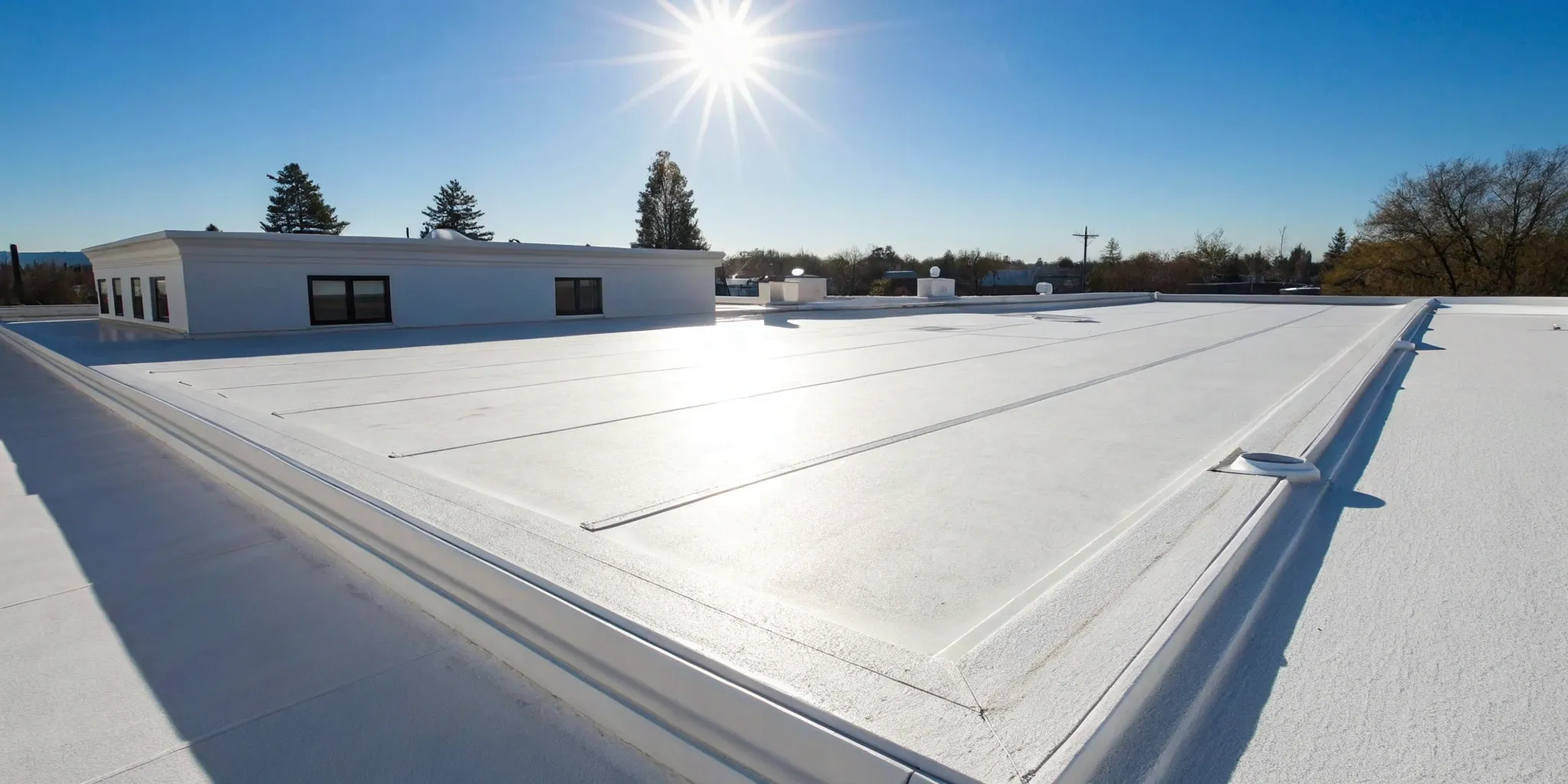
In Central Florida, the sun can be relentless, forcing your air conditioning to work overtime. TPO roofing acts as a powerful shield against the heat. Often called a “cool roof,” its white, reflective surface bounces sunlight and heat away from your building instead of absorbing it. This simple principle has a huge impact, keeping your building significantly cooler and easing the strain on your HVAC system. The result is a more comfortable indoor environment and noticeably lower cooling bills, making TPO a fantastic investment for any energy-conscious property owner.
A Sustainable and Recyclable Roofing Option
Beyond its energy-saving properties, TPO is also one of the most environmentally friendly roofing materials available. What makes it so sustainable? TPO membranes are 100% recyclable. When your roof eventually reaches the end of its long lifespan, the material can be repurposed instead of ending up in a landfill. This closed-loop life cycle reduces waste and conserves resources. By choosing TPO for your commercial roofing project, you’re making a responsible decision that minimizes your building’s environmental footprint while still getting a high-performance, durable roof that lasts for decades.
Meeting ENERGY STAR Standards
When a roof is ENERGY STAR certified, you know it meets strict government standards for energy efficiency. High-quality TPO roofing systems are designed to meet these reflectivity standards for at least a decade, guaranteeing long-term performance. This certification is your assurance that the roof will effectively reduce energy consumption and lower greenhouse gas emissions. Choosing an ENERGY STAR-rated TPO roof isn’t just a smart financial move; it’s a tangible way to contribute to a more sustainable future. It’s a clear sign that you’re investing in a product proven to deliver on its energy-saving promises.
How Does TPO Stack Up Against Other Commercial Roofs?
Choosing the right material for your commercial roofing project is a big decision. While TPO is an excellent, modern choice for many Florida properties, it’s helpful to see how it compares to other popular flat roofing materials. The two most common alternatives you’ll encounter are EPDM and PVC. Each has its own set of strengths, and the best fit often comes down to your building’s specific use, your budget, and your long-term performance goals. Let’s break down the key differences so you can make an informed choice.
TPO vs. EPDM
EPDM, often called rubber roofing, has been a go-to for flat roofs for decades. Its biggest advantage is a long, proven lifespan, often exceeding 25 years with good maintenance. However, TPO holds a few key advantages, especially for Florida businesses. TPO membranes are more resistant to punctures, and their heat-welded seams are nearly four times stronger than EPDM’s glued or taped seams. This superior seam strength provides better protection against leaks, a critical feature during our intense storm seasons. Plus, EPDM is typically black and absorbs heat, while TPO’s standard white color reflects the sun, helping to lower your building’s cooling costs.
TPO vs. PVC
PVC is another top-tier single-ply membrane that shares many qualities with TPO, including heat-welded seams and excellent durability. The main distinctions come down to cost and chemical resistance. TPO is generally a more affordable option, offering fantastic performance without the higher price tag of PVC. On the other hand, PVC offers superior resistance to chemicals, oils, and grease, making it the preferred choice for restaurants or industrial facilities with rooftop exhaust systems. For most other commercial applications, like retail stores, warehouses, or office buildings, TPO provides a perfect balance of performance, energy efficiency, and value, making it one of the most popular roofing choices in the market today.
Debunking Common TPO Roofing Myths
When you’re researching roofing materials, it’s easy to run into conflicting information. TPO roofing is a fantastic option for many commercial buildings, but it’s surrounded by a few persistent myths. Let’s clear the air and separate fact from fiction so you can make a confident decision for your property.
Myths About Durability and Weather Resistance
One of the biggest misconceptions is that TPO roofing can’t handle severe weather. The truth is, modern TPO is specifically engineered for resilience. Its flexible membrane resists punctures, tears, and impacts, which is crucial when dealing with everything from falling branches to hail. Here in Florida, a roof needs to stand up to intense UV rays and heavy rain, and TPO is built to do just that without cracking or degrading. A professionally installed TPO system provides a durable, watertight barrier that protects your commercial roofing investment for years to come.
Myths About Energy Savings and Cost
You might hear that TPO roofing is prohibitively expensive, but it’s actually one of the most cost-effective materials on the market. When you factor in its long lifespan and minimal maintenance needs, the value becomes even clearer. Another myth is that its energy-saving claims are exaggerated. Because TPO is a highly reflective, “cool roof” material, it bounces solar heat away from your building instead of absorbing it. This significantly reduces the strain on your HVAC system, leading to real, measurable savings on your cooling bills—a major advantage in the Florida heat. We also offer convenient financing options to make the initial investment even more manageable.
Myths About Lifespan and Maintenance
Some people believe TPO roofs have a short lifespan, but that’s simply not the case. A high-quality TPO roof that is installed correctly can easily last 20 to 30 years. The key here is proper installation. Issues like seam failure or condensation aren’t flaws in the material itself; they’re almost always the result of inexperienced or rushed workmanship. When you work with a certified contractor who follows the manufacturer’s exact specifications, you get a seamless, durable roof built to last. Regular inspections and basic maintenance will ensure it performs at its best throughout its entire service life.
How Much Does TPO Roofing Cost?
Figuring out the price for a new TPO roof isn’t as simple as looking up a price tag. The final cost depends on a unique set of factors specific to your building. Think of it less like buying a product off the shelf and more like a custom project—because that’s exactly what it is.
Several key elements influence the total investment, from the specific materials you choose to the complexity of the installation itself. Understanding these variables will help you make sense of any quote you receive and ensure you’re getting the best value for your property. Below, we’ll break down the main factors that determine the material and installation costs for a TPO roofing system.
What Determines the Material Cost?
The materials themselves are a significant part of your roofing budget, and several things can affect their final price. The size of your roof is the most obvious factor—a larger area requires more membrane, insulation, and fasteners. Beyond square footage, the condition of your existing roof plays a big role. If we need to remove multiple old layers before installing the new TPO system, that will add to the project’s scope. Your choice of insulation and the specific TPO membrane thickness also impacts the cost. Finally, all our work must adhere to local building codes, which can influence material requirements and design, ultimately affecting the price of your commercial roofing project.
How Installation Affects the Final Price
Labor is one of the biggest components of any roofing project. The final installation price is shaped by your building’s specific needs and the complexity of the job. For instance, a multi-story building requires cranes or lifts to get materials and equipment to the roof, which adds to the cost. The building’s accessibility and the specific installation method chosen also play a part. While it might be tempting to cut corners, a quality installation by a certified team is the best way to protect your investment for years to come. We understand this is a significant expense, which is why we offer convenient financing options to help you manage the cost without compromising on quality.
Questions to Ask Your TPO Roofing Contractor
Choosing the right TPO material is a big step, but your decision-making process isn’t over yet. The contractor you hire to install your new roof is just as critical to its long-term performance and durability. A great product in the wrong hands can lead to leaks, damage, and costly repairs down the road. To make sure you’re partnering with a true professional, it’s important to ask the right questions. Here are a few key things to cover before you sign a contract.
Are You Certified by the Manufacturer?
This should be one of the first questions you ask. Manufacturer certification isn’t just a nice-to-have; it’s proof that the contractor has been properly trained to install that specific brand of TPO roofing. Top manufacturers like GAF and Carlisle won’t honor their warranties if the roof is installed by a non-certified team. Asking for certification protects your investment and ensures your contractor knows the exact specifications for a watertight, long-lasting installation. It’s your first line of defense in guaranteeing the job is done right and that your warranty will be there for you if you ever need it.
How Do You Ensure a Quality Installation?
The best TPO membrane in the world won’t perform well if it’s installed incorrectly. That’s why you need to understand a contractor’s commitment to quality. Ask them about their installation process, the experience of their crew, and what kind of supervision or quality checks they perform during the project. A reputable contractor will be happy to walk you through their methods for everything from preparing the roof deck to heat-welding the seams. The quality of the installation directly impacts how long your commercial roofing system will last, so don’t be shy about digging into the details of their workmanship.
What Are the Warranty and Maintenance Terms?
Understanding your warranty is essential for protecting your property. TPO warranties can range from 15 to 30 years, but they aren’t all created equal. Ask your contractor to explain the difference between a material warranty and a full system warranty, which often includes labor. You should also clarify what your maintenance responsibilities are to keep the warranty active. A great contractor can help you navigate the fine print and understand what’s covered. Getting this clarity upfront can save you from major headaches and unexpected costs, and it’s a key part of the roof claim assistance process if an issue ever arises.
Related Articles
- TPO vs. PVC Roofing: Which Is Best for Your Roof?
- TPO Roofing Details: A Complete Breakdown
- TPO Roofing Installation Cost: A 2025 Guide
- TPO Roofing Cost: A Complete Price Breakdown
Frequently Asked Questions
Is TPO roofing a good choice for Florida’s weather? Absolutely. TPO is built to handle the challenges we face in Central Florida. Its heat-welded seams create a powerful, unified barrier against heavy rain and high winds, which is essential during storm season. Plus, its standard white, reflective surface is a huge advantage in our intense sun, helping to keep your building cooler and reduce the strain on your air conditioning system.
How long will a TPO roof actually last? A professionally installed TPO roof can easily last between 20 and 30 years. The key factors that determine its lifespan are the quality of the installation, the thickness of the membrane you choose, and consistent maintenance. When a certified team installs a high-quality product, you’re making a long-term investment in your property’s protection.
With so many brands, does it really matter which one I choose? Yes, but maybe not in the way you think. While top manufacturers like GAF and Carlisle all produce excellent materials, the best brand for you depends on your specific goals, like prioritizing energy efficiency or sticking to a certain budget. The most critical factor, however, is ensuring your contractor is certified to install the brand you select. That certification is what guarantees a proper installation and validates your warranty.
What’s the biggest mistake I can make when getting a new TPO roof? The most common mistake is choosing a contractor based on price alone. A TPO roof’s performance is almost entirely dependent on the quality of the installation. An inexperienced crew can lead to failed seams and leaks, regardless of how good the material is. Investing in a certified, reputable contractor who stands behind their work is the single most important decision you’ll make in the entire process.
Is the thickest TPO membrane always the best option? Not necessarily. While a thicker membrane like an 80-mil offers maximum durability, it might be more than you need. The right choice depends on your building’s specific use. If your roof has a lot of heavy equipment or frequent foot traffic for maintenance, then a thicker 60-mil or 80-mil membrane is a smart investment. For many standard commercial buildings with limited roof activity, a 45-mil membrane provides excellent, cost-effective protection.