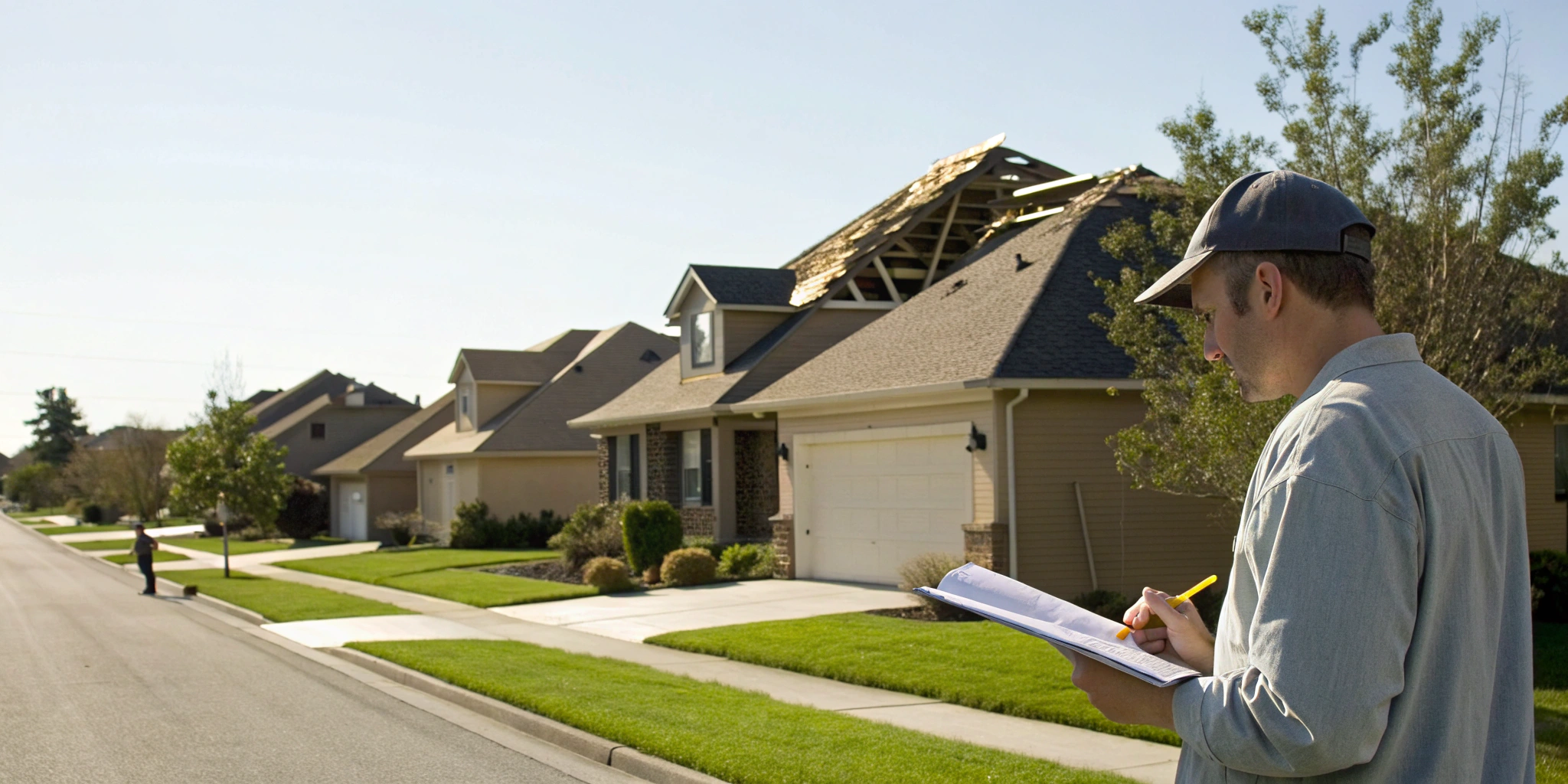
After a major storm rolls through Central Florida, it’s not just the cleanup you have to worry about. It’s the knock on the door from an out-of-town contractor promising a quick fix and a “free” roof. These “storm chasers” often prey on homeowners who are stressed and vulnerable, leaving behind shoddy work and unresolved insurance claims. Choosing the wrong roofer can cost you thousands out of pocket and leave your home at risk for future problems. That’s why knowing how to find a roofer that works with insurance is your best defense. This article will walk you through the essential steps to vet a contractor, spot the red flags, and partner with a trusted local professional.
Key Takeaways
- Prioritize Vetting and Verification: Before you even talk about your roof, confirm your potential contractor has a valid Florida license, full insurance, and a solid local reputation. This simple first step is your best defense against scams and shoddy work.
- Partner with an Insurance Claim Pro: Your roofer should be an expert in the insurance process, not just roofing. Choose a contractor who can document damage effectively, meet with the adjuster, and advocate for a fair and complete assessment of your claim.
- Get Everything in Writing: A verbal agreement isn’t enough. Insist on a detailed contract that clearly outlines the project scope, materials, timeline, payment schedule, and warranty information to ensure there are no surprises and you are fully protected.
What to Look For in a Roofer for Your Insurance Claim
When your roof is damaged, finding a contractor is just the first step. Finding one who understands the insurance claim process is a whole different ball game. The right roofer acts as your advocate, ensuring the work is documented correctly and that you get a fair assessment from your insurance company. They don’t just fix shingles; they help restore your peace of mind. Choosing the wrong one can lead to denied claims, out-of-pocket expenses, and a lot of headaches. So, before you sign any contracts, make sure your potential roofer checks these essential boxes.
Confirm Their License and Insurance
This is the absolute first thing you should verify. A legitimate roofing contractor in Florida will have a state-issued license, like a Certified Roofing Contractor (CCC) or Registered Roofing Contractor (RC) license. You can and should verify their license online. Ask for proof of insurance, too—specifically, general liability and worker’s compensation. General liability protects your property from damage during the project, while worker’s comp covers their crew if someone gets injured on the job. Without it, you could be held financially responsible. Any hesitation to provide these documents is a major red flag.
Verify Their Insurance Claim Experience
Simply asking, “Do you work with insurance claims?” isn’t enough. You need a roofer who is truly experienced in this area. They should be able to explain the entire process, from documenting the damage to meeting with the insurance adjuster. A seasoned pro knows what adjusters look for and how to present the evidence clearly. They can spot damage that you might miss, which is crucial for a successful claim. This is where a company that offers dedicated roof claim assistance can be an invaluable partner, guiding you through every step and communicating effectively with your insurer.
Check for Certifications and Local Roots
Always choose a roofer with a permanent, physical address in your local area. This helps you avoid “storm chasers”—out-of-town companies that show up after a big storm, do subpar work, and disappear before any warranty issues arise. A local company has a reputation to protect in the Central Florida community. Also, look for manufacturer certifications. These credentials show that the roofer has been properly trained to install specific products, which is often a requirement for the best material warranties. A well-established local roofer will have a history of quality work you can verify.
How to Check a Roofer’s Reputation
Once you have a few potential roofers in mind, it’s time to do a little homework. A company’s reputation is your best clue to the kind of experience you can expect, especially when you’re trusting them to handle a complicated insurance claim. A great roofer will have a long trail of happy customers who can vouch for their work, communication, and professionalism. Taking the time to check up on them now will save you from major headaches down the road.
Read Online Reviews and Check the BBB
Start your investigation online. A quick search for a company’s name will pull up reviews on sites like Google and Yelp, giving you a general sense of customer satisfaction. For a more detailed look, head over to the Better Business Bureau (BBB). The BBB provides ratings, a history of complaints, and customer reviews, all in one place. Pay attention to how the company responds to negative feedback. A professional and proactive response to a complaint is often a better sign than a flawless but thin record.
Ask for References from Past Claim Jobs
Don’t just rely on what you find online—ask the roofer for references directly. Any reputable contractor will be happy to connect you with past clients. Be specific and ask for references from homeowners who recently had insurance-funded roof work done. This gives you a chance to ask pointed questions about their experience with the claims process. Did the roofer communicate clearly with the insurance company? Was the final cost in line with the insurance payout? Hearing from someone who has been in your exact situation is incredibly valuable.
Get Local Recommendations
There’s a reason word-of-mouth is so powerful. Ask friends, family, and neighbors for their recommendations. A roofer with deep roots in the Central Florida community has a local reputation to protect and a better understanding of our specific weather challenges, from hurricanes to hailstorms. Hiring a local, established company for a hail damage inspection ensures they’ll be around to stand by their work for years to come. This is a key advantage over “storm chasers” who often appear after a major weather event and disappear just as quickly.
Where to Find Roofers Who Handle Insurance Work
Once you know what to look for in a roofer, the next step is finding one. You want a contractor who not only does excellent work but also understands the ins and outs of the insurance process. A roofer experienced with claims can be your greatest advocate, ensuring all damage is documented correctly and the scope of work is accurate. This partnership helps streamline the process and reduces stress on your end. Here are a few reliable places to start your search for a qualified, insurance-savvy roofer.
Ask Your Insurance Company for Referrals
A great starting point is your own insurance provider. Many companies maintain a list of preferred or recommended contractors they’ve worked with before. These roofers are typically vetted and are already familiar with your insurer’s specific procedures, which can make the claims process much smoother. For example, some major insurers offer a contractor locator service to help policyholders find reputable professionals in their area. Asking your agent for a referral can give you a list of pre-qualified candidates, saving you some initial legwork and providing peace of mind.
Use Online Directories and Associations
Reputable online directories are another excellent resource for finding and vetting local roofers. Websites like the Better Business Bureau (BBB) allow you to search for roofing contractors in your area and view their ratings, customer reviews, and any filed complaints. This gives you a transparent look at a company’s history and how they handle customer issues. Checking these directories helps you cross-reference any roofer you’re considering and ensures you’re looking at established businesses with a proven track record of quality service and customer satisfaction in your community.
Seek Local Advice (and Spot Storm Chasers)
Don’t underestimate the power of a local recommendation. Ask friends, family, or neighbors for referrals, especially if they’ve recently had roof work done through an insurance claim. A local, established company has a reputation to uphold and a deeper understanding of Florida’s specific weather challenges. This is also your best defense against “storm chasers”—out-of-town contractors who sweep into areas hit by severe weather. They often perform subpar work and disappear once the work is done, leaving you with no recourse. A trusted local roofer will provide expert roof claim assistance and be there for you long after the job is complete.
Roofing Contractor Red Flags to Watch For
Finding a roofer you can trust is the most important step in the insurance claim process. While most contractors are honest professionals, some opportunistic individuals, often called “storm chasers,” sweep through neighborhoods after severe weather, looking to make a quick buck. They know you’re stressed and want to get your home back to normal as quickly as possible. This is why it’s so important to know the warning signs of a potential scam.
A questionable contractor can turn a stressful situation into a nightmare, leaving you with shoddy work that insurance won’t cover and potentially even legal trouble. Protecting your home and your finances means being vigilant and asking the right questions. Think of it as a job interview where you’re the hiring manager. You want to see their resume, check their references, and make sure they’re the right fit for the job. To help you spot trouble from a mile away, we’ve broken down the most common red flags.
High-Pressure Sales Tactics
If a roofer shows up uninvited and pressures you to sign a contract on the spot, consider it a major warning. Reputable contractors don’t need to rely on aggressive tactics. Be wary of anyone who uses fear to motivate you, saying things like, “Your roof is in immediate danger of collapse,” or tries to rush your decision with a “limited-time deal” that expires if you don’t sign right away. This is a strategy designed to prevent you from getting other estimates or doing your research. A true professional will give you a detailed quote and the space you need to make an informed decision about your home. Never sign anything under pressure.
No License, Insurance, or Written Contract
This is a non-negotiable. Any roofer you consider must be able to provide proof of their state license and insurance, including both general liability and workers’ compensation. If they can’t or won’t, walk away immediately. Without proper insurance, you could be held liable if a worker is injured on your property. Furthermore, a legitimate company will always provide a detailed written contract that outlines the full scope of work, materials to be used, a project timeline, the total cost, and a clear payment schedule. A verbal agreement isn’t enough; a contract is your legal protection and ensures everyone is on the same page, which is crucial when handling the complexities of a claim.
Vague Estimates and Demands for Upfront Cash
Be cautious of an estimate that is significantly lower than others. While saving money is always nice, a price that seems too good to be true usually is. It could be a sign that the contractor uses subpar materials, plans to cut corners, or will hit you with hidden fees later. On the other end of the spectrum, never trust a roofer who demands full payment before the work begins. A reasonable down payment for materials is standard, but paying for the entire job upfront is a huge red flag. Many scams involve taking the money and disappearing. A professional roofer will have clear payment terms and may even offer legitimate payment options to help you manage the cost.
How to Prepare for Your Roof Insurance Claim
Once you’ve found a roofer you trust, it’s time to get the ball rolling on your insurance claim. Being organized and proactive can make a world of difference in how smoothly the process goes. A little preparation helps ensure you get the fair assessment you deserve and sets the stage for a successful repair or replacement. Think of these steps as your personal checklist for getting your claim started on the right foot.
Call Your Insurer and Review Your Policy
Before you sign any contracts, your first call should be to your insurance company to report the damage. This officially starts the claims process and gets a file number assigned to your case. It’s also the perfect time to pull out your policy documents and review your coverage. You’ll want to get clear on what’s covered, what’s excluded, and the amount of your deductible—that’s the portion you’ll pay out of pocket. Understanding these details upfront helps you know what to expect and makes the entire roof claim assistance process much more transparent.
Document All Damage with Photos
Your smartphone is your best friend here. Before any work begins, thoroughly document all the damage with clear photos and videos. Get pictures from different angles, both up close to show specific issues like lifted shingles and from farther away to show the overall scope. Don’t forget to check for and photograph any interior damage, like water stains on your ceiling or walls. This visual evidence is crucial for your claim and provides a clear record of your roof’s condition right after the storm. A professional hail damage inspection can also provide expert documentation to support your claim.
Have Your Roofer Meet the Adjuster
When the insurance adjuster schedules their visit, try to have your chosen roofer there, too. An experienced roofer knows exactly what to look for and can point out damage that an adjuster might overlook. They speak the same language and can discuss the scope of work, materials needed, and local building codes directly with the adjuster. Having your contractor present ensures that the assessment is as accurate and comprehensive as possible, which is a key step toward getting your claim fully approved. It’s like having an expert advocate on-site, right when you need one, to make sure nothing gets missed.
Key Questions to Ask Your Potential Roofer
Once you have a shortlist of potential roofers, it’s time to interview them. Think of this as a job interview where you’re the hiring manager. Asking the right questions helps you move beyond a simple price quote and understand who you’ll be trusting with your home. A professional contractor will welcome your questions and provide clear, confident answers. This conversation is especially important when an insurance claim is involved, as you need a partner who understands the process from start to finish.
Their Experience with Insurance Claims
First, you need to confirm their expertise in handling insurance-related projects. A roofer who regularly works with insurance companies can be your greatest advocate. Ask them directly: “How many insurance claims have you managed in the past year?” and “Are you willing to meet with the insurance adjuster on-site?” A contractor with deep experience will know what adjusters look for and can help ensure your claim covers all the necessary repairs. This is a key part of our roof claim assistance, as it helps streamline the process and prevent important details from being overlooked.
Project Timeline, Materials, and Process
Next, get into the specifics of the roofing project itself. Vague answers are a major red flag, so insist on a detailed written estimate. This document should clearly outline the scope of work, material costs, labor costs, and a projected timeline with start and end dates. Ask them: “Can you walk me through the entire process, from tear-off to cleanup?” and “What specific materials do you recommend for my home and why?” Understanding the plan for your residential roofing project ensures there are no surprises and that you and your contractor are on the same page before any work begins.
Warranties and How They’ll Communicate
Finally, ask about their commitment to their work and to you as a client. A reputable roofer will stand behind their installation with strong warranties. Ask: “What warranties do you offer on both materials and workmanship?” and “What are the terms, and is there anything that could void them?” Communication is just as important. Find out who your main point of contact will be and how they will provide updates on the project’s progress. A clear communication plan and solid warranties are signs of a professional company that values its customers and is built to last.
Choosing the Right Roofer for Your Claim
You’ve done your homework, checked reputations, and asked all the right questions. Now it’s time to make a final decision. This last step is all about scrutinizing the details to ensure you’re partnering with a roofer who is transparent, fair, and professional. A great roofer will provide clear, comprehensive documents that protect both you and them. Taking the time to carefully review the estimate and contract will give you peace of mind and set your project up for success, especially when you’re working through an insurance claim.
Compare Detailed Estimates, Not Just the Bottom Line
When the quotes start coming in, it’s tempting to just scan for the lowest price. But a trustworthy roofer provides more than just a number; they provide a detailed breakdown of the entire project. Make sure any estimate you consider clearly lists the specific materials to be used, labor costs, the full scope of work, and a projected timeline. This transparency allows you to compare offers accurately and understand exactly what you’re paying for. A vague estimate is a red flag, as is a bid that’s dramatically lower than the others—it could signal subpar materials or inexperienced labor. A roofer experienced in roof claim assistance will know how to format an estimate with the detail your insurance company requires.
Review the Contract and Payment Schedule
Once you’ve chosen a roofer, the contract is your most important document. It should formalize everything discussed and outlined in the estimate. Never sign a contract you haven’t read thoroughly or feel pressured to approve on the spot. A solid contract will include the complete scope of work, material specifications, payment schedule, and warranty information. Pay close attention to the payment terms. It’s standard to provide a deposit, but you should never pay for the entire job upfront. A clear schedule that ties payments to project milestones protects you and ensures the work is completed to your satisfaction. Reputable companies may also offer financing options to make the process more manageable.
Related Articles
- Hail Damage Roof Insurance Claim Guide | Sky Light Roofing
- What to Do If Insurance Won’t Pay for Roof Damage
- Is Your Leaking Roof Covered by Insurance?
- Wind Damage to Roof Insurance Coverage Explained
- Roof Repair After Hurricane: A 7-Step Guide
Frequently Asked Questions
Why is it so important for my roofer to be involved in the insurance claim process? Think of an experienced roofer as your on-site advocate. They know how to identify and document all storm-related damage—even subtle issues an adjuster might miss. By meeting with the adjuster, your roofer can ensure the scope of work is accurate and that the assessment covers everything needed to restore your roof properly according to local building codes. This partnership helps prevent your claim from being undervalued and ensures the repair is done right.
What’s the biggest red flag I should watch out for when a roofer knocks on my door? The most immediate red flag is high-pressure sales tactics. If a contractor shows up uninvited after a storm and pressures you to sign a contract on the spot, you should be very cautious. Reputable professionals will provide a detailed inspection and a written estimate, then give you the time and space you need to review it and make a decision. Never sign anything under duress or for a “deal” that is only good for right now.
Should I just choose the roofer with the lowest estimate to save money? While it’s tempting, a significantly low bid can be a warning sign. It might mean the contractor is using subpar materials, cutting corners on safety, or isn’t properly licensed and insured. A quality estimate should be detailed, breaking down the costs for labor and specific materials. It’s better to compare these detailed proposals to understand what you’re truly getting, rather than just looking at the final price tag.
How much should I expect to pay a roofer upfront? It is standard practice for a roofing company to ask for a deposit before work begins, which typically covers the initial cost of materials. However, you should never pay for the entire job upfront. A trustworthy contractor will provide a clear payment schedule in the contract that ties payments to specific project milestones, like the delivery of materials and the completion of the work.
What’s the difference between a workmanship warranty and a material warranty? A material warranty comes from the manufacturer of the shingles or other roofing products and covers defects in the materials themselves. A workmanship warranty is provided by your roofing contractor and covers the quality of the installation. Both are crucial, as a great product can still fail if it’s installed incorrectly. A professional roofer will offer a strong workmanship warranty to stand behind the quality of their crew’s work.