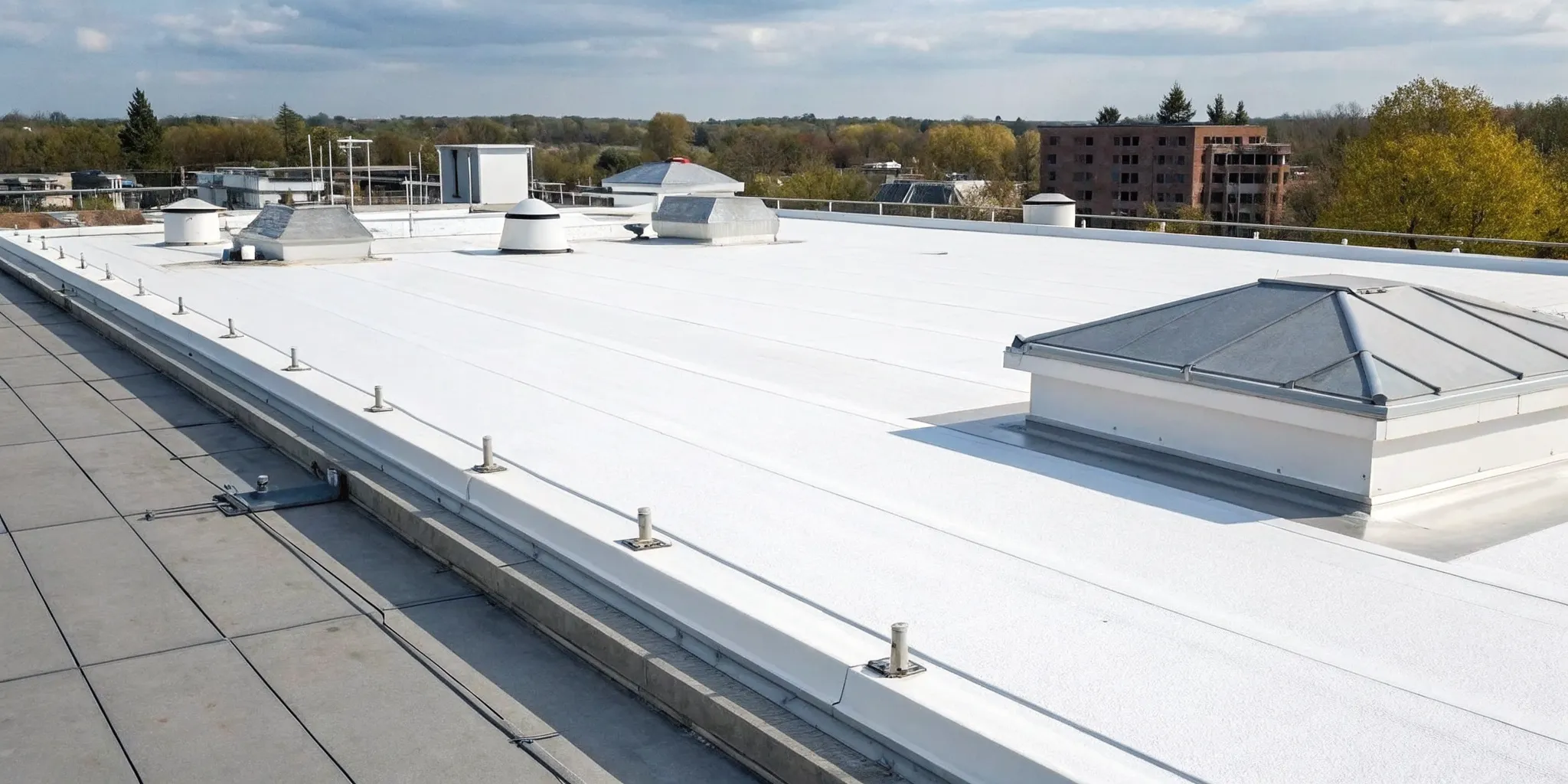
When you’re looking at a commercial TPO roof, the vast, open field of white membrane looks simple enough. But the true test of a quality installation lies in the details, especially where the flat roof meets a vertical surface. Parapet walls, those low barriers at the edge of your roof, are the most common source of leaks if not handled with expert precision. The long-term success of your entire roofing system depends on getting the tpo roofing details at parapet walls exactly right. This isn’t just about slapping on some material; it’s a technical process involving specific flashing techniques, secure welding, and proper sealing to create a seamless, waterproof barrier that protects your investment for decades.
Key Takeaways
- Parapet walls require expert attention: Your roof’s most vulnerable points are where the flat surface meets a vertical parapet wall; a lasting, watertight system depends on flawless flashing, membrane wrapping, and sealing in these specific areas.
- Regular maintenance prevents major problems: Protect your investment by scheduling routine inspections, clearing debris from the roof surface and drains, and checking seams and flashing for wear, especially after major storms.
- Quality materials and skilled installation go hand-in-hand: A durable TPO roof is the result of two key factors: using high-quality products from trusted brands and hiring a professional team that uses specialized equipment like hot-air welders for a perfect seal.
Why Choose TPO Roofing for Your Commercial Building?
When you’re looking at options for your commercial property, the roofing material you choose is a major decision. It needs to be durable, cost-effective, and able to handle everything the Florida weather throws at it. That’s why so many building owners are turning to TPO roofing. It’s a modern solution that ticks all the right boxes, offering a fantastic blend of performance and value.
TPO has become a go-to choice for commercial roofing because it directly addresses the biggest challenges property owners face, from intense sun exposure to the need for long-term reliability. If you’re looking for a roof that protects your investment without breaking the bank, it’s worth getting to know TPO a little better. Let’s look at what it is and the key benefits it brings to the table.
What is TPO Roofing?
TPO, which stands for Thermoplastic Polyolefin, is a single-layer plastic roofing material designed specifically for flat and low-slope roofs found on most commercial buildings. Think of it as a durable, flexible sheet that’s rolled out across your roof deck. The seams are then heat-welded together, which creates a single, continuous membrane that is incredibly strong and resistant to leaks. This modern material is engineered to be tough against punctures, tears, and chemical exposure, making it a reliable shield for your property. Its popularity comes from its ability to deliver consistent performance in a wide range of weather conditions, from scorching sun to heavy rain.
Key Benefits: Durability, Energy Efficiency, and Cost Savings
One of the biggest draws of TPO is its impressive durability. Those heat-welded seams are much stronger than the seams on many other roofing systems, which means fewer worries about leaks and maintenance down the road. But for Florida property owners, the energy efficiency is a game-changer. The standard white TPO membrane is highly reflective, bouncing the sun’s UV rays away from your building. This keeps the interior cooler and can significantly reduce your air conditioning costs during those long, hot summers.
On top of that, TPO is often more affordable to install than other commercial roofing options. When you combine the lower initial investment with long-term energy savings and minimal upkeep, the financial benefits really add up. With warranties available for up to 30 years, a TPO roof is a smart, long-term investment in your property’s future.
What is a Parapet Wall in Commercial Roofing?
If you own a commercial building with a flat or low-slope roof, you’ve likely seen a parapet wall without knowing its name. This structure is more than just a design feature; it’s a critical component of your building’s roofing system. A parapet is a low wall that extends above the roofline, acting as a barrier at the edge. It plays a huge role in your roof’s safety, drainage, and overall longevity.
Understanding what a parapet is and why it requires specific attention is key to protecting your investment. When it comes to TPO roofing, the way the material is installed around the parapet can make or break the entire system. A poorly handled parapet can lead to leaks, water damage, and costly repairs down the road. That’s why it’s so important to work with a team that understands the specific details of these installations.
Defining Parapet Walls
So, what exactly is a parapet wall? Think of it as a short, protective wall that runs along the edge of your roof. You’ll almost always find them on flat or low-slope roofs, which are common in commercial roofing. Parapet walls serve two main purposes. First, they are a safety feature, providing a barrier that helps prevent people or equipment from falling off the edge. Second, they contribute to the building’s architectural style, often hiding rooftop equipment and creating a clean, finished look. They are an integral part of the building’s structure and a key element of the roofing system itself.
Why Parapets Need Special Attention
Parapet walls are one of the most vulnerable areas of a commercial roof. Because they are transition points where the horizontal roof meets a vertical surface, they are common spots for leaks if not installed perfectly. Proper water drainage is essential, and parapets are critical in managing this flow. The TPO membrane must be carefully wrapped over the parapet and secured on the other side to create a seamless, waterproof barrier. Regular maintenance is also crucial, as debris and water can collect at the base of the wall, potentially leading to biological growth and compromising the TPO’s reflective surface. Giving these areas special attention ensures your entire roofing system performs as it should for years to come.
How to Install TPO Roofing Around Parapet Walls
Installing TPO roofing around parapet walls is a detailed process that demands precision. These low, protective walls at the edge of a roof are common points for leaks if not handled correctly. A successful installation hinges on careful preparation, proper membrane application, and expert sealing techniques. Getting these steps right ensures your commercial building is protected from water intrusion for years to come. Let’s walk through the key stages of a professional TPO parapet wall installation.
Preparing for a Flawless Installation
A great TPO installation starts with a clean slate. Before any membrane is laid down, the entire roof surface and the parapet walls must be thoroughly cleaned and prepped. This means removing all dirt, debris, and moisture. Any lingering dust or dampness can compromise the adhesive and the welds, leading to future problems. We also make sure the roof has proper drainage to prevent water from pooling near the base of the walls. A smooth, dry, and clean surface is the foundation for a durable, watertight commercial roofing system. This initial step is non-negotiable for a long-lasting result.
The Membrane Installation Process
Once the surface is ready, it’s time to lay the TPO membrane. We roll out large sheets of the material across the roof field and up the parapet walls. The key here is ensuring the membrane extends correctly over the wall. According to roofing best practices, all membranes installed on parapets must wrap completely over the top and onto the outside face of the wall. This overlap is critical for creating a continuous, waterproof barrier that directs water away from the building’s structure. Careful measurement and precise cuts are essential to make sure every inch is covered without any gaps or tension.
Mastering Hot Air Welding Techniques
This is where the magic happens. TPO roofing seams aren’t glued; they’re fused together with heat. Using a special hot-air welder, we heat the overlapping edges of the TPO sheets until they reach a molten state, then press them together with a roller to form a permanent bond. As the material cools, it creates a single, monolithic membrane. The sheets are welded together using hot air, making incredibly strong seams that are often more durable than the membrane itself. This technique requires a steady hand and a deep understanding of the equipment to achieve a perfect, leak-proof seal every time.
Implementing Quality Control Checks
After the installation is complete, we don’t just pack up and leave. A final, thorough inspection is a critical part of our process. We meticulously check every seam, corner, and flashing detail to confirm the integrity of the weld and the overall installation. A solid quality control plan starts with a comprehensive evaluation of the membrane’s current condition by a reputable roofing professional. We use specialized tools to probe the seams for any imperfections, ensuring every connection is solid. This final check gives you peace of mind that your new TPO roof is ready to protect your property from the Florida weather.
Critical Flashing Details for a Watertight TPO Parapet
When it comes to a long-lasting TPO roof, the devil is in the details, and nowhere is that more true than at the parapet walls. These short walls along the edge of your roof are notorious weak points for water intrusion if they aren’t handled with expert care. The flashing, which is the material used to seal the transition from the flat roof surface to the vertical parapet wall, is your building’s primary defense against leaks in this area. A flawless flashing installation ensures that rainwater is directed away from the building structure, not into it.
Getting these details right is what separates a professional commercial roofing job from one that will cause you headaches and costly repairs down the road. A watertight seal depends on a series of precise steps, from installing the base flashing correctly to applying the final bead of sealant. Each layer of protection works together to create a durable, seamless barrier against Florida’s intense sun and heavy rains. This isn’t just about slapping on some material; it’s a technical process that requires precision and an understanding of how materials behave under stress from weather and temperature changes. Let’s walk through the critical flashing details that every property owner should know about to ensure their investment is protected.
Installing Base Flashing Correctly
Think of base flashing as the foundation of your parapet’s water protection. This is where we take the TPO membrane from the flat roof surface and run it up the side of the parapet wall. For a secure, watertight seal, the membrane must be fully adhered to the wall, creating a smooth, continuous surface without any wrinkles or air pockets where water could collect.
The height of the base flashing is critical; it needs to extend high enough up the wall to prevent any water from splashing or pooling over the top. Once in place, the base flashing is heat-welded directly to the main field membrane on the roof. This process creates a single, monolithic piece of TPO, leaving no seams for water to exploit.
Securing Cap Flashing
While the TPO membrane handles the transition from the roof to the wall, the cap flashing protects the very top of the parapet. Usually made of durable metal, the cap flashing is custom-fabricated to fit perfectly over the top of the wall. Its primary job is to shield the top of the parapet from direct rainfall and direct water to flow onto the roof surface, where it can drain properly.
Properly securing the cap flashing is essential to prevent it from being lifted or torn off during high winds, a common concern here in Florida. It must be fastened according to manufacturer specifications to create a rigid, stable covering that protects the underlying TPO membrane and the wall structure itself from the elements.
Placing the Termination Bar
The termination bar is a heavy-duty aluminum or stainless steel bar that mechanically fastens the top edge of the TPO base flashing to the parapet wall. This component provides a secure anchor point, ensuring the membrane doesn’t peel, sag, or pull away from the wall due to gravity or temperature changes.
The bar is installed just below the cap flashing and is fastened directly into the wall structure at specific intervals. This creates a strong, even pressure along the entire length of the membrane’s edge. Without a properly installed termination bar, the flashing system is vulnerable to failure, which can quickly lead to significant water damage and the need for emergency roof repair.
Proper Membrane Overlap and Wrapping
Creating a truly waterproof system means thinking like water and blocking every potential path. That’s why proper membrane wrapping is non-negotiable. According to roofing best practices, all TPO membranes installed on parapets must wrap completely over the top and onto the outside face of the wall. This ensures there is no exposed edge at the top of the parapet where water could seep in.
This overlap is a crucial detail that creates a continuous, impenetrable barrier. By extending the membrane down the exterior side of the parapet, we ensure that any wind-driven rain simply runs down the side of the building, far away from the sensitive connection point between the roof and the wall.
Applying Sealant for a Perfect Finish
The final touch for a completely watertight parapet is applying a professional-grade sealant. A bead of specialized sealant is applied along the top edge of the termination bar, filling the small gap between the bar and the wall. This acts as a secondary line of defense, blocking any moisture that might find its way behind the metal cap flashing.
It’s essential to use a sealant that is specifically designed for TPO roofing systems and can withstand years of UV exposure and Florida’s humid climate without cracking or shrinking. This final step provides an extra layer of security, ensuring every potential entry point for water is sealed tight for the long term.
Common Challenges with TPO Parapet Installation (and How to Solve Them)
Even the best roofing materials can fail if they aren’t installed correctly, and parapet walls present a unique set of challenges. These vertical extensions of the wall are notorious for creating potential weak points in a roofing system. Issues like water pooling, failed seams, and damage from thermal expansion can lead to leaks and costly repairs down the road. Understanding these common problems is the first step toward preventing them.
A successful TPO parapet installation isn’t just about laying down a membrane; it’s about anticipating how the materials will behave over time and in different weather conditions. It requires a deep understanding of proper drainage, secure seam welding, and techniques that accommodate the natural movement of the building. By addressing these potential pitfalls from the start, you ensure your commercial roof is built to last, giving you peace of mind and protecting your investment. A professional roofer will always begin with a comprehensive evaluation of the roof’s current condition to plan for these challenges.
Preventing Water Pooling and Drainage Issues
One of the biggest enemies of a flat roof is standing water, also known as “ponding.” When water collects on the roof surface instead of draining away, it adds significant weight and can accelerate the deterioration of the TPO membrane. Parapet walls can sometimes trap water if the drainage system isn’t designed or maintained properly. The solution is to ensure the roof has a positive slope that directs water toward drains, scuppers, or gutters. It’s also vital to keep the roof surface clear of leaves, dirt, and other debris that can clog drainage points and cause water to back up. Regular inspections can catch potential drainage problems before they lead to major damage.
Maintaining Seam Integrity
The seams where individual TPO sheets are joined are the most vulnerable part of the entire system. If these seams aren’t perfectly welded with hot air, they can peel apart over time, creating an easy entry point for water. The key to strong, durable seams is meticulous workmanship during the installation process. Each weld must be done at the right temperature and speed to create a permanent bond. After installation, it’s important to have a professional perform regular checks. A solid maintenance plan ensures that all seams remain intact and fully functional, catching any potential weak spots before they can turn into a leak that requires an emergency roof repair.
Addressing Thermal Movement and Expansion
Every roofing material expands in the heat and contracts in the cold, and TPO is no exception. This thermal movement can put a lot of stress on the membrane, especially where it meets a rigid structure like a parapet wall. If the TPO isn’t installed with enough flexibility, it can pull away from the wall, tear, or cause the flashing to fail. To solve this, the membrane must be installed to accommodate thermal movement. This involves wrapping the TPO membrane over the parapet and securing it properly, giving it just enough slack to move with temperature changes without compromising the watertight seal.
Proactive Solutions and Prevention Tips
The best way to handle roofing problems is to prevent them from happening in the first place. A proactive approach to maintenance can save you thousands of dollars in repairs and extend the life of your roof. This includes scheduling regular professional inspections to check seams, flashing, and drainage systems. Simple tasks like regular cleaning do more than just keep your roof looking good; they preserve the TPO’s reflective surface, which helps with energy efficiency, and remove debris that could cause damage. Investing in a routine maintenance plan for your commercial roofing is one of the smartest decisions a property owner can make.
Essential Tools and Materials for TPO Parapet Work
Getting a TPO parapet installation right comes down to two things: skill and supplies. Using high-quality materials and the correct professional equipment is the foundation of a roof that will protect your commercial property for decades. When you partner with an experienced team, you’re not just paying for their labor; you’re getting access to top-tier tools and materials that are proven to perform in the Florida climate. From the membrane itself to the sealants that create a final watertight barrier, every component plays a critical role in the system’s success. A great roofer knows that cutting corners on materials is a recipe for future problems, which is why we only use products we trust from industry-leading manufacturers. This commitment ensures your roof is built to last, providing maximum value and peace of mind.
Your Go-To Installation Equipment
A flawless TPO installation requires more than just a steady hand; it demands specialized equipment. The most important tool in a roofer’s arsenal is a hot-air welder, which heats the TPO membrane to a precise temperature to fuse the seams together. This process creates a single, monolithic sheet that is incredibly resistant to leaks. After welding, a silicone roller is used to apply firm, even pressure, ensuring a perfect bond without any air pockets. Finally, every inch of the seam is checked with a special tool called a seam probe to confirm its integrity. This meticulous process is a hallmark of professional commercial roofing and is essential for a long-lasting, watertight system that can withstand Florida’s challenging weather.
Choosing the Right Membrane and Flashing
The TPO membrane is the star of the show, and its quality directly impacts your roof’s lifespan. We trust leading manufacturers like GAF, Carlisle, and GenFlex, who produce durable, reflective membranes designed to stand up to intense sun and heavy rain. For parapet walls, the flashing details are just as important. The membrane must be carefully wrapped over the top and down the exterior face of the parapet to create a continuous, waterproof barrier. This prevents water from sneaking in behind the wall, which is a common failure point in poorly executed installations. After a storm, damaged flashing is one of the first things we look for during a hail damage inspection because it’s such a critical area for keeping water out.
The Best Sealants and Adhesives
The final touches of a TPO installation involve specialized sealants and adhesives that create a completely watertight seal. It’s crucial to use products that are chemically compatible with the TPO membrane; using the wrong type can cause the material to break down over time and void the manufacturer’s warranty. Adhesives bond the membrane to the roof deck and parapet walls, while sealants are applied to edges, corners, and around any penetrations like pipes or vents. A professional roofer knows exactly which products to use with each brand of TPO to ensure a secure, long-lasting bond. Getting this detail right is key to preventing leaks and avoiding a future emergency roof repair.
Must-Have Safety Gear
Working on any roof carries inherent risks, and safety is always the top priority. Professional roofing crews are equipped with essential personal protective equipment (PPE) to keep them safe while working at heights. This includes safety harnesses, ropes, anchors, non-slip footwear, gloves, and safety glasses. A reputable roofing company will have strict safety protocols and ensure their team is fully trained on how to use this gear correctly, especially when working near roof edges and on top of parapet walls. This commitment to safety not only protects the crew but also gives you peace of mind knowing your project is being handled responsibly and professionally. This level of care is also important when you need roof claim assistance, as it demonstrates the work was done to professional standards.
How to Maintain Your TPO Parapet for Long-Term Performance
Your TPO roof is a significant investment, and the parapet walls are one of its most critical components. To ensure your roof performs well for decades, a little proactive maintenance goes a long way. Staying on top of a few key tasks helps you catch small issues before they turn into major headaches and expensive repairs. Think of it as routine care that protects your property and your peace of mind. By following a simple maintenance plan, you can extend the life of your roof and keep your building watertight and secure year after year.
Schedule Regular Inspections
The single most effective thing you can do for your TPO parapet is to inspect it regularly. A good plan starts with a thorough evaluation by a professional, but you can also perform your own visual checks. We recommend inspecting your roof at least twice a year, ideally in the spring and fall, and always after a major storm. During these checks, you’re looking for early signs of trouble like punctures, blisters, or separated seams. Catching these issues early prevents water from getting underneath the membrane. After a severe weather event, a professional hail damage inspection can identify subtle damage that might be missed by an untrained eye.
Clean Away Debris
It might seem basic, but keeping your roof surface clean is essential. Leaves, branches, dirt, and other debris can pile up, especially around the base of parapet walls and in corners. This buildup can trap moisture against the TPO membrane, which can degrade it over time. More importantly, debris is the number one cause of clogged drains and scuppers. When water can’t drain properly, it has nowhere to go but sit on your roof. Make it a habit to clear away any accumulated gunk to ensure water flows freely off the roof and away from your building.
Check Seams and Flashing
The seams and flashing around your parapet walls are the most vulnerable points on your entire roofing system. This is where the TPO membrane is welded together and terminated, creating a potential entry point for water if not perfectly sealed. During your inspections, pay close attention to these areas. Look for any signs of peeling, cracking, or pulling away at the seams or around flashing details. If you notice any gaps or areas that look compromised, it’s a clear sign that you need a professional repair. Addressing these weak spots promptly is key to preventing leaks that can damage your building’s structure.
Keep Your Drainage System Clear
Proper drainage is non-negotiable for a healthy roof. When water pools on your TPO roof, a phenomenon known as “ponding,” it puts constant stress on the membrane and seams. This standing water can accelerate material breakdown and adds significant weight to your roof structure. Ensure your scuppers, gutters, and internal drains are completely clear of any blockages. If you’ve cleaned away all the debris and still notice water pooling for more than 48 hours after it rains, it could indicate a deeper issue with the roof’s slope or installation. In that case, it’s best to call a commercial roofing expert to diagnose and fix the problem.
Top TPO Roofing Brands for Parapet Applications
When it comes to TPO roofing, not all brands are created equal, especially for the demanding application around parapet walls. The right materials can make all the difference in creating a durable, watertight seal that lasts for decades. As your roofing partner, we work with the industry’s best manufacturers to ensure your commercial property gets a top-tier system. Here are a few of the leading brands we trust for their quality, innovation, and reliability.
Johns Manville TPO Systems
Johns Manville stands out by offering a complete TPO roofing system. This means every component, from the membrane and insulation to the fasteners and adhesives, is designed to work together perfectly. For parapet walls, this is a huge advantage. You don’t have to worry about compatibility issues between different manufacturers’ products. Instead, you get a cohesive system that provides a seamless, reliable barrier against the elements. This integrated approach simplifies installation and gives you peace of mind knowing every part is engineered for optimal performance.
GenFlex TPO Products
If you appreciate having detailed information at your fingertips, GenFlex is an excellent choice. They provide extensive technical resources and clear installation guides for their TPO products. This level of transparency is great for understanding exactly how the membrane should be applied to critical areas like parapets. Their focus on education and proper technique ensures that contractors have the knowledge to install their products correctly, leading to a more durable and effective roofing system for your building.
Firestone TPO Solutions
Firestone is a name synonymous with durability, and their TPO roofing solutions are no exception. Engineered for longevity and energy efficiency, Firestone products are a fantastic match for Florida’s demanding climate. Parapet walls bear the brunt of sun and storm exposure, so using a membrane known for its toughness is essential. Firestone TPO roofing is designed to withstand UV radiation and harsh weather, protecting your investment while helping to keep your building cool and your energy bills down.
Carlisle SynTec TPO Systems
Carlisle SynTec is a leader in innovation, particularly with their Sure-Weld TPO membranes. These feature the industry-leading OctaGuard XT weathering package, which offers enhanced protection against long-term weather damage. This is a critical feature for exposed parapets. Carlisle also provides the widest variety of color options, allowing you to match your roof to your building’s aesthetic. With robust membranes and some of the best warranties in the business, Carlisle delivers both performance and style.
Comparing Products and Warranties
When you weigh your options, details like warranty and material thickness become important. Carlisle, for instance, offers membranes up to 80 mils thick and industry-leading warranties of up to 30 years. Their TPO membrane also comes in more standard and specialty colors than any other manufacturer. While brands like Johns Manville offer the convenience of a single-source system, others like Firestone focus on sheer durability. The best choice depends on your building’s specific needs, budget, and long-term goals. Our team at Sky Light Roofing can walk you through the pros and cons of each to find the perfect fit for your property.
Signs Your TPO Parapet Needs Professional Attention
Even the most durable TPO roofing system needs a little TLC, especially at critical points like parapet walls. These areas face a lot of stress from weather and structural movement, making them more susceptible to wear and tear. The good news is that your roof will usually give you some warning signs before a small issue turns into a major headache.
Knowing what to look for can save you from costly water damage and extend the life of your roof. Regular self-checks are a great habit, but it’s also important to recognize when a problem requires a professional touch. Think of it as preventative care for your building. By catching problems early, you can schedule a simple repair instead of facing an emergency replacement down the road. Let’s walk through the key signs that indicate your TPO parapet needs attention from an expert.
Visual Warning Signs to Look For
You don’t need to be a roofing expert to spot some of the most common visual red flags. From a safe location, take a look at your parapet walls and the TPO membrane covering them. Look for any areas where the membrane seems to be pulling away, shrinking, or peeling, especially where it wraps over the top and down the side of the parapet. You should also watch for any visible cracks, blisters, or punctures, which can be caused by debris or storm damage. If you notice significant dirt, mold, or algae growth, it’s a sign that the roof needs cleaning to maintain its reflective, energy-saving properties and prevent material degradation. A professional hail damage inspection can also identify subtle issues you might miss.
Performance Problems You Can’t Ignore
Sometimes, the biggest warning signs aren’t about how the roof looks, but how it’s performing. One of the most critical issues is poor drainage. If you notice water pooling or “ponding” near the base of your parapet walls for more than 48 hours after it rains, it’s a clear signal that something is wrong. This standing water puts constant stress on the seams and can eventually lead to leaks. Speaking of leaks, any water stains appearing on interior ceilings or walls directly below the parapet are an urgent call to action. Don’t wait to address these issues, as they indicate water has already breached the roofing system. An emergency roof repair can prevent further interior damage.
When to Call an Expert Roofer
While you can spot many issues on your own, a professional roofer has the training and tools to perform a comprehensive evaluation. If you see any of the visual or performance problems we’ve discussed, it’s time to make the call. Prompt repairs are essential for maintaining the integrity of your TPO system and preventing small problems from escalating. A reputable roofing contractor can accurately diagnose the root cause of the issue, whether it’s a failed seam, damaged flashing, or a drainage blockage. They can also provide a plan for effective, long-lasting repairs. Scheduling regular professional inspections for your commercial roofing is one of the best ways to protect your investment and ensure your building stays dry and secure.
Related Articles
- TPO Roofing Details: A Complete Breakdown
- TPO Roofing Installation Video: A Step-by-Step Guide
- TPO Roofing Installation Cost: A 2025 Guide
Frequently Asked Questions
How long should a TPO roof last, especially around the parapets? A professionally installed TPO roof can last anywhere from 20 to 30 years. The key to reaching that full lifespan is the quality of the installation, particularly at vulnerable spots like parapet walls. When the flashing, seams, and wrapping are done correctly, these areas will be just as durable as the rest of the roof, ensuring long-term protection for your building.
Is TPO roofing a good choice for the Florida climate? Absolutely. TPO is an excellent material for Florida’s intense weather. Its standard white, reflective surface bounces sunlight away from your building, which helps keep cooling costs down during our hot summers. Plus, the heat-welded seams create a single, unified membrane that is incredibly effective at preventing leaks during heavy rainstorms.
What’s the biggest mistake people make with TPO on parapet walls? The most common and costly mistake is improper flashing and sealing. This happens when the TPO membrane isn’t wrapped completely over the parapet wall or when the termination bar and sealants aren’t applied correctly. These shortcuts create easy entry points for water, leading to leaks and damage that could have been avoided with a precise, professional installation.
How often do I really need to have my TPO roof and parapets inspected? For best results, you should have your commercial roof professionally inspected at least twice a year, typically in the spring and fall. It’s also a smart idea to schedule an inspection after any major weather event, like a hurricane or severe hailstorm. These regular checkups allow a professional to catch and fix small issues before they become serious problems.
Can you repair just a small section of a TPO parapet, or does the whole roof need to be redone? One of the great things about TPO is that it’s very repairable. If damage is limited to a small area on a parapet wall, a skilled roofer can often clean the area and heat-weld a new piece of TPO material directly over the puncture or tear. As long as the rest of your roof is in good shape, a spot repair is usually a very effective and affordable solution.