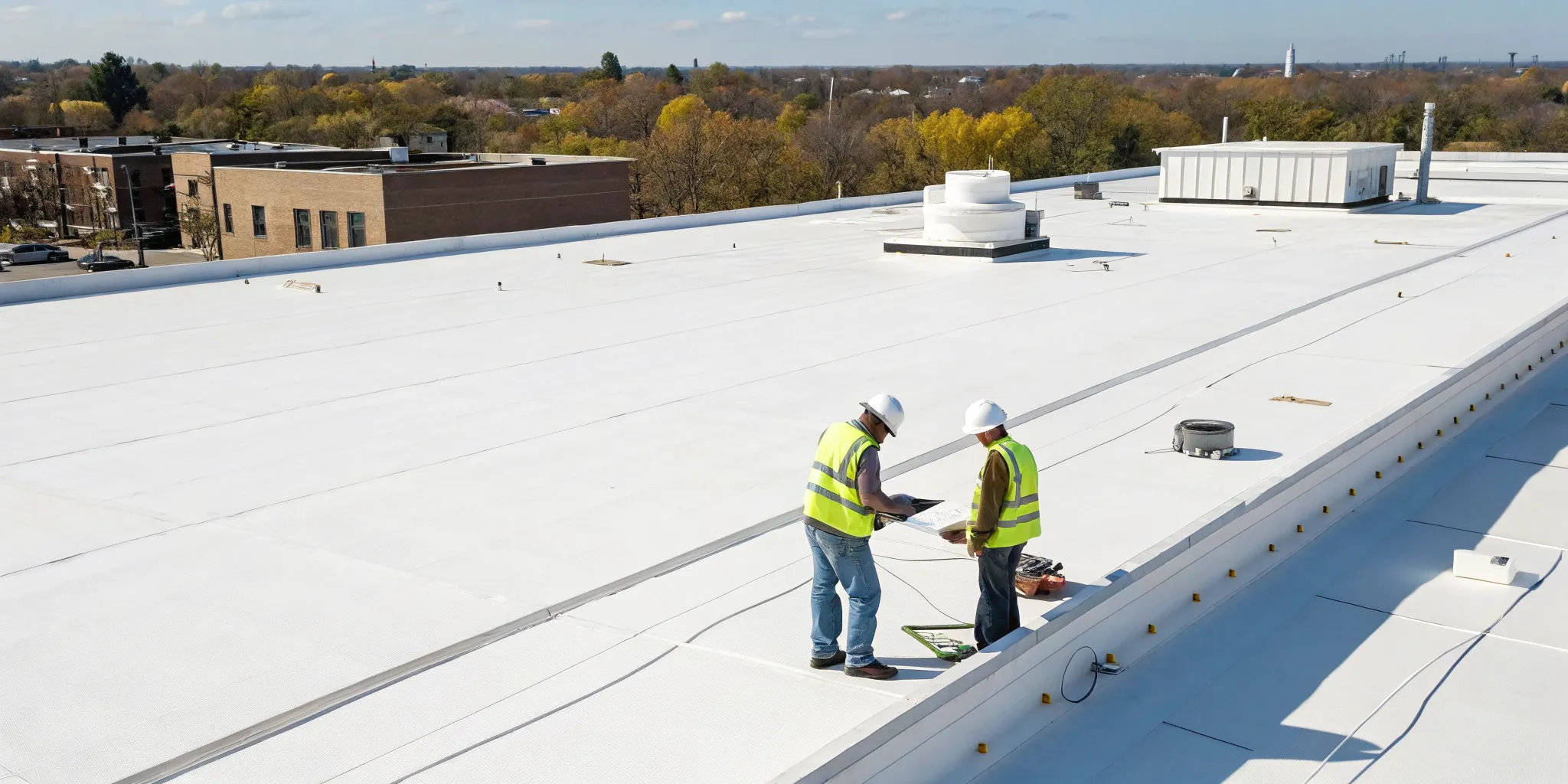
Florida’s climate is no joke. The combination of relentless sun, heavy rain, and high humidity creates a unique set of challenges for any roof, especially flat ones. You can’t trust just any roofer with this job; you need an expert who understands our local weather patterns and knows which materials and techniques will stand up to the test. A contractor from a different climate might not grasp the importance of proper drainage for our torrential downpours or the best materials for reflecting intense UV rays. This guide is designed to help you find a true local pro. We’ll explain what sets a Florida roofer apart and how to vet a flat roof specialist St. Cloud with proven experience in our area.
Key Takeaways
- Stay ahead of potential issues: Regularly check your roof for common problems like pooling water or membrane damage, especially after storms. Addressing small issues right away is the best way to prevent leaks and costly future repairs.
- Vet your contractor carefully: Always confirm your roofer is licensed, insured, and has proven experience with Florida’s climate. This protects your property and ensures the job is done right the first time.
- Look beyond the initial price tag: Balance the upfront cost with long-term value by choosing durable, energy-efficient materials. A clear understanding of your warranty provides crucial protection for your investment.
What Services Do St. Cloud Flat Roof Specialists Offer?
When you think of a roofing company, you probably picture a team installing a brand-new roof. While that’s a huge part of what they do, a true flat roof specialist offers a full suite of services designed to protect your property for years to come. From initial installation to urgent repairs after a storm, these experts have your back. Understanding the different services available helps you know exactly who to call and when, ensuring your roof stays in top condition. Let’s look at what you can expect when you partner with a professional roofer in St. Cloud.
Flat Roof Installation and Replacement
Whether you’re constructing a new building or it’s time to replace an old, worn-out roof, this is where it all starts. A professional installation is your first line of defense against the elements. Specialists will help you select the right materials for Florida’s climate, considering factors like intense sun, heavy rain, and high humidity. They handle everything from removing the old roof to ensuring the new one is sealed tight. A quality installation is crucial for the longevity and performance of any commercial roofing system, setting the foundation for a durable, leak-free future for your property.
Roof Repair and Maintenance
Flat roofs are durable, but they aren’t invincible. Issues like ponding water, cracks in the membrane, or damage from debris can lead to leaks if left unaddressed. That’s why repair and maintenance services are so important. A specialist can identify and fix minor problems before they become major headaches. Regular inspections and preventative maintenance can extend the life of your roof and save you money on costly future repairs. If you see water stains on your ceiling or notice pooling water after a storm, it’s a clear sign to call for a professional assessment.
Emergency Roofing Services
Florida weather can be unpredictable, and a sudden storm can cause serious damage in an instant. When you’re facing a major leak or structural damage, you can’t wait for a standard appointment. This is where emergency roof repair services come in. Specialists can provide immediate assistance, like tarping the damaged area to prevent further water intrusion, and then schedule a full repair as quickly as possible. A reliable roofer understands the urgency of these situations and can act fast to secure your property and give you peace of mind when you need it most.
How to Choose the Right Flat Roof Specialist in St. Cloud
Finding the right flat roof specialist in St. Cloud is about more than a quote; it’s about finding a partner to protect your property. The right contractor brings local expertise, proven reliability, and a commitment to quality work. Vetting your options ensures you hire a team that understands Florida’s climate and has a track record of satisfied customers. A little research now can save you from costly repairs and headaches later. These steps will help you find a roofer you can trust.
Verify Their Credentials and Insurance
Before signing a contract, confirm the roofing specialist is properly licensed and insured. This is non-negotiable. A valid license proves they meet state requirements, while insurance protects you from liability if an accident happens on your property. Ask for proof of both. A reputable contractor will also stand behind their work with a solid warranty, which shows they are confident in their skills. It’s a clear sign of accountability and is especially important if you ever need roof claim assistance after a storm.
Confirm Their Experience with Florida’s Climate
Florida’s weather is tough on roofs. Between the intense sun, heavy downpours, and high humidity, you need a specialist with deep experience in our unique climate. They will know which materials withstand constant UV exposure and which installation techniques prevent leaks during torrential rain. An experienced local roofer understands how to design a commercial roofing system with proper drainage to handle Florida’s weather, ensuring water doesn’t pool and cause damage. Ask them directly about their experience with projects in St. Cloud.
Read Customer Reviews and Check Their Reputation
Customer reviews offer a window into a company’s real-world performance. Look for a specialist with a history of positive feedback on sites like Google or the Better Business Bureau. You should see a consistent pattern of happy customers who praise the company’s communication, professionalism, and quality. A long-standing presence in the community is another great sign of reliability, as companies that do poor work don’t last long. A strong local reputation shows commitment to customers. Reputable companies also often provide convenient financing options to make the process smoother.
Why Choose a Flat Roof for Your Commercial Property?
When you picture a roof, you probably think of a classic sloped design. But for commercial buildings, a flat roof is often the smartest choice. Business owners in Central Florida appreciate them for their practical design and financial benefits. A well-installed flat roof offers a sleek, modern look while providing some serious advantages in cost, energy use, and even extra space. If you’re weighing your options for a new commercial roof, it’s worth taking a closer look at why so many businesses are going flat.
From quicker installation to lower energy bills, the benefits can have a real impact on your bottom line. Let’s walk through the main reasons why a flat roof might be the perfect fit for your property.
Save Time and Money on Installation
One of the most compelling reasons to choose a flat roof is the upfront savings. Flat roofs generally require fewer materials and less labor to install compared to their sloped counterparts. The straightforward design means the installation process is often faster, which helps you get your business back to normal with minimal disruption. For any property owner, keeping initial project costs down is a major win. This cost-effectiveness makes flat roofs an attractive option, allowing you to allocate your budget to other areas of your business. Our team specializes in efficient commercial roofing installations that respect both your timeline and your budget.
Improve Energy Efficiency and Gain Usable Space
In the Florida heat, energy efficiency is a top priority. Modern flat roofing materials are designed to reflect sunlight, which can significantly reduce the heat absorbed by your building. This means your air conditioning system doesn’t have to work as hard, leading to lower energy bills each month. Beyond the energy savings, flat roofs offer something unique: usable space. This flat, open area is the perfect spot for housing bulky HVAC units, installing solar panels to further cut energy costs, or even creating a rooftop patio. This transforms your roof from a simple cover into a functional asset for your property.
Enjoy Low-Maintenance Durability
Today’s flat roofing systems are built to last. Made from durable materials like TPO, PVC, and modified bitumen, they are engineered to withstand strong sun, heavy rain, and high winds. While they are incredibly resilient, the key to a long lifespan is regular maintenance. Simple, routine inspections can catch potential issues like clogged drains or minor membrane damage before they become serious problems. This proactive approach is the best way to ensure your roof performs well for decades. Taking care of your roof with a planned maintenance schedule helps you avoid unexpected repairs and protects your investment for the long haul.
Common Flat Roof Problems to Watch For
Flat roofs are a fantastic, durable option for many Florida properties, but they come with their own unique set of challenges. Being aware of potential issues is the best way to protect your investment and prevent small problems from turning into major headaches. Staying proactive with inspections and knowing what to look for can save you a lot of stress and money down the road. Here are a few of the most common flat roof problems you should keep on your radar.
Poor Drainage and Pooling Water
Unlike pitched roofs that use gravity to shed water easily, flat roofs require a carefully designed drainage system. If this system is inadequate or clogged, you’ll start to see pooling or “ponding” water. While a little water after a storm is normal, any puddles that stick around for more than 48 hours are a red flag. The constant weight of standing water can strain your building’s structure, cause the roof to sag, and eventually lead to leaks as it breaks down the roofing materials. A well-maintained commercial roofing system should efficiently direct water away from the structure to prevent these long-term issues.
Membrane Damage from Sun and Storms
Here in Central Florida, our roofs face a double threat: intense sun and severe storms. The constant UV exposure can cause the roofing membrane, which is the protective top layer, to degrade, crack, or become brittle over time. This makes it much more vulnerable to damage from wind and debris during a storm. A sudden hailstorm can also cause punctures or significant dents. It’s a good idea to schedule a hail damage inspection after any major weather event to catch these issues before they allow water to seep into your building’s structure and cause hidden damage.
Warning Signs That Need an Expert’s Eye
Sometimes, a roof will give you clear signals that it needs attention. Keep an eye out for water stains on your interior ceilings, bubbling or blistering on the roof’s surface, or visible tears in the membrane. Other subtle signs include loose fasteners or cracked flashing around vents and edges. If you spot any of these issues, it’s best to call in a professional right away. Catching a problem early can often mean the difference between a simple fix and a costly, complex repair. For urgent issues, emergency roof repair services can help secure your property and prevent further damage.
How Much Does a Flat Roof Cost in St. Cloud?
Figuring out the budget for a new roof is one of the biggest steps in the process. While there isn’t a one-size-fits-all price tag for a flat roof in St. Cloud, understanding the variables can help you get a clear picture of the potential investment. The final cost comes down to a combination of materials, the size of your property, and the specific needs of the project.
Think of it less as a simple purchase and more as a long-term investment in your property’s safety and value. A well-installed flat roof protects your building from Florida’s intense sun and heavy rains, and choosing the right materials can even help with your energy bills. The key is to get a detailed, transparent quote from a trusted professional who can walk you through every line item. This way, you know exactly what you’re paying for and can feel confident in your decision. At Sky Light Roofing, we provide clear, upfront estimates to take the guesswork out of the equation.
What Factors Affect the Price?
Several key elements influence the total cost of your flat roof project. The most straightforward factor is the roof’s size; a larger surface area naturally requires more materials and labor. The type of material you choose also plays a significant role, as options like TPO, EPDM, and modified bitumen come at different price points. Finally, the complexity of the job affects the labor costs. This includes whether we need to tear off an old roof, make structural repairs, or work around multiple vents and HVAC units. Our team assesses every aspect of your commercial roofing project to provide an accurate and fair estimate.
Comparing Material Costs and Value
While it’s tempting to choose the cheapest material, it’s important to consider long-term value. Flat roofs are known for being cost-effective to install and maintain, but the right material can extend that value for decades. Materials like TPO are highly reflective, which can lower your cooling costs during hot Florida summers. Others, like EPDM, are incredibly durable and resistant to weathering. We can help you compare the upfront costs with the long-term benefits, such as durability and maintenance needs, ensuring you select the best option for your budget and your residential roofing needs.
Explore Your Financing Options
A new roof is a major but necessary investment for any property owner. If the upfront cost feels overwhelming, don’t let it stop you from protecting your property. We believe everyone deserves a safe, reliable roof, which is why we offer flexible payment plans to fit your budget. Our financing options are designed to make the process more manageable, allowing you to get the work you need done now and pay for it over time. When we provide your free quote, we can also discuss the financing plans available to you, so you can make an informed decision without the financial pressure.
Understanding Your Roofing Warranty
A new roof is one of the most significant investments you’ll make in your property. Just like any major purchase, it comes with a warranty to protect you if something goes wrong. But not all warranties are created equal, and the fine print can be confusing. Taking a little time to understand what your warranty covers is the best way to protect your investment and ensure you have peace of mind for years to come.
Roofing warranties generally fall into two main categories: one for the materials and one for the installation labor. It’s crucial to know the difference because each protects you from different types of problems. The manufacturer of your shingles or roofing membrane provides the material warranty, while your contractor provides the workmanship warranty. Think of it this way: one part of your protection comes from the company that made the product, and the other comes from the team that put it on your roof. A reputable contractor will be transparent about both, explaining the length of coverage, what’s included, and any actions on your part that could void it. Knowing these details upfront helps you manage your expectations and handle any future issues with confidence.
Material vs. Workmanship: What’s the Difference?
Think of your roof as having two key components: the products it’s made from and the skill used to put it all together. That’s the easiest way to understand the difference between material and workmanship warranties. A material warranty comes directly from the manufacturer and covers defects in the roofing materials themselves. If your shingles start to curl or fail prematurely due to a manufacturing flaw, this is the warranty that applies.
A workmanship warranty, on the other hand, is provided by your roofing contractor. This warranty covers the quality of the installation. It protects you from issues that arise from mistakes made during the roofing process, like improperly installed flashing that leads to a leak. At Sky Light Roofing, we stand by our expert installation, and our workmanship warranty reflects that commitment.
What Your Warranty Covers (and What It Doesn’t)
A manufacturer’s warranty will cover the cost of defective materials, but it often won’t cover the labor to replace them. A workmanship warranty covers the labor to fix an installation error and any damage it caused. It’s important to know that most warranties have exclusions. For example, damage from severe weather, falling trees, or walking on the roof is typically not covered. This is where your property insurance and services like a professional hail damage inspection come into play.
Failing to perform routine maintenance or hiring an unauthorized person for repairs can also void your warranty. Always read the documents carefully and keep them in a safe place. If you ever need to make a claim, having a clear understanding of your coverage will make the process much smoother.
Should You Repair or Replace Your Flat Roof?
Deciding whether to patch up your flat roof or invest in a full replacement can feel like a tough call. On one hand, repairs are often quicker and less expensive upfront. On the other, a new roof provides long-term security and peace of mind. The right choice depends on the age of your roof, the extent of the damage, and your future plans for the property. Understanding the key signs of serious wear and carefully weighing the long-term costs will help you make a confident, informed decision that protects your investment.
Signs It’s Time for a Full Replacement
Some roofing issues are too significant for a simple patch job. If you’re seeing water stains on your ceilings, visible leaks during a downpour, or large bubbles and blisters on the roof’s surface, it’s time to consider a full replacement. These are often symptoms of widespread failure in the roofing system. A good rule of thumb is the 25% rule: if more than a quarter of your roof is damaged, replacing the entire thing is usually the more practical and cost-effective solution. After a major storm, it’s wise to get a professional hail damage inspection to assess the full extent of the problem and avoid a cycle of recurring repairs.
Weighing the Costs: Repair or Replace?
While a repair might seem like the budget-friendly option, it can sometimes be a costly mistake in the long run. Attempting to fix large, damaged areas with small patches can lead to bigger problems later, like uneven surfaces that cause water to pool, new leaks, and even damage to your building’s structure. Regular maintenance is key to extending your roof’s life, but there comes a point when replacement is the smarter financial move. A professional inspection for your commercial roofing system can give you a clear picture of its condition, helping you weigh the one-time cost of a replacement against the accumulating expense of frequent repairs. If a new roof is the right call, exploring your financing options can make the investment more manageable.
Related Articles
- 6 Best Flat Roof Repair Materials: A Florida Guide
- The 5 Main Types of Commercial Flat Roofs
- The Ultimate Guide to Commercial Flat Roof Repair
- The Ultimate Guide to Commercial Roof Replacement
- Roofer in Winter Garden | Sky Light Roofing
Frequently Asked Questions
How often should I have my flat roof inspected? For properties in Central Florida, a good practice is to schedule a professional inspection at least twice a year: once after the spring storm season and again in the fall to prepare for cooler, drier weather. Regular check-ups allow a specialist to catch minor issues, like clogged drains or small cracks in the membrane, before they turn into serious leaks or structural damage.
How long can I expect a new flat roof to last in Florida? The lifespan of a modern flat roof depends heavily on the material used and how well it’s maintained. Generally, you can expect a professionally installed flat roof to last anywhere from 15 to 30 years. Materials like TPO and PVC are engineered to withstand Florida’s intense sun and heavy rain, but routine maintenance is the key to getting the most out of your investment.
What are the most common signs of a flat roof leak? The most obvious sign is a water stain appearing on your interior ceiling or walls. On the roof itself, you should look for pooling water that doesn’t evaporate after 48 hours, as well as any visible bubbles, blisters, or cracks in the roof’s surface. Damaged or peeling flashing around vents and edges is another clear warning that your roof’s seal may be compromised.
Can I install things like solar panels or an HVAC unit on my flat roof? Absolutely. One of the biggest advantages of a flat roof is the usable space it provides. It’s an ideal platform for HVAC equipment, solar panels, or even a rooftop deck. However, it is critical that any installations are done by professionals who understand how to mount equipment without compromising the roof’s waterproof membrane and structural integrity.
Are flat roofs a good option for houses, or are they just for commercial buildings? While flat roofs are very common for commercial properties, they are also an excellent and increasingly popular choice for modern homes. They offer a sleek, contemporary aesthetic and provide the same benefits of energy efficiency and usable space. If the architectural style of your home is a fit, a flat roof can be a durable and practical residential roofing solution.