Finding a trustworthy contractor is stressful enough, but finding one in the middle of a crisis feels impossible. When your roof is damaged, you need help fast, but the last thing you want is to hire the wrong company. A reliable roofer does more than just fix the problem; they provide peace of mind with clear communication and professional service. This guide will help you make a smart choice under pressure. We’ll give you the essential questions to ask, the red flags to watch out for, and the credentials to verify before you hire anyone for an emergency roof repair in Orange County.
Key Takeaways
- Prepare before the storm hits: You can prevent the worst damage by scheduling regular professional inspections, clearing your gutters, and understanding your insurance policy ahead of time.
- Your immediate response matters: After discovering damage, prioritize safety by staying on the ground, document everything with photos for your insurance, and call a professional to tarp the roof and prevent further leaks.
- Choose the right professional for peace of mind: A licensed and insured local roofer not only provides a reliable repair but can also help you manage the insurance claim and find financing options to handle the cost.
How to Spot a Roofing Emergency
It’s easy to assume your roof is fine until you see a puddle on the floor. But many roofing emergencies start small and out of sight. Knowing how to identify the early warning signs can be the difference between a simple fix and a catastrophic failure. After a major storm or even just as part of your regular home maintenance, taking a few minutes to look for these key indicators can save you a lot of stress and money down the road. Acting fast is crucial, as even minor issues can quickly escalate, especially with Florida’s unpredictable weather.
Check for Leaks, Water Stains, and Sagging
The most urgent sign of a roofing emergency is water getting into your home. If you see active drips, don’t wait. Active leaks never improve on their own, and the water can cause serious structural damage, mold, and electrical hazards. Also, keep an eye out for water stains on your ceilings or walls. Even if they look old and dry, they point to a past or intermittent leak that needs attention. A sagging ceiling is an even more critical warning sign, indicating that water has saturated the drywall and potentially compromised the structure. If you notice any of these issues, it’s time to call for an emergency roof repair.
Look for Missing Shingles After a Storm
After a storm passes, it’s a good idea to walk around your property and look up at your roof from the ground. Are there any shingles that are missing, cracked, or curled at the edges? One of the biggest myths is that you can put off repairs if the damage seems minor. In reality, even a single missing shingle exposes the underlayment to the elements, creating a direct path for water to seep in. You should also check your gutters and the ground around your home for an accumulation of shingle granules. This “sand” is a protective layer, and losing it means your shingles are aging and weakening, making a hail damage inspection a smart next step.
Understand Orange County’s Weather Impact
Living in Central Florida means your roof is constantly under assault. The intense sun, high humidity, and sudden, severe thunderstorms all take a toll. Hurricanes and tropical storms can cause obvious, widespread damage in a matter of hours, tearing off shingles and sending debris crashing into your roof. But even a typical afternoon thunderstorm can cause enough wind or hail damage to warrant an emergency call. Because of our unique climate, it’s important to be extra vigilant. What might be a small issue in a drier, milder region can become a major problem very quickly here. Protecting your home starts with understanding the demands placed on your residential roofing.
Your First Steps After Discovering Roof Damage
Finding a leak or seeing shingles scattered across your yard is a stressful moment for any homeowner. It’s easy to feel overwhelmed, but taking a few correct steps right away can make a huge difference. Your immediate response can protect your home from further harm and simplify the repair process down the line. Before you do anything else, focus on three key actions: ensuring everyone’s safety, documenting the damage thoroughly, and taking temporary measures to prevent the problem from getting worse. A clear head and a simple plan are your best tools in a roofing emergency.
Stay Safe: Assess Damage from the Ground
Your first priority is safety. As tempting as it is to get a closer look, never climb onto a potentially compromised roof. It could be structurally unstable, and wet or loose shingles create a serious slipping hazard. Instead, walk around your property and assess the situation from the ground. Look for obvious signs of trouble like missing shingles, dented gutters, or damage around vents and chimneys. If you see large holes, it’s time to call for emergency roof repairs, especially if more bad weather is coming. A professional has the right safety equipment to inspect the roof without risk.
Document Everything for Your Insurance Claim
Once you’ve confirmed it’s safe, grab your phone and start documenting everything. This step is critical for your insurance claim. Take clear photos and videos of the damage from multiple angles on the ground. Get wide shots for overall scope and close-ups of specific problem areas. Don’t forget to check inside your home, especially the attic. Photograph any water stains on your ceilings or walls, as this helps connect the exterior damage to interior problems. Quick documentation helps prove the storm was the direct cause.
Call for Tarping and Temporary Repairs
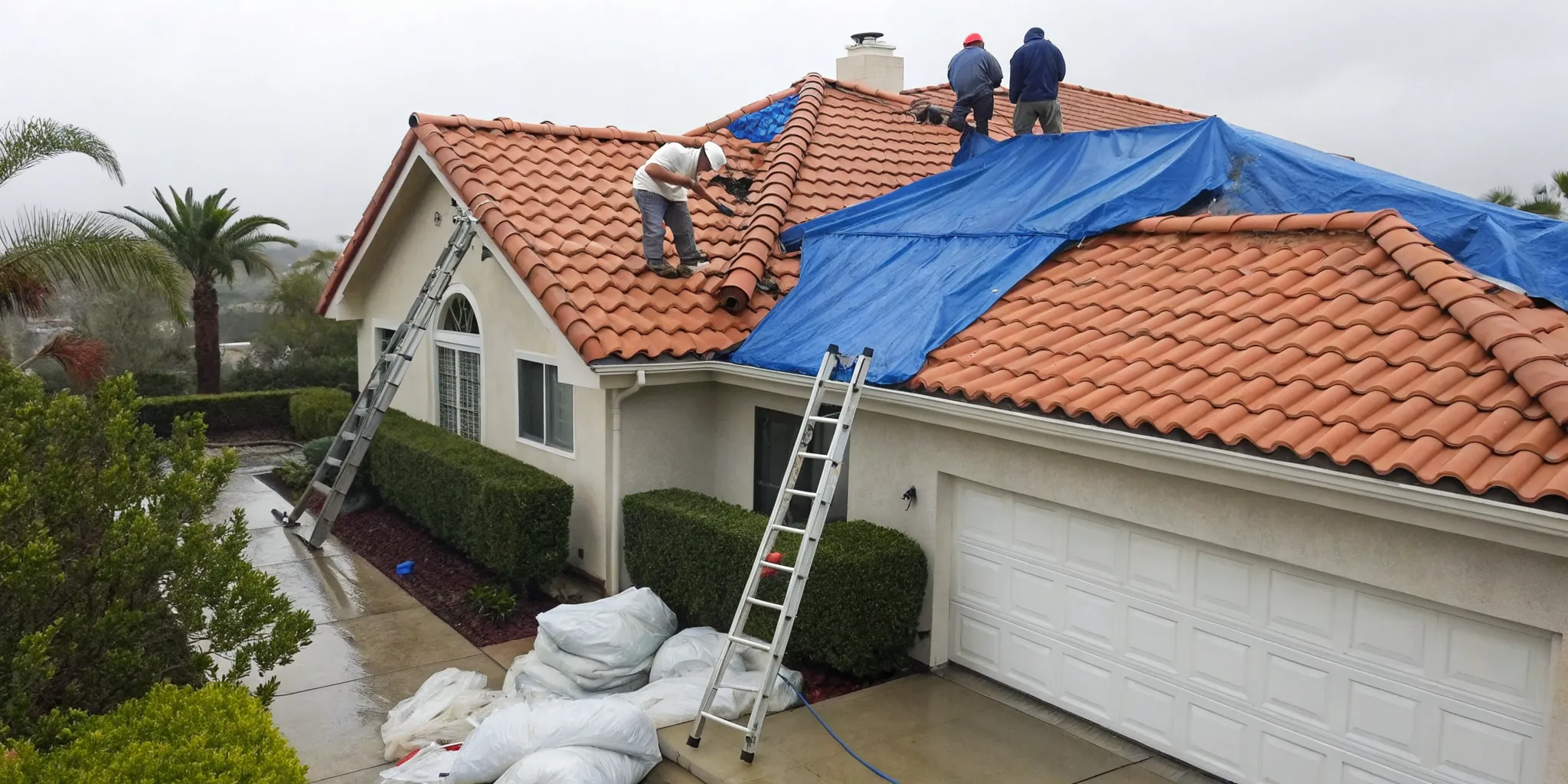
With the assessment and documentation complete, your next call should be to a professional roofer to prevent further damage. A reputable company can quickly dispatch a team to place a heavy-duty tarp over the affected area. This is a crucial temporary fix that stops more water from entering your home, protecting your insulation and drywall until a permanent repair can be scheduled. Trying to tarp a roof yourself can be dangerous and ineffective. Letting an expert handle it ensures your home is properly secured and gives you peace of mind.
Find the Right Emergency Roofer in Orange County
When your roof is damaged, the pressure to find a quick fix is immense. But choosing the right contractor is the most important decision you’ll make to protect your home from further issues. A reliable emergency roofer will not only stop the immediate problem but also provide a lasting solution and guide you through the process. Taking a moment to find a qualified, local professional will save you headaches and money down the road.
Why Choose Sky Light Roofing for Urgent Repairs
An emergency roof repair is any immediate fix needed after your roof has sustained significant damage from a storm, falling tree, or other sudden event. The goal is to secure your home and prevent water from causing more destruction. At Sky Light Roofing, we specialize in these emergency roof repairs, responding quickly to protect your property. We understand the urgency and have the experience to handle critical situations with skill and efficiency, ensuring your home is safe and dry as soon as possible.
Verify Licenses, Insurance, and Local Experience
Before hiring any roofer, especially in an emergency, it’s essential to confirm they are licensed and fully insured. This protects you from any liability for accidents on your property and ensures the contractor is held to professional standards. A reputable company will gladly provide proof of their credentials. Look for a team with deep roots in Orange County. A contractor with local experience understands Central Florida’s weather challenges and building codes, ensuring your residential roofing repair is done right the first time.
Ask These Questions Before You Hire
Once you have a potential roofer on the phone, a few direct questions can tell you everything you need to know. Start by asking for a written estimate and inquire about their experience with repairs similar to yours. Clear communication is key, so ask how they will keep you updated throughout the process. It’s also smart to ask about their process for handling emergencies and if they can assist with your roof claim. Their answers will reveal their professionalism and help you feel confident in your choice.
What to Expect from an Emergency Roofing Service
When you’re dealing with a sudden roof leak or storm damage, the last thing you want is more uncertainty. A professional emergency roofing service follows a clear, structured process designed to secure your home and give you peace of mind. Knowing what to expect can make a stressful situation feel much more manageable. From the moment you make the call to the final repair, here’s a look at what a reliable roofer will do to help.
A Fast, 24/7 Response for Damage Control
Roofing emergencies don’t stick to business hours, and a good roofing company knows that. You should expect a service that offers help around the clock. When you call, the priority is to get someone to your home as quickly as possible to stop the problem from getting worse. This initial response is all about damage control, like placing a tarp over the affected area to prevent more water from getting inside. Companies that specialize in emergency roof repair understand the urgency and aim to arrive promptly to secure your property and protect your family and belongings from further harm.
A Clear Inspection and Repair Plan
Once the immediate threat is contained, the roofing team will conduct a thorough inspection to assess the full extent of the damage. This isn’t just a quick glance; it’s a detailed evaluation to identify all issues, from obvious punctures to less visible problems. After the hail damage inspection, the roofer should walk you through their findings and present a clear, understandable plan for repairs. This includes what needs to be fixed, the materials they’ll use, and a timeline for the work. This professional assessment is also crucial documentation you’ll need for your insurance claim, so make sure you get a copy.
Help with Your Roof Insurance Claim
Figuring out your insurance policy while your roof is leaking is an added layer of stress nobody needs. Many emergency roofers provide roof claim assistance to help you through the process. They can work directly with your insurance company, providing the detailed documentation and professional estimates needed to support your claim. It’s a good idea to have a copy of your insurance policy on hand, but your roofer’s expertise can be invaluable. Their report can ensure that the insurance adjuster doesn’t overlook significant damage or misattribute it to pre-existing conditions, helping you get the full coverage you’re entitled to.
How to Manage Emergency Repair Costs
When your roof is suddenly damaged, the last thing you want to worry about is a surprise bill. Understanding the costs associated with emergency repairs can help you feel more in control. Let’s break down what goes into the price and how you can manage the expense without breaking the bank.
Common Myths About Repair Costs
One of the biggest mistakes homeowners make is putting off repairs. It’s easy to think a small leak isn’t a big deal or that you can wait until you see more obvious damage. Unfortunately, this myth can cost you. Active leaks never improve on their own; they quietly cause rot, mold, and structural issues that are far more expensive to fix later. Postponing a repair, even for what seems like minor damage, almost always leads to a bigger, more complicated problem. Acting quickly is the best way to protect both your home and your wallet.
What Determines the Final Price?
The final cost of an emergency repair depends on a few key factors: the size of the damaged area, the type of roofing materials needed, and the complexity of the labor. However, one of the most critical elements is documentation. Properly documenting the damage from the moment you spot it can mean the difference between a fully covered insurance claim and thousands of dollars out of your pocket. An insurance adjuster will look at your entire roofing system, not just the missing shingles. That’s why a professional hail damage inspection is so valuable for creating a thorough record for your claim.
Use Insurance and Financing to Your Advantage
Your homeowner’s insurance is your first line of defense. If the damage was caused by a covered event like a storm or fallen tree, your policy will likely help pay for the repairs. The claims process can feel overwhelming, which is why working with a roofer who offers roof claim assistance can be a huge relief. For any costs that insurance doesn’t cover, you still have options. Many roofing companies provide flexible financing plans to make the expense more manageable. You can also look into government programs from the USDA or HUD, which sometimes offer loans or grants for essential home repairs.
How to Prepare for a Future Roofing Emergency
No one wants to deal with a roofing emergency, but in Central Florida, unpredictable weather can make them a reality. The best way to handle a crisis is to prepare for it before it happens. Taking a few proactive steps can save you stress, time, and money down the road. Instead of waiting for a storm to hit, you can get ahead of potential problems by focusing on regular maintenance and understanding your resources. These preparations give you peace of mind and a clear plan of action when you need it most.
Schedule Regular Professional Roof Inspections
Think of a roof inspection as a health check-up for your home. Scheduling one annually, or after a major storm, is one of the most effective preventative measures you can take. A professional can spot subtle signs of trouble you might miss, like cracked sealant, loose flashing, or granule loss on your shingles. Catching these small issues early prevents them from turning into major leaks during the next downpour. A thorough hail damage inspection can also identify hidden damage that compromises your roof’s integrity, giving you a chance to fix it on your own terms.
Keep Your Gutters and Roof Clear
It’s a simple chore, but keeping your gutters and roof clean is critical for preventing water damage. When gutters get clogged with leaves and other debris, rainwater has nowhere to go. It backs up and can seep under your shingles, potentially rotting the wood decking and causing leaks inside your home. Similarly, allowing branches to sit on your roof can trap moisture and lead to algae or moss growth, which degrades your shingles over time. This small task protects your entire residential roofing system from preventable emergencies.
Know Your Homeowner’s Insurance Policy
When you discover a leak, the last thing you want to do is dig through confusing paperwork. Take time now to review your homeowner’s insurance policy so you understand what is and isn’t covered. Look for specifics on damage from wind, hail, and fallen trees. Knowing your deductible and the proper procedure for filing a claim will make a stressful situation much more manageable. If the process feels overwhelming after an incident, remember that help is available. Getting professional roof claim assistance can help you document damage correctly and communicate with your insurance provider.
Related Articles
- Storm Damage Roof Inspection: A Complete Guide
- 3 Ways The Florida Weather is Damaging your Roof | Skylight
- Shingles Blown Off Roof Insurance: Are You Covered?
- Your Guide to 24/7 Emergency Roofing Service
Frequently Asked Questions
My ceiling has a small water stain, but it’s not actively dripping. Is this still an emergency? Yes, you should treat any water stain as a sign of an urgent problem. A stain means water has already breached your roof, saturated the insulation, and soaked into the drywall. Even if it seems dry, the underlying leak could be intermittent, causing slow, hidden damage like rot and mold. Acting quickly to find the source is the best way to prevent a small issue from becoming a major structural repair.
What are the most important first steps to take after a big storm damages my roof? Your first priority is always safety, so assess any damage from the ground instead of climbing on the roof. Next, use your phone to take plenty of photos and videos of the damage both outside and inside your home, including any leaks or stains. This documentation is essential for your insurance claim. Finally, call a professional roofer to get a temporary tarp placed over the damaged area to prevent further water from getting in.
How can I tell if a roofing contractor is trustworthy, especially when I need one fast? When you’re in a hurry, focus on the essentials. Ask any potential roofer for proof of their license and insurance; this is non-negotiable and protects you from liability. It’s also wise to choose a company with a strong local presence in Central Florida, as they will be familiar with our specific weather challenges and building codes. A trustworthy contractor will provide a clear, written estimate and communicate openly about their repair plan.
Will my homeowner’s insurance automatically cover storm damage? Most homeowner’s insurance policies cover damage from events like wind and hail, but coverage is never guaranteed. Your insurance company will need proof that the damage was caused directly by a specific event. This is why documenting everything immediately is so important. Working with an experienced roofer who can provide a detailed inspection report and assist with the claims process can significantly help in getting your repair costs covered.
What’s the best way to avoid a roofing emergency in the first place? The most effective strategy is preventative maintenance. Scheduling a professional roof inspection once a year, and after any major storm, allows an expert to catch and fix small problems before they escalate. You can also help by regularly cleaning out your gutters to prevent water backup and trimming any tree branches that hang over your roof. A little bit of upkeep goes a long way in protecting your home.