Roofing a single-family home is straightforward. Roofing a condo complex? That’s a different league entirely. You’re not just dealing with one roof over one family; you’re managing a shared asset that protects dozens of homes. The project involves coordinating with an HOA board, communicating with residents, and adhering to strict community guidelines, all while managing a much larger and more complex structure. These unique challenges are why you can’t hire just any roofer. You need a specialist. This article is your roadmap to understanding the specific needs of multi-family properties and will show you how to select a condo roofing repair contractor with the right experience to protect your community’s investment.
Key Takeaways
- Clarify responsibility first: Before you do anything else, check your HOA’s governing documents to determine who is responsible for roof repairs. This crucial first step dictates your next moves and helps you find a contractor with the right multi-family experience.
- Vet contractors beyond the price: The lowest bid is rarely the best value. Instead, focus on finding a reliable partner by reading reviews on multiple sites, calling their past clients, and carefully reviewing the contract, payment terms, and warranty details.
- Embrace proactive maintenance: The best way to handle a major repair is to prevent it. Work with your HOA to schedule regular professional inspections and learn to spot early warning signs of damage, like ceiling stains or missing shingles, to address issues while they are still small.
What Are Condo Roofing Repair Services?
When you live in a condo, the roof over your head is a shared shield, protecting not just your home but the entire community. Condo roofing repair services are specialized solutions designed to maintain this shield, addressing everything from small leaks to major storm damage on multi-family buildings. Unlike single-family homes, condo roofing involves a different scale of challenges, often requiring coordination with a Homeowners Association (HOA) and adherence to specific community guidelines. These services cover the full spectrum of care, including detailed inspections, routine maintenance, targeted repairs, and full-scale replacements.
Hiring a contractor who understands the complexities of multifamily roofing is essential. They have the experience to manage larger projects, ensure work is compliant with building codes, and communicate effectively with property managers and residents. Whether you’re dealing with an unexpected leak after a heavy Florida downpour or planning for the long-term health of your building’s roof, understanding the available repair services is the first step toward protecting your shared investment and keeping your community safe and dry. It’s about more than just patching a hole; it’s about preserving the integrity of the entire structure for years to come.
Common Issues with Condo Roofs
It’s easy to forget about the roof until a problem makes itself known, but the earliest signs of trouble are often subtle. Keep an eye out for torn or missing shingles, especially after a storm, or look for shingle granules collecting in the gutters. Inside your condo, new water stains on the ceiling are an unmistakable sign that moisture is getting in. Another common trouble spot is the flashing, which is the metal seal around vents, chimneys, and skylights. If this material becomes rusted, bent, or loose, it can create a direct pathway for leaks. Catching these issues early can prevent them from turning into much larger, more expensive problems. If you suspect a recent storm has caused issues, a professional hail damage inspection can uncover hidden damage before it worsens.
Types of Available Repair Services
Condo buildings feature a wide range of roofing materials, and the right repair service will depend on the specific type of roof protecting your building. Many sloped roofs use traditional asphalt shingles, while others might have metal roofing, a popular choice known for its impressive longevity of 40 to 70 years. Flat or low-slope roofs, which are common on larger condo complexes, often rely on materials like PVC or rubber membranes to prevent water from pooling. A skilled roofing contractor can perform tailored repairs for each of these materials, whether that means replacing a section of damaged shingles, patching a tear in a rubber membrane, or resealing compromised flashing. The primary goal is always to restore the roof’s protective barrier and extend its functional lifespan.
Emergency vs. Scheduled Repairs
Roofing repairs typically fall into two main categories: scheduled and emergency. Scheduled repairs are proactive. They are planned as part of a regular maintenance routine or after an inspection uncovers a non-urgent issue, like normal wear and tear. This approach gives your HOA and property manager time to research contractors, review the budget, and plan the project without pressure. In contrast, an emergency roof repair is a reactive, urgent response to sudden and severe damage, such as a tree falling on the roof or significant leaks after a hurricane. These situations demand immediate action to prevent widespread water damage and protect the building’s structure. Having a trusted, responsive contractor you can call in a crisis is critical for minimizing damage and restoring safety quickly.
How to Choose a Condo Roofing Contractor
Finding the right contractor for a condo roofing project is a bit different than hiring someone for a single-family home. The stakes are higher, with multiple units, shared financial responsibility, and HOA guidelines to consider. You’re not just protecting your own home; you’re protecting your neighbors’ homes, too. The key is to find a team that understands the complexities of multi-family properties and has a proven track record of success.
A great condo roofing contractor does more than just fix leaks. They communicate clearly with the property manager or HOA board, coordinate work to minimize disruption for residents, and understand the specific materials and building codes required for larger structures. They should also be skilled at navigating the insurance process, which can be more complicated for shared properties. Taking the time to vet your options thoroughly will save you from headaches down the road and ensure your community’s investment is well-protected. The right partner will make the entire process, from inspection to final cleanup, feel smooth and professional.
Verify Licensing and Insurance
Before you even think about getting a quote, your first step is to confirm that any potential contractor is properly licensed and insured. This is non-negotiable. Ask to see a copy of their state roofing license and verify that it’s current and registered to the company you’re hiring. Next, request proof of insurance, including general liability and worker’s compensation. Liability insurance protects your condo building from damage caused by the contractor, while worker’s compensation covers their employees if they get injured on the job. Without this coverage, your HOA or even individual owners could be held financially responsible for accidents.
Prioritize Multi-Family Experience
Roofing a condo complex isn’t the same as roofing a house. These projects involve unique logistical challenges, from coordinating with dozens of residents to navigating shared spaces and adhering to strict HOA rules. That’s why it’s so important to choose a contractor with specific experience in commercial and multi-family roofing. A team that regularly works on apartments, townhouses, and condos will know how to manage the project efficiently, maintain clear communication with property managers, and minimize disruption to the community. They understand the scale and complexity of these jobs and have the right equipment and crew to handle them safely.
Check Their Local Reputation
A contractor’s reputation in your local area speaks volumes. Start by looking up online reviews on sites like Google and the Better Business Bureau, but don’t stop there. Ask the contractor for a list of recent multi-family projects they’ve completed in Central Florida. A confident, reputable company will be happy to provide references. When you speak with these past clients, ask about their experience with the contractor’s communication, professionalism, and quality of work. Did they stick to the timeline and budget? Were residents treated respectfully? This firsthand feedback is one of the best ways to gauge whether a contractor truly delivers on their promises.
How Much Do Condo Roof Repairs Cost?
Figuring out the cost of condo roof repairs can feel like a moving target. There isn’t a single price tag because every roof and every situation is unique. The final number on your quote depends on a combination of factors, from the size of the leak to the type of materials on your building. Understanding these variables will help you make sense of any estimate you receive and plan your budget accordingly.
The most significant factors are the extent of the damage, the type of roofing material, and the overall condition of the roof. A small, straightforward patch job will naturally cost less than a complex repair that involves structural damage. It’s also important to remember that while you can’t control every factor, addressing problems early is the best way to keep costs from escalating. A minor issue today can become a major expense tomorrow if left unchecked. We’ll break down the key elements that influence the price so you know exactly what to look for.
Factors That Influence Repair Costs
The scope of the damage is the biggest driver of your repair costs. A few missing shingles after a storm is a relatively simple fix, but widespread water damage that has compromised the underlying roof deck is a much more involved project. The more materials and labor hours required, the higher the cost will be.
Another key factor is urgency. If you need emergency roof repair services outside of normal business hours or during severe weather, you can expect to pay a premium for the immediate response. While it costs more upfront, getting a professional out quickly can prevent further damage to the building’s interior and structure, saving you money in the long run.
How Material Types Affect the Price
The materials used on your condo building play a huge role in repair costs. Asphalt shingles are one of the most common and affordable materials to repair. However, if your building has a metal roof made of steel or aluminum, or a flat roof with specialized materials like PVC or TPO, the price can change significantly. These materials often require specific tools and expertise to fix correctly.
The cost of the materials themselves varies, but so does the labor involved. For example, repairing a slate or tile roof is typically more complex and time-consuming than fixing an asphalt shingle roof. When you get a quote, it will account for both the price of the new materials and the skilled labor needed to integrate them into your existing commercial roofing system.
The 25% Rule: When to Repair vs. Replace
When dealing with extensive damage, you might hear contractors mention the “25% Rule.” This is a general guideline in the roofing industry that helps determine whether a repair or a full replacement is the smarter choice. If more than a quarter of your roof is damaged, it’s often more practical and cost-effective to replace the entire thing.
Patching up large sections can lead to problems down the road, like an uneven roof surface or mismatched materials that don’t perform well together. A full replacement ensures a uniform, seamless system that offers better long-term protection. A professional hail damage inspection can help you assess the total percentage of damage and make an informed decision.
How to Vet Contractor Reviews and References
Once you have a shortlist of potential contractors, it’s time to do some homework. Online reviews and client references are your best tools for understanding a company’s track record, but they require a thoughtful approach. Simply glancing at a five-star rating isn’t enough. You need to dig a little deeper to understand the full story behind their reputation. A truly professional contractor will have a consistent history of positive feedback across multiple platforms and should be more than willing to connect you with past clients.
Think of yourself as an investigator gathering evidence. Your goal is to find patterns of reliability, quality workmanship, and excellent customer service. Look for detailed reviews that describe the specific project, the team’s communication style, and how they handled any challenges that came up. A few negative reviews aren’t necessarily a deal-breaker, especially if the company responded professionally and offered a solution. What you’re really looking for is a contractor who is transparent, accountable, and consistently delivers on their promises. This vetting process is one of the most important steps in protecting your investment and ensuring your condo roofing project is a success.
Spot Red Flags in Customer Feedback
Learning to read between the lines of customer reviews can save you a lot of trouble. While most feedback is genuine, it’s wise to be skeptical of reviews that seem too good to be true or overly vague. Be on the lookout for testimonials that use generic praise like “great service” without mentioning any specifics about the job. A real customer is more likely to talk about the project details, the crew’s professionalism, or the quality of the materials. Also, pay attention to the timing. A sudden flood of five-star reviews posted in a short period can be a red flag. Genuine feedback tends to trickle in over time.
Verify Reviews Across Multiple Platforms
Don’t rely on the testimonials featured on a contractor’s website alone. To get a balanced view, check their reputation across independent, third-party platforms like Google, the Better Business Bureau (BBB), and Yelp. This multi-platform approach gives you a more complete picture of their customer satisfaction. When you’re looking for a company to handle a large-scale project like commercial roofing, seeing consistent feedback across different sites is a strong indicator of reliability. It shows that their reputation is built on real-world performance, not just curated testimonials. A strong presence with positive, detailed reviews across the web is a great sign.
Questions to Ask Their Past Clients
Speaking directly with a contractor’s past clients is one of the best ways to confirm they’re the right fit for your project. A reputable roofer will gladly provide you with a list of references. When you call, go beyond asking if they were “happy” with the work. Get specific with your questions to understand the full experience.
Here are a few key questions to ask:
- Did the project stay on schedule and within the agreed-upon budget?
- How was the communication with the project manager and the crew?
- Was the job site kept clean and organized throughout the project?
- Did the contractor provide any roof claim assistance if the project involved an insurance company?
- Would you hire this contractor again for a future project?
Decoding Warranties for Condo Roof Work
A solid warranty is your safety net. It’s the contractor’s promise that their work and the materials they use will stand the test of time and Florida’s unpredictable weather. But not all warranties are created equal, and the details can get confusing. Understanding what you’re covered for is just as important as the repair itself. Let’s break down the different types of warranties, what they should include, and the key terms you need to know before signing on the dotted line. This knowledge will help you protect your investment and give you peace of mind for years to come.
Types of Warranties Offered
When it comes to roofing, you’ll typically encounter two main types of warranties. First is the manufacturer’s warranty, which covers the physical materials used on your roof. Think of shingles, underlayment, and other components. Most manufacturers offer a standard limited lifetime warranty against defects. The second, and arguably more critical, is the workmanship warranty. This is provided by your contractor and covers the quality of the installation. A great product installed incorrectly will still fail, which is why a strong workmanship warranty is non-negotiable. Some contractors who are certified by manufacturers can also offer extended, full-system warranties that provide more comprehensive residential roofing coverage for both materials and labor.
What Your Warranty Should Cover
A truly comprehensive warranty protects you from both material defects and installation errors. You want a guarantee that covers the full scope of the project. This means if a shingle fails prematurely due to a manufacturing issue, you’re covered. It also means that if a leak appears because of improper installation, your contractor will come back and fix it without an additional charge. A good warranty should clearly state what is covered, including both labor and materials for any necessary repairs. This dual protection is essential for any commercial roofing project, especially in a multi-family setting where the stakes are higher. Always ask for the warranty details in writing before work begins.
Key Terms and Duration
The phrase “limited lifetime warranty” can be misleading, so it’s important to read the fine print. The “lifetime” often refers to a specific period defined by the manufacturer, and the coverage may decrease over time (a concept called pro-rating). Pay close attention to the duration of the workmanship warranty, as this can range from a couple of years to a lifetime guarantee. Ask about any conditions that could void your warranty, such as unapproved alterations or lack of maintenance. It’s also smart to find out if the warranty is transferable to a new owner, which can be a valuable selling point. Understanding these terms will help you manage the roof claim assistance process if you ever need to file one.
Who Is Responsible for Condo Roof Repairs?
When you notice a leak in your condo, the first question is often, “Who pays for this?” The line between your responsibility and the Homeowners Association’s (HOA) can feel blurry. Figuring this out is the first step before you can even think about hiring a contractor for multifamily roofing repairs. The answer almost always lies in your community’s official documents.
HOA vs. Individual Owner Responsibility
In most condo communities, the roof is considered a “common element,” meaning it protects all units. Because of this, the HOA is typically responsible for its maintenance and repairs, which are funded by your monthly dues. However, this isn’t a universal rule. In some townhouse-style condos or unique structures, the responsibility might fall to the individual owner. It all depends on how your specific community is set up. Never assume; always verify who is accountable before moving forward with repairs. This is why checking your official paperwork is so important.
Review Your Governing Documents
The definitive answer is in your HOA’s governing documents. Find your community’s Declaration of Covenants, Conditions, and Restrictions (CC&Rs) and bylaws. These legal documents outline all the rules, including maintenance duties. Look for sections that define “common elements” and “separate interest” to see who is responsible for the roof. If you don’t have a copy, your HOA management company can provide one. Reading these documents first can save you a lot of time and potential disputes down the road.
The Insurance and Claims Process
Once you know who is responsible, the insurance process is clearer. If it’s the HOA, the association files a claim against its master insurance policy, which covers the building’s structure. If it’s you, you’ll file a claim with your personal condo insurance (an HO-6 policy). This process can be complicated, so working with a contractor who offers roof claim assistance is a smart move. They can provide the expert assessment and documentation needed to support the claim, whether it’s filed by you or your HOA.
What to Ask Before Hiring a Contractor
Once you’ve narrowed down your list of potential contractors, it’s time to dig a little deeper. The interview process is your chance to confirm they have the right experience and that their working style aligns with your expectations. Asking smart, direct questions before you sign anything is the best way to protect your investment and ensure a smooth repair process from start to finish. Think of it as a final check to make sure you’re partnering with a true professional who has your best interests at heart.
Questions About Your Specific Project
Before you talk about price, get a feel for their expertise with projects like yours. Ask if they have experience working on multi-family properties and if they can provide references from past condo associations or property managers. You’ll also want to know what materials they recommend for your specific roof type and why. A good contractor can explain the pros and cons of different options. Finally, ask how they plan to handle unexpected issues, like finding hidden water damage once the old roofing is removed. Their answer will tell you a lot about their problem-solving skills and transparency.
Clarify the Timeline and Communication Plan
A successful project depends on clear communication. Ask for a projected timeline, including a start date and an estimated completion date, especially for emergency roof repairs. It’s also important to know who your main point of contact will be and the best way to reach them. Establish how often you can expect updates, whether it’s a daily text or a weekly email summary. This ensures you’re always in the loop and that any questions or concerns can be addressed quickly. Knowing the communication plan upfront prevents misunderstandings and keeps the project running smoothly for everyone involved.
Review Payment Terms and Contract Details
Never sign a contract without reading it carefully. Make sure it includes a detailed breakdown of costs, the project scope, the timeline, and the specific materials to be used. Ask for the payment schedule and find out what kind of deposit is required. This is also the time to inquire about their warranty on both materials and workmanship. If the cost is a concern, ask if they offer any financing options to make the project more manageable. A reputable contractor will be transparent about all costs and provide a comprehensive written agreement that protects both you and them.
The Repair Process: What to Expect
Once you’ve identified a potential roofing issue, the path to getting it fixed can feel a little overwhelming. But knowing what a professional repair process looks like will help you feel confident and in control. From the first look at the damage to the final handshake, a quality contractor will guide you through each step with clear communication and expert care. Here’s a breakdown of what you should anticipate when you hire a professional for your condo roof repair.
The Initial Inspection and Assessment
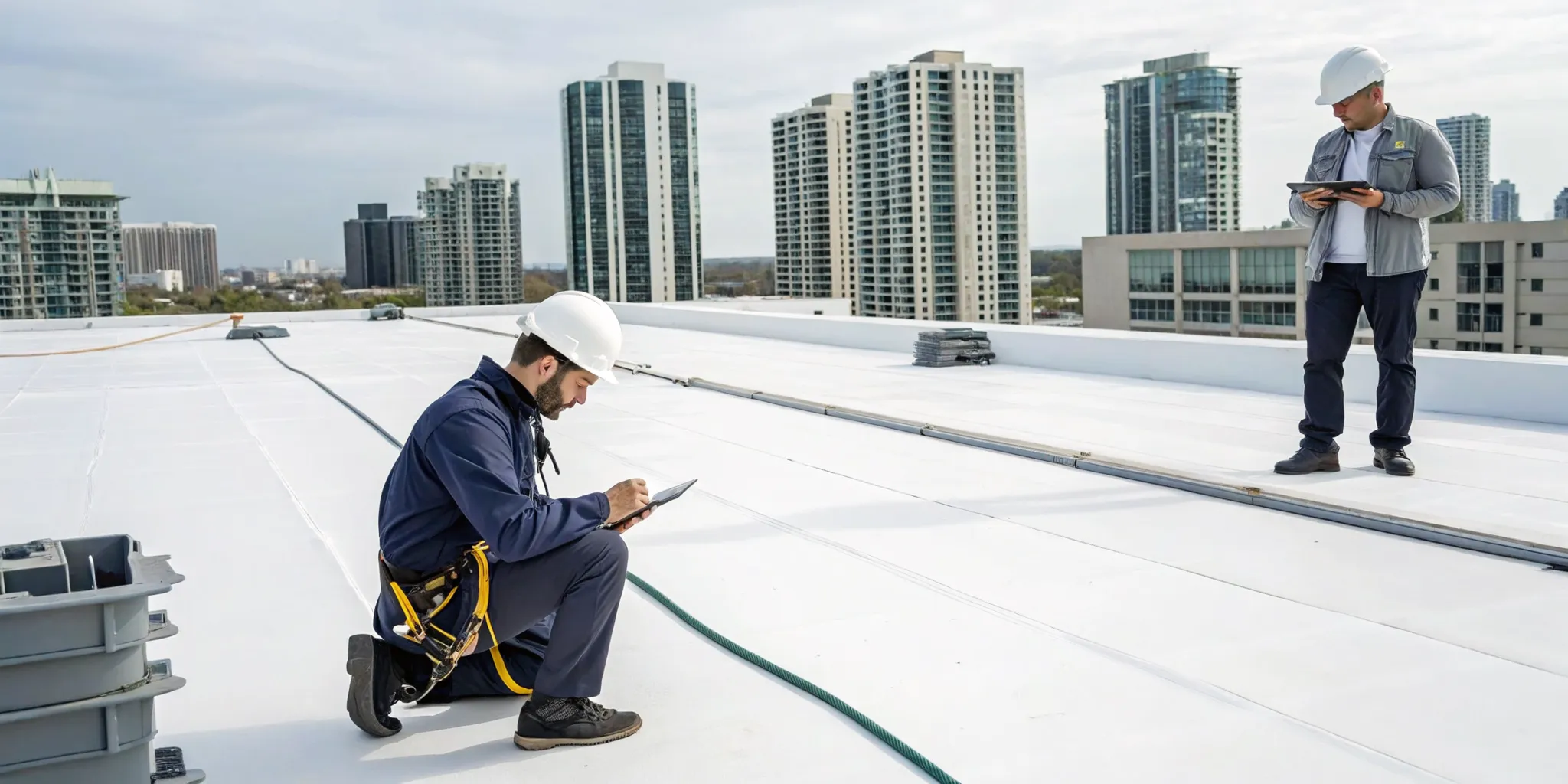
The first step is a thorough inspection. A reputable contractor won’t just glance at a leak from the ground; they will get on the roof for a detailed assessment. They should identify the root cause, check for secondary issues, and take photos to document their findings. This is also your chance to assess them. A professional will explain the damage in clear terms, not confusing jargon, and answer your questions. A comprehensive hail damage inspection is the foundation for an accurate quote and a lasting repair.
Why You Should Get Multiple Quotes
Getting several quotes is about more than just comparing prices. It’s your chance to compare the scope of work, material quality, and professionalism of each company. A very low bid can be a red flag, often signaling inexperience or subpar materials. Choosing a contractor with a limited history can lead to installation flaws and costly delays. Look for a detailed, itemized quote that outlines all the work. This process helps you find the best value, not just the lowest cost. If budget is a concern, ask about their financing options, which can make a higher-quality repair accessible.
The Repair Timeline and On-site Coordination
After selecting a contractor, get everything in writing. A formal contract is essential and should detail the project scope, materials, timeline, payment schedule, and warranty. Before work begins, your contractor should coordinate with you and your HOA on logistics like material delivery, parking, and daily cleanup. Communication is key, so you should have a designated point of contact for regular updates. If your repair involves an insurance claim, a good contractor can also provide roof claim assistance to help the process move smoothly.
Common Mistakes to Avoid When Hiring a Contractor
Finding the right contractor can feel like the biggest hurdle in getting your condo roof repaired. While you want to get the work done quickly, rushing the hiring process can lead to significant headaches. Hiring the wrong roofing contractor can lead to installation flaws, costly delays, miscommunication, and even result in your roof needing premature replacement. To protect your investment and ensure a smooth process, it helps to be aware of a few common pitfalls that property owners encounter.
By sidestepping these frequent mistakes, you can confidently choose a professional who will get the job done right the first time. It’s all about asking the right questions and knowing what to look for. From clarifying responsibilities to prioritizing the right kind of experience, a little due diligence goes a long way in securing a great outcome for your property. Let’s walk through the key mistakes to avoid.
Misunderstanding Who Is Responsible
One of the most common issues arises from a simple lack of clarity. It’s easy to assume your contractor will handle every single detail, but unstated expectations can lead to problems. Before signing anything, make sure you have a crystal-clear understanding of who is responsible for what. This includes pulling permits, coordinating with the HOA, handling site cleanup, and communicating project updates. A reputable contractor will outline all of this in a detailed contract, ensuring everyone is on the same page from day one. This prevents surprises and ensures a smooth roof claim assistance process if you’re dealing with insurance.
Choosing a Contractor Based on Price Alone
It’s tempting to jump at the lowest bid, but price should never be the only factor in your decision. An unusually low estimate can be a red flag for subpar materials, inexperienced labor, or a contractor who isn’t properly insured. Instead, look to hire a roofing contractor focused on providing the best value and quality for their work, not just the lowest bid. True value comes from durable materials, expert workmanship, and a solid warranty that protects your investment for years. A cheap fix now could easily lead to more extensive and expensive emergency roof repairs down the road.
Not Confirming Their Multi-Family Experience
Condo roofing is a specialized field. Unlike single-family homes, these projects involve shared structures, multiple stakeholders, and strict HOA guidelines. Hiring a contractor who primarily works on residential homes might leave you with someone unprepared for the unique challenges of your property. Checking a roofing contractor’s references is essential to ensure that they have a track record of quality workmanship and customer satisfaction with similar projects. Always ask for a portfolio of their commercial roofing work and speak to past clients from other multi-family properties to confirm they have the right experience.
How to Prevent Future Roofing Problems
The best way to handle a major roof repair is to prevent it from ever being needed. Taking a proactive approach to your condo’s roof health saves you from the stress and expense of unexpected damage. By staying ahead of potential issues, you protect your investment and ensure your home remains safe and secure. A little bit of attention now can prevent a huge headache later. Here are three key strategies to keep your roof in top condition.
Follow a Regular Maintenance Schedule
Think of your roof like any other major system in your home; it needs regular check-ups to perform its best. A consistent maintenance schedule is the most effective way to extend its lifespan and prevent small issues from turning into costly disasters. This typically involves at least one professional inspection per year, where a contractor can identify and address minor problems like loose flashing or clogged gutters. Regular maintenance for multifamily roofing ensures that every part of the structure is sound, giving you and your neighbors peace of mind. It’s a simple, proactive step that protects the entire building.
Know the Early Warning Signs of Damage
You don’t have to be a roofing expert to spot trouble. Knowing the early warning signs of damage allows you to act quickly before a small problem gets worse. Keep an eye out for things like water stains on your ceiling or walls, which can indicate a leak. From the outside, look for missing, cracked, or curling shingles. You might also notice shingle granules, which look like coarse black sand, collecting in your gutters or downspouts. These granules protect the shingle from the sun, and their loss means the roof is aging. If you see any of these signs, it’s time to call for a professional hail damage inspection to assess the situation.
Partner with Your HOA for Preventive Care
In a condo community, the roof is usually considered a “common element,” making the homeowners association (HOA) responsible for its upkeep. This means preventive care is a team effort. Start by reading your HOA’s governing documents to understand exactly what their responsibilities are. Attend board meetings and advocate for a regular, professional maintenance plan for the entire building. When you notice a potential issue, report it to your property manager or HOA board immediately in writing. Working together ensures the roof is properly cared for, and if damage does occur, having a good relationship with your HOA can make the roof claim assistance process much smoother.
Related Articles
- The Ultimate Guide to Commercial Flat Roof Repair
- 6 Best Flat Roof Repair Materials: A Florida Guide
- Temporary Patch Roof Leak Repair Until Professional Help Arrives
- Roof Repair – Skylight Roofing Inc.
- DIY Shingle Roof Leak Repair: A Step-by-Step Guide
Frequently Asked Questions
How do I know if my HOA is responsible for the roof repair? The answer is almost always found in your community’s governing documents, specifically the CC&Rs (Covenants, Conditions, and Restrictions). In most cases, the roof is considered a “common element,” which means the HOA is responsible for its maintenance and repair. However, you should never assume this is the case. Always review your official documents or contact your property manager to confirm who is financially responsible before you take any action.
What should I do first if I see a leak in my condo? Your first step is to document the problem. Take clear photos or a video of the leak and any resulting water stains on your ceiling or walls. Then, immediately notify your property manager or HOA board in writing, such as through an email. This creates a formal record of the issue and officially starts the process of getting it addressed according to your community’s procedures.
Why is multi-family experience so important for a roofing contractor? Roofing a condo complex is much more complex than roofing a single-family house. These projects involve unique logistical challenges, like coordinating work schedules to minimize disruption for dozens of residents, navigating shared property, and strictly following HOA rules. A contractor with specific experience in multi-family properties understands how to manage these moving parts, communicate effectively with property managers, and handle the larger scale of the job safely and efficiently.
When does it make more sense to replace the whole roof instead of just repairing it? A good rule of thumb is the “25% Rule.” If an inspection reveals that more than a quarter of the roof is damaged, a full replacement is often the more practical and cost-effective solution. Trying to patch such extensive damage can lead to an uneven roof with mismatched materials that may not perform well together. A full replacement provides a uniform, integrated system that offers superior long-term protection for the entire building.
What’s more important: the warranty on the materials or the warranty on the installation? While both are valuable, the workmanship warranty provided by your contractor is arguably more critical. The best roofing materials in the world can fail if they are installed incorrectly. A strong workmanship warranty is your contractor’s promise that they stand behind the quality of their labor. It ensures that if a problem arises due to an installation error, they will return to fix it at no cost to you.