It’s easy to believe that only large, golf-ball-sized hail can cause real problems for your roof. This is one of the most common and costly myths in homeownership. The truth is, even small, pea-sized hail can strip away the protective granules on your shingles, leaving them vulnerable to UV rays and moisture. This kind of damage is nearly impossible to spot from the ground and can drastically shorten your roof’s lifespan. Don’t let a false sense of security leave your home unprotected. A professional roof inspection for hail damage Orlando is essential to uncover the true extent of the storm’s impact. We’ll debunk other common myths and give you the facts you need to protect your property.
Key Takeaways
- Identify hidden damage with a pro inspection: Hail often causes subtle issues like bruised shingles and granule loss that are invisible from the ground, making a professional assessment necessary to prevent future leaks.
- Streamline your insurance claim: Have your contractor provide detailed photo documentation of the damage and meet with the insurance adjuster on-site to ensure a fair and complete assessment.
- Choose a qualified local roofer: Protect yourself by verifying that any potential contractor is licensed, insured, and has specific experience with Central Florida storm damage and insurance claims.
How to Spot Hail Damage on Your Orlando Roof
After a storm passes, it’s easy to feel relieved and assume everything is fine if you don’t see any obvious problems. But hail, even when it’s small, can cause significant damage that isn’t always visible from the ground. Ignoring these subtle signs can lead to bigger issues like leaks and expensive structural problems down the road. Knowing what to look for is the first step in protecting your home or commercial property. While a professional inspection is always the safest and most thorough option, you can do a preliminary check yourself from a safe vantage point to see if you need to make that call.
Pay close attention to your shingles, gutters, and other roof components. Spotting damage early can save you a lot of stress and money. The signs can be subtle, from small dings on your gutters to missing granules on your shingles. These seemingly minor issues can compromise your roof’s integrity and shorten its lifespan. If you see any of these red flags after a storm, it’s time to call in an expert for a complete hail damage inspection. Taking action quickly helps ensure your property remains protected from the next round of Florida rain. It’s about being proactive to prevent a small issue from turning into a major headache.
Check for Dents, Cracks, and Bruises on Shingles
Hailstones act like tiny hammers hitting your roof, and the impact can leave behind clear evidence. When you inspect your shingles, look for dents, cracks, or dark spots that look like bruises. These impact marks can weaken the shingle, creating a vulnerable spot where water can eventually seep through. On an asphalt shingle, a hail hit might feel soft or spongy to the touch, much like a bruise on a piece of fruit. This indicates that the underlying mat has been fractured. Over time, these weakened areas can lead to leaks and further damage. This is a common issue for all types of residential roofing materials after a Central Florida storm.
Look for Missing Granules and Exposed Asphalt
One of the most common signs of hail damage is granule loss. Those gritty, sand-like granules on your asphalt shingles aren’t just for color; they protect the underlying asphalt from the sun’s harsh UV rays. When hail hits, it can knock these protective granules loose, exposing the black asphalt layer beneath. Look for spots on your shingles that appear bald or dark. Another tell-tale sign is finding a large accumulation of these granules in your gutters or at the bottom of your downspouts. While some granule loss is normal over a roof’s lifetime, a sudden increase after a storm is a clear red flag that your roof has sustained damage and needs attention.
Inspect Gutters, Vents, and Flashing for Damage
Before you even think about the shingles, take a look at the metal components on and around your roof. Your gutters, downspouts, roof vents, and flashing are often the first places to show hail damage. Because they are made of softer metal, they dent easily. If you see dings and dents on your gutters or the metal caps on your roof vents, it’s a strong indication that the hail was large and forceful enough to damage your shingles, too. Damaged flashing around chimneys and skylights is particularly concerning, as these are critical areas for preventing leaks. If you spot any damage to these metal elements, it’s a clear sign you should schedule a professional hail damage inspection right away.
Why You Need a Professional Roof Inspection After a Storm
After a big Florida storm passes, it’s natural to feel relieved. But before you relax completely, it’s smart to think about your roof. While a quick glance from your yard might not reveal any obvious problems, hail and high winds can cause significant issues that aren’t visible from the ground. A professional roof inspection is the only way to know for sure if your home is safe and secure. It’s a simple step that can protect you from much bigger headaches down the road.
Find Hidden Damage You Can’t See from the Ground
Many homeowners don’t realize they have roof damage after a hailstorm because the signs can be incredibly subtle. From the ground, your roof might look perfectly fine. However, a trained inspector knows how to spot the tell-tale signs of hail impact, like small dents, bruises on your shingles, or tiny cracks that will only get worse over time. They can also identify areas where protective granules have been knocked loose, exposing the underlying asphalt to the elements. That’s why a professional hail damage inspection is so important. An expert can safely get on your roof and identify these hidden issues before they escalate.
Prevent Future Leaks and Expensive Structural Issues
Catching roof problems early is the key to preventing them from turning into costly disasters. A small, unnoticed crack from a piece of hail can allow water to seep into your attic, leading to leaks, mold growth, and even damage to your home’s structural integrity. A thorough inspection doesn’t just cover your shingles; it includes checking your gutters, vents, and flashing for damage, too. By identifying and fixing these minor issues right away, you can stop them from becoming major problems. This proactive step can save you from needing emergency roof repair and give you peace of mind knowing your home is protected.
Protect Your Roof’s Warranty and Your Home’s Value
Your roof is one of your home’s most important assets, and a professional inspection helps protect its value. Many roofing warranties require regular maintenance and timely repairs to remain valid. If you neglect to fix storm damage, you could void your warranty, leaving you to pay for a full replacement out of pocket. Furthermore, a detailed inspection report provides the critical documentation you’ll need when filing an insurance claim. Working with a company that offers roof claim assistance can make this process much smoother. Taking care of your roof not only preserves its warranty but also maintains your home’s curb appeal and overall value.
What to Expect from a Professional Hail Damage Inspection
When you schedule a professional roof inspection after a hailstorm, you’re getting much more than a quick look. It’s a systematic process designed to give you a complete and accurate picture of your roof’s condition. A trained inspector knows exactly what to look for, from the most obvious dents to the subtle signs of stress that an untrained eye would miss. This process is crucial for your home’s long-term health and for ensuring you have the right documentation for your insurance company. Understanding what happens during the inspection will help you feel confident and prepared for the road ahead.
A Thorough Assessment of Your Roof’s Exterior and Interior
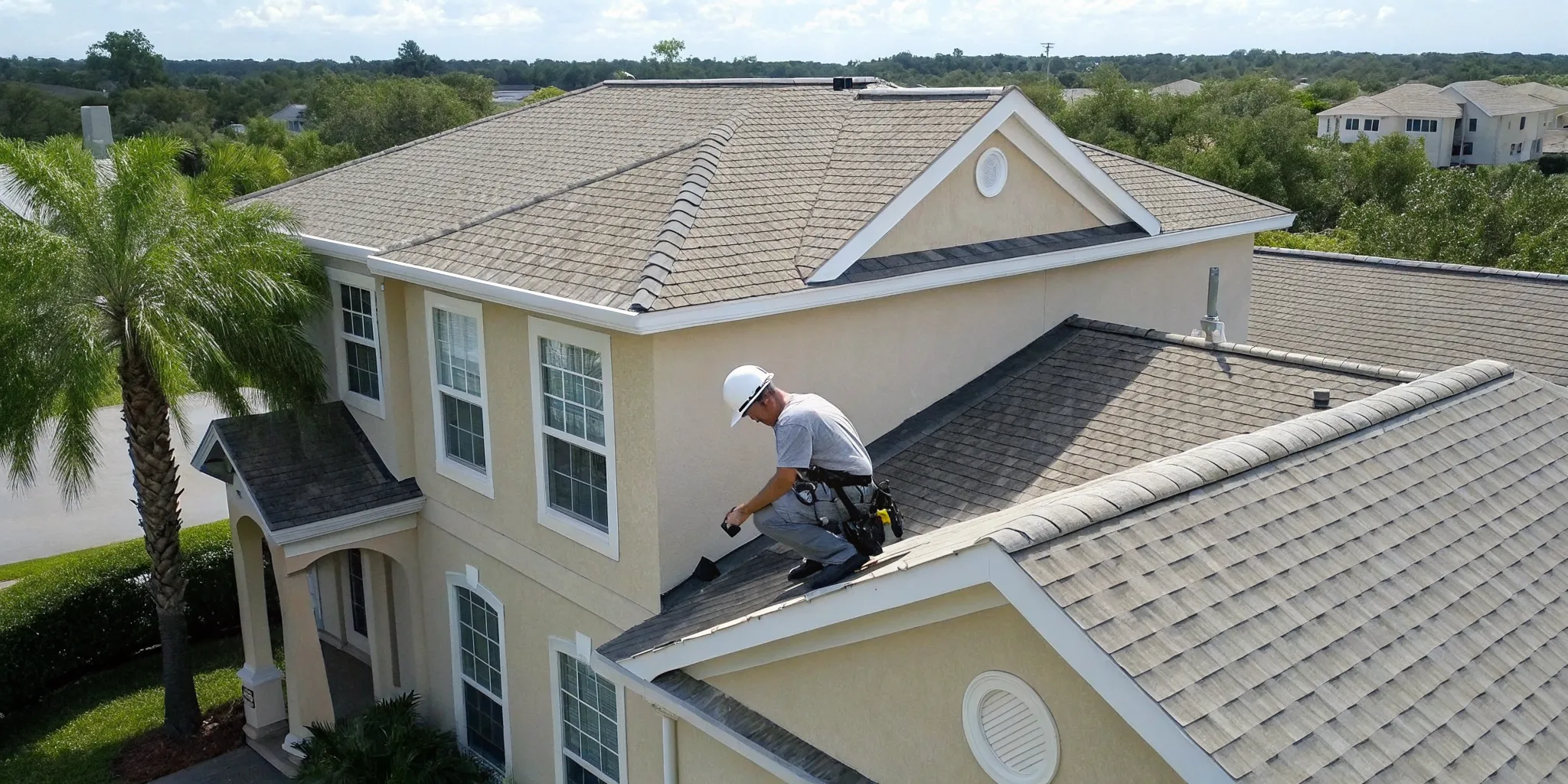
A proper inspection is incredibly detailed. Your roofing expert will conduct a complete assessment of your roof’s exterior, checking every component for signs of hail impact. This includes examining shingles, tiles, or metal panels for cracks and dents. They’ll also inspect the flashing around chimneys and vents, which are common weak spots for leaks. The inspection doesn’t stop there; they’ll also check your gutters and drainage systems for damage or blockages. In many cases, the inspector will also need to check your attic for signs of water intrusion or structural issues. This comprehensive approach helps find and fix small problems before they can turn into major, costly repairs like widespread leaks or mold growth.
Photo Documentation for Your Insurance Claim
One of the most critical parts of a professional inspection is the photo documentation. Your inspector will take clear, detailed pictures of every instance of damage they find. This visual evidence is essential when you file an insurance claim. Photos provide undeniable proof of the hail’s impact on your roof, leaving no room for ambiguity. This documentation is a powerful tool that supports your case with the insurance adjuster, showing them exactly what happened and why repairs are necessary. Having a professional handle this step ensures you have all the required evidence, which can make the entire roof claim assistance process smoother and more straightforward for you.
A Detailed Damage Report and Repair Plan
After the physical inspection is complete, you won’t be left wondering about the next steps. You’ll receive a detailed report that outlines all the findings, complete with the photos taken during the assessment. This report will clearly explain the condition of your roof and provide professional recommendations. It will state whether you need a minor repair, a full replacement, or if the damage is something that just needs to be monitored for now. This document serves as the foundation for your insurance claim and gives you a clear plan of action. It empowers you to make informed decisions about your residential roofing needs and move forward with confidence.
How to Choose the Right Orlando Roofing Company
Finding a roofing contractor can feel like a huge task, especially when you’re dealing with the stress of a damaged roof. But taking the time to find the right partner is one of the most important decisions you’ll make for your home or business. A great roofer doesn’t just fix a problem; they provide peace of mind. You want a team that is reliable, transparent, and skilled in handling the specific challenges that come with Florida’s weather.
Choosing a local Orlando-area company is always a smart move. They understand the building codes, know which materials stand up best to our sun and storms, and have a reputation to uphold in the community. Instead of just picking the first name you find, focus on a few key areas to vet your options. By looking at a company’s credentials, reading what past customers have to say, and confirming they have the right kind of experience, you can feel confident you’re putting your property in good hands. These steps will help you find a trustworthy professional for your residential roofing or commercial project.
Verify Licensing, Insurance, and Local Credentials
Before you even think about getting an estimate, make this your first step. A legitimate roofing company must be licensed by the state of Florida and carry full insurance, including liability and workers’ compensation. This isn’t just red tape; it’s your protection. Licensing proves they’ve met the state’s standards for knowledge and practice. Insurance protects you from being held financially responsible if a worker is injured on your property or if your home sustains accidental damage during the project. Any professional company will be upfront about their credentials and happy to provide you with their license number and proof of insurance. If a contractor hesitates or can’t produce these documents, consider it a major red flag and move on.
Check Online Reviews and Ask for References
Credentials tell you a company is qualified, but reviews tell you what it’s actually like to work with them. Check out recent reviews on sites like Google to get a feel for the customer experience. Don’t just look at the star rating; read what people are saying. Are they consistently praised for their communication, professionalism, and cleanup? Do they show up on time and finish the job as promised? Look for patterns in the feedback. A few negative reviews aren’t always a dealbreaker, but how the company responds to them can be very telling. For extra assurance, don’t be afraid to ask a potential contractor for a list of local references you can contact directly.
Look for Expertise in Storm Damage and Insurance Claims
In Central Florida, a roofer’s experience with storm damage is critical. Hail and high winds can cause issues that aren’t always visible from the ground, and you need a contractor who knows exactly what to look for. A team that specializes in storm damage will perform a thorough hail damage inspection and accurately document everything for your records. This expertise is also invaluable when it comes to insurance. A roofer experienced with the claims process can make everything much smoother. They can provide detailed reports and photos, and even meet with your insurance adjuster to ensure all the damage is accounted for. This level of roof claim assistance can make a significant difference in the outcome of your claim.
How to File an Insurance Claim for Hail Damage
Dealing with insurance after a storm can feel like a huge headache, but you don’t have to go through it alone. Filing a claim for hail damage is a straightforward process when you break it down into a few key steps. The most important thing is to be thorough and have a professional on your side to make sure your claim is handled fairly. Think of your roofer as your expert guide, helping you get the resources you need to protect your home. Let’s walk through exactly what you need to do to get your roof repaired and your claim approved without the stress.
Step 1: Document the Damage and Contact Your Insurer
Before you do anything else, grab your phone and take pictures of everything. Document any visible dents on your shingles, gutters, and vents. Clear photos create a strong visual record for your insurance company. Once you have your photos, your next call shouldn’t be to your insurer, but to a trusted local roofer for a professional hail damage inspection. A trained inspector can identify damage you might miss and provide an official assessment. With this detailed report in hand, you can then contact your insurance company to file a claim, armed with credible evidence from an expert.
Step 2: Have Your Contractor Meet the Adjuster
This step is a game-changer. When your insurance company sends an adjuster to inspect your property, you should arrange for your roofing contractor to be there, too. An insurance adjuster’s job is to evaluate the damage from the insurer’s perspective, which can sometimes lead to overlooked issues. Having your roofer present ensures you have an advocate on-site who speaks the same language. They can point out specific areas of concern and make sure the adjuster gets a complete picture of the damage. This simple action can make a significant difference in your claim’s outcome, which is why we offer roof claim assistance to support you.
Step 3: Review Your Estimate and Approval
After the adjuster’s visit, you’ll receive a summary of their findings and an estimate for the repairs. Review this document carefully with your contractor. Insurance companies often have specific criteria for approving a full roof replacement, such as requiring a certain number of hail impacts within a set area. Your contractor’s initial report and their presence during the inspection help ensure your claim meets these requirements. If the estimate seems low or if the claim is denied, your roofer can help you understand the next steps. Once your claim is approved, you can schedule the repairs and get your home back in top shape.
When Should You Schedule an Inspection After a Storm?
After a major storm rolls through Central Florida, the question isn’t if you should get your roof checked, but when. The simple answer is: as soon as it’s safe. Acting quickly is your best defense against small problems turning into costly disasters. Waiting can not only allow hidden damage to worsen but can also put you at risk of missing critical deadlines for your insurance claim. Taking immediate, informed steps protects your home and your finances.
Why You Should Act Quickly to Prevent More Damage
It’s tempting to assume your roof is fine if you don’t see any obvious damage from the ground, but this can be a costly mistake. Hail and high winds can cause subtle issues like cracked shingles, dents, and granule loss that are invisible to the untrained eye. These seemingly minor problems create entry points for water, which can lead to serious issues like leaks, mold growth, and even damage to your home’s structure. A professional hail damage inspection helps you find and fix these problems early. Getting an expert on your roof right away is the most effective way to stop a small issue from becoming a major headache.
Know Florida’s Deadlines for Filing an Insurance Claim
Beyond preventing physical damage, acting fast is crucial for your insurance claim. In Florida, homeowners have a limited time to file a claim after a storm. If you wait too long, you could lose your chance to have your insurance provider cover the repairs. Once you file a claim, it’s a smart move to have your contractor present when the insurance adjuster inspects the roof. An experienced roofer can point out all the damage, ensuring everything is documented correctly. This expert support is invaluable, as it helps you build a comprehensive claim. Our team offers roof claim assistance to help you through every step of this process.
Common Myths About Hail Damage, Debunked
After a hailstorm, it’s easy to fall for some common misconceptions about roof damage. Believing these myths can lead to costly mistakes and leave your home vulnerable to future problems. Let’s clear up the confusion and look at the facts so you can make informed decisions about your roof’s health.
Myth: “Small hail can’t cause real damage.”
It’s a common belief that only large, golf-ball-sized hailstones are a real threat. The truth is, even small, pea-sized hail can cause serious issues for your roof. These smaller stones can wear away the protective granules on your shingles, creating weak spots that expose the underlying materials to the elements. Over time, this seemingly minor issue can compromise your roof’s integrity and lead to leaks. That’s why a professional hail damage inspection is so important, no matter the size of the storm.
Myth: “If I can’t see damage, my roof is fine.”
A quick glance from your driveway might not reveal any problems, leading you to believe your roof is fine. Unfortunately, some of the most significant hail damage isn’t visible from the ground. Hail can create small bruises or cracks in shingles that are hard to spot without a close-up look. These hidden weak points can allow water to seep in, causing rot and structural issues down the line. Without a thorough inspection, this unseen damage can turn a small repair into a major headache, threatening the safety of your entire home.
Myth: “My new roof is automatically protected.”
Having a new roof gives you great peace of mind, but it doesn’t make it invincible. While newer materials are certainly more resilient, a severe hailstorm can still cause damage. Don’t assume your roof is safe just because it was recently installed. It’s always best to have it checked out by a professional after a storm. If damage is found, you’ll want to act quickly. Getting help with your roof claim assistance can make the process smoother and ensure you get the coverage you need to protect your investment.
How to Prepare for Your Roof Inspection
After a storm rolls through, scheduling a roof inspection is a smart first move. A little preparation on your end can make the entire process smoother and more efficient, ensuring your roofing professional can conduct a thorough and safe assessment. Taking a few simple steps before they arrive helps them focus on what matters most: evaluating the health of your roof and identifying any potential issues caused by hail or high winds.
Think of it as setting the stage for a successful inspection. By clearing the area, gathering your paperwork, and thinking about your questions ahead of time, you’re not just helping the inspector; you’re empowering yourself with information. This preparation is especially important if the inspection reveals damage that requires an insurance claim. Being organized from the start can make a world of difference when you need to work with your insurance company. It helps ensure nothing gets missed and that you have everything you need to move forward with confidence. A prepared homeowner often has a much more straightforward experience, from the initial assessment to the final repair. It shows you’re proactive and invested in protecting your home, which can also streamline communication with both your roofer and your insurer.
Gather Your Documents and Photos
Before your inspector arrives, take a few minutes to pull together any relevant paperwork. This includes your homeowner’s insurance policy information and any records you have from previous roof repairs or replacements. Having these documents on hand can provide valuable context about your roof’s history. If you’ve noticed any damage yourself, like dented gutters or shingles in your yard, snap a few photos from the ground. This creates a personal record and gives you specific points to discuss with the inspector. Once the professional inspection is complete and damage is confirmed, this preparation will give you a head start on the roof claim assistance process.
Ensure Safe and Clear Access to Your Property
Safety is the top priority during any roof inspection. While you should never climb on the roof yourself, you can help create a safe work environment for the professional. Start by clearing a path around the perimeter of your home. Move things like patio furniture, grills, potted plants, and vehicles out of the way to give the inspector plenty of room to place and move their ladder. It’s also a good idea to make sure any pets are safely secured inside so they don’t get underfoot. Providing clear, unobstructed access allows your inspector to perform a comprehensive hail damage inspection without any hazards or delays.
Prepare Questions for Your Roofing Inspector
This inspection is your opportunity to get clear, expert answers about the condition of your roof. Don’t hesitate to ask questions. Before the inspector arrives, jot down anything you’re curious or concerned about. You might want to ask about the extent of the damage, what the recommended repair plan looks like, or how long the repairs might take. Other good questions include asking about the materials they recommend and what the next steps are for filing an insurance claim. Having your questions ready ensures you get all the information you need to understand the state of your residential roofing and make informed decisions.
Related Articles
- How to Check for Hail Damage on a Roof in 5 Steps
- Storm Damage Roof Inspection: A Complete Guide
- Why Hail Damage Is Bad for a Roof: 5 Hidden Dangers
- Hail Damage Roof Insurance Claim Guide | Sky Light Roofing
- Roof Repair After Hail Damage: 5 Key Steps
Frequently Asked Questions
What if the hail seemed really small? Should I still get an inspection? Yes, you absolutely should. It’s a common mistake to think that only large hailstones cause problems. Even small, pea-sized hail can act like sandpaper against your shingles, stripping away the protective granules. This exposes the underlying material to the sun and rain, which can shorten your roof’s lifespan and lead to leaks. An inspection is the only way to know for sure if your roof has this kind of subtle, but significant, damage.
How long do I have to file an insurance claim for hail damage in Florida? In Florida, you have a limited window of time to file a property insurance claim after a storm. While the exact deadline can depend on your policy, it’s always best to act immediately. The longer you wait, the more difficult it can be to prove that the damage was caused by a specific weather event. Getting a professional inspection right away gives you the documentation you need to start the process and ensures you don’t miss your opportunity for coverage.
Will filing a claim for hail damage make my insurance rates go up? This is a very common concern, but you can rest easy. Insurance companies are generally prohibited from raising an individual homeowner’s rates for filing a claim related to a storm or other natural event. These are often called “Acts of God.” Your insurance policy is a contract you’ve paid for to protect your home from this exact type of damage, so you should feel confident using it when you need to.
Can I just repair the few damaged shingles I see myself? While it might be tempting to try a quick DIY fix, it’s not a good idea. The few damaged shingles you can see from the ground are often just a fraction of the actual problem. A professional inspector is trained to spot widespread, subtle damage that can lead to major issues if it isn’t addressed correctly. Attempting a repair yourself could also void your roof’s warranty and may not solve the underlying problem, leaving your home vulnerable.
What happens if my insurance adjuster and your inspector disagree on the damage? This situation is precisely why having an experienced roofing contractor on your side is so valuable. If your insurance adjuster’s assessment differs from our findings, we can act as your advocate. We provide our detailed report and photo documentation to the adjuster, walk them through the specific areas of damage they may have missed, and explain why certain repairs are necessary to restore your roof’s integrity.