The aftermath of a hailstorm leaves you with a critical decision: should you repair the damage or invest in a full replacement? A few missing shingles might seem like a simple fix, but widespread, subtle damage often makes a full replacement the smarter long-term choice. Your decision often comes down to the bottom line. You need to know how much hail damage to replace roof per square foot to weigh the cost of a new roof against the potential for recurring repairs. A professional hail damage inspection is the only way to know for sure, but this article will help you understand the factors that guide this important choice.
Key Takeaways
- Get an expert opinion first: Don’t rely on a visual check from the ground. A professional hail damage inspection is essential to uncover hidden issues and provide the documentation you need for a successful insurance claim.
- Know what drives the cost: The price of a new roof depends on its size, the materials you choose, and the complexity of the job. Understanding these factors helps you interpret estimates and budget for the project, whether you’re paying a deductible or financing the full amount.
- Choose the best long-term solution: When deciding between a repair or a full replacement, consider your roof’s age and the amount of damage. A full replacement with impact-rated materials often provides better protection and more value over time.
What Does Hail Damage Look Like on a Roof?
After a hailstorm passes, it’s natural to worry about your roof. Some damage is easy to spot from the ground, but other issues can be subtle and easy to miss. Understanding what to look for is the first step in protecting your home from further problems like leaks and structural decay. It’s important to identify both the obvious and hidden signs to get a full picture of your roof’s condition.
Obvious Signs of Impact
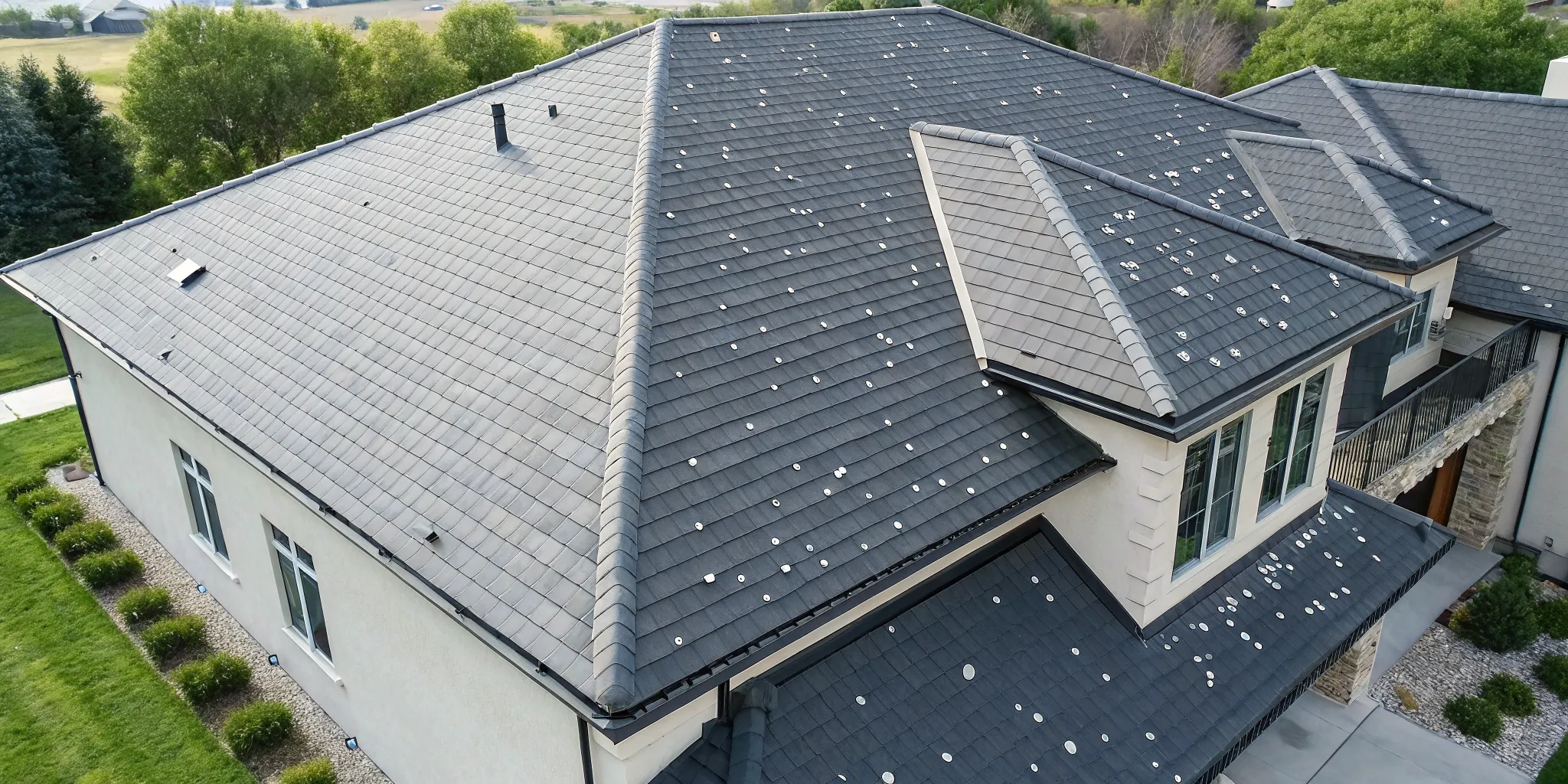
The most apparent signs of hail damage are often visible right away. You might notice dents or dings on your gutters, downspouts, and roof vents. On asphalt shingles, look for black marks where hail has knocked off the protective granules, exposing the matting underneath. These spots can feel soft or bruised to the touch. If you have tile or slate roofing, you may see cracked, broken, or completely missing pieces. A thorough hail damage inspection can confirm the extent of these visible issues and ensure nothing is overlooked.
Subtle Damage You Might Miss
Unfortunately, not all hail damage is obvious. Smaller hailstones can cause subtle bruising or cracking that you can’t see from your yard. This kind of damage compromises the shingle’s integrity and can lead to serious leaks over time. A professional can spot these hidden problems before they escalate, which is crucial for protecting your home and your insurance coverage. Without a trained eye, you might miss the early signs of wear that can complicate your ability to get roof claim assistance when you need it most.
Common Hail Damage Myths
A few common myths can prevent homeowners from taking the right action. One major misconception is that hail only damages shingles. In reality, hail can harm every part of your roofing system, including flashing, vents, and skylights. Another mistake is assuming that if you don’t see any damage, your roof is fine. As we’ve covered, much of the damage can be invisible to an untrained eye. Failing to get a professional assessment and properly document any issues can make it much harder to file a successful insurance claim later on.
How Much Does a Hail-Damaged Roof Replacement Cost?
After a hailstorm, the first question on every homeowner’s mind is, “How much will this cost to fix?” It’s a valid concern, and the answer isn’t always straightforward. The price of a new roof can vary significantly based on a few key factors, including the materials you choose, the size of your roof, and the extent of the damage. While a full replacement can seem like a major expense, it’s often the best long-term solution for protecting your home from future leaks and structural issues.
Think of it less as a simple repair and more as a complete system replacement. The total cost includes not just the shingles or tiles but also the underlayment that acts as a secondary water barrier, the flashing that protects vulnerable areas like chimneys and vents, and the skilled labor required to install everything correctly. A proper replacement addresses the entire roofing system, ensuring every component works together to keep your home safe and dry. Understanding what goes into the final price tag can help you feel more prepared. We’ll break down the main components so you can see how a professional estimate comes together and what to expect when you start getting quotes.
Average Costs by Roofing Material
The material you choose for your roof is one of the biggest drivers of the total replacement cost. For many homeowners, a full replacement after hail damage can range from $5,000 to $15,000, but this number shifts depending on your home’s size and your material selection. Asphalt shingles are the most common choice for residential roofing in the U.S. because they offer a great balance of durability and affordability, making them one of the less expensive options to replace.
However, in Florida, many homeowners opt for materials like tile or metal for their longevity and weather resistance. These materials typically come with a higher upfront cost but can offer better protection and a longer lifespan, which is something to consider in a storm-prone area.
How Labor and Location Affect the Price
Beyond materials, labor makes up a significant portion of your roof replacement bill. The cost of labor depends on the complexity of your roof. A simple, single-story gable roof will be much quicker and easier to work on than a multi-level home with steep pitches, dormers, and skylights. More complex jobs require more time and specialized skill, which is reflected in the price.
Generally, roofing labor costs can range from $35 to $200 per hour for each worker. The size of your roof is also a major factor; a larger surface area naturally requires more materials and more hours of labor to complete the job. Your location in Central Florida also plays a role, as local market rates for labor and materials can influence the final estimate.
How Roofers Calculate Replacement Costs
When a roofer provides an estimate, they are calculating a price based on a combination of factors. They’ll measure your roof to determine its size, assess the severity of the damage, and discuss your material preferences. The only way to get an accurate price is through a professional hail damage inspection, where an expert can get on your roof and see the full extent of the problem.
From there, they will factor in the cost of materials, labor, and any necessary permits. It’s also important to remember that your homeowner’s insurance will likely cover a large portion of the replacement. Navigating the claims process can be tricky, which is why working with a roofer who offers roof claim assistance can make a world of difference.
What Factors Influence the Cost of a New Roof?
When you’re looking at a new roof, the final price tag isn’t a simple, one-size-fits-all number. Several key elements come together to determine the total investment. Understanding these factors will help you make sense of any estimate you receive and plan your budget accordingly. From the sheer size of your roof to the specific materials you choose, each component plays a significant role. Let’s break down the four main factors that influence the cost of replacing your roof after hail damage.
Your Roof’s Size and Complexity
It makes sense that the bigger your roof, the more it will cost. A larger surface area requires more materials and labor to complete the job. But it’s not just about square footage; complexity is also a major cost driver. A simple roof is more straightforward to work on than one with a steep pitch, multiple valleys, or skylights. These features require more precise work and safety precautions, which adds to the labor costs for your residential roofing project.
Roofing Material and Quality
The type of roofing material you select is one of the biggest factors affecting the price. Asphalt shingles are a common choice in Florida, offering a great balance of durability and affordability. You might also consider options like metal or tile, which have a higher upfront cost but often provide a longer lifespan. Even within a single material type, quality varies. For example, you can upgrade to impact-resistant shingles designed to better withstand future hail. We can help you weigh the pros and cons to find the right fit for your home.
The Extent of the Damage
After a hailstorm, the scope of the damage will dictate whether you need simple repairs or a full replacement. If the impact is limited to a small area, a patch might be enough. However, widespread hail damage often means a full replacement is the smarter, safer solution. Sometimes, the most serious issues aren’t visible from the ground. That’s why a professional hail damage inspection is so important. An expert can identify subtle bruising and cracking to determine the true extent of the problem and prevent future leaks.
Your Geographic Location
Where you live also plays a part in the total cost. Labor rates, local building codes, and permit fees in Central Florida will be factored into your estimate. The cost of transporting materials and disposing of old debris also contributes to the final price. Additionally, managing the insurance process is a key step. While your policy likely covers hail damage, understanding your deductible is crucial. Our team offers roof claim assistance to help you manage the paperwork and ensure the process goes smoothly.
Should You Repair or Replace Your Hail-Damaged Roof?
After a hailstorm, deciding between repairing a few spots and replacing the entire roof can feel overwhelming. It’s a major decision for any property owner, and the right answer depends on several key factors. While spot repairs might seem like the cheaper, quicker fix, they aren’t always the most effective long-term solution. A full replacement, on the other hand, is a significant investment but can provide better protection and peace of mind for decades.
The best way to get a clear picture of your situation is with a professional hail damage inspection. An expert can assess the full extent of the damage, including subtle issues you might not see from the ground. To help you prepare for that conversation, let’s walk through the main considerations that will guide your decision: the amount of damage, your roof’s age, and the long-term costs. Understanding these points will help you weigh your options and make a confident choice for your home or commercial property.
Following the 25% Damage Rule
In the roofing industry, we often use the “25% rule” as a general guideline. The idea is simple: if more than a quarter of your roof has sustained damage, it’s usually more practical and cost-effective to replace the whole thing rather than attempt a series of patches. Trying to repair widespread damage can lead to a mismatched appearance, and the repaired sections may not integrate perfectly with the older parts of the roof. This can create weak points that are vulnerable to future leaks. A full replacement ensures a uniform, seamless barrier of protection for your entire home.
Your Roof’s Age and Current Condition
The age of your roof is one of the most important factors in this decision. If your roof is already over 20 years old, it’s likely nearing the end of its expected lifespan. Investing a significant amount of money into repairing an old roof might not be the wisest financial move, as you’ll probably need to replace it in a few years anyway. However, if your roof is under 15 years old and only has minor, localized damage, a professional repair is often the perfect solution. The roof’s condition before the storm also matters. A well-maintained roof will fare better and be a better candidate for repair than one that already showed signs of wear.
Considering Long-Term Costs
It’s tempting to choose the option with the lower upfront price tag, but it’s crucial to think about the long-term financial picture. While a full replacement costs more initially, it can save you money down the road. A new roof comes with a fresh warranty and can be built with modern, impact-resistant materials that better withstand future storms. Patching an older, damaged roof can lead to a cycle of recurring repairs and potential interior water damage, with costs that add up over time. If the upfront expense is a concern, there are flexible financing options available to make the investment more manageable.
What’s the Total Price for a Full Roof Replacement?
Okay, let’s talk numbers. Figuring out the total cost for a full roof replacement can feel overwhelming, but it helps to break it down. The final price tag depends on your home’s size, the materials you choose, and a few other key factors. While every project is unique, we can look at some typical price ranges to give you a clearer picture of what to expect. Below, we’ll explore the costs for different home sizes and touch on some additional expenses you’ll want to keep in your budget.
Costs for Small to Medium Homes (1,000-2,000 sq ft)
If you have a small to medium-sized home, you can generally expect a full roof replacement to cost between $5,000 and $15,000. That’s a pretty wide range, right? The final number depends heavily on the materials you select. For example, standard asphalt shingles will be on the lower end of that scale, while premium options like metal or tile will be higher. The complexity of your roof, like its pitch and the number of valleys, also plays a role. The only way to get a precise figure is with a professional hail damage inspection where an expert can assess your specific situation and give you a detailed quote.
Costs for Large Homes (2,000+ sq ft)
For larger homes, the investment naturally goes up. A full replacement on a 3,000-square-foot roof, for instance, could range from $11,200 to $16,000 or more. It’s not just about the extra square footage requiring more materials; larger homes often have more complex rooflines with multiple gables, dormers, and valleys. This increases the labor time and skill needed for the job. Whether you have a sprawling ranch or a multi-story home, our team is experienced with all types of residential roofing projects. We can walk you through the best material options to protect your home and fit your budget, ensuring you get a durable and beautiful new roof.
Additional Costs to Consider
Beyond the main materials and labor, a few other costs can pop up during a roof replacement. You’ll likely need a building permit, which can add around $500 to the total. If the old roof needs to be torn off, there will be fees for disposal. Sometimes, after removing the old shingles, we find underlying damage to the roof deck that needs repair before the new roof can be installed. Don’t let these potential extras catch you by surprise. We can help you understand what your insurance may cover with our roof claim assistance. And if you need help managing the expense, we also offer flexible financing options to make the project more affordable.
How Does the Insurance Claim Process Work?
After a hailstorm, the thought of dealing with insurance can be just as stressful as the storm itself. But it doesn’t have to be. Understanding how the insurance claim process works can make it feel much more manageable and put you in control. The key is to be prepared, document everything, and work with professionals who can advocate for you. Think of it as a series of steps, and we’re here to walk you through each one.
Many homeowners find it helpful to have an expert on their side. At Sky Light Roofing, we offer roof claim assistance to guide you from the initial inspection to the final repair, ensuring the process is as smooth as possible. We’ll help you understand the paperwork, meet with your adjuster, and make sure all the damage is accounted for so you get the coverage you deserve.
Understanding Your Policy and Coverage
Before you even pick up the phone to call your insurance company, the first step is to pull out your homeowner’s policy. I know, reading through insurance documents isn’t exactly a fun afternoon, but it’s essential. You’ll want to look for specifics on hail damage coverage. Most standard policies do cover it, but it’s always best to confirm.
Pay close attention to your deductible, which is the amount you’ll have to pay out of pocket before your insurance kicks in. If you’re having trouble finding this information or understanding the language, don’t hesitate to call your insurance agent. They can walk you through your coverage details and explain how filing a claim might affect your premiums in the future.
Filing a Claim: A Step-by-Step Guide
Once you’ve confirmed your coverage, it’s time to get the ball rolling. Filing a claim is a straightforward process when you break it down. First, safely take clear photos and videos of the damage to your roof and any other affected areas of your property, like gutters or siding. The more documentation you have, the better.
Next, contact your insurance provider to officially file the claim. They will give you a claim number and assign an adjuster to your case. Finally, schedule a professional hail damage inspection with a trusted local roofer. Having a detailed report from an expert gives you a solid foundation when the insurance adjuster comes to assess the damage.
Working with Your Insurance Adjuster
The insurance adjuster works for the insurance company. Their job is to visit your property, assess the extent of the hail damage, and determine the cost of repairs based on your policy. It’s a great idea to be home when the adjuster visits, and it’s even better to have your roofer present. Your roofer can point out damage the adjuster might miss and ensure the assessment is thorough and fair.
A reputable roofing contractor will often work directly from the insurance company’s approved estimate. This means you don’t have to worry about collecting multiple bids. Instead, your roofer agrees to complete the work for the amount your insurer provides, which simplifies the entire process for you.
Common Mistakes That Can Hurt Your Claim
A few simple missteps can unfortunately complicate your claim or reduce your payout. One of the biggest mistakes is waiting too long to file. Most insurance policies have a time limit for reporting damage, so act quickly after a storm. Another common error is not having enough documentation. Your photos and notes are your best evidence, so don’t skimp on this step.
It’s also wise to have a professional roofer review the adjuster’s initial report before you accept it. Sometimes, items can be overlooked, and a second opinion ensures your settlement is sufficient to cover all necessary repairs. Our team can provide expert roof claim assistance to help you review these documents and make sure you’re getting a fair assessment.
How to Choose the Right Roofer for Hail Damage Repair
After a hailstorm, your priority is getting your roof fixed. But choosing the right contractor is just as critical as the repair itself. The roofer you hire can make the difference between a smooth, successful project and a stressful, costly ordeal. A great roofer not only provides quality workmanship but also helps you manage the insurance process and gives you peace of mind. Taking the time to find a trustworthy, experienced professional ensures your home is protected for years to come. It’s about finding a partner who will treat your home with the same care you do.
Verifying Credentials and Insurance
Before you even think about signing a contract, your first step should be to verify a roofer’s credentials. A reputable contractor will always be licensed and insured, and they should be able to provide proof without hesitation. This is non-negotiable. Proper licensing ensures they meet local and state standards, while insurance protects you from any liability if an accident happens on your property. Imagine a worker getting injured while on your roof; without proper insurance, you could be held financially responsible. Checking these documents is a simple step that safeguards your finances and guarantees you’re working with a legitimate professional who stands by their work.
Getting Multiple Detailed Estimates
It’s wise to get at least three detailed estimates from different roofing companies. This isn’t just about finding the lowest price; it’s about comparing the scope of work, materials proposed, and the overall value offered. A trustworthy estimate should be itemized, breaking down the costs for labor, materials, permits, and cleanup. Be wary of any quote that’s just a single number written on a business card. A thorough hail damage inspection is the foundation of an accurate estimate, so make sure each contractor takes the time to assess your roof properly before giving you a price. This process helps you spot outliers and make a well-informed decision.
Red Flags to Watch Out For
Knowing what to avoid is as important as knowing what to look for. Be cautious of “storm chasers,” who often travel from out of state, knock on doors right after a storm, and use high-pressure sales tactics. They may offer a deal that seems too good to be true, and it usually is. Other red flags include demanding a large cash deposit upfront, providing a vague or non-itemized estimate, or pressuring you to sign a contract on the spot. A professional roofer will have a local office, a solid reputation in the community, and will give you the time and information you need to feel comfortable with your decision.
Professional Inspection vs. DIY
While it might be tempting to climb up on your roof to check for damage yourself, it’s a job best left to the professionals. Roofing work is inherently dangerous, and without the right safety equipment and training, you risk serious injury. Beyond the safety concerns, a trained roofer can spot subtle signs of hail damage that an untrained eye would easily miss, like small bruises or cracks in the shingles. Professionals also understand what insurance adjusters look for, which can be a huge advantage. They can provide detailed documentation and expert roof claim assistance to help ensure your claim is approved and you get the coverage you deserve.
Which Roofing Materials Offer the Best Hail Protection?
After dealing with hail damage, the last thing you want is to go through it all again. Choosing the right roofing material is your best defense against future storms. While no roof is completely indestructible, some materials are engineered to withstand the impact of hail far better than others. Investing in a more durable material upfront can save you money and stress down the road. Let’s look at the top contenders for keeping your home safe so you can make an informed decision for your roof replacement.
Understanding Impact-Rated Materials
When you start shopping for roofing, you’ll likely hear the term “impact-rated.” This is a classification based on standardized testing where materials are hit with steel balls to simulate hailstones. The highest rating a material can receive is Class 4, which means it has proven its strength against significant impact without splitting or tearing. Options like composite shingles, slate, and certain metals often carry this top-tier rating. Choosing one of these for your residential roofing project provides a superior level of protection.
Metal Roofing vs. Traditional Shingles
Metal roofing is a popular choice in storm-prone areas for good reason. It is exceptionally resistant to hail. While a large hailstone can still dent a metal panel, it’s far less likely to puncture or crack the material and cause a leak. Traditional asphalt shingles are the most common roofing material, but their performance varies. Standard shingles are vulnerable to cracking and granule loss from hail. However, you can find Class 4 impact-rated asphalt shingles that offer much better protection. A professional hail damage inspection can reveal how well your current roof held up.
Comparing the Costs of Hail-Resistant Options
The cost of a new roof is a major factor, and prices differ depending on the material. Generally, standard asphalt shingles are the most budget-friendly option. Upgrading to impact-resistant shingles or a metal roof will cost more initially. Materials like wood and rubber fall in the mid-to-high range, while slate is typically the most expensive. While the upfront investment for a hail-resistant roof is higher, it can be more cost-effective over time by reducing repairs. We offer flexible financing options to help make these durable materials more accessible.
How to Finance Your Roof Replacement
A new roof is a significant investment. Even when insurance covers hail damage, you still have out-of-pocket costs to consider. The good news is you have several options for managing the expense. Understanding how to finance your roof replacement can make the process feel much more manageable and protect your home without draining your savings. Let’s walk through the most common ways to pay for your new roof.
Covering Your Insurance Deductible
If your roof replacement is part of an insurance claim, your first cost is your deductible. This is the amount you pay before your insurance coverage kicks in. To ensure your claim is approved, it’s crucial to document everything. Taking detailed photos of the damage and keeping records of the storm is essential. Once approved, your insurer sends a payment for the replacement cost, minus your deductible. You pay the deductible directly to your contractor. We can help with the entire roof claim assistance process to make sure everything is filed correctly.
Exploring Loans and Other Financing
Don’t have the cash on hand for the deductible or the full replacement? You’re not alone. With roof replacements often ranging from $5,000 to over $15,000, many homeowners look for financing. Common options include a personal loan, a home equity line of credit (HELOC), or a credit card. Each option has its own terms and interest rates, so explore what works best for your financial situation. The right choice depends on your credit score and how quickly you need the funds. Many find that working directly with their roofer for financing is the most straightforward path.
Our Flexible Financing Solutions
We know a new roof is often an unexpected expense. That’s why we offer flexible and convenient financing options designed to fit your budget. Working with us directly simplifies the process, as you won’t have to manage a separate loan application. Our goal is to help you get the high-quality roof you need without the financial strain. Putting off a necessary replacement can lead to more severe problems like leaks and structural damage, which only cost more down the road. Our team can walk you through our financing plans to find a solution that gives you peace of mind.
Related Articles
- Hail Damage Roof Repair Cost: What Will You Pay?
- Hail Damage Roof Insurance Claim Guide | Sky Light Roofing
- Roof Storm Damage Repair: Costs & Tips | Sky Light Roofing
- Wind Damage Roof Repair: A Step-by-Step Guide
Frequently Asked Questions
My roof looks fine from the ground after a hailstorm. Do I really need to get it inspected? Yes, absolutely. Much of the damage caused by hail isn’t visible from your yard. Hail can create small bruises or cracks on your shingles that compromise their ability to protect your home, leading to slow leaks that can cause serious issues over time. A professional has the training to spot these subtle problems before they escalate, which is also crucial for documenting everything for a potential insurance claim.
Will filing a hail damage claim cause my insurance rates to increase? This is a common concern, but you can rest easy. Insurance companies are generally not allowed to raise your individual rates for filing a claim related to a natural disaster or “act of God,” like a hailstorm. They may, however, raise rates for an entire area that has been affected by severe weather. So, your rates could increase whether you file a claim or not. It’s always best to use the coverage you pay for to protect your home.
What happens if my insurance adjuster’s estimate is lower than the one from my roofer? This situation happens more often than you might think. An initial insurance estimate might overlook certain aspects of the damage or local building code requirements. If there’s a discrepancy, a reputable roofer will work on your behalf. They can provide detailed documentation and communicate directly with your insurance company to justify the need for a more comprehensive settlement, ensuring you have enough to cover a quality repair.
How long do I have to file an insurance claim after a hailstorm? Most insurance policies have a specific window of time for filing a claim, which is often one year from the date of the storm. However, this can vary, so it’s important to review your policy or contact your agent to be sure. Acting quickly is always the best approach. Waiting too long can make it harder to prove the damage was from a specific storm and could put you at risk of missing your deadline.
Is it better to choose a roofer who offers financing directly? Working with a roofer who offers their own financing options can make the entire process much simpler. Instead of managing a separate loan application with a bank, you can handle everything in one place. This is especially helpful for covering your deductible or if you decide to upgrade to a more durable, impact-resistant material that your insurance settlement might not fully cover. It streamlines the project and helps you get the best roof for your home without the financial stress.