After a hailstorm passes, the sound of rain is often replaced by a nagging sense of worry. You look at your home, your biggest investment, and wonder if it’s still secure. This uncertainty is why you’ll see so many offers for a free hail damage roof inspection from local companies. While this is a standard and helpful practice, it can also feel overwhelming. How do you know who to trust? What does a proper inspection even involve? This guide is here to give you clarity. We’ll walk you through what to expect, how to spot a reputable professional, and what red flags to avoid, so you can turn that post-storm anxiety into confident action.
Key Takeaways
- A true free inspection is an honest assessment: A reputable roofer provides this service to give you a clear, no-obligation report on your roof’s condition, not to lock you into a high-pressure sales pitch.
- Vet your contractor to avoid scams: Always verify a company’s license and insurance, read recent customer reviews, and be cautious of unsolicited door-to-door offers that create a false sense of urgency.
- Get a second opinion before making a decision: An additional inspection confirms the extent of the damage, which helps you build a stronger case for your insurance company and confidently choose between a repair or a full replacement.
What Is a Free Hail Damage Roof Inspection?
After a big hailstorm rolls through, you’ll likely see offers for free roof inspections from local companies. It’s a standard practice in the industry, and it’s designed to give you a clear, no-cost assessment of your roof’s condition. Think of it as a check-up for your home’s most important shield. A trained professional comes to your property to look for specific signs of hail impact that you might not be able to see from the ground.
This initial assessment is a critical first step. It helps you understand if you need to file an insurance claim or schedule repairs before small issues turn into major leaks. For a reputable company, a free inspection is a way to provide value and build trust. It’s their chance to show you their expertise without any pressure. However, it’s also wise to understand what this process involves and what the word “free” really means so you can confidently choose the right partner for the job.
What the Inspection Covers
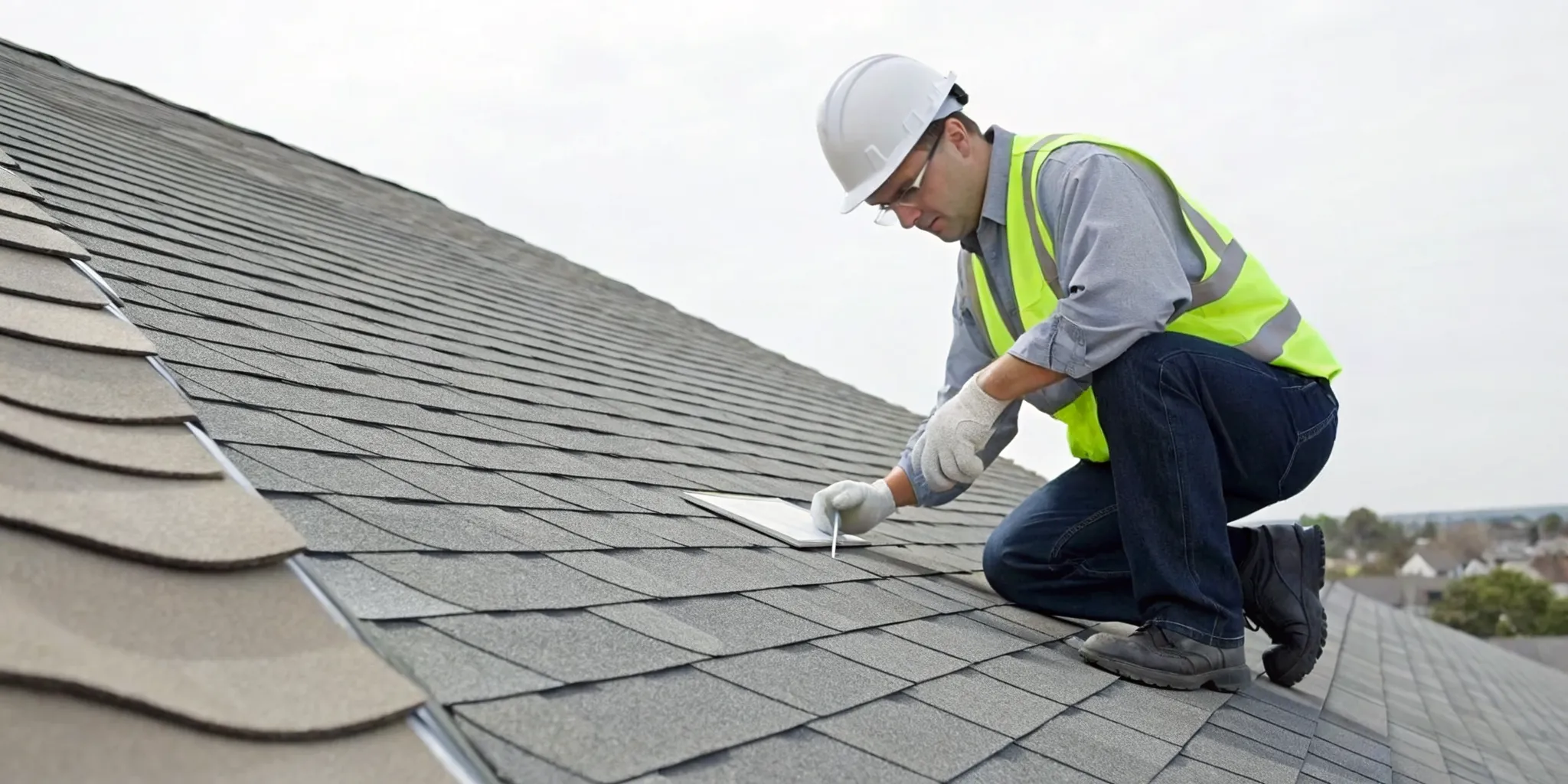
During a professional inspection, a roofer will get on your roof to perform a detailed, hands-on evaluation. They aren’t just glancing around; they are looking for specific clues of hail damage. This includes checking for dents, cracks, or bruising on your shingles, which can compromise their ability to protect your home. The inspector will also examine other parts of your roof system, like flashing, vents, and gutters, as these areas are also vulnerable. The goal of a comprehensive hail damage inspection is to document any and all issues, giving you a complete picture of your roof’s health and an estimate for any necessary work.
How Long the Inspection Takes
A thorough roof inspection is efficient but never rushed. For a standard-sized home, you can expect the process to take anywhere from 30 to 60 minutes. The inspector needs enough time to safely access the roof, walk every section, and carefully document their findings with notes and photos. If a contractor spends only a few minutes on your roof or doesn’t get on it at all, that’s a red flag. A proper assessment requires a close look. A professional respects your time and will work diligently to give you a complete and accurate report without taking up your entire day.
What “Free” Actually Means
With an honest and established roofing company, a free inspection is exactly that: a complimentary service with no strings attached. It’s a way for them to provide you with an expert opinion on your roof’s condition. However, you should be cautious of companies that use the word “free” to create a high-pressure sales situation. A truly free inspection shouldn’t come with an obligation to hire them. A poor inspection can also be costly if it fails to identify real damage, leading to expensive repairs down the road. A detailed report from a trustworthy inspector is a valuable tool, especially when you need roof claim assistance from your insurance provider.
How to Spot Hail Damage on Your Own
After a hailstorm passes, it’s natural to wonder if your roof took a hit. While a professional inspection is the only way to know for sure, you can do a preliminary check from the safety of the ground. Knowing the basic signs of damage helps you understand when it’s time to call for a professional hail damage inspection. Taking a few minutes to look at your roof, your home’s exterior, and your yard can give you valuable clues about the storm’s impact. This initial assessment empowers you to take the right next steps and protect your home from further issues like leaks or structural problems.
Signs of Damage on Your Roof
The type of roof you have determines what hail damage looks like. If you have asphalt shingles, look for dark spots or “bruises” where the protective granules have been knocked off. You might also see dents, cracks, or shingles that look loose or bent. For homes with wood shingles, hail can cause splintering, leaving random-looking splits in the wood. On tile or slate roofs, which are more fragile, you should check for any obvious cracks, chips, or completely broken tiles. Remember to use binoculars for a safer, closer look from the ground. Any of these signs suggest it’s time for a professional to get on the roof for a detailed evaluation.
Warning Signs Inside Your Home
Sometimes, the first warning sign of a problem isn’t a water stain on your ceiling, but a knock at your door. Be cautious of contractors who show up unannounced after a storm claiming to have spotted damage. Unfortunately, some use high-pressure tactics to convince homeowners they need a full roof replacement when only minor repairs are necessary. This can lead to inflated insurance claims and unnecessary expenses. An honest roofer will provide a thorough inspection and a clear explanation of their findings. If you feel pressured or unsure, it’s always best to get a second opinion and work with a company that can guide you through the roof claim assistance process without the stress.
Checking Gutters and Siding
Your roof isn’t the only part of your home that can show signs of hail. Take a walk around your property and pay close attention to your gutters and downspouts. Dents and dings on the metal are a clear indicator of hail impact. You should also look inside your gutters for an accumulation of shingle granules. These look like coarse black sand and are a telltale sign that the hail was strong enough to damage your shingles. Don’t forget to inspect your siding, window screens, and even your air conditioning unit for dents. If you find damage in these areas, there’s a very high chance your roof has sustained damage as well.
How to Find a Reputable Roofing Contractor
After a storm, your neighborhood might be full of contractors offering help. While a free hail damage inspection is a great starting point, the real value comes from the expertise and integrity of the person on your roof. Choosing the right contractor is the most important decision you’ll make in the entire repair process. A great roofer will give you an honest assessment, provide quality workmanship, and help you through the insurance process without any games. A less-than-reputable one could miss critical damage, perform shoddy work, or even disappear after taking your money.
So, how do you tell the difference? It comes down to doing a little homework. Taking the time to vet a potential contractor protects your home, your finances, and your peace of mind. Think of it as hiring someone for an important job, because that’s exactly what it is. You want a partner you can trust to restore your home and keep your family safe. The next few steps will show you exactly what to look for and what to avoid, so you can feel confident in your choice.
Verify Their License and Insurance
Before you let anyone on your roof, confirm they are properly licensed and insured. This isn’t just a formality; it’s a crucial step that protects you. A valid license proves the contractor meets state and local requirements to perform the work. You can typically verify this through your local licensing board. Equally important is their insurance. Ask for proof of both general liability insurance and workers’ compensation. Liability insurance covers any damage they might cause to your property, while workers’ compensation protects you from being held responsible if one of their employees gets injured on your job site. A professional company will have no problem providing these documents.
Check Reviews and Ask for References
Word-of-mouth is still one of the best ways to find a trustworthy contractor. Ask friends, family, and neighbors for recommendations, especially if they’ve had recent residential roofing work done. Beyond personal referrals, look at online reviews on sites like Google and the Better Business Bureau. Don’t just look at the star rating; read what people are saying. Do they mention good communication, clean job sites, and sticking to the timeline? You can also ask the contractor for a list of recent references. Speaking directly with past customers gives you a chance to ask specific questions about their experience and the quality of the work performed.
Red Flags to Watch Out For
Trust your gut. If an offer seems too good to be true, it probably is. Be cautious of contractors who show up at your door unannounced right after a storm, a practice often called “storm chasing.” These companies may travel from out of state, perform quick, low-quality repairs, and be gone before any issues arise. Another red flag is high-pressure sales tactics. A reputable contractor will give you a detailed estimate and the space to make a decision, not push you to sign a contract on the spot. Also, be wary of anyone who offers to waive your deductible, as this can be a sign of insurance fraud. A professional will offer clear, honest roof claim assistance without cutting corners.
Are There Hidden Costs With a “Free” Inspection?
The word “free” can make anyone a little skeptical, and when it comes to your home, it’s smart to be cautious. While many established roofing companies offer a complimentary inspection as a good-faith way to assess your needs and earn your business, others use it as a foot in the door for a high-pressure sales pitch. You should be wary of companies that use a “free” inspection to sell you repairs you don’t actually need. The biggest hidden cost isn’t a surprise fee on an invoice; it’s paying for unnecessary work or, even worse, getting a rushed inspection that misses significant damage, which can lead to much bigger problems later.
A genuinely free hail damage inspection from a reputable professional is a valuable tool. It gives you a clear, honest assessment of your roof’s condition so you can make informed decisions. The key is learning to tell the difference between a true expert assessment and a sales trap. A trustworthy contractor will provide a detailed report of their findings, explain any recommended repairs without pressure, and give you the space to get a second opinion. Their goal is to build a relationship, not just make a quick sale.
Common Upselling Tactics to Recognize
One of the most common tactics is using a free inspection as a marketing tool to generate leads. After a storm, you might notice an increase in door-to-door salespeople offering to check your roof for damage. Some of these individuals, often called “storm chasers,” may not be local or properly licensed. They might exaggerate minor issues or even claim there’s damage when there isn’t, hoping to pressure you into signing a contract on the spot. Their goal is to create a sense of urgency, making you feel like you have to act immediately to avoid bigger problems down the road.
Questions You Should Ask Upfront
Before you let anyone on your roof, take a few minutes to ask some direct questions. This simple step can help you filter out less reputable operators. Start by asking if they are licensed and insured to work in Florida, and don’t be afraid to ask for proof. You can also ask what their inspection process involves and what kind of written report you’ll receive afterward. A professional company will have clear answers. You should also research the company online, looking for reviews and checking their standing with organizations like the Better Business Bureau. A little homework upfront can save you a lot of headaches.
How to Handle High-Pressure Sales Tactics
If a contractor is pressuring you to sign a contract or make a decision immediately after an inspection, consider it a major red flag. Reputable professionals understand that replacing or repairing a roof is a significant investment. They will encourage you to take your time and review their estimate. Never sign anything on the spot. Simply thank them for their time and let them know you’ll review the information. Getting help with your insurance claim can also be a source of pressure, so it’s important to work with a company that offers transparent roof claim assistance and lets you lead the process.
How to Avoid Common Roofing Scams
After a big storm passes through, it’s natural to worry about your roof. Unfortunately, this is also when dishonest individuals try to take advantage of that anxiety. Knowing what to look for can help you protect your home and your wallet from common roofing scams. It’s not about being paranoid; it’s about being prepared. A reputable contractor will always be transparent and patient, while a scammer often relies on creating a false sense of urgency.
This guide will walk you through the most common red flags, from unsolicited door-knockers to exaggerated damage reports, so you can feel confident when hiring a professional. We believe an informed homeowner is an empowered one, and our goal is to give you the tools to make the best decision for your property. When you’re ready for an honest assessment, our team is here to provide expert roof claim assistance and guide you through the process without any pressure.
Beware of Door-to-Door Contractors
It’s a common scene in Central Florida after a storm: a knock on the door from someone offering a free roof inspection. Be cautious of these salespeople, often called “storm chasers,” who appear unannounced. They frequently travel from town to town, following bad weather to find work. While the offer might sound helpful, their goal is often to find “damage,” whether it’s significant or not, and pressure you into signing a contract on the spot. A professional roofing company won’t rush you. Instead of accepting an unsolicited offer, take the time to research local, established roofers who can provide a thorough and honest hail damage inspection on your schedule.
Spotting Inflated Damage Claims
One of the most common tactics is exaggerating minor issues or claiming damage that doesn’t exist. Some contractors might point to normal wear and tear and call it severe hail damage. This not only costs you money for unnecessary repairs but also contributes to rising homeowners’ insurance rates for everyone in the area. It’s helpful to know that it takes significant force to damage modern shingles; one study found that hailstones typically need to be about 1.5 inches wide to cause real harm. If a contractor’s assessment seems over the top, it probably is. A trustworthy roofer will show you clear evidence and explain the extent of the damage without using scare tactics.
Why You Should Document Everything
If an offer sounds too good to be true, it’s wise to be skeptical. This is especially true for “free” inspections that quickly turn into high-pressure sales pitches. Always protect yourself by getting every detail in writing. Before any work begins, ask for a detailed report of the findings, a clear scope of work, and an itemized estimate. Don’t be afraid to ask questions about the materials, timeline, and labor costs. A legitimate contractor will happily provide this documentation. This paper trail is your best defense against surprise costs and ensures both you and the contractor are on the same page about your residential roofing project from start to finish.
Your Next Steps After the Inspection
So, you’ve had your roof inspected. Now what? This is where you move from gathering information to making important decisions about your property. The steps you take next will determine the quality of your repair, how smoothly your insurance claim goes, and your peace of mind for years to come. It’s about more than just fixing a few shingles; it’s about protecting your home or business. Let’s walk through how to handle the post-inspection process with confidence.
Why You Should Get a Second Opinion
Even if the first inspection seems thorough, getting a second opinion is one of the smartest things you can do. Be especially cautious of unsolicited door-to-door salespeople who show up after a storm offering a free look. While not all are dishonest, some may exaggerate or even miss critical issues. A “free” inspection that overlooks underlying damage can end up costing you a fortune in expensive repairs later on. Think of it like a major medical diagnosis; you’d want another expert to confirm it. A trustworthy second look from a different company ensures your assessment is accurate and complete, giving you the full picture before you commit to any work or file a claim.
How to Work With Your Insurance Company
Filing an insurance claim can feel complicated, but understanding the purpose of your policy makes it much clearer. Remember that insurance is designed to cover sudden, unexpected damage from events like a hailstorm, not to serve as a savings plan for a new roof you’ll eventually need due to age. Keeping this in mind helps you set realistic expectations and have more productive conversations with your adjuster. A professional roofer can provide detailed documentation of the damage, which is exactly what you need for a strong claim. Companies that offer roof claim assistance can be invaluable partners, helping you present the right information to your insurance provider.
Making a Confident Repair Decision
Once you have a clear assessment of the damage, you’ll need to decide whether to repair or replace your roof. A helpful guideline many professionals use is the 25% rule. If more than a quarter of your roof is damaged, it’s often more practical and cost-effective to replace the entire thing rather than patch it up. Patching extensive damage can sometimes lead to more issues down the road and may not be the best long-term investment. Of course, every situation is unique. The best approach is to consult with a qualified contractor who can provide a personalized recommendation for your residential roofing needs and explain your options clearly.
Related Articles
- Why Hail Damage Is Bad for a Roof: 5 Hidden Dangers
- How to Check for Hail Damage on a Roof in 5 Steps
- Hail Damage Roof Insurance Claim Guide | Sky Light Roofing
Frequently Asked Questions
How soon after a hailstorm should I get my roof inspected? It’s best to schedule an inspection as soon as it’s safe to do so. Prompt action is important for two main reasons. First, it allows you to identify and address any damage before the next rainstorm causes leaks and more serious interior problems. Second, most insurance policies have a time limit for filing a claim after a storm event, so you want to get the process started in a timely manner.
My roof looks fine from the ground. Do I still need a professional inspection? Yes, it’s still a very good idea. Much of the damage caused by hail isn’t visible from the ground and can be subtle even up close. A trained inspector knows how to spot things like bruising, granule loss on asphalt shingles, and small cracks that compromise your roof’s integrity. What looks like a few harmless dings can be a sign of a much larger problem that only a professional can properly assess.
Will filing an insurance claim for hail damage make my rates go up? This is a common concern, but typically, insurance companies cannot raise your individual premium for filing a claim related to a natural disaster, which is often called an “act of God.” Widespread storm damage can, however, lead to rate increases for an entire area. This means your rates could go up whether you file a claim or not, so it’s better to use the coverage you’ve been paying for to make necessary repairs.
What happens if I ignore minor hail damage? Ignoring what seems like minor damage can lead to major expenses down the road. Small impacts on shingles can weaken them, allowing water to seep underneath over time. This moisture can lead to wood rot in your roof deck, damage to your attic insulation, and eventually, leaks inside your home. Addressing the issue early is the most effective way to protect your property and avoid a much bigger headache.
Am I obligated to hire the company that performs the free inspection? Absolutely not. A free inspection from a reputable company is a no-obligation assessment designed to give you information. You should never feel pressured to sign a contract on the spot. Think of the inspection report as a tool to help you understand your roof’s condition. It’s always wise to get a second opinion and choose the contractor you trust most to handle the repairs.