Here in Central Florida, a roof has to do more than just look good—it has to be a fortress against intense sun, heavy rains, and hurricane-force winds. The material you choose is your home’s first and most important line of defense. Picking something based on looks alone without considering our unique climate is a recipe for future headaches and costly repairs. That’s why understanding the performance of different materials is so critical. This guide helps homeowners compare the best residential roof replacement options, including materials, durability, cost ranges, and performance. Choosing the right replacement roof improves protection, efficiency, and long-term value.
Key Takeaways
- Choose Materials Strategically for Florida’s Climate: The best roof for your home balances cost, durability, and performance in our intense sun and storm seasons. Consider how long you want the roof to last and its energy efficiency, not just its appearance.
- Prioritize a Qualified Contractor Over the Lowest Bid: The quality of the installation is just as important as the materials. Always confirm a contractor’s license and insurance, check recent reviews, and get a detailed written quote to avoid common mistakes and ensure the job is done right.
- Protect Your Investment with a Strong Warranty and Smart Financing: A new roof is a major purchase, so understand your coverage. Look for both a manufacturer’s warranty for materials and a workmanship warranty for the installation, and ask about financing options to make the cost more manageable.
What Are the Best Roofing Materials for Your Home?
Choosing the right material for your roof is one of the biggest decisions you’ll make as a homeowner. It affects everything from your home’s curb appeal to its ability to withstand Florida’s intense sun and storm seasons. Your budget, style preferences, and long-term goals all play a part in finding the perfect fit. Let’s walk through the most popular residential roofing options so you can feel confident in your choice.
Asphalt Shingles
Asphalt shingles are the go-to choice for most American homes, and for good reason. They offer a fantastic balance of performance, style, and affordability. Architectural shingles, the most common type, are thicker and more durable than older 3-tab styles, giving your roof a beautiful dimensional look. They typically last between 25 and 30 years, providing solid protection without a massive upfront investment. For many homeowners, asphalt shingles hit that sweet spot of reliability and value, making them a practical and popular solution for a new roof.
Metal Roofing
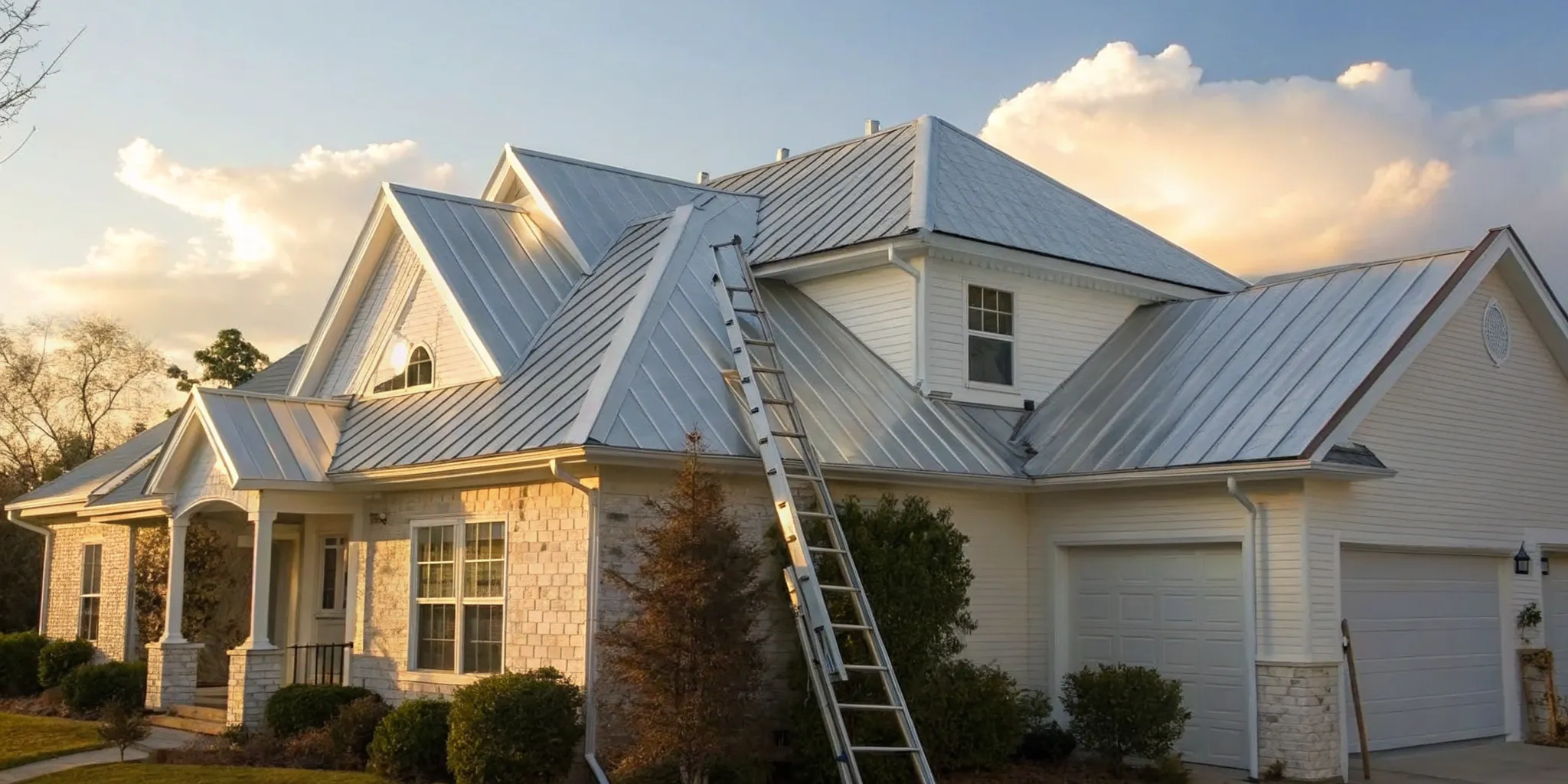
If you’re looking for a roof that will last a lifetime, metal is an excellent contender. While the initial cost is higher than shingles, a standing seam metal roof can last from 40 to 70 years with minimal maintenance. Metal roofs are incredibly durable, standing up to high winds and reflecting the sun’s heat to help keep your home cooler—a huge plus in Central Florida. They come in a variety of colors and styles, offering a sleek, modern aesthetic that can completely transform your home’s appearance while providing superior long-term protection.
Tile Roofing
Tile roofing is a classic choice that brings a touch of Mediterranean elegance to any home. Whether you opt for clay or concrete, tile roofs are known for their exceptional durability and longevity. They are fantastic at reflecting sunlight, which can help lower your cooling costs during our hot summers. While tile is one of the more expensive options, its performance and timeless beauty make it a worthwhile investment for many Florida homeowners. It’s a heavy material, so we always start with an inspection to ensure your home’s structure can support it.
Slate Roofing
For the ultimate in luxury and durability, nothing compares to a slate roof. Quarried from natural stone, slate is a premium material that can last for over 100 years. It’s naturally fire-resistant, waterproof, and resistant to mold and fungus. Each tile is unique, creating a stunning, sophisticated look that is simply unmatched. Slate is the most expensive roofing material and requires specialized installation, but for those seeking a true legacy roof that will protect their home for generations, it’s in a class of its own.
Synthetic Materials
Synthetic roofing offers the best of both worlds: the high-end look of materials like slate or wood shake without the high cost or maintenance. These composite materials are engineered for performance, boasting top-tier impact ratings that make them highly resistant to hail damage and high winds. They are also lightweight and often come with 50-year warranties. If you love the look of a natural material but want a more practical, storm-ready solution for your Florida home, synthetic roofing is a smart and stylish choice.
How Do Roofing Materials Compare on Cost and Durability?
Choosing a new roof is a big decision, and it’s about finding the right balance between your budget and long-term performance. The sticker price is just one piece of the puzzle. You also need to think about how long the material will last, how much upkeep it will need, and whether it can handle the intense Florida weather. Breaking down these factors will help you see the true value of your investment and choose a roof that protects your home for decades. We’ll walk through the key comparisons to help you feel confident in your choice.
Cost
The cost of a new roof can vary quite a bit, but the national average is around $9,500. For a standard 2,000-square-foot home, asphalt shingles—one of the most popular choices—typically cost between $10,000 and $18,000. If you’re considering a metal roof, the upfront investment is higher, usually ranging from $20,000 to $38,000. While that initial cost difference is significant, it’s important to weigh it against the roof’s lifespan and durability. Sometimes, a more expensive material can save you money over time. To make this investment more manageable, we offer convenient financing options to fit your budget.
Lifespan
How long do you want your new roof to last? This is where different materials really start to show their differences. Architectural asphalt shingles generally have a lifespan of 25 to 30 years, which is a solid, reliable choice for many homeowners. Metal roofing, on the other hand, can last much longer—anywhere from 40 to 70 years. And if you’re looking for a roof that could potentially outlast the house itself, materials like slate can endure for 100 years or more. Thinking about the long-term value helps you understand why knowing when to replace your roof is often tied to the material you choose.
Maintenance Needs
No matter which material you pick, a little maintenance goes a long way in helping your roof reach its full lifespan. One of the most common mistakes homeowners make is forgetting about their roof until a problem appears. Simple tasks like clearing away leaves and debris or treating for moss can prevent damage before it starts. Regular check-ups are also key. A professional hail damage inspection can spot subtle issues that aren’t visible from the ground, ensuring small problems don’t turn into costly repairs down the road. Taking a proactive approach to maintenance is the best way to protect your investment.
Weather Resistance in Florida
Here in Central Florida, our roofs face a unique set of challenges, from intense sun and heavy rain to hurricane-force winds. Choosing a material based on looks alone without considering our climate is a recipe for trouble. It’s essential to select materials specifically designed to perform well in these conditions. For example, some materials are better at reflecting heat, which can help keep your home cooler, while others offer superior wind resistance. Our team can help you explore the best residential roofing materials that are proven to stand up to Florida’s demanding weather, keeping your home safe and secure.
Which Roofing Brands Should I Trust?
Choosing the right materials for your roof is just as important as picking the right contractor. The brand you select determines the durability, appearance, and long-term performance of your roof, especially here in Florida where it has to stand up to intense sun, heavy rain, and high winds. With so many options on the market, it can be tough to know which names you can rely on.
The good news is that you don’t have to become a roofing expert overnight. Reputable brands build their name on quality, innovation, and solid warranties. They invest heavily in research and development to create products that last. We’ve spent years working with different materials and have seen firsthand which brands consistently deliver on their promises. By focusing on manufacturers with a proven track record, you can feel confident that your investment is protected and your home is in good hands.
Our Preferred Partners
At Sky Light Roofing, we only install products we’d be happy to have on our own homes. That’s why we’ve built strong relationships with the industry’s leading manufacturers. We choose our partners based on their commitment to quality, product innovation, and customer support. By working with top-tier brands, we ensure that every residential roofing project we complete uses materials designed for superior protection and longevity. This selectiveness means you get a roof that not only looks great but also comes with the peace of mind of a comprehensive warranty from a company that stands behind its products.
GAF
GAF is one of the most recognized names in roofing, and for good reason. Their Timberline series is a favorite among homeowners, with the Timberline HDZ shingles being particularly popular for their durability and beautiful, dimensional look. What really sets them apart, especially for Florida homeowners, is their WindProven™ Limited Wind Warranty, which provides an extra layer of protection against extreme weather. When you combine high-quality materials with a robust warranty, you get a roofing system you can truly depend on for years to come.
CertainTeed
If you’re looking for variety and quality, CertainTeed is a fantastic choice. The brand is known for its extensive range of roofing products, giving you plenty of options to match your home’s style. Their Landmark shingles are a top seller, valued for their durability and wide array of colors. CertainTeed also places a strong emphasis on sustainability, offering products that meet high environmental standards. This makes them an excellent option for homeowners who want a beautiful, long-lasting roof that’s also an eco-conscious choice for their property.
Owens Corning
Owens Corning has built a solid reputation for innovation and reliable performance. Their Duration shingles are engineered with a patented SureNail Technology, which creates a stronger grip and enhances wind resistance—a critical feature for any home in Central Florida. This focus on technical excellence ensures your shingles stay put, even during severe weather. Owens Corning also offers comprehensive warranties that provide homeowners with confidence and peace of mind, knowing their investment is well-protected against the elements.
IKO
IKO is another trusted brand that delivers high-quality asphalt shingles designed for performance and longevity. They offer a diverse selection of styles and colors, making it easy to find the perfect match for any architectural design, from classic to contemporary. IKO’s shingles are engineered to withstand the elements, providing a durable and reliable barrier for your home. The company also provides a range of warranty options across its different product lines, giving you the flexibility to choose a level of coverage that fits your budget and needs.
How to Choose the Right Roofing Contractor
Choosing the right materials for your roof is a huge decision, but picking the right person to install them is just as critical. A great contractor ensures your investment is protected and the job is done right the first time, while the wrong one can lead to costly repairs and endless headaches. Think of it as hiring a partner for a major home project. You want someone who is qualified, transparent, and has a proven track record of quality work.
Finding that perfect partner involves a little homework on your part, but it’s well worth the effort. You’ll want to look at four key areas: their professional credentials, their reputation in the community, the clarity of their pricing, and their installation methods. By vetting contractors on these points, you can feel confident that you’re placing your home in capable hands.
Check for Licensing and Insurance
This is the absolute first step and it’s non-negotiable. A legitimate roofing contractor must be able to provide proof of proper licensing and insurance. In Florida, this means they should be licensed by the state. This license shows they’ve met the required standards for knowledge and experience. Just as important is insurance. Ask for proof of both general liability insurance, which protects your property from damage, and worker’s compensation, which covers their crew in case of injury on your property. Without these, you could be held financially responsible for accidents. Don’t just take their word for it—ask to see the certificates.
Read Reviews and Ask for References
A contractor’s reputation is built on their past work. Start by looking for a company with a local address and a strong presence in your community. Check for recent, positive online reviews on sites like Google and the Better Business Bureau. While online reviews are helpful, don’t stop there. Ask the contractor for a list of references from recent residential roofing projects. Speaking directly with former clients gives you a chance to ask specific questions about their experience, from communication and timeliness to the quality of the final product and cleanup.
Get Detailed Quotes
When you request a quote, you should receive more than just a number. A professional contractor will provide a detailed, written estimate that breaks down the entire project. It’s a good practice to get at least three quotes to compare. A thorough quote should clearly outline the scope of work, the specific materials to be used, a breakdown of material and labor costs, and the payment schedule. It should also include an estimated timeline for the project. Be wary of any quote that is significantly lower than the others—it could be a red flag for subpar materials or hidden costs down the line.
Understand Their Installation Process
A quality roof is about more than just the shingles you see. The underlying process is what ensures it lasts for decades. A good contractor will be happy to walk you through their installation methods. Ask them how they ensure they’re following the manufacturer’s instructions for all materials. They should be able to explain their approach to installing proper underlayment, ensuring adequate ventilation, and placing flashing—the metal pieces that prevent water from seeping into vulnerable areas like chimneys and valleys. After a storm, a thorough hail damage inspection and a proper repair process are crucial, so make sure they can explain that too.
What Determines the Cost of a New Roof?
When you’re planning for a new roof, the final price tag can feel like a mystery. The truth is, several key factors come together to determine the total cost. It’s not just about the shingles; it’s a combination of the materials you choose, the complexity of your roof’s design, and the skilled labor required to get the job done right. Understanding these elements will help you see exactly where your money is going and why a quality roof is one of the most important investments you can make in your home.
Think of it like a custom project—because it is. Every home is different, and your roof is no exception. The size, slope, and even the number of chimneys or skylights play a significant role in the final quote. Plus, if recent storms have left their mark, your insurance company might be involved, which adds another layer to the process. We’ll break down each of these components so you can feel confident about your residential roofing project and make the best choices for your budget and your home’s long-term protection. From the specific materials that will shield you from the Florida sun to the expert hands that install them, every detail matters.
Material Choice
The type of roofing material you select has the single biggest impact on the final price. Asphalt shingles are the most popular choice in Florida for a reason—they offer a great balance of durability and affordability. However, if you’re looking for enhanced performance and a longer lifespan, you might consider other options. Architectural shingles, for example, provide a more dimensional look and often come with better warranties. Metal roofing is another premium choice known for its exceptional longevity and energy efficiency, though it comes with a higher upfront cost. Your decision here is a trade-off between your initial budget and the long-term value you want from your roof.
Labor and Installation
You can have the best materials in the world, but they won’t perform well without proper installation. Labor typically accounts for 40% to 60% of your total roof replacement cost, and it’s an area where you don’t want to cut corners. This cost covers a skilled crew safely tearing off your old roof, preparing the underlying structure, installing the new materials according to manufacturer specifications, and cleaning up the site completely. How well a roof is installed is arguably more important than the materials themselves, as it dictates how well your roof will stand up to Florida’s intense sun and storms for years to come.
Roof Size and Pitch
It makes sense that a larger roof requires more materials and more time to install, which increases the cost. But it’s not just about square footage. The complexity of your roof’s design, including its pitch (or steepness), also plays a major role. A steeper roof is more difficult and dangerous for crews to work on, so labor costs will be higher. Features like chimneys, skylights, dormers, and multiple valleys add to the complexity, as they require precise cutting, flashing, and sealing to prevent leaks. Each of these elements adds time and requires specialized skill, which is reflected in the final quote.
Storm Damage and Insurance Claims
Here in Central Florida, we’re no strangers to severe weather. If your roof was damaged by hail or high winds, your homeowner’s insurance policy might cover some or all of the replacement cost. The claims process can be tricky, but you don’t have to do it alone. Working with a contractor experienced in roof claim assistance can make a huge difference in ensuring your claim is handled correctly and you get the coverage you’re entitled to. It’s also worth noting that insurance companies often view older roofs as higher risk, which can sometimes influence premiums and claim outcomes.
Repair or Replace? When to Choose a New Roof
Deciding whether to patch up a problem or invest in a full roof replacement is one of the biggest decisions a homeowner can make. A quick repair might seem easier on your wallet right now, but sometimes a new roof is the smarter, safer, and more cost-effective choice in the long run. If you’re on the fence, thinking through these key factors will help you make the right call for your home and your budget.
Consider Your Roof’s Age
One of the most straightforward indicators is your roof’s age. Most asphalt shingle roofs are designed to last about 20 to 25 years. If your roof is approaching that age or is already past its warranty period, replacement is often the wisest path forward. Constant repairs on an old roof are like putting bandages on a deeper issue; you’ll spend more time and money over the years than you would with a single replacement. A new residential roofing system gives you a fresh start with a solid warranty, providing peace of mind for decades.
Assess the Extent of Damage
Don’t wait for a major leak to tell you it’s time for a new roof. Small signs of trouble can point to a much larger problem. Are you noticing shingles that are curling, cracked, or buckling? Have you seen granules from your shingles collecting in your gutters? These are red flags. Widespread damage, even if it looks minor, often means the underlying structure is compromised. A few missing shingles can be repaired, but if the damage is extensive across your roof, a replacement is the only way to ensure your home is fully protected. A professional hail damage inspection can reveal the true scope of the issue.
Compare Long-Term Costs
It’s tempting to choose the option with the lower price tag, but it’s crucial to think about the long-term financial picture. An inexpensive repair might solve your problem for a year or two, but what happens when another issue pops up? The costs of frequent, small-scale repairs can quickly add up. Investing in a full replacement with durable materials like metal or tile can save you money over the life of your home by eliminating the need for constant fixes. We offer convenient financing options to make this long-term investment more manageable for your budget.
Factor in Energy Efficiency
A roof replacement is a perfect opportunity to improve your home’s energy efficiency, especially here in sunny Florida. Modern roofing materials are designed with cool-roof technology that reflects more of the sun’s rays, keeping your attic and home cooler and slashing your air conditioning bills. Upgrading your roof can also make you eligible for home insurance discounts, particularly if you choose impact-resistant shingles. If you’ve ever considered adding a skylight, a replacement is the ideal time to do it. A new, efficient roof doesn’t just protect your home—it can actively save you money every month.
Common Roof Replacement Mistakes to Avoid
A new roof is a major investment, and it’s one you want to get right the first time. While it might seem straightforward, there are a few common missteps that can turn a simple project into a costly headache. Being aware of these potential pitfalls is the first step to ensuring your roof replacement goes smoothly and gives you a result that protects your home for decades. Let’s walk through some of the most frequent mistakes homeowners make so you can confidently sidestep them.
Choosing a Contractor on Price Alone
It’s tempting to jump on the lowest bid, but when it comes to your roof, price shouldn’t be the only factor. An unusually low quote can be a red flag for subpar materials, rushed workmanship, or an uninsured contractor. A quality residential roofing project involves more than just shingles; it includes proper underlayment, ventilation, and flashing. Contractors who cut corners on these essentials to offer a lower price can leave you with leaks and other issues down the road, costing you more in the long run. Always prioritize value, which includes quality, experience, and a solid warranty.
Ignoring Local Building Codes
Florida has specific building codes for a reason—to make sure your roof can stand up to our unique weather, including hurricanes. A reputable contractor will be well-versed in local requirements and will handle all the necessary permits for your project. Overlooking these codes can lead to failed inspections, fines, and even problems when you try to sell your home. Make sure any contractor you consider includes permitting in their process and can speak to how they meet or exceed local standards for wind resistance and installation practices.
Overlooking Your Home’s Structural Needs
Not every home is built to support every type of roofing material. For example, heavy materials like slate or clay tiles require additional structural support that your home might not have. Choosing a material without first assessing your home’s framework can put a dangerous amount of stress on the structure. A professional roofer will always evaluate your home’s structural integrity before recommending materials. This ensures the new roof is not only beautiful but also safe and appropriate for your specific house.
Skipping a Professional Inspection
Before you commit to a full replacement, a thorough inspection is essential. Some issues might look like they require a new roof but could be solved with a targeted repair. On the other hand, a professional hail damage inspection can uncover hidden problems, like soft spots in the decking or poor attic ventilation, that absolutely must be addressed during a replacement. Skipping this step means you’re making a decision without all the facts, which could lead to surprise costs or unresolved underlying issues.
What Should I Look for in a Roofing Warranty?
A new roof is one of the most significant investments you’ll make in your home, and a solid warranty is your best protection for that investment. Think of it as a safety net that ensures your home stays safe and dry for years to come. But not all warranties are created equal. Before you sign on the dotted line, it’s essential to understand what you’re getting.
Selecting the right roofing warranty is just as crucial as choosing the right materials for your home. The fine print can feel a bit overwhelming, but breaking it down makes it much more manageable. Generally, you’ll encounter two main types of coverage: one for the materials themselves and another for the installation quality. A comprehensive warranty package should include both, giving you complete peace of mind. A trusted contractor will walk you through the specifics of your warranty, ensuring you know exactly what’s covered long after the residential roofing project is complete.
Manufacturer vs. Workmanship Warranties
It’s important to know the difference between a manufacturer warranty and a workmanship warranty, as you absolutely need both. A manufacturer’s warranty covers the physical roofing materials—the shingles, tiles, or metal panels. If a product fails prematurely due to a manufacturing defect, this warranty ensures you can get replacement materials. On the other hand, a workmanship warranty is provided by your contractor. This covers any errors related to the installation. Even the best materials on the market can fail if they aren’t installed correctly, which is why our team’s skill and attention to detail are backed by a strong workmanship guarantee.
Coverage Length and Exclusions
When you see the term “lifetime warranty,” it’s easy to assume it covers your roof for as long as you own your home. However, “lifetime” is often defined by the manufacturer and may refer to the material’s expected lifespan under normal conditions. Always read the details to understand the coverage period and what might be excluded. Common exclusions include damage from severe weather, falling trees, or unauthorized repairs. In Florida, it’s especially important to know how your warranty handles storm damage. A professional hail damage inspection can help document issues that may be covered under your policy or warranty.
Transfer Options
Are you planning to sell your home in the future? If so, a transferable warranty can be a major asset. This feature allows you to pass the remaining warranty coverage on to the new owner, which is a fantastic selling point that adds value and confidence for potential buyers. Some warranties transfer automatically, while others may require a formal process or a small fee. Not all warranties offer this option, so it’s a great question to ask your contractor upfront. A transferable warranty shows that a manufacturer and a contractor stand behind their work for the long haul, not just for the current homeowner.
How Can I Pay for My New Roof?
A new roof is one of the most important investments you can make in your home, but that doesn’t mean you have to pay for it all at once. The good news is you have several straightforward options to make the cost manageable. Thinking through how to fund your project ahead of time can take a lot of stress out of the process. Let’s walk through the most common ways homeowners pay for a new roof so you can find the right fit for your budget.
Our Financing Programs
We believe every family deserves the peace of mind that comes with a safe, reliable roof. That’s why we offer our own financing options designed to fit your specific budget. Working directly with us simplifies the entire process, letting you bundle your installation and payment plan into one easy package without involving a third-party lender. We provide flexible terms and competitive rates to help you get the roof you need now and pay for it over time in manageable installments. This approach allows you to protect your home immediately without draining your savings or putting off essential work that could lead to more costly repairs down the road.
Manufacturer Financing
In addition to our own programs, many of the top-tier roofing manufacturers we partner with provide their own financing plans. Brands like GAF and CertainTeed often have promotional offers with competitive interest rates available to homeowners using their products. These programs can be a fantastic way to fund your project, sometimes with added benefits tied to their material warranties. As your contractor, we can help you identify and apply for any manufacturer-specific financing you may be eligible for, ensuring you have access to every available option and can make the most informed choice for your home and your wallet.
Home Improvement Loans
Home improvement loans are another popular and effective way to cover the cost of a roof replacement. You can typically find these through banks, credit unions, or online lenders. The two most common types are personal loans and home equity loans. A personal loan is unsecured, meaning you don’t have to use your home as collateral, and the funding process is often very quick. Alternatively, a home equity loan or line of credit (HELOC) lets you borrow against the value you’ve built in your home, which can result in a lower interest rate. Exploring the best roof financing options can help you decide which loan type is right for you.
Related Articles
- 4 Types of Roofs on Houses | Advantages and Disadvantages
- The Best New Roofing Materials: A Buyer’s Guide
- Your Guide to Residential Roofing (2021)
Frequently Asked Questions
How long will the roof replacement process take from start to finish? The on-site work for a typical residential roof replacement is surprisingly fast, usually taking just one to three days. Of course, this can change depending on the size and complexity of your roof, as well as the weather. The entire process, from our initial inspection and signing the contract to ordering materials and scheduling the crew, might take a few weeks. We always prioritize clear communication, so you’ll have a solid timeline and know exactly what to expect before we begin.
Can I just install a new layer of shingles over my old roof? While it might seem like a good way to save money, putting new shingles over an old layer is a shortcut we strongly advise against. This practice, called a “roof-over,” adds a lot of extra weight to your home’s structure and can trap heat, which shortens the life of the new shingles. More importantly, it prevents us from inspecting the underlying wood decking for rot or damage. A proper replacement involves a full tear-off, ensuring we build your new roof on a solid, healthy foundation.
Which roofing material is truly the best for handling Florida’s intense sun and hurricanes? There isn’t a single “best” material, but there are top performers for our climate. Metal roofing is an excellent choice for its superior wind resistance and its ability to reflect solar heat, which can help lower your cooling costs. Tile is also fantastic for its durability and heat-reflective properties. For those who prefer the look of shingles, modern architectural shingles from brands like GAF and Owens Corning are engineered with advanced features to withstand high winds and are a reliable, proven option for Florida homes.
Will a new roof actually increase my home’s resale value? Absolutely. A new roof is one of the most valuable improvements you can make to your home. For potential buyers, it represents security, curb appeal, and the absence of a major expense they’ll have to worry about for decades. A quality roof with a transferable warranty is a huge selling point that can significantly increase what buyers are willing to offer. It’s an investment that not only protects your home but also pays you back when it’s time to sell.
How can I tell if my roof has storm damage that isn’t an obvious leak? It’s smart to check on your roof after a major storm, even if you don’t see water inside. From the ground, use binoculars to look for shingles that are cracked, dented, or missing granules, which can look like dark or bald spots. Also, check your gutters and downspouts for an excessive amount of shingle granules that may have been knocked loose. If you notice any of these signs, it’s best to schedule a professional inspection to get a clear picture of your roof’s condition.