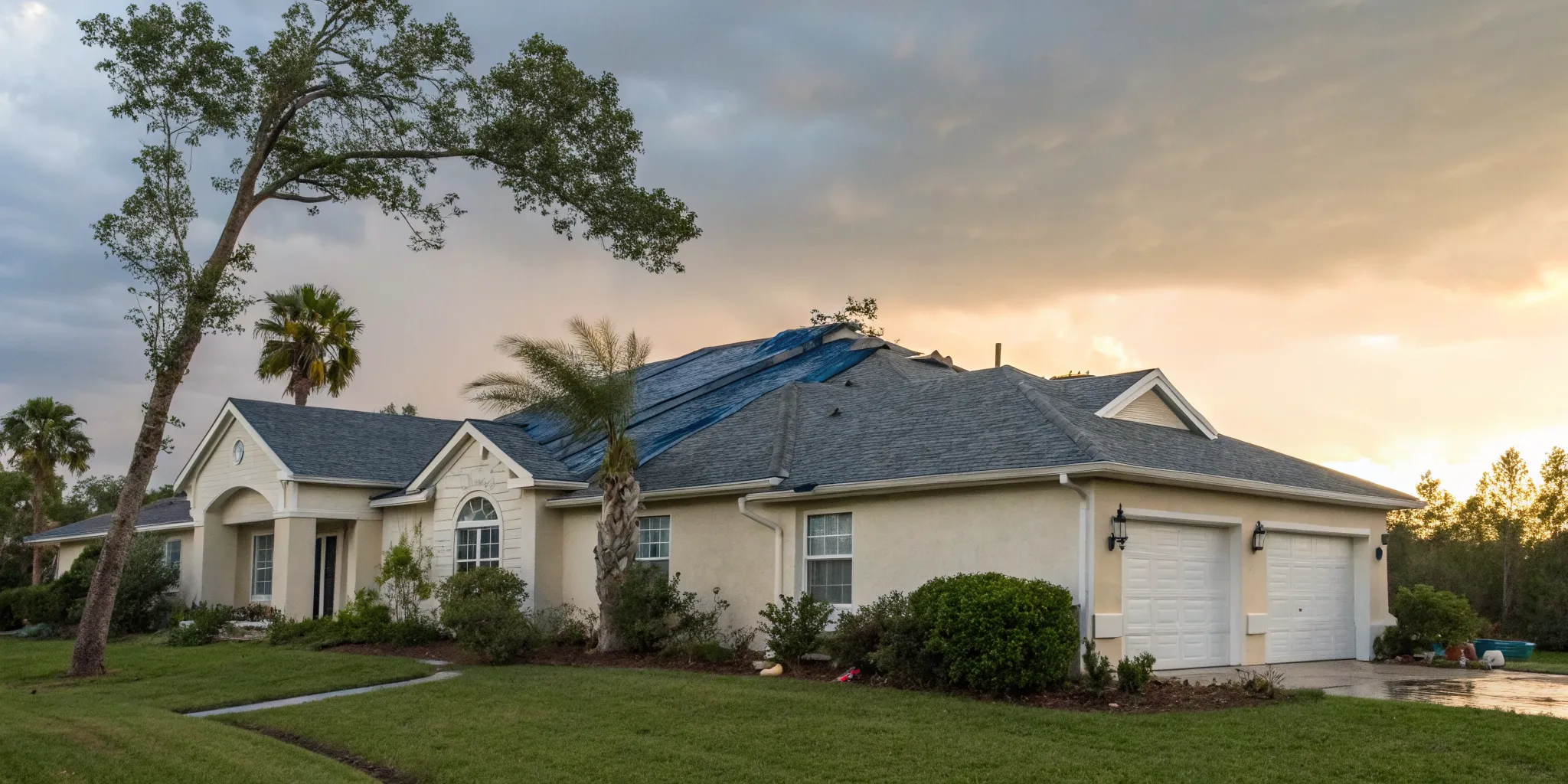
After a storm, it’s tempting to think that if you don’t see missing shingles, your roof made it through unharmed. Unfortunately, some of the most destructive damage is nearly invisible from the ground. Hail can create small bruises that compromise your shingles’ integrity, while high winds can loosen flashing around vents and chimneys, creating the perfect entry point for water. These subtle problems are what often lead to the biggest headaches, like hidden leaks and mold growth. This guide is designed to help you understand these hidden dangers. We’ll explain the tell-tale signs of trouble and outline why a professional inspection is critical for any Central Florida storm damage roofing assessment.
Key Takeaways
- Assess damage from the ground first: After a storm, check for obvious issues like missing shingles and look for new water stains on your ceilings, but always follow up with a professional inspection to find subtle damage.
- Document everything for your insurance claim: Before you call your insurer, use your phone to take detailed photos and videos of all damage, both inside and out, to create a strong record for your claim.
- Choose a qualified local roofer: Vet any potential contractor by verifying their license and insurance, checking their local reputation, and confirming they have specific experience with Central Florida storm repair.
What Storm Damage Looks Like in Central Florida
Living in Central Florida means enjoying plenty of sunshine, but it also means preparing for our fair share of wild weather. From seasonal hurricanes to surprise hailstorms, our roofs take a serious beating. After the storm passes and the skies clear, it can be tough to know what you’re looking for. Some damage is obvious, like a tree branch on your house, but other types are much harder to spot from the ground. Understanding the different ways a storm can impact your roof is the first step in protecting your home. Let’s walk through the common signs of damage so you know exactly what to look for.
Hurricane and Wind Damage
Hurricanes and severe thunderstorms bring powerful winds that can be incredibly destructive to your roof. When winds whip across your home, they can lift and curl shingles, leaving the underlayment exposed to rain. You might notice missing shingles in your yard or see that some look creased or bent back. This kind of damage compromises your roof’s ability to shed water, often leading to leaks. High winds can also loosen the flashing around chimneys, vents, and skylights, creating easy entry points for water. It’s a common issue for any residential roofing system, and catching it early can save you from more extensive repairs down the road.
Hail Damage
Hail can be one of the trickiest types of storm damage to identify. Unlike a fallen tree limb, hail damage often isn’t visible from the street. On asphalt shingles, it can look like dark bruises or dents where the protective granules have been knocked away. On metal roofing, you’ll see small, circular dings. While these spots might seem minor, they weaken your roof’s defenses against UV rays and moisture, shortening its lifespan. Because it can be so subtle, it’s always a good idea to get a professional hail damage inspection after a storm. An expert can spot the tell-tale signs and assess the true extent of the impact on your roof’s health.
Heavy Rain and Water Damage
Even without high winds or hail, heavy, driving rain can cause significant problems for your roof. If your roof already has a weak spot, like a loose shingle or cracked flashing, torrential rain will find it. The most obvious signs of water damage appear inside your home as water stains on ceilings or walls, bubbling paint, or a musty smell that could indicate mold growth. Over time, this moisture can lead to wood rot in your roof’s decking and structural supports, a much more serious issue. If you spot any signs of a leak, it’s best to call for an emergency roof repair to prevent the damage from spreading and protect your home’s interior.
Debris Impact
Strong storms don’t just bring wind and rain; they also throw a lot of debris around. Falling tree limbs are a major culprit, capable of puncturing shingles and the underlying roof deck, creating an immediate path for water to enter your home. Even smaller branches and other wind-blown objects can scrape away the protective granule layer on your shingles, similar to hail damage. After a storm, it’s important to check for any debris on your roof. Most insurance policies cover damage from fallen trees and other impacts, but the claims process can be complicated. Getting professional roof claim assistance can help ensure you get fair compensation for the necessary repairs.
How to Spot Roof Damage After a Storm
After a big storm passes, your first instinct might be to check if the power is on and the yard is clear. But looking up at your roof is just as important. Storms in Central Florida can be rough, and even if everything looks okay at first glance, hidden damage can lead to serious issues down the road. Knowing what to look for, both outside and inside your home, can help you catch problems early. This quick guide will walk you through a simple post-storm checkup you can do yourself before calling in the experts for a thorough inspection.
Check for Damage Outside
From the safety of the ground, take a walk around your property. Look for obvious signs of trouble like missing, cracked, or curled shingles. These storms can cause problems like leaks and damage to the roof’s structure that you might spot right away. Check your gutters and downspouts for dents or pieces of shingle granules, which look like coarse black sand. You might also see fallen tree limbs or other debris on the roof. While this initial check is helpful, remember that some of the most significant damage isn’t visible from the ground. A professional hail damage inspection can uncover these less obvious issues before they cause leaks.
Look for Clues Inside
Roof damage isn’t always visible from the outside. Your home’s interior can offer some of the clearest signs that a storm has compromised your roof. Head up to your attic with a flashlight and look for wet spots on the insulation or wood, or any signs of daylight coming through the roof deck. In your main living areas, check ceilings and walls for new water stains, discoloration, or peeling paint, especially around vents and light fixtures. Finding these clues early is key. Acting fast can stop a small leak from turning into a major, expensive problem that requires an emergency roof repair.
Know When to Call a Pro
While a personal inspection is a good start, it’s not a substitute for a professional assessment. You should schedule a roof inspection immediately after a major hurricane or hailstorm, even if you don’t see any obvious damage. A trained roofer can safely get on your roof to spot subtle problems you might miss, like lifted shingles or compromised flashing. They can provide a detailed report of the damage, which is essential for your insurance claim. Getting expert roof claim assistance from the start makes the entire process smoother and helps ensure you get the coverage you need for repairs.
Your First Steps After a Storm Hits
The moments after a big storm passes can feel overwhelming, but having a clear plan makes all the difference. By taking a few key steps right away, you can protect your property, ensure your family’s safety, and get the insurance process started on the right foot. Focus on these three priorities before you do anything else.
Put Safety First
Before you even think about the damage, your number one priority is making sure everyone is safe. Storms can leave behind hidden dangers like downed power lines, unstable tree limbs, or even structural damage to your home that isn’t immediately obvious. Walk around the exterior of your property carefully, keeping an eye out for any immediate hazards. If you see anything that looks dangerous, keep a safe distance. It’s also wise to stay off the roof yourself. A storm-damaged roof can be unstable, and it’s best to leave the close-up inspection to a professional who has the right safety equipment and training.
Temporarily Protect Your Home
Once you’ve confirmed the area is safe, your next goal is to prevent any existing damage from getting worse. This might mean covering a broken window with a board or placing a tarp over a section of your roof that’s clearly damaged. These are just temporary measures to keep the elements out until a professional can assess the situation. It’s important not to make any permanent repairs just yet. Your insurance adjuster will need to see the full extent of the storm’s impact to process your claim correctly. If you need help with a temporary fix, our team is ready to provide emergency roof repair services to secure your home.
Document the Damage for Insurance
Thorough documentation is your best friend when it comes to filing an insurance claim. Grab your phone and start taking as many photos and videos as you can. Capture the damage from different angles, getting both close-up shots of things like dented gutters or missing shingles and wider shots to show the full picture. Don’t forget to check for damage inside your home, like water stains on the ceiling or walls. Make a detailed list of everything you find. This evidence will be essential for your claim and will help ensure you get the support you need. Having this organized can make the roof claim assistance process much smoother.
How to File a Roof Damage Insurance Claim
Understand Your Policy
Before you even pick up the phone, it’s helpful to have a basic grasp of your homeowner’s insurance policy. Knowing what storm damage insurance covers is the first step to a smooth claims process. Most standard policies will cover damage from specific events like wind, hail, and falling trees. Take a few minutes to look over your documents, paying close attention to your deductible and any exclusions that might apply. If the language feels confusing, don’t hesitate to call your insurance agent for clarification. Understanding your coverage upfront helps you set realistic expectations and prepares you for the conversation with your insurer. Our team can also provide roof claim assistance to help you make sense of the process.
File the Initial Claim
Once you’ve confirmed the damage and ensured your family is safe, it’s time to contact your insurance company. Most policies require you to report damage “promptly” or “within a reasonable time,” so it’s best not to wait. When you call, have your policy number handy and be ready to give a clear, concise description of what happened. This is where your photos and notes become invaluable. You can use them to file the claim and upload them directly through your insurer’s online portal or app. The initial filing kicks off the formal process, so getting it done quickly and accurately is key to getting your home back in order. If you need immediate protection from the elements, our emergency roof repair services can help.
Work with the Insurance Adjuster
After you file a claim, your insurance company will assign a claims adjuster to your case. Their job is to visit your property and assess the extent of the damage. It’s a good idea to be home when the adjuster arrives so you can walk them through the property and point out every issue you’ve documented. We also highly recommend having a professional roofer present during this inspection. An experienced roofer can spot subtle signs of damage the adjuster might miss, like bruising from hail. Having an expert on your side ensures the assessment is thorough and fair, which is crucial for an accurate claim settlement. A professional hail damage inspection can be especially important for this step.
Avoid Common Claim Mistakes
Filing an insurance claim can feel complicated, and unfortunately, even carefully prepared claims can be undervalued or delayed. To protect yourself, avoid a few common mistakes. The biggest one is failing to document everything. Keep a detailed record of all damage, repair estimates, and every conversation you have with your insurance company. Another pitfall is waiting too long to file your claim, which could lead to a denial. Also, avoid starting any permanent repairs before your claim is approved, as this can complicate the process. Finally, don’t feel pressured to accept the first settlement offer if it seems too low. Working with a trusted contractor can help you get the support you need for your roof claim assistance.
How a Professional Roofer Can Help
After a storm, you might feel pressured to handle everything yourself, but working with a professional roofer is the safest and most effective way to protect your home. A qualified team does more than just fix the damage; they provide critical support from the moment the storm passes until your roof is fully restored. They help with everything from immediate fixes to insurance paperwork, making the recovery process much smoother for you and your family.
Emergency Roof Repairs
Storms don’t stick to a 9-to-5 schedule, and neither do their consequences. If a tree branch has punctured your roof or high winds have torn off shingles, you can’t wait for business hours to get help. Professional roofers provide emergency roof repair to secure your home and prevent water from causing further damage inside. They can quickly apply temporary tarping and other measures to protect your property while planning for a permanent solution. This immediate response is crucial for minimizing interior water damage to your ceilings, walls, and belongings, giving you essential peace of mind when you need it most.
Complete Roof Inspections
You can spot obvious damage from the ground, but a professional sees much more. Trained inspectors get on the roof to safely and thoroughly identify subtle issues like bruised shingles from hail, hidden leaks around flashing, and structural weaknesses that can lead to major problems later. A complete hail damage inspection after a storm is essential for an accurate assessment. This detailed evaluation provides the official documentation you need for your insurance claim and ensures no problem goes unnoticed. It’s the best way to prevent small issues from turning into costly, long-term headaches.
Insurance Claim Assistance
The insurance process can feel overwhelming, but you don’t have to go through it alone. Experienced roofers are used to working with insurance companies and can be a valuable advocate for you. They know what documentation is required and can provide detailed reports, photos, and accurate estimates to support your case. This professional roof claim assistance helps ensure your claim is handled fairly and efficiently. By speaking the same language as the adjusters and providing clear evidence, your roofer can help you get the full compensation you’re entitled to under your policy.
Full Roof Replacement
Sometimes, the damage is too widespread for a simple repair. If a storm has compromised a large portion of your roof or if it was already nearing the end of its lifespan, a full replacement might be the best long-term solution. A professional roofing contractor can determine if this is necessary and manage the entire re-roofing project for you. Most standard homeowner’s insurance policies cover storm-related replacements, and your roofer can help you understand the process for your residential roofing project. They’ll also help you explore material options and explain available financing if there are any gaps in coverage.
How to Choose the Right Roofing Contractor
After a storm, the pressure to find a roofer can feel overwhelming. But choosing the right contractor is one of the most important decisions you’ll make for your property. This isn’t just about fixing a leak; it’s about partnering with a professional you can trust to protect your home or business for years to come. Taking a little time to vet your options can save you from major headaches and costly mistakes down the road. A great contractor will not only perform high-quality work but also guide you through the process, from the initial inspection to working with your insurance company.
Verify Licensing and Insurance
Before you even think about getting an estimate, your first step should be to confirm that any contractor you consider is properly licensed and insured. This is non-negotiable. A valid license proves they meet state and local requirements, while insurance protects you from any liability if an accident happens on your property. A reputable company will be upfront with this information and should provide it upon request. Don’t just take their word for it; verify their credentials with the appropriate local agencies. This simple check ensures you’re working with a legitimate professional who follows the rules.
Look for Storm Repair Experience
Roofing in Central Florida is different. Our weather patterns mean that not just any roofer will do; you need a team with specific experience in storm damage. A contractor who has been handling hurricane, wind, and hail damage for years will know exactly what to look for. They can identify hidden issues that a less experienced roofer might miss, which could lead to bigger problems later. They’ll also understand the urgency of making timely repairs and can often provide emergency roof repair services to prevent further damage while you sort out a long-term solution.
Check Local Reputation and Reviews
A contractor’s local reputation speaks volumes. Start by looking up online reviews on sites like Google and the Better Business Bureau. Are customers consistently happy with their work, communication, and professionalism? Look for detailed reviews that describe the customer’s experience from start to finish. Beyond online ratings, ask for local references. A confident contractor will be happy to share names and addresses of past projects in your area. Seeing their work firsthand and speaking with former clients is one of the best ways to gauge the quality and reliability you can expect.
Get Multiple Estimates
It’s always a good idea to get at least three written estimates from different contractors. This helps you get a feel for the market rate and compare what each company offers. But remember, the lowest bid isn’t always the best choice. A suspiciously cheap estimate could be a red flag for subpar materials or inexperienced labor. A detailed estimate should clearly outline the scope of work, the specific materials to be used, and a projected timeline. This is also a good time to discuss financing options, as many reputable companies offer plans to help manage the cost.
Repair or Replace Your Roof?
After a storm rolls through, one of the biggest questions you’ll face is whether your roof needs a simple patch-up or a complete overhaul. It’s a major decision, and the right answer isn’t always obvious from the ground. The choice between repairing and replacing your roof depends on a few key factors: the age of your roof, the extent of the damage, and your long-term budget. A few missing shingles might just need a quick fix, but widespread damage could signal that a full replacement is the smarter, safer investment for your home.
Making the right call is about more than just the immediate cost; it’s about protecting your home from future leaks, mold, and structural problems. It also ensures you get the most value out of your investment. A professional inspection is the best way to get a clear picture of your roof’s condition and understand all your options. An expert can spot subtle issues that might be missed by an untrained eye and give you a straightforward recommendation based on years of experience. This helps you move forward with confidence, knowing you’re making the best choice for your home’s safety and your peace of mind.
When a Repair Is Enough
Sometimes, a targeted repair is all you need to get your roof back in top shape. If the storm damage is isolated to one or two small areas, a repair is usually the most practical and cost-effective solution. This could include replacing a few missing or cracked shingles, fixing some that are curling at the edges, or securing damaged flashing around chimneys and vents. As long as the rest of your roof is in good condition and isn’t too old, these smaller fixes can effectively stop a leak in its tracks. Acting quickly on these issues is key to preventing minor damage from turning into a major headache, which is why emergency roof repair services are so important.
Signs You Need a Full Replacement
If the storm damage is widespread or your roof was already nearing the end of its lifespan, a full replacement is often the better long-term solution. Constant repairs can become a costly cycle, and a new roof provides a clean slate. Telltale signs include large sections of missing or damaged shingles, significant granule loss that leaves your shingles looking “bald,” or sagging areas. A professional hail damage inspection can also uncover hidden issues that compromise the entire roofing system. While the upfront cost is higher, a new roof offers complete protection, better energy efficiency, and peace of mind for decades to come, making it a wise investment for your property.
Weigh the Costs
Figuring out the financial side of storm damage can feel overwhelming, but you have options. While a repair has a lower initial cost, a full replacement might be more economical over time if your roof is old or severely damaged. Your homeowner’s insurance will play a big role here. A thorough damage assessment is the first step, and professional roof claim assistance can help ensure your insurance provider gets all the documentation needed to cover the work. If your policy doesn’t cover the full amount or you’re facing a high deductible, look into financing options. Many roofing companies offer payment plans to make the expense more manageable.
Your Financing Options for Roof Repairs
Even with insurance, figuring out how to pay for unexpected roof repairs can be a major source of stress. When your claim doesn’t cover the full amount, or if you need to get work started right away, it’s smart to know what your financial options are. The good news is that you don’t have to drain your savings to get a safe, secure roof back over your head. Many professional roofers offer solutions to help you manage the cost, making essential repairs more accessible.
What to Do About Insurance Gaps
The reality of insurance is that policies don’t always cover every type of damage. Most standard homeowner’s policies will cover damage from wind and hail, but they might have exclusions for other storm-related issues. This can leave you with an unexpected gap between what your insurance pays and the actual cost of repairs. It’s always a good idea to review your policy so you know exactly what’s covered. If you find yourself in this situation, working with a roofer who understands the claims process can be a huge help. They can provide detailed documentation to support your case and help you understand your next steps.
Explore Payment Plans and Financing
When your insurance claim is undervalued, delayed, or denied, you still need to get your roof fixed. This is where exploring payment plans can be a lifesaver. Many roofing companies partner with lenders to offer flexible financing options that allow you to break down the total cost into manageable monthly payments. This approach lets you handle the immediate need for repairs without the pressure of a large, upfront expense. It gives you the breathing room to protect your home now and pay for the work over time, ensuring your family’s safety isn’t put on hold due to budget concerns.
Protect Your Roof From the Next Storm
Living in Central Florida means preparing for storm season is just a part of life. Instead of waiting for the weather forecast to turn serious, you can take simple, proactive steps to make sure your roof is ready for whatever comes its way. A little preparation now can save you a lot of stress and money later. By focusing on regular upkeep and smart material choices, you can give your home the best possible defense against high winds, heavy rain, and hail. It’s all about giving yourself peace of mind before the storm clouds even gather.
Keep Up with Regular Maintenance
Think of regular roof maintenance as a health checkup for your home. Simple tasks like clearing your gutters of leaves and debris and trimming any overhanging tree branches can prevent a lot of problems when a storm hits. Beyond what you can do yourself, a professional inspection is key. Storms can cause damage you can’t see from the ground, and a trained eye can spot subtle issues before they become major headaches. Getting your roof inspected regularly helps prevent bigger problems down the road, like hidden leaks, mold, and structural damage. A professional hail damage inspection can identify weak spots that could be vulnerable in the next storm.
Consider Protective Upgrades and Materials
If your roof is getting older or you’re planning a replacement, it’s a great opportunity to think about long-term protection. Investing in storm-resistant materials, like impact-resistant shingles or reinforced roofing systems, can make a huge difference in how your home weathers a hurricane. These materials are specifically designed to stand up to high winds and flying debris. Upgrading your residential roofing isn’t just about strength; it can also be a smart financial move. Some insurance policies may even offer discounts for homes with certified storm-resistant features, so it’s worth a conversation with your provider. It’s an investment in both your property’s safety and its value.
Related Articles
- Storm Assessment – Skylight Roofing Inc.
- Roof Repair & Replacement in Central Florida | Sky Light Roofing Inc.
- 3 Ways The Florida Weather is Damaging your Roof | Skylight
- Central Florida Roof Restoration | Sky Light Roofing
- Roof Repair After Hail Damage: 5 Key Steps
Frequently Asked Questions
Should I call my insurance company or a roofer first after a storm? This is a great question, and one I get all the time. While your first instinct might be to call your insurance agent, I always recommend calling a trusted, local roofer first. Having a professional inspect the damage beforehand gives you a clear, documented assessment of the situation. This report provides you with valuable information and evidence to include when you file your claim, which can help ensure the process with your insurance adjuster goes much more smoothly.
My roof doesn’t seem to be leaking. Do I still need a professional inspection? Yes, absolutely. Many types of serious storm damage, especially from hail or high winds, aren’t visible from the ground and don’t cause immediate leaks. Wind can lift and crease shingles without tearing them off, and hail can create small bruises that compromise your roof’s integrity over time. Getting a professional inspection is a proactive step to catch these hidden issues before they lead to wood rot, mold, or major leaks down the road.
Are a few small dings from hail really a big deal? It might not seem like it, but even small hail impacts can cause significant problems. Those little dings are actually spots where the protective granules have been knocked off your shingles. These granules are what shield your roof from UV rays and moisture. Once they’re gone, the shingle underneath is exposed and will deteriorate much faster, drastically shortening the lifespan of your entire roof.
How do I know if I need a simple repair or a full roof replacement? The decision really comes down to three main factors: the age of your roof, the extent of the damage, and the long-term cost. If your roof is relatively new and the damage is contained to a small area, a repair is often the perfect solution. However, if the damage is widespread across multiple sections of your roof, or if your roof was already over 15 years old, a full replacement is usually the smarter long-term investment.
After a storm, roofers often knock on my door. How can I tell if a contractor is trustworthy? It’s wise to be cautious. A reputable contractor will never use high-pressure tactics. The best way to protect yourself is to do your own research. Before signing anything, verify that the company is licensed and insured in Florida, check their online reviews on sites like Google, and ask for local references you can contact. A trustworthy roofer will be patient and transparent, providing you with all of this information without hesitation.