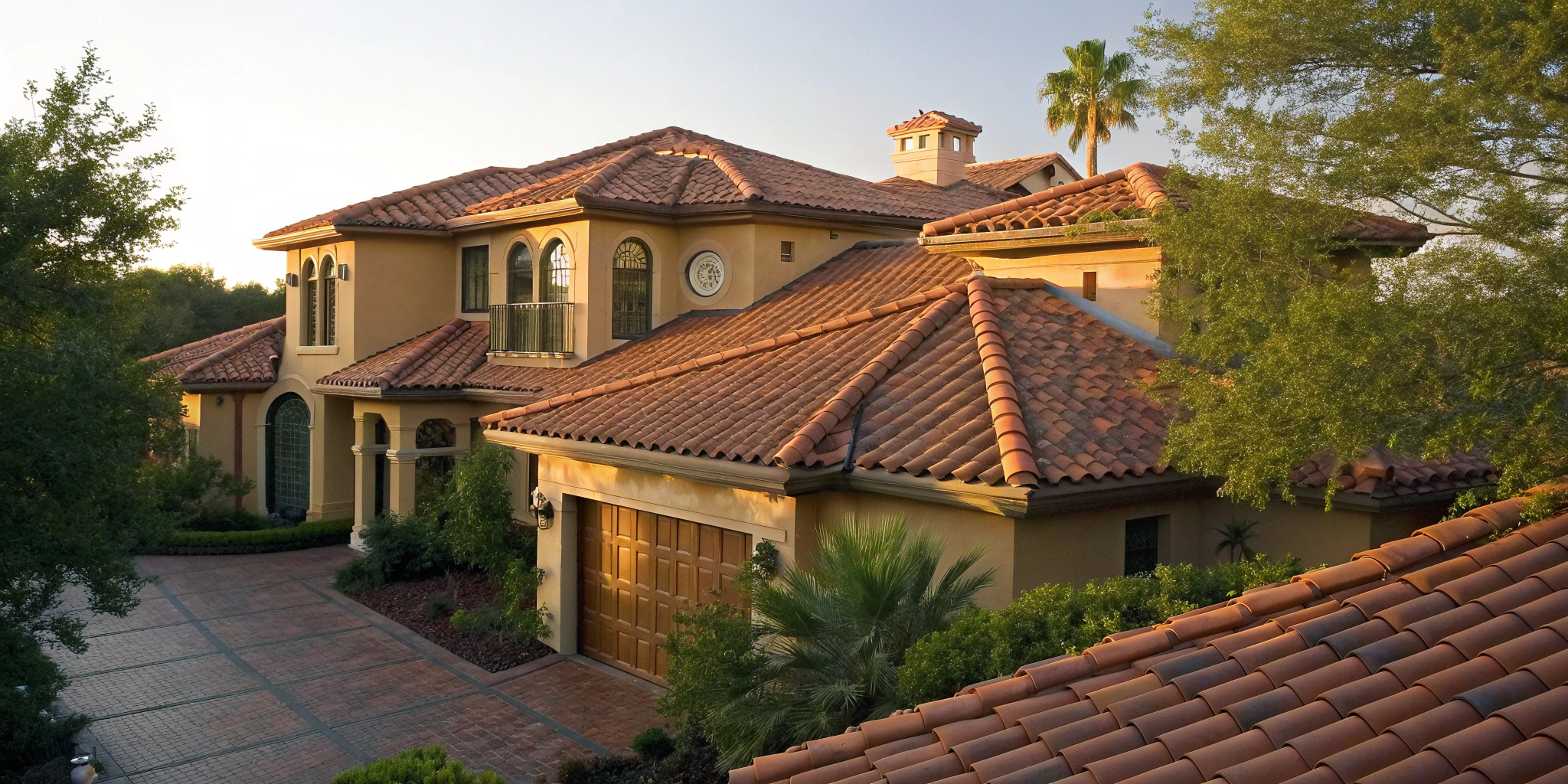
There’s no denying the stunning curb appeal of a clay tile roof. It’s a classic look that defines so much of Florida’s architecture, adding a touch of elegance to any home. But can you achieve that beautiful style without breaking your budget? The good news is that clay tiles come in various styles and finishes, each with a different price point. Answering the question of how much is a clay tile roof cost starts with exploring these options. We’ll show you how different choices, from Spanish to French tile, impact the final price, helping you find the perfect balance between your vision and your budget.
Key Takeaways
- Budget for Both Tile Style and Roof Complexity: The final cost of a clay tile roof is a range, not a flat rate. Your price is shaped by the specific tile you choose—like classic Spanish or modern interlocking—and the unique architecture of your roof, as complex designs with steep pitches or multiple valleys require more labor.
- Factor in the Complete Project, Not Just the Tiles: A quality installation involves more than just laying tiles. Remember to account for essential costs like removing the old roof, installing a protective underlayment, and potentially reinforcing your home’s structure to support the weight.
- Focus on Long-Term Value Over Upfront Cost: While the initial price is higher than other materials, a clay tile roof is a lifetime investment. Its 100+ year lifespan, combined with energy savings and a significant increase in home value, makes it a financially sound choice that pays for itself over time.
How Much Does a Clay Tile Roof Really Cost?
Let’s talk numbers. When you’re considering a beautiful, long-lasting clay tile roof, the first question on your mind is likely about the price tag. The truth is, the cost isn’t a single, simple figure—it’s a range that depends on several key elements, from the size and shape of your roof to the specific style of tile you choose. Understanding these costs upfront helps you budget effectively and see why clay tile is such a worthwhile investment for your Central Florida home. It’s about more than just an initial expense; it’s about long-term value, durability, and curb appeal. To make it easier to grasp, we can break the cost down into two main parts: the price per square foot and the total estimated cost for an average home. This approach gives you a clear picture of what to expect before you even get a quote, so you can feel confident in your decision-making process from the very beginning.
Breaking Down the Cost Per Square Foot
Roofing projects are typically priced by the square foot, which helps standardize quotes. For clay tiles in Florida, the materials themselves usually run between $7 and $10 per square foot. However, that’s only part of the equation. Installation is a specialized skill, and labor costs can range from $12 to $21 per square foot, depending on the complexity of your roof. When you combine materials and professional installation, you can generally expect the total cost to fall between $9 and $20 per square foot. This range accounts for different tile styles and the specifics of your residential roofing project, giving you a solid baseline for your budget.
Estimating the Total Cost for Your Home
So, what does that per-square-foot price mean for your entire roof? To put it in perspective, the average cost for a new clay tile roof is around $17,900. For a typical 2,000-square-foot home, homeowners might see prices ranging from $22,000 to $44,000. These figures can feel substantial, but they reflect the premium quality and longevity of the material. It’s also why many homeowners explore different payment solutions. Understanding your financing options can make this valuable home upgrade more accessible. Remember, these are estimates, and the final cost will depend on your specific home and the tile you choose.
What Factors Drive the Price of a Clay Tile Roof?
When you start budgeting for a new clay tile roof, you’ll quickly find there isn’t a single, straightforward price tag. The final cost is a blend of several key elements, each playing a significant role in your total investment. Think of it less like buying a product off the shelf and more like commissioning a custom project for your home. From the sheer size of your roof to the specific type of tile you fall in love with, every choice matters. Understanding these factors will help you see exactly where your money is going and allow you to make informed decisions that align with your budget and your vision for your home.
Your Roof’s Size and Shape
It might seem obvious, but the bigger your roof, the more it will cost. Pricing is typically calculated per square foot, so total square footage is the primary driver of your base cost. However, it’s not just about size; the complexity of your roof’s design also plays a huge part. A simple, flat gable roof will be much more affordable to tile than one with multiple valleys, steep pitches, dormers, or skylights. Each of these features requires more intricate cuts, additional materials, and significantly more labor time to ensure a perfect, watertight fit. The more complex your roof’s architecture, the more you can expect the installation cost to rise.
Why Location Matters (Especially in Central Florida)
Where you live has a surprising impact on roofing costs, and Central Florida is no exception. Material and labor rates can vary from one city to another. For instance, a new roof in Orlando might have a different price point than one in Tampa Bay due to local market conditions. In Florida, you can generally expect a clay tile roof to cost between $9 and $20 per square foot. Beyond labor, local regulations and building permit fees differ by county, adding another layer to the total cost. These regional specifics are why getting a localized quote from a trusted professional is so important for an accurate estimate.
The Quality and Brand of Your Tiles
Just like any other home material, clay tiles come in a range of quality levels and price points. While all clay tiles are known for their incredible durability—some can last up to 100 years—the brand and style you choose will influence the final price. Standard, machine-made tiles are the most budget-friendly option. However, if you opt for premium, handcrafted tiles, custom glazes, or unique shapes from a high-end manufacturer, the material cost will be higher. The installation cost for these premium tiles can also be more, but you’re paying for superior aesthetics and craftsmanship that can truly transform your home’s appearance.
Labor and Installation Expertise
Installing a clay tile roof is not a DIY project. It’s a specialized skill that requires precision and experience, which is why labor makes up a significant portion of the total cost—often between 40% and 60%. Clay tiles are heavy and fragile, and improper installation can lead to cracks, leaks, and costly damage down the road. Hiring professional roofers ensures the job is done safely and correctly. An expert team knows how to handle the material, properly prepare the roof structure, and install the underlayment and flashing needed to protect your home from Florida’s intense sun and heavy rains. This expertise is an investment in your roof’s longevity and performance.
Exploring Clay Tile Styles and Their Price Points
Once you decide on clay, the fun part begins: choosing a style that complements your home. Clay tiles aren’t a one-size-fits-all solution. They come in various shapes, profiles, and finishes, each with a distinct look and price tag. Understanding these differences is key to creating a budget that matches your vision. From the classic curves of Spanish tile to sleek, modern profiles, the style you select will be one of the biggest factors in your final cost. Let’s walk through the most common options you’ll find here in Florida.
Spanish and Mission Tiles
When you picture a classic Florida home, you’re likely thinking of Spanish or Mission tiles. Spanish tiles, with their signature “S” shape, create a beautiful, rolling pattern across the roof. They are a timeless choice for many homeowners and typically cost between $12 to $15 per square foot. Mission tiles offer a similar Mediterranean vibe but are made of two pieces—a pan and a cover—that create more pronounced channels. This style is slightly more complex, putting its price in the $14 to $20 per square foot range. Both are incredibly durable and a fantastic fit for our local architecture, making them a popular residential roofing choice.
French and Interlocking Tiles
If you’re looking for something a bit more ornate, French tiles might be the perfect fit. With a more sculpted profile and interlocking design, they offer a distinctive, elegant look that can really make a home stand out. You can expect these tiles to be priced between $15 to $22 per square foot. For a more budget-conscious option, consider interlocking tiles. These tiles are designed with clean lines and a flatter profile, and their main advantage is an installation process that can reduce labor costs. Generally, interlocking tiles are the most affordable clay option, running from $11 to $13 per square foot, offering a great balance of durability and value.
Glazed vs. Unglazed Finishes
The final touch that affects both appearance and price is the finish. Unglazed tiles have a natural, matte look that develops a beautiful patina over time, giving your home a rustic, earthy feel. Glazed tiles, on the other hand, are coated with a ceramic finish that creates a shiny, vibrant surface available in a wide array of colors. This glaze also adds an extra layer of protection against moisture and algae growth. Because of the extra manufacturing step, premium glazed tiles can push costs to $27 or more per square foot. Since this can impact the total project cost, exploring financing options can help you get the exact look you want without compromise.
Don’t Forget These Additional Costs
When you’re budgeting for a new clay tile roof, it’s easy to focus on the price of the tiles and the installation. But the final number on your quote includes much more than that, and it’s smart to understand every line item. These additional costs aren’t just ‘extras’; they are essential components that ensure your beautiful new roof is also safe, secure, and built to last for decades. A transparent quote from a trusted roofer will break these down for you, but knowing what to look for ahead of time puts you in control.
Think of it as building a strong foundation. You wouldn’t want to put gorgeous new tiles on a weak or unprepared surface. That’s why the process includes everything from safely removing the old roof to ensuring your home’s structure can handle the weight. It also covers critical waterproofing layers and even a buffer for unexpected issues that might be hiding underneath. Planning for these expenses from the start means you won’t be caught off guard and can move forward with your project confidently, knowing every dollar is an investment in your home’s protection and value.
Removing Your Old Roof and Getting Permits
Before the new tiles can go on, the old roof has to come off. This tear-off process is a crucial first step and typically adds around $1,000 to the project cost. It involves carefully stripping away the old shingles or tiles, disposing of the debris, and preparing the roof deck for what’s next. On top of that, most roofing projects require local permits to ensure the work meets safety and building codes. The permitting process can be a bit of a headache, but working with an experienced contractor simplifies things, as they usually handle all the paperwork for you.
Checking for Structural Support Needs
Clay tiles are one of the heaviest roofing materials on the market. While their durability is a huge plus, their weight means your home’s structure must be strong enough to support them. Before installation, a professional needs to assess your roof’s framing to see if any reinforcement is necessary. This is especially important for older homes that may not have been built with such a heavy load in mind. Skipping this step can lead to serious structural problems down the road, so it’s a critical part of any residential roofing project involving clay tiles.
Essential Underlayment and Flashing
Think of underlayment as your roof’s hidden layer of defense. It’s a water-resistant barrier installed directly onto the roof deck, right under the tiles. This layer is your main protection against leaks if water ever gets past the clay. A quality underlayment is essential, and it generally needs to be replaced every 20 years or so. Flashing—the metal pieces installed around chimneys, vents, and valleys—is also vital for directing water away from vulnerable areas. Both are non-negotiable parts of a proper installation and contribute to the overall cost.
Planning for Unexpected Repairs
Sometimes, the biggest surprises are hiding right under your old roof. Once the existing materials are removed, your contractor might uncover issues like water damage, rot, or soft spots in the roof deck. These problems have to be fixed before the new roof can be installed. It’s a good idea to have a contingency fund set aside for these potential repairs, which could range from a few hundred dollars to over $2,000, depending on the extent of the damage. A thorough hail damage inspection beforehand can often help identify potential problem areas early on.
Clay Tiles vs. Other Roofing Materials: A Cost Showdown
Choosing a roofing material is a big decision, and it often comes down to more than just looks. While clay tiles have a distinct, timeless appeal, it’s smart to see how they stack up against other popular options in terms of cost, longevity, and maintenance. Understanding these key differences will help you decide which material offers the best value for your home and budget in the long run. Let’s break down the comparisons.
Clay vs. Asphalt Shingles
This is the classic matchup between long-term value and upfront affordability. Asphalt shingles are the most common choice for residential roofing because they have a much lower initial cost. However, you’ll likely need to replace an asphalt roof every 15 to 30 years. Clay tiles, on the other hand, can cost significantly more at first but can last 50 to 100 years or even longer with proper care. The main consideration with clay, besides the price, is its weight. Your home’s structure must be strong enough to support it, which might require an extra investment in reinforcements. It’s a trade-off: pay less now with asphalt or invest more for a roof that could last a lifetime.
Clay vs. Metal Roofing
If you’re looking for durability, both clay and metal are excellent choices, but they offer different benefits. A metal roof typically costs less than clay and has a respectable lifespan of 40 to 70 years. It’s also much lighter, which means you probably won’t need to worry about reinforcing your roof structure. However, clay tiles still win on longevity, often lasting well over a century. They also provide a classic, elegant look that metal can’t always replicate. For homeowners who prioritize maximum durability and a traditional aesthetic, clay is the clear winner. If you want a long-lasting roof that’s a bit more budget-friendly and lightweight, metal is a strong contender.
Clay vs. Concrete Tiles
At first glance, clay and concrete tiles seem very similar. They both offer a tiled look and are incredibly durable, but there are key differences. Concrete tiles are generally less expensive to produce and install, making them a more budget-conscious choice. However, their lifespan is about half that of clay, typically around 50 years. Clay tiles can last 100 years or more and tend to hold their color better over time, while concrete can fade. Both materials are heavy and require a robust roof structure to support their weight. Because both are significant investments, exploring financing options can make either choice more manageable for your budget.
Why Clay Tiles Pay Off in the Long Run
The initial cost of a clay tile roof can seem high, but it’s one of the smartest long-term investments you can make for your home. Think of it less as an expense and more as a permanent upgrade. Unlike other materials that need replacing every couple of decades, a professionally installed clay tile roof delivers value for a lifetime. From impressive durability and lower energy bills to enhanced safety and curb appeal, the benefits start adding up from day one and continue for decades to come. When you look at the total cost of ownership, clay tiles often prove to be the more economical and worry-free choice.
Unmatched Lifespan and Durability
One of the most compelling reasons to choose clay tile is its incredible lifespan. A well-maintained clay roof can easily last 100 years or more. Compare that to asphalt shingles, which typically need to be replaced every 15 to 30 years. For most homeowners, this means a clay tile roof is a one-and-done installation—the last roof you’ll ever need to buy. This longevity provides incredible peace of mind, saving you the future cost and hassle of a full roof replacement. It’s a durable, reliable material that stands the test of time, protecting your home for generations.
Lower Energy Bills and a Cooler Home
In the Florida heat, keeping your home cool is a top priority. Clay tiles are a fantastic solution because they are natural insulators. The heavy, dense material, combined with the air pocket created by the overlapping tile design, significantly reduces heat transfer from the sun into your attic. This means your air conditioner doesn’t have to work as hard to maintain a comfortable temperature inside, leading to noticeable savings on your monthly energy bills. It’s an eco-friendly choice that keeps your home more comfortable year-round while putting money back in your pocket.
Superior Fire and Weather Protection
Clay tiles offer exceptional protection against the elements. They carry a Class A fire rating, the highest possible, meaning they are non-combustible and will not burn. For Florida homeowners, their performance in severe weather is just as important. Clay tiles are heavy and resilient, capable of withstanding high winds and driving rain far better than lighter materials. While they are incredibly tough, a severe impact from something like a large falling tree branch can cause a crack. That’s why having a trusted expert for a hail damage inspection or post-storm check-up is always a good idea.
Increasing Your Home’s Value in Florida
A clay tile roof does more than just protect your home; it enhances its beauty and market value. The timeless, elegant look of clay tiles provides instant curb appeal that makes your property stand out. This isn’t just about aesthetics—it’s a tangible financial benefit. Studies show that a new clay tile roof can significantly increase your home’s value, offering a strong return on your investment if you ever decide to sell. Potential buyers recognize the quality and longevity of a clay roof, making it a highly desirable feature that adds lasting worth to your property.
Addressing Common Concerns About Clay Tile
Clay tile is a fantastic, long-lasting roofing option, but it’s natural to have a few questions before making such an important investment. Many homeowners wonder about the weight, the cost of repairs, and whether clay is truly the right fit for the Florida climate. Let’s clear up some of the most common concerns so you can feel confident in your decision.
Is Your Home Strong Enough for Clay Tiles?
Clay tiles are undeniably beautiful, but they are also heavy. This is a valid concern for homeowners considering an upgrade. Because of their substantial weight, some homes may need additional structural support to safely handle the load. Before you commit, it’s essential to have a professional roofer assess your home’s current structure. They can determine if your roof framing is up to the task or if reinforcement is needed, which would be an added cost to your project. This step is non-negotiable for ensuring a safe and long-lasting residential roofing system.
What to Expect for Repairs and Replacements
The great news about clay tile is its incredible lifespan—we’re talking a century or more. This means a full replacement is rare. More often, you’ll be dealing with minor repairs, like replacing a single cracked tile. If a stray branch or severe weather causes damage, a targeted fix is usually all that’s needed. While a full replacement can be a significant investment, the cost to repair a few tiles is far more manageable. If you suspect an issue after a storm, getting a hail damage inspection can catch small problems before they become big headaches, keeping your beautiful roof in top shape for decades.
How Clay Handles the Florida Climate
Clay tile and the Florida climate are a perfect match. These tiles are built to withstand intense sun, heavy rain, and high humidity without rotting, curling, or deteriorating. Their natural composition and the air pocket created beneath the curved tiles provide excellent insulation, acting as a “cool roof” that reflects solar heat. This helps keep your home cooler and can lead to real savings on your energy bills during our long, hot summers. Beyond their practical benefits, clay tiles offer a timeless, elegant look that perfectly complements Florida architecture, making them a smart and stylish choice for any Central Florida home.
How to Choose the Right Clay Tile for Your Budget
Choosing a clay tile roof is a significant investment in your home’s future, and it’s smart to be thoughtful about your budget. The goal isn’t just to find the cheapest option, but to find the best value—a roof that looks incredible, protects your home for decades, and fits comfortably within your financial plans. It’s all about balancing the upfront cost with long-term performance and peace of mind.
Thinking through your budget involves more than just looking at the price per tile. You need to consider the quality of the materials, the expertise of the installation team, and the strength of the warranties that back it all up. A slightly higher initial investment in a quality product installed by a seasoned professional can save you thousands in repairs and replacement costs down the road. We can also help you explore financing options to make your dream roof a reality without straining your finances.
Finding the Sweet Spot Between Cost and Quality
In Central Florida, you can generally expect a clay tile roof to cost between $9 and $25 per square foot, a range that includes both materials and professional installation. While it might be tempting to lean toward the lower end of that spectrum, it’s important to remember that price often reflects quality. Cheaper tiles may be more prone to cracking or fading, leading to more frequent repairs.
Think of it as an investment in durability. A high-quality tile is engineered to withstand Florida’s intense sun and stormy weather for a lifetime. By choosing a reputable brand, you’re paying for a product that will maintain its color, integrity, and protective qualities for decades. The sweet spot is finding a tile that meets your aesthetic goals and offers proven performance without overextending your budget.
Why an Experienced Contractor Matters
The best clay tiles in the world won’t perform well if they’re installed incorrectly. Your contractor’s expertise is just as critical as the quality of the materials you choose. A shoddy installation can lead to leaks, loose tiles, and even structural issues, completely undermining your investment. An experienced team understands the specific techniques required for clay tiles, from securing them properly to withstand high winds to ensuring adequate ventilation.
When you hire a professional for your residential roofing project, you’re paying for their skill, precision, and knowledge of local building codes. They can assess your home’s structural needs and ensure the job is done right the first time. Always choose a licensed and insured contractor with a proven track record of installing clay tile roofs in Florida.
Making Sense of Warranties and Guarantees
Warranties are your safety net, protecting your investment against material defects and installation errors. Typically, you’ll receive two types: a manufacturer’s warranty on the tiles themselves and a workmanship warranty from your contractor. The manufacturer’s warranty can last for 50 years or even a lifetime, but it often has specific conditions that must be met, including proper installation.
The workmanship warranty covers the quality of the installation. This is a direct reflection of the contractor’s confidence in their work. Be sure to get the details in writing and understand what is covered, for how long, and what actions might void the agreement. A strong warranty package is a clear sign that you’re working with a reputable company that stands behind its products and services, giving you peace of mind should you ever need roof claim assistance.
Is a Clay Tile Roof a Smart Investment for Your Home?
When you’re looking at the price tag for a new clay tile roof, it’s easy to get sticker shock. But a roof is more than just an expense—it’s a core part of your home’s structure and value. Thinking about it as a long-term investment helps put the numbers into perspective. Let’s break down what you’re really paying for, the value you get back, and how you can make this beautiful, durable roofing option work for your budget. This approach helps you see beyond the initial estimate and understand the full financial picture of choosing a clay tile roof for your Florida home.
Calculating the True Cost of Ownership
Let’s talk numbers. The upfront cost of a clay tile roof is higher than some other materials, and it’s important to be clear about that. In Florida, you can generally expect the cost to fall between $9 and $20 per square foot. When you factor in professional installation, most homeowners budget around $10 to $25 per square foot for the complete project. While that initial investment is significant, it’s the first step in calculating the true cost of ownership. This figure covers a roofing system designed to last for generations, which is a key part of the overall value equation for your residential roofing project.
Understanding Your Return on Investment
So, what do you get back for that initial investment? A lot, actually. A new clay tile roof is a major upgrade that can significantly increase your home’s curb appeal and resale value. In fact, a new clay tile roof can increase your home’s value by a considerable amount. But the return on investment goes beyond a single number. You’re also investing in decades of durability, lower energy bills thanks to clay’s natural insulating properties, and incredible resilience against Florida’s harsh weather. When you consider you may never have to replace your roof again, the long-term financial picture starts to look very attractive.
Exploring Your Financing Options
If the upfront cost feels out of reach, don’t count a clay tile roof out just yet. Many homeowners use financing to make this valuable upgrade more manageable. Options like a home equity line of credit (HELOC) or a traditional bank loan can spread the cost over time. We also believe that a quality roof should be accessible, which is why we offer convenient financing options directly to our customers. This allows you to get the protection and beauty of a clay tile roof now while paying for it with a predictable monthly plan. It’s worth exploring these avenues to see how you can fit this long-term investment into your budget.
Related Articles
- Clay Tile vs Shingle Roof Cost | Pros, Cons & Prices
- Cost of Clay Tile Roof vs Shingle: A Full Breakdown
- Clay Tile Roof Cost Per Square Foot: 2025 Guide
- What Is a Clay Tile Roof? Types, Benefits, and Challenges
Frequently Asked Questions
Why is there such a big price range for clay tile roofs? The final price tag for a clay tile roof is a blend of your personal choices and your home’s specific needs. The style of tile you select is a major factor—a simple, machine-made interlocking tile will cost less than an ornate, hand-finished Spanish tile. The complexity of your roof’s design also plays a huge role. A straightforward roof is much simpler to tile than one with steep pitches, multiple valleys, and dormers, which require more time and skill from the installation crew.
How does the long-term cost of clay compare to a standard asphalt shingle roof? While asphalt shingles have a much lower upfront cost, you will likely have to replace them two or three times over the lifespan of a single clay tile roof. When you factor in the cost of multiple replacements, a clay roof often proves to be the more economical choice over the long run. It’s a classic case of investing more now to save a significant amount of money and hassle for decades to come.
What kind of maintenance does a clay tile roof need to last 100 years? A clay tile roof is remarkably low-maintenance, but it isn’t zero-maintenance. The key is to have it professionally inspected every few years, especially after a major storm. An expert can check for any cracked or slipped tiles and ensure the underlayment and flashing are in good shape. Keeping gutters clean to prevent water backup is also important. With these simple, periodic check-ups, your roof can easily reach its full lifespan.
My house is older. Can it even support the weight of a clay tile roof? This is a very common and important question. Because clay tiles are significantly heavier than materials like asphalt, not every home is immediately ready for them. Before any installation, a professional roofing contractor must perform a structural assessment. They will inspect your roof’s framing to determine if it can handle the load or if it needs reinforcement. This step is essential for a safe and successful installation.
What’s the first step if I’m interested but worried about the upfront cost? The best first step is to get a detailed, personalized quote from a trusted roofing professional. This will give you a clear understanding of the actual costs for your specific home and the tile style you love. It’s also the perfect time to discuss financing options. Spreading the cost over time with a manageable monthly payment plan can make this valuable, long-term investment a realistic and comfortable choice for your budget.