When you manage a commercial property, the last thing you need is an unexpected roofing crisis. A sudden leak or storm damage can halt your operations and lead to expensive emergency repairs. The best way to avoid these headaches is to be proactive. This means understanding the signs of roof wear, knowing what a solid maintenance plan looks like, and having a trusted professional in your contacts before you need one. This guide will help you get ahead of potential problems by explaining how to properly care for your roof and what to look for when selecting a reliable commercial roofer in St. Cloud who can serve as a true partner in protecting your investment.
Key Takeaways
- Choose materials for Florida’s climate and commit to maintenance: A roof’s longevity in St. Cloud depends on materials built to handle intense sun and storms. Combine this with a proactive maintenance plan to catch small issues early and avoid expensive emergency repairs.
- Verify a contractor’s credentials before signing anything: Protect your business by choosing a roofer with proven commercial experience, proper licensing, and comprehensive insurance. Always ask for detailed written proposals and check local references to confirm their reputation.
- Look for a full-service roofing partner: The best contractors offer more than just installation. They provide a complete range of services, including emergency repairs, ongoing maintenance programs, and assistance with insurance claims, giving you a single trusted resource for your property.
What Services Should You Expect from a St. Cloud Commercial Roofer?
When you’re searching for a commercial roofer, you’re not just hiring a contractor for a single job; you’re looking for a partner to protect one of your most significant assets. A top-tier roofer offers a complete range of services designed to cover your property’s needs from day one and for years to come. This means they can handle everything from a brand-new installation on a construction project to urgent repairs after a storm.
Think of it this way: your roof is your building’s first line of defense. You want a team that can build it, maintain it, and repair it when needed. A full-service commercial roofing contractor provides a seamless experience, ensuring quality and consistency no matter the task. They should be equipped to manage complex projects, respond quickly to emergencies, and offer proactive solutions that save you money over time. This comprehensive approach means you have one trusted point of contact for any roofing issue, which simplifies management and gives you peace of mind. A truly professional team understands the unique challenges of the Florida climate and provides solutions tailored to it. Here are the core services you should expect.
New Roof Installation and Replacement
Whether you’re building from the ground up or replacing an aging roof, this is a foundational service any qualified commercial roofer must offer. A great contractor will guide you through the entire process, from selecting the right materials for Florida’s climate to executing a flawless installation. This includes handling complex re-roofing projects that require removing the old system and addressing any underlying structural issues. They should provide a clear plan and timeline, ensuring the project is completed efficiently and with minimal disruption to your business operations.
Emergency Repairs and Storm Restoration
In Central Florida, we know that severe weather is a matter of when, not if. That’s why a reliable roofer must offer prompt and effective emergency roof repair. When a hurricane or a severe thunderstorm hits, you need a team that can respond quickly to mitigate damage and secure your property. This service should also include thorough storm damage assessments and assistance with the insurance claim process. A roofer who can help you document damage and communicate with your insurance company is an invaluable ally in getting your business back on its feet.
Proactive Maintenance and Inspections
The smartest way to manage your roofing costs is to prevent major problems before they start. Proactive maintenance is key to extending the life of your commercial roof and avoiding expensive, unexpected repairs. A great roofer will offer a regular inspection program to identify and address potential issues like minor leaks, clogged drains, or membrane damage. By catching these small problems early, you can save thousands in the long run and prevent issues that could interrupt your business. Think of it as a health plan for your roof.
Specialized Roof Coatings and Waterproofing
Modern roofing involves more than just traditional materials. Look for a contractor who offers specialized services like reflective roof coatings and advanced waterproofing. In our sunny climate, a reflective coating can significantly lower your building’s cooling costs by deflecting UV rays, making your property more energy-efficient. Likewise, professional waterproofing solutions are essential for protecting your building from Florida’s heavy rains. These services enhance your roof’s durability, improve its performance, and can help you get the most out of your investment for years to come.
How to Choose the Right Commercial Roofer in St. Cloud
Your commercial roof is a major asset, protecting your inventory, equipment, and daily operations. When it’s time for a repair or replacement, you need a partner you can trust to do the job right. Choosing the right contractor is a big decision, but it doesn’t have to be overwhelming. By focusing on a few key areas, you can find a reliable, skilled, and professional roofer who will protect your investment for years to come. Think of it as a hiring process for a critical member of your building’s support team. A little due diligence upfront can save you from costly headaches and business disruptions down the road. Let’s walk through the essential steps to vet potential roofing partners and make a confident choice for your St. Cloud property.
Check for Licenses, Insurance, and Certifications
Before you even start discussing project details, your first step is to verify credentials. Any reputable commercial roofer will be fully licensed to operate in Florida and carry comprehensive liability and workers’ compensation insurance. This isn’t just red tape; it’s your protection. If an accident happens on your property and the contractor isn’t insured, you could be held liable. Ask for proof of these documents and don’t hesitate to verify them. Additionally, look for manufacturer certifications. These show that the roofer has been specifically trained to install certain materials, which is often required to validate the manufacturer’s warranty.
Look for Proven Commercial Experience
Residential and commercial roofing are two different worlds. A commercial roofing project involves different materials, building codes, and structural considerations, like flat or low-slope surfaces and complex HVAC systems. You need a team with a solid track record of working on properties like yours. Ask potential contractors about their experience with similar projects in the St. Cloud area. A roofer with deep commercial experience will understand how to manage the project efficiently to minimize disruption to your business operations. The right company’s expertise plays a huge role in the durability and longevity of your new roof.
Read Online Reviews and Ask for References
Online reviews and client testimonials offer a candid look into a company’s performance. See what past commercial clients have to say about their experience. Look for comments that mention professionalism, communication, and attention to detail. You want to see feedback that highlights how a crew worked efficiently and got the job done right the first time. Don’t stop there. Ask the roofer for a list of local references you can contact directly. Speaking with another business owner who has worked with the contractor can give you invaluable insight and peace of mind.
Compare Written Proposals and Warranties
Never accept a verbal quote. Request a detailed, written proposal from each contractor you’re considering. This document should clearly outline the scope of work, materials to be used, project timeline, and a complete cost breakdown. When you compare proposals, don’t let price be the only factor. An unusually low bid can be a red flag for substandard materials or inexperienced labor. A quality roof is an investment, not an expense. Pay close attention to the warranties offered for both workmanship and materials. Make sure you understand the terms, what’s covered, and for how long.
Key Questions to Ask a Potential Commercial Roofer
Once you have a shortlist of licensed and experienced roofers, it’s time to dig a little deeper. The way a contractor answers your questions can tell you a lot about their process, professionalism, and how they’ll handle your project. Asking the right questions helps you find a true partner for your business, not just another vendor. Here are four essential questions to ask before you sign a contract.
Where Do You Source Your Materials?
The quality of your roof is directly tied to the quality of the materials used. A reputable roofer won’t hesitate to tell you where they get their supplies and why they choose specific brands. This question reveals their commitment to durability and long-term performance. High-quality materials are the foundation of a roof that can withstand Florida’s intense sun and storm seasons. When a contractor prioritizes top-tier sourcing, it shows they are invested in the longevity of your commercial roofing system and not just a quick installation. Ask for specifics on warranties for the materials they propose.
What Is the Project Timeline?
Every business owner wants to know how long a project will take and how it might impact their operations. A professional roofer should give you a clear and realistic timeline from the start. In Florida, weather can be unpredictable, so ask how they account for potential rain delays. A detailed schedule shows they have a solid plan and respect your time. It also gives you a benchmark for tracking progress. Clear communication about the timeline is a sign of a well-organized team that can manage your project efficiently, minimizing disruptions to your business and ensuring everything stays on track from tear-off to final inspection.
What Do Your Maintenance Plans Include?
A new roof is a major investment, and proactive maintenance is the best way to protect it. Before you hire a roofer, ask about their ongoing maintenance plans. What exactly do they include? A good plan should cover regular inspections, cleaning of drains and gutters, and minor repairs to address small issues before they become big problems. Understanding their approach to long-term care helps you see if they are a partner for the life of your roof. This conversation ensures your roof remains in top condition, extending its lifespan and preventing costly surprises down the road.
How Do You Handle Unexpected Issues?
Even with the best planning, surprises can happen. You want a roofer who has the experience to handle them without causing you extra stress. Ask how they manage unforeseen problems, like finding hidden structural damage or dealing with storm-related complications. An experienced team will have a clear process for communicating issues and presenting solutions. This is especially important when it comes to insurance. A contractor who offers roof claim assistance can be a huge asset, helping you manage the paperwork and work with adjusters to keep your project moving forward smoothly.
Which Commercial Roofing Materials Work Best in St. Cloud?
Choosing the right material for your commercial roof in St. Cloud is a big decision. Your roof is the first line of defense against Florida’s intense sun, heavy rains, and hurricane-season winds. The material you select impacts everything from your building’s energy bills to its long-term maintenance costs. A durable, well-installed roof protects your investment, your inventory, and your daily operations. Making the right choice means balancing upfront cost with long-term value, durability, and energy efficiency.
In Central Florida, we need materials that can handle constant UV exposure without degrading and withstand the force of severe storms. The goal is to find a system that keeps your building cool, dry, and secure for decades. There are several excellent options available, each with unique benefits suited for our local climate. From modern single-ply membranes that reflect heat to time-tested metal systems built for resilience, the technology in commercial roofing has come a long way. Let’s look at some of the most popular and effective materials so you can make an informed choice for your property.
TPO and EPDM
TPO and EPDM are two of the most common materials for flat or low-slope commercial roofs, and for good reason. TPO, or Thermoplastic Polyolefin, is a single-ply white membrane known for its outstanding energy efficiency. It reflects sunlight, which helps keep your building cooler and can significantly lower your air conditioning costs during those hot Florida summers. It’s also very durable and resistant to punctures and tears.
EPDM, often called rubber roofing, is another excellent single-ply option. This material creates a seamless, waterproof barrier that is incredibly effective at preventing leaks. It’s known for its long lifespan and flexibility, allowing it to expand and contract with temperature changes without cracking. Both TPO and EPDM are reliable choices for protecting your St. Cloud business.
Metal Roofing
When it comes to durability and longevity, it’s hard to beat metal roofing. A popular choice for both commercial and residential properties, metal roofs can last for 50 years or more with minimal maintenance. They are built to withstand Florida’s most extreme weather, from high winds to heavy downpours. After a storm, a quick hail damage inspection can confirm its integrity, but these systems are exceptionally resilient.
Beyond its strength, metal roofing is also surprisingly energy-efficient. Lighter-colored or specially coated metal panels reflect solar heat instead of absorbing it, which helps reduce cooling loads on your HVAC system. This makes it a smart, sustainable choice that delivers long-term value and peace of mind for any St. Cloud property owner.
Modified Bitumen
Modified Bitumen is a time-tested roofing system that’s especially well-suited for buildings with flat or low-slope roofs. Think of it as the modern evolution of traditional asphalt roofing. It’s made of multiple layers, including a durable top surface that protects against UV rays and physical damage. This multi-ply construction provides redundant layers of waterproofing, making it an incredibly reliable barrier against leaks.
One of the key advantages of Modified Bitumen is its toughness. It has excellent tear resistance and can handle regular foot traffic, which is a plus if you have HVAC units or other equipment on your roof. It’s also relatively straightforward to repair, which helps keep maintenance costs manageable over the life of the roof.
Energy-Efficient Coatings
Roof coatings are a fantastic way to improve the performance of your existing commercial roof without a full replacement. These fluid-applied membranes can be installed over various roof types, including metal and modified bitumen, to create a seamless, waterproof, and reflective surface. In St. Cloud, a reflective or “cool roof” coating is particularly valuable. It reflects a high percentage of the sun’s UV rays, preventing the roof from absorbing excess heat.
This simple upgrade can dramatically lower the temperature on your roof’s surface, which in turn reduces the amount of heat transferred into your building. The result? Lower energy bills and less strain on your air conditioning system. It’s a cost-effective solution for extending your roof’s life and making your building more energy-efficient.
Understanding Commercial Roofing Costs in St. Cloud
Budgeting for a new commercial roof can feel like a moving target. The final cost depends on a unique combination of factors, from the materials you choose to the current state of the labor market. A trustworthy roofer will walk you through a detailed estimate, but understanding the key variables ahead of time helps you plan your investment. Let’s break down what goes into the price of a commercial roofing project in St. Cloud so you can approach your project with confidence.
Key Factors That Affect Cost
The size and complexity of your roof are the most direct factors influencing cost. A large, flat roof with numerous vents and HVAC units will require more labor and materials than a small, simple one. Broader market conditions also play a role. The roofing industry sometimes faces skilled labor shortages, which can affect project timelines and labor costs. A professional contractor will be transparent about these variables and factor them into your proposal, ensuring there are no surprises. This is why getting a detailed, written estimate is a critical step in the vetting process.
How Material and Project Type Impact Price
The materials you select and the scope of the work are major components of your total cost. Different roofing systems come at different price points. For example, materials like single-ply membranes (TPO or EPDM) offer excellent resistance to Florida’s temperature extremes, but their cost will differ from that of a metal roof. Similarly, a full roof replacement is a much larger investment than a simple repair. Your roofer should explain the pros and cons of each option, helping you choose the best material and approach for your building’s needs and your budget.
Exploring Financing and Payment Options
A quality commercial roof is a significant investment, but it shouldn’t break the bank. Open communication with your potential roofer about the financial side of things is essential. Before signing a contract, ask about their payment schedules and what options are available. Many reputable roofing companies offer flexible financing to help you manage the cost without compromising on quality. Discussing these details upfront ensures you can align the project with your budget and move forward without financial stress. A good partner will work with you to find a solution that makes sense for your business.
What to Expect During Your Commercial Roofing Project
A commercial roofing project is a significant investment, so it’s natural to want to know exactly how it will unfold. A professional roofing partner will guide you through every step, ensuring the process is transparent and minimally disruptive to your business. From the first look at your roof to the final sign-off, here’s a breakdown of what you can expect.
The Initial Assessment and Plan
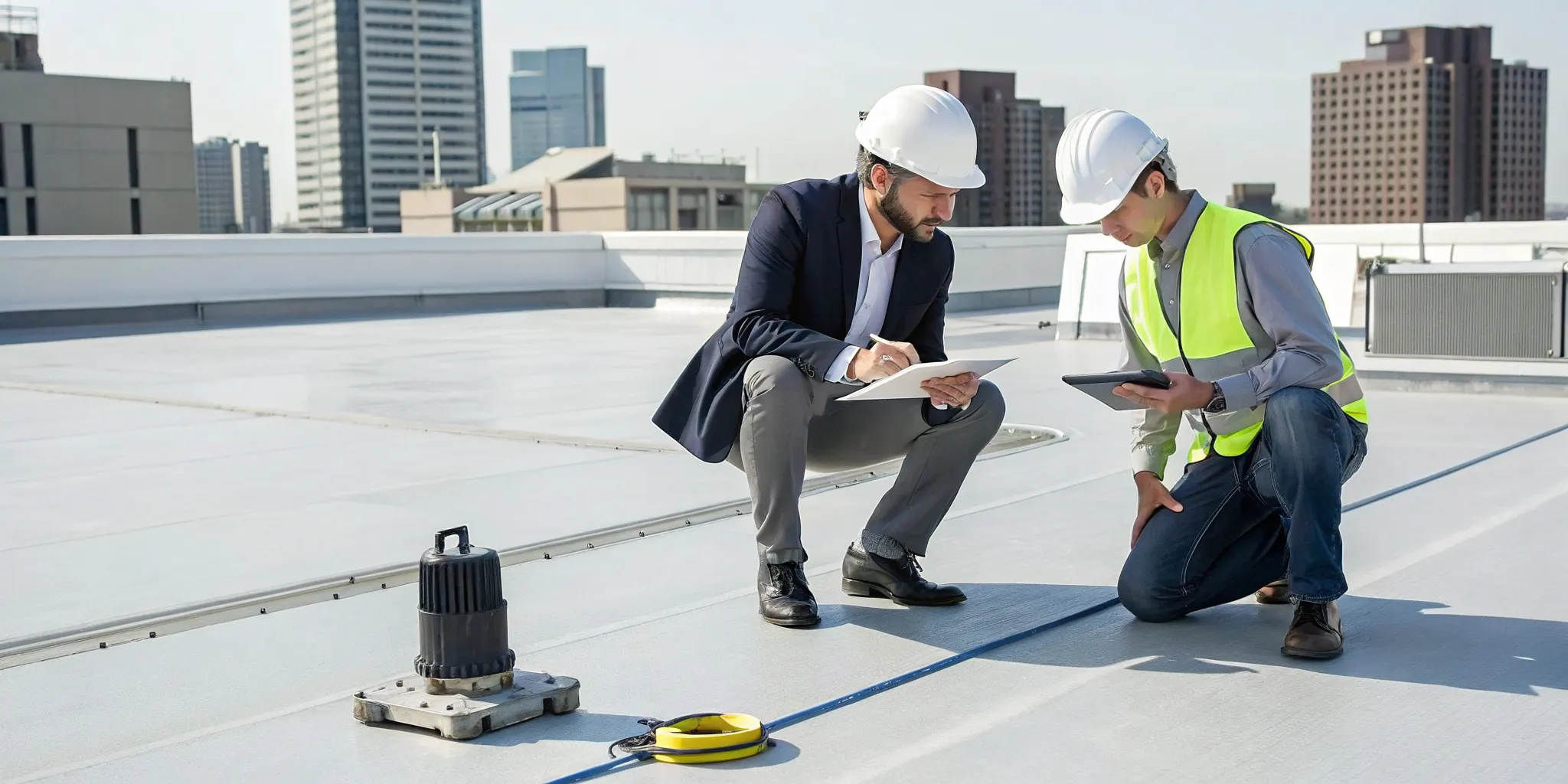
The project kicks off with a thorough assessment, not just a quick glance. Your roofer will conduct a detailed inspection to understand your roof’s age, current condition, and any underlying issues. This evaluation forms the basis of a long-term asset management strategy, helping you plan for future maintenance and avoid unexpected costs. Based on these findings, you’ll receive a comprehensive proposal outlining the scope of work, materials, and a clear timeline. This initial step ensures your commercial roofing project is built on a solid, strategic foundation from day one.
The Project Schedule
Once you approve the plan, your roofer will establish a project schedule. It’s important to remember that roofing is highly dependent on weather, especially in Florida. A responsible contractor will create a realistic timeline that accounts for potential delays due to rain or extreme heat, as safety and quality are always the top priorities. They will maintain open communication, providing regular updates on progress and immediately informing you of any necessary adjustments to the schedule. This flexibility ensures the job is done right without cutting corners, whether it’s a planned replacement or an emergency roof repair.
On-Site Safety and Management
When work begins, you can expect a professional, well-managed worksite. A dedicated project manager will oversee the crew, ensuring that every task is completed to the highest standard. This includes handling technical challenges like proper flashing installation, which is critical for preventing leaks. The team will prioritize safety with clear protocols to protect both their workers and your property. They will also work to minimize disruption to your daily operations by maintaining a clean and organized site and coordinating with you on logistics like parking and building access.
The Final Walk-Through and Inspection
After the last shingle or membrane is in place, the project concludes with a final walk-through. Your project manager will join you to inspect every element of the new roof, confirming that the work meets your expectations and industry standards. This is your opportunity to ask questions and get a close look at the finished product. Once you are completely satisfied, the team will provide you with all the necessary documentation, including warranty information and guidelines for future maintenance. This final step ensures you have everything you need to protect your investment for years to come.
How to Extend the Lifespan of Your Commercial Roof
Your commercial roof is one of the most critical components of your building, protecting everything and everyone inside. Treating it as a long-term asset rather than a set-it-and-forget-it feature is one of the smartest decisions you can make for your business. A proactive approach to roof care not only extends its service life but also prevents disruptive and costly emergency situations. By staying ahead of potential issues, you can manage your maintenance budget more effectively and avoid the surprise expenses that come with unexpected failures.
A well-maintained roof performs better, keeps your energy costs in check, and maintains your property’s value. The good news is that extending the life of your commercial roofing system doesn’t have to be complicated. It all comes down to a simple strategy: regular attention and timely action. By implementing a few key practices, you can add years to your roof’s lifespan and ensure it continues to provide reliable protection for your business. The following steps will help you create a solid plan for preserving your investment.
Schedule Regular Inspections
Think of regular roof inspections as a health check-up for your building. Scheduling them at least twice a year, typically in the spring and fall, allows a professional to catch small issues before they escalate into major problems. An expert can spot subtle signs of wear, potential weak spots, and damage that isn’t visible from the ground. After a severe weather event, it’s also wise to get a professional hail damage inspection to assess any impact. This proactive approach helps you track your roof’s condition over time, allowing you to plan for future maintenance and budget accordingly, instead of reacting to a sudden crisis.
Follow a Proactive Maintenance Plan
An inspection is only as good as the action that follows it. A proactive maintenance plan is your roadmap to keeping your roof in top condition. This routine should include clearing debris from drains and gutters to prevent water from backing up, checking seals around pipes and vents, and removing any vegetation that could damage the roof membrane. Regular maintenance addresses the normal wear and tear that every roof experiences. By sticking to a consistent schedule, you prevent minor issues from causing significant damage, ultimately saving money and prolonging the life of your roof. It’s a simple, effective way to protect your property.
Fix Small Problems Early
It’s easy to put off fixing a minor issue, but small problems on a commercial roof rarely stay small for long. A tiny leak, a few cracked shingles, or a loose piece of flashing can quickly lead to widespread water damage, mold growth, and compromised structural integrity. Pay close attention to any water that doesn’t drain or evaporate within 48 hours, as this “ponding” can signal a bigger problem. Addressing these issues immediately is far less expensive than a full-blown emergency roof repair. Don’t judge your roof by its age alone; a well-maintained older roof can easily outperform a neglected newer one.
Signs Your Commercial Roof Needs Professional Attention
Your commercial roof is one of your building’s most critical assets, quietly protecting everything underneath it. But because it’s out of sight, it’s often out of mind until a serious problem appears. Ignoring the early warning signs of roof failure can lead to expensive, disruptive repairs that affect your operations, tenants, and bottom line. Staying proactive and knowing what to look for is the best way to protect your investment.
Catching issues early saves you from dealing with major headaches like structural damage, ruined inventory, and unsafe conditions. Some signs of trouble are obvious, like a dripping ceiling, while others are more subtle, like a gradual increase in your energy bills. If you notice any of these red flags, it’s time to call in a professional. A thorough inspection can identify the root cause of the problem and help you create a plan to address it before it gets worse. Understanding these key indicators will empower you to maintain a safe and efficient property for years to come.
Leaks and Interior Water Damage
An active leak is the most urgent sign that your roof needs immediate help. Water stains on ceiling tiles, discoloration on walls, or visible drips are clear indicators that water has breached your roofing system. By the time you see moisture inside, the problem has likely been developing for a while, potentially causing unseen damage to your roof’s insulation and decking. Even premium roofing materials can fail if they aren’t installed perfectly, leading to leaks down the road. Don’t wait for a small drip to become a major flood. At the first sign of a leak, it’s crucial to call for emergency roof repair to prevent further structural issues, inventory loss, and the potential for mold growth.
Visible Damage on the Roof’s Exterior
It’s a good idea to have your roof visually inspected from the ground and, if safe, by a professional on a regular basis. Look for obvious signs of wear and tear that could compromise your commercial roofing system. Pay close attention to standing water that doesn’t evaporate within 48 hours, as this “ponding” can signal poor drainage and add immense stress to the roof structure. Other red flags include blisters, cracks, or punctures in the roof membrane. Also, check the flashing, which is the material that seals edges around vents, skylights, and HVAC units. Damaged or improperly installed flashing is a very common source of leaks, and fixing it requires technical expertise to ensure a lasting seal.
Rising Energy Bills
Have your cooling costs been slowly creeping up? Your roof might be the culprit. A commercial roof plays a huge role in your building’s energy efficiency by reflecting sunlight and providing insulation. When a roof is damaged, its performance suffers. For example, if moisture gets into the insulation, it becomes far less effective, forcing your HVAC system to work harder to keep the building cool. Cracks or gaps in the roof membrane can also allow cooled air to escape. While often overlooked, a sudden or steady increase in your energy bills without another clear cause is a strong signal that you should schedule a professional roof inspection to check for hidden inefficiencies.
Addressing Common Concerns About Commercial Roofing
A new roof is a major investment for any business, so it’s completely normal to have questions and concerns. From worrying about the quality of the work to stressing over potential disruptions to your daily operations, these are valid points that every property owner considers. A professional roofing project shouldn’t be a source of anxiety. The right partner will address your concerns head-on, providing clear answers and a transparent process that gives you peace of mind.
It’s a common misconception that all commercial roofing companies offer the same level of service. The reality is that the contractor you choose has a massive impact on the durability and performance of your roof. A great roofer understands that their job is not just about installing materials; it’s about protecting your investment, your inventory, and your team. They will work with you to create a plan that fits your schedule, communicate openly from start to finish, and stand behind their work with solid warranties. Let’s walk through some of the most common concerns business owners have and how a reputable roofer addresses them.
Ensuring Quality Work and Reliability
It’s easy to assume that one roofing company is just as good as the next, but that’s rarely the case. The quality of your commercial roofing project depends heavily on the skill and integrity of the team you hire. Even the most advanced, premium roofing materials can fail if they aren’t installed correctly. That’s why it’s so important to partner with a contractor who has a proven track record of reliable, high-quality work. Look for a company with deep experience in commercial projects, proper licensing and insurance, and a portfolio of successful jobs. A reliable roofer takes pride in their workmanship and ensures every detail is handled correctly for a roof that lasts.
Minimizing Disruption to Your Business
One of the biggest worries for any business owner is that a major construction project will interfere with operations. The myth that roofing work has to shut down your business simply isn’t true. An experienced commercial roofer knows how to plan and execute a project to minimize disruption. They will coordinate with you to schedule work during off-peak hours or create a phased approach that keeps your doors open. While safety is always the top priority, a professional team will manage the site efficiently, keeping noise, debris, and foot traffic contained so you can continue serving your customers with as little interruption as possible.
Expecting Clear Communication
When you’re investing in a new roof, you deserve to know what’s happening every step of the way. Open and consistent communication is the cornerstone of a successful roofing project. Your contractor should be easy to reach and proactive about providing updates. From the initial inspection and detailed proposal to progress reports and the final walk-through, you should feel informed and confident. This transparency is especially crucial when dealing with insurance, so finding a partner who can provide clear roof claim assistance is a huge advantage. Clear communication ensures there are no surprises and that the final result aligns perfectly with your expectations and budget.
Understanding Your Warranty and Long-Term Support
A new roof should come with peace of mind, and that’s where warranties come in. A reputable contractor will offer strong warranties that cover both the materials and their workmanship. This is their promise to you that they stand behind the quality of their work. Before signing a contract, make sure you understand the terms of the warranty and what it covers. Beyond the warranty, ask about long-term support and maintenance plans. Regular inspections and proactive care are key to extending the life of your roof, and a good roofing partner will be there to help you protect your investment for years to come.
Choosing a Roof for St. Cloud’s Climate
Florida’s weather is no joke. Between the intense sun, high humidity, and unpredictable storm season, your commercial roof has a tough job. Choosing the right materials and a skilled installation team isn’t just a business decision; it’s a critical investment in protecting your property. A roof that works well in a cooler, drier climate will likely fail under the stress of Central Florida’s environment. That’s why it’s so important to select a roofing system specifically designed to handle everything from torrential downpours and high winds to relentless UV exposure. Your choice will directly impact your building’s longevity, energy costs, and safety.
Preparing for Storm Season
When storm clouds gather, the last thing you want to worry about is your roof. St. Cloud’s storm season brings heavy rain and high winds, which can be especially tough on commercial properties. Flat or low-slope roofs, common in commercial buildings, are prone to standing water, which can lead to leaks and structural strain if not managed properly. Your roofing system needs to have excellent wind uplift resistance and securely sealed seams to prevent water intrusion. Investing in impact-resistant materials can also save you from costly damage during a hailstorm. If a storm does hit, having a plan for emergency roof repair is essential to minimize downtime and protect your assets.
Handling Florida’s Sun and Heat
While storms are a seasonal threat, the Florida sun is a year-round challenge. Constant exposure to intense UV rays can cause roofing materials to degrade, become brittle, and crack over time. This long-term UV degradation shortens a roof’s lifespan and reduces its effectiveness. To combat this, consider energy-efficient or “cool roof” options. These systems often feature reflective surfaces that bounce sunlight away from the building instead of absorbing it. This not only protects the roof material itself but can also significantly lower your building’s interior temperature, leading to reduced cooling costs. A durable, heat-resistant commercial roofing system is a smart investment for any Florida property owner.
Meeting Local Building Codes
Florida has some of the most stringent building codes in the nation, and for good reason. These regulations are designed to ensure every structure can withstand severe weather, including hurricanes. Following these codes requires a deep understanding of local and state requirements, which can be complex and vary by municipality. When choosing a roofer, it’s vital to select a company with proven experience in St. Cloud. A qualified contractor will not only be familiar with the specific codes but will also handle all necessary permits and ensure your project passes every inspection. Always verify a potential roofer’s license, insurance, and certifications before signing a contract.
Related Articles
- Roofer in Winter Garden | Sky Light Roofing
- Commercial Roofing Services in Central Florida
- Commercial Roofing Services in Central Florida. Book Today.
- Commercial Roofing Services in Central Florida | Sky Light Roofing Inc.
- Reliable Residential Roofing Services For Florida Homes
Frequently Asked Questions
How often should I have my commercial roof inspected in Florida? For commercial properties in Florida, a good rule of thumb is to schedule a professional inspection at least twice a year, ideally in the spring and fall. This allows you to prepare for the summer storm season and address any issues before winter. It’s also smart to request an inspection after any major weather event, like a hurricane or severe hailstorm, to catch any hidden damage right away.
Will a new “cool roof” really make a difference on my energy bills? Yes, it can make a significant difference. Materials like white TPO or reflective metal coatings are designed to bounce UV rays away from your building instead of absorbing them. This keeps the roof surface cooler, which means less heat gets transferred into your building. As a result, your air conditioning system doesn’t have to work as hard, which can lead to noticeable savings on your monthly cooling costs.
How do I know if my roof needs a major replacement or just a repair? The answer really depends on the age of your roof and the extent of the damage. Widespread issues like extensive blistering, multiple leaks, or significant membrane deterioration often point toward a replacement. However, if the problem is isolated to a small area, like a puncture or damaged flashing, a professional repair might be all you need. The best way to know for sure is to get a thorough assessment from an experienced roofer who can diagnose the root cause.
My business can’t afford to shut down. How disruptive is a commercial roofing project? This is a very common and valid concern. A professional roofing contractor understands that your business needs to keep running. They will work with you to create a detailed plan that minimizes interference. This can include scheduling work in phases, working during off-peak hours, and maintaining a clean, organized, and safe job site to ensure your employees and customers are not inconvenienced.
What’s the most important thing to look for when comparing quotes from different roofers? While price is always a factor, it shouldn’t be the only one. Look closely at the details in each written proposal. A quality quote will clearly outline the specific materials being used, the scope of work, the project timeline, and the warranties offered for both labor and materials. An unusually low bid can sometimes be a red flag for subpar materials or less experienced crews, so focus on the overall value and the contractor’s proven experience.