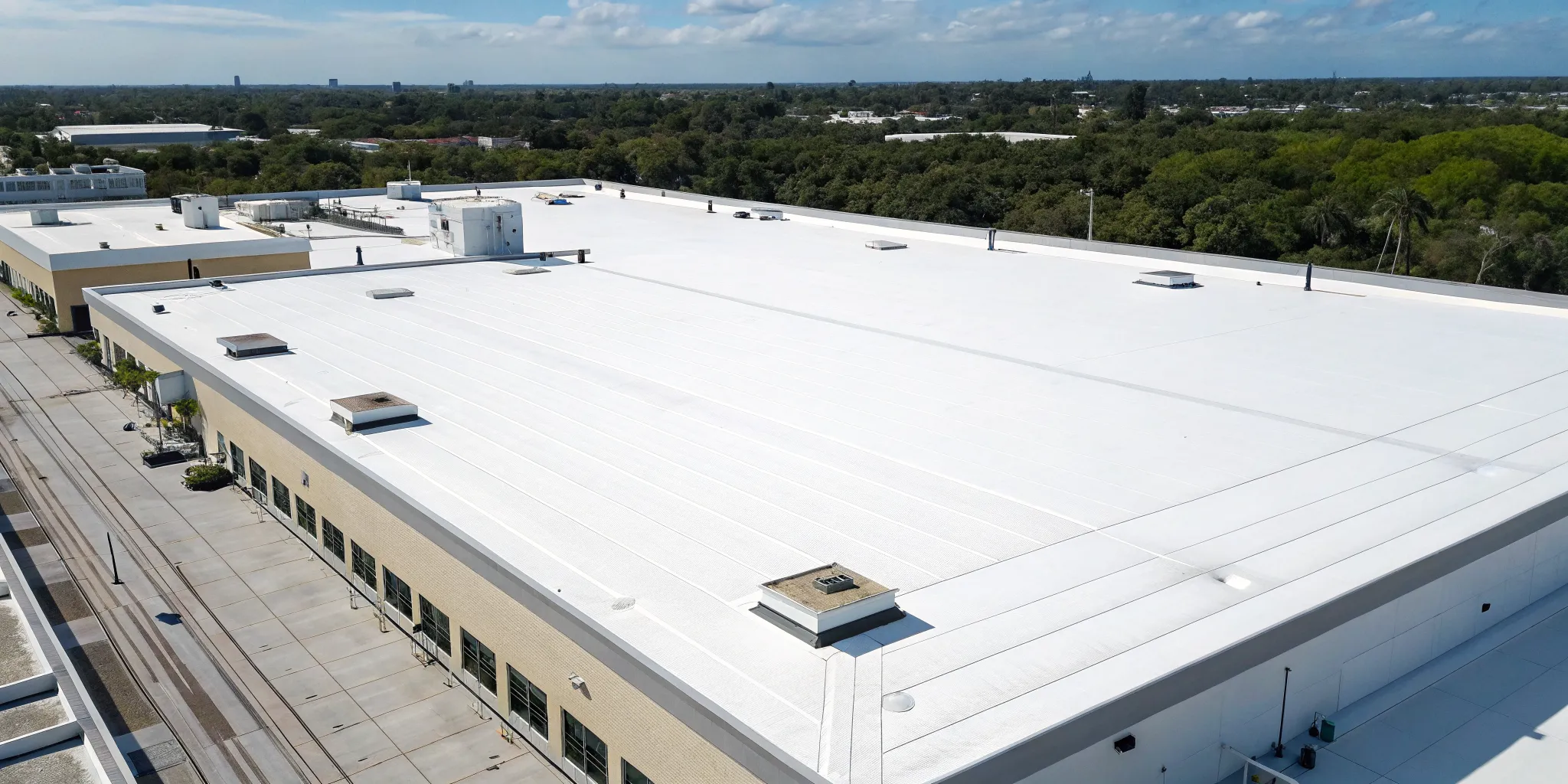
When you think about your business’s operational costs, your roof might not be the first thing that comes to mind, but it plays a huge role. An inefficient roof can absorb heat, forcing your HVAC system to work overtime and driving up your energy bills month after month. TPO roofing directly addresses this problem. Its highly reflective surface acts like a cool shield, bouncing sunlight away from your building to keep the interior temperature more stable. This simple feature makes commercial TPO roofing in Orlando an incredibly smart choice, offering a practical way to lower expenses while gaining top-tier protection against storms and leaks.
Key Takeaways
- TPO roofing lowers your energy costs: Its bright, reflective surface bounces sunlight away from your building, which means your air conditioning system works less to keep things cool.
- It offers powerful storm protection: TPO’s heat-welded seams create a single, watertight membrane across your roof, making it highly resistant to leaks from heavy rain and damage from high winds.
- Expert installation is crucial for performance: The longevity and effectiveness of a TPO roof depend on the skill of the installer, so it’s vital to hire a licensed and experienced commercial roofing contractor.
Why Choose TPO Roofing for Your Orlando Business?
If you’re a business owner in Orlando, you know that your roof does more than just keep the rain out. It protects your inventory, your employees, and your bottom line. Choosing the right material for your commercial roofing project is a major decision, and Thermoplastic Polyolefin (TPO) has become a go-to choice for good reason. It’s a modern, practical solution that stands up to the unique demands of the Central Florida climate. Let’s break down what TPO is and why it might be the perfect fit for your property.
What is TPO Roofing?
Let’s start with the basics. TPO stands for Thermoplastic Polyolefin, which is a single sheet of synthetic material reinforced with polyester. Think of it as a durable, flexible membrane that’s rolled out across your roof and sealed tight to create a seamless, waterproof barrier. It’s specifically designed for flat or low-slope roofs, which are common on commercial buildings throughout Orlando. Because it’s installed in a single layer, the installation process is often faster and more efficient than with other roofing systems. This helps you get back to business with minimal disruption.
How TPO Compares to Other Commercial Roofs
When you’re looking at roofing options, you’ll likely come across materials like EPDM (a type of rubber roofing) and PVC. TPO holds its own by offering a great balance of performance and cost. It’s generally more affordable than PVC, thanks to lower material costs and a more straightforward installation. Compared to EPDM, TPO’s reflective surface gives it a significant advantage in sunny climates like ours. While both are durable, TPO is better at reflecting heat, which can make a real difference in your cooling costs during those long Florida summers.
Built for the Central Florida Climate
A roof in Orlando has to be ready for anything: intense sun, heavy rain, and the occasional hurricane. TPO roofing is engineered to handle it all. Its white or light-colored surface is highly reflective, bouncing sunlight away from your building instead of absorbing it. This simple feature helps keep your building cooler and can lower your energy bills. TPO is also incredibly durable, with strong, heat-welded seams that create a watertight seal. This makes it exceptionally resistant to leaks, punctures, and the high winds we often see, giving you peace of mind when storm clouds gather.
Key Benefits of TPO Roofing in Orlando
Choosing a roof for your business means finding a solution that’s durable, cost-effective, and ready for Florida’s climate. TPO roofing is a smart investment for any Orlando commercial property because it delivers on all fronts. Here’s a closer look at the key benefits.
Improve Energy Efficiency and Lower Costs
Orlando’s sunshine can make cooling costs soar. TPO roofing helps fight back. Most TPO membranes are bright white, reflecting the sun’s intense heat and UV rays instead of absorbing them. This keeps your building cooler, so your air conditioning system works less, leading to significant savings on energy bills. It’s a practical, cost-effective choice that offers strong waterproofing and durability, making it a top option for our commercial roofing clients.
Withstand Tough Florida Weather
Florida weather is unpredictable. Between the intense sun, heavy rain, and hurricanes, your roof needs to be tough. TPO roofing is engineered to handle these demanding conditions. Its flexible membrane resists punctures and tears, which is crucial when high winds are a concern. The material is also formulated to resist UV degradation, ensuring it doesn’t become brittle under the relentless Florida sun. This inherent strength means you get a roof that’s built to last, giving you peace of mind.
Gain Superior Storm and Water Protection
Keeping your business dry is non-negotiable during Central Florida’s rainy season. TPO roofing excels here. Its seams are heat-welded together to form a single, continuous membrane across your roof. This process creates a permanent, watertight bond that is incredibly strong and resistant to leaks, eliminating the weakest points found in other roofing systems. This seamless barrier provides superior protection against heavy rain, safeguarding your property from the kind of hail damage that can disrupt your business.
Make an Eco-Friendly Choice
If sustainability is a priority, TPO roofing is an excellent choice. The materials used to create TPO are 100% recyclable, which reduces landfill waste and supports green building initiatives. Beyond its recyclability, TPO’s greatest environmental benefit is its energy efficiency. By reflecting sunlight and reducing the demand on your HVAC system, you not only save money but also lower your energy consumption. It’s a roofing solution that’s good for your budget and better for the planet.
What Does TPO Roofing Cost in Orlando?
When you’re considering a new roof for your business, the bottom line is always a top priority. You need a solution that protects your property without breaking the bank. TPO roofing is a popular choice for commercial roofing in Central Florida partly because it offers a great balance of performance and affordability. While every project is unique, understanding the typical costs and the factors that shape them can help you budget effectively and make a smart investment for your building’s future.
The final price tag for a TPO roof involves more than just the material itself. It includes labor, the complexity of your specific roof, and even long-term energy savings. Think of it not just as an expense, but as an investment in your property’s efficiency and resilience. We’ll walk through the numbers, what influences them, and why TPO often provides excellent long-term value, especially in our sunny climate. And if you’re concerned about the upfront cost, remember that flexible financing options are available to make the project more manageable.
Breaking Down Installation Costs
Let’s talk numbers. In the Orlando area, the cost to install a TPO roof generally falls between $7 and $13 per square foot. This range typically covers both the materials and the professional labor needed for a proper installation. For a straightforward project, you might find yourself on the lower end of that spectrum. However, for a more complex roof with numerous vents, pipes, or HVAC units, the cost could lean toward the higher end. This estimate gives you a solid starting point for budgeting and comparing quotes from qualified roofing contractors.
Factors That Influence Your Final Price
Several key factors can cause the price of your TPO roof installation to vary. Labor is one of the biggest drivers of cost, and it’s influenced by things like how easy it is to access your roof. A multi-story building with limited access will naturally cost more than a single-story warehouse. Other elements that affect the price include the need for special permits, the number of rooftop units to work around, and the condition of your existing roof. If your old roof needs to be completely torn off before the new one can be installed, that will add to the overall project cost.
Understanding the Long-Term Value and ROI
While the upfront cost is important, the long-term value of a TPO roof is where it truly shines. TPO is often one of the most affordable commercial roofing options available because the material costs are lower and the installation process is relatively simple, which reduces labor time. Beyond the initial savings, TPO roofs deliver an excellent return on investment through energy efficiency. The standard bright white surface is highly reflective, bouncing the sun’s intense UV rays away from your building. This helps keep your property cooler, which can lead to significant savings on your energy bills over time.
How to Choose the Right TPO Roofing Contractor in Orlando
Selecting the right contractor is just as important as choosing the right roofing material. A flawless TPO installation is key to getting the performance and longevity you expect from your investment. Your business needs a partner who understands the specific demands of Orlando’s climate and has a proven history of successful projects. The right team will not only install your roof correctly but also provide clear communication and reliable support from start to finish. Taking the time to vet your options ensures your commercial property is protected for years to come.
Must-Have Contractor Qualifications
When you’re evaluating potential roofers, experience should be at the top of your list. Look for a contractor with a strong portfolio of successful commercial roofing projects, specifically with TPO systems. A team with a proven track record demonstrates they have the skills to handle the unique challenges of commercial installations, from proper seam welding to working with complex roof layouts. Check for local reviews, ask for references, and confirm they are licensed and insured in Florida. A qualified contractor will be transparent about their credentials and proud to share their past work with you.
Key Questions to Ask Potential Roofers
Before signing a contract, it’s smart to have a list of questions ready. This helps you compare contractors and find the best fit for your project. Start by asking about their specific experience with TPO roofing and how many similar projects they’ve completed. Inquire about the benefits they can deliver, such as improved energy efficiency and chemical resistance. You should also ask about their project timeline, the size of their crew, and who your main point of contact will be. A professional roofer will be able to answer these questions clearly and confidently.
A Look at Warranties and Insurance
A solid warranty is your safety net. It’s a promise from the contractor that they stand behind their work. Ask potential roofers about the warranties they offer on both materials and workmanship. A comprehensive warranty provides peace of mind that your investment is protected against defects and installation errors. Equally important is insurance. Your contractor must carry both liability insurance and workers’ compensation. This protects you from any financial responsibility in the event of an accident on your property. Don’t hesitate to ask for proof of insurance before any work begins.
Meeting Local Permit and Code Requirements
Working with local building codes can be tricky, but a reputable contractor will handle it for you. Your roofer should be an expert on Orlando and Florida-specific permit requirements and building codes. They will ensure that all materials used meet state standards and that the installation is fully compliant, which is crucial for the safety and legality of your project. This includes everything from the initial inspection to the final sign-off from the building department. Choosing a contractor who understands these local rules prevents costly delays and ensures your new TPO roof is built to last.
Common TPO Roofing Questions, Answered
TPO roofing is a fantastic choice for many Central Florida businesses, but it’s natural to have questions before making a big investment. Let’s clear up some common points of confusion and give you the straightforward answers you need to feel confident about your commercial roof.
Addressing Myths About Longevity and Performance
One of the biggest myths about TPO roofing is that it doesn’t last long, especially in sunny climates. The truth is, a well-installed TPO roof can perform reliably for 20 years or more. While some early TPO formulations had issues, today’s materials are engineered for impressive durability and energy efficiency. When you choose high-quality materials and a skilled installation team, you can expect your TPO roof to stand the test of time, providing excellent protection and value for decades to come.
Essential Maintenance for a Lasting Roof
Like any major asset, your TPO roof needs a little care to reach its maximum lifespan. The key is a consistent maintenance plan. We recommend scheduling regular professional inspections to catch small issues before they become big, expensive problems. Simple steps like keeping the roof surface clean of debris and ensuring drains are clear can make a huge difference. Promptly repairing minor punctures or seam issues will significantly extend the service life of your commercial roofing system and protect your investment.
Warning Signs Your TPO Roof Needs Attention
Knowing what to look for can help you stay ahead of potential roof damage. Keep an eye out for punctures or tears in the membrane, which can happen after a severe storm or from foot traffic. You should also check for seams that appear to be pulling apart or lifting. Another red flag is condensation under the membrane, which often points to an installation or sealing issue. After a major weather event, it’s always a good idea to get a professional hail damage inspection to ensure your roof’s integrity hasn’t been compromised.
Why Professional Installation Matters Most
Many common TPO roofing problems, from leaky seams to premature aging, can be traced back to improper installation. This is not a DIY project or a job for a general handyman. A successful TPO roof requires specialized knowledge, particularly in a climate like Florida’s. Choosing experienced TPO roofing contractors ensures the job is done right the first time. Professionals use proper welding techniques, secure the membrane correctly, and use top-grade materials designed to give your business lasting, leak-resistant protection.
Related Articles
- TPO Roofing Installation Cost: A 2025 Guide
- TPO Roofing Details: A Complete Breakdown
- Top 7 TPO Roofing Manufacturers: A 2025 Review
Frequently Asked Questions
How long can I expect a TPO roof to last in the intense Florida sun? A professionally installed TPO roof is built to last, typically giving you 20 to 30 years of solid performance. Modern TPO materials are specifically formulated with UV inhibitors to resist breaking down under constant sun exposure. The key to reaching that lifespan is quality installation and consistent maintenance, which ensures the roof system performs as it should for decades.
Will a TPO roof really lower my company’s energy bills? Yes, it can make a noticeable difference. The standard white TPO membrane is highly reflective, so it bounces a significant amount of the sun’s heat away from your building. This means your air conditioning system doesn’t have to work as hard to keep the interior cool, which translates directly into lower energy consumption and reduced cooling costs, especially during our long, hot summers.
What does TPO roof maintenance involve for a business owner? Maintaining a TPO roof is quite straightforward. The most important step is scheduling professional inspections at least twice a year to check the seams, flashing, and overall condition. Between inspections, you can help by simply keeping the roof surface free of leaves, branches, and other debris that could clog drains or hide potential damage. It’s a small effort that protects a major investment.
Can TPO roofing be installed over my existing roof? Sometimes, yes, but it depends on a few factors. The condition of your current roof is the main consideration, as is the number of existing roof layers. Local building codes also have rules about this. A thorough inspection by a qualified roofer is the only way to know for sure. They can determine if a roof-over is a safe and effective option or if a full tear-off is the better long-term solution for your property.
How long does a typical TPO installation take, and will it disrupt my business? TPO installation is known for being relatively fast compared to other roofing systems. The exact timeline depends on the size and complexity of your roof, but a professional crew works efficiently to get the job done. We understand that you need to keep your business running, so a good contractor will create a detailed project plan to minimize noise, debris, and any impact on your daily operations.