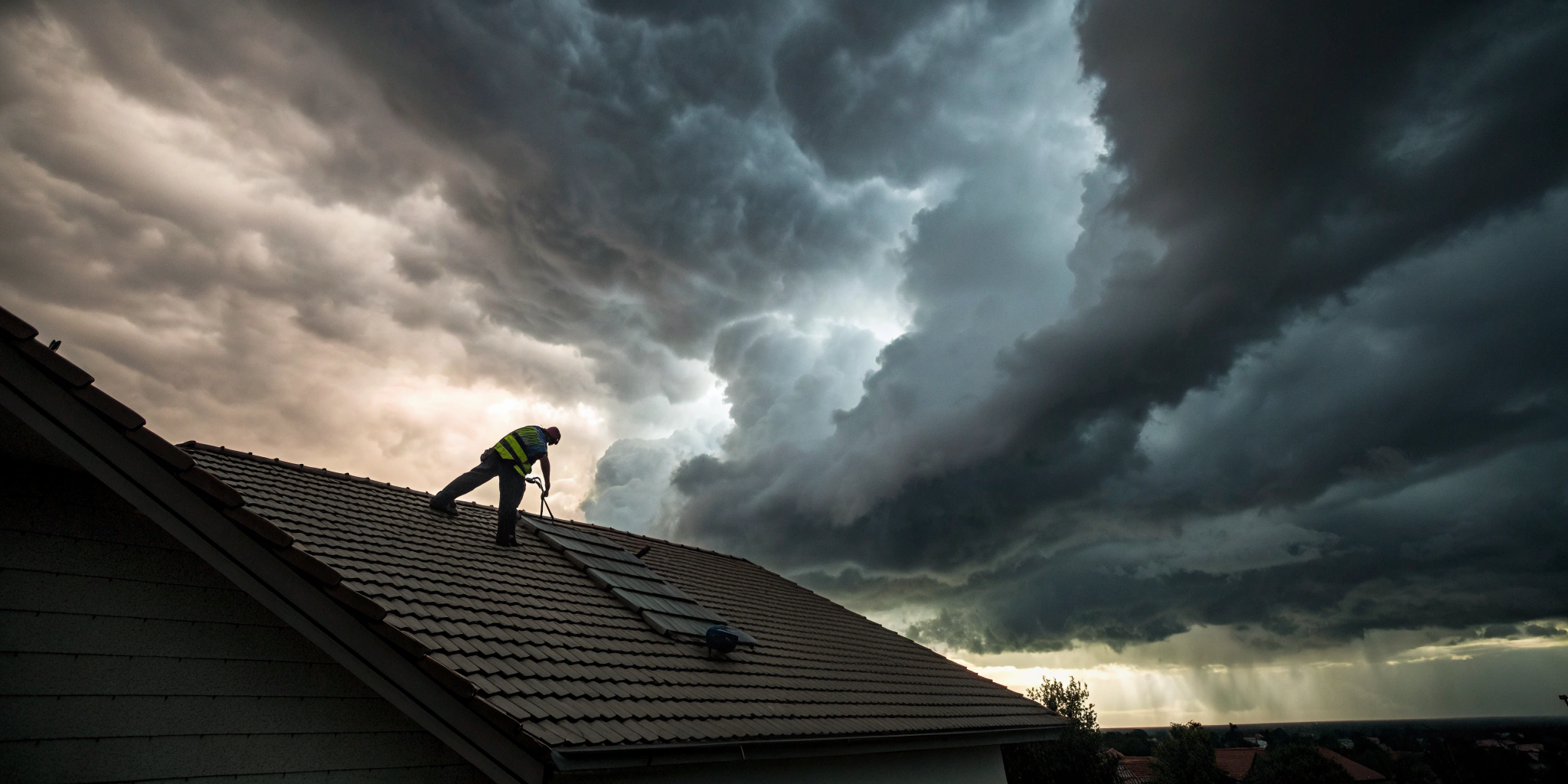
When a tree branch crashes onto your roof during a classic Florida thunderstorm, the sound is unmistakable. That immediate sense of panic is quickly followed by a flood of questions: Is everyone safe? How bad is the damage? Who do I even call at this hour? In these high-stress moments, having a clear plan is your most valuable asset. This guide is designed to be your calm in the storm. We’ll walk you through exactly what to do when you’re facing a crisis, from immediate safety checks to finding a trustworthy professional for an emergency maintenance repair. It’s about taking control of the chaos and protecting your biggest investment—your home.
Key Takeaways
- Distinguish Urgent Threats from Minor Issues: An emergency repair is for problems that pose an immediate risk to your safety or property, such as a severe roof leak or electrical hazard. Knowing this distinction helps you get the right help fast without overpaying for non-critical fixes.
- Create Your Emergency Playbook Now: Don’t wait for a disaster to find a reliable contractor or figure out how to pay for it. Build a small emergency fund and compile a list of trusted, licensed professionals for roofing, plumbing, and electrical work before you ever need them.
- Act Methodically, Not Panicked: When an emergency occurs, focus on three key actions in order: prioritize the safety of everyone in the home, document the damage with photos for your insurance claim, and then call a professional to prevent further damage.
What Counts as an Emergency Repair?
When something breaks in your home, it’s easy to panic. But not every problem is a true crisis. So, what separates a minor inconvenience from a genuine emergency? An emergency repair is any issue that immediately threatens your health and safety, risks major property damage, or makes your home unlivable. Think of situations like a major roof leak during a storm, a fire hazard from faulty wiring, or a burst pipe that’s actively flooding your kitchen.
These aren’t your typical DIY weekend projects. They are urgent problems that demand immediate attention from a professional. The key is the level of threat. A dripping faucet is annoying, but a collapsed ceiling is a clear and present danger. Understanding this distinction helps you react appropriately, ensuring you get the right help when you need it most. It’s about protecting both your family and your biggest investment—your home.
Why Quick Repairs Are Crucial for Safety
When a true emergency strikes, time is of the essence. A fault that carries an immediate risk of injury or significant property damage can’t wait until morning. For example, a tree branch falling on your roof during a classic Florida thunderstorm isn’t just a cosmetic issue; it can compromise your home’s entire structure and lead to severe water damage. Acting fast is critical to prevent a bad situation from getting much worse. An emergency roof repair can stop a leak in its tracks, protecting your home’s interior and foundation from costly damage and ensuring your family stays safe and dry. The goal is to address the immediate threat to stop the problem from escalating.
Routine vs. Emergency: Knowing the Difference
It’s important to distinguish between a routine repair and a true emergency. Routine issues are inconvenient but don’t pose an immediate threat. Think of a running toilet, a clogged drain, or a burnt-out lightbulb. While you’ll want to fix them soon, they can wait for a scheduled appointment. An emergency, on the other hand, is anything that puts your health or property in immediate danger. This includes things like a gas leak, sewage backup, or significant storm damage. After a hailstorm, for instance, getting a professional hail damage inspection is wise, but if water is actively pouring into your home, that’s an emergency that requires an immediate call for help.
Common Myths About Emergency Repairs
Many homeowners mistake inconvenience for an emergency. A broken dishwasher or a finicky air conditioner on a mild day can be frustrating, but they typically don’t qualify as emergencies. Unless an appliance is creating a direct hazard—like sparking wires or a gas leak—it’s usually considered a standard repair. Another common myth is that any leak is an emergency. A slow drip under the sink needs attention, but it’s not the same as a burst pipe flooding your living room. Knowing the difference helps you avoid paying premium rates for non-urgent issues and allows repair professionals to prioritize genuine crises. Having a clear plan helps you stay calm and make the right call when something goes wrong.
The Most Common Types of Emergency Repairs
When something goes wrong with your home, it’s easy to panic. But not every problem is a full-blown crisis. Understanding what truly counts as an emergency helps you react appropriately and get the right help fast. An emergency repair is typically needed for any issue that poses an immediate threat to your safety, your health, or the structural integrity of your property. These are the problems that can’t wait until morning or after the weekend. From a sudden roof leak during a storm to a complete loss of power, these situations require swift action to prevent further damage and keep your family safe. Knowing the most common types of emergencies can help you prepare and know exactly who to call when the unexpected happens.
Roofing Emergencies and Storm Damage
In Central Florida, our roofs bear the brunt of severe weather. A roofing emergency can happen in an instant, whether it’s a tree branch crashing down during a hurricane or a sudden, active leak appearing in your ceiling after a thunderstorm. Missing or damaged shingles, broken skylights from hail, or any visible water intrusion are all urgent issues. Leaving them unaddressed, even for a day, can lead to significant water damage, mold growth, and compromised structural integrity. If you’re facing a sudden crisis, an emergency roof repair team can provide temporary solutions, like tarping, to protect your home until a permanent fix is possible. After a storm, it’s also wise to get a professional hail damage inspection to catch problems before they escalate.
Plumbing Failures and Water Damage
A major plumbing failure is one of the most destructive emergencies a homeowner can face. This goes beyond a dripping faucet; we’re talking about burst pipes, sewage backups, or a failed water heater flooding your garage. Water can quickly saturate drywall, ruin flooring, and weaken your home’s foundation. Even a clogged roof drain can be an emergency, causing water to pool and seep into your home’s structure. The key is to stop the water source immediately if you can (by turning off the main water valve) and call a plumber right away. The longer water sits, the more extensive and expensive the damage becomes.
Electrical Issues and Safety Hazards
Electrical problems are not something to troubleshoot on your own. If you see sparks from an outlet, smell a burning odor from your walls, or experience a partial power outage that isn’t affecting your neighbors, it’s an emergency. These are signs of serious issues that could lead to a fire. Another critical situation is when water comes into contact with electrical systems, such as a roof leak dripping into a light fixture. In these cases, your first step should be to turn off the power at the circuit breaker if it’s safe to do so, and then call a licensed electrician immediately. Never take chances with electrical safety.
HVAC System Breakdowns
While a broken air conditioner might seem like a mere inconvenience, it can be a genuine emergency in the sweltering Florida heat. When temperatures soar, a lack of AC poses a significant health risk, especially for households with young children, elderly family members, or pets. If your HVAC system completely fails during a heatwave, it’s crucial to get it repaired quickly to maintain a safe indoor temperature. The same goes for a furnace failure during a rare cold snap. An HVAC system that is making loud, unusual noises or emitting strange smells should also be checked out immediately to prevent a more serious failure or safety hazard.
Security and Structural Concerns
Any damage that compromises the security or structure of your home is an emergency. This includes a broken window or a door that won’t lock, leaving your home vulnerable. It also covers more severe structural issues, like a vehicle hitting the side of your house or a large tree limb falling on your roof. These situations not only make your home unsafe but also leave it exposed to the elements, leading to further damage. The priority is to secure the property right away. This might involve boarding up a broken window or getting an emergency tarp on a damaged roof to keep rain out while you arrange for permanent repairs.
Your Action Plan for a Maintenance Emergency
When a maintenance emergency strikes, it’s easy to feel overwhelmed. A burst pipe, a sparking outlet, or a tree branch crashing through your roof can send anyone into a panic. But having a clear plan of action can make all the difference, helping you stay calm and take control of the situation. Think of these next steps as your go-to guide for handling the unexpected. We’ll walk through how to prioritize safety, document the damage for your insurance company, communicate effectively if you have tenants, and know exactly when it’s time to call in the professionals. A little preparation goes a long way in turning a crisis into a manageable problem.
First, Prioritize Safety
Before you do anything else, make sure everyone is safe. If there’s a life-threatening situation, like a fire, downed power lines, or a potential structural collapse, your first call should always be to 911. Property can be repaired or replaced, but people can’t. Once you’ve confirmed that everyone is out of harm’s way, you can take steps to prevent further damage. For a major roof leak, this might mean moving furniture and valuables out of the affected area or placing buckets to catch the water. Your safety and the safety of those in the building are the absolute top priority.
Next, Document Everything for Insurance
Once the immediate danger has passed, grab your phone and start documenting. Take clear photos and videos of the damage from every possible angle. This visual evidence is incredibly valuable when you need to file a claim with your insurance provider. Also, start a written log. Note the date and time the incident occurred, when you contacted your repair service, and who you spoke with. Keep all communications in one place. This detailed record-keeping might feel tedious in the moment, but it will be your best tool for ensuring a smooth and fair insurance process.
How to Communicate with Tenants (If Applicable)
If you’re a landlord or property manager, clear and timely communication is key. As soon as you’re aware of the emergency, inform your tenants about what’s happening. Let them know you’re on top of the situation and what steps you’re taking to resolve it. Provide a realistic timeline for repairs and keep them updated as things progress. Being proactive with information helps manage their expectations, reduces their anxiety, and shows that you’re a responsible property owner. Good communication can help maintain a positive relationship even during a stressful event.
Know When to Call a Professional
While it can be tempting to try a quick DIY fix, major issues require an expert. Electrical problems, significant plumbing failures, and any kind of structural or roof damage are not jobs for an amateur. Trying to fix these yourself can be dangerous and often leads to more extensive damage down the line. A professional has the right tools, training, and safety equipment to handle the job correctly. For a roofing crisis, an expert can quickly identify the source of the problem and perform an emergency roof repair to protect your property from further harm. Don’t hesitate—make the call.
How to Find a Trustworthy Emergency Repair Service
When your roof is leaking or a storm has left you with sudden damage, the last thing you want to do is scramble to find a reliable contractor. The pressure is on, and it’s easy to make a rushed decision. But choosing the right professional is critical to getting the job done correctly and preventing further issues. A trustworthy service won’t just fix the immediate problem; they’ll help you understand the scope of the damage, provide a clear plan, and communicate with you every step of the way.
The key is to know what to look for before you’re in a state of panic. Vetting a company based on its credentials, experience with urgent repairs, and local reputation will give you peace of mind. You need a team that can respond quickly without cutting corners. For homeowners in Central Florida, having a plan for emergency roof repair is especially important given our unpredictable weather. By preparing ahead of time, you can turn a stressful situation into a manageable one, ensuring your home and family are protected.
What to Look For in a Pro
When you’re searching for help, start with the basics. You should always look for licensed and insured professionals who have proven experience handling emergency repairs. A valid license confirms they meet state requirements, while insurance protects you from liability if an accident happens on your property. Look for companies with a strong local presence and positive customer reviews. A contractor who is established in your community has a reputation to uphold and is more likely to provide high-quality, reliable service. Don’t be afraid to check their website for galleries of past work or testimonials from other homeowners.
Questions to Ask Before You Hire
Once you have a potential contractor on the phone, it’s time to ask a few direct questions. Start with the most critical one: “What is your response time for an emergency like mine?” You need someone who can get to you quickly. Follow up by asking about their availability for after-hours or weekend calls. It’s also helpful to ask if they have a clear process for emergency situations, from initial inspection to temporary tarping and permanent repairs. Understanding their plan will help you know what to expect and can make the insurance claim process smoother if you need roof claim assistance.
What to Expect for Costs and Response Times
It’s important to set realistic expectations. Emergency repairs are almost always more expensive than scheduled maintenance. You’re paying for the urgency, the immediate mobilization of a crew, and often after-hours labor. While costs vary, a reputable contractor will be transparent about their pricing structure. In terms of timing, a true emergency service should be able to send someone to your home the same day or within 24 hours to assess the damage and perform temporary fixes. If the cost is a concern, ask about financing options upfront to help manage the unexpected expense without delay.
Why It Pays to Have a Go-To Contractor
The best way to handle an emergency is to prepare before it happens. Establishing a relationship with a trusted contractor can significantly reduce the stress of finding someone in a crisis. When you have a go-to company, you already know who to call. This relationship can also lead to better service and potentially more favorable pricing. A great way to start is by scheduling a routine hail damage inspection or a general check-up. This allows you to vet their professionalism and quality of work under low-stress circumstances, so you can feel confident they’re the right team to call when every minute counts.
How to Prepare for the Unexpected
While you can’t predict when a pipe will burst or a storm will damage your roof, you can control how you respond. Being prepared is the single best way to reduce the stress and financial strain of a property emergency. It’s about shifting from a reactive mindset to a proactive one. Instead of scrambling for a phone number in a panic, you’ll have a plan. Instead of worrying about the cost, you’ll have a fund. Taking a few simple steps now can make a world of difference when you’re faced with a sudden repair. Think of it as creating a safety net for your property. A solid plan gives you a clear path forward, helping you manage the situation calmly and effectively, minimizing damage and getting your home or business back to normal as quickly as possible.
Set Up an Emergency Fund
Financial surprises are rarely fun, especially when they involve your property. That’s why having a dedicated emergency fund is so important. A good rule of thumb is to budget 1% to 4% of your property’s value for annual maintenance. From that maintenance budget, try to set aside 10% to 20% specifically for unexpected repairs. Having this cash reserve means you can approve critical work without delay, preventing a small problem from becoming a catastrophic one. If a major repair exceeds your savings, don’t panic. Look into available financing options that can help you cover the cost without draining your accounts. This financial cushion is your first line of defense.
Create Your Emergency Plan
When an emergency strikes, the last thing you want to do is frantically search for a reliable contractor. Create a simple emergency plan that includes a list of trusted, pre-vetted professionals for different types of issues—plumbing, electrical, and roofing. For any roofing concerns, make sure you have the number for a 24/7 service provider. Having a go-to company for emergency roof repair saves you precious time when every minute counts. Your plan should also outline the immediate steps to take, like shutting off the main water valve for a leak or covering damaged areas to prevent further water intrusion.
Don’t Skip Preventive Maintenance
The easiest emergency to deal with is the one that never happens. Regular, preventive maintenance is your best tool for avoiding surprise repairs. In fact, consistent upkeep can reduce emergency calls by as much as 30% to 50%. For your roof, this means scheduling routine inspections, especially after Central Florida’s storm seasons, and keeping gutters clean and free of debris. Addressing small issues like a loose shingle or minor wear and tear proactively can prevent major leaks and structural damage down the road. Investing a little time and money in maintaining your residential roofing system is one of the smartest ways to protect your property.
Learn to Spot the Warning Signs
You know your property better than anyone. Get into the habit of regularly walking around and looking for potential trouble spots. When it comes to your roof, keep an eye out for curled, cracked, or missing shingles. Check your gutters for an excessive amount of shingle granules, which is a sign of an aging roof. Inside, look for water stains or discoloration on your ceilings and walls. After a major weather event, it’s especially important to check for damage. A professional hail damage inspection can identify problems that aren’t always visible from the ground. Catching these warning signs early allows you to act before a small issue becomes a full-blown emergency.
Related Articles
- 24 Hour Emergency Roof Repair: A Step-by-Step Guide
- Major Roof Repair Cost: Your 2025 Pricing Guide
- Cost to Fix a Roof Leak: The 2025 Price Guide
- A Quick Fix for a Roof Leak: Your Emergency Guide
Frequently Asked Questions
What’s the first thing I should do if a storm damages my roof? Your first priority is always safety. Move everyone in your household away from the affected area, especially if the ceiling looks unstable. If water is coming in, place buckets to catch it and move any furniture or valuables out of the way. Once the immediate situation is stable, your next call should be to a professional emergency roofing service to prevent the damage from getting worse.
How do I know if a small leak is a real emergency? The urgency depends on the amount and location of the water. A very slow drip into a bucket might be able to wait for a regular appointment. However, if water is actively flowing, spreading across your ceiling, or getting anywhere near electrical outlets or light fixtures, you should treat it as an emergency. Water can cause significant structural and electrical damage in a short amount of time.
Will my homeowner’s insurance cover the cost of an emergency repair? Most standard homeowner’s insurance policies cover damage from sudden events like storms or falling trees. Your policy likely requires you to take reasonable steps to mitigate further damage, which is exactly what an emergency repair does. Be sure to document everything with photos and keep detailed records of your communications to help ensure a smooth claims process.
How can I avoid getting overcharged when I’m in a rush to find help? This is a valid concern when you’re under pressure. The best defense is to ask for the company’s pricing structure for emergency services upfront. A trustworthy contractor will be transparent about their rates. You can also quickly check for signs of a legitimate business, like a professional website, local address, and positive customer reviews. Having a go-to contractor identified before you ever need one is the best strategy.
Is it really worth paying for regular roof inspections? Yes, it’s one of the smartest things you can do for your home. A professional inspection can identify minor issues like loose shingles or worn-out seals before they fail during a major storm. Think of it as preventive care for your home. Addressing a small problem early is far less stressful and expensive than dealing with a full-blown emergency later on.