After a storm damages your roof, the last thing you want is another unexpected bill. But putting a tarp on your roof isn’t just another expense—it’s a critical investment in preventing thousands of dollars in future repairs. An unsecured roof is an open invitation for water to seep into your attic, ruin your drywall, and create a breeding ground for mold. The cost of a professional tarping service is minor compared to the expense of a major interior renovation. So, how much does emergency roof tarping cost, and what are you really paying for? We’ll explore the average costs, explain what goes into the price, and show you why this immediate action is one of the smartest financial decisions you can make.
Key Takeaways
- A Tarp is Your First Line of Defense: Think of emergency tarping as a crucial, temporary shield for your home. It immediately stops water intrusion, preventing a simple roof leak from turning into a massive interior repair bill involving drywall, insulation, and mold removal.
- Your Insurance Policy Expects It: Most homeowner’s insurance policies cover the cost of emergency tarping because it’s a required step to mitigate further damage. Acting quickly and hiring a pro shows your insurer you’re being responsible, which helps streamline your overall claim.
- Professional Installation is a Non-Negotiable: While a DIY fix might seem tempting, a damaged roof is incredibly dangerous. A professional ensures the tarp is installed safely and correctly, preventing it from failing and causing more damage—a risk that isn’t worth the small upfront savings.
What Is Emergency Roof Tarping?
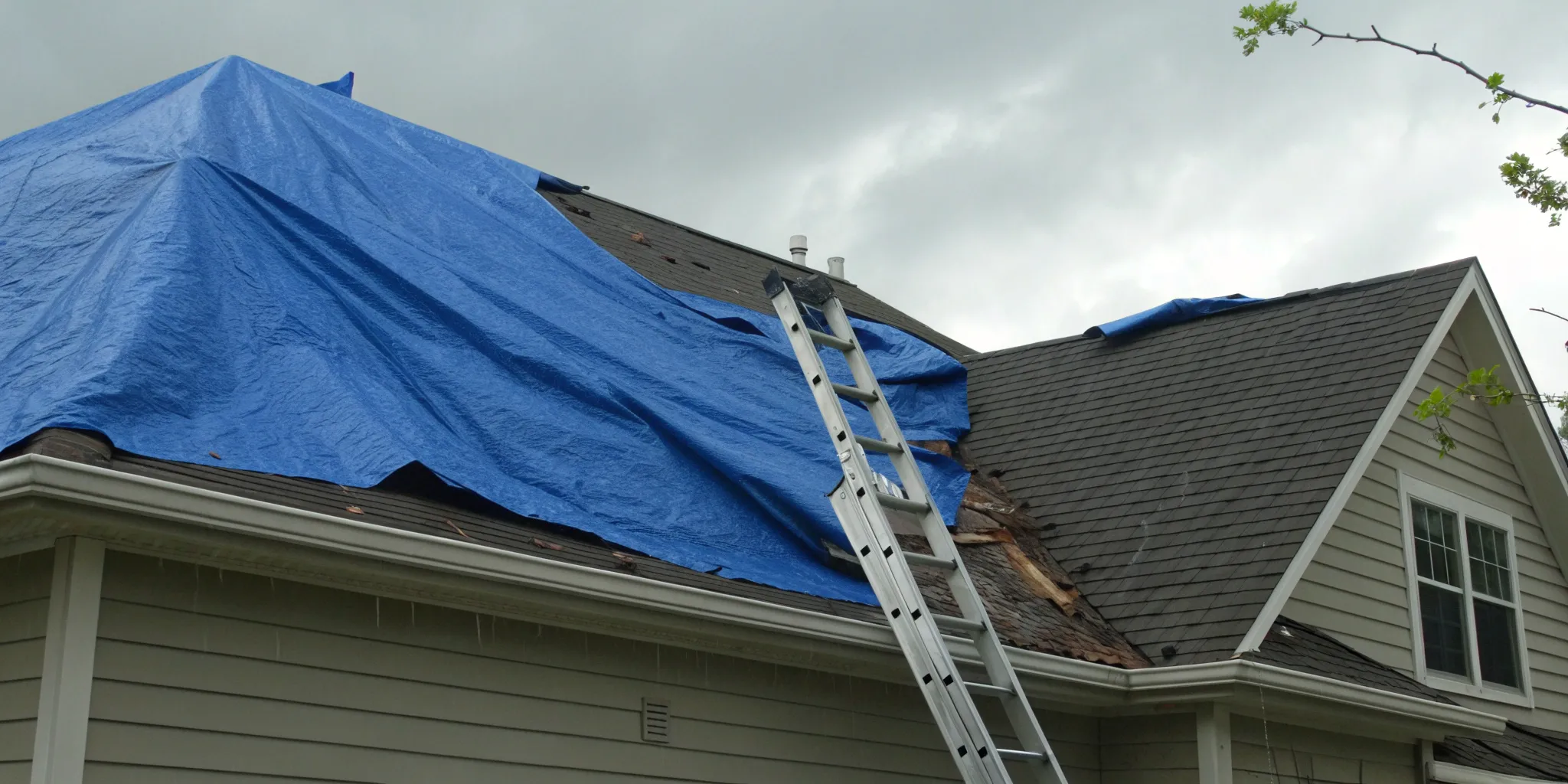
When a storm hits Central Florida, the last thing you want to see is water dripping from your ceiling. Emergency roof tarping is your first line of defense against further damage. Think of it as a heavy-duty, temporary bandage for your roof. It’s a large, waterproof tarp professionally secured over the damaged area to keep rain and debris out until a permanent repair can be made. This isn’t a long-term fix, but it’s a critical step to protect your home’s interior, prevent water damage, and stop mold from taking hold.
After a hurricane, a severe thunderstorm, or even just discovering a major leak, your priority is to stop the problem from getting worse. Tarping buys you valuable time to assess the full extent of the damage, file an insurance claim, and schedule a proper repair without the stress of ongoing water intrusion. A professionally installed tarp can withstand the elements and give you peace of mind that your home and belongings are protected. When you’re facing a sudden roofing crisis, an emergency roof repair service that includes tarping is essential to secure your property quickly and efficiently. It’s a proactive measure that shows your insurance company you’re taking responsible steps to mitigate the damage, which can be a huge help during the claims process.
Signs You Need an Emergency Tarp
It can be hard to know if your roof needs a tarp right away. After a storm, take a safe look from the ground for any obvious signs of trouble. Are there missing or broken shingles? Can you see a hole or sagging spot? Any debris, like tree limbs, on your roof is also a major red flag. Inside your home, look for new water stains on the ceiling or walls, bubbling paint, or active drips. These are clear indicators that your roof’s integrity has been compromised. Getting a tarp on quickly can prevent a small leak from turning into a major interior renovation project.
Types of Roof Damage That Can’t Wait
Some situations are too serious to ignore. If a tree or large branch has fallen on your house, you need to call for help immediately. This kind of impact can cause significant structural damage that leaves your home wide open to the elements. Other urgent issues include large sections of your roof being torn off by high winds or any visible hole that lets daylight into your attic. These are not “wait and see” problems. Delaying a temporary fix will only lead to more extensive and expensive repairs down the road, affecting everything from your insulation to your drywall. This kind of severe damage compromises your entire residential roofing system and requires immediate attention.
What Factors Into the Cost of Roof Tarping?
When you’re dealing with a leaky roof, getting a price for an emergency tarp is a top priority. But the cost isn’t one-size-fits-all. Several key factors determine the final quote for a professional tarping service. Understanding what goes into the price helps you see exactly what you’re paying for—a safe, secure, and temporary fix that protects your home from further damage. From the size of your roof to the time of your call, here’s a breakdown of what influences the cost.
Roof Size and Pitch
It makes sense that a larger roof requires more material and more time to cover, which increases the cost. But it’s not just about square footage. The complexity of your roof’s design also plays a big role. A roof with a steep pitch, multiple levels, or features like chimneys and dormer windows is more challenging to work on. Our crew needs to take extra time and care to safely install the tarp around these obstacles, ensuring every corner is sealed. This additional labor and precision are reflected in the overall price for your residential roofing project.
Tarp Quality
Not all tarps are created equal, and the type used for your repair will affect the cost. A standard, thinner tarp might be a less expensive option upfront, but it typically only lasts for about 90 days. For more significant damage or if you anticipate a longer wait for permanent repairs, a heavy-duty tarp is a better investment. These thicker, more durable tarps cost more but can protect your home for much longer, sometimes up to a year or more. We can help you choose the right quality tarp based on the extent of the damage and your repair timeline.
Roof Accessibility and Safety
Safety is our top priority, and getting to your roof safely is a key part of the job. The accessibility of your roof directly impacts the cost of an emergency tarping service. A single-story home with a low-slope roof is much easier and faster to access than a multi-story home with a very steep roof. Difficult-to-reach areas may require special safety equipment and more crew members to get the job done right. These necessary precautions take more time and resources, which can increase the cost of your emergency roof repair.
The Timing of Your Service Call
A roof leak doesn’t always happen during convenient 9-to-5 business hours. If you need help on a weekend, holiday, or in the middle of the night, the cost will likely be higher. Like other emergency services, after-hours calls come at a premium. This extra charge covers the cost of getting a crew to your home outside of their normal schedule. While calling during business hours is ideal for your budget, waiting can lead to more extensive and expensive water damage. The immediate protection a tarp provides is often worth the emergency fee.
Your Location
Where you live in Central Florida can also play a part in the cost of roof tarping. Labor rates and material availability can vary from one city to another. More importantly, our region’s weather patterns mean that after a major storm, demand for roofing services skyrockets. This high demand can sometimes influence pricing. As a local company, we understand the unique challenges Florida weather presents, from hurricane winds to sudden hail. We can provide a fast, accurate quote based on your specific location and the type of damage you’re facing, whether it requires a simple patch or a full hail damage inspection.
How Much Should You Expect to Pay for Roof Tarping?
When your roof is suddenly damaged, your first thought is probably, “How much is this going to cost?” Getting a tarp on your roof is a critical first step to prevent further damage, but the price can feel like a mystery. The cost of emergency roof tarping isn’t one-size-fits-all; it depends on the size of your roof, the extent of the damage, and how quickly you need help.
Generally, you can expect to pay anywhere from $150 to $1,500 for professional roof tarping. This is a wide range, but it reflects the many variables involved in securing a damaged roof. For most homeowners in Central Florida facing a typical emergency, the cost lands somewhere between $300 and $750. Understanding what goes into that price will help you know what to expect when you call for an emergency roof repair. Let’s break down the numbers so you can feel more prepared.
Average Costs by Roof Size
The size of the damaged area is the biggest factor in your final bill. A small leak over your garage will naturally cost less to tarp than significant damage across your entire roof after a hurricane. Most professional roofers will give you a quote based on the total square footage that needs to be covered. While the average cost for a standard job is between $300 and $750, a very large or complex roof could push the price toward the higher end of that $1,500 spectrum. Think of it this way: more materials and more time on the roof mean a higher cost.
Cost Per Square Foot
To get more specific, many roofing companies price their tarping services per square foot. This typically ranges from $0.70 to $2.00 per square foot for a standard service call. However, since most tarping jobs are emergencies, you should anticipate the cost to be a bit higher. For urgent situations, the rate often increases to between $1.00 and $2.80 per square foot. This pricing structure helps account for the specific amount of material and labor your roof requires, giving you a more accurate estimate than a flat fee. When you get a quote, ask if the price is based on this model.
Extra Fees for Emergency Service
When a storm hits in the middle of the night or on a weekend, you can’t wait for regular business hours. That immediate response comes at a premium. Most roofing companies charge extra for emergency service, which can be about 1.5 times their normal hourly rate. This fee covers the cost of dispatching a crew outside of their standard schedule. While nobody likes paying extra, this fee ensures a professional can get to your home quickly to prevent catastrophic water damage, which would ultimately be far more expensive to fix.
Potential Hidden Costs
The initial quote for tarping should be comprehensive, but be aware of factors that can add to the cost. If a fallen tree limb is resting on your roof, it will need to be removed before a tarp can be placed, and that can cost anywhere from $400 to $1,200. The complexity of your roof’s shape, the severity of the damage, and the specific materials needed can also influence the final price. A trustworthy contractor will discuss these possibilities with you upfront. These are also important details to document for your insurance provider when you begin the roof claim assistance process.
Should You DIY or Hire a Pro?
When your roof is damaged, your first instinct might be to fix it yourself to save money and time. While the can-do spirit is admirable, climbing onto a compromised roof is a serious decision. Before you pull out the ladder, it’s important to weigh the upfront savings of a DIY job against the safety, security, and long-term value of hiring a professional.
DIY vs. Professional: A Cost Comparison
On the surface, DIY tarping seems like a bargain. You only have to pay for the tarp and supplies. However, this initial saving can be misleading. A professional tarping service typically costs between $300 and $750 for a standard job. This price doesn’t just cover materials; it covers the expertise to install the tarp correctly, ensuring it holds up against wind and rain. An improperly secured tarp can fail, leading to the very water damage you were trying to prevent. Think of the professional fee as an investment in doing the job right the first time and avoiding much costlier repairs down the road.
The Safety Risks of DIY Tarping
Your safety is the most important factor to consider. Getting on a roof is risky even in perfect conditions; a storm-damaged roof is significantly more dangerous. You could be dealing with slippery surfaces, loose shingles, and even hidden structural damage that makes the roof unstable. Most roofing companies strongly advise against DIY tarping for this reason. A fall can lead to serious injury, and no amount of money saved is worth that risk. When your home needs immediate protection, the safest and most effective solution is to call for emergency roof repair from trained and properly equipped professionals.
Common (and Costly) DIY Mistakes
Even if you avoid injury, a few common DIY mistakes can end up costing you a fortune. Securing a tarp incorrectly can cause it to flap in the wind, which can peel away even more shingles. Using nails to fasten it can create new holes, giving water another entry point. One of the worst mistakes is trapping moisture underneath the tarp, which creates a perfect environment for mold and rot to set in. These issues not only lead to more extensive repairs but can also complicate your insurance claim. Ensuring the temporary fix is done right is a key part of the roof claim assistance process.
When to Absolutely Call a Professional
While some tiny, easy-to-reach issues might seem manageable, there are clear signs you need to call a professional immediately. If your roof has a steep pitch, if you see widespread damage, or if you’re dealing with a multi-story home, don’t attempt it yourself. You should also call for help if the weather is still poor or if you simply feel uneasy about climbing onto the roof. After a storm, getting your roof protected as quickly as possible is critical. A professional crew has the tools and experience to work safely and efficiently, securing your home and giving you peace of mind.
Will Your Homeowner’s Insurance Cover Tarping Costs?
When your roof is damaged, the last thing you want to worry about is another unexpected bill. The good news is that emergency roof tarping is often considered a necessary temporary repair to prevent further damage, which means your homeowner’s insurance policy will likely cover the cost. Since most policies require you to mitigate damage, paying for a tarp is in their best interest, too. It’s a proactive step that saves everyone money in the long run by preventing costly interior water damage.
However, every policy is different. It’s always a good idea to call your insurance agent as soon as it’s safe to do so. They can confirm your coverage details and walk you through the next steps. Getting professional help with the claims process can also make a huge difference. Our team is experienced in providing the detailed documentation insurers need, which can streamline your roof claim assistance and help you get the coverage you’re entitled to.
What Your Policy Likely Covers
Most standard homeowner’s insurance policies cover temporary repairs needed to protect your property from further harm. This includes emergency tarping. A common rule of thumb is that your policy may cover up to 1% of your home’s total insured value for these immediate fixes. For example, if your home is insured for $300,000, your policy might reimburse you up to $3,000 for tarping services. This is usually more than enough to cover the cost of a professional tarp installation. Remember to keep all receipts and invoices from your roofing contractor to submit with your claim for a smooth reimbursement process.
How to Document Damage for Your Claim
Clear documentation is your best friend when filing an insurance claim. Before any work begins, take photos and videos of the initial damage from a safe location. Capture wide shots of the affected roof area and close-ups of specific problems like missing shingles or holes. Once the tarp is installed, take another set of photos. A professional roofing company will provide you with detailed receipts and their own photo documentation, which adds a layer of credibility to your claim. This evidence proves you took responsible steps to prevent more damage, which is exactly what your insurance company wants to see.
Tips for Working With Your Adjuster
Your insurance adjuster is there to assess the damage and determine the payout, so it’s important to provide them with clear and accurate information. Always ask your roofing contractor for a detailed, written estimate that breaks down the costs for labor and materials. Don’t feel pressured to accept the first or cheapest quote you receive; quality workmanship is crucial for protecting your home. When the adjuster visits, have your documentation ready and walk them through the damage. Being organized and transparent helps the process move forward efficiently and ensures all the damage is properly accounted for.
What You Might Pay Out of Pocket
Even though your insurance will likely cover the cost, you’ll probably have to pay the roofing contractor upfront for the emergency service. The cost for professional roof tarping typically ranges from $150 to $1,500, with most homeowners paying between $300 and $750. This fee covers the tarp, materials, and the labor involved in safely securing it to your roof. You will then submit the invoice to your insurance company for reimbursement. Keep in mind that your deductible will apply to the total claim for the permanent roof repair, not usually for the temporary tarping itself, but check your specific policy to be sure.
Why Waiting to Tarp Your Roof Costs You More
When you’re dealing with a damaged roof, it’s easy to feel overwhelmed. The thought of adding another expense, even a temporary one like tarping, can be daunting. But putting off this crucial step is one of the most expensive mistakes a homeowner can make. Think of an emergency tarp as an investment in damage control. It’s a small, proactive measure that prevents a cascade of much larger, more costly problems down the line.
A single storm can leave your home vulnerable, and every drop of rain that gets through a damaged roof multiplies the potential repair bill. What starts as a few missing shingles can quickly lead to saturated insulation, stained ceilings, and ruined drywall. By delaying, you’re not just waiting to fix the roof; you’re allowing water to cause silent, progressive destruction inside your home’s structure. The cost of an emergency roof repair and tarp is minimal compared to the thousands you could spend on interior repairs, mold remediation, and replacing damaged belongings. Acting fast isn’t just about stopping a leak—it’s about protecting your entire home and your finances.
The High Price of Water Damage
Once your roof’s protective barrier is breached, water becomes the enemy. It doesn’t take a flood to cause significant issues; even a slow, steady drip can wreak havoc. Water will seep into your attic, soaking insulation and rendering it useless. From there, it travels down, staining ceilings and walls, causing paint to peel and drywall to crumble.
This moisture can also damage electrical wiring, creating serious safety hazards. Your personal belongings stored in the attic or upper floors are also at risk. What might have been a straightforward roof repair can quickly turn into a massive interior renovation project if you wait too long to stop the water from getting in.
The Expense of Mold Removal
In Central Florida’s humid climate, water damage and mold growth go hand in hand. It only takes 24 to 48 hours for mold spores to colonize a damp surface. Once it starts, it spreads quickly through drywall, wood framing, and insulation, often hidden from view.
Not only does mold pose serious health risks to your family, but professional mold remediation is also an expensive and invasive process. Crews may need to tear out affected walls and ceilings to eradicate the problem completely. A prompt roof tarping stops the moisture source, preventing a minor water issue from becoming a major, costly health hazard that isn’t always covered by standard insurance policies.
How Delays Can Affect Your Insurance Claim
Most homeowner’s insurance policies include a clause that requires you to mitigate further damage after an incident. This means you have a responsibility to take reasonable steps to prevent the problem from getting worse. Placing a tarp over a damaged roof is considered a critical part of this process.
If you fail to act quickly, your insurance company could argue that the subsequent interior water damage or mold growth was due to negligence. This could lead them to deny that portion of your claim, leaving you to pay for those extensive repairs out of pocket. Getting professional roof claim assistance can help you understand your policy, but the first step is always to stop the damage in its tracks.
How to Choose the Right Roofing Contractor
When your roof is damaged and the clock is ticking, choosing the right contractor can feel overwhelming. You need someone fast, but you also need someone you can trust to do the job correctly without overcharging. Making a clear-headed decision now will protect your home from further damage and save you headaches down the road. The key is to look for a local, licensed, and insured professional with a solid reputation for quality work and transparent communication. A great contractor will not only install the tarp correctly but also help you understand the next steps for a permanent repair.
Getting and Comparing Accurate Quotes
Even in an emergency, it’s wise to get a few different opinions. Aim to get price estimates from at least three different roofing companies. This helps you get a feel for the fair market rate in Central Florida and quickly spot any quotes that seem unusually high or suspiciously low. When you request a quote for an emergency roof repair, make sure it’s detailed and in writing. It should clearly outline the cost of the tarp, labor, and any other potential fees. A transparent quote is the first sign of a trustworthy contractor, giving you the confidence that you’re not being taken advantage of during a stressful time.
Questions to Ask About Pricing
To make sure you’re comparing apples to apples, ask each contractor the same set of questions. This will help you understand exactly what you’re paying for.
Here’s a good starting list:
- How long have you been in business?
- Are there separate costs for debris removal?
- What are your fees for an emergency service call?
- Can you provide a detailed, written estimate?
- How long should this tarp last?
- What happens if more damage occurs during the installation?
Getting clear answers to these questions will help you avoid surprises on the final bill. A professional contractor will be happy to walk you through their pricing and process.
Contractor Red Flags to Watch For
While you’re talking to potential contractors, keep an eye out for a few warning signs. Be cautious if a company pressures you to sign a contract on the spot or wants to handle your entire insurance claim for you. While a roofer can and should help you with documentation, you should be the one communicating directly with your insurance provider. It’s also important not to automatically choose the cheapest quote. An unusually low bid might mean they’re cutting corners with lower-quality materials or unskilled labor, which could lead to bigger problems. Instead, focus on finding a contractor who offers a fair price for high-quality, reliable work.
Understanding Warranties
Before work begins, ask about any warranties offered on the tarping service itself. A reputable company will stand by their workmanship, even for a temporary fix. It’s also a good time to talk to your insurance agent. Most homeowner’s insurance policies will cover temporary repairs like tarping because it’s a crucial step in preventing more extensive (and expensive) water damage and mold growth. Your insurance company wants you to protect your property, and a professional roofer can provide the necessary documentation to support your roof damage claim. This ensures the temporary fix is properly recorded as you move toward a permanent solution.
What’s Next? Budgeting for a Permanent Fix
Once the emergency tarp is securely in place, you can breathe a little easier knowing your home is protected from the elements. But that blue tarp is a temporary patch, not a permanent solution. Now is the time to shift your focus from the immediate crisis to the long-term health of your roof. Planning for a permanent repair or replacement is the most important next step you can take. This involves understanding the full scope of the costs, creating a realistic timeline, and exploring how you’ll pay for the project.
Tarp vs. Permanent Repair Costs
Think of the cost of an emergency tarp as the first step in your roof recovery plan. While the price can vary, this initial expense stops water from causing more extensive—and expensive—damage inside your home. It’s a necessary investment to buy you the time you need to arrange for a lasting fix.
A permanent residential roofing solution, whether it’s a targeted repair or a full replacement, will be a larger investment. The final cost depends on the materials you choose, the size of your roof, and the complexity of the job. While the price tag is higher than that of a tarp, it’s the only way to truly restore your home’s structural integrity and your peace of mind.
Planning for Your Full Roof Repair
A professionally installed roof tarp generally holds up for about 90 days. This gives you a clear window to plan your next move. Use this time wisely to schedule a thorough hail damage inspection to assess the full extent of the problem. A professional will be able to tell you whether a simple repair will suffice or if it’s time to consider a full roof replacement. Don’t wait until the last minute; start getting quotes from reputable contractors right away so you can make an informed decision without feeling rushed.
Financing Options for Your Project
The good news is you likely won’t have to cover the entire cost out of pocket. Your homeowner’s insurance policy will often cover emergency tarping to prevent further damage. For the permanent repair, the process can feel a bit more involved, which is why working with a contractor who offers roof claim assistance can be a huge help. They can guide you through the paperwork and help you communicate effectively with your insurance adjuster. If you have costs that insurance doesn’t cover, or if you’re looking to upgrade your roof, flexible financing can make the project much more manageable.
Related Articles
- Hire Storm Damage Repair Contractors With Confidence
- Temporary Patch Roof Leak Repair Until Professional Help Arrives
- 24 Hour Emergency Roof Repair: A Step-by-Step Guide
Frequently Asked Questions
How long will an emergency tarp actually protect my roof? Think of a tarp as a strong, temporary bandage. A standard, professionally installed tarp is designed to protect your home for about 90 days. This gives you a solid window of time to work with your insurance company and schedule a permanent repair. If the damage is extensive or repairs might take longer, we can use a more durable, heavy-duty tarp that can hold up for a year or more. The goal is to give you enough time to make a thoughtful decision, not a rushed one.
Does getting a tarp mean I’ll definitely need a full roof replacement? Not at all. Tarping is simply the first step to stop water from getting into your home, regardless of the size of the problem. Sometimes, the damage is isolated to a small area that only needs a straightforward repair once the weather clears. The tarp protects your home while we conduct a thorough inspection to determine the true extent of the damage and recommend the right long-term solution, whether that’s a simple repair or a full replacement.
Can the tarp itself cause more damage to my roof? This is a common concern, and it’s why professional installation is so important. When we install a tarp, we use specific methods to secure it firmly without causing new problems. We are careful about placement and use fasteners in a way that minimizes any new punctures. A poorly installed DIY tarp, on the other hand, can flap in the wind and tear off more shingles or trap moisture underneath, which is why we always recommend calling a professional.
What if another storm is on its way? Can you still install a tarp? Our crews work as quickly as safety allows. We can absolutely install a tarp before an approaching storm, but we cannot work on a roof during dangerous conditions like high winds, heavy rain, or lightning. The best thing you can do is call us as soon as you notice damage. The earlier you call, the better our chances of getting your roof secured and protected before the next round of weather arrives.
Do I need to pay for the tarping service myself before my insurance pays me back? Yes, typically you will pay for the emergency tarping service upfront. This is because it’s considered an immediate, necessary action to mitigate damage. Be sure to get a detailed invoice from us, as this is the document you will submit to your insurance company for reimbursement. Most homeowner’s policies cover these costs because protecting your home now saves them from paying for much more expensive water and mold damage later.