


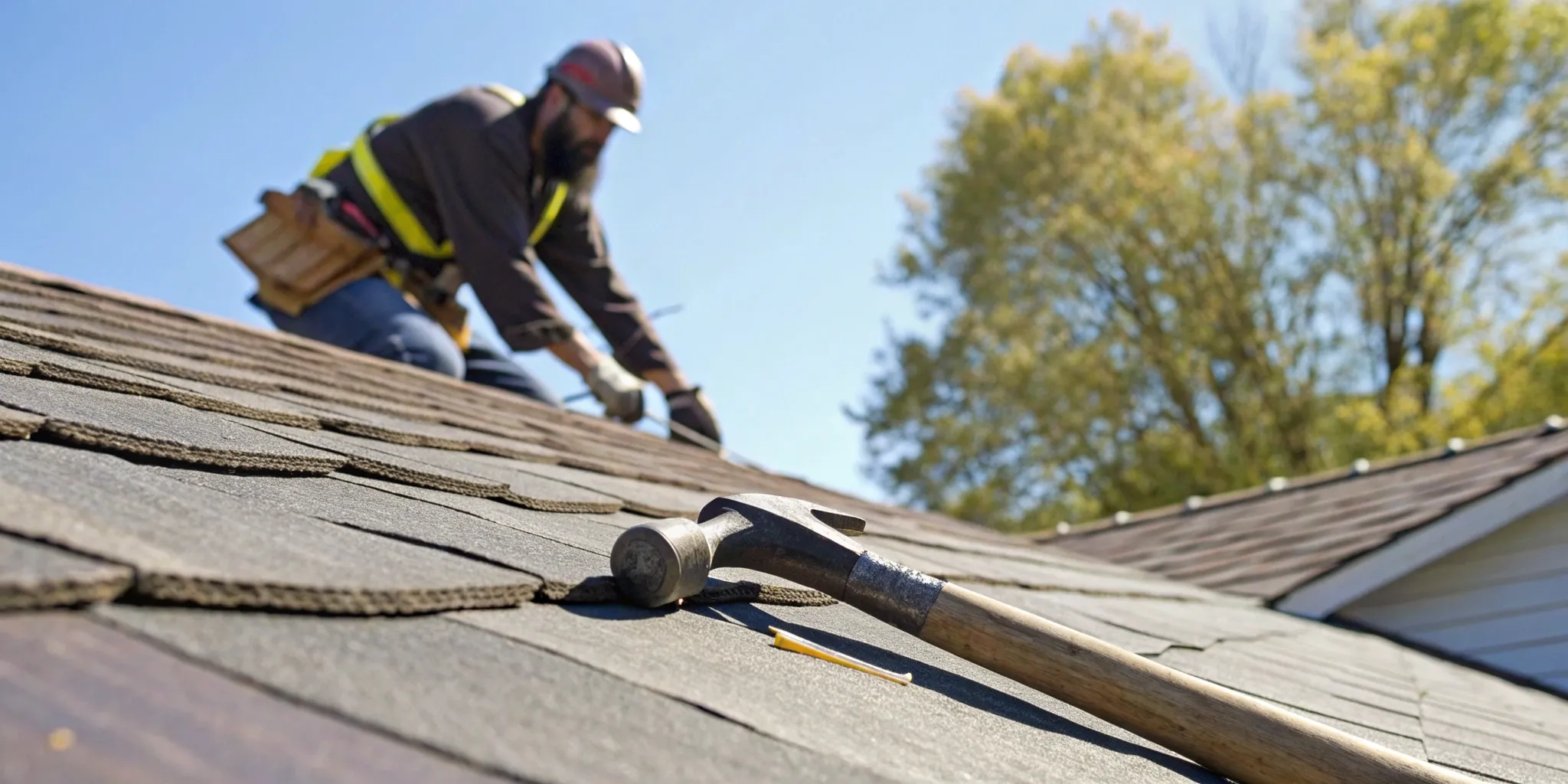
Roofing in Central Florida is a different ballgame. Between the intense sun, heavy rains, and strict hurricane codes, our roofs have to work a lot harder. That’s why national cost averages often don’t apply here. If you’re a local homeowner wondering how much would a roof cost to replace, you need information tailored to our unique climate and regulations. This guide will explore the specific factors that drive costs in our area, from wind-resistant materials to the skilled labor required for a code-compliant installation. This will give you a realistic financial picture for protecting your Florida home for years to come.
Key Takeaways
- Understand the Core Cost Drivers: Your final price tag is primarily shaped by three things: the roofing material you select, the size and complexity of your roof, and the cost of skilled, professional labor.
- Budget for the Complete Project: A quality roof replacement includes necessary expenses beyond the shingles. Factor in costs for tearing off the old roof, repairing any hidden deck damage, and covering local permit fees.
- Make Smart Financial Decisions: You can manage the investment by getting multiple detailed quotes, asking about financing to spread out the cost, and understanding what your warranties truly cover to protect your purchase.
How Much Should a New Roof Cost?
Figuring out the budget for a new roof can feel like a huge task. It’s one of the most significant investments you’ll make in your home, and the final price tag depends on a lot of different factors. While no two projects are exactly alike, understanding the typical cost range can help you plan with confidence. To give you a clearer picture, let’s break down what you can expect to pay, both nationally and right here in our own backyard. This will help you set a realistic budget before you start gathering quotes from contractors.
A Look at National Averages
Nationally, the average roof replacement cost is about $9,500. Of course, that’s just an average. Most homeowners end up paying somewhere between $5,800 and $46,000. For a typical 1,700-square-foot home with asphalt shingles, you might see a price tag of around $6,000 to $9,000. According to a recent analysis, a slightly larger 2,000-square-foot house could range from about $7,300 to over $24,000. These numbers give you a general idea, but remember that materials, labor, and your home’s specific needs will cause these figures to shift.
Bringing It Home: Central Florida Costs
While national numbers are a good starting point, costs here in Central Florida tell a different story. Our unique climate and strict building codes mean prices are often higher. For example, a basic asphalt shingle roof in some parts of Florida can range from $12,000 to $18,000. Why the difference? Factors like local labor rates, material availability, and the need for roofs that can withstand hurricanes all play a part. This is why getting a detailed estimate for your specific residential roofing project is so important. It’s the only way to get an accurate picture of what your investment will look like.
What Drives Your Roof Replacement Cost?
When you start budgeting for a new roof, you’ll quickly find that there’s no one-size-fits-all price tag. Several key factors come together to determine your final quote. Understanding these variables helps you see exactly where your money is going and allows you to make informed decisions that fit your budget and your home’s needs. From the sheer size of your roof to the specific materials you pick, each element plays a significant role. Let’s break down the four main components that influence the cost of a roof replacement so you can plan your project with confidence.
Your Roof’s Size and Shape
It might seem straightforward, but the size of your roof is more complex than the square footage of your house. Because of slopes, pitches, and overhangs, your roof’s surface area is always larger than your home’s footprint. A roofer measures in “squares,” where one square equals 100 square feet of roof area. The more squares your roof has, the more materials and labor are needed. The complexity of your roof’s design also matters. A simple, single-slope roof will cost less to replace than a roof with multiple gables, valleys, skylights, and chimneys, which all require more time and precision to work around.
The Materials You Choose
The roofing material you select is one of the biggest factors in your total cost. Asphalt shingles are the most common and budget-friendly option for residential roofing, offering a great balance of durability and affordability. However, if you’re looking for a longer lifespan or a specific aesthetic, you might consider other materials. Metal roofing, for example, is more expensive upfront but offers incredible longevity and energy efficiency. Tile is another popular choice in Florida for its classic look and resilience against the elements. Each material comes at a different price point, so your choice will heavily influence the final estimate.
Labor and Professional Expertise
A new roof is only as good as the team that installs it, and professional labor is a significant part of your investment. In fact, labor can account for about 60% of the total cost of a roof replacement. This covers not just the physical work of tearing off the old roof and installing the new one, but also the team’s experience, insurance, and craftsmanship. Hiring a skilled, reputable contractor ensures the job is done right and meets all safety standards. While it might be tempting to cut corners here, investing in quality workmanship protects your home and gives you peace of mind for years to come.
Your Location and Local Codes
Where you live plays a surprisingly large role in roofing costs. In Central Florida, our weather demands roofs that can stand up to intense sun, heavy rain, and high winds. Local building codes reflect this, often requiring specific materials or installation techniques to ensure your roof is hurricane-ready. These requirements can affect material and labor costs. Additionally, your municipality will require permits for a roof replacement, and the fees for these permits add to the overall project expense. A professional contractor will handle all the necessary permits and inspections to ensure your new roof is fully compliant.
Breaking Down Costs by Roofing Material
The material you choose for your new roof is one of the biggest line items in your budget. It influences not just the upfront cost but also your home’s curb appeal, energy efficiency, and how long the roof will last before needing another replacement. In Central Florida, we need materials that can stand up to intense sun, heavy rain, and the occasional hurricane, so durability is just as important as aesthetics.
Think of it like this: you can choose a practical, budget-friendly option that gets the job done well, or you can invest in a premium material that offers a longer lifespan and a more distinctive look. There’s no single “best” choice—it all comes down to your priorities, your home’s style, and your budget. Let’s walk through the most common options so you can see how the numbers stack up and decide what makes the most sense for your property.
Asphalt Shingles
Asphalt shingles are the most popular roofing material in the country, and for good reason. They offer a fantastic balance of performance, affordability, and style. If you’re looking for a reliable and cost-effective solution, this is often the best place to start. For a typical residential roofing project, you can expect to pay between $3.40 and $5.95 per square foot. On an average-sized home, that works out to a total cost of roughly $5,840 to $10,100. Modern architectural shingles come in a wide range of colors and styles, giving you plenty of options to match your home’s exterior.
Metal Roofing
Once reserved for commercial buildings, metal roofing has become a popular choice for homeowners who prioritize longevity and energy efficiency. While the initial investment is higher—ranging from $6.00 to $24.50 per square foot—a metal roof can last 30 to 50 years, more than double the lifespan of many shingle roofs. For an average home, the total cost could fall between $10,245 and $41,640. Metal roofs are excellent at reflecting solar heat, which can help lower your cooling bills during those hot Florida summers. They are also incredibly durable and stand up well to high winds.
Tile Roofing
Tile roofing is a hallmark of Florida architecture, offering a timeless look that’s both beautiful and incredibly resilient. Whether you choose clay or concrete, tile is built to last, with a lifespan that can range from 50 to 100 years. The cost for a tile roof typically runs from $6.30 to $12.30 per square foot, putting the total for a standard home between $10,665 and $20,900. Beyond its longevity, tile is resistant to fire, rot, and insects, making it a durable, low-maintenance option perfectly suited for our climate. It’s a fantastic investment for any commercial roofing project or upscale residence.
Premium Materials
If you’re looking for top-of-the-line performance and a truly standout appearance, premium materials like slate or high-end standing seam metal are worth considering. These options represent a significant investment, with slate costing anywhere from $23.49 to $31.77 per square foot. For an average-sized home, this could mean a total cost of $39,925 to over $54,000. While the price tag is high, these materials offer unparalleled durability—a slate roof can last for over a century—and can substantially increase your home’s resale value. This is the ultimate choice for homeowners who want the absolute best in terms of both function and form.
What Other Expenses Should You Expect?
When you get a quote for a new roof, the price for materials and labor is just the starting point. A truly professional roof replacement is a comprehensive project, and several other essential services and potential repairs contribute to the final cost. It’s helpful to think of these not as surprise add-ons, but as non-negotiable steps that ensure your new roof is installed correctly and built to last for decades. From the careful removal of the old materials to making sure the underlying structure is sound, these expenses are a standard part of any quality job.
Understanding these potential costs ahead of time helps you create a more accurate budget and gives you a clearer picture of the total investment. A transparent contractor will walk you through each of these items, explaining why they’re necessary for the safety and longevity of your home. For example, simply layering new shingles over old ones might seem cheaper upfront, but it can hide serious issues like rot or soft spots in the roof deck. This can lead to major problems and even more expensive repairs down the line. We’ll break down the most common additional costs you can anticipate, so you can feel confident and prepared as you plan your project.
Removing the Old Roof
Before your beautiful new roof can be installed, the old one has to go. This process, known as a tear-off, involves removing all the old shingles, underlayment, and flashing to expose the wooden foundation of your roof, called the deck. The cost for this service typically ranges from $0.40 to $2.00 per square foot. Most professional contractors, including our team at Sky Light Roofing, will include this cost in the overall estimate for your residential roofing project. It’s a critical first step that allows for a thorough inspection of the underlying structure and ensures your new roof has a clean, stable surface to adhere to.
Permits and Inspections
A roof replacement is a major construction project, and nearly every municipality in Central Florida requires a permit to ensure the work meets local building codes. Permit fees can vary quite a bit depending on your city or county. These regulations are in place for your protection, confirming that your new roof is installed safely and can withstand Florida’s unique weather challenges, like high winds and heavy rain. Your contractor should handle the entire permitting process for you, from application to final inspection, but the cost will be part of your total project price. This is also a key step in our roof claim assistance process, as it provides official documentation of the work.
Decking and Structural Repairs
The roof deck is the plywood or OSB foundation that your shingles are attached to. Unfortunately, you can’t know its true condition until the old roof is completely removed. If the inspection reveals soft spots, water damage, or rot, those sections of decking will need to be replaced. Repairing or replacing decking can cost between $2.20 and $3.00 per square foot. While it can feel like an unexpected expense, it’s absolutely vital for the structural integrity and longevity of your new roof. A professional hail damage inspection can often help identify potential issues before the tear-off even begins, giving you a better idea of what to expect.
Gutters and Ventilation
Your roof is a complete system, and proper ventilation and water drainage are key components. In Florida’s hot, humid climate, good attic ventilation is essential to prevent moisture buildup that can lead to mold and premature aging of your roof structure. You may need to add or upgrade vents to ensure adequate airflow. Similarly, it’s often a good idea to replace old or damaged gutters during a roof replacement. This ensures your entire system works together seamlessly to protect your home from water damage, a critical consideration for both homes and commercial roofing projects.
Are There Hidden Costs to Watch For?
A detailed estimate from a trusted contractor should cover all the major expenses, but it’s smart to be aware of potential costs that can pop up during a roof replacement. No one likes financial surprises, especially on a project this big. Understanding these variables ahead of time helps you create a more realistic budget and have clearer conversations with your roofer.
Most of these “hidden” costs aren’t about a contractor trying to pull a fast one; they’re simply unknowns that can’t be fully assessed until the project is underway. For example, the condition of the wood decking under your old shingles is impossible to see until they’re torn off. Other factors, like local permit fees or the timing of your project, can also influence the final price. We’ll walk through the most common ones so you can feel fully prepared.
Meeting Current Building Codes
Building codes are updated regularly to improve safety and durability, especially here in Florida where wind resistance is a major focus. If your current roof was installed a decade or two ago, it likely doesn’t meet today’s stricter standards. Bringing your roof up to code is not optional—it’s a legal requirement. This might involve using specific types of nails, stronger sheathing, or an updated roof-to-wall attachment system. Local rules also require permits and inspections, which add to the project’s bottom line. A professional contractor will handle all the paperwork, but these compliance costs will be part of your total investment.
Weather Delays and Seasonal Pricing
In Central Florida, we know the weather can be unpredictable. A week of afternoon thunderstorms can pause a project, extending the timeline. While this doesn’t usually add direct costs, it’s something to be aware of. More importantly, the time of year you schedule your replacement can affect the price. The busiest season for roofers is often after a major storm or during the summer. If your project isn’t an emergency, you might find more competitive pricing during slower months. Some contractors may offer lower rates during off-peak times to keep their crews busy, which could lead to savings on labor.
Navigating Insurance Deductibles
If your roof was damaged in a storm, you might be planning to file an insurance claim to cover the replacement. While your policy can be a huge help, it won’t cover the entire bill. You are always responsible for paying your deductible. It’s also important to know that most policies cover damage from specific events, not general wear and tear from age. Understanding your policy is key to avoiding a surprise bill. The claims process can feel overwhelming, which is why our team offers roof claim assistance to help you manage the paperwork and communicate effectively with your insurance provider.
Why a Complex Roof Costs More
When you get a roof replacement quote, you might notice the price is higher than your neighbor’s, even if your homes seem similar in size. The reason often comes down to complexity. A simple, flat ranch-style roof is far more straightforward to replace than a multi-level roof with steep pitches, dormers, and skylights. Each unique feature adds to the project’s scope, requiring more materials, specialized labor, and time. These architectural details, while beautiful, demand extra precision from the roofing crew to ensure every angle and seam is perfectly sealed against the elements. This meticulous work is what protects your home, but it also naturally influences the final cost of your investment. Understanding these factors will help you see exactly where your money is going and why a quality installation on a complex roof is so crucial.
Square Footage vs. Your Home’s Footprint
One of the first things to understand is that your home’s interior square footage doesn’t equal your roof’s square footage. Your roof’s actual surface area is almost always larger due to its pitch and any overhangs. As the experts at This Old House note, a 2,000-square-foot house might actually have a roof that’s 2,400 to 2,600 square feet. The steeper the slope, the more surface area there is to cover. This difference directly impacts your bottom line because more square footage means you’ll need more shingles, underlayment, and other materials. When we prepare an estimate, we measure the roof itself, not the floor plan, to give you an accurate picture of the material costs involved.
Steep Slopes and Access Challenges
The pitch of your roof is a major factor in labor costs. A gently sloping roof is relatively easy for a crew to walk on and work safely. However, a very steep roof angle presents a significant challenge. It requires extra safety equipment, like harnesses and roof jacks, to keep the team secure. This slows down the installation process, as every movement is more deliberate and materials have to be carefully managed. If your home is multiple stories high or has limited access around the property for equipment and debris removal, that can also add to the labor hours. These logistical considerations are all built into the cost to ensure a safe and efficient residential roofing project.
Skylights, Chimneys, and Multiple Levels
Does your roof have skylights, a chimney, dormers, or multiple intersecting rooflines? Every one of these features is a “penetration” or transition point that requires special attention. Unlike a simple, flat plane, these areas must be meticulously cut around and sealed with flashing—thin pieces of metal that direct water away from critical areas. This is highly detailed work that takes time and skill to do correctly, as improper flashing is a leading cause of roof leaks. A complex design with many valleys and angles also requires more custom cuts for shingles, leading to more material waste and longer installation times. Ensuring these features are perfectly integrated is key to a long-lasting, leak-free roof.
How Can You Save on a New Roof?
A new roof is one of the most significant investments you’ll make in your home, but that doesn’t mean you have to drain your savings. With some smart planning and strategic decisions, you can manage the cost effectively without compromising on the quality and safety your family deserves. It’s all about knowing where you can be flexible and where you should invest for the long haul. From picking the right time of year to choosing materials that offer the best long-term value, here are a few practical ways to save on your roof replacement.
Time Your Replacement Strategically
If your roof isn’t in a state of emergency, timing your project can make a real difference in the price. Roofing contractors have busy seasons and slower seasons, just like any other business. In Central Florida, demand often spikes during and after hurricane season when storm damage is common. If your project isn’t urgent, you might save money by scheduling the work during less busy times, like the cooler, drier winter months. Planning ahead gives you the flexibility to get on a trusted contractor’s schedule when they have more availability, which can sometimes lead to better pricing. Of course, if you have active leaks or damage, you can’t afford to wait for an emergency roof repair.
Compare Quotes from Vetted Contractors
Getting a few different opinions is one of the smartest moves you can make. It’s a good practice to ask at least two or three trusted roofing companies in your area for detailed price estimates. This helps you get the most accurate picture of what the project should cost for your specific home. But remember, the goal isn’t just to find the lowest number. A cheap bid could signal subpar materials or inexperienced labor. Instead, compare the estimates line by line. Do they all include removal of the old roof, permit fees, and a clear warranty? A reputable contractor will provide a transparent, detailed quote that explains exactly what you’re paying for.
Explore Your Financing Options
Paying for a new roof all at once can be a major financial hurdle for many homeowners. The good news is you don’t have to. Looking into financing options can make the expense much more manageable by breaking it down into predictable monthly payments. This approach not only eases the immediate financial pressure but can also empower you to make better long-term decisions for your home. Instead of settling for the cheapest materials to fit a tight budget, financing can give you the flexibility to invest in a higher-quality roofing system that will last longer, perform better, and potentially save you money on repairs and energy bills down the road.
Select Materials with the Best Value
The materials you choose are a huge factor in your total cost, and prices can vary significantly. While standard asphalt shingles are often the most budget-friendly choice upfront, it’s worth thinking about long-term value. Sometimes, spending a bit more on higher-quality materials can save you a lot of money and headaches over the life of your roof. For example, premium materials like metal or tile often last much longer and offer superior resistance to Florida’s intense sun and storms. They can even increase your home’s resale value. It’s about finding the sweet spot between your budget, the look you want, and the long-term performance you need for your residential roofing project.
What to Ask Your Contractor About Pricing
Talking about money can feel awkward, but when it comes to a major investment like a new roof, clarity is everything. Asking the right questions about pricing upfront helps you compare quotes fairly and protects you from unexpected costs down the road. Think of this conversation as your best tool for vetting potential roofers and ensuring you’re partnering with a transparent and trustworthy company. A professional contractor will welcome these questions and provide clear, detailed answers, seeing it as an opportunity to build trust.
Before you even look at the final number, you should understand what goes into it. Ask about the specific materials they plan to use, the projected timeline for the project, and how they handle potential issues like discovering rotted decking after the old roof is removed. This is also a good time to discuss payment schedules and see if they offer any financing options to make the project more manageable for your budget. Getting a comprehensive, written contract that outlines all these details is the final step to feeling confident before the work begins. It ensures everyone is on the same page and protects both you and the contractor.
How to Get a Detailed, Accurate Estimate
A legitimate quote is more than just a number scribbled on a piece of paper. It should be a detailed, itemized document that breaks down every cost, from materials and labor to permits and debris removal. While online calculators can give you a ballpark figure, a truly accurate estimate requires a professional to see your roof in person. They need to measure it, assess its condition, and note any complexities like skylights or steep pitches. I always recommend getting at least two or three detailed estimates from reputable local companies. This allows you to compare not just the final price, but the quality of materials and scope of work each contractor is proposing after a thorough inspection.
What Do Your Warranties Really Cover?
Warranties are your safety net, so it’s important to understand exactly what they protect. There are typically two types: the manufacturer’s warranty, which covers defects in the roofing materials themselves, and the contractor’s workmanship warranty, which covers installation errors. Ask for details on both. What is the length of the workmanship warranty? A reliable roofer should offer coverage for 10 years or more. What actions could void either warranty? Get all the details in writing. A strong warranty shows that a company is confident in its products and skills, giving you peace of mind that your investment is protected for years to come.
Confirming Licenses and Insurance
This is a non-negotiable step. Before you sign anything, ask for proof of the contractor’s license and insurance, including general liability and worker’s compensation. This protects you from being held financially responsible for any accidents that might happen on your property during the project. A professional company will provide these documents without hesitation. You can also ask about their standard procedures, like whether they will remove the old roofing material before installing the new layer—a crucial step for a quality job. If your roof replacement is part of an insurance claim, see if they can help you with the paperwork, as this can simplify a complicated process.
How to Plan Your Roof Replacement Budget
A new roof is one of the most important investments you’ll make in your home, and planning your budget is the first step to a smooth, stress-free project. Thinking through the costs ahead of time helps you avoid surprises and feel confident in your decisions. A solid financial plan ensures you can focus on what matters most: getting a high-quality roof that protects your family and your property for years to come. Let’s walk through how to create a budget that works for you.
Set a Realistic Timeline
If your roof replacement isn’t an emergency, you have the advantage of time. When you can schedule your project in advance, you might find more flexibility with contractor availability and potentially even save some money. While Central Florida doesn’t have a harsh winter, roofing contractors still have busier and slower periods—often dictated by storm season. Planning your replacement during a less hectic time can sometimes lead to better pricing. Of course, if you’re dealing with sudden storm damage, the timeline is out of your hands. In that case, the priority is a fast, reliable repair from a team that can handle emergency situations.
Build a Contingency Fund
It’s always smart to have a safety net. When it comes to roofing, a contingency fund is a portion of your budget—typically 10% to 20% of the total estimate—set aside for the unexpected. What could go wrong? Once the old shingles come off, your contractor might find hidden issues like soft or rotted decking that needs to be replaced before the new roof can be installed. A good contractor will perform a thorough inspection to minimize surprises, but some problems are impossible to see until the work begins. This fund ensures that a minor setback doesn’t become a major financial headache, allowing the project to continue without delay.
Understand the Payment Schedule
Before signing a contract, make sure you have a clear understanding of the payment structure. Labor is a significant part of any residential roofing project, often making up more than half of the total cost. Ask your contractor for a detailed payment schedule. You’ll want to know how much is due upfront as a deposit, if there are progress payments, and when the final balance is due. Knowing this helps you manage your cash flow. If the total cost feels overwhelming, ask about financing options. Many roofing companies offer plans that allow you to break down the expense into manageable monthly payments, making a quality roof more accessible.
Related Articles
- Average Cost of Roof Replacement: What to Expect
- Roof Replacement Cost: A Complete Breakdown
- The Real Cost to Replace an Asphalt Shingle Roof
- Cost of Tile Roof Replacement: A 2025 Guide
- Average Cost to Replace a Roof Per Square Foot (2025)
Frequently Asked Questions
Why are roof replacements in Central Florida more expensive than the national average? It really comes down to our unique environment. Here in Florida, roofs have to withstand intense sun, heavy rain, and hurricane-force winds. Because of this, our local building codes are much stricter than in many other parts of the country. These codes often require specific, more durable materials and installation techniques, which adds to the cost. Local labor rates and material supply also play a significant role in the final price you’ll see in an estimate.
Is it really necessary to tear off the old roof? Can’t I just add a new layer on top to save money? While layering new shingles over old ones might seem like a tempting shortcut, it’s a risk that professional roofers avoid. The only way to know the true condition of the wooden deck underneath is to remove the old roof completely. A tear-off allows the crew to inspect for and replace any rotted or water-damaged wood. Covering up these problems can lead to major structural issues and leaks down the road, costing you far more in the long run.
Besides the main materials, what other costs should I definitely plan for? A quality roof replacement is more than just shingles and labor. You should expect the estimate to include the cost of tearing off and disposing of the old roof, as well as fees for the necessary municipal permits and inspections. It’s also wise to set aside a contingency fund, as there’s always a chance the crew will find damaged decking that needs to be replaced once the old roof is removed.
The price difference between quotes is huge. Does a higher price always mean better quality? Not necessarily, but a suspiciously low bid can be a red flag. Instead of focusing only on the final number, compare the estimates line by line. A higher price might reflect superior materials with a longer lifespan, a more comprehensive workmanship warranty, or a more experienced crew. A lower bid might be cutting corners on materials, insurance, or proper tear-off procedures. The most trustworthy quote will be detailed and transparent, showing you exactly what you’re paying for.
What if I can’t afford the full cost of a new roof right now? This is a very common concern, as a new roof is a major expense. Many homeowners use financing to make the project manageable. Breaking the total cost into predictable monthly payments can ease the immediate financial burden and allow you to invest in a high-quality roofing system that will last for decades, rather than settling for a cheaper, short-term fix due to budget constraints.