There are so many myths floating around about homeowners insurance. You might have heard that a single missing shingle isn’t worth a claim, or that your roof is too old to be covered for storm damage. These common misconceptions can stop homeowners from getting the money they deserve, leading them to pay for repairs that should have been covered. The truth is, insurance policies are designed to protect you from sudden events like hail and wind, regardless of your roof’s age. This guide cuts through the confusion. We’ll explain what’s really covered, what isn’t, and how to present your case effectively. Our roof damage claim assistance is here to provide clarity and expert guidance every step of the way.
Key Takeaways
- Understand Your Coverage: Insurance is designed for sudden, accidental damage from events like storms and hail, not for replacing a roof that’s simply old. Knowing your policy is for unexpected events helps you set the right expectations for your claim.
- Build a Strong Case with Evidence: A successful claim hinges on clear documentation. Support your case by taking detailed photos of the damage, getting a professional inspection report, and providing an itemized repair estimate from a qualified contractor.
- Don’t Settle for Less: An initial low offer isn’t the final word. You have the right to appeal an insufficient payout with a second opinion from a trusted roofer, and you should always protect your investment by hiring a licensed, insured contractor who offers a solid warranty.
What Roof Damage Will My Insurance Cover?
Figuring out what your homeowners insurance will actually pay for can feel like trying to solve a puzzle. While every policy is a little different, most follow the same general principles. Insurance is designed to protect you from sudden, accidental, and unexpected events—not the slow march of time. Think of it as a safety net for the “what ifs” you can’t predict, like a major storm or a fire.
Understanding this key distinction is the first step in a successful claim. Your policy is there to restore your home to its previous condition after a covered event, but it’s not a maintenance plan for general wear and tear. When you face unexpected damage, your insurance company will assess whether the cause is covered under your specific policy. Knowing what typically gets a green light—and what doesn’t—can save you a lot of time and stress. We can help you make sense of your policy and guide you through the process with our roof claim assistance.
Damage from Storms and Weather
Here in Florida, we’re no strangers to intense weather. Most standard homeowners insurance policies cover damage from events like hurricanes, windstorms, and tornadoes. This also includes damage from hail, which can leave dents and cracks that compromise your roof’s integrity. If you suspect your shingles have taken a beating, getting a professional hail damage inspection is a critical first step. When your claim is approved, insurance companies often pay in two parts: an initial check for the Actual Cash Value (ACV) of your damaged roof, followed by a second payment to cover the remaining replacement cost once the work is complete.
Damage from Fire or Vandalism
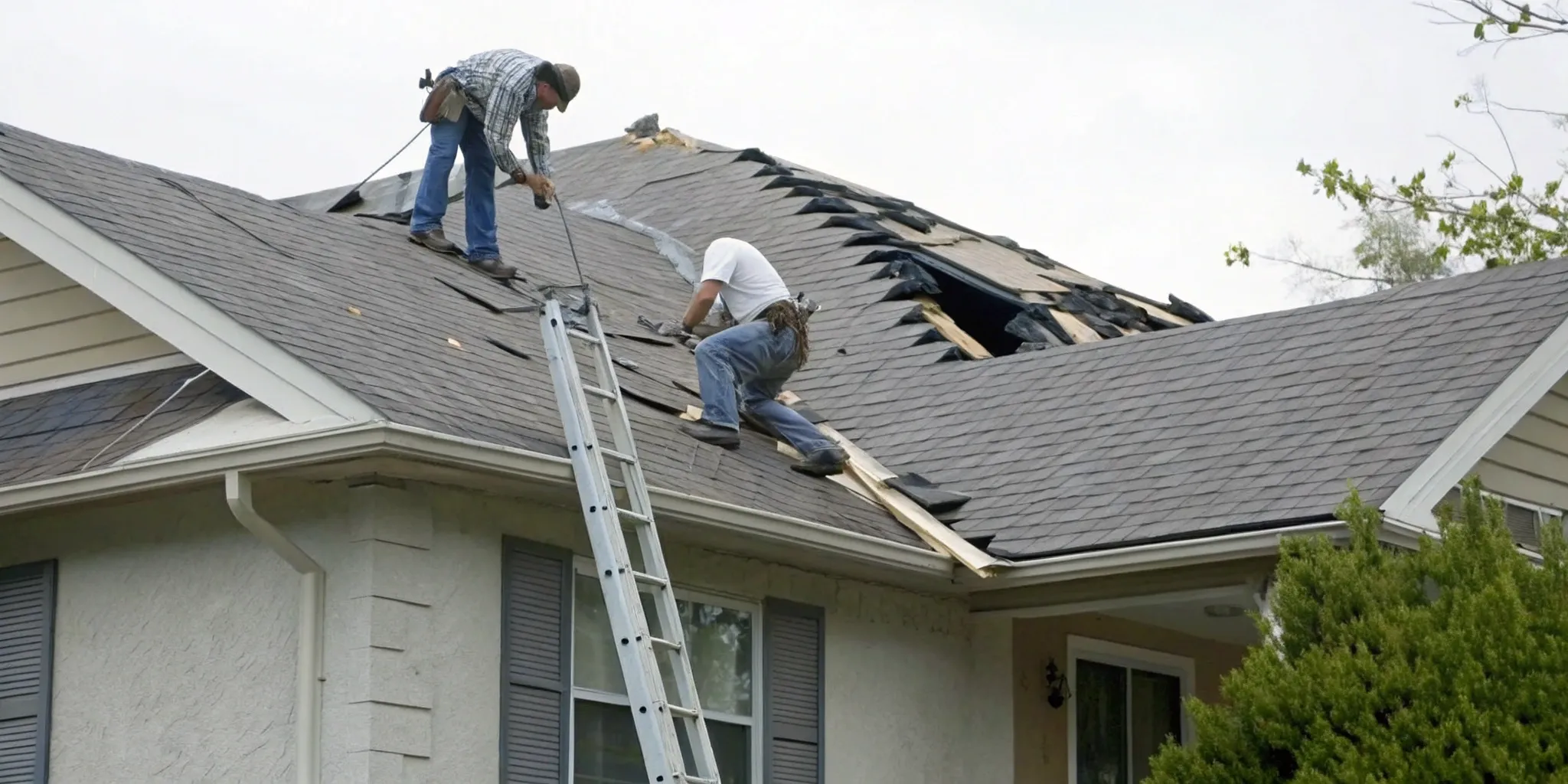
Your insurance policy is there to help when the unthinkable happens. Sudden and accidental events like a house fire, a tree falling on your roof during a storm, or even acts of vandalism are almost always covered. These situations are exactly what insurance is for—protecting your biggest asset from unforeseen disasters. In these cases, the damage is usually significant and requires immediate attention to prevent further issues like water intrusion. Acting quickly to secure your property and document the damage is key, and you’ll likely need emergency roof repairs to protect your home while you start the claims process.
What Your Policy Likely Won’t Cover
It’s a common misconception that insurance will pay for a new roof simply because it’s old. Unfortunately, policies don’t cover issues that arise from normal wear and tear, poor maintenance, or gradual deterioration over many years. A roof that has reached the end of its natural lifespan is considered a predictable expense of homeownership. Planning for these large projects is part of being a responsible homeowner. If you find yourself with an aging roof that isn’t covered by insurance, exploring financing options can make a necessary replacement much more manageable.
How to File Your Roof Damage Claim
Dealing with a damaged roof is stressful enough without adding a complicated insurance claim to the mix. But the process is much more manageable when you break it down into a few clear steps. By following this guide, you can approach your claim with confidence and make sure you have everything you need for a smooth process. Let’s walk through it together.
Step 1: Document the Damage Immediately
Before you do anything else, grab your phone and start documenting. Your safety is the top priority, so only take photos from a secure spot on the ground. Capture pictures and videos of the damage from every possible angle, getting both wide shots of the entire roof and close-ups of specific problem areas like missing shingles or dents from hail. Don’t forget to check for interior damage, like water stains on your ceiling. As roofing experts explain, providing photos and a detailed list of damages helps the claims process run smoothly. A professional hail damage inspection can also provide crucial evidence for your claim.
Step 2: Contact Your Insurance Provider
Once you have your initial documentation, it’s time to contact your insurance company. Most providers offer several ways to start a claim, so you can choose what’s most convenient for you. You can typically file online, through a mobile app, or by calling your agent directly. Have your policy number handy and be ready to provide a brief description of the damage you’ve recorded. This first call kicks off the official process and gets an adjuster assigned to your case. If the thought of handling this alone feels daunting, remember that our team offers roof claim assistance to help you every step of the way.
Step 3: Prepare for the Adjuster’s Visit
The insurance adjuster’s inspection is a critical part of your claim. Their job is to assess the damage and determine the payout, so clear communication is key. When you speak with them, it’s helpful to stay calm, be polite, and get their name and contact information for your records. We highly recommend having a trusted roofing professional present during the adjuster’s visit. We can meet with the adjuster on your behalf to point out damage they might otherwise miss and ensure their assessment is fair and comprehensive. This simple step can make a significant difference in the outcome of your claim for your residential roofing system.
What Paperwork Do I Need for My Claim?
Filing an insurance claim can feel overwhelming, but think of it like building a case—the stronger your evidence, the smoother the process will be. Your insurance company needs clear proof of the damage and the costs required to fix it. Getting your documents in order from the very beginning will save you headaches and help ensure you get the full amount you’re entitled to. It’s all about being prepared.
Before the adjuster even schedules a visit, you can start gathering the essential paperwork that will support your claim. This includes detailed visual evidence of the damage, a formal report from a qualified roofing expert, and comprehensive estimates for the repair work. Having these items ready shows your insurer that you’re organized and serious about your claim. We can even help you with this process, providing the professional documentation you need. Our goal is to make sure you have a solid foundation for a successful roof claim assistance experience, turning a stressful situation into a manageable one.
Photos and Videos of the Damage
Your smartphone is your best tool right after a storm. Before any work begins, thoroughly document the damage to your roof and property. Take more photos and videos than you think you’ll need, capturing the issues from multiple angles and distances. Get close-up shots of dented shingles, cracked tiles, or missing sections. Then, take wider shots to show the overall scope of the damage. Don’t forget to document any interior damage, like water stains on your ceiling or walls. This visual proof is critical, as it helps confirm the value and description of the damage, making the claims process run much more smoothly.
A Professional Inspection Report
While your photos are essential, they don’t tell the whole story. An insurance adjuster may not be a roofing expert, and some types of damage aren’t visible to the untrained eye. That’s why a professional inspection report is so important. A qualified roofer can identify subtle signs of hail impact, wind lift, or other issues that could compromise your roof’s integrity over time. This formal report from a trusted contractor provides your insurer with an expert assessment, adding significant weight to your claim. A thorough hail damage inspection can uncover problems that would otherwise go unnoticed until they become major leaks.
Repair Estimates and Receipts
Your insurance company will need a detailed, itemized estimate from a reputable roofing contractor. A simple one-line quote won’t cut it. A proper estimate should break down all the costs involved, including materials, labor, permits, and warranty details. This transparency helps the adjuster understand exactly what they are covering. If you’ve had to make any temporary fixes, like covering a hole with a tarp to prevent further water damage, keep those receipts. These costs are often reimbursable. Providing clear, comprehensive financial documents is key to getting your claim approved without unnecessary delays.
What If My Insurance Payout Is Too Low?
It’s incredibly frustrating to get a settlement check from your insurance company that doesn’t even come close to covering your repair estimates. You’ve paid your premiums faithfully, and now it feels like you’re being left to handle the rest on your own. When the numbers don’t add up, it’s easy to feel overwhelmed and unsure of what to do next. Many homeowners simply accept the first offer, not realizing they may be entitled to more and could be paying thousands out of pocket unnecessarily.
Before you get discouraged, know that an initial low offer isn’t always the final word. You have the right to question the amount and take steps to get the full compensation you deserve. Insurance companies handle thousands of claims, and sometimes their initial assessment is based on incomplete information or standardized pricing that doesn’t reflect the reality of your situation in Central Florida. The key is to be prepared. It often comes down to understanding the fine print in your policy, gathering the right evidence to support your case, and knowing how to communicate effectively with your insurer. Let’s walk through exactly what to do next to ensure you get a fair settlement.
Understand Your Settlement Offer (ACV vs. RCV)
Insurance policies typically pay for roof damage in one of two ways: Actual Cash Value (ACV) or Replacement Cost Value (RCV). An ACV policy pays you what your roof is worth today, factoring in its age and wear—this deduction is called depreciation. An RCV policy, on the other hand, covers the full cost to replace your roof with a new one. It’s crucial to know which type you have. Many RCV policies pay in two parts: an initial check for the ACV, and a second payment for the remaining amount after you’ve completed the repairs and submitted the final invoice. Understanding this can clear up a lot of confusion about your initial payout.
Get a Second Opinion from Another Contractor
If your insurer’s estimate seems off, it probably is. Their adjusters may use generic pricing software that doesn’t reflect local material and labor costs, or they might have missed some damage during their inspection. This is why getting a detailed estimate from a trusted local roofing contractor is so important. A comprehensive quote serves as powerful evidence when you ask your insurer to reconsider their offer. In fact, many insurance companies expect you to get a few different estimates. A thorough hail damage inspection from an experienced team can uncover issues the initial adjuster overlooked, strengthening your case for a higher payout.
How to Appeal Your Insurer’s Decision
Start by calling your insurance agent. Ask them to clarify whether your policy is ACV or RCV and confirm if the check you received is only the first of multiple payments. If the offer is final and still too low, it’s time to formally appeal. Submit your contractor’s detailed estimate along with any photos or inspection reports that support your claim. Be polite but firm in your communications. The key is to provide clear, documented proof that the initial settlement is insufficient to cover the necessary repairs. If the process feels overwhelming, working with a company that offers roof claim assistance can make all the difference.
How to Choose the Right Roofing Contractor
After navigating the insurance claim process, selecting the right contractor is the most important decision you’ll make. This is the partner who will restore your home’s safety and your peace of mind. The right team will not only perform high-quality work but will also communicate clearly and stand behind their services for years to come. Taking the time to vet your options ensures your investment is protected and the job is done correctly the first time. Think of it as hiring a long-term guardian for your home’s most critical asset.
Check for Proper Licenses and Insurance
Before you even look at an estimate, your first step should be to verify a contractor’s credentials. A reputable roofer must be properly licensed to work in Florida and carry full insurance coverage. This isn’t just a formality; it protects you. Ask for proof of both general liability insurance and workers’ compensation. As State Farm advises, you should always “make sure their insurance is active when they work on your roof.” This prevents you from being held liable for any accidents on your property. A professional company will have no problem providing you with their documentation for both residential roofing and commercial projects.
Spot Common Contractor Red Flags
Trust your instincts. If something feels off with a contractor, it probably is. One of the biggest red flags is an unusually low bid. While saving money is always a goal, a bid that’s significantly lower than others often means the contractor is cutting corners on materials or labor. Be wary of anyone using high-pressure sales tactics, demanding a large cash deposit upfront, or showing up uninvited after a storm. A legitimate company will have a physical office, a professional online presence, and a history of satisfied customers in your community. They won’t rush you into a decision, especially after you’ve dealt with something as stressful as hail damage.
Ask About Warranties and Guarantees
A new roof is a major investment, and it should come with a solid warranty. Be sure to ask any potential contractor about the guarantees they offer. Typically, there are two types: a manufacturer’s warranty that covers the materials themselves and a workmanship warranty that covers the installation. Good communication is key here. A trustworthy contractor will be happy to explain their process, timeline, and warranty details in full. Don’t just go with the cheapest option; instead, choose the company that provides the best long-term value and gives you confidence that they’ll be there if an issue arises. This is a key part of getting your final roof claim assistance.
When to Call for Help with Your Insurance Claim
Filing an insurance claim can feel like a second job you never signed up for. It’s often confusing, packed with paperwork, and emotionally draining, especially when you’re already stressed about a damaged roof. While you can certainly manage the process on your own, there are times when bringing in a professional is the smartest move you can make. An experienced roofing partner can advocate on your behalf, ensuring you get a fair assessment and a smooth resolution. Knowing when to ask for help can save you time, money, and a whole lot of headaches.
Common Myths That Can Hurt Your Claim
One of the most common myths we hear is, “My roof is old, so my insurance won’t cover storm damage.” This isn’t entirely true. While insurance policies don’t cover general wear and tear or a roof that’s simply at the end of its lifespan, they are designed to cover sudden, accidental damage from events like a hailstorm or high winds. Believing your roof’s age automatically disqualifies you could lead you to pay for a full replacement out of pocket when you might have been entitled to coverage. Don’t let misconceptions stop you from exploring your options after a storm.
The Benefits of Professional Claim Assistance
Going through the claims process alone can be overwhelming. You have to document damage, file paperwork correctly, and meet with an adjuster—all while trying to understand complex policy language. That’s where professional roof claim assistance comes in. A qualified roofing contractor acts as your advocate. We know what insurance companies look for and how to document damage in a way that clearly supports your claim. We can also provide emergency services, like tarping, to prevent further damage while you wait for the claim to be processed, giving you peace of mind from the very start.
How We Make the Claim Process Easier
Talking to an insurance adjuster can be intimidating. It’s easy to get emotional or accidentally say something that could be misinterpreted. Our team steps in to manage that communication for you. After a thorough hail damage inspection, we document everything with photos and detailed notes. We then meet with your adjuster on-site to walk them through our findings, pointing out damage they might otherwise miss. By presenting a clear, professional, and fact-based case, we handle the tough conversations so you can focus on what matters most—getting your home back to normal.
Related Articles
- How to File a Roof Damage Insurance Claim: A 7-Step Guide
- Wind Damage to Roof Insurance Coverage Explained
- What to Do If Insurance Won’t Pay for Roof Damage
- Hail Damage Roof Insurance Claim Guide | Sky Light Roofing
- How Much is the Average Hail Damage Roof Payout?
Frequently Asked Questions
My roof is old. Will insurance still cover storm damage? This is a common worry, but your roof’s age doesn’t automatically disqualify you from coverage. Insurance is designed to cover damage from sudden events like a windstorm or hail, regardless of how old your roof is. While your policy won’t pay to replace a roof just because it’s reached the end of its life, it should cover repairs or replacement if the damage was caused by a specific, covered event.
What’s the very first thing I should do if I think my roof is damaged? Before you call anyone else, document the damage safely from the ground. Use your phone to take plenty of photos and videos of any visible issues, like missing shingles or dents. Also, check inside your home for new water stains on the ceiling. This initial evidence is incredibly valuable when you start the claims process.
Why was my initial insurance check less than the repair estimate? This often happens with policies that have Replacement Cost Value (RCV). Your insurer will typically send an initial check for the Actual Cash Value (ACV), which is the value of your damaged roof after factoring in its age and wear. Once you complete the repairs and provide the final invoice, they will send a second check to cover the remaining cost.
Do I have to use the roofer my insurance company suggests? No, you have the right to choose your own licensed and insured contractor. While your insurance company may provide a list of preferred vendors, you are not obligated to use them. It’s always best to select a reputable local company that you trust to do the work correctly and advocate for your best interests.
Is it okay to start permanent repairs before my claim is approved? You should wait for your claim to be approved before starting any permanent work. However, you should take immediate steps to prevent further damage, like covering a hole with a tarp. Be sure to keep the receipts for these temporary, emergency repairs, as they are often reimbursable as part of your claim.