After a major Florida storm, a quick glance at your roof might not reveal the whole story. While missing shingles are an obvious red flag, some of the most serious problems are subtle and can go unnoticed by the untrained eye. Hail can leave behind tiny bruises that compromise your roof’s integrity, and high winds can break shingle seals without tearing them off completely. This hidden roof damage in a storm can lead to slow leaks, wood rot, and costly repairs down the line. Before you assume everything is fine, let’s cover what you can’t always see. We’ll show you how to spot these less obvious signs and explain why a professional inspection is your best defense.
Key Takeaways
- Storm damage isn’t always obvious: Wind and hail can create subtle problems, like lifted shingle seals or small bruises, that are hard to spot from the ground. A professional inspection is the only way to find hidden issues before they turn into serious leaks.
- Your first moves after a storm matter most: Before doing anything else, make sure the area is safe. Then, thoroughly document all damage with photos from the ground and contact your insurance company to start the claims process.
- A good defense involves both preparation and a strong partner: You can reduce future risk with regular roof maintenance and storm-resistant materials. When damage does happen, working with a roofer who offers claims assistance ensures the process is handled correctly and fairly.
What Does Storm Damage Look Like on a Roof?
After a big storm passes, your first instinct might be to peek outside and see if any trees are down. But the damage to your roof isn’t always as obvious. Storms can leave behind a variety of issues, from subtle problems that worsen over time to critical damage needing immediate attention. Knowing the specific signs of hail, wind, water, and debris damage is the first step to protecting your home and making a plan. Here’s what you should be looking for.
Spotting Hail Damage
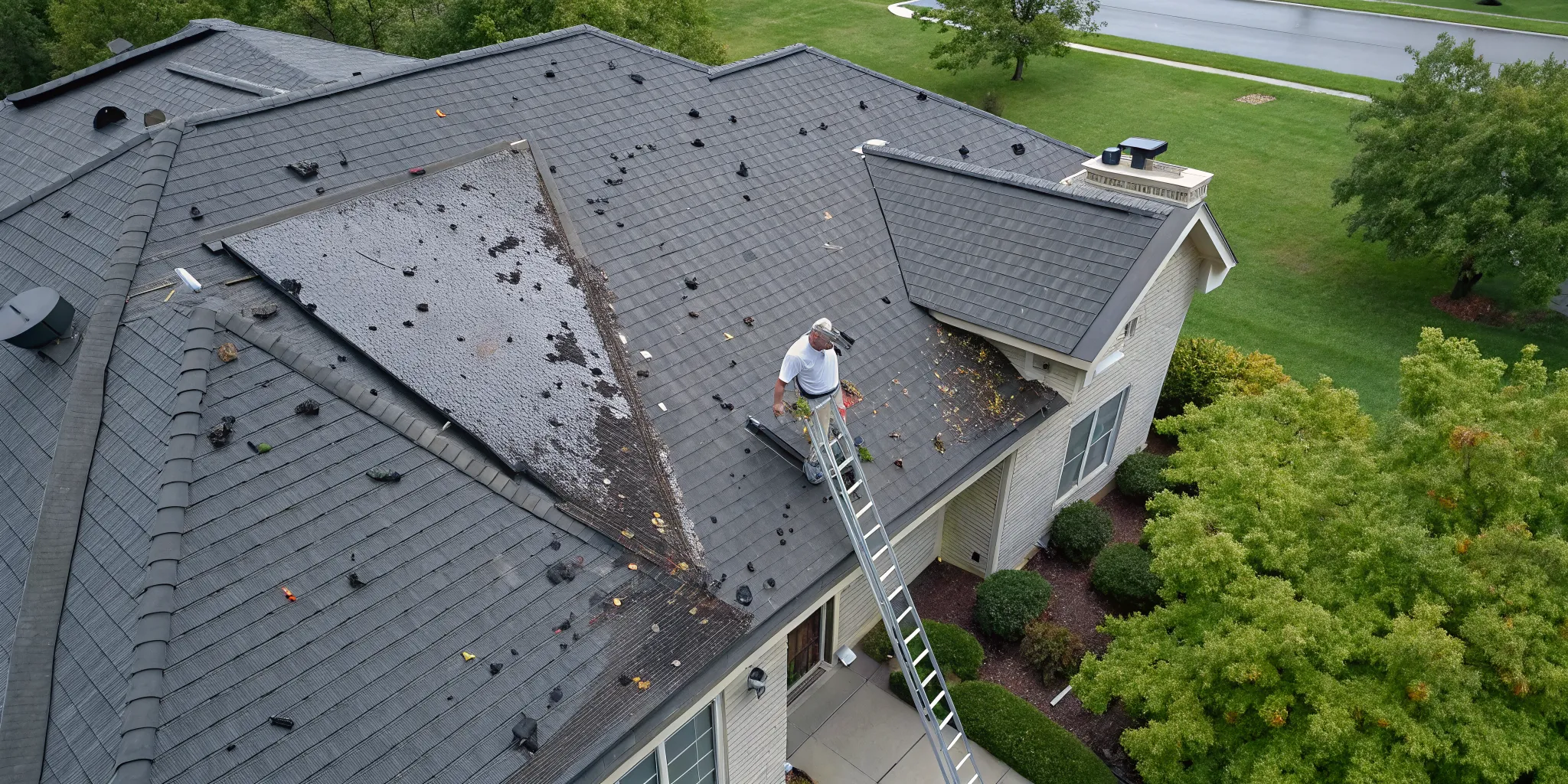
Hail can be incredibly deceptive. It doesn’t always leave behind large, obvious holes. On an asphalt shingle roof, hail damage often looks like dark spots or bruises where the protective granules have been knocked away. On metal roofing, you might see small dents and dings. These spots can be tough to see from the ground, but they are weak points that expose your roof to the elements and can lead to leaks down the road. A professional hail damage inspection is the surest way to know if your roof has been compromised, since trained experts can spot damage that is nearly invisible to the untrained eye.
Identifying High-Wind Damage
Strong winds are a major threat to any roof in Florida. The most apparent sign of wind damage is missing shingles, which you might find in your yard after a storm. However, high winds can also lift and curl the edges of shingles without completely tearing them off. This action breaks the waterproof seal that bonds the shingles together, creating creases or folds. Once that seal is broken, rain can easily get underneath, leading to significant water damage inside your home. This is why it’s important to check for any shingles that look lifted, bent, or out of place, as these are clear indicators that your roof’s integrity has been weakened.
Finding Water Damage and Leaks
Sometimes, the first sign of roof damage doesn’t appear on your roof at all, it shows up inside your home. After a storm, it’s a good idea to grab a flashlight and check your attic for any signs of moisture, dark stains on the wood, or visible drips. You should also scan the ceilings in your rooms for new water spots or discoloration. Even a tiny leak can cause serious issues over time, including mold growth, rotted framing, and damaged insulation. Addressing these signs quickly is key to preventing more extensive and costly repairs to your residential roofing system and protecting the structural health of your home.
Checking for Debris Impact
Storms can turn tree branches and other loose objects into projectiles. A heavy falling limb can puncture your roof decking or crack shingles, creating an immediate entry point for water. Even smaller debris can cause problems. When leaves, twigs, and pine needles clog your gutters, they prevent water from draining properly. This can cause water to pool along the edge of your roof, where it can seep under the shingles and rot the underlying wood. Keeping an eye out for debris on your roof and in your gutters is an important post-storm check. If you find damage, we can help with your roof claim assistance to make the process smoother.
How to Safely Inspect Your Roof After a Storm
After a storm passes, your first instinct might be to check for damage. While that’s a good impulse, your safety should always come first. Climbing onto a wet, potentially unstable roof is incredibly dangerous. The good news is you can do a thorough preliminary inspection from the safety of the ground. These steps will help you spot potential problems so you can take the right action.
Start with a Ground-Level Check
Your inspection should begin with your feet planted firmly on the ground. Walk around the entire perimeter of your home, paying close attention to the roof slopes you can see. Look for any obvious signs of trouble like shingles that are bent, torn, curled, or missing entirely. Also, check the ground for debris. Finding shingle granules in your downspouts or pieces of roofing material in your yard is a clear sign of damage. As you go, take photos and make notes of anything that looks out of place. This documentation will be extremely helpful later if you need to file an insurance claim or request a professional hail damage inspection.
Look for Warning Signs Inside Your Home
Sometimes, the most telling signs of roof damage aren’t outside at all. Head inside and check your attic, if you can do so safely. Use a flashlight to look for wet insulation, dark stains on the wood, or any daylight peeking through the roof deck. Back in your main living areas, scan the ceilings and walls for any new water spots, discoloration, or peeling paint, especially in the corners and around light fixtures or ceiling fans. A small, faint stain can indicate a slow leak that could lead to much bigger problems down the road. Catching these interior signs early is key to preventing further damage.
Use Binoculars for a Closer Look
To get a better view without a ladder, grab a pair of binoculars. From the ground, you can get a surprisingly detailed look at your roof’s condition. Scan the entire surface for dents, cracks, or missing granules on the shingles. Pay special attention to the areas around vents, skylights, and your chimney, as the flashing and seals here are common failure points. Check your gutters for dents or sections that have pulled away from the house. Binoculars help you spot the kind of subtle damage that might not be obvious from a distance but still requires professional attention to prevent future leaks and issues.
Know When to Call a Professional
While these DIY inspection tips are useful for an initial assessment, they are not a substitute for a professional evaluation. A trained roofing expert knows exactly what to look for and can identify damage that an untrained eye would easily miss. More importantly, they have the right safety equipment and training to get on your roof without risking injury. After any significant storm, you should always call a professional roofing contractor to perform a complete inspection. At Sky Light Roofing, we can provide a thorough assessment of your residential roofing system to give you a clear picture of its condition and recommend the next steps.
Your First Steps After Discovering Storm Damage
Finding your roof damaged after a storm can feel overwhelming, but a clear plan can make all the difference. Acting quickly and methodically not only protects your home from further issues but also sets you up for a smoother insurance claim process. Think of these next steps as your immediate action plan. By focusing on safety first, documenting everything, and making a few key calls, you can take control of the situation and get your home back to normal. Let’s walk through exactly what you need to do, one step at a time.
Prioritize Safety and Document the Damage
First things first: make sure it’s safe to be around your property. Before you even think about the roof, check for downed power lines, fallen trees, or any major structural damage that could be dangerous. If you see anything that looks unsafe, stay clear and call for emergency help. Once the area is secure, your next job is to become a detective. Grab your phone and take clear, detailed photos of all the damage you can see from the ground. Capture pictures of missing shingles, dents from hail, and any damage to gutters or siding. Do this before moving any debris or making temporary fixes. This visual evidence is crucial for your insurance claim.
Take Temporary Protective Measures
After you’ve documented the initial damage, your next priority is to prevent the problem from getting worse. Most insurance policies require you to take reasonable steps to mitigate further damage, and they’ll typically cover the cost of these temporary measures. This could mean placing a tarp over a hole in the roof to keep rain out or moving furniture away from an active leak inside. If you’re not comfortable getting on a ladder or the damage is extensive, calling for emergency roof repair is your safest bet. A professional can quickly secure your roof and protect your home while you figure out the next steps.
Contact Your Insurance Company
With your initial photos and notes in hand, it’s time to call your insurance company. The sooner you report the damage, the faster you can start the claims process. Have your policy number ready and be prepared to describe the damage you’ve found. Share the photos you took, as they provide clear proof of the storm’s impact. This initial call gets the ball rolling and an adjuster assigned to your case. If the thought of dealing with insurance paperwork feels daunting, remember that you don’t have to do it alone. Many roofing companies offer roof claim assistance to help you communicate effectively with your provider.
Avoid Common Documentation Mistakes
One of the biggest mistakes homeowners make is assuming that no visible damage means no problem. Storms can cause hidden issues that aren’t obvious from the ground. High winds can loosen shingles without blowing them off completely, and hail can create small fractures that lead to slow leaks over time. Relying only on a visual check from your yard might mean you miss critical problems. That’s why a professional hail damage inspection is so important. A trained roofer knows how to spot subtle signs of stress and can identify underlying issues before they escalate into expensive, long-term repairs, ensuring your claim covers the full extent of the damage.
When Is It Time to Call a Roofing Pro?
After a storm, it can be tough to know whether the damage you see warrants a call to a professional. While some issues might seem minor, they can often point to bigger problems. Knowing when to pick up the phone can save you from more extensive and costly repairs down the road. If you’re on the fence, it’s always better to get an expert opinion. A trained eye can spot subtle signs of trouble you might miss and give you a clear path forward for protecting your home.
Red Flags That Require an Expert Eye
Not all storm damage is as obvious as a missing section of shingles. High winds and hail can cause issues that are nearly invisible from the ground. For example, hail can create small bruises or tears on your shingles, which compromise their ability to protect your home from moisture, even if the roof looks fine. You should also look for an excessive amount of shingle granules in your gutters or downspouts, as this indicates significant wear. If you notice any shingles that are lifting, curling, or cracked, it’s time to call for a professional hail damage inspection. An expert can assess the true condition of your roof and prevent small problems from turning into major leaks.
Is It an Emergency?
Some situations require immediate attention. If you have water actively dripping into your home, see sagging spots on your ceiling, or notice a large tree limb has punctured your roof, you have an emergency. In these cases, you should contact a professional right away. Acting quickly is key to preventing widespread water damage, mold growth, and potential structural issues. Even if a problem seems small, it’s best to address it early to avoid more expensive repairs later. A qualified roofer can provide emergency roof repair to secure your home and protect it from further harm while you figure out a long-term solution. Don’t wait for the next rainstorm to find out how serious the damage is.
How to Choose a Storm Damage Contractor
When your roof is damaged, you need a contractor you can trust. Start by looking for a local company with a proven track record in Central Florida. Check their online reviews and ask if they can provide references from previous jobs. It’s essential to confirm they are fully licensed and insured to protect yourself from any liability. A reputable roofer will offer a clear, detailed estimate and stand behind their work with a solid warranty. You should also find a team that has experience with insurance claims, as they can offer valuable roof claim assistance and make the process much smoother for you.
Common Myths About Storm Damage
Many homeowners believe that if they don’t see any missing shingles, their roof is fine. Unfortunately, this isn’t always true. High winds can lift shingles, break their seals, and leave them vulnerable to future storms without blowing them off completely. Another common myth is that a tiny leak is no big deal. The truth is, even a small amount of water intrusion can lead to serious issues like wood rot, damaged insulation, and mold growth inside your walls and attic. The only way to be certain your roof is secure is to have it professionally inspected. A thorough check of your residential roofing system can uncover hidden damage and give you peace of mind.
How to Handle Your Roof Damage Insurance Claim
Dealing with roof damage is stressful enough without adding an insurance claim to the mix. It can feel like a complicated process, but I promise, you can get through it. The key is to be organized, thorough, and to have a trusted professional on your side. Think of it as a step-by-step project: document the damage, file the paperwork, meet the adjuster, and get your roof fixed. You don’t have to become an insurance expert overnight, but knowing the basic steps will help you feel more in control and ensure you get the coverage you’re entitled to.
Many homeowners find it helpful to partner with a roofing company that has experience with the claims process. A knowledgeable roofer acts as your advocate, speaking the same language as the insurance adjuster and making sure no detail is overlooked. They can help you understand the scope of the damage and what it will take to make things right. At Sky Light Roofing, we offer roof claim assistance to guide you through every step, from the initial inspection to the final repair. We’ll help you gather the right documentation and meet with your adjuster to ensure the assessment is fair and accurate. Having that professional support can make all the difference, turning a confusing ordeal into a straightforward plan of action.
File Your Claim Effectively
Before you do anything else, document everything. I mean everything. Grab your phone and take clear pictures and videos of all the damage to your roof and any other affected areas of your home, like siding, windows, or interiors. It’s crucial to do this before any cleanup or temporary repairs begin. This documentation serves as your primary evidence, showing the insurance company the full extent of the storm’s impact. Create a digital folder to store these photos, along with detailed notes, dates, and any receipts for temporary fixes like tarps. A thorough hail damage inspection from a professional can also provide critical evidence for your claim.
Work with the Insurance Adjuster
Once you file your claim, your insurance company will send an adjuster to assess the damage. Their job is to determine the cost of repairs on behalf of the insurer. My best advice? Schedule your professional roofing inspection to happen at the same time as the adjuster’s visit. A roofer who understands the insurance process is an invaluable ally. They can walk the roof with the adjuster, point out damage that might not be immediately obvious, and ensure the scope of work accurately reflects what’s needed for a proper repair. This collaboration helps prevent your claim from being undervalued and sets the stage for a smoother repair process.
Understand What Your Policy Covers
Homeowner’s insurance policies aren’t one-size-fits-all, so it’s important to know what yours includes. Most standard policies cover storm damage from events like wind, hail, and falling debris, but the specifics can vary. Before you file, take a moment to review your policy or call your agent to clarify your coverage limits and your deductible (the amount you pay out of pocket). Getting a professional roof inspection before filing is also a smart move. It confirms that the damage is significant enough to justify a claim that will exceed your deductible, saving you from filing a claim unnecessarily.
Warranty vs. Insurance: What’s the Difference?
It’s easy to confuse a roofing warranty with your homeowner’s insurance, but they serve very different purposes. A warranty, whether from the material manufacturer or the roofing contractor, covers defects in the product or the installation. Your homeowner’s insurance, on the other hand, is designed to protect you from sudden, accidental events, like a storm. Most manufacturer and workmanship warranties specifically exclude damage caused by hail, high winds, or other “acts of God.” So, if a storm damages your roof, you’ll need to file an insurance claim, not a warranty claim, to cover the cost of an emergency roof repair.
How to Protect Your Roof from Future Storms
After you’ve dealt with storm damage, the last thing you want is a repeat performance. Being proactive is the best way to defend your home against Florida’s unpredictable weather. A little preparation can save you significant stress and money. By taking a few key steps, you can strengthen your roof’s defenses and give yourself peace of mind when the next storm rolls in. It’s about shifting from a reactive mindset to a preventative one. Here are some practical ways to keep your roof secure.
Schedule Regular Roof Maintenance
This seems straightforward, but it’s one of the most overlooked steps. Think of it like a regular check-up for your roof. Even with a new roof, it’s a good idea to schedule inspections and any necessary repairs seasonally. A professional can spot small issues, like a loose shingle or a cracked seal, before a major storm turns them into big problems. Consistent residential roofing maintenance keeps your roof in top shape, ensuring it’s always ready to stand up to high winds and heavy rain. This simple habit is one of the most effective ways to extend the life of your roof.
Consider Storm-Resistant Materials
When it’s time for a roof replacement, think about upgrading your materials. Here in Central Florida, investing in a storm-resistant roof is a smart move. Materials like impact-resistant shingles or metal roofing are designed to handle the harsh conditions we often face, from hail to hurricane-force winds. While the upfront cost might be higher, the long-term benefits are significant. In many cases, replacing a damaged roof with impact-resistant materials can lower your insurance rates. It’s a powerful way to fortify your home and potentially save money over time.
Trim Your Trees and Clean Your Gutters
Your yard can pose a bigger threat to your roof than you might think. Overhanging tree branches can become dangerous projectiles in high winds, scraping against shingles or breaking off and causing serious impact damage. Keeping your gutters clean and trimming tree branches that hang over your roof can help prevent future damage. Clogged gutters cause water to back up and seep under your roofing materials, leading to rot and leaks. Taking an afternoon to trim back limbs and clear out your gutters is a simple, low-cost task that can prevent an emergency roof repair call later on.
What Will Storm Damage Repair Cost?
After a storm passes, one of the first questions on any homeowner’s mind is, “How much will this cost to fix?” The answer isn’t always straightforward, as the final price depends on the severity of the damage, your roofing materials, and whether you need a simple patch or a full replacement. Storms can cause a surprising amount of harm, and many homeowners miss out on fair insurance compensation because they aren’t sure what to look for or what to expect.
Understanding the variables that affect repair costs can help you feel more prepared. A professional inspection is the only way to get a true picture of the damage and an accurate estimate. From there, you can weigh your options, work with your insurance company, and find a payment solution that fits your budget.
Factors That Influence Repair Costs
The cost of storm damage repair can vary widely based on a few key factors. The extent of the damage is the biggest driver; replacing a few missing shingles is much less expensive than repairing a large hole from a fallen tree branch. Your roofing material also plays a significant role. For example, asphalt shingles are typically more affordable to repair than slate, tile, or metal.
The size, pitch, and complexity of your roof also influence the final bill. A larger, steeper roof with multiple valleys and dormers requires more time and materials to fix. A professional roofing contractor can perform a thorough hail damage inspection to identify any hidden issues and provide a detailed estimate. Catching these problems early prevents them from turning into more serious, costly repairs down the road.
Deciding Between Repair and Replacement
A common myth is that any storm damage automatically means you need a brand-new roof. In many cases, a targeted repair is all that’s needed to restore your roof’s integrity. If the damage is isolated to one area and your roof is otherwise in good shape, a repair is the most sensible and cost-effective choice.
However, a full replacement might be the better long-term investment if the damage is widespread or if your roof was already nearing the end of its lifespan. Storms can also cause subtle structural issues or leaks that aren’t immediately obvious. An honest residential roofing expert can assess the situation and give you a clear recommendation on whether to repair or replace, helping you make the best decision for your home’s safety and your wallet.
Explore Your Financing Options
Covering the cost of unexpected roof repairs can be stressful, but you have options. Your first step should be to contact your homeowner’s insurance provider. Documenting the damage thoroughly and filing a claim promptly is crucial. A good roofing contractor will know if you have a legitimate claim and can offer roof claim assistance to help you get a fair settlement from your insurance company.
If your insurance doesn’t cover the full amount, or if you decide to upgrade your roofing materials, you don’t have to pay for everything out of pocket. Many roofing companies offer flexible financing plans to make the expense more manageable. This allows you to break down the cost into affordable monthly payments, so you can get the necessary repairs done without delay.
Related Articles
- How to Check for Hail Damage on a Roof in 5 Steps
- Hail Damage Roof Insurance Claim Guide | Sky Light Roofing
- Residential Storm Damage Roof Repair: A Guide
- Storm Damage Roof Inspection: A Complete Guide
- Wind Damage Roof Repair: A Step-by-Step Guide
Frequently Asked Questions
What if I don’t see any obvious damage from the ground? Should I still be concerned? Yes, absolutely. Some of the most common types of storm damage, like hail bruises or wind-lifted shingles with broken seals, are nearly impossible to spot from your yard. These subtle issues can compromise your roof’s integrity and lead to slow leaks that cause serious problems over time. The only way to be certain your roof is secure is to have a professional get up there for a thorough inspection.
Will filing a claim for storm damage make my insurance premium go up? This is a common worry, but typically, the answer is no. Insurance providers are generally prohibited from raising an individual homeowner’s rates for filing a claim related to a natural disaster or an “act of God,” since the event was out of your control. Widespread storm damage affects an entire region, so any rate adjustments would likely happen on a larger scale, not because of your specific claim.
My roof is only leaking a little bit. Can I wait to get it fixed? I strongly advise against waiting, even for what seems like a minor leak. That small drip you see is often just the tip of the iceberg. Inside your attic and walls, that moisture can be causing wood rot, ruining insulation, and creating the perfect environment for mold to grow. Addressing a small leak quickly is always more affordable than dealing with major structural repairs later.
How long does the whole process take, from inspection to repair? The timeline can vary quite a bit depending on a few factors: the complexity of the damage, your insurance company’s response time, and material availability. Generally, after you approve the work, a straightforward repair can be scheduled and completed relatively quickly. A full replacement will take longer. We can give you a much clearer timeline after we complete the initial inspection and understand the full scope of the project.
Do I have to be home to meet the insurance adjuster? While you don’t have to be there, I highly recommend it. It’s even more important to have your trusted roofing contractor present for that meeting. When we provide roof claim assistance, we meet with the adjuster on your behalf to walk the roof together. This ensures they see all the damage we identified, which helps you get a fair and accurate assessment for your claim.