That feeling after a big storm passes is a familiar one for us here in Central Florida. You step outside, relieved it’s over, but then a new worry sets in: is the roof okay? It’s hard to know for sure. A few shingles might look out of place, or maybe you can’t see any damage at all, but that doesn’t mean a problem isn’t brewing. Hidden issues like cracked flashing or subtle hail damage can lead to slow leaks that cause major problems down the road. This article will walk you through the key warning signs to look for and what to do next, so you can feel confident your home is secure and know when to seek out reliable roof repair services in Altamonte Springs.
Key Takeaways
- Stay Ahead of Damage with Regular Checks: Florida’s weather is tough on roofs, so routinely looking for warning signs like missing shingles from the ground or small ceiling stains inside can save you from bigger, more expensive problems down the line.
- Your Contractor’s Credentials Protect You: Choosing the right roofer is your most important decision. Always confirm they are licensed, fully insured, and have proven experience in the Altamonte Springs area to ensure quality work and protect yourself from liability.
- Make Smart Choices on Materials and Funding: A roof is a major investment, so weigh your options carefully. Balance the long-term durability of materials like metal or tile against your budget, and use financing or insurance claim assistance to get the job done right.
Common Roof Repairs in Altamonte Springs
Living in Altamonte Springs means enjoying the Florida sunshine, but it also means your roof is constantly up against intense heat, heavy rains, and the occasional severe storm. Over time, these elements can lead to specific types of wear and tear. Understanding the most common issues local homeowners face is the first step in keeping your roof in top condition and protecting your home from the elements. From storm damage to slow leaks, here are the repairs we see most often.
Fixing Storm Damage and Replacing Shingles
After a strong Central Florida storm rolls through, it’s common to find your roof has taken a hit. High winds can easily lift and tear off shingles, leaving your roof’s underlayment exposed to the elements. You might also notice shingles that are cracked, dented, or have lost their protective granules due to hail or flying debris. It’s always a good idea to check your roof from the ground after a storm, but a professional hail damage inspection can spot issues you might miss. Catching these problems early prevents small issues from turning into major leaks.
Stopping Leaks and Repairing Water Damage
A roof leak is one of the most stressful issues for a homeowner, often revealing itself as a discolored spot on your ceiling. Leaks can start from a single missing shingle, compromised flashing, or even cracked pipe boots. If left unaddressed, even a minor drip can lead to significant water damage, including rotted wood sheathing, damaged insulation, and mold growth in your attic. If you spot any signs of a leak, it’s important to act quickly. Some situations are urgent and may even require an emergency roof repair to prevent further damage to your home’s interior.
Addressing Flashing and Gutter Issues
Flashing is the thin metal material installed around chimneys, vents, and skylights to direct water away from seams in your roof. When flashing becomes rusted, loose, or is improperly installed, it creates a direct path for water to get in. Similarly, your gutters play a crucial role in protecting your roof. If they become clogged with leaves and debris, water can back up and seep under your shingles, causing rot along the roofline. Proper maintenance of these components is a critical part of a healthy residential roofing system and helps prevent some of the most common leak sources.
Combating Heat and UV Ray Damage
The relentless Florida sun is another major factor in roof deterioration. Constant exposure to intense heat and UV rays can cause roofing materials, especially asphalt shingles, to dry out, become brittle, and crack over time. This process, known as thermal shock, slowly degrades the integrity of your roof, shortening its lifespan and making it more vulnerable to wind and rain. This is especially true for commercial roofing, where large, flat surfaces absorb a tremendous amount of heat. Regular inspections can help identify signs of sun damage before it leads to more serious problems.
How to Tell if Your Roof Needs Repair
Noticing a roof problem early can save you from bigger headaches and more expensive repairs down the line. The tricky part is that some issues are subtle and easy to miss until they become serious. The best approach is to know exactly what to look for, both inside and outside your home. A small stain on the ceiling or a few loose shingles might seem minor, but they are often your roof’s way of telling you it needs attention. By regularly checking for these key warning signs, especially after a storm, you can catch problems before they escalate and protect your home.
Warning Signs Inside Your Home
Some of the most telling signs of a roof issue actually appear inside your house. If you spot new water stains on your ceilings or walls, it’s a clear indicator that water is getting in from somewhere above. It’s also a good idea to periodically check your attic, especially after heavy rain. Look for damp rafters, signs of leaks, or a musty smell, which could point to moisture buildup and mold growth. These problems don’t fix themselves and can worsen over time, potentially leading to structural damage. Catching them early is key to preventing a small leak from turning into a situation that requires an emergency roof repair.
Damage You Can See from the Outside
You don’t need to climb on your roof to spot potential trouble. A quick visual inspection from the ground can reveal a lot. Look for shingles that are missing, cracked, curling at the edges, or buckling in the middle. You might also notice an excessive amount of shingle granules—which look like coarse, black sand—in your gutters or on the ground near your downspouts. Pay attention to the flashing, which is the metal sealing around chimneys, vents, and skylights. If it looks loose, rusted, or damaged, it can create an easy entry point for water. These are all common issues that signal your residential roofing system is weakening.
What to Look for After a Storm
Central Florida weather can be tough on roofs. The combination of high humidity, intense sun, and heavy summer storms accelerates wear and tear. After any significant weather event, it’s smart to do a walk-around of your property. Look for obvious problems like fallen branches, but also check for more subtle storm-related issues. Common signs include displaced tiles, punctures from flying debris, and dents on your gutters or roof vents, which can indicate hail. If you suspect any damage, it’s always best to schedule a professional hail damage inspection. A trained eye can spot problems you might miss, ensuring your home remains secure and protected.
What to Expect for Roof Repair Costs in Altamonte Springs
Figuring out a budget for roof repairs can feel like a moving target. The final cost depends on several factors, and no two jobs are exactly alike. Understanding what goes into the price will help you feel more prepared when you get an estimate. The main things that influence the cost are the type of roofing material, the size of the damaged area, and how difficult it is for a crew to access your roof. A simple patch on a single-story home will cost less than a complex repair on a steep, multi-level roof. The climate here in Central Florida also plays a big part. Constant sun exposure can weaken materials over time, potentially making a small issue part of a larger problem. A thorough hail damage inspection can uncover the full extent of the work needed.
What Influences the Final Price?
Several key elements determine the final price tag for your roof repair. The cost of materials is a major one—some shingles or tiles are more expensive than others. Labor is another significant factor; professional roofing contractors typically charge by the hour, and that rate can change based on the complexity of the job. A steep roof or one that’s hard to get to will require more time and safety equipment, adding to the labor costs. The extent of the damage also matters. Replacing a few shingles is a quick fix, but if there’s underlying water damage to the roof deck, the repair becomes much more involved. Finally, things like permits and debris disposal will be factored into your final quote.
Typical Costs for Common Repairs
In Florida, asphalt shingles are incredibly popular because they balance cost and durability well. Since they are so common, they are also one of the most frequently repaired materials. A minor repair, like replacing a handful of shingles that were blown off in a storm, is usually on the lower end of the cost spectrum. More significant issues, like tracking down and fixing a persistent leak, will cost more because they require more investigation and labor. If a leak has been ignored for a while, you might also have costs associated with repairing water damage to your attic or insulation. Getting regular inspections helps you catch these issues before they become expensive problems.
Repair or Replace: Making the Right Call
Deciding whether to repair a section of your roof or replace the whole thing is a big decision. If your roof is relatively new and the damage is contained to one small area, a repair is almost always the right move. However, if your roof is nearing the end of its lifespan or has widespread damage from a major storm, a full replacement might be the more sensible long-term investment. Constant repairs can add up over time, and a new roof gives you peace of mind. We can help you weigh the options, and if a larger project is needed, we offer convenient financing to make it manageable.
How to Choose the Right Roofing Contractor
Finding the right person for the job can feel like the biggest hurdle in any home repair project, and your roof is no exception. It’s your home’s first line of defense, so you want to be sure it’s in capable hands. Choosing a great roofing contractor comes down to knowing what to look for, what to ask, and which red flags to avoid. With a little preparation, you can confidently hire a team that will protect your home and give you peace of mind for years to come.
Must-Haves: Licensing, Insurance, and Local Experience
Your checklist for any potential roofer should start with the basics: they must be licensed and fully insured. This isn’t just about paperwork; it’s about protecting you. Insurance covers any accidents on your property, so you aren’t held liable, while a valid license proves the contractor meets state and local standards. Beyond the legal requirements, look for a team with deep roots in Central Florida. A local contractor understands our unique climate—from the intense summer sun to hurricane season—and will recommend the right materials and techniques for a durable residential roof. They’ll know the local building codes inside and out, ensuring your project goes smoothly from start to finish.
Key Questions to Ask Any Contractor
Once you’ve confirmed the essentials, it’s time to dig a little deeper. Don’t be shy about asking questions—a reputable contractor will be happy to answer them. Start by asking about their experience with projects similar to yours in the Altamonte Springs area. You can ask, “How do you approach repairs after a major storm?” or “What materials do you recommend for Florida’s humidity and heat?” It’s also smart to inquire about their process for handling insurance claims. A contractor who offers roof claim assistance can be an invaluable partner. Finally, ask for a portfolio of their recent work and a few local references you can call.
Warning Signs of a Bad Contractor
Just as important as knowing what to look for is knowing what to avoid. Be wary of any contractor who uses high-pressure tactics to get you to sign a contract on the spot. A professional will give you time to review their estimate and make a decision. Another major red flag is an estimate that’s dramatically lower than everyone else’s; this often points to cheap materials or inexperienced labor. You should also be cautious of anyone who asks for a large cash deposit or the full payment upfront. Reputable companies offer clear contracts and convenient financing options that don’t require you to pay for everything before the work even begins.
What to Expect During the Roof Repair Process
Facing a roof repair can feel daunting, but knowing what’s ahead makes the experience much smoother. A professional roofing project is a structured process designed to ensure your roof is sound and secure. From the first look at the damage to the final sign-off, every step has a purpose. The typical repair journey breaks down into three key phases: a thorough inspection, careful planning and material selection, and the repair work itself, followed by a final review.
Step 1: The Initial Inspection
Everything starts with a detailed inspection where a professional assesses your roof’s condition. In Altamonte Springs, being proactive is essential for maintaining a sturdy roof. The inspector will look for obvious issues like missing shingles and less apparent problems like subtle water damage. This isn’t just a quick glance; it’s a comprehensive assessment to diagnose the root cause of any issues. After a storm, a hail damage inspection is especially critical for catching problems early. This initial step provides the foundation for an accurate quote and an effective repair strategy.
Step 2: Planning the Repair and Choosing Materials
After the inspection, your contractor will outline a clear plan and provide a detailed estimate. This is your chance to discuss the work and choose the right materials for your home. For many Florida homeowners, asphalt shingles are a practical solution, but it’s vital to select high-quality, wind-rated shingles. If your home has a Mediterranean or Spanish style, you might consider concrete or clay tiles for their durability and classic look. Your contractor should explain the benefits of each option, helping you make an informed decision for your residential roofing project.
Step 3: The Repair Timeline and Final Walk-Through
With a plan in place, the repair work begins. The timeline depends on the extent of the damage and the weather. In Altamonte Springs, summer storms can cause missing shingles, punctures from debris, and compromised flashing. Your roofing team will work efficiently to address these problems and restore your roof’s integrity. For a sudden leak, an emergency roof repair team can act quickly to prevent further damage. Once the work is done, a final walk-through is performed. You and the project manager will review the completed repairs to ensure you are completely satisfied with the results.
Choosing the Best Roofing Materials for Florida’s Climate
Florida’s unique combination of intense sun, high humidity, heavy rains, and the occasional hurricane means your roof has a tough job. Choosing the right material isn’t just about looks—it’s about protecting your home and your investment for years to come. The best material for your property depends on your budget, style preferences, and long-term goals.
When we conduct a residential roofing inspection, we always discuss the pros and cons of different materials with homeowners. Understanding these differences helps you make a confident decision. Let’s walk through the most popular options for Central Florida homes and businesses so you can see which one fits your needs.
The Pros and Cons of Asphalt Shingles
Asphalt shingles are easily the most common roofing material you’ll see in Florida, and for good reason. They are affordable and relatively easy to install, which can help keep your initial project costs down. This makes them a popular choice for many homeowners who need a reliable roof without a massive upfront expense. They also come in a wide variety of colors and styles, so you can find an option that complements your home’s exterior.
However, there’s a trade-off. Asphalt shingles have a shorter lifespan compared to other materials, especially under the constant stress of Florida’s sun and storms. They often require more frequent inspections and repairs to keep them in top shape. While the initial cost is lower, you may find yourself dealing with maintenance or a full replacement sooner than you would with a more durable material.
Why Metal Roofs Are a Great Investment
If you’re looking for longevity and performance, a metal roof is an excellent choice. Known for their durability, metal roofs stand up incredibly well to extreme weather, including the high winds and heavy rain we often see. Whether you choose steel, aluminum, or copper, a metal roof provides superior protection and can last for 50 years or more with minimal maintenance. This makes them a smart long-term investment for any property owner.
Beyond their strength, metal roofs are also highly energy-efficient. They reflect solar heat, which can significantly reduce your cooling costs during our long, hot summers—a major plus for any Florida resident. They are also environmentally friendly, often made from recycled materials and being fully recyclable themselves at the end of their life. For both commercial roofing and residential properties, metal offers a powerful combination of resilience and efficiency.
The Durability and Style of Tile Roofs
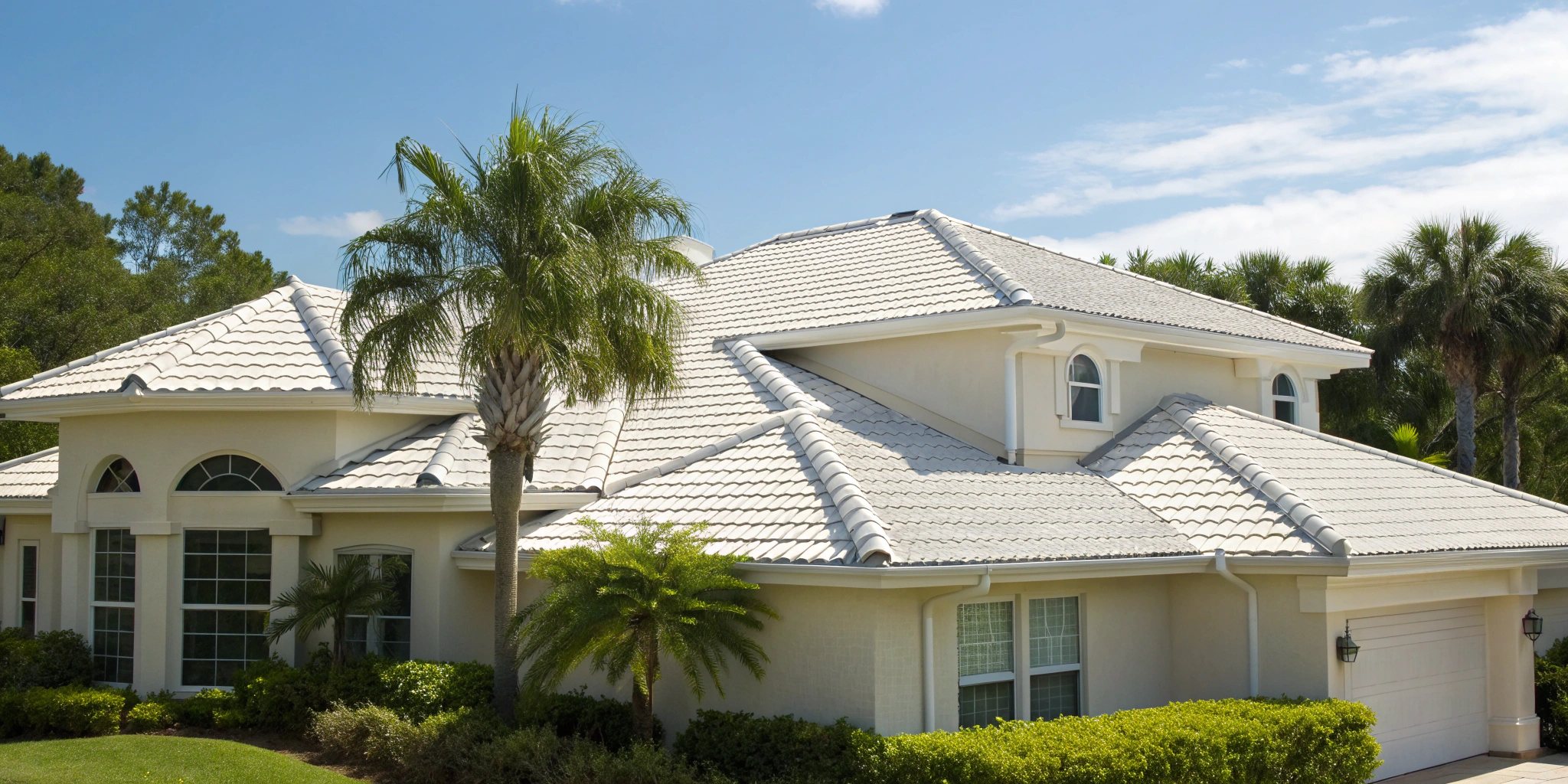
Tile roofs, made from either clay or concrete, are a classic and beautiful option for Florida homes. They are exceptionally durable and naturally resistant to heat, which helps keep your home cooler. For coastal properties, tiles are one of the best choices because they withstand the effects of salt air and moisture without corroding or degrading. This inherent resilience makes them a low-maintenance and long-lasting solution.
Beyond their practical benefits, tile roofs offer a distinctive and elegant aesthetic. They are often associated with Mediterranean and Spanish-style architecture, which is a popular look throughout Florida. While the initial investment for a tile roof is higher than for asphalt shingles, their incredible lifespan and timeless style make them a worthwhile consideration. If you’re looking for a roof that combines premium performance with standout curb appeal, tile is hard to beat.
Do You Need an Emergency Roof Repair?
After a major storm or when you discover a sudden, significant leak, it’s hard to know if you’re dealing with a minor issue or a true crisis. Some roof problems can wait for a scheduled appointment, but others require immediate attention to prevent severe damage to your home’s structure and interior. Florida’s weather can be unpredictable, and what starts as a small problem can quickly escalate. Knowing the difference between a standard repair and an emergency can save you time, money, and a lot of stress. If you suspect major damage, it’s always better to be safe and call for a professional opinion right away.
Signs You Need to Call for Help Immediately
It can be alarming to find evidence of roof damage, but some signs are more urgent than others. If a recent storm has left its mark, you might notice missing shingles, displaced tiles, or even punctures from falling branches and debris. These are clear indicators that your roof’s primary defense is compromised. Inside your home, look for new water stains on the ceilings or walls, active drips, or pooling water in your attic. These are signs that water is getting in right now. Don’t wait for the problem to worsen; immediate action is key to minimizing interior damage. If you see any of these red flags, it’s time to call for an emergency roof repair.
How to Temporarily Protect Your Home
While you wait for our team to arrive, you can take a few steps to protect your property from further harm. If you have an active leak and can safely access the area, place a bucket underneath to catch the water. For more significant damage, you can cover the affected section of your roof with a tarp to temporarily stop water from getting in. This is especially important in Altamonte Springs, where high humidity and sudden downpours can turn a small leak into a major problem. Taking these temporary measures not only helps protect your home but also shows your insurance provider that you acted quickly to mitigate the damage, which can be helpful when you begin the roof claim assistance process.
How to Prevent Future Roof Damage
After a repair, the last thing you want is to face another issue a few months down the road. The best way to protect your home and your investment is to be proactive. A little bit of prevention can save you from the stress and expense of major repairs.
The Importance of a Regular Maintenance Plan
Florida’s climate puts extreme stress on roofing systems. The constant UV exposure, tropical storms, and high humidity create conditions where small issues can escalate quickly. For homeowners in Altamonte Springs, staying proactive is the key to maintaining a sturdy roof. Think of a regular maintenance plan as a routine health check-up for your home. A professional can spot subtle signs of wear and tear—like cracked sealant or granule loss on shingles—before they turn into leaks. Catching these problems early protects your entire home and is far more affordable than reacting to a full-blown emergency. This approach is essential for all types of residential roofing to ensure they last as long as possible.
Simple Tips for Seasonal Roof Prep
Following a seasonal plan helps you focus on the right tasks at the right time, since Florida’s climate presents different challenges throughout the year. Before hurricane season begins, make sure to trim any tree branches that hang over your roof and clear out your gutters and downspouts. This ensures rainwater can flow away from your home properly during a heavy downpour. After a major storm passes, it’s wise to do a visual check from the ground. If you see anything that looks out of place, it might be time for a professional hail damage inspection to get a closer look. During the drier months, clear off any leaves or debris that can trap moisture and lead to algae growth or rot.
Understanding Your Payment Options
A damaged roof is stressful enough without worrying about how you’ll cover the cost. The good news is you have options. Whether you’re dealing with the aftermath of a storm and need to file an insurance claim or you’re planning a replacement and need a manageable payment plan, there are clear paths forward. Let’s walk through how to handle your insurance claim and what to look for in financing, so you can make the best decision for your home and your budget.
How to Handle Your Insurance Claim
After a storm, the first step is to assess the situation, but don’t climb on the roof yourself. Instead, schedule a professional hail damage inspection to safely document everything. Common issues include missing shingles, punctures from debris, and damaged flashing. It’s also crucial to check inside your home for subtle signs like water stains on the ceiling or leaks in the attic, as these problems can worsen over time. A detailed report from a trusted roofer is your best tool when filing a claim. If the process feels overwhelming, getting roof claim assistance can help you present a thorough and accurate case to your insurance provider, ensuring you get the coverage you deserve.
Exploring Financing for Your Roof Repair
If your roof repair isn’t covered by insurance or you’re ready for a full replacement, financing can make the project much more manageable. A new roof is a critical investment in your home’s protection, and flexible payment plans mean you don’t have to compromise on quality materials to fit your immediate budget. Your choice of materials, like asphalt shingles versus metal, can also impact long-term costs and your financing decisions. By exploring your financing options, you can choose a durable, high-quality roof that protects your home for years to come without the stress of a large upfront payment. It’s about finding a solution that works for you now and in the future.
Your Altamonte Springs Roof Repair Partner
Choosing a roofing contractor can feel overwhelming, but it doesn’t have to be. You need a team that not only knows roofing but also understands the specific challenges of our Altamonte Springs climate. At Sky Light Roofing, we combine local expertise with a genuine commitment to our customers, ensuring your home is protected and you have peace of mind. We’re not just here to fix your roof; we’re here to be your trusted partner through every step of the process, from the first inspection to the final handshake.
Our Local Expertise and Full-Service Approach
Living in Central Florida means your roof faces a unique set of challenges. From the intense summer sun and high humidity to the threat of hurricanes and tropical storms, your roof has to withstand a lot. We get it because we live and work here, too. Our team has deep experience with the weather patterns in Altamonte Springs, allowing us to provide tailored solutions for both residential roofing and commercial properties. We offer a full range of services, from routine inspections and minor repairs to complete replacements after a storm. We know exactly what to look for and how to ensure your roof is built to last against Florida’s demanding climate.
Our Commitment to Quality and Customer Care
Your home is your biggest investment, and we treat it that way. Our commitment to quality goes beyond just using the best materials; it’s about skilled workmanship and proactive solutions. We understand how Central Florida’s humidity can lead to moisture buildup and accelerate wear over time, so we address these issues head-on to protect your roof’s longevity. We also know that dealing with roof damage is stressful, which is why we offer roof claim assistance to help you with the insurance process. With convenient financing options and a focus on clear communication, we make sure you feel supported and confident from start to finish.
Related Articles
- 6 Best Flat Roof Repair Materials: A Florida Guide
- DIY Shingle Roof Leak Repair: A Step-by-Step Guide
- How to Do a Roof Repair From Inside Your Attic
- Major Roof Repair Cost: Your 2025 Pricing Guide
- 24 Hour Emergency Roof Repair: A Step-by-Step Guide
Frequently Asked Questions
How often should I have my roof inspected in Florida? Given our intense sun and stormy seasons, it’s a smart move to have your roof professionally inspected at least once a year. A great time to do this is in the late spring, right before hurricane season kicks into high gear. An annual check-up allows a professional to catch small issues, like cracked sealant or a few loose shingles, before a major storm turns them into a serious leak.
My roof has a small leak. Can I wait to get it fixed? It’s tempting to put a small leak on the back burner, but it’s one of the riskiest things you can do for your home. That little drip you see is often just the tip of the iceberg. Behind your ceiling or walls, that moisture can be causing wood rot, ruining insulation, and creating the perfect environment for mold to grow. Addressing a leak immediately is the best way to prevent a small, simple fix from becoming a large, expensive restoration project.
Will my homeowner’s insurance cover the cost of my roof repair? Coverage really depends on your specific policy and what caused the damage. Typically, insurance is designed to cover damage from sudden events like a storm, hail, or a fallen tree. It usually doesn’t cover issues that result from normal aging or a lack of maintenance. The best first step is to get a professional inspection to document the cause and extent of the damage, which provides the clear evidence you need when you file a claim.
How long does a typical roof repair take from start to finish? The timeline for a repair can vary quite a bit. A straightforward fix, like replacing a section of shingles that blew off in a storm, can often be completed in less than a day. More complex issues, such as tracking down a tricky leak and repairing the underlying water damage, might take a few days. Weather also plays a big role, as we can only work when it’s safe to be on the roof. We’ll always give you a clear and realistic timeline once we’ve assessed the job.
Is it better to keep repairing my roof or just replace the whole thing? This is a big decision that comes down to a few key factors. If your roof is still relatively young and the damage is isolated to one area, a repair is almost always the most sensible choice. However, if your roof is approaching the end of its expected lifespan or has widespread damage, a full replacement is often the better long-term investment. Constantly paying for repairs can add up, and a new roof provides complete protection and peace of mind.