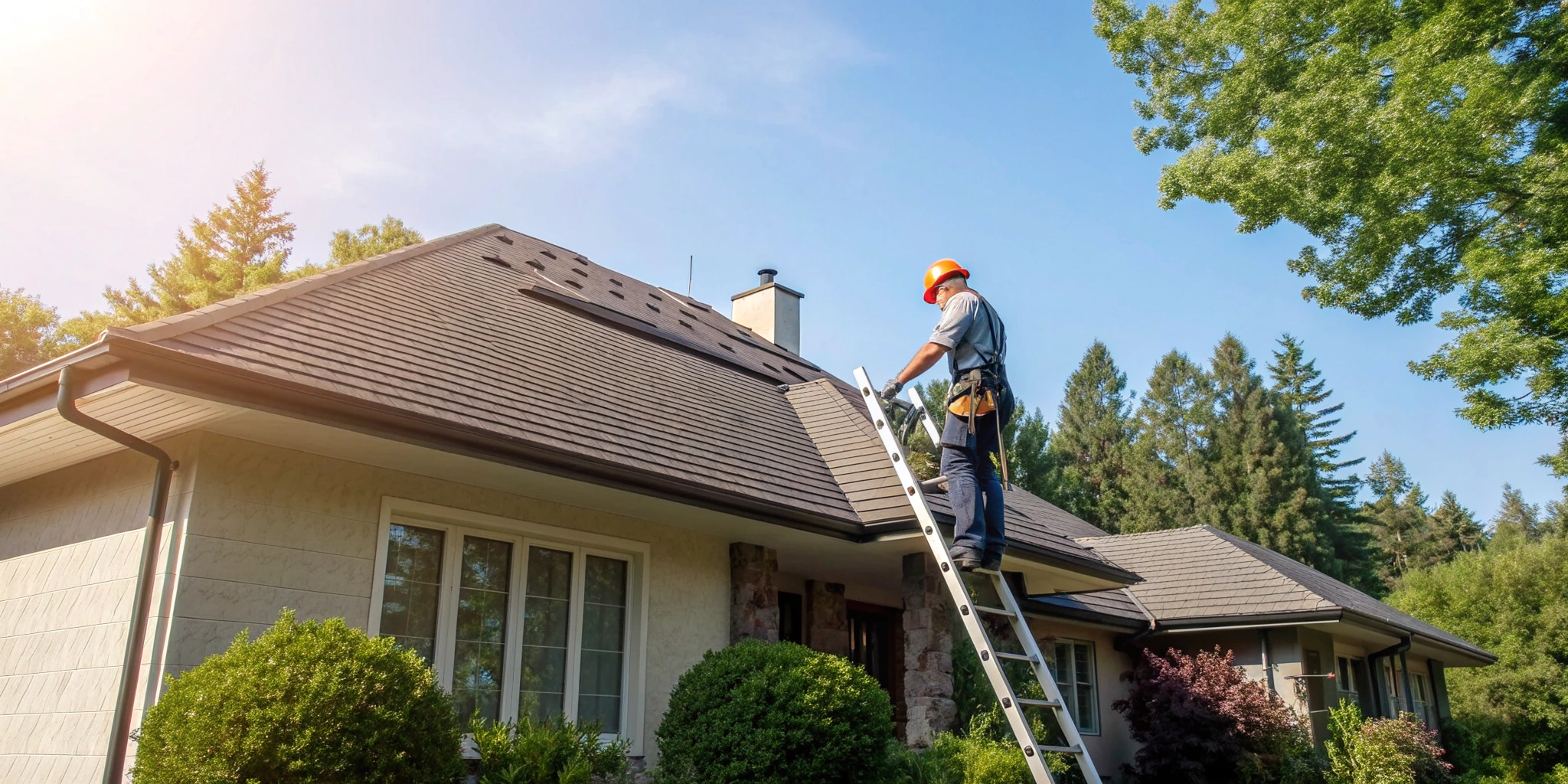
That sinking feeling you get when you spot a water stain on the ceiling is something no homeowner wants to experience. Whether it’s a small leak after a storm or the realization that your old roof is finally giving out, knowing what to do next is critical. Acting quickly and hiring the right professional can save you from much bigger problems down the road. This article is your step-by-step plan. We’ll show you how to identify the warning signs that your roof needs help and then walk you through the process of finding and vetting a reliable roofing contractor in Altamonte Springs who can solve the problem correctly.
Key Takeaways
- Prioritize credentials and local experience when choosing a roofer: Always verify that a contractor is licensed and insured, and ask direct questions about their experience with Florida’s climate to ensure they can build a roof that lasts.
- Select roofing materials suited for the Florida climate: While asphalt shingles are a popular budget-friendly option, consider the long-term value of materials like metal or tile, which offer superior durability against intense sun and hurricane-force winds.
- Recognize the warning signs of roof damage: Stay ahead of costly problems by looking for issues like curling shingles, granules in your gutters, or ceiling stains, and always get a professional inspection after a major storm.
What Can an Altamonte Springs Roofer Do for You?
When you think of a roofer, you might just picture someone replacing shingles. But a professional roofing contractor in Altamonte Springs offers a wide range of services to protect your property, whether it’s your family home, your business, or a multifamily complex. From routine maintenance and minor fixes to full-scale replacements and emergency response after a storm, a qualified roofer is your go-to expert for everything related to the top of your building. They have the skills to work with different materials, diagnose tricky leaks, and even help you with the paperwork that comes with insurance claims. Let’s look at exactly what a local roofer can do for you.
Residential, Commercial, and Multifamily Roofing
Whether you own a single-family home or manage a large commercial property, a full-service roofer has you covered. For homeowners, this means everything from installing a brand-new roof on a custom build to replacing old, worn-out shingles on an existing home. Local experts provide quality residential roofing solutions that stand up to the Florida sun and storms.
For business and multifamily property owners, the stakes are even higher. A professional contractor offers specialized commercial roofing services designed to protect your assets, employees, and tenants. They can handle the unique demands of flat or low-slope roofs, perform large-scale installations, and conduct regular maintenance to extend the life of your investment and prevent disruptions to your operations.
Emergency Repairs and Storm Damage Help
In Central Florida, severe weather is a matter of when, not if. High winds and heavy rain can cause serious problems, from loosening the flashing around chimneys to damaging vents and skylights. When a storm hits, you need help fast. Professional roofers provide emergency roof repair to address urgent issues and prevent minor leaks from turning into major water damage. They can quickly tarp your roof to stop water intrusion and then return to make permanent, high-quality repairs. This rapid response is key to protecting the structural integrity of your home and giving you peace of mind when you need it most.
Roof Inspections and Insurance Claim Assistance
Dealing with roof damage is stressful enough without having to figure out your insurance policy. A reputable Altamonte Springs roofer can be a huge help in this area. It often starts with a thorough hail damage inspection to accurately assess the condition of your roof and document any issues. This professional evaluation is exactly what you need to support your case.
From there, many roofers offer roof claim assistance to help you with the process. They can provide detailed estimates and clear documentation for your insurance company, ensuring all damage is accounted for. Having an expert on your side makes it much easier to get your claim approved and secure the funds needed for a proper repair or replacement.
How to Choose the Right Roofer in Altamonte Springs
Finding the right roofing contractor can feel like a huge task, but it doesn’t have to be overwhelming. Your roof is one of the most important parts of your home, so taking the time to vet your options is a smart move. By focusing on a few key areas—like credentials, reputation, local experience, and clear communication—you can confidently hire a professional who will protect your home for years to come. Let’s walk through the essential steps to help you find a trustworthy roofer in the Altamonte Springs area.
Verify Licensing, Insurance, and Accreditation
Before you even think about estimates, make sure any roofer you consider is properly licensed and insured. It might be tempting to hire an unlicensed contractor to save a few dollars, but this can expose you to major financial and legal risks if something goes wrong. A professional company will always be ready to provide proof of their credentials. This simple step protects you, your home, and the workers on your property. Don’t be shy about asking for these documents—it’s the first sign you’re dealing with a legitimate residential roofing expert.
Check Reviews and Local References
What past customers say is one of the best indicators of a roofer’s quality and reliability. Spend some time reading online reviews and checking their rating with organizations like the Better Business Bureau. A reputable contractor should also be able to provide you with local references. Speaking to homeowners in your area who have used their services gives you firsthand insight into their workmanship, professionalism, and how they handle a project from start to finish. A strong local reputation is built on consistent, high-quality work.
Evaluate Their Experience with Florida Weather
Florida’s weather is no joke. Between the intense sun, heavy rains, and the constant threat of hurricanes, your roof needs to be tough. That’s why it’s critical to choose a contractor who understands the specific challenges of our climate. Ask them about the materials and installation techniques they use to protect homes from high winds and water intrusion. A roofer with deep experience in Central Florida will know exactly how to handle a hail damage inspection and recommend solutions designed to withstand our unique weather patterns, ensuring your roof is built to last.
Request Detailed Estimates and Warranties
A vague estimate on a napkin just won’t cut it. A professional roofer will provide a detailed, written proposal that clearly outlines the full scope of work, the specific materials being used, and a complete cost breakdown. This document protects you from unexpected fees later on. Be sure to ask about warranties, too. You should receive a warranty for both the roofing materials and the contractor’s workmanship. Understanding these details upfront ensures there are no surprises and gives you peace of mind in your investment.
Understanding Roofing Costs in Altamonte Springs
Figuring out the budget for a new roof can feel overwhelming, but it helps to know what goes into the final price. The cost of a roofing project in Altamonte Springs isn’t a simple, flat rate; it’s a tailored estimate based on your specific home and needs. Several key factors come into play, from the materials you choose to the complexity of the job itself. Understanding these variables will help you see exactly where your money is going and make confident decisions for your home.
What Influences Your Project’s Cost?
The final price for a roof replacement in our area typically falls between $10,000 and $25,000, but what determines where your project lands in that range? The biggest factors are your roof’s size and complexity. A larger, steeper roof with multiple gables, valleys, and skylights requires more materials and labor than a simple, smaller roof. The type of material you select also plays a huge role in the overall cost. Finally, the condition of the underlying roof deck can impact the price. If a roofer discovers soft or rotted wood after removing the old shingles, that decking will need to be replaced, adding to the project’s scope and budget for your residential roofing project.
Compare Material Prices: Shingles vs. Metal vs. Tile
Your choice of roofing material is one of the most significant cost factors. Asphalt shingles are the most common and affordable option, offering a great balance of performance and value. For a step up in durability and longevity, many Florida homeowners choose metal roofing. While the initial investment is higher, a metal roof can last for decades and offers excellent resistance to storms and high winds. At the premium end, you’ll find tile roofing. Spanish tiles provide a classic, beautiful look and are incredibly durable and fire-resistant, making them a fantastic long-term investment for your home. Each material has its own set of benefits, so the best choice depends on your budget, style preferences, and long-term goals.
Repair vs. Replacement: What’s the Investment?
Deciding between a repair and a full replacement often comes down to a cost-benefit analysis. A small, one-time fix for a few missing shingles is clearly the less expensive option upfront. However, if your roof is nearing the end of its lifespan and you find yourself calling for frequent repairs, those costs can add up quickly. Constantly patching an old, failing roof can become a money pit and may only delay the inevitable. A full replacement is a significant investment, but it provides long-term security and peace of mind, protecting your home from the elements for years to come. A professional inspection can help you determine which path makes the most financial sense for your situation, especially if you need an emergency roof repair.
Watch Out for Hidden Costs
No one likes financial surprises, especially during a major home project. With roofing, hidden costs can sometimes appear after the old roof is torn off. The most common issue is discovering rotted or damaged decking underneath that needs replacement. Another potential cost comes from poor workmanship. A poorly installed roof can lead to premature leaks and damage, resulting in expensive repairs down the road. The best way to avoid these unexpected expenses is to work with a reputable contractor who performs a thorough inspection and provides a detailed, transparent estimate. This ensures you know what to expect and can explore financing options if needed.
Choosing the Best Roofing Material for the Florida Climate
Living in Florida means enjoying plenty of sunshine, but it also means your home has to stand up to intense heat, heavy rain, and the occasional hurricane. Your roof is your home’s first line of defense against this demanding weather, so choosing the right material is one of the most important decisions you’ll make as a property owner. The best choice for your home will balance durability, style, and budget, ensuring you get a roof that not only looks great but also provides lasting protection.
From the classic look of asphalt shingles to the timeless appeal of Spanish tile and the rugged strength of metal, each material offers a unique set of benefits. Understanding how these options perform in our specific climate is key. You’ll want to consider factors like wind resistance, energy efficiency for those hot summer months, and overall lifespan. A material that thrives in a dry, mild climate might not hold up to our humidity and storm season. That’s why local expertise matters. Let’s walk through some of the most popular and effective roofing materials for Central Florida homes so you can feel confident in your choice.
Asphalt Shingles: Affordable and Efficient
Asphalt shingles are the most common roofing material you’ll see on homes across Florida, and for good reason. They offer a fantastic combination of affordability, reliability, and style. If you’re looking for a cost-effective solution that doesn’t compromise on quality, shingles are an excellent starting point. Modern architectural shingles are designed to be durable and can withstand strong winds, which is a must in our area.
Beyond their budget-friendly price, many asphalt shingles are now designed for energy efficiency. You can find “cool roof” shingles with special granules that reflect more sunlight, helping to keep your attic and home cooler and potentially lowering your energy bills. With a wide variety of colors and styles available, they can complement nearly any type of residential roofing project.
Spanish Tile: Durable and Classic
There’s nothing quite like the classic, elegant look of a Spanish tile roof. It’s a style that feels right at home in Florida’s architectural landscape. But tile is much more than just a pretty face; it’s one of the most durable and long-lasting roofing materials on the market. Made from clay or concrete, these tiles are built to withstand decades of intense sun, heavy rain, and salt air without corroding or decaying.
Tile roofing is also naturally fire-resistant, adding an extra layer of safety to your home. Its curved shape creates air pockets that help insulate your home, keeping it cooler in the summer. While the initial investment for a tile roof is higher than for shingles, its incredible longevity—often lasting 50 years or more with proper maintenance—makes it a worthwhile investment for many homeowners.
Metal Roofing: Long-Lasting Storm Protection
When it comes to sheer strength and storm protection, it’s hard to beat a metal roof. Engineered to withstand hurricane-force winds, heavy rain, and impacts, metal roofing offers incredible peace of mind for Florida property owners. These roofs are exceptionally long-lasting, with many lasting 50 years or more, and they require very little maintenance over their lifespan. They are also highly resistant to fire, rot, and insects.
Metal roofs are also a surprisingly energy-efficient choice. They reflect solar heat, which can significantly reduce your cooling costs during our long, hot summers. And don’t worry about noise—modern installation techniques ensure that a metal roof is no louder than any other roof during a rainstorm. Given its strength, it’s also an excellent material for withstanding storm debris, which is why a hail damage inspection often reveals minimal issues.
Other Great Options: Stone-Coated Steel and Flat Roofing
If you love the strength of metal but prefer the look of traditional materials, stone-coated steel is a perfect hybrid. This material uses a steel base coated with stone granules, giving you the appearance of shingles, wood shake, or tile with the superior durability and wind resistance of metal. It’s a low-maintenance, long-lasting option that offers great curb appeal.
For modern homes and many commercial properties, flat roofing is a practical and stylish choice. Materials like TPO, PVC, and modified bitumen are designed to create a waterproof seal on low-slope roofs. Flat roofs are often more accessible for maintenance and can provide usable space for HVAC units or even a rooftop deck. They are a common feature in commercial roofing due to their cost-effectiveness and functional design.
Signs Your Roof Needs Professional Help
It’s easy to forget about your roof until something goes wrong. But catching small issues early can save you from major headaches and costly repairs down the road. Some warning signs are obvious, while others are a bit more subtle. Knowing what to look for is the first step in protecting your home. A quick inspection from the ground can tell you a lot about your roof’s health and whether it’s time to call in a professional.
Think of it as a regular check-up for one of the most important parts of your property. If you spot any of the signs we’re about to cover, it doesn’t automatically mean you need a full replacement, but it does mean your roof is asking for some attention. Getting a professional opinion can give you peace of mind and a clear plan for what to do next, whether it’s a simple repair or planning for a future upgrade.
Check for Exterior Warning Signs
You don’t need to climb a ladder to spot potential trouble. A quick walk around your property can reveal some of the most common red flags. Look for shingles that are cracked, curling at the edges, or missing altogether—these are clear signs that your roof’s first line of defense is weakening. Also, check your gutters for an excessive amount of shingle granules. These tiny asphalt specks protect your shingles from the sun, and when they wash away, it means your shingles are aging. Finally, look for any sagging spots in your roofline, which could indicate a structural issue that needs immediate attention. These are all key indicators that your residential roofing system may be compromised.
Look for Interior Red Flags
Sometimes, the first sign of a roof problem shows up inside your home. The most obvious clue is a water stain on your ceiling or walls. These stains can be yellowish-brown and may grow larger after it rains. Don’t ignore them, even if they seem small. By the time you see a leak indoors, the water has already made its way through your roof, insulation, and drywall. You might also notice peeling paint on the walls or ceiling near the roofline. If you can safely access your attic, look for damp rafters or a musty smell, which can point to a slow, hidden leak. When you see these signs, it’s often time for an emergency roof repair to prevent further damage.
Consider Your Roof’s Age
Just like any other part of your home, your roof has a limited lifespan. Most asphalt shingle roofs are designed to last about 20 to 25 years. If your roof is approaching that age, it’s a good idea to start planning for a replacement, even if there are no obvious signs of failure. An older roof is much more vulnerable to damage from Florida’s intense sun and storms. If you’re not sure how old your roof is, check the records from when you bought your home. Proactively addressing an aging roof allows you to budget accordingly and avoid the stress of an unexpected failure. A professional inspection can help you understand how much life your current roof has left.
How to Assess Your Roof After a Storm
Central Florida weather can be tough on roofs. After a major storm with high winds or hail, it’s smart to do a visual check from the safety of the ground. Look for any shingles that have been lifted or blown off completely. Hail can leave dents or cracks on your shingles, compromising their integrity. Pay close attention to the areas around vents, skylights, and chimneys, as the flashing in these spots can be easily damaged or loosened by strong winds. It’s a common myth that no visible leak means no damage. Many issues can stay hidden for months before causing problems, so a professional hail damage inspection can identify issues you might miss.
Key Questions to Ask Your Roofing Contractor
Once you’ve narrowed down your list of potential roofers, it’s time to start the interview process. Think of this as hiring someone for a critical job—because you are. The right contractor will not only do excellent work but also communicate clearly and stand behind their services. Asking smart, direct questions is the best way to vet your candidates and find a partner you can trust with your home or business.
This isn’t about trying to catch them in a “gotcha” moment. It’s about making sure you’re on the same page before any contracts are signed or work begins. A reputable contractor will welcome your questions and provide thorough answers. If a company seems evasive or annoyed by your inquiries, that’s a major red flag. Prepare your questions ahead of time so you can compare each contractor’s answers consistently. This will help you make a confident, informed decision and ensure your roofing project goes smoothly from start to finish.
Ask About Credentials and Experience
Before you talk about shingles or timelines, start with the basics: their credentials. Ask if they are licensed to work in Altamonte Springs and if they carry both liability insurance and workers’ compensation. This is non-negotiable—it protects you from any liability in case of an accident on your property. You should also ask about any special certifications they hold from manufacturers, as this often means they have advanced training and can offer better warranties. A contractor’s experience, especially with residential roofing projects similar to yours in Central Florida, is a great indicator of their ability to handle the job effectively.
Clarify the Timeline and Materials
Every homeowner wants to know, “How long will this take?” Ask for a projected timeline, from the start date to the final cleanup. A professional roofer should be able to give you a realistic estimate. For example, a typical shingle roof replacement might take a few weeks, while a metal roof could take a bit longer. Also, discuss the specific materials they plan to use. Ask why they recommend a particular brand or type of shingle, tile, or metal for your home and the Florida climate. This conversation helps you understand what you’re paying for and ensures there are no surprises down the road.
Understand the Warranty and Support
A new roof is a significant investment, and a good warranty protects it. Be sure to ask about the warranties offered. There are typically two types: one from the material manufacturer that covers defects in the product, and another from the contractor that covers their workmanship. Ask for details on what’s covered, the duration of the warranty, and what the process is if you need to file a claim. This is also a good time to get a feel for their customer support. A company that offers dedicated roof claim assistance shows they are committed to supporting you long after the job is done.
Set Communication and Payment Expectations
Clear communication is the key to a stress-free project. Ask who your main point of contact will be and how they’ll keep you updated on the project’s progress. It’s also wise to establish the payment schedule upfront. You should never pay for the entire project before work begins. A standard practice is a deposit to cover materials, with subsequent payments made at certain milestones and the final payment upon completion. If the cost is a concern, ask about their financing options. A transparent contractor will be happy to walk you through the payment process and answer any financial questions you have.
How to Finance Your Roofing Project
A new roof is one of the most important investments you can make in your home, but that doesn’t mean you have to pay for it all at once. The total cost can feel intimidating, but there are several practical ways to manage the expense. From flexible payment plans to insurance assistance, a good roofing contractor will help you find a solution that fits your budget. Thinking through your payment options ahead of time will give you peace of mind and help you move forward with confidence.
Explore Financing and Payment Plans
Don’t let a large upfront cost delay a necessary roof replacement. Many established roofing companies understand this is a major expense and offer ways to make it more affordable. Look for contractors who provide convenient financing options that allow you to break down the total cost into manageable monthly payments. This approach lets you protect your home with a high-quality new roof immediately without draining your savings account. When you get an estimate, always ask about the payment plans available—it’s a standard part of the process and can make a huge difference in your budget.
Get Help with Your Insurance Claim
If your roof was damaged by a storm, your homeowner’s insurance policy might cover a significant portion of the replacement cost. However, filing a claim can be a confusing and lengthy process. An experienced local roofer can be your best advocate. They can perform a thorough hail damage inspection and provide the detailed documentation your insurance company requires. Many contractors also offer roof claim assistance to guide you through every step, from the initial filing to the final approval, ensuring you get the full coverage you deserve.
Ask About Promotions and Discounts
It never hurts to ask about special offers. Before you sign a contract, check if the roofing company has any current promotions, seasonal discounts, or deals for new customers. Some companies might offer a discount for paying in cash or for bundling services. While not always advertised, these opportunities can help lower your overall project cost. A reputable contractor will be transparent about any available savings. This simple question is an easy way to make sure you’re getting the best possible value for your investment and can make your new roof even more affordable.
Related Articles
- Roof Storm Damage Repair: Costs & Tips | Sky Light Roofing
- Cost to Replace a Roof: A Complete 2025 Guide
- Hire Storm Damage Repair Contractors With Confidence
- How To Check Roofing Contractor License and credentials?
- Roof Repair & Replacement in Central Florida | Sky Light Roofing Inc.
Frequently Asked Questions
How long does a typical roof replacement take from start to finish? While every project is a bit different, a standard residential roof replacement usually takes just a few days to complete the actual tear-off and installation. The entire process, from signing the contract and ordering materials to the final inspection, might span a couple of weeks. Factors like the size and complexity of your roof, the material you choose, and even the weather can influence the timeline, but a professional contractor will give you a clear and realistic schedule upfront.
My roof is old, but not leaking. Will my insurance still help pay for a replacement? Generally, homeowner’s insurance is designed to cover damage from specific events like a storm, not gradual wear and tear from age. So, if your roof is simply old, it’s unlikely your policy will pay for a replacement. However, an older roof is more susceptible to damage from wind or hail. A professional inspection can determine if there’s any storm-related damage that would justify filing a claim, even if you haven’t noticed any leaks yet.
Is a metal roof really worth the higher price in Florida? For many homeowners, the answer is a definite yes. While the initial cost is higher than for asphalt shingles, a metal roof is an investment in long-term performance. It offers superior protection against hurricane-force winds and impacts from debris, which is a huge plus in our area. Metal roofs also last significantly longer and are highly energy-efficient, reflecting the sun’s heat to help lower your cooling bills. It really comes down to balancing your upfront budget with your long-term goals for durability and peace of mind.
What happens if you find unexpected damage, like rotted wood, after you start the job? This is a common concern, and a reputable contractor will have a clear plan for it. If we remove your old shingles and discover that the underlying wood decking is soft or rotted, we stop and immediately communicate the issue with you. We’ll show you the damage, explain what needs to be done to fix it properly, and provide a clear change order detailing any additional costs for your approval before we proceed. Transparency is key, so you’ll never be surprised by a hidden fee on your final bill.
How can I tell the difference between normal aging and actual storm damage? It can be tricky, but there are a few things to look for. Normal aging often appears as uniform granule loss across the shingles or slight, consistent curling. Storm damage, on the other hand, is usually more random and severe. You might see missing shingles, large dents from hail, or distinct creases where the wind has lifted the shingles. The safest bet is to get a professional opinion, as an expert can spot subtle signs of impact or wind lift that aren’t obvious from the ground.