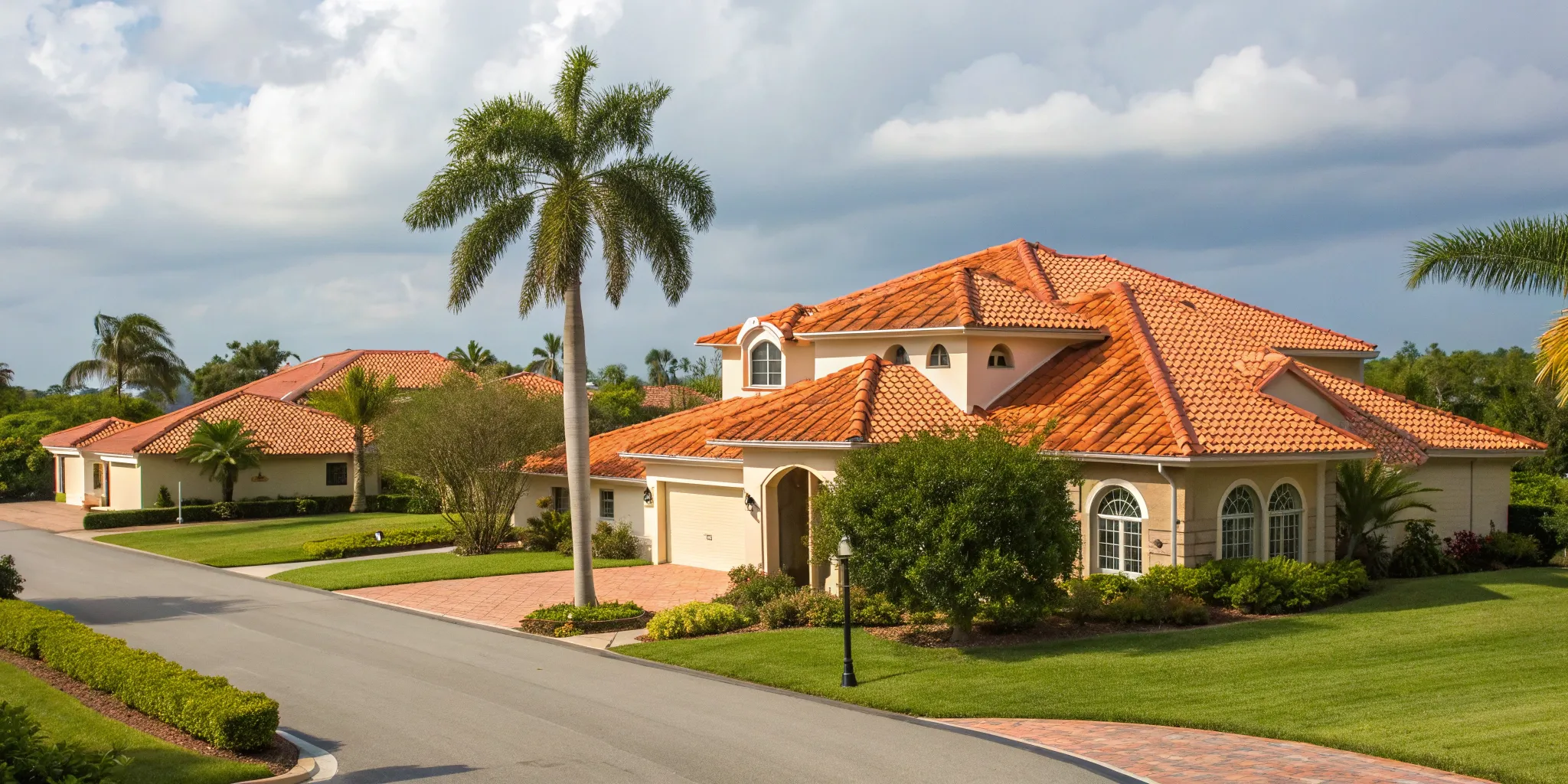
After a big storm rolls through Central Florida, you start to notice roofing trucks all over the neighborhood. It gets you thinking about your own roof and how much life it has left. When it comes to replacing it, a tile roof is a top contender for its beauty and resilience. But the big question always comes down to one thing: what’s the real tile roof replacement cost Florida homeowners should expect? It’s a major project, and you need clear answers to plan properly. This guide is here to provide them. We’ll break down all the variables, from materials to labor, so you can move from wondering and worrying to creating a confident, actionable budget for your home.
Key Takeaways
- Know What Shapes Your Final Price: The total cost for a tile roof is determined by the specific tile you select (clay vs. concrete), your roof’s size and complexity, and the condition of the underlying structure, which can only be assessed by a professional.
- Focus on Long-Term Value, Not Just Upfront Cost: A tile roof is an investment that pays off over decades. Its exceptional lifespan, natural energy efficiency in the Florida heat, and superior storm resistance provide lasting value and peace of mind that other materials can’t match.
- Build Your Budget with Real Numbers: Skip the online calculators and get detailed estimates from qualified contractors. A true quote will account for your home’s specific needs, and you can make the project affordable by understanding your insurance coverage and exploring available financing options.
How Much Does a New Tile Roof Cost in Florida?
Let’s talk numbers. When you’re considering a new roof, the cost is probably one of the first things on your mind. A tile roof is a fantastic investment for any Florida home, known for its incredible durability and classic style, but it’s also a significant project. The final price tag can vary quite a bit based on the materials you choose, the size of your home, and a few other key factors that we’ll explore.
It’s easy to see why tile is so popular here. It stands up to intense sun, heavy rain, and high winds better than many other materials, making it a smart choice for long-term peace of mind. But that durability comes with a higher upfront cost than something like asphalt shingles. Understanding the variables that go into that cost—from the specific type of clay or concrete tile to the complexity of your roof’s design—will help you create a realistic budget. This way, you can feel confident when you review quotes from contractors and know you’re making a well-informed decision for your property. We’ll break down the costs so you know exactly what to expect, ensuring there are no surprises along the way.
Breaking Down the Cost Per Square Foot
When you get a roofing estimate, you’ll often see the price listed per square foot. In Florida, a new tile roof typically runs between $10 and $25 per square foot, including materials and installation. The type of tile you select plays a big role in this number. For instance, concrete tiles usually range from $9 to $19 per square foot, while classic clay tiles can cost anywhere from $9 to $20 per square foot. Different styles also have different price points—think Spanish tiles at $15 to $20 or French tiles at $16 to $21 per square foot. Knowing these ranges helps you understand the value behind your residential roofing investment.
Typical Project Costs: What to Expect
So, what does that per-square-foot price mean for your total bill? For a standard-sized home in Florida, a full tile roof replacement generally costs between $10,000 and $35,000. Most homeowners find their project lands somewhere around the $17,500 mark. Again, materials make a difference; the average cost for a concrete tile roof is about $19,000, while a clay tile roof averages closer to $28,000. Keep in mind that factors like your roof’s complexity, its slope, and the condition of the underlying roof deck can also influence the final price. We always provide clear estimates and discuss financing options to make the process as smooth as possible.
What Factors Influence the Cost of a New Tile Roof?
When you start looking at quotes for a new tile roof, you’ll quickly notice that the final price isn’t just a single number pulled out of thin air. Several key factors come together to determine the total investment. Understanding these components is the best way to compare estimates, set a realistic budget, and feel confident in your decision. Think of it less like buying a product off the shelf and more like commissioning a custom project for your home.
From the sheer size of your roof to the specific type of tile you fall in love with, every choice has an impact. The complexity of your roof’s design, the cost of skilled labor, and even local municipal fees all play a role. Breaking down these elements helps demystify the final cost and ensures there are no surprises along the way. It also highlights why a one-size-fits-all online calculator rarely tells the whole story. A professional assessment is always the best way to get an accurate picture of what your specific residential roofing project will entail.
Your Roof’s Size and Shape
It might seem obvious, but the bigger your roof, the more it will cost. The total square footage directly determines the amount of tile and other materials needed for the job. But it’s not just about size; the complexity of your roof’s architecture is just as important. A simple, gently sloped roof will be more straightforward and less expensive to replace than one with steep pitches, multiple valleys, dormers, and skylights. Each angle and feature requires more precise cuts, additional materials like flashing, and more time from the installation crew. These intricate details add to the labor costs and the overall project timeline, which is reflected in the final quote.
The Type of Tile You Choose
The tile you select is one of the biggest variables in your total cost. Clay and concrete are the two most popular options in Florida, and each comes with a different price point. Clay tiles, known for their classic look and incredible durability, typically cost more upfront. They can last for over a century and withstand hurricane-force winds, making them a fantastic long-term investment. Concrete tiles offer a similar aesthetic at a more budget-friendly price. They are also incredibly durable and come in a wide variety of styles and colors, giving you plenty of design flexibility for your commercial roofing project or home.
Labor and Professional Installation
Installing a tile roof is a craft that requires specialized skills and experience—it’s not a weekend DIY project. The weight of the tiles and the precision needed for proper installation mean that labor is a significant portion of your total cost. Unlike asphalt shingles, tiles must be laid in a specific pattern to ensure they interlock correctly and create a watertight seal. A professional crew knows how to handle the material without causing breakage and understands the structural requirements needed to support the roof’s weight. Investing in skilled workmanship from a trusted team ensures your roof will perform beautifully for decades to come, protecting your home from Florida’s intense sun and storms.
Local Permits and Inspection Fees
Before any work can begin, your roofing project needs to be approved by your local municipality. This involves securing permits and scheduling inspections to ensure the replacement meets Florida’s strict building codes. These fees vary depending on where you live in Central Florida, but they are a mandatory part of the process. A reputable contractor will handle all the paperwork and coordination for you, but the cost of the permits themselves will be included in your overall project price. This step is crucial for safety and compliance, and it’s a standard part of any legitimate roofing job. It’s one of the many administrative details we can help with, much like our roof claim assistance.
Clay vs. Concrete Tiles: A Cost and Benefit Breakdown
When you hear “tile roof,” you might picture the classic terracotta look, but the world of tile is much broader. The two main players in Florida are clay and concrete, and your choice between them is one of the biggest factors driving your final cost. Think of it as choosing between a long-term investment and a high-value, durable option. Both are excellent choices for residential roofing in our climate, but they have different price points, lifespans, and performance features that are worth understanding before you make a decision.
Clay offers that timeless, traditional aesthetic and an incredibly long life, while concrete provides versatility and strength at a more accessible price. The right one for you depends on your budget, your home’s style, and how long you plan to stay in your home. We’ll break down the pros and cons of each so you can see exactly what you’re getting for your money. It’s not just about looks; it’s about finding the perfect balance of cost, durability, and peace of mind when the storm clouds roll in.
The Case for Clay Tiles
Clay tiles are the definition of a long-term investment. They have a classic, elegant look that can last for over 100 years with proper care. While the upfront cost is higher—recent cost data shows a range of $9 to $20 per square foot—you’re paying for unparalleled durability. Clay is incredibly strong, capable of withstanding winds up to 140 mph, which is a major advantage during Florida’s hurricane season. Because they don’t fade, they maintain their rich color for decades. If you’re looking for a roof you’ll likely never have to replace again, clay is an outstanding choice that adds significant value and character to your home.
The Case for Concrete Tiles
If you want the tile look without the premium price tag of clay, concrete tiles are a fantastic alternative. They are a more affordable option, typically costing between $7 and $19 per square foot, but they still offer impressive performance. A concrete tile roof has a lifespan of 40 to 50 years and can handle winds up to 125 mph, providing solid protection against severe weather. One of the biggest advantages of concrete is its versatility; it can be molded and colored to mimic the appearance of natural clay, slate, or even wood shakes. This gives you more design flexibility to match your home’s aesthetic while still getting a strong, reliable roof.
Exploring Specialty and Designer Tiles
Beyond the standard clay and concrete options, you can also find specialty and designer tiles that offer unique shapes and profiles to create a truly custom look. For example, French tiles, with their distinctive interlocking channels, can give your home a beautiful European feel and typically range from $16 to $21 per square foot. Another popular choice is the S-shaped interlocking tile, which creates a classic wave-like pattern and is priced between $13 and $19 per square foot. These designer options allow you to make a statement with your roof, turning it into a key architectural feature of your home. Just keep in mind that their unique shapes can sometimes require more specialized installation.
Does Your Current Roof’s Condition Affect the Price?
Yes, absolutely. When you get a quote for a tile roof replacement, the estimate is based on more than just the new tiles themselves. The price reflects the entire roofing system, and the condition of what’s underneath your old shingles or tiles plays a huge role in the final cost. Think of it like painting a wall—you can’t just slap on a new color over peeling paint and expect it to last. You have to prep the surface first.
A professional roofer will need to assess the health of your roof’s underlying structure before they can give you a truly accurate price. After tearing off the old material, we sometimes find issues that weren’t visible from the outside. These problems, from weakened wood to hidden leaks, must be addressed to ensure your new tile roof is secure, watertight, and will last for decades. A thorough hail damage inspection can often reveal some of these underlying issues before the project even begins, helping you plan your budget more effectively. Ignoring these foundational repairs is like putting a band-aid on a broken bone; it might look fine for a little while, but it won’t solve the real problem and will lead to much costlier fixes later on.
Assessing Structural Integrity
The structural integrity of your roof refers to the core framework—the rafters and trusses that support everything. Over time, slow leaks or poor ventilation can lead to wood rot, compromising this essential support system. If our team discovers that any of the wood supporting your roof is soft, sagging, or damaged, it has to be repaired or replaced. This is a non-negotiable step for safety and the longevity of your investment. While it adds to the cost, building on a weak foundation will only lead to much bigger, more expensive problems down the road.
Replacing Decking and Underlayment
Between your roof’s structural frame and the tiles is the decking and underlayment. The decking is the layer of wood (usually plywood or OSB) that creates the solid surface of your roof. The underlayment is a water-resistant barrier applied on top of the decking. Years of exposure to Florida’s intense sun and moisture can cause the decking to become soft or delaminated. If any sections are compromised, they must be replaced to provide a solid, nail-able surface for the new tiles. A fresh, high-quality underlayment is also critical for providing that secondary layer of water protection.
Uncovering Hidden Weather Damage
Florida storms can be tough on roofs, and not all damage is immediately obvious. While a few cracked tiles might be easy to spot, there could be less visible issues lurking underneath. Storm debris can cause hairline fractures, and strong winds can lift tiles just enough to damage the underlayment without you ever knowing. During a replacement, we often uncover this kind of hidden weather damage. Addressing these problems is part of a proper residential roofing installation and ensures your home is fully protected when the next storm season arrives.
What Hidden Costs Should You Plan For?
When you get a quote for a new tile roof, it’s easy to focus on the big number. But a few additional expenses can pop up that aren’t always included in the initial estimate. Knowing what these potential costs are ahead of time helps you create a more realistic budget and prevents surprises down the road. Think of it as planning for the “what ifs” so you can move forward with confidence.
Complex Installation and Specialized Labor
Tile roofing is a craft that requires specific expertise. The weight of the tiles and the precision needed for installation mean you’re paying for skilled labor, not just materials. If your roof has a steep pitch, multiple levels, or is difficult to access, labor costs can increase. The contractor may need special equipment to get materials onto the roof, which can add to the final bill. It’s always a good idea to discuss the specifics of your home’s architecture with your roofer to understand how it might affect the labor charges for your residential roofing project.
Upgrading Underlayment and Flashing
Beneath those beautiful tiles lies a critical layer of protection: the underlayment. This waterproof barrier is your roof’s main defense against Florida’s heavy rains. While a standard underlayment is usually included in a quote, upgrading to a higher-quality synthetic or self-adhering option provides superior, longer-lasting protection. This upgrade can add between $1.00 and $2.50 per square foot, but it’s a worthwhile investment to prevent future leaks and water damage. Similarly, replacing the metal flashing around chimneys, vents, and valleys is essential for a watertight seal and may be an additional line item on your invoice.
Debris Removal and Disposal Fees
Replacing a roof is a messy job. Tearing off your old roofing materials generates a significant amount of debris that needs to be properly disposed of. This cost, which covers a dumpster on-site and hauling fees, can sometimes be overlooked in an initial conversation. The expense of removing and disposing of old materials can add to the overall project cost. Make sure you ask your contractor if tear-off and disposal are included in their estimate. This is especially important after a storm, where you might need roof claim assistance to ensure all aspects of the job, including cleanup, are covered.
Is a Tile Roof a Good Long-Term Investment?
While the initial cost of a tile roof is higher than some other materials, it’s one of the smartest long-term investments you can make for your Florida home. When you look beyond the initial price tag, you’ll find that a tile roof pays for itself over time through incredible durability, energy savings, and superior protection against the elements. It’s not just a roof; it’s a permanent upgrade that adds lasting value and security to your property.
Unmatched Durability and Lifespan
When you choose a tile roof, you’re often making a once-in-a-lifetime purchase. Clay tiles can last for over 100 years, while concrete tiles have a solid lifespan of 40 to 50 years. Compare that to other materials that might need a full replacement every 15 to 20 years. This longevity means you won’t have to worry about the cost and hassle of another roof replacement down the road. Investing in a durable residential roofing solution like tile gives you decades of peace of mind, knowing your home is protected by a material built to last.
Saving on Energy Bills in the Florida Heat
That relentless Florida sun can really put your air conditioner to work. Tile roofs are a fantastic way to fight back. The individual tiles are installed in a way that creates a natural air space underneath, which acts as an insulation barrier. This design, combined with the reflective properties of the tiles themselves, helps block intense solar heat from ever reaching your attic. A cooler attic means a cooler home, which allows your AC to run less often. Over the years, those savings on your monthly energy bills can really add up.
Superior Storm Resistance (and Potential Insurance Savings)
Living in Central Florida means taking storm season seriously, and your roof is your home’s first line of defense. Tile roofs are exceptionally strong and heavy, making them highly resistant to the high winds we often see. Clay tiles can withstand winds up to 140 mph, while concrete tiles hold strong against winds up to 125 mph. This resilience is why a proper hail damage inspection often reveals less damage on tile roofs compared to others. Because of this superior protection, many insurance providers offer discounts for homes with tile roofs, giving you another way to save money.
How to Budget for Your Tile Roof Replacement
Creating a realistic budget is the first step toward getting the beautiful, durable tile roof you want without any financial surprises. While it’s a significant investment, a little planning goes a long way. Thinking through the key variables will help you feel confident in your financial decisions and ensure the project runs smoothly from start to finish. With the right approach, you can manage the costs effectively and even explore helpful financing options to make your new roof more attainable.
Get Estimates from Qualified Contractors
To get a true sense of what your project will cost, you need to gather detailed estimates from reputable local roofers. An accurate quote isn’t just a number; it’s a comprehensive plan that considers the specific tiles you want, the unique shape of your roof, and all the materials needed to do the job right. Avoid basing your budget on online calculators, which can’t account for your home’s specific needs. Instead, schedule a few free, in-person inspections. This allows a professional to assess your property and provide a precise estimate that covers the full scope of work.
Understand Your Insurance Coverage
If your roof replacement is due to storm damage, your homeowner’s insurance policy is your best friend. It’s important to know exactly what your policy covers before you start budgeting. Typically, insurance will pay to replace your roof with the same style of material you currently have, minus your deductible. If you’re planning to upgrade from asphalt shingles to tile, you’ll likely need to cover the difference in cost yourself. We can help you make sense of your policy and provide the right documentation for your claim with our roof claim assistance.
Plan for Seasonal and Weather Delays
In Florida, the weather plays a big role in any roofing project. It’s smart to build a small cushion into your budget for potential delays. The rainy season or an unexpected tropical storm can pause work, and longer project timelines can sometimes lead to increased labor costs. Access to your property can also be a factor; if your home is in a tightly packed neighborhood, it might take the crew more time to set up and transport materials. Planning for these small possibilities helps prevent stress if the project timeline needs to shift slightly.
What Are Your Financing Options?
A new tile roof is a major home improvement project, and the price tag can feel intimidating. But don’t let the initial numbers stop you from protecting your home with a durable, beautiful roof. The good news is you don’t have to pay for it all at once out of pocket. Most homeowners use a combination of financing and insurance to make the investment manageable.
Understanding how to pay for your new roof is just as important as choosing the right tiles. Reputable roofing companies know this and will walk you through the options available to you. The two most common paths are direct payment plans offered by the contractor and filing a claim through your homeowner’s insurance, especially if your roof was damaged by a storm. A professional roofer can help you figure out the best approach for your specific situation, ensuring you can secure a high-quality roof without financial strain.
Exploring Payment Plans and Financing
If your roof replacement isn’t covered by insurance, or if you need to cover your deductible, financing is an excellent solution. Many roofing contractors partner with lenders to offer flexible payment plans. This allows you to break up the total cost into predictable, lower monthly payments that fit your budget. Instead of draining your savings, you can get the roof you need now and pay for it over time.
At Sky Light Roofing, we provide convenient financing options to help Florida homeowners move forward with their projects confidently. These plans are designed to be straightforward, making it easier to manage the cost of a full tile roof replacement without the stress.
Getting Help with Your Insurance Claim
If your tile roof was damaged by a storm, wind, or hail, your homeowner’s insurance policy might cover a significant portion of the replacement cost. However, the claims process can be complicated. An experienced roofing contractor can be your most valuable asset here. The process typically starts with a thorough hail damage inspection to document everything for your insurance company.
From there, a good roofer will help you understand your policy and work with your insurance adjuster to ensure all damage is accounted for. We provide expert roof claim assistance to guide you through every step, helping you get the full compensation you’re entitled to. This support can make a world of difference in getting your claim approved and your new roof installed.
Common Myths About Tile Roof Costs
When you start researching tile roofs, you’ll run into a lot of opinions about cost. It’s easy to get overwhelmed or even misled by some common assumptions. Let’s clear the air and look at what really goes into the price of a tile roof, so you can approach your project with confidence. A beautiful, long-lasting tile roof is a significant investment in your home’s protection and curb appeal, and understanding the true cost factors is the first step toward making a smart decision. Separating fact from fiction will help you set a realistic budget and choose a contractor who delivers real value.
Myth: All Tile Roofs Are Priced Equally
It’s a common mistake to think of “tile” as one single product with a fixed price tag. The reality is that the cost of a residential roofing project using tile can vary quite a bit. The specific material you choose—like classic clay versus durable concrete—plays a huge role. Beyond that, the style of the tile, the complexity of your roof’s design, and the total square footage all factor into the final quote. Think of it less like buying a product off the shelf and more like commissioning a custom, protective feature for your home. Each element contributes to a unique price for a unique project.
Myth: Online Calculators Are Always Accurate
I get it—plugging your home’s details into an online cost calculator feels like a quick win. But these tools often give you a ballpark figure that can be miles off from the real price. These calculators can’t see the unique details of your property. They don’t know if your roof decking needs to be replaced or if you have complex angles and multiple dormers. The only way to get a number you can actually budget with is to have a professional perform a thorough hail damage inspection and on-site assessment. This gives you a detailed, accurate estimate based on your home’s specific needs.
Myth: The Cheapest Quote Is the Best Deal
When you’re looking at multiple quotes, it’s natural to gravitate toward the lowest number. But in roofing, the cheapest bid is rarely the best value. A surprisingly low price can be a red flag for corner-cutting, whether it’s through lower-quality materials or inexperienced labor. A poor installation can lead to leaks and costly repairs down the road, wiping out any initial savings. Instead of focusing only on price, consider the contractor’s reputation, the quality of their materials, and the strength of their warranty. A quality roof is an investment, and reputable companies often provide financing options to make that investment manageable.
Related Articles
- Average Cost to Replace a Roof Per Square Foot (2025)
- Cost to Replace a Roof: A Complete 2025 Guide
- Average Cost of Roof Replacement: What to Expect
Frequently Asked Questions
Why is there such a wide price range for a new tile roof? The final cost of a tile roof is unique to your home. A simple, smaller roof on a ranch-style house will naturally cost less than a large, complex roof with steep pitches, dormers, and multiple valleys. The specific tile you choose also plays a big part—classic clay tiles are a premium, long-term investment, while concrete tiles offer a similar look at a more accessible price point. These factors combined create the price range you see.
Is a tile roof too heavy for my house? This is a common and smart question. While tile is heavier than materials like asphalt shingles, most Florida homes, especially those built in recent decades, are constructed to support the weight. During a professional inspection, a roofer will assess your home’s structural integrity to ensure it’s a suitable candidate. This is a standard and essential part of the quoting process to ensure a safe and secure installation.
How long does a tile roof installation typically take? The timeline for a tile roof replacement depends on a few things, including the size and complexity of your roof and, of course, the weather. For an average-sized home, the process usually takes about one to two weeks from tear-off to final inspection. A more intricate roof might take longer, while a straightforward project could be a bit quicker.
Will a new tile roof really lower my home insurance premium? In many cases, yes. Insurance companies love tile roofs because of their excellent resistance to wind and fire, which are major risks here in Florida. Because a tile roof makes your home less risky to insure, many providers offer a discount on your premium. The best way to find out for sure is to call your insurance agent and ask about the specific savings you could receive.
Can I just repair a few broken tiles, or do I need a full replacement? If you only have a few cracked or missing tiles and the rest of your roof is in good shape, a repair is often a perfectly good solution. However, if the damage is widespread, if there are signs of leaks, or if the underlayment beneath the tiles is old and failing, a full replacement is the safer and more cost-effective choice in the long run. An honest roofer can help you determine which path is right for your home.