Living in Central Florida means accepting that our weather can be intense. From the relentless summer sun to the torrential downpours and hurricane-force winds, our homes need to be built tough. Your roof bears the brunt of this assault, making the material you choose absolutely critical for your home’s protection and your peace of mind. A roof that works well in a milder climate might not stand a chance here. This reality leads every local homeowner to ask, what are the top 5 roofing materials that can actually handle our unique conditions? We’re breaking down the leading contenders, from classic asphalt to powerhouse metal, to show you which ones can truly go the distance against Florida’s toughest challenges.
Key Takeaways
- Balance your budget with the roof’s lifespan: While asphalt shingles are affordable upfront, materials like metal and tile offer a longer service life and greater long-term value, potentially saving you from future replacement costs.
- Choose a roof built for Florida weather: Your roof must withstand intense sun, humidity, and hurricane-force winds. Consider materials like metal or tile that are proven to resist storm damage and can help lower your energy bills by reflecting heat.
- Consider metal for superior protection: When balancing durability, energy efficiency, and longevity in Central Florida, metal roofing stands out. It offers excellent resistance to high winds and sun damage, making it a smart, long-lasting investment for your home.
Choosing Your Roof: A Guide to the 5 Best Materials
Your roof is your home’s first line of defense, so choosing the right material is one of the most important decisions you’ll make as a homeowner. It’s a long-term investment that directly impacts your property’s safety, value, and curb appeal. Here in Central Florida, a roof has to stand up to intense sun, heavy humidity, and the occasional hurricane, making the choice even more critical. But with so many options available, how do you know which one is right for you?
Finding the perfect fit means balancing durability, aesthetics, maintenance, and of course, your budget. Each material comes with its own unique set of benefits and considerations. To help you make a confident decision, we’re breaking down the five most popular residential roofing materials. We’ll walk through the pros, cons, and typical costs for each one, giving you a clear picture of what to expect. From the classic appeal of asphalt shingles to the unmatched longevity of slate, this guide will give you the information you need to choose a roof that protects your home and looks great for years to come.
Cost vs. Lifespan: A Quick Comparison
Choosing a new roof is a significant investment, and it’s important to think about both the upfront cost and the long-term value. A less expensive material might save you money today but could lead to earlier replacement costs down the road. On the other hand, a pricier option could last for the entire time you own your home. Understanding this trade-off is the first step in making a smart decision for your property.
Here’s a quick breakdown of what you can expect from the most popular roofing materials in terms of cost and how long they’ll last:
- Asphalt Shingles: The most common choice for a reason. They are budget-friendly, with costs typically ranging from $4.00 to $8.00 per square foot. You can expect an asphalt shingle roof to last 20 to 30 years.
- Metal Roofing: Known for its durability and sleek look. The price varies quite a bit depending on the type of metal, from $4.50 to $15.00 per square foot. A metal roof can last anywhere from 20 to 50 years.
- Clay & Concrete Tiles: A classic look for Florida homes, these tiles are incredibly durable. They cost between $9.00 and $28.00 per square foot but can last 50 to 100 years.
- Wood Shingles/Shakes: If you love a natural, rustic aesthetic, wood is a beautiful option. It’s on the higher end, costing around $25.00 to $30.00 per square foot, and with proper care, it can last 30 to 50 years.
- Slate: The ultimate long-term investment. Slate is a premium material with a price tag of $15.00 to $30.00 per square foot. In return, you get a roof that can last 75 to 100 years or more.
While the initial price is a major factor, remember that a longer-lasting roof can offer better value over time. We can help you explore financing options to make the best material for your home more accessible.
Asphalt Shingles: The Go-To for a Reason
Walk through any neighborhood in Central Florida, and you’ll likely see more asphalt shingle roofs than any other type. There’s a good reason for their popularity—they hit that sweet spot between affordability, performance, and style for many homeowners. For decades, they have been the go-to material for residential roofing across the country, offering a reliable solution that gets the job done without breaking the bank.
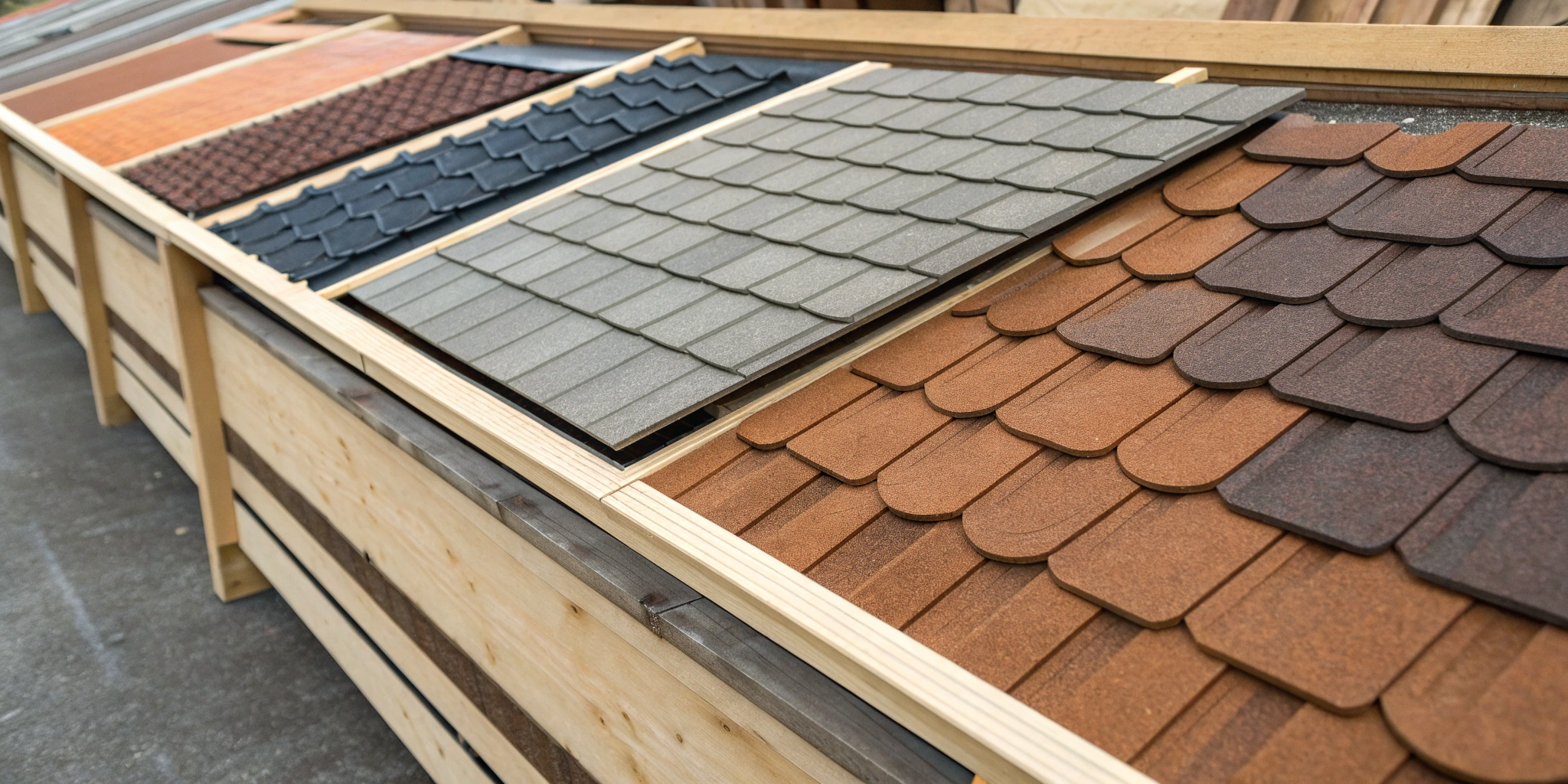
At their core, asphalt shingles are made from a fiberglass mat that’s coated with waterproof asphalt and topped with a layer of mineral granules. This simple but effective composition makes them great at shedding water while also providing crucial protection from the sun’s harsh UV rays—a must-have in our climate. They come in two main types: the classic 3-tab shingles, which offer a flat, uniform look, and the more modern architectural shingles. Architectural shingles are thicker and laminated, which creates a more dimensional, high-end appearance that can mimic the look of more expensive materials like wood or slate. While they may not have the centuries-long lifespan of tile, modern asphalt shingles are engineered to provide solid protection for years, making them a practical and dependable choice for your home.
Pros of Asphalt Shingles
The biggest advantage of asphalt shingles is their cost-effectiveness. They are one of the most affordable roofing materials on the market, both in terms of the product itself and the installation labor. Because they are lightweight and relatively easy to work with, a professional crew can often install an asphalt shingle roof much faster than, say, a heavy tile roof. This efficiency saves you time and money on the project. Beyond the price tag, you also get a ton of design flexibility. Asphalt shingles come in a huge variety of colors and styles, from deep charcoals to rustic reds, making it easy to find a look that complements your home’s exterior. Whether you prefer the simple look of 3-tab shingles or the textured appearance of architectural shingles, you can achieve great curb appeal on a budget.
Cons of Asphalt Shingles
While asphalt shingles are a great value, their primary drawback is a shorter lifespan compared to other materials. In the intense Florida sun and storm season, they typically last around 15 to 25 years, whereas materials like metal or tile can last 50 years or more. The constant UV exposure can cause the shingles to become brittle over time, and they are more susceptible to being lifted or torn off by high winds during a hurricane. They also require a bit more vigilance. You’ll want to keep an eye out for curling or cracked shingles, as well as granule loss in your gutters. After a major storm, it’s crucial to check for any potential hail damage, as impacts can compromise the shingle’s integrity and lead to leaks down the road.
Metal Roofing: The Durable Defender
If you’re looking for a roof that can stand up to just about anything, metal is a fantastic contender. Once thought of as just for barns or industrial buildings, modern metal roofing has become a popular choice for homeowners who value strength and longevity. It’s a true powerhouse, engineered to last for decades while offering a sleek, clean look that complements many home styles.
In a place like Central Florida, where we see everything from intense sun to hurricane-force winds, a roof’s resilience is non-negotiable. Metal roofing systems are designed to handle these extremes. They are lightweight yet incredibly strong, providing a formidable shield for your home without putting excess strain on its structure. This combination of strength and low weight is a significant advantage during severe weather events. Plus, with a wide array of colors and profiles available—from the clean lines of standing seam panels to styles that mimic traditional shingles or tiles—you don’t have to sacrifice beauty for brawn. It’s a smart, long-term investment in your home’s protection and value.
Pros of Metal Roofing
The biggest advantage of a metal roof is its incredible lifespan. While asphalt shingles might last 20-30 years, a properly installed metal roof can protect your home for 50 years or more. It’s exceptionally resistant to high winds, fire, and rot, making it one of the most durable residential roofing options available. Metal is also a champion of energy efficiency. Its surface reflects solar heat, which can significantly reduce your cooling costs during those long, hot Florida summers. On top of that, metal roofs are low-maintenance and are often made from recycled materials, making them a more sustainable choice.
Cons of Metal Roofing
The primary drawback of metal roofing is the upfront cost. It’s a more significant investment than traditional asphalt shingles, though its long life and energy savings can offset this over time. If the initial price is a concern, exploring financing options can make it more manageable. Some people also worry about noise during a rainstorm, and while modern installation with proper insulation greatly minimizes this, it can be louder than other materials. Finally, while very tough, some types of metal can be dented by severe hail. A professional hail damage inspection can assess any potential issues after a major storm.
Clay and Concrete Tiles: Timeless Florida Style
When you picture a classic Florida home, chances are a tile roof comes to mind. With their distinct, wavy shape and earthy tones, clay and concrete tiles are a perfect match for the Mediterranean and Spanish-style architecture popular throughout our state. They offer a timeless look that instantly adds character and curb appeal, setting a home apart from the rest of the neighborhood. But beyond their beauty, these tiles are a serious contender for any homeowner looking for a long-lasting roofing solution.
Made from either natural clay baked at high temperatures or a durable mixture of sand, cement, and water, tile roofs are built to withstand the elements. This isn’t just about looking good; it’s about performance. If you’re considering a tile roof for your home, it’s one of the most durable residential roofing options available. They provide a robust shield against the intense sun, heavy rain, and strong winds that Central Florida is known for. Their inherent properties make them a practical and stylish choice, but like any material, they come with their own set of considerations. Let’s break down what makes them great and what you need to know before making a decision.
Pros of Clay and Concrete Tiles
One of the biggest draws of a tile roof is its incredible lifespan—we’re talking 50 years or more with proper care. They are exceptionally durable and can handle Florida’s high winds without a problem. Because they are made from mineral and cement materials, they are naturally fire-resistant, adding a layer of safety to your home. Tiles also excel at keeping your home cool by allowing for natural air circulation underneath, which can help lower your energy bills during those long, hot summers. Plus, they come in a wide variety of colors and styles that won’t fade under the relentless sun, and they require very little upkeep over the years.
Cons of Clay and Concrete Tiles
The main consideration with tile roofing is its weight. Clay and concrete tiles are significantly heavier than materials like asphalt shingles, so your home’s structure must be able to support the extra load. A professional inspection is essential to confirm this. This weight and the specialized skill required for installation also contribute to a higher upfront cost. While incredibly durable, individual tiles can be brittle and may crack under direct impact or if walked on incorrectly, making repairs a job best left to the experts. These factors make professional installation not just a recommendation, but a necessity to ensure your roof performs as it should for decades to come.
Wood Shingles and Shakes: Rustic Charm
There’s no denying the unique, natural beauty of a wood roof. Wood shingles and shakes offer a classic, rustic look that can give a home incredible character and curb appeal. Shingles are typically machine-sawn for a uniform look, while shakes are hand-split, providing a more rugged, textured appearance. This material has been used for centuries, and for good reason. However, its organic nature comes with a specific set of pros and cons that are especially important to consider here in Central Florida, where sun, humidity, and storms are part of life. While they can be a stunning choice, they demand a certain level of commitment from a homeowner.
Pros of Wood Shingles and Shakes
The biggest draw of wood shingles and shakes is their aesthetic. They provide a gorgeous, natural look that blends beautifully with many architectural styles, from cozy cottages to grand, traditional homes. Beyond looks, wood is a fantastic natural insulator. Because it doesn’t conduct heat well, a wood roof can help keep your home cooler during our hot Florida summers and a bit warmer on those rare chilly winter nights. This can translate into some savings on your energy bills. For homeowners looking to achieve a specific, timeless style, the visual appeal of wood is often unmatched by other residential roofing materials.
Cons of Wood Shingles and Shakes
Unfortunately, the charm of wood comes with significant maintenance. Wood roofs require yearly upkeep to prevent them from losing their color and to fight off rot, cracking, and curling as they age—all issues that Florida’s humidity can accelerate. The most serious drawback, however, is their lack of fire resistance. Even with special coatings, wood roofs pose a higher fire hazard compared to materials like metal or tile, and they may not even be permitted in certain areas due to local fire codes. This vulnerability, combined with their susceptibility to moisture and pests, makes them a less practical choice for homeowners seeking a low-maintenance, long-lasting roofing solution.
Slate: The Luxury Long-Term Investment
If you’re looking for a roof that makes a statement and lasts a lifetime (or several), slate is in a class of its own. Made from natural stone, a slate roof is the definition of a long-term investment. It’s the kind of material you see on historic homes and grand estates for a reason: its beauty is timeless, and its durability is legendary. Think of it as the “forever roof.” While it comes with a significant upfront cost, the return is a stunning, incredibly resilient roof that you will likely never have to replace again. This isn’t just a functional choice; it’s an architectural upgrade.
Choosing slate means you’re prioritizing longevity and aesthetic appeal above all else. It’s not the right fit for every budget or every home’s structure, but for property owners who want the absolute best, slate delivers unparalleled performance and elegance. Its natural variations in color and texture mean no two slate roofs are exactly alike, giving your home a unique character that simply can’t be replicated with other materials. When properly installed by experts, a slate roof is more than just protection from the elements; it’s a lasting architectural feature that adds significant value to your property and sets it apart from every other house on the block.
Pros of Slate Roofing
The biggest advantage of slate is its incredible lifespan. A professionally installed slate roof can easily last 100 to 150 years, meaning it could genuinely be the last roof you ever purchase. Beyond its longevity, slate offers a classic, sophisticated look that dramatically enhances your home’s curb appeal and resale value. It’s also naturally fire-resistant, which provides an extra layer of safety and peace of mind. Because it’s a dense stone, slate is highly resistant to rot and insects, and it stands up well to Florida’s heavy rains and strong winds. It’s a beautiful and powerful shield for your home.
Cons of Slate Roofing
The primary drawback of slate is its cost. It is one of the most expensive roofing materials on the market, both in terms of the material itself and the specialized labor required for installation. Because the initial investment is high, many homeowners explore financing options to make it more manageable. Slate is also extremely heavy, and your home’s structure may need to be reinforced to support the weight, adding another layer of complexity and cost. Finally, slate tiles can be brittle and may crack if walked on improperly, so any future repairs or inspections require a skilled roofer who specializes in residential roofing with this unique material.
How to Choose the Right Material for Your Home
Picking the right roofing material feels like a huge decision, because it is! It’s about more than just choosing a color you like. Your roof is your home’s first line of defense, so you need to balance aesthetics, budget, and long-term performance. Thinking through a few key questions can help you land on the perfect choice for your home and lifestyle. And remember, a new roof is a major investment, but flexible financing options can make it much more manageable.
Can It Handle Florida Weather?
Here in Central Florida, our roofs go through a lot—scorching sun, torrential downpours, high humidity, and the occasional hurricane. Your roofing material needs to be tough enough to handle it all. Materials like metal and tile are fantastic for our climate. Metal roofing is designed to expand and contract with our dramatic temperature swings and stands up incredibly well to high winds. Similarly, concrete and clay tiles are heavyweights that resist wind uplift and aren’t susceptible to rot or insect damage in our humid environment. When you’re weighing your options, think about which material gives you the most peace of mind when a storm is brewing. After a major weather event, it’s always a good idea to get a hail damage inspection to catch any issues early.
How Much Upkeep Will It Need?
Be honest with yourself: how much time do you want to spend on roof maintenance? Some materials are more “set it and forget it” than others. Slate and metal roofs, for example, are famously low-maintenance and can last for decades with minimal fuss. On the other hand, materials like wood shakes require more regular attention to prevent moss or algae growth. Regardless of the material you choose, a little proactive care goes a long way. Regular inspections, keeping your gutters clean, and removing debris are essential for any roof. Neglecting these small tasks can lead to bigger, more expensive problems and even shorten your roof’s lifespan.
Will It Help Your Energy Bills?
An energy-efficient roof is a must-have in the Florida heat, and your choice of material can make a real difference in your cooling costs. Lighter-colored materials are a great start, but some are naturally better at keeping your home cool. Metal roofing is a superstar here because it reflects solar radiant heat, which can significantly reduce the workload on your AC unit. Concrete and clay tiles are also excellent insulators, creating a thermal barrier that helps maintain a more consistent indoor temperature. Investing in an energy-efficient residential roof isn’t just good for the environment; it’s a smart financial move that pays you back every month on your utility bill.
What’s the Impact on Curb Appeal?
Your roof makes up a huge portion of your home’s exterior, so its appearance matters. The right material can dramatically enhance your home’s style and increase its value. If you’re going for a classic, elegant look, nothing beats the timeless beauty of slate. For a more rustic or natural vibe, cedar shakes offer a warm, inviting aesthetic. Clay tiles are perfect for Mediterranean or Spanish-style homes, adding authentic charm. And don’t forget asphalt shingles—their versatility is unmatched, with a massive range of colors and styles to complement any architectural design. Think about the overall look you want to achieve and how your roof can help you get there.
Our Pick: The Best Roofing Material for Central Florida
So, what’s the final verdict? When you weigh all the options for a Central Florida home, one material consistently comes out on top. For us, the clear winner is metal roofing.
Let’s be real: Florida weather is no joke. Between the intense sun, heavy rains, and the constant threat of hurricanes, you need a roof that can truly hold its own. Metal roofing is built for this. It can withstand incredibly high winds and won’t crack or peel under the relentless UV rays. Plus, with a lifespan that can stretch from 40 to 70 years, it’s a one-and-done investment for many homeowners, giving you peace of mind for decades.
Here’s another huge plus: energy efficiency. Metal roofs are fantastic at reflecting solar heat away from your home, which can make a real difference in your cooling bills during those long, sweltering summers. In fact, some cool metal roofs can save homeowners up to 40% in summer cooling energy costs. They’re also resistant to rot, mildew, and insects—common headaches in our humid climate.
While the upfront cost for a metal roof is higher than for asphalt shingles, it’s important to look at the bigger picture. When you factor in the lower energy bills, minimal maintenance, and the fact that you likely won’t have to replace it again in your lifetime, the long-term value is undeniable. For its superior strength, energy savings, and longevity, metal is our top recommendation for protecting your Central Florida home.
Related Articles
- 4 Types of Roofs on Houses | Pros, Cons & Comparisons
- The Best New Roofing Materials: A Buyer’s Guide
- Your Guide to Residential Roofing (2021)
Frequently Asked Questions
How do I know if my home’s structure can support a heavy roof like tile or slate? That’s a great question, and it’s not something you should have to figure out on your own. Before installing a heavy material like tile or slate, a professional roofing contractor will perform a thorough inspection of your home’s structure. They’ll assess the rafters, decking, and overall framework to ensure it can safely handle the additional weight. If any reinforcements are needed, that will be identified and included as part of the project plan.
Are metal roofs really noisy when it rains? This is a common concern, but the idea of a loud, clanging metal roof is mostly a myth based on old-fashioned barns. Modern residential metal roofs are installed over a solid roof deck with layers of underlayment and insulation. This system effectively dampens the sound of rain, making it no louder—and sometimes even quieter—than the sound you’d hear with an asphalt shingle roof.
Besides cost, what’s the biggest difference between asphalt shingles and metal roofing? The most significant difference comes down to long-term performance, especially here in Florida. While asphalt shingles are a reliable choice, they are more vulnerable to high winds and can become brittle over time from constant sun exposure. A metal roof, on the other hand, is engineered to withstand hurricane-force winds and reflects the sun’s heat, which keeps it from degrading. This superior durability means you’ll have much more peace of mind during storm season and for many decades to come.
How long does a typical roof replacement take? The timeline for a roof replacement can vary depending on the size of your home, the material you choose, and the weather. For an average-sized house, a straightforward asphalt shingle installation can often be completed in two to three days. More complex materials like tile or metal, or roofs with steep pitches and multiple angles, might take a week or more. A professional team will always provide a clear and realistic schedule before any work begins.
My roof isn’t leaking, but it’s old. How do I know when it’s time for a replacement? Waiting for a leak is waiting too long, as water damage can be costly to repair. Instead, look for earlier warning signs. For asphalt shingles, this includes widespread curling or cracked shingles, or finding a lot of shingle granules in your gutters. For any roof, if you know it’s nearing the end of its expected lifespan, it’s smart to schedule a professional inspection. An expert can spot subtle signs of wear and tear and help you plan for a replacement before a small issue becomes a major problem.