Hail damage isn’t always as dramatic as a gaping hole in your roof. More often, it’s a collection of subtle clues: tiny dents, bruised shingles, and dislodged granules that you’d never notice from the ground. While these issues might seem minor, they compromise your roof’s integrity, creating weak spots that can lead to slow leaks and serious water damage over time. This is why a professional assessment is so crucial. An expert knows how to read these signs and understand their long-term implications. The best roof inspector for hail damage combines specialized training with hands-on experience to identify every point of failure, ensuring your insurance claim covers the full scope of the necessary repairs. This guide explains what inspectors look for and how you can find a qualified professional to protect your home.
Key Takeaways
- Prioritize credentials and local experience: Choose a licensed, local inspector with specialized training, like a HAAG certification. Their expertise in identifying damage and experience with the insurance process is essential for a successful claim.
- A proper inspection is a detailed process: A qualified professional will get on your roof for a hands-on examination, document all functional damage with photos, and provide a comprehensive report that distinguishes real issues from cosmetic ones.
- Use the inspection report to start your claim: Your inspector’s detailed report is your most important piece of evidence. Use it to file your insurance claim promptly, get accurate repair estimates, and ensure all damage is accounted for by your adjuster.
What Makes a Hail Damage Inspector Qualified?
After a hailstorm, your first instinct might be to call any roofer you can find. But when it comes to assessing hail damage, not all inspectors are created equal. The difference between a qualified expert and a general contractor can mean thousands of dollars in approved insurance claims and a properly repaired roof. A qualified inspector doesn’t just glance at your roof; they conduct a thorough investigation, document every detail, and understand how to communicate their findings to your insurance company. It comes down to a combination of specialized training, hands-on experience with the insurance process, and a solid local reputation. Choosing the right person is the most important first step you can take to protect your home. Let’s walk through the key credentials you should look for.
Check for Key Certifications and Training
When you’re looking for a doctor, you check for a medical degree. The same logic applies to hail damage inspectors. You want someone with specialized training who knows exactly what to look for. Certifications are a clear indicator of an inspector’s expertise. For example, a HAAG Certified Inspector has completed rigorous training in assessing all major types of roof damage, including hail. This certification is a testament to their ability to inspect your roof scientifically and write a comprehensive report. When you hire a certified professional for a hail damage inspection, you’re getting someone who can confidently and accurately distinguish hail damage from normal wear and tear.
Ensure They Have Insurance Claim Experience
Finding hail damage is only half the battle; the other half is getting your insurance company to cover the repairs. That’s why it’s so important to hire an inspector who has experience with the insurance claims process. They know how to document damage with the right photos and detailed notes that insurance adjusters require. Insurance companies often look for unbiased, expert opinions, and a report from a respected inspector carries a lot of weight. Ask potential inspectors about their experience working with insurance companies. A team that offers roof claim assistance can guide you through the paperwork and communication, making a stressful situation much more manageable.
Confirm They’re Licensed and Local
Always work with a licensed, insured, and local roofing company. A state license confirms they meet professional standards, while insurance protects you from any liability for accidents on your property. Hiring a local company means they have a reputation to uphold in the Central Florida community. They understand local building codes and weather patterns, and they’ll be around long after the job is done if you have any issues. After a major storm, out-of-state “storm chasers” often appear, offering quick, cheap fixes. A credible, local company providing residential roofing services is a much safer and more reliable choice for your home.
How to Find the Right Inspector in Central Florida
Finding the right professional to inspect your roof after a hailstorm is one of the most important decisions you’ll make. A thorough, honest inspection is the foundation for a successful insurance claim and a quality repair. But with so many options out there, how do you choose a qualified inspector you can trust? It comes down to doing a little homework. By following a few key steps, you can confidently find a local expert who will give you an accurate assessment and help you protect your home.
Read Local Reviews and Do Your Research
Your search should start online. Look for local roofing companies with a strong track record in Central Florida. Check out reviews on Google, Yelp, and the Better Business Bureau to see what past customers are saying. Pay close attention to comments about honesty and professionalism. A trustworthy inspector will give you a straightforward assessment, not just try to sell you a new roof you don’t need. Look for reviews that specifically mention hail damage inspections and how the company guided the homeowner through the process. Consistent positive feedback is a great sign that you’re on the right track.
Ask for Referrals and Compare Quotes
Don’t underestimate the power of a good recommendation. Ask friends, family, or neighbors who they’ve used and trusted for roofing work. Local community forums can also be a great source for referrals. Once you have a few names, reach out for an inspection quote. While your insurance provider will send their own adjuster, getting an independent inspection from a reputable roofer beforehand gives you a valuable second opinion. This helps you understand the full scope of the damage and ensures nothing gets overlooked when you file your claim.
Verify Their Credentials and Insurance
Before you let anyone on your roof, make sure they are properly qualified. A professional roofing company should be licensed to work in Florida and carry both general liability insurance and workers’ compensation. Ask for proof of these documents. You can also ask about special certifications. For example, a HAAG Certified Inspector has advanced training specifically for assessing storm damage, which is a huge plus. This level of expertise is crucial for an accurate report that will be respected by your insurance company and can simplify your roof claim assistance.
Learn How to Spot and Avoid Storm Chasers
After a major storm, you might notice an influx of contractors in your neighborhood. Be cautious of “storm chasers” who show up unannounced, offering a free inspection. Red flags include high-pressure tactics, demands for a large down payment, or out-of-state license plates. These companies often do subpar work and disappear, leaving you with a faulty roof and a voided warranty. Always choose a local, established company with a physical office in Central Florida. If you’re facing urgent issues, a trusted local expert can provide reliable emergency roof repair without the risk.
What Signs of Hail Damage Do Inspectors Look For?
After a hailstorm, you might look up at your roof and see nothing out of the ordinary. But hail damage is often subtle and easily missed by an untrained eye. A professional inspector knows exactly what to look for, from the smallest dents to hidden weaknesses that could cause major problems down the road. They’ll conduct a thorough check of your entire roofing system, because damage to one part often signals trouble in another. Understanding what they’re looking for can help you see why a professional hail damage inspection is so important for protecting your home.
Damage on Asphalt Shingles
Asphalt shingles are the most common roofing material in Florida, and they have a specific way of showing hail damage. An inspector will look for black spots where hailstones have knocked off the protective granules, exposing the asphalt layer underneath. You might also see shiny spots on the asphalt or find loose granules in your gutters. One of the most critical signs is a soft spot on the shingle, which can feel like a bruise on a piece of fruit. This indicates the shingle’s integrity has been compromised, making it vulnerable to leaks and further deterioration.
Damage on Wood and Metal Roofs
Different roofing materials show wear and tear differently. If you have wood shingles, an inspector will search for splits that look fresh, often appearing brown or orange with sharp edges. These splits are a clear sign of impact damage. For metal roofs, the most obvious sign is denting. While a few small dents might seem like a cosmetic issue, larger or numerous impacts can weaken the metal panels, compromise their protective coating, and create areas where water can pool. An inspector can identify the severity of these dents and determine if they affect the roof’s function.
Damage to Gutters and Flashing
An inspector’s job isn’t done after they’ve looked at the shingles. They’ll also carefully examine the supporting players of your roofing system, like gutters, downspouts, and flashing. Dents and dings on these metal components are often the first and most obvious signs of a significant hailstorm. Since these elements are designed to direct water away from your home, any damage can disrupt proper drainage and lead to water backing up under your eaves. Finding shingle granules in your gutters is another red flag, confirming that your roof has lost some of its protective outer layer.
What to Expect During the Inspection Process
Knowing what a professional hail damage inspection involves can take a lot of the stress out of the situation. It’s not just about someone climbing a ladder; it’s a systematic process designed to give you a clear picture of your roof’s health and provide the evidence you need for your insurance claim. A thorough inspection ensures nothing is missed, from tiny dings on your shingles to significant issues with your gutters and flashing. We’ll walk through the four main stages of a professional inspection, so you feel prepared and confident from the moment the inspector arrives at your door. This process is designed to be transparent and informative, giving you the tools to make the best decisions for your home. From the initial chat to the final report, you’ll know exactly what’s happening and why.
The Initial Consultation and Paperwork
The inspection begins on the ground with a conversation. Your inspector will ask about the storm, the age of your roof, and any specific leaks or problems you’ve noticed. They may also ask to review your insurance policy to understand your coverage from the start. This initial step is all about gathering information. The goal is to build a complete picture of the situation, which helps the inspector know what to look for. This detailed approach ensures the final report is accurate, making it easier for you to understand the scope of damage and get the roof claim assistance you need.
The Hands-On Roof Examination
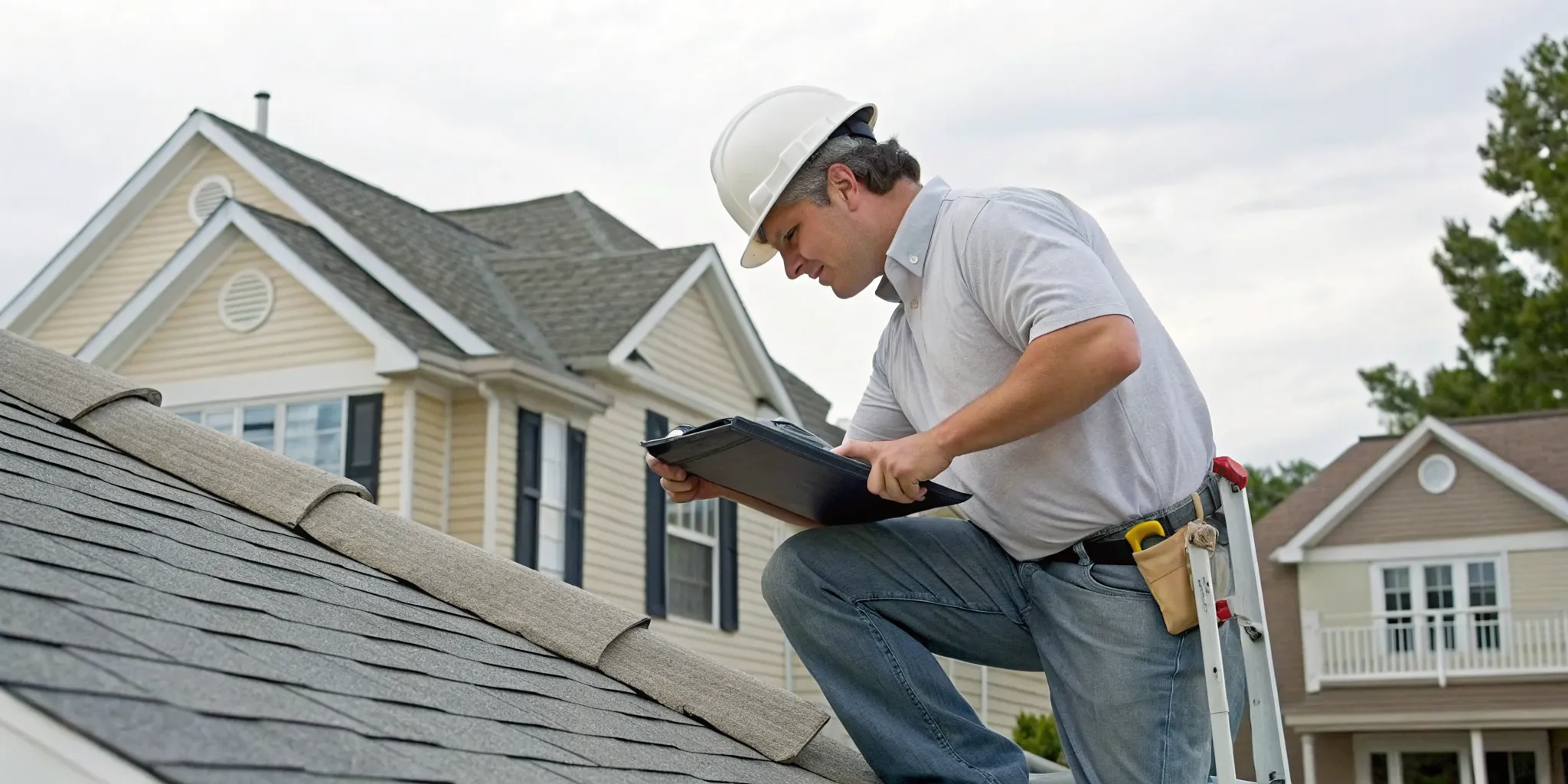
This is where the real detective work begins. A qualified inspector will get on your roof for a safe, hands-on examination. They won’t just do a quick walk-around. Many professionals use a methodical approach, marking off 10-by-10-foot test squares on each slope of your roof. Within these squares, they will document every sign of hail impact with chalk and take high-resolution photos. This creates a clear, undeniable record of the damage density and severity. This meticulous process is the hallmark of a proper hail damage inspection and ensures no detail is overlooked.
Your Detailed Report and Photos
After the physical inspection, you won’t be left with just a verbal summary. You’ll receive a comprehensive report that details all the findings in clear, easy-to-understand language. This document will be supported by the photos taken on your roof, providing visual evidence of every point of damage. This report is more than just a summary; it’s the primary evidence for your insurance claim. A detailed and accurate report makes it much easier for you and your insurance adjuster to understand the scope of the damage and the repairs needed to fully restore your roof’s integrity.
Understanding Functional vs. Cosmetic Damage
Your inspector will make a crucial distinction between functional and cosmetic damage. Functional damage is any impact that compromises your roof’s ability to shed water and protect your home from the elements. This includes cracks, punctures, or significant granule loss on shingles. Cosmetic damage, on the other hand, only affects the roof’s appearance without hurting its performance. This distinction is vital because insurance companies typically only pay to repair functional damage. An experienced inspector knows how to identify and document true functional damage, which is essential for a successful claim and helps you set realistic expectations for what your insurance policy will cover.
Your Roof Has Hail Damage. Now What?
Discovering hail damage on your roof can feel overwhelming, but don’t worry. There’s a clear, manageable process to get your roof repaired and your home protected again. The key is to take a deep breath and follow a few strategic steps. From documenting the damage to working with your insurance policy, having a plan will make all the difference.
Think of this as a roadmap. First, you’ll need to get your insurance company in the loop and understand the timeline you’re working with. Next, you’ll gather estimates from qualified, local professionals who can give you a clear picture of the repair costs. Finally, you’ll need to understand what your insurance will cover and what your out-of-pocket expenses might be. It might seem like a lot, but breaking it down makes it much simpler. A trusted roofing partner can guide you through each stage, ensuring nothing gets missed and you get the best possible outcome for your home.
Filing Your Insurance Claim the Right Way
Once a professional inspection confirms hail damage, your first call should be to your insurance agent. They will start the claims process and explain the next steps. It’s important to act quickly, as most policies have a limited time to file a claim, often around one year from the date the storm occurred. Waiting too long could risk a denial.
Before the insurance adjuster visits, it’s helpful to have your own documentation ready, including the detailed report from your roofer. This gives you a professional assessment to compare with the insurer’s findings. Having an expert on your side can be invaluable, which is why we offer roof claim assistance to help you manage the paperwork and communication, ensuring your claim is handled correctly from the start.
Getting Estimates for Your Roof Repair
After filing your claim, the next step is to get detailed repair estimates. It’s a good practice to get at least two or three bids from reputable, local roofing companies. Choosing a contractor who operates in your community means they understand Central Florida’s weather challenges and will be around to stand by their work for years to come.
A thorough estimate should be based on a detailed inspection, where the roofer documents damage across different sections of your roof, often using chalk and photos. This ensures the quote is accurate and reflects the full scope of work needed for your residential roofing project. Be wary of any bids that seem unusually low, as they may signal subpar materials or inexperienced labor.
Making Sense of Your Insurance Coverage
Understanding your insurance settlement can be tricky. Most insurance companies don’t cover the full cost of a brand-new roof if your old one had some age on it. Instead, they “depreciate” its value, meaning the initial payment will be for the roof’s current worth, not its replacement cost. This is often called Actual Cash Value (ACV).
Your policy might include Replacement Cost Value (RCV) coverage, which means you can recover the depreciation amount after the repairs are complete and you submit the final invoice. A professional roofer can help you review your adjuster’s report to make sure all damage is accounted for. If there’s a gap between the insurance payout and the final cost, exploring financing options can help you cover the difference without delay.
How Much Should a Hail Damage Inspection Cost?
After a hailstorm, one of the first questions on your mind is likely about cost. When it comes to a professional inspection, the price can vary. Some roofing contractors charge a fee, typically between $100 and $300, while many reputable companies, including Sky Light Roofing, offer a thorough hail damage inspection at no cost to you. The goal of this initial assessment is to give you a clear picture of your roof’s condition so you can make informed decisions without any upfront financial commitment.
While a free inspection is a great starting point, it’s helpful to understand why some companies charge and what factors can influence the price. The cost isn’t just a number; it often reflects the depth of the examination, the inspector’s experience, and the type of report you receive afterward. Whether you opt for a free or paid service, the most important thing is to work with a trusted, local professional who will give you an honest and accurate assessment of the damage. This initial step is critical, especially if you plan on filing an insurance claim.
What Factors Influence the Price?
If you encounter a company that charges for an inspection, several factors determine their fee. The complexity of your roof is a major one. A large, steep, or multi-level roof takes more time and equipment to inspect safely than a simple, single-story home. The type of roofing material also matters. Assessing damage on materials like metal or tile requires different techniques than inspecting standard asphalt shingles on most residential roofing systems. Finally, the inspector’s experience can play a role. A seasoned expert with specialized training may charge more for their detailed evaluation and insights, which can be invaluable when dealing with significant damage.
Free vs. Paid Inspections: What You Need to Know
The choice between a free and paid inspection often comes down to what you get. A free inspection from a trusted local roofer should be a comprehensive, no-obligation assessment. It’s a way for the company to earn your trust and business. However, be cautious of anyone who does a quick two-minute check from the ground. A proper inspection involves getting on the roof for a hands-on look. Paid inspections, on the other hand, usually guarantee a detailed written report with photos and repair estimates. This documentation can be extremely useful when you need roof claim assistance and want to provide your insurance company with solid evidence.
Related Articles
- Hail Damage Roof Insurance Claim Guide | Sky Light Roofing
- Storm Damage Roof Inspection: A Complete Guide
- How to Check for Hail Damage on a Roof in 5 Steps
- Wind Damage to Roof Insurance Coverage Explained
- Storm Roof Inspection – Skylight Roofing Inc.
Frequently Asked Questions
Why do I need an independent inspection if my insurance company is sending their own adjuster? Think of your roofer as your advocate. An insurance adjuster works for the insurance company, and while many are fair, their goal is to assess the damage from their company’s perspective. A qualified inspector you hire works for you. They perform a detailed examination to find all storm-related damage, not just the most obvious spots, and provide you with a comprehensive report. This gives you a valuable second opinion and ensures your claim reflects the full scope of repairs needed to protect your home.
What’s the difference between cosmetic and functional damage, and why does it matter? Functional damage is any harm that impacts your roof’s ability to do its job, which is keeping water out of your home. This includes things like punctures, deep dents that compromise the material, or significant loss of the protective granules on your shingles. Cosmetic damage, like minor scuffs or dents on gutters, only affects the appearance. This distinction is critical because most insurance policies are designed to cover functional damage, so having an expert who can accurately identify and document it is essential for a successful claim.
How can I tell a reputable local roofer from a “storm chaser”? A reputable local company will have a physical office in Central Florida, a history of positive customer reviews, and proper state licensing and insurance. They won’t use high-pressure sales tactics or ask for a large payment upfront. Storm chasers, in contrast, often appear right after a storm with out-of-state plates, offer deals that seem too good to be true, and may disappear once the work is done, leaving you with no warranty or support.
Is there a time limit for filing a hail damage claim after a storm? Yes, most insurance policies have a statute of limitations for filing a claim, which is often one year from the date of the storm. Because hail damage isn’t always visible from the ground and can worsen over time, it’s important to get a professional inspection done as soon as possible. Waiting too long could lead to your claim being denied, leaving you to cover the full cost of repairs yourself.
What should be included in a good inspection report? A thorough report should be much more than a simple price quote. It should include a detailed, written summary of all the findings, supported by high-resolution photos that clearly show the damage. Many professionals will mark the impacts with chalk to make them visible in pictures. The report should also distinguish between functional and cosmetic damage and provide a clear recommendation for the necessary repairs to restore your roof’s integrity.