Seeing damage to your roof after a storm can trigger an immediate DIY instinct. It seems simple enough: get a tarp, climb up there, and cover the hole. While the desire to act quickly is right, tackling this job yourself is filled with risks. Climbing on a wet, damaged roof is incredibly dangerous, and an improperly secured tarp can trap moisture, leading to rot, or fly off in the next gust of wind. This can cause even more damage and potentially jeopardize your insurance claim. Before you grab a ladder, it’s important to understand the difference between a quick fix and a professional solution for roof tarping in Central Florida, ensuring your home and your safety are properly protected.
Key Takeaways
- A roof tarp is your home’s first line of defense after damage: It’s an essential temporary measure that prevents immediate water intrusion, protecting your home’s interior and structure from more costly problems like mold and rot.
- Professional installation is non-negotiable for safety and insurance: Climbing on a damaged roof is dangerous, and an improper DIY job can jeopardize your insurance claim, so always hire a licensed and insured contractor to do the work correctly.
- Document everything to get your tarping costs covered: Most insurance policies cover emergency tarping as a necessary step to mitigate damage; take clear photos before work begins and keep all records to support your claim.
What Is Emergency Roof Tarping?
When a storm hits or a tree falls, your roof is your home’s first line of defense. If it gets damaged, you need a quick, reliable way to protect your property from further harm. That’s where emergency roof tarping comes in. Think of it as a critical first-aid measure for your roof. It’s a temporary but durable covering professionally installed over the damaged area to keep wind and water out.
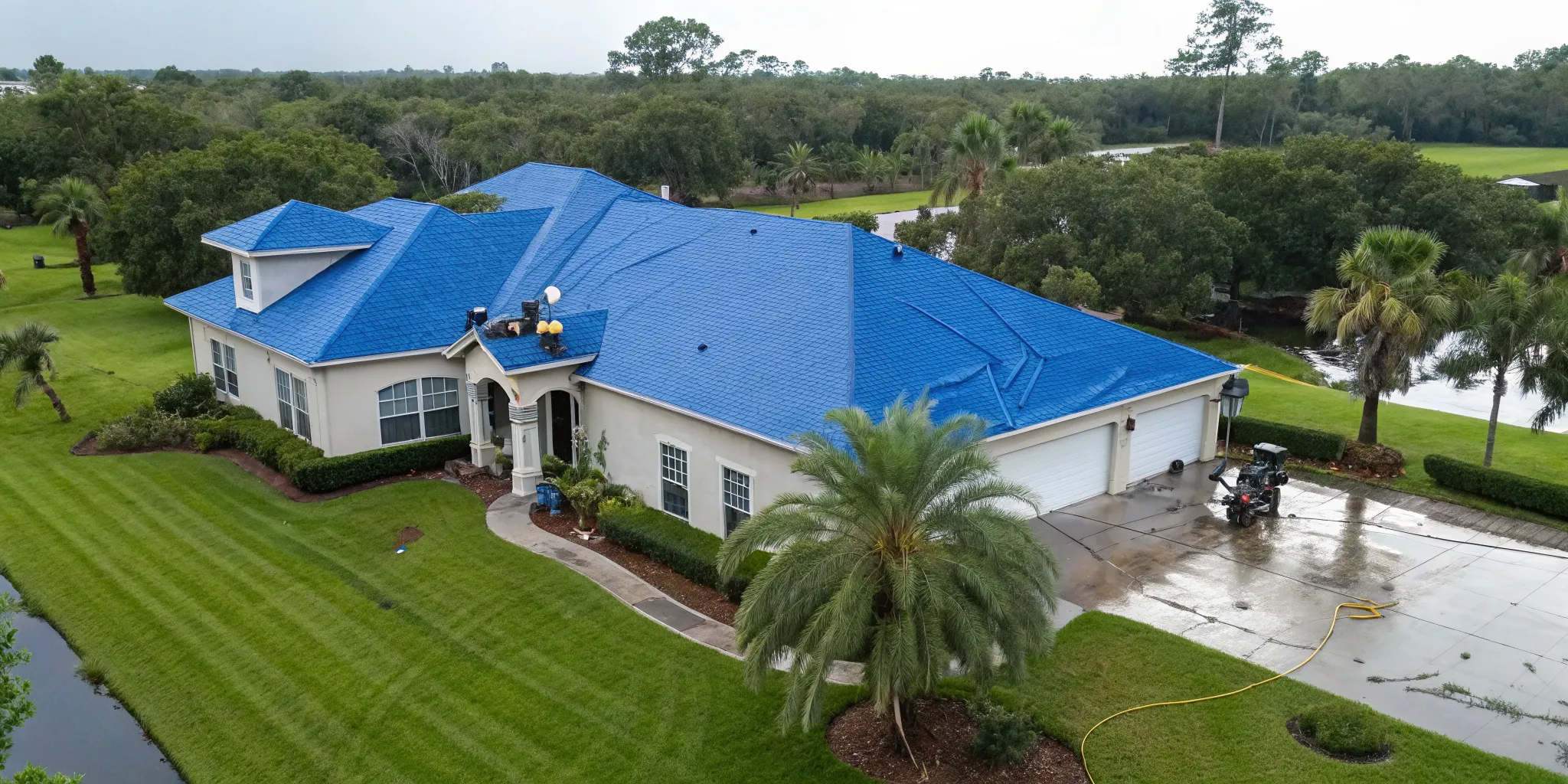
This isn’t just about throwing a blue tarp over a hole. Professional tarping involves securing a heavy-duty, waterproof material to your roof to create a tight seal that can withstand high winds and heavy rain. This immediate action prevents water from seeping into your home’s structure, attic, and living spaces while you arrange for a permanent fix. In a place like Central Florida, where the next rainstorm is never far away, getting a tarp on your roof quickly is one of the most important steps you can take after sustaining damage. It’s the essential bridge between the initial incident and a full, professional emergency roof repair. By taking this step, you’re not just covering a hole; you’re actively mitigating further damage, protecting your belongings, and maintaining a safe environment for your family until a long-term solution is in place.
What a Roof Tarp Does for Your Home
A professionally installed roof tarp is your home’s best friend after it’s been damaged. Its main job is to act as a barrier, shielding the vulnerable parts of your roof from the elements. When you have missing shingles, punctures from hail, or a hole from a fallen branch, a tarp covers that opening and stops rain from pouring in. This prevents immediate water damage to your ceilings, insulation, and drywall, saving you from more extensive and costly interior repairs.
Beyond just stopping leaks, a tarp helps protect the structural integrity of your roof deck and trusses from moisture, which can lead to rot and mold. It gives you peace of mind and the time you need to file an insurance claim and schedule a permanent solution for your residential roofing system without the constant worry of another storm rolling in.
Why Florida’s Weather Makes Tarping Essential
Living in Central Florida means enjoying plenty of sunshine, but it also means dealing with some of the most unpredictable and intense weather in the country. From sudden, torrential downpours to the seasonal threat of hurricanes, our climate puts roofs to the test. This is why emergency tarping isn’t just a good idea here; it’s essential. A small leak from storm damage can turn into a major interior disaster after just one of our classic afternoon thunderstorms.
The combination of heavy rain, high winds, and intense UV rays means that any breach in your roof needs to be addressed immediately. You simply can’t afford to wait and see if a small problem gets worse. Tarping provides an urgent, temporary shield that holds up against our unique weather challenges, protecting both commercial and residential properties until a professional crew can assess the damage and begin repairs.
Know When to Call for an Emergency Tarp
It’s not always obvious when you need to call for an emergency tarp. Of course, if a tree limb has crashed through your roof or you can see daylight through your attic, the need is clear. But you should also act fast if you notice less dramatic signs of damage after a storm. Look for a significant number of shingles missing, large dents from hail, or sagging areas on your roofline.
Inside your home, new water stains on the ceiling or walls are a major red flag that your roof’s integrity has been compromised. Don’t wait for a small drip to become a steady flow. Your safety is the top priority, so if you suspect major structural damage, it’s best to leave the property and call for help. Professional roofers offer 24/7 emergency services because they understand that disasters don’t wait for business hours.
DIY vs. Professional Roof Tarping: Which Is Right for You?
When a storm damages your roof, your first instinct might be to get it covered as quickly as possible. This leaves you with a big decision: should you climb up there and tarp it yourself, or should you call a professional? While the DIY route might seem like a quick and cheap fix, it comes with significant risks. Understanding the difference between a DIY job and a professional installation can help you protect your home, your safety, and your insurance claim.
The Risks of a DIY Tarp Job
Trying to install a roof tarp yourself can be a recipe for disaster. Climbing onto a wet, steep, or damaged roof is incredibly dangerous, especially without the right safety gear. A fall can lead to serious injury. Beyond the personal risk, an improperly installed tarp can cause even more problems for your home. If the tarp isn’t secured correctly, it can trap moisture underneath, leading to wood rot and mold growth. It could also fly off in the next gust of wind, leaving your home exposed again. A poorly done job might even give your insurance company a reason to deny your claim, turning a money-saving attempt into a costly mistake.
How Professional Installation Protects Your Property
Hiring a professional for emergency roof repair is the safest and most effective way to protect your property. Experienced roofers have the training and equipment to work safely at heights, even in challenging conditions. They know how to properly assess the damage and secure a heavy-duty tarp without causing further harm to your shingles or roof structure. Professionals use proven techniques to ensure the tarp creates a watertight seal that will hold up against wind and rain until permanent repairs can be scheduled. This expert installation gives you peace of mind that your home is truly protected from additional water damage.
Meet Insurance Requirements and Protect Your Claim
After your roof sustains damage, your insurance policy requires you to take reasonable steps to prevent it from getting worse. A professionally installed tarp is the best way to meet this requirement. It shows your insurance adjuster that you acted responsibly to mitigate further damage. Professional roofers provide proper documentation and ensure the tarp is installed to industry standards, which helps your claim go smoothly. If you need help with the process, our team offers roof claim assistance to make sure everything is handled correctly from the start. An improper DIY job, on the other hand, could jeopardize your coverage.
How Much Does Emergency Roof Tarping Cost in Central Florida?
When your roof is suddenly damaged, one of your first questions is likely about the cost of a temporary fix. Understanding the price of emergency roof tarping can help you make a quick, informed decision to protect your home from further damage. The total cost depends on a few key variables, including the size of the damaged area and the complexity of your roof. Let’s break down what you can expect to pay in Central Florida and what goes into that price.
A Look at Average Tarping Prices
In Central Florida, the cost for professional emergency roof tarping generally falls between $800 and $1,600. For a smaller roof or a localized damage area under 500 square feet, you might pay between $800 and $1,000. A medium-sized roof, from 500 to 1,000 square feet, typically costs between $1,000 and $1,400. If you have a larger roof over 1,000 square feet, the price can range from $1,400 to $1,600 or more. This price usually covers the cost of materials, like the heavy-duty tarp and sandbags, as well as the professional labor required for a secure installation.
What Factors Influence the Final Cost?
The size of your roof is the biggest factor, but it’s not the only one. The pitch or steepness of your roof can also affect the price, as a steeper roof is more difficult and dangerous to work on. The extent of the damage and the urgency of the situation play a role, too. A call for emergency roof repair outside of normal business hours might include an additional fee. Most importantly, professional installation is critical. A properly installed tarp not only protects your home from rain but also ensures you meet your insurance policy’s requirements for mitigating damage.
Understanding Emergency Fees and Financing
Facing an unexpected roof repair can be stressful, especially when it comes to the cost. Some companies may charge an extra fee for immediate, after-hours service, which can range from $100 to $400. This fee covers the cost of dispatching a crew at a moment’s notice. Because this is often an unplanned expense, many roofing companies offer flexible financing options to help you manage the cost without delay. Getting your roof tarped quickly is the first step, and working with a company that also provides roof claim assistance can make the entire process much smoother.
How to Choose the Right Emergency Tarping Service
When your roof is leaking, your first instinct is to get it covered as fast as possible. That urgency is valid, but hiring the wrong person can lead to more damage, a denied insurance claim, and a lot of extra stress. Taking a moment to find a qualified professional is one of the most important things you can do to protect your home. A reliable contractor will not only install the tarp correctly but also help you with the next steps, from damage assessment to permanent repairs. Here’s what to look for and what to avoid.
Verify Licenses and Insurance First
This is the most critical first step. A legitimate roofing contractor in Florida must have a state-issued license and carry both general liability insurance and workers’ compensation. This isn’t just red tape; it’s your protection. If an uninsured worker gets injured on your property, you could be held financially responsible. Likewise, if the contractor causes more damage to your home, their liability insurance covers the cost of repairs. Any reputable company will readily provide proof of their license and insurance. If a contractor is hesitant or can’t produce these documents, that’s a major red flag. Don’t just take their word for it; you can verify a license with the Florida Department of Business and Professional Regulation.
Ask These Questions Before You Hire
Once you’ve confirmed a contractor is licensed and insured, you need to know if they’re the right fit for the job. Having a few key questions ready can help you quickly assess their professionalism and experience. Start by asking about their response time, as a quick emergency roof repair is essential to prevent water damage from spreading. You should also inquire about their process for securing the tarp and the quality of materials they use. A good contractor will use thick, durable tarps and secure them with wood battens to avoid causing more damage to your shingles. Finally, ask about their experience with insurance claims. A company that offers roof claim assistance can be an invaluable partner in documenting damage and communicating with your provider.
Watch Out for These Contractor Red Flags
After a storm, be wary of “storm chasers” who travel to affected areas, often going door-to-door. While some may be legitimate, many are not. Red flags include high-pressure sales tactics, demanding a large cash deposit or full payment upfront, or offering a deal that seems too good to be true. Be cautious of anyone who wants you to sign a contract on the spot without giving you time to read it. A professional will provide a detailed, written estimate and a clear contract. Another warning sign is a contractor who dismisses the need for a thorough hail damage inspection and suggests a quick patch. A proper assessment is key to understanding the full extent of the problem and ensuring your insurance claim covers all necessary repairs.
Will Your Insurance Policy Cover Emergency Tarping?
After a storm rolls through Central Florida, the last thing you want to worry about is another unexpected bill. So, it’s completely understandable to wonder if your insurance will cover the cost of an emergency roof tarp. The short answer is that it usually does. Most homeowner’s insurance policies view emergency tarping as a necessary step to prevent further, more expensive damage to your home’s interior. Insurers often refer to this as “mitigating damages.”
However, coverage isn’t always guaranteed. It often depends on the specifics of your policy and what caused the damage in the first place. Dealing with insurance paperwork can feel overwhelming, especially when you’re already stressed about your home. Knowing what to expect and what steps to take can make the entire process much smoother. Let’s walk through what you need to know to get your tarping covered and protect your home without breaking the bank.
Find Out What Your Policy Covers
Your first step should be to pull out your homeowner’s insurance policy or simply give your agent a call. Ask them directly if emergency roof tarping is covered. In most cases, if the damage was caused by a covered event like a hurricane, hail, or a fallen tree, the cost of these temporary repairs should be included. It’s important to know that coverage can be denied if the damage resulted from neglect or a lack of maintenance. Your policy requires you to take reasonable steps to protect your property from further harm, and professional tarping is a perfect example of that responsible action.
Document Everything to Ensure a Smooth Claim
To make your insurance claim process as seamless as possible, documentation is your best friend. Before any work begins, take clear photos and videos of the roof damage from a safe location on the ground. Document the interior of your home as well, especially any water spots or leaks. Keep detailed records of all communication with your insurance company and your roofing contractor. A professional installation is key, as it shows you took the right steps to protect your home. Having this evidence makes it much easier to get your claim approved. Our team can help you with the roof claim assistance process from start to finish.
Common Myths About Tarping and Insurance Claims
A few common myths can trip homeowners up during the claims process. One is that a DIY tarp job is good enough. While it might seem like a quick fix, trying to tarp your own roof can be dangerous and may even lead to your claim being denied if it’s not done correctly. Another damaging myth is that if you don’t see an active leak, your roof is fine. After a storm, hidden issues can go unnoticed, leading to major problems later. That’s why a professional hail damage inspection is so important for catching problems before they escalate and ensuring your claim covers all necessary repairs.
What to Expect from a Professional Roof Tarping Service
When your roof is damaged, calling for professional help can feel overwhelming. You need a quick fix, but you also need it done right. Understanding what a professional roof tarping service involves can take some of the stress out of the situation. It’s more than just covering a hole; it’s a precise process designed to secure your property, prevent further damage, and set you up for a smooth repair process. A reputable team will handle everything with expertise, from the moment they arrive to the final nail. They’ll assess the damage, use the right materials, and ensure the temporary solution is strong enough to hold up against the elements while you plan your next steps. This professional approach not only protects your home but also helps with your insurance claim.
The Step-by-Step Installation Process
Once you make the call, a professional team gets to work quickly. The process starts with a thorough inspection to understand the full scope of the damage, much like a detailed hail damage inspection. A trained technician will identify every vulnerability, not just the obvious ones, to ensure the entire affected area is protected. After the assessment, they will carefully and securely fasten a heavy-duty tarp over the damaged part of your roof. They use specific methods to create a watertight barrier that prevents any more rain from getting into your home. This careful approach ensures the temporary fix is effective and doesn’t cause any new problems while you wait for a permanent solution.
Using the Right Materials and Techniques
A professional tarping job is defined by the quality of both the materials and the installation method. Forget the flimsy blue tarps from the hardware store; professional roofers use thick, tear-resistant, waterproof tarps designed to withstand high winds and heavy rain. They secure these tarps using wooden planks or furring strips along the edges, which are then nailed down to create a tight seal without causing additional damage to your roof. This technique prevents wind from lifting the tarp and ensures it stays put. Importantly, professionals perform this work in a way that insurance companies recognize and approve, which is a critical part of the roof claim assistance process and protects the validity of your claim.
After the Tarp: Planning Your Next Steps
A roof tarp is an excellent temporary shield, but it’s important to remember that it isn’t a permanent fix. Its job is to stop the immediate threat of water damage so you have time to plan your next move. Once the tarp is securely in place, your first priority should be to contact your insurance company to report the damage. The next step is to schedule a permanent emergency roof repair or full replacement. The same team that installed your tarp can provide a detailed assessment and quote for the necessary work, whether you need a simple patch or a complete overhaul of your residential or commercial roof. Acting quickly will get your property back to normal and prevent small issues from becoming major problems.
Related Articles
- How to Find the Best Roof Tarping Company After a Storm
- Emergency Roof Tarping Cost: A Price Guide
- Emergency Roof Tarping Service: A Homeowner’s Guide
- 24-Hour Roof Tarping: What You Need to Know Now
Frequently Asked Questions
How long can a professional roof tarp stay on my roof? A professionally installed tarp is a strong temporary fix, but it isn’t meant to be a permanent solution. Think of it as a durable bandage designed to protect your home for up to 90 days. This gives you the necessary time to work with your insurance company and schedule a permanent repair or replacement without the stress of potential water damage from the next storm.
Will the nails used to secure the tarp cause more leaks? This is a valid concern, but professional roofers use specific techniques to prevent this very problem. Instead of nailing directly into your roof, they secure the tarp with wooden battens. This method distributes pressure and creates a secure seal around the nail holes. It’s a system designed to hold fast against wind and rain without creating new entry points for water.
Should I wait for my insurance adjuster to see the damage before I get a tarp? You should not wait. Your insurance policy actually requires you to take reasonable steps to prevent further damage after an incident, and tarping is a key part of that. Waiting for an adjuster could allow more water into your home, leading to more extensive and costly repairs. Just be sure to take clear photos of the damage from a safe spot on the ground before the tarp is installed for your claim.
What’s the difference between a standard blue tarp and the one a professional uses? The tarps used by professional roofing companies are in a different league than the thin blue ones from a hardware store. Professionals use heavy-duty, tear-resistant materials that are much thicker and treated for UV resistance. This means they can stand up to Florida’s intense sun, high winds, and heavy rains far more effectively, providing reliable protection until a permanent repair is made.
Do I really need a tarp for just a few missing shingles? Even a small area of missing shingles can expose your roof’s underlayment and decking to moisture, which can lead to rot and interior leaks over time. While it may not seem like an emergency, it’s a vulnerability you don’t want to ignore, especially with Florida’s frequent rain. It’s always wise to have a professional assess the damage; they can tell you if a tarp is the right move to prevent a small issue from becoming a major headache.