Does every dark cloud on the horizon make you a little nervous? When you have an older roof, that feeling is completely understandable. The uncertainty around your insurance coverage can add another layer of stress, leaving you to wonder, “will insurance cover a 20 year-old roof” every time the wind picks up. You deserve to feel secure in your own home, regardless of the weather. This guide is designed to give you clarity and confidence. We will cut through the confusing insurance jargon and provide straightforward, actionable steps you can take to understand your policy, strengthen your position, and finally get some peace of mind.
Key Takeaways
- Focus on the cause, not just the age: Insurance is designed to cover sudden damage from specific events like storms or hail, even on an older roof; it will not cover issues that result from simple aging or poor maintenance.
- Know your policy’s payout method: Most insurers cover older roofs under an Actual Cash Value (ACV) policy, which pays for the roof’s depreciated worth, not the full Replacement Cost Value (RCV) needed for a new one.
- Document everything to build your case: Keeping detailed records of professional inspections and repairs provides proof of your roof’s condition, which can strengthen your claim and show that damage was not caused by neglect.
Will Insurance Cover Your 20-Year-Old Roof?
Figuring out if your homeowners insurance will cover an older roof can feel complicated, but it really comes down to a few key factors. The short answer is: maybe. Insurance companies view older roofs as a higher risk, so coverage isn’t always guaranteed. Your policy depends on the roof’s condition, its material, your maintenance history, and even where you live. Let’s walk through what insurers are looking for, so you can feel more prepared when it comes to your own policy.
What Insurers Look for in an Older Roof
From an insurer’s perspective, an older roof is a bigger gamble. As roofs age, they become more vulnerable to leaks, wind damage, and other issues that can lead to expensive claims. Because of this increased risk, an insurance company will look closely at your roof’s age when deciding whether to offer you a policy, how much to charge for premiums, and how they’ll handle a claim. A 20-year-old roof is often at or near the end of its expected lifespan, which makes insurers cautious. They want to see that despite its age, your roof is still in solid shape and capable of protecting your home.
How Your Roof’s Material and Lifespan Matter
Not all roofs are created equal, and the material on top of your house plays a huge role in how an insurer views its age. A standard asphalt shingle roof, which is very common, typically lasts about 20 to 25 years. So, at 20 years, it’s considered old. However, other materials like metal or tile can last 40 to 50 years or even longer. A 20-year-old metal roof is still in its prime and is much more likely to qualify for full coverage than an asphalt roof of the same age. Understanding the expected lifespan of your specific residential roofing material is the first step in knowing where you stand.
The Importance of a Maintenance History
A well-maintained older roof is always a better bet for insurance coverage than a younger, neglected one. If you can show that you’ve taken care of your roof, insurers are more likely to look on it favorably. This is where good record-keeping comes in handy. Keep a file with receipts and reports from any repairs or professional inspections you’ve had done over the years. This documentation proves you’ve been proactive in preserving your roof’s condition. A clean bill of health from a recent hail damage inspection or routine check-up can make a world of difference when it’s time to renew your policy or file a claim.
How Florida’s Weather Affects Your Policy
Here in Central Florida, our roofs face a unique set of challenges. The intense year-round sun, high humidity, heavy rains, and the constant threat of hurricanes and high winds can cause a roof to age much faster than it might in a milder climate. Insurance companies are very aware of these local risks and factor them into their policies. Because of our weather, they may be stricter about the age and condition of roofs they are willing to cover. This makes regular maintenance and prompt emergency roof repair after a storm even more critical for Florida homeowners.
Understanding Your Insurer’s Rules
It’s important to know what your policy actually covers. Generally, homeowners insurance is designed to protect you from sudden and accidental damage caused by events like storms, hail, or fire. It is not intended to cover issues that arise from normal wear and tear or a lack of maintenance. For older roofs, many policies will only pay out the “Actual Cash Value” (ACV). This means they subtract depreciation for age and wear from the replacement cost, leaving you with a smaller check. Getting familiar with your policy’s terms can help you manage expectations and get expert roof claim assistance if you need it.
What Does Coverage for an Older Roof Look Like?
When you have an older roof, your insurance coverage isn’t as straightforward as it is for a new one. Insurers see a 20-year-old roof as a higher risk, which changes how your policy works. The type of payout you can expect, the specific exclusions in your policy, and even your monthly premiums are all affected by your roof’s age. Understanding these details helps you know what to expect if you ever need to file a claim.
Actual Cash Value (ACV) vs. Replacement Cost Value (RCV)
The biggest difference in coverage for an old roof often comes down to two terms: Actual Cash Value (ACV) and Replacement Cost Value (RCV). RCV policies pay the full cost to replace your roof with a new one of similar quality, which is typical for newer roofs. However, most policies for roofs over 15 or 20 years old switch to an ACV payout. An ACV policy only pays what your old roof was worth at the time it was damaged. This means the insurance company calculates the payout by taking the replacement cost and subtracting depreciation for 20 years of age and wear. The final check will be significantly smaller than what you’d need for a full replacement.
Understanding Coverage Limits and Depreciation
Insurance companies view older roofs as more likely to fail, which makes them a bigger risk to insure. Because of this, your coverage options become more limited as your roof ages. Depreciation, or the decrease in your roof’s value over time, is the key factor here. After 20 years, your roof has depreciated significantly, which is why insurers will only offer ACV coverage. This protects them from paying to replace a roof that was already near the end of its expected lifespan. It’s their way of managing the high probability of leaks, storm damage, and other age-related issues that are common in Central Florida.
Common Policy Exclusions for Aging Roofs
It’s important to know that homeowners insurance is designed to cover sudden, accidental damage from specific events, which insurers call “covered perils.” This includes things like damage from a hurricane, wind, or a major hail storm. What your policy will almost never cover is damage that results from normal wear and tear or a lack of maintenance. An insurer won’t pay to replace your roof simply because it’s old and has worn-out shingles. If they determine the damage was caused by a pre-existing issue or neglect, they will likely deny the claim, leaving you with the bill.
How Age Can Change Your Premiums and Deductibles
An older roof doesn’t just affect a potential claim payout; it also impacts your regular insurance costs. Because a 20-year-old roof is considered a higher risk, you can expect to pay higher premiums. Some insurers may even require a separate, higher deductible specifically for wind or hail damage on an older roof. On the flip side, investing in a new roof can often lead to lower insurance rates. Insurers reward homeowners for reducing risk, and a brand-new roof, especially one made with durable, modern materials, is one of the best ways to do that.
What Damage Will Insurance Actually Cover?
Understanding your homeowner’s insurance policy can feel like trying to read a different language. When it comes to your roof, especially an older one, the line between what’s covered and what’s not can seem blurry. The key thing to remember is that insurance is designed to protect you from sudden, unexpected events, not from the natural aging process. Let’s break down what that means for your roof and what you can realistically expect from your policy.
Covered Events: Storms, Hail, and Wind
The good news is that your roof’s age doesn’t automatically disqualify you from coverage. Homeowner’s insurance is designed to cover damage from specific, unforeseen events, often called “acts of God.” This includes things like hurricanes, strong winds, fallen trees, and hail. If a hailstorm rolls through and leaves your shingles battered, your policy will likely cover the repairs, even on an older roof. A professional hail damage inspection can document the extent of the problem for your claim. The cause of the damage is what matters most, so if a covered peril is the culprit, your roof’s age becomes less of a factor in the initial decision to approve a claim.
What’s Not Covered: Normal Wear and Tear
On the other hand, your insurance policy isn’t a maintenance plan. It won’t cover damage that results from normal aging or a lack of upkeep. This includes issues like shingles that are cracking, curling, or losing granules simply because they’ve reached the end of their expected lifespan. Problems that develop slowly over time, such as a small leak you didn’t fix that eventually caused major water damage, are also typically excluded. Think of it this way: insurance covers the “what if,” not the “when.” Regular aging is a “when,” and it falls under your responsibility as a homeowner to maintain your residential roofing.
How Insurers Tell the Difference
So, how does your insurance company distinguish between storm damage and simple old age? It all comes down to an inspection. An insurance adjuster will visit your property to assess the roof and determine the cause of the damage. They are trained to spot the difference between the random, dented pattern of hail and the uniform cracking of old, sun-baked shingles. This is where having a professional on your side is invaluable. We offer roof claim assistance to help you document the damage correctly and present a clear case to your insurer, ensuring they have all the facts to make a fair decision.
Common Myths About Roof Coverage
There are a lot of misconceptions floating around about older roofs and insurance. One common myth is that a 20-year-old roof has no coverage at all. As we’ve discussed, this isn’t true if the damage is from a covered event. Another myth is that insurance will always pay for a brand-new roof. For older roofs, many policies provide “Actual Cash Value” (ACV), not “Replacement Cost Value” (RCV). ACV pays for the depreciated value of your old roof, not the full cost of a new one. This means your payout will be smaller, and you’ll have to cover the difference out of pocket.
How to Improve Your Chances of Getting Covered
Getting insurance for an older roof can feel like an uphill battle, but you have more control than you might think. Insurance companies are all about managing risk. If you can show them you’re a responsible property owner who actively maintains their roof, you stand a much better chance of securing good coverage. It’s about being proactive, not reactive. By taking a few key steps, you can build a strong case that your roof, regardless of its age, is a solid and insurable asset. Here’s how you can put yourself in the best possible position.
Schedule Regular Professional Inspections
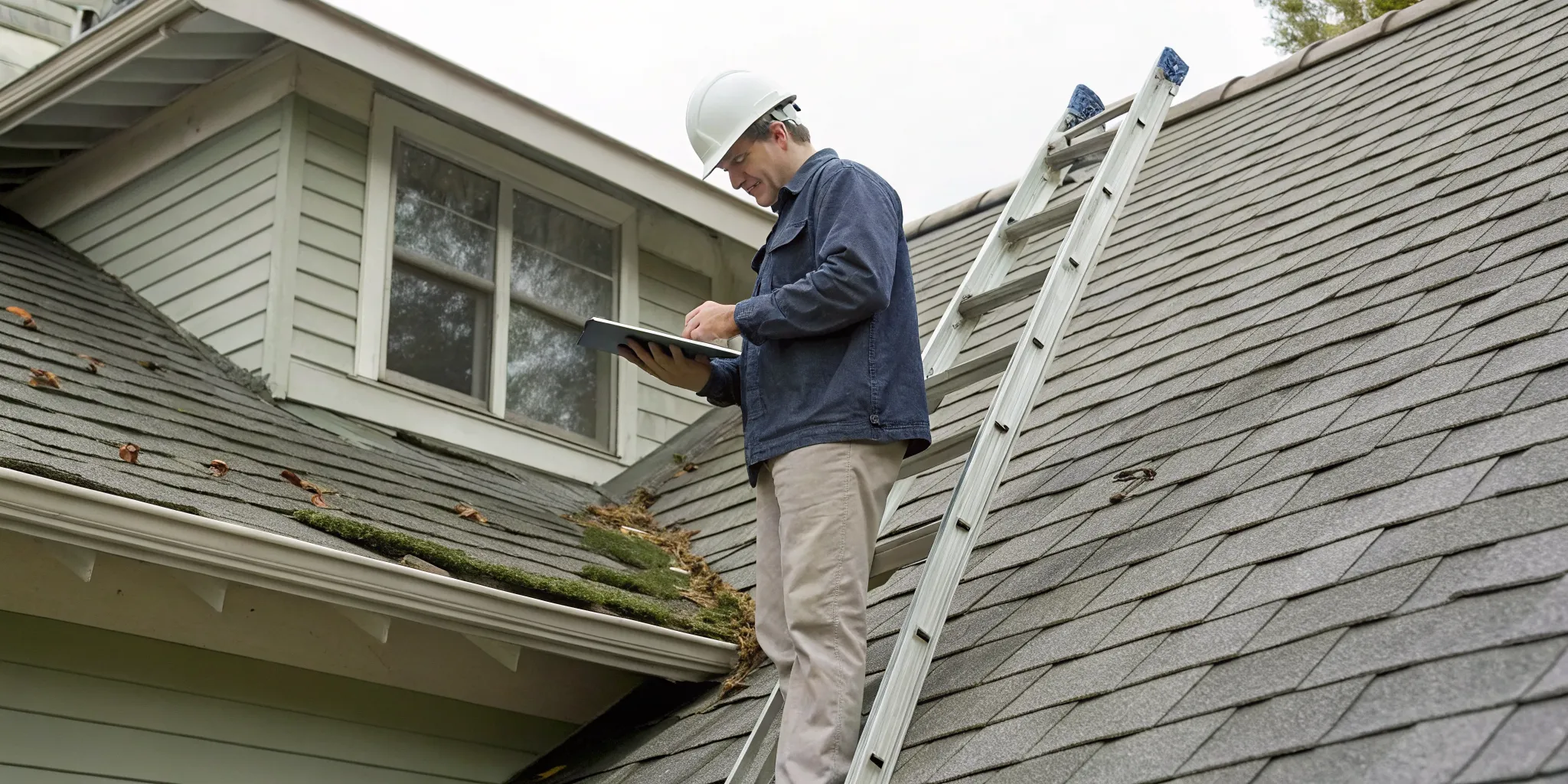
Think of a roof inspection like a regular health check-up. Having a professional look at your roof at least once a year helps you catch small issues before they become big, expensive problems. For an older roof, this is even more critical. A professional inspection report provides a credible, third-party assessment of your roof’s condition. This documentation is incredibly valuable when you file a claim, as it serves as proof that your roof was in good shape before a storm or other event caused damage. It shows your insurer that the damage was sudden and accidental, not the result of long-term neglect. A thorough hail damage inspection can also identify issues that aren’t visible from the ground.
Keep Detailed Records of Maintenance
If you want to prove your roof has been well-cared-for, you need a paper trail. Start a folder (digital or physical) and keep everything related to your roof in it. This includes receipts for repairs, contracts for any work done, before-and-after photos, and copies of all professional inspection reports. These documents are your evidence. When an insurance adjuster is reviewing your claim, a detailed maintenance history demonstrates your commitment to upkeep. This can make a huge difference in their decision, showing that you’ve done your part to protect your property. Having these records organized is also a major help when you need roof claim assistance.
Make Upgrades That Insurers Value
When it’s time for repairs or a full replacement, choosing the right materials can directly impact your insurance. Insurers love features that make a roof more resilient. In Florida, this often means using impact-resistant shingles that can stand up to hail and high winds. Upgrading to materials with a higher fire rating can also be a smart move. While these options might have a higher upfront cost, they can pay off in the long run with better insurance rates and an easier time getting coverage. When discussing a new residential roofing project, ask your contractor about materials that are favored by insurance companies in our area.
Fix Small Problems Before They Get Bigger
Insurance policies are designed to cover sudden, unexpected events, not gradual decay. This is a crucial distinction. A leak that develops from a tree branch falling on your roof during a storm is typically covered. A leak that develops over several years because of a few cracked shingles you never fixed is considered a maintenance issue, and your claim will likely be denied. Addressing small problems right away is one of the most important things you can do. Fixing a loose shingle or clearing your gutters prevents the kind of wear-and-tear damage that insurers won’t cover. If you do experience sudden damage, calling for an emergency roof repair can also prevent the problem from getting worse.
What to Do if Your Roof Insurance Claim Is Denied
Receiving a denial letter from your insurance company can feel like a major setback, especially when you’re already dealing with a damaged roof. But a denial isn’t always the end of the road. Understanding why your claim was rejected is the first step toward figuring out your next move. Often, there are clear, actionable steps you can take to appeal the decision or find a different solution to protect your home. Let’s walk through what to do if you find yourself in this situation.
Why Claims on Older Roofs Get Denied
Insurance policies are designed to cover sudden, accidental damage, not the natural aging process of your home. If your roof is around 20 years old, an insurer might deny a claim because they attribute the problem to normal wear and tear rather than a specific event like a storm. Insurers often deny claims on older roofs for a few key reasons: the roof has simply reached the end of its expected lifespan, it shows signs of neglect like missing shingles or slow leaks, or the damage is considered purely cosmetic. Your policy is there to protect you from unexpected events, not to pay for a roof that has aged out.
How to Appeal a Denied Claim
Don’t accept a denial at face value. If you believe the damage was caused by a covered event, you have the right to challenge the decision. Your first step should be to get a second opinion. A professional roofer can perform a thorough inspection and provide a detailed report on the roof’s condition and the specific cause of the damage. This documentation can be powerful evidence to share with your insurer. If the process feels overwhelming, our team offers roof claim assistance to help you organize your information and present a stronger case.
When to Work with a Roofing Professional
Having an expert on your side is invaluable, especially when dealing with insurance complexities. A professional roofer can help you understand confusing policy terms and provide an honest assessment of your roof’s health before you even file a claim. They can identify whether the damage is from a recent storm or from long-term wear, which helps set clear expectations. If you’re unsure about the state of your residential roofing, getting a professional inspection is a smart move that gives you the clarity needed to communicate effectively with your insurance company.
Finding New Insurance if Your Policy Is Dropped
Sometimes, an insurer will drop your policy altogether if your roof is deemed too old or high-risk. Finding new coverage can be challenging, but it’s not impossible. It’s a good idea to shop around, as different insurance companies have different rules and risk tolerances. One might be willing to cover you when another isn’t. Ultimately, the best way to secure and maintain homeowners insurance is to replace an aging roof. This not only protects your home but also makes it much more attractive to insurers. If cost is a concern, exploring financing options can make a necessary replacement more manageable.
When Is It Time to Replace Your Roof?
If you’re struggling to get insurance coverage for your 20-year-old roof, it might be a sign that it’s nearing the end of its functional life. While repairs can fix specific issues, there comes a point when a full replacement is the smarter, safer, and more financially sound decision. Insurers see an old roof as a liability, and replacing it not only solves that problem but also protects your home from Florida’s unpredictable weather. A new roof is a significant investment, but it comes with peace of mind, better protection, and a much smoother relationship with your insurance company. Understanding the warning signs and the benefits can help you decide when it’s the right time to make the switch.
Warning Signs You Need a Replacement
Your roof will give you clues when it’s ready for retirement. Look for shingles that are curling, cracking, or buckling. You might also notice bald spots where the protective granules have worn away; you’ll often find these granules collecting in your gutters. Inside your home, water stains on the ceiling or walls are a major red flag. It’s important to remember that insurance is designed to cover sudden, accidental damage, not the inevitable effects of aging. An insurer will not pay for a new roof simply because it’s old and showing signs of normal wear and tear. If you spot these issues, it’s time to consider a full residential roofing replacement.
The Insurance Perks of a New Roof
Installing a new roof is one of the best things you can do for your home’s insurability. For insurance companies, a new roof means lower risk. It’s built with modern materials to current building codes, making it far more resilient against wind, rain, and hail. This reduced risk can translate directly into benefits for you. Many homeowners find that replacing an old roof is the key to getting full insurance coverage, often at a lower premium. Instead of facing policy non-renewals or sky-high rates, you become a much more attractive customer to insurers, ensuring your home stays protected without the constant worry.
How a New Roof Affects Your Coverage
The type of coverage you can get is heavily influenced by your roof’s age. With an older roof, most insurance policies will only offer Actual Cash Value (ACV) coverage. This means if your roof is damaged, the payout you receive is reduced based on its age and depreciation. You’ll get a check for what your 20-year-old roof was worth, not what it costs to buy a new one. In contrast, a new roof typically qualifies for Replacement Cost Value (RCV) coverage. With RCV, your policy will pay the full cost to replace your damaged roof with new materials, giving you the funds you actually need to complete the roof claim assistance process and make repairs.
Exploring Your Financing Options
If your roof is getting old, the best first step is to have it professionally inspected. A roofer can assess its condition and give you a clear idea of its remaining lifespan. From there, you can review your insurance policy and speak with your agent about your options. While replacing your roof is a major expense, it often solves insurance headaches and ensures your home is properly protected. If the cost is a concern, many roofing companies offer convenient financing plans. These options can make a necessary replacement much more manageable, allowing you to protect your investment without draining your savings.
Related Articles
- What to Do If Insurance Won’t Pay for Roof Damage
- Will Insurance Cover a Roof Leak After Heavy Rain?
- Shingles Blown Off Roof Insurance: Are You Covered?
- Wind Damage to Roof Insurance Coverage Explained
- Wind Damage Roof Repair: A Step-by-Step Guide
Frequently Asked Questions
My 20-year-old roof looks fine. Why is my insurance company so concerned about its age? From an insurer’s perspective, age equals risk. Even if your roof appears to be in good shape, a 20-year-old asphalt shingle roof is at or near the end of its expected lifespan. This makes it statistically more likely to fail during a storm, which could lead to a very expensive claim for the insurance company. Here in Florida, the intense sun and heavy rain accelerate that aging process, so insurers are especially cautious about older roofs.
What does ‘Actual Cash Value’ actually mean for my wallet if my old roof is damaged? Actual Cash Value, or ACV, means your insurance company will pay you for what your roof was worth at the moment it was damaged, not what it costs to buy a new one. They calculate this by taking the cost of a new roof and subtracting a significant amount for 20 years of depreciation. This means the check you receive will likely be much smaller than the bill for a full replacement, leaving you to cover the remaining cost out of your own pocket.
If a hurricane damages my old roof, am I automatically covered? Not necessarily. While hurricane damage is a covered event, your roof’s age and condition still play a major role. An insurance adjuster will inspect the damage to determine if it was caused directly by the storm or if the roof failed because of pre-existing issues like old, brittle shingles. If they conclude that the damage was due to normal wear and tear, they could deny your claim, even if it happened during a hurricane.
What’s the most important thing I can do to keep my older roof insurable? The single best thing you can do is prove you’re a proactive homeowner. This means scheduling regular professional inspections and keeping a detailed record of all maintenance and repairs. This paper trail shows your insurer that you have done everything possible to maintain your roof’s condition. It helps build a strong case that any damage was caused by a specific event, like a storm, rather than by neglect.
My insurance company wants to drop my policy because of my roof’s age. What should I do? This is a common issue for homeowners with older roofs, and it’s often a clear sign that it’s time for a replacement. While you can shop around for a different insurer, many will have similar rules about roof age. The most effective long-term solution is to invest in a new roof. A replacement not only protects your home but also makes you a much more attractive customer to insurance companies, often resulting in better coverage and lower premiums.