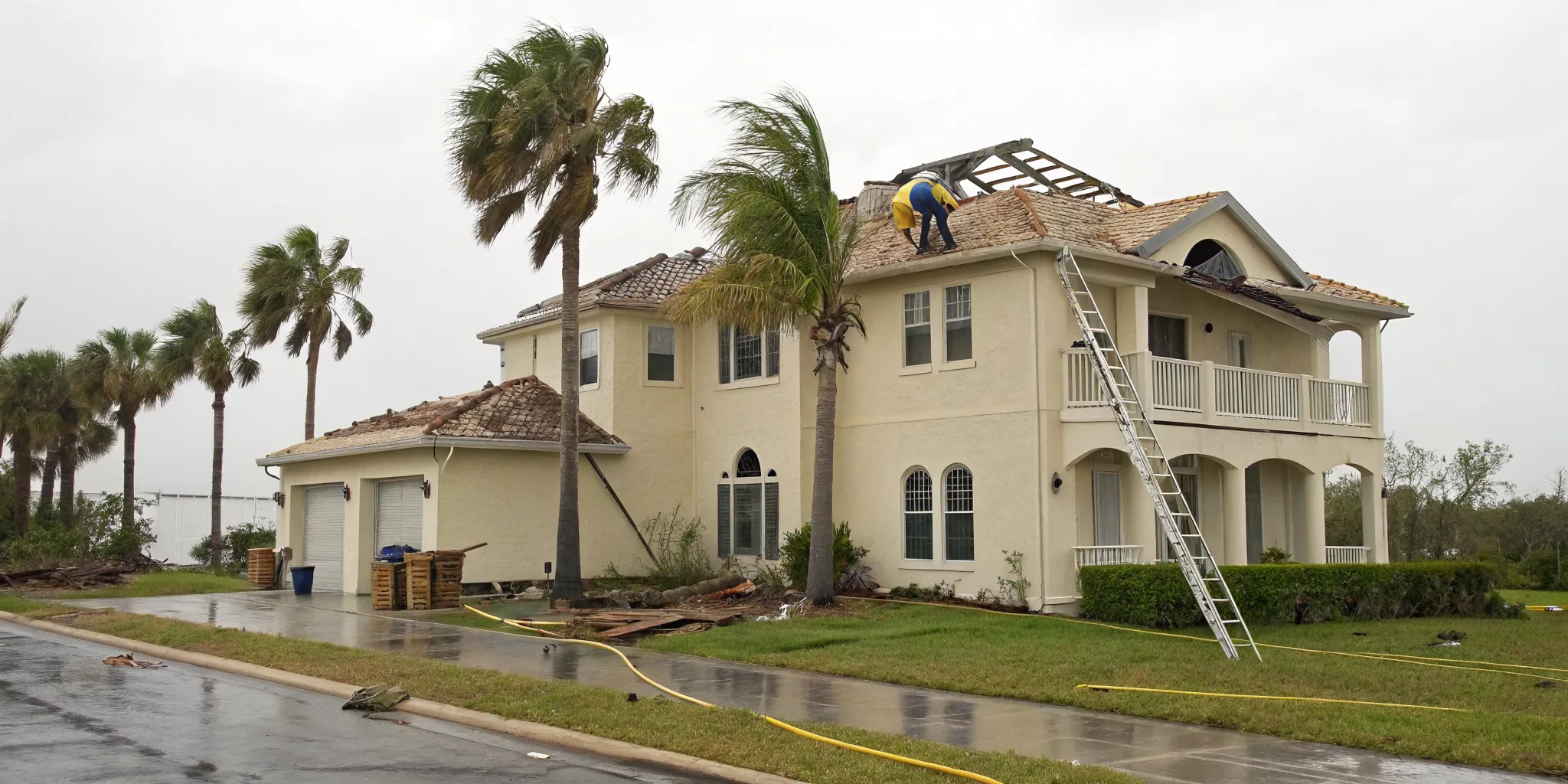
After a storm rolls through, your phone might start ringing with offers from contractors you’ve never heard of. It’s a high-pressure situation; your home is vulnerable, and you need help fast. But choosing the right company is one of the most critical decisions you’ll make. The wrong choice can lead to shoddy work, warranty issues, and more headaches down the road. This is when a trusted, local expert makes all the difference. You need a team that understands Florida weather, has a reputation to protect in our community, and will be here long after the job is done. This guide will walk you through what to look for in a company providing emergency storm damage repair Daytona homeowners can rely on, ensuring you hire a partner who will restore your home and your peace of mind.
Key Takeaways
- Act quickly and strategically after a storm: Your first priorities should be to confirm your family’s safety, document every angle of the damage with photos for insurance, and get emergency tarping to prevent further water intrusion.
- Choose a local roofer for a smoother recovery: A local, insured professional understands Florida’s weather, can respond faster for emergency service, and has the experience to help you with the insurance claim process.
- Understand the repair process and your payment options: A professional restoration follows a clear path from assessment to completion, and costs can be managed through your insurance policy, flexible financing, or a combination of both.
What to Do Right After a Storm Damages Your Home
The wind has died down, the rain has stopped, and you’re left to face the aftermath. Seeing your home damaged by a storm is overwhelming, but what you do in the next few hours is critical. Taking a deep breath and following a few key steps can protect your family, prevent further damage, and make the insurance process much smoother. It’s all about moving forward with a clear plan. Focus on these three immediate priorities: checking on your family’s safety, documenting every detail of the damage, and securing your property from additional harm.
Ensure Your Family’s Safety First
Before you even think about the property, your first priority is your family. Check on everyone to make sure they are okay. If the storm was severe, be cautious when moving around your home. Look for immediate hazards like downed power lines outside, the smell of gas, or any visible structural damage that could make the house unsafe. If you have any doubts about your home’s stability, it’s best to evacuate to a safer location. Property can be repaired and replaced, but your family’s well-being is what matters most. Don’t try to be a hero; wait for professionals to assess any serious structural or electrical issues before re-entering questionable areas.
Document the Damage for Your Insurance Claim
Once you know everyone is safe, it’s time to switch into documentation mode. Your insurance company will need proof of the damage, and your phone is your best tool for this. Walk around your property and take as many photos and videos as you can. Capture wide shots of the entire roof and close-ups of specific problem areas like missing shingles, dents from hail, or damage from fallen branches. Don’t forget to document damage to siding, windows, and gutters. If water has entered your home, photograph the interior damage as well. This detailed record is essential for a smooth roof claim assistance process and ensures you get the coverage you deserve.
Secure Your Property to Prevent Further Damage
After a storm, your home is vulnerable. A damaged roof can let in rain, leading to serious water damage, mold, and structural problems down the line. Your next step is to take temporary measures to prevent the situation from getting worse. This might involve covering a hole in the roof with a tarp or boarding up a broken window. While these are not permanent fixes, they are crucial for protecting your home until professional help arrives. Getting on a wet, damaged roof is dangerous, so this is a job best left to experts who can provide emergency roof repair services safely and effectively. Acting quickly to secure your property can save you thousands in future repairs.
How to Choose a Daytona Storm Damage Repair Company
After a storm hits, the rush to find a reliable repair company can feel overwhelming. Your home is damaged, you’re stressed, and the last thing you need is the added worry of hiring the wrong contractor. Taking a moment to vet your options is one of the most important things you can do to protect your investment and your peace of mind. A great storm damage professional will not only fix your roof but also guide you through the entire process, from the initial inspection to the final insurance paperwork.
Choosing the right team means looking for a combination of local expertise, proven reliability, and a commitment to customer support. You want a partner who understands Daytona’s unique weather challenges and has a solid reputation in the community. This guide will walk you through the essential qualities to look for, helping you find a trustworthy contractor who can get your home back to normal quickly and correctly.
Find a Local, Licensed, and Insured Pro
When your roof is damaged, it can be tempting to hire the first contractor who knocks on your door. However, it’s crucial to work with a company that is local, licensed, and fully insured. A local roofer has a reputation to uphold in the Daytona community and understands regional building codes and weather patterns. They’ll be here long after the job is done. Proper licensing ensures the contractor meets state standards, while liability and worker’s compensation insurance protect you from any financial responsibility for accidents that might happen on your property. These credentials are non-negotiable and are the first sign of a professional residential roofing company.
Prioritize 24/7 Availability and a Fast Response
Storm damage doesn’t wait for business hours, and neither should your repair company. Water intrusion from a damaged roof can lead to serious structural issues and mold growth in a matter of hours. Look for a contractor who offers 24/7 availability and can provide a fast response. A company that can quickly dispatch a team for an emergency roof repair can prevent minor damage from becoming a major catastrophe. Getting a temporary fix, like a tarp, in place right away can save you thousands of dollars in interior repairs while you wait for a permanent solution.
Ask About Warranties and Insurance Claim Help
A reputable contractor will always stand behind their work. Before signing a contract, ask about the warranties they offer for both materials and workmanship. A strong warranty provides long-term protection and shows that the company is confident in the quality of its repairs. Additionally, the insurance process can be complicated. A contractor experienced with storm damage claims can be an invaluable asset. They can help document the damage, meet with your insurance adjuster, and ensure all necessary repairs are included in your claim. This roof claim assistance can make a stressful process much smoother.
Check Recent Reviews and References
A company’s history is the best predictor of its future performance. Before making a final decision, take some time to read recent online reviews from other Daytona homeowners. Look for consistent feedback on their professionalism, communication, and the quality of their work. Don’t just rely on testimonials from their website; check independent sites like Google and the Better Business Bureau. You can also ask the contractor for a list of local references. Speaking directly with a few past customers will give you honest insight into what you can expect and help you hire with confidence.
Why a Local Expert Matters for Storm Repair
When a storm hits, your main goal is to get your home secured as quickly as possible. It can be tempting to hire the first contractor who knocks on your door, but this is often a mistake. After major weather events, out-of-state companies, sometimes called “storm chasers,” flood the area looking for work. While they might promise a quick fix and a low price, they often lack local knowledge, may not be properly licensed in Florida, and could be gone by the time you notice any issues with their work. This can leave you with a faulty repair and no one to call for warranty service.
Choosing a local, established roofing company is one of the most important decisions you’ll make during the repair process. A local expert is invested in the community. Their reputation is built on the quality of their work and the satisfaction of their neighbors, not on making a quick profit and moving to the next town. They understand the specific challenges Daytona homeowners face, can get to you quickly when you need them most, and will be here long after the storm has passed to stand by their repairs. This local presence and accountability provide a level of peace of mind that you just can’t get from a temporary operation.
They Understand Daytona’s Weather
Central Florida’s weather is unique, and your roof takes the brunt of it. From the intense summer sun and humidity to the high winds of a hurricane and the sudden threat of hail, our homes need to be ready for anything. A local roofer has firsthand experience with these conditions. They know exactly what kind of damage to look for after a storm and understand which roofing materials hold up best against our climate. This expertise is crucial for a thorough hail damage inspection and for recommending repairs that will last. They are also well-versed in local building codes, ensuring your roof is not just repaired, but brought up to the current standards for storm-readiness.
They Can Respond Quickly
After a storm tears through, time is of the essence. A missing shingle or a punctured roof can quickly lead to major water damage, threatening your home’s structure and creating a breeding ground for mold. This is where a local company has a major advantage. Because their teams are already in the Daytona area, they can offer a much faster response time. When you have a leak, you need help now, not in a few days. A local contractor can provide prompt emergency roof repair services, often arriving the same day to assess the damage and apply temporary protection like a tarp to prevent the problem from getting worse while you wait for permanent repairs.
They Can Help with Your Insurance Claim
Dealing with insurance paperwork is the last thing you want to worry about when your home is damaged. A seasoned local roofer has likely worked with every major insurance provider in the area and understands the claims process inside and out. They can provide the detailed documentation, photos, and professional assessment your insurance adjuster will need to approve your claim. This partnership is invaluable. Having an expert on your side can streamline the entire process, reduce your stress, and help ensure you receive fair compensation for all covered damages. Many local roofers offer dedicated roof claim assistance to guide you from the initial filing to the final repair.
What Does Storm Damage Restoration Include?
When a storm hits, the aftermath can feel overwhelming. You’re not just dealing with a few broken shingles; you’re facing a process. Storm damage restoration is a comprehensive service designed to take your home from its damaged state back to being safe, secure, and sound. It’s not a single action but a series of carefully coordinated steps. A professional team will manage the entire project, from immediate emergency measures to the final touches that make your house feel like home again. This process typically involves securing your property, addressing water damage, repairing or replacing your roof, and making sure no long-term problems like mold take root.
Emergency Tarping and Board-Up
The very first priority after a storm is to stop any more damage from happening. Think of it as first aid for your home. Professional crews provide emergency roof repair services that include putting heavy-duty tarps over damaged sections of your roof to keep rain out. If windows are broken or walls are exposed, they’ll board them up securely. This critical step protects your home’s interior, your belongings, and the structural integrity of the building from further exposure to the elements. It’s a temporary fix, but it’s the essential first move that buys you the time needed for a full assessment and permanent repairs.
Water Removal and Structural Drying
Once your home is protected from the outside, the focus shifts to the inside. Water intrusion is one of the most destructive parts of storm damage. Restoration experts use powerful, specialized equipment to remove any standing water from your home. After the water is gone, the job isn’t done. They bring in industrial-grade dehumidifiers and high-velocity air movers to thoroughly dry out everything from carpets and drywall to the underlying wood structure. This structural drying process is vital for preventing warping, swelling, and the kind of deep-seated moisture that can lead to rot and bigger problems down the road.
Roof Repair or Replacement
With the immediate threats handled, it’s time to address the main issue: your roof. A thorough inspection will determine the extent of the damage. Sometimes, a targeted repair is all that’s needed to replace missing shingles and fix leaks. However, widespread damage, especially from hail or high winds, might mean a full roof replacement is the safer, more cost-effective option in the long run. Whether you need residential roofing services for your family home or work on a larger commercial property, this step restores your primary shield against Florida’s weather, ensuring your property is protected for years to come.
Mold Removal and Prevention
Where there’s water, there’s a risk of mold, and it can start growing in as little as 24 to 48 hours. A complete restoration process always includes a plan for mold. Water restoration experts are trained to identify existing mold, even if it’s hidden behind walls or under floors. They use specific techniques and antimicrobial treatments to safely remove it and prevent it from returning. This isn’t just about cleaning a surface; it’s about protecting your family’s health and ensuring the air quality in your home is safe. It’s the final, crucial step in making sure your home is truly restored.
How Quickly Should I Expect Help After a Storm?
When your roof is leaking and your home is exposed, every minute feels like an hour. You need help, and you need it fast. But what’s a realistic timeline? While a full repair won’t happen overnight, you should expect a prompt response from a reliable roofing company. The key is understanding the difference between the initial emergency service and the complete restoration process.
A trustworthy local roofer knows that time is critical after a storm. Their first goal is to assess the situation and prevent further damage, often by applying emergency tarps. This initial response should happen quickly. After that, several factors determine the schedule for the full repair, from the extent of the damage to the speed of your insurance claim. A good contractor will keep you informed every step of the way.
Understanding Emergency Response Times
After a storm, your first call should be to a company that offers emergency roof repair. Many local roofing experts, including us at Sky Light Roofing, have teams ready to go 24/7 because we know disasters don’t stick to a 9-to-5 schedule. When you call, you should expect to speak with someone right away or get a call back very quickly, usually within the hour.
The initial visit is all about damage control. A crew should arrive at your home promptly to assess the roof, document the damage for your insurance claim, and secure the property. This often involves tarping over holes to keep water out. This first response is designed to protect your home from further harm while a permanent repair plan is developed.
What Affects a Contractor’s Availability
While a roofer can get to your home quickly for an initial inspection, the timeline for the final repairs can be longer. Several factors outside of anyone’s control can create delays. After a major storm hits Central Florida, demand for qualified roofers skyrockets, and even the largest companies can get booked up. The severity of the damage to your own roof also plays a big role; a few missing shingles is a much quicker fix than a collapsed section.
The biggest variable is often the insurance process. Getting an adjuster to your property and receiving approval for the work can take time. This is where having a roofer who provides roof claim assistance can make a huge difference. Other potential hurdles include waiting for building permits from the city or dealing with material shortages, which are common after widespread storm events.
How Does the Storm Damage Insurance Process Work?
Dealing with insurance after a storm can feel like a second storm hitting your finances. It’s often a confusing process, but knowing the steps can make it much more manageable. The key is to be prepared, document everything, and work with a professional who can advocate for you. Let’s walk through what you can expect when you file a storm damage claim for your roof.
Filing Your Claim and Meeting the Adjuster
The moment it’s safe to go outside, your first task is to document the damage. Take clear photos and videos of everything, from missing shingles to dented gutters and any interior leaks. The more evidence you have, the smoother your claim will be. Next, contact your insurance provider to file a claim as soon as possible; many policies have a time limit for reporting damage. They will assign an adjuster to your case who will schedule a visit to inspect your property. It’s a good idea to be home for this appointment so you can point out all the areas of concern you’ve documented.
How Your Roofer Can Help with the Claim
You don’t have to face the insurance adjuster alone. A trustworthy roofing contractor is your best ally in this process. Before the adjuster arrives, we can perform a thorough inspection to identify all storm-related issues, including subtle damage like hail impacts that an untrained eye might miss. We can then meet with the adjuster on-site, providing a professional opinion and a detailed estimate to ensure the scope of damage is accurately represented. Our roof claim assistance is designed to help you get a fair assessment, making sure nothing is overlooked so you receive the full amount you’re entitled to for repairs.
Understanding Your Coverage and Costs
The final payout from your insurance company will depend on your specific policy, your deductible, and the adjuster’s assessment. It’s important to review your policy to understand what’s covered. The cost of storm damage repairs can vary widely, but many homeowners find themselves paying a few thousand dollars out-of-pocket after their deductible. If the settlement doesn’t cover the full cost of a quality repair, or if you’re facing a high deductible, don’t worry. We offer convenient financing options to ensure you can afford the necessary repairs without delay, protecting your home from further damage.
The Storm Damage Repair Process, Step by Step
Dealing with storm damage can feel chaotic, but the repair process itself is actually quite structured. Knowing what to expect can make a stressful situation feel much more manageable. A professional roofing contractor will guide you through a clear, step-by-step process designed to get your home secure and back to normal as quickly as possible. From the first emergency call to the final quality check, here’s a look at how it works.
Step 1: The Emergency Call and Damage Assessment
The moment you realize your roof is damaged, your first move should be to call a trusted local roofer. Time is critical, and a prompt response can prevent a small problem from becoming a major one. When the team arrives, their immediate priority is to secure your property. This often involves emergency roof repair tactics like tarping to stop active leaks and prevent further water damage. Next, they will conduct a thorough inspection to document every detail of the damage. This professional assessment is essential for your insurance claim, providing the clear evidence needed to get your repairs approved.
Step 2: Creating the Repair Plan and Timeline
Once the initial assessment is complete, your contractor will develop a detailed repair plan. This isn’t just a quick quote; it’s a comprehensive strategy that outlines the full scope of work, the materials needed, and a realistic timeline for completion. A good plan ensures there are no surprises along the way. Your roofer should walk you through every step, explaining what needs to be done and why. Whether you need a few simple repairs or a full residential roofing replacement, this plan acts as the roadmap for restoring your home and gives you a clear understanding of the entire project.
Step 3: Final Repairs and Quality Check
This is where the restoration happens. Skilled technicians will carry out the repairs outlined in your plan, from replacing damaged shingles to addressing structural issues. Throughout this phase, a reputable company will maintain a clean and safe worksite. After the work is done, a final quality check is performed. This involves a detailed inspection and a walkthrough with you to ensure every detail meets your expectations and industry standards. This final step is also when your contractor can provide any necessary documentation to help you finalize your roof claim assistance and close out the project, leaving you with a safe, secure roof.
Common Types of Storm Damage in Central Florida
Central Florida weather keeps us on our toes. Storms can roll in with little warning, bringing a mix of wind, rain, and sometimes hail. When a storm hits, your roof is your home’s first and most important line of defense. Understanding the specific ways a storm can harm your roof is key to protecting your property and making smart decisions about repairs. After the skies clear, knowing what to look for can help you catch problems before they escalate into much bigger, more expensive issues.
Most storm-related issues fall into three main categories: damage from high winds and flying debris, leaks and water intrusion from heavy downpours, and the surprisingly destructive impact of hail. Each type of damage presents its own set of challenges and requires a specific approach to repair. For instance, a few missing shingles might seem like a small problem, but they can leave your home vulnerable to significant water damage in the next rainstorm. Similarly, hailstone impacts can create hidden fractures that compromise your roof’s integrity over time. Getting familiar with these common threats will empower you to take swift, effective action to secure your home and work confidently with your insurance company.
Damage from High Winds and Debris
Fierce winds are a hallmark of Florida storms, and they can be incredibly tough on your roof. High-speed gusts can get underneath the edges of shingles, lifting them, curling them, or tearing them off completely. This leaves the underlayment and roof deck exposed to the elements. Beyond just lifting shingles, strong winds also turn loose branches and other debris into projectiles that can strike your roof, causing punctures or cracking tiles. Even if you don’t see missing shingles from the ground, it’s wise to check for any debris on your roof. These impacts can lead to unexpected and complicated repairs, so addressing them quickly is essential for your home’s protection.
Leaks and Water Intrusion
Where there’s wind damage, water is often not far behind. Heavy, wind-driven rain can force its way into your home through the smallest openings, like those created by lifted shingles or debris impacts. Once water gets past your roof’s outer layer, it can saturate insulation, seep into your attic, and leave tell-tale stains on your ceilings and walls. A small drip can quickly become a serious problem, leading to wood rot and damaged drywall. The cost to fix water damage can add up fast, so if you suspect a leak, it’s crucial to act immediately. A professional can perform an emergency roof repair to stop the water and prevent further issues.
Roof Damage from Hail
Hail might not seem as dramatic as high winds, but it can cause significant, often hidden, damage to your roof. Hailstones can strike your shingles with enough force to knock off the protective granules, which act like sunscreen for the asphalt layer underneath. This creates “bruises” or soft spots that expose the shingle to UV rays, causing it to deteriorate much faster. On metal or tile roofs, hail can cause dents and cracks. Because this type of damage isn’t always visible from the ground, a professional hail damage inspection is the best way to assess the situation. Catching hail damage early can save you from needing a full roof replacement down the line.
How to Pay for Storm Damage Repairs
Figuring out how to cover the cost of unexpected storm damage can feel just as stressful as the storm itself. When your roof is leaking or missing shingles, you need repairs done quickly, but the price tag can be a major worry. It’s a common concern for homeowners across Central Florida, who know that a storm can leave behind a hefty repair bill. The good news is you have options, and you don’t have to face it alone. Most homeowners use a combination of their insurance coverage and other payment solutions to get their homes back in shape without draining their savings. Understanding how these options work ahead of time can make a huge difference when you’re under pressure. Let’s walk through the two main ways to pay for your storm damage repairs so you can move forward with confidence and a clear plan.
Using Your Insurance Payout
Your homeowner’s insurance policy is your first line of defense. Before you do anything else, pull out your policy documents or call your agent to understand what’s covered. Pay close attention to your deductible, which is the amount you’ll pay out of pocket before your insurance kicks in. Documenting everything is key, so take plenty of photos and videos of the damage. A trustworthy roofer can be your best partner in this process. They can provide a detailed inspection and estimate, which is crucial for your claim. Many, like us, also provide roof claim assistance to help you work with your insurance adjuster and make sure nothing gets missed.
Exploring Payment Plans and Financing
Sometimes, insurance doesn’t cover the full cost of repairs, or maybe you have a high deductible you need to meet. In other cases, you might need to start repairs before the insurance check arrives. This is where payment plans and financing come in. You don’t have to put off critical repairs because you’re worried about paying a large sum all at once. Many roofing companies understand this and offer flexible solutions to ease the financial pressure. By exploring convenient financing options, you can get the work done now and pay over time in manageable installments, protecting both your home and your budget.
Related Articles
- Hire Storm Damage Repair Contractors With Confidence
- How to Fix a Roof After a Hurricane: A Complete Guide
- Roof Repair After Hurricane: A 7-Step Guide
Frequently Asked Questions
Should I call my roofer or my insurance company first after a storm? It’s a great idea to call a trusted local roofer first. A professional can come out right away to assess the situation and apply an emergency tarp to stop any active leaks. This professional inspection also provides you with clear documentation of the damage, which is incredibly helpful to have on hand when you contact your insurance provider to file your claim.
What if I can’t see any damage from the ground? Is an inspection still necessary? Yes, a professional inspection is always a smart move after a major storm. Some of the most common types of damage, like hail bruises or wind-lifted shingles, are very difficult to spot from your yard. A trained expert can safely get on your roof to identify these subtle problems before they have a chance to become major leaks.
A roofer knocked on my door offering a cheap, fast repair. Is this a good idea? You should be very cautious with contractors who show up uninvited. After a storm, out-of-town companies often arrive promising quick, low-cost work, but they may not be properly insured and could be gone by the time you notice any issues. It is always better to work with an established local company that has a solid reputation and will be here to stand by their repairs.
How long does the entire storm damage repair process usually take? The timeline has two main stages. The emergency response to secure your property should happen very quickly, often the same day you call. The schedule for the permanent repair or replacement depends on several things, including the severity of the damage, the availability of materials, and the speed of the insurance approval process. Your contractor should provide a clear timeline once a full plan is in place.
What happens if my insurance claim doesn’t cover the full cost of the repair? This is a common concern, especially if you have a high deductible or if the insurance settlement falls short. You should never have to delay essential repairs or settle for lower quality work due to cost. Many reputable roofing companies offer flexible financing options, which allow you to complete the project right away and cover the expense through manageable monthly payments.