The sound of high winds is unsettling, but the silence after a storm can bring a different kind of anxiety, especially when you think about potential repair costs. Facing roof damage is stressful, and the thought of dealing with inspections, contractors, and insurance claims can feel overwhelming. Where do you even begin? We created this guide to be your roadmap. We’ll walk you through assessing the damage, understanding your options, and managing the costs associated with roof repair for wind damage Florida. You don’t have to figure this out alone; here are the clear, simple steps to take.
Key Takeaways
- Know the signs of wind damage: After a storm, check for missing shingles from the ground and look for water stains on your ceilings inside; documenting any issues with photos is a crucial first step before calling for a professional inspection.
- Choose materials and a contractor wisely: Your roof’s performance in a storm depends on both the material and the installation, so select durable, wind-rated options and always verify your contractor is licensed and insured to meet Florida’s building codes.
- Prepare for the repair and insurance process: Get a detailed assessment from a trusted roofer to understand your costs, as a good contractor will help you with your insurance claim and can offer financing to make unexpected repairs more manageable.
How to Spot Wind Damage on Your Florida Roof
After a big storm rolls through, your first thought might be about downed trees or power outages. But it’s just as important to check on your roof. High winds can cause serious problems that aren’t always obvious from the ground. Knowing the warning signs can help you catch damage early and prevent small issues from turning into costly repairs. Here’s a simple guide to inspecting your roof safely after a storm.
What to Look for on the Outside
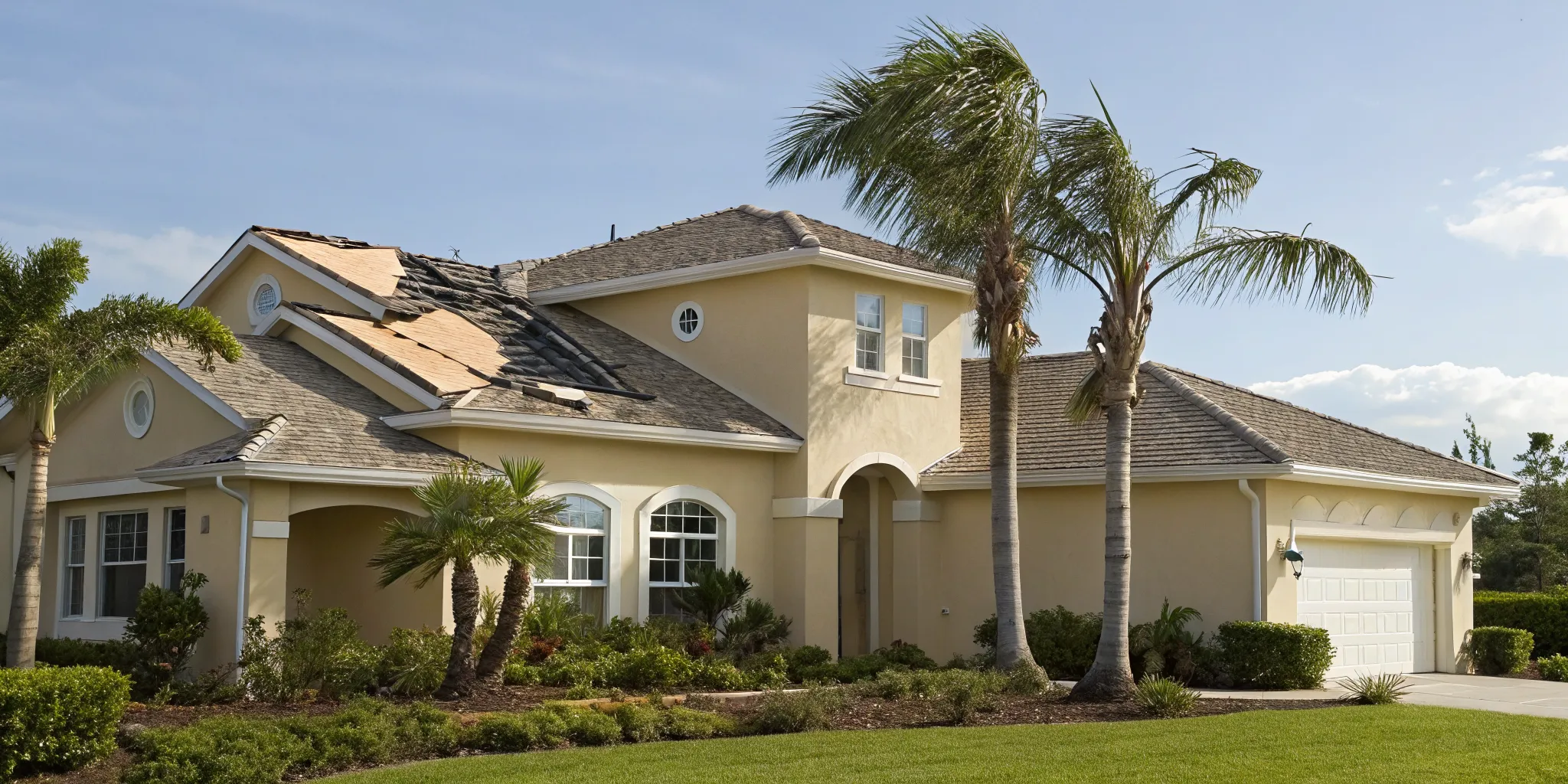
Your first inspection should always be from the safety of the ground. Walk around your property and look up at your roof from different angles. Keep an eye out for shingles that are missing, cracked, or curled at the edges. You might also see shingles that are flapping or look bent out of shape. Another tell-tale sign is finding granules, the little sand-like particles from asphalt shingles, in your gutters or on the ground near your downspouts. Also, check for damaged flashing (the metal strips around vents and chimneys) or any tree limbs or debris that landed on your roof. These are all clear indicators that the wind has taken a toll on your residential roofing.
Warning Signs Inside Your Home
Roof damage doesn’t always stay on the outside. Sometimes, the first clue that something is wrong appears inside your house. After a storm, make it a habit to check your ceilings and walls for new water stains, which often look like yellowish or brownish circles. You might also notice paint bubbling or peeling in the corners where the wall meets the ceiling. Pay attention to any musty odors in your attic or upper-floor rooms, as this can signal hidden moisture. Of course, any active drips are an immediate red flag. A small leak can quickly lead to major problems like mold growth and structural rot, so it’s important to act fast if you see any of these signs and call for an emergency roof repair.
When to Call a Professional
Even if your initial check doesn’t reveal any obvious problems, it’s smart to schedule a professional inspection after a severe storm. Some types of wind damage are subtle and can be easily missed by an untrained eye. A professional roofer has the training and safety equipment to get on your roof and spot hidden issues like lifted shingles or compromised seals that could cause leaks later on. Getting a professional assessment also provides you with the proper documentation you’ll need if you decide to file an insurance claim. An expert can guide you through the process and ensure all damage is accounted for, which is a huge help when you need roof claim assistance.
What Are the Best Roofing Materials for Florida Wind?
Choosing the right roofing material in Florida is about more than just curb appeal. It’s your home’s primary defense against hurricane-force winds, so the material you pick is a critical decision for protecting your family and your investment. The right roof can mean the difference between a few minor repairs and a major failure during a storm. Let’s look at the top contenders to help you feel confident about the roof over your head.
Metal vs. Asphalt vs. Tile: A Comparison
Metal, tile, and asphalt shingles are the three most common choices for residential roofing in Florida, each with its own strengths. Metal roofing is a champion of durability, often lasting 40 to 70 years with exceptional resistance to high winds. Concrete and clay tiles are also heavyweights, known for their impact resistance and long lifespan. While asphalt shingles are the most budget-friendly option upfront, they typically have a shorter lifespan and may not offer the same level of long-term protection in our storm-prone climate.
Understanding Wind Ratings and Florida Building Codes
It’s not enough for a roof to look strong; it has to meet specific performance standards. Wind ratings measure how well a roofing system can withstand high winds, a non-negotiable factor here in Florida. For example, a standing seam metal roof can be rated for winds up to 180 mph, far exceeding the state’s strict building codes. However, the material is only half the equation. Proper installation is what ensures your roof performs as expected during a storm. A correctly installed roof is your best defense against severe weather.
Weighing Cost Against Durability
It’s true that high-performance materials like metal and tile come with a higher initial price tag, but it’s helpful to think of your roof as a long-term investment. A metal roof might cost more upfront, but its 40- to 70-year lifespan means you may never have to replace it again. Compare that to asphalt shingles, which might need replacing every 15 to 20 years. Over time, the more durable option can save you money and stress. To make these high-quality options more accessible, we offer convenient financing to protect your home without breaking your budget.
How Much Do Wind Damage Repairs Cost in Florida?
After a storm, one of the first questions on any homeowner’s mind is, “How much is this going to cost?” The price for wind damage repair can vary quite a bit, depending on several key factors. Understanding these variables can help you set realistic expectations and prepare for the expense. Whether you’re dealing with a few loose shingles or more significant damage, there are ways to manage the cost without compromising on safety or quality.
What Affects Your Repair Costs?
The final bill for your roof repair depends on a few main things. First is the extent of the damage; replacing a few shingles is much less expensive than repairing a large, compromised section. Your roofing material also plays a big role, as asphalt, metal, and tile have different price points. Finally, urgency matters. If you need an emergency roof repair service to place a tarp and prevent further water damage, that initial protection can cost between $300 and $1,000. This temporary fix is crucial for protecting your home while you plan for a permanent solution.
Emergency Patch vs. Full Replacement Costs
For minor to moderate wind damage, like replacing missing shingles or securing loose flashing, repair costs generally fall between $1,000 and $3,000. This covers patching up vulnerable spots to keep your home protected. However, if a storm causes widespread damage, a full replacement might be the more practical long-term solution. A thorough hail damage inspection can determine if a simple patch will do or if more extensive work is needed to ensure your roof’s integrity for years to come. An honest roofer will walk you through the pros and cons of both options.
Your Financing and Payment Options
Facing an unexpected roof repair bill is stressful, but you don’t have to pay for it all at once. Many homeowners use their insurance policy to cover the costs, and a good roofer can provide roof claim assistance to help with the process. If you need to pay out of pocket, flexible financing is another great option. Many plans break down the total cost into manageable monthly payments, sometimes as low as $155 to $375. Exploring these financing solutions can make a necessary repair feel much less overwhelming.
How to File an Insurance Claim for Wind Damage
After a storm, the last thing you want to deal with is a complicated insurance claim. It can feel like a huge task, but if you break it down into smaller steps, it becomes much more manageable. The process generally involves documenting the damage, understanding your policy, working with the right professionals, and making sure you get a fair settlement. Having a trusted roofing partner on your side can make all the difference, turning a stressful situation into a straightforward repair process. We’ll walk through exactly what you need to do to file your claim with confidence.
What Documents and Proof You’ll Need
Your best friend in an insurance claim is solid proof. Before you even call your insurance company, take the time to document everything thoroughly. Use your phone to take plenty of clear photos and videos of the damage from every possible angle, both up close and from a distance. If it’s safe to do so, capture images of fallen tree limbs, missing shingles, and any other visible issues. It’s also a great idea to keep a file with records of all previous roof maintenance and repairs. This evidence creates a clear timeline and shows you’ve taken care of your property, making it much harder for an insurer to dispute your claim.
Making Sense of Your Policy Coverage
Your policy isn’t just a stack of paper; it’s the rulebook for getting your repairs covered. Most standard home insurance policies will pay for roof damage that happens suddenly and accidentally, which includes damage from strong winds. However, it’s important to know the specifics of your plan. Find your policy documents and look for your deductible, which is the amount you’ll pay out of pocket before coverage kicks in. Also, check your coverage limit. This is the maximum amount your insurer will pay for the damage. If the repair costs exceed this limit, you’ll be responsible for the difference.
Working with Insurance Adjusters and Your Roofer
Once you file a claim, your insurance company will send an adjuster to assess the damage. Remember, the adjuster works for the insurance company. That’s why it’s so important to have your own expert in your corner. A professional roofer works for you. We recommend having your contractor present during the adjuster’s inspection to ensure all damage is identified and accurately documented. At Sky Light Roofing, we provide expert roof claim assistance by offering detailed assessments and meeting with adjusters to make sure nothing gets overlooked. This simple step helps you get the full and fair compensation you deserve.
Getting the Most from Your Claim
To get the best outcome, you need to be your own best advocate. First, act quickly. Most insurance policies have strict deadlines for reporting damage, so don’t wait to make the call. If the damage is severe and exposing your home to the elements, you may need to arrange for an emergency roof repair to prevent further problems. When you receive a settlement offer, don’t feel pressured to accept it right away if it seems too low. The initial offer is often a starting point for negotiation. With a detailed estimate from a trusted roofer, you’ll have the professional documentation you need to push back and justify a higher amount.
How to Choose the Right Florida Roofing Contractor
After a storm, finding a trustworthy roofer can feel overwhelming, but making the right choice is crucial for protecting your home. A great contractor not only does quality work but also makes the entire process, from inspection to insurance claims, feel manageable. To find the best fit, you’ll want to look for a few key things, ask the right questions, and know which red flags to watch out for.
Must-Have Qualifications and Credentials
First things first, any roofer you consider must be licensed and insured in the state of Florida. This isn’t just a suggestion; it’s a non-negotiable. A proper license proves they meet state standards for quality and knowledge, while insurance protects you from any liability if an accident happens on your property. Hiring an unlicensed contractor might seem cheaper upfront, but it can lead to shoddy work and leave you financially responsible for injuries or damages. Always ask for proof of both before you even think about signing a contract. A professional company will have this information ready and available for all their residential roofing projects.
Questions to Ask Before You Hire
Once you’ve confirmed their credentials, it’s time to dig a little deeper. After a major storm, good roofers get booked up fast, so one of your first questions should be about their availability. If you suspect wind damage, you should call for a hail damage inspection right away. Ask about their experience with wind damage specifically and request to see examples of similar jobs they’ve completed. You should also ask them to walk you through their repair process. How do they document damage for insurance claims? What materials do they recommend for Florida’s weather? Their answers will give you a clear sense of their expertise and customer service approach.
Red Flags to Avoid
Knowing what to avoid is just as important as knowing what to look for. Be wary of any contractor who pressures you to sign a contract on the spot or asks for a large cash deposit upfront. Another major red flag is a roofer who suggests adding old or unrelated damage to your insurance claim. Filing a claim with false information is fraud and can have serious consequences. It’s also helpful to know that insurance companies can deny claims for pre-existing issues, normal wear and tear, or damage they consider purely cosmetic. A reputable contractor will provide an honest assessment and offer clear roof claim assistance without cutting corners.
How Sky Light Roofing Handles Wind Damage Repair
At Sky Light Roofing, we understand how stressful storm damage can be, which is why we focus on providing a clear and supportive repair process. We offer fast, reliable help with 24/7 availability for emergency roof repair services. Our first step is often to secure your home by tarping the roof to prevent any further water damage from leaks. From there, we conduct a thorough inspection, document everything for your insurance claim, and walk you through the findings. We handle everything from minor repairs to full replacements, helping you with the insurance process to make sure your experience is as smooth as possible.
Related Articles
- Does State Farm Cover Wind Damage? A 2026 Guide
- Wind Damage Roof Repair: A Step-by-Step Guide
- Wind Damage to Roof Insurance Coverage Explained
- Roof Storm Damage Repair: Costs & Tips | Sky Light Roofing
- 3 Ways The Florida Weather is Damaging your Roof | Skylight
Frequently Asked Questions
What’s the very first thing I should do if I think my roof has wind damage? Your first step should always be a safe inspection from the ground. Walk around your property and take clear photos or videos of any visible issues like missing shingles, debris on the roof, or granules in your gutters. This documentation is incredibly valuable. Once you have that initial proof, your next call should be to a professional roofing contractor for a thorough inspection before you contact your insurance company.
How can I tell if I need a small repair or a complete roof replacement? The answer really depends on the age of your roof and how widespread the damage is. If your roof is relatively new and you only have a few missing or damaged shingles in one area, a professional repair will likely solve the problem. However, if the damage is extensive across multiple sections of your roof, or if your roof is already nearing the end of its lifespan, a full replacement is often the smarter long-term investment for safety and value.
Will my homeowner’s insurance definitely cover wind damage? Most standard policies do cover damage from wind, as it’s considered a sudden and accidental event. However, coverage isn’t always guaranteed. Your policy will have a specific deductible you must pay first, and there are limits to how much the insurance company will pay out. An insurer might also deny a claim if they determine the damage was due to pre-existing issues or a lack of maintenance, which is why having a professional assessment is so important.
Why can’t I just climb up on my roof and check for damage myself? There are two main reasons: safety and expertise. Walking on a potentially compromised roof is extremely dangerous, especially after a storm when surfaces can be unstable or slippery. Beyond the safety risk, a professional roofer is trained to spot subtle signs of damage, like lifted shingle seals or creased flashing, that an untrained eye would easily miss. These hidden issues are often what lead to major leaks down the road.
My insurance company’s offer seems too low. What should I do? Don’t feel pressured to accept the first settlement offer, especially if it doesn’t seem to cover the full scope of the damage. The initial offer is often a starting point for negotiation. Your best tool is a detailed, itemized estimate from a reputable roofing contractor. This professional quote serves as powerful evidence to justify a higher settlement amount and ensures you have the funds needed for a proper, quality repair.