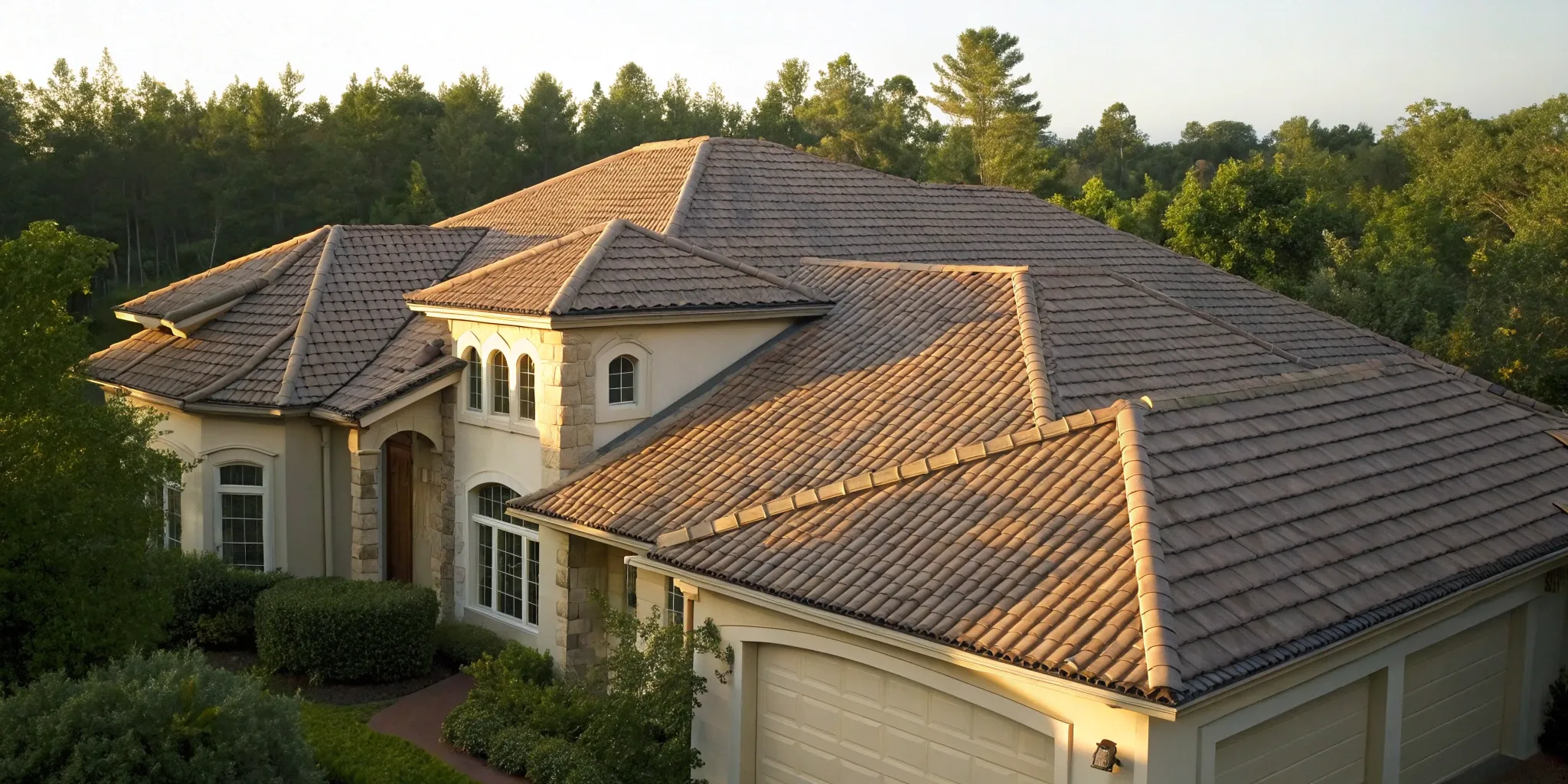
Your roof makes up a huge portion of your home’s exterior, defining its character and curb appeal. The material you choose can either complement your home’s style or feel completely out of place. Clay tiles offer a timeless, upscale look, while asphalt shingles provide a clean, modern aesthetic with incredible versatility. But this decision goes beyond looks; it directly impacts your property’s value. The cost of clay tile roof vs shingle is a major factor, but it’s also tied to long-term benefits like durability and energy savings that appeal to future buyers. Let’s explore how each option affects your home’s appearance and its bottom line, helping you find the perfect balance between style and smart investment.
Key Takeaways
- Calculate the True Lifetime Cost: While shingles are cheaper upfront, a clay tile roof’s 50-100 year lifespan means you avoid paying for multiple replacements. Over the long term, tile is often the more cost-effective investment for your home.
- Choose a Roof Built for Florida Weather: Clay tiles are naturally suited for our climate, offering superior resistance to high winds and reflecting intense heat to help lower cooling costs. Shingles are more susceptible to storm damage and heat absorption.
- Align Your Choice with Your Future Plans: Shingles are a practical, affordable solution if you’re on a tight budget or may sell in the next decade. Tile is a premium, lifetime investment perfect for a “forever home” where maximum durability is the top priority.
Clay Tile vs. Shingle Roofing: What’s the Difference?
When it’s time for a new roof, the two most common options you’ll consider are clay tiles and asphalt shingles. While both will protect your home, they offer very different benefits in terms of lifespan, durability, and cost. Understanding these core differences is the first step to making a choice you’ll be happy with for years to come. For Florida homeowners, this decision is especially important, as your roof is the first line of defense against intense sun, heavy rain, and hurricane-force winds. Let’s break down what each material brings to the table.
What Is a Clay Tile Roof?
Clay tiles are a classic roofing material that has been trusted for centuries, and for good reason. Made from natural clay and water, they are an eco-friendly and beautiful option known for incredible durability. A properly installed clay tile roof can last 50 to 100 years or even longer. They are exceptionally strong, easily handling Florida’s harsh weather, including high winds and hail. Clay tiles also boast a Class A fire rating—the best available. Plus, their natural composition and shape help reflect solar heat instead of absorbing it, which can keep your attic cooler and lower your energy bills. This makes them a fantastic choice for a long-lasting and efficient residential roofing solution.
What Is an Asphalt Shingle Roof?
Asphalt shingles are the most popular roofing material in the country, largely because they are affordable and relatively simple to install. This makes them a practical choice if you’re working with a tighter budget or need a new roof quickly. A typical asphalt shingle roof lasts between 15 and 25 years. While many come with “lifetime” warranties, these are often prorated and don’t mean the roof will last forever. The main trade-off for the lower upfront cost is durability. Shingles are more vulnerable to damage from strong winds and can be easily damaged in a hailstorm. If you have a shingle roof, it’s a good idea to get a professional hail damage inspection after a severe storm.
How Much Does a Clay Tile Roof Cost Compared to Shingles?
When you’re deciding on a new roof, the cost is often the first thing on your mind. It’s a significant investment, and you want to make sure you’re putting your money in the right place. Comparing clay tiles and asphalt shingles is a perfect example of balancing upfront costs with long-term value. While one has a much lower initial price tag, the other offers longevity that can change the overall financial picture.
Let’s break down the numbers so you can see exactly what to expect. Keep in mind that these are general estimates. The final cost of any residential roofing project depends on the size and complexity of your roof, the specific materials you choose, and the labor involved. The best way to get a precise figure is to have a professional assess your home. But for now, this comparison will give you a solid starting point for understanding the financial differences between these two popular roofing materials.
Clay Tile Installation Costs
Installing a clay tile roof is a specialized job that requires both premium materials and expert craftsmanship, which is reflected in the price. You can generally expect the cost to range from $8 to $25 per square foot, which includes both the tiles and the labor for installation. It’s a wide range because the final price depends on the style and quality of the tile you select. One crucial factor to remember is that this estimate doesn’t include any potential structural work. Clay tiles are significantly heavier than shingles, so your roof’s framework may need reinforcement to safely support the added weight, which would be an additional cost.
Asphalt Shingle Installation Costs
On the other side of the spectrum, asphalt shingles are known for being a more budget-friendly choice. For a standard 1,500-square-foot home, the cost to install a new shingle roof typically falls between $4,200 and $7,900. This lower upfront cost makes asphalt shingles an accessible and popular option for many homeowners in Central Florida. The installation process is also faster and less complex than for tile, which helps keep labor costs down. If your primary goal is to get a reliable new roof without a major initial financial outlay, asphalt shingles are a very practical solution.
A Breakdown of Material Costs
To see the difference clearly, let’s put the numbers side-by-side for an average 1,500-square-foot roof. An asphalt shingle roof will cost you between $4,200 and $7,900. For that same roof, a clay tile system can range from $15,000 to $35,000. The gap is significant, and it highlights the premium nature of clay tiles. While that initial figure for tile might seem daunting, it’s important to view it as a long-term investment in your home’s durability and aesthetic. Because this is a major home improvement project, we offer convenient financing options to help make your ideal roof a reality without straining your budget.
Why Is There a Price Difference Between Clay Tile and Shingle Installation?
When you compare quotes for clay tile and asphalt shingle roofs, the price gap can be surprising. It’s easy to assume the difference comes down to the materials alone, but that’s only part of the story. The installation process for each roofing type is fundamentally different, involving unique requirements for labor, structural preparation, and specialized skills. Understanding these factors is key to seeing the full picture of your investment and making a choice that feels right for your home and budget.
A tile roof installation is a more complex and labor-intensive project from start to finish. It demands more from your home’s structure and from the crew working on it. From reinforcing the roof deck to handle the extra weight to the meticulous placement of each tile, every step adds to the overall cost. In contrast, asphalt shingles are lighter and designed for a more streamlined installation, which translates to lower labor costs and a quicker turnaround time. Let’s break down exactly where those extra costs for a tile roof come from so you can see why one quote might be significantly higher than the other.
Structural Support and Weight Requirements
One of the biggest factors driving up the cost of a tile roof is its weight. Clay tiles are incredibly heavy, often weighing more than 10 pounds per square foot. For comparison, asphalt shingles are much lighter. This means your home’s structure must be strong enough to support the immense weight of a tile roof over its entire lifespan. For many homes, especially those not originally built for tile, this requires a structural assessment and potentially significant reinforcement of the roof deck and framing. This extra step ensures your home can safely handle the load, but it also adds to the project’s cost and timeline for your residential roofing project.
Specialized Labor and Installation Skills
Installing a clay tile roof isn’t a job for a general roofer; it’s a specialized craft that requires a high level of skill and experience. Each tile must be laid precisely to ensure a proper fit and create a watertight seal. As one expert notes, if not installed correctly, clay tiles “can leak or not last as long.” This meticulous work takes more time and demands a crew with specific training, which naturally increases labor costs. Shingle installation, while still requiring professional skill, is a more standardized and faster process, allowing roofing teams to complete the job more efficiently and at a lower labor rate. The expertise needed for a flawless tile installation is a major contributor to its higher price tag.
Old Roof Removal and Prep Work
Whether you’re installing tile or shingles, preparing the roof deck is a critical step, especially if you’re replacing an old roof. The process starts with tearing off the old materials, which has its own associated costs. From there, the prep work for tile is often more involved. After the old roof is gone, the underlying wood decking needs to be inspected and repaired. Because tiles are so heavy and long-lasting, it’s essential that the foundation is perfect. This might include replacing decking or installing a high-performance underlayment designed to last for decades. This thorough preparation is vital for the roof’s longevity and is another reason the upfront cost for a tile installation is higher.
Which Roof Costs More Over Its Lifetime?
When you’re comparing roofing materials, the initial price tag only tells part of the story. The true cost of a roof unfolds over decades, factoring in how long it lasts, how often it needs repairs, and when it will need to be replaced entirely. While asphalt shingles have a lower upfront cost, clay tiles often prove to be the more economical choice over the long haul. Let’s break down the long-term financial picture for both options.
Comparing Lifespan and Replacement Frequency
The most significant difference in long-term cost comes down to lifespan. A professionally installed asphalt shingle roof typically lasts 15 to 30 years. In contrast, a clay tile roof can last 50 to 100 years. This means you could replace a shingle roof three or more times during the lifespan of a single tile roof. While tiles have a higher upfront cost, they often save money over many years because you won’t have to pay for a full residential roofing replacement nearly as often. For many homeowners, a tile roof is a one-time investment that lasts a lifetime.
Factoring in Maintenance and Repair Costs
Durability plays a huge role in ongoing costs. Clay tiles are incredibly strong and can handle Florida’s intense weather with minimal upkeep. They don’t rot or get moldy, which is a major plus in our humid climate. Asphalt shingles, on the other hand, generally need more maintenance because they don’t last as long and are more susceptible to wear. After a major storm, you’re more likely to need an emergency roof repair for a shingle roof than a tile one. Over the years, the cost of these smaller repairs and routine maintenance can add up significantly.
Calculating the True Cost of Ownership
To find the true cost, you have to look at the big picture. An average-sized shingle roof might cost between $4,200 and $7,900 to install. A tile roof of the same size could run from $15,000 to $35,000. But if you replace that shingle roof three times over 60 years, your total cost could easily exceed the one-time expense of tile, and that’s without factoring in inflation. We understand that the initial investment for tile is substantial, which is why we offer convenient financing options to help make this durable, long-term solution more accessible for your home.
How Do Clay Tile and Shingles Hold Up to Weather?
In Central Florida, a roof does more than just keep the rain out—it’s your home’s first line of defense against intense sun, high humidity, and hurricane-force winds. The material you choose has a massive impact on how well your home weathers these conditions. While cost is a big piece of the puzzle, understanding how clay tile and asphalt shingles perform day-to-day and during a storm is essential. One material might save you on cooling costs, while the other offers a different kind of resilience. Let’s look at how each one stacks up against Florida’s demanding climate.
Performance in Heat, Sun, and Energy Efficiency
The relentless Florida sun can really put a roof to the test. Clay tiles are a champion in the heat because they have excellent “thermal mass,” which means they don’t easily transfer heat into your attic. This natural insulation helps keep your home cooler and can lead to lower energy bills. Lighter-colored tiles take this a step further by reflecting sunlight away from your home. On top of that, clay tiles boast a Class A fire rating, the highest available, giving you extra peace of mind. Asphalt shingles, on the other hand, tend to absorb more heat, which can warm up your attic and make your AC work harder. While some modern shingles have reflective granules, they generally can’t match the cooling properties of a tile roof.
Wind and Storm Damage Resistance
When storm season arrives, you want a roof you can count on. Clay tiles are incredibly strong and heavy, which helps them resist high winds far better than lighter materials. They are built to handle severe weather, including heavy rain and hail, which is why they often last for a century or more. While no roof is completely immune to damage from major storms, tile is one of the most durable options for residential roofing. Asphalt shingles have a much shorter lifespan, typically 15 to 30 years, and are more vulnerable to storm damage. Strong winds can lift and tear shingles from the roof, and a serious hailstorm can leave them dented and bruised. If you suspect damage after a storm, it’s always a good idea to get a professional hail damage inspection.
Protection Against Moisture and Mold
Humidity is a constant battle in Florida, and your roof is on the front lines. Clay tiles have a natural advantage here. Their curved shape and overlapping installation create air pockets that allow for ventilation underneath the tiles. This airflow helps moisture evaporate quickly, preventing water from sitting on your roof deck and reducing the risk of rot and mold. Asphalt shingles, however, lay flat against the roof deck and can trap moisture. Over time, this can lead to the growth of algae and mold, which you might see as dark streaks on your roof. If shingles are cracked or lose their protective granules, they become even more susceptible to water intrusion, which can lead to leaks and costly repairs.
Which Roof Is Better for Central Florida’s Climate?
Choosing a roof in Central Florida isn’t just about aesthetics or budget; it’s about selecting a shield for your home that can handle our unique weather. From blistering summer heat and intense humidity to the annual threat of hurricanes, your roof is your first line of defense. The material you choose plays a huge role in how well your home stands up to the elements, how comfortable you are inside, and how much you spend on energy bills and repairs over the years.
Living here means your roof works harder than in many other parts of the country. These demanding conditions mean we have to be extra thoughtful when deciding between materials like clay tile and asphalt shingles. Let’s break down how each one performs under the specific pressures of the Florida climate, so you can make a choice that brings you peace of mind.
Hurricane and High-Wind Readiness
When hurricane season rolls around, having a roof you can trust is non-negotiable. Due to the frequency of major storms, Central Florida homeowners must now use specific storm-resistant materials and meet strict wind-resistance standards when replacing a roof. Clay tiles are a heavyweight champion in this category. Their sheer weight and interlocking installation method create a formidable barrier against high winds. When installed correctly, they can withstand wind speeds well over 100 mph.
Architectural asphalt shingles have come a long way and many are rated for high winds, but they are more vulnerable to uplift. A single shingle catching the wind can start a chain reaction, leaving your roof deck exposed. After a major storm, navigating the aftermath can be stressful, which is why having expert roof claim assistance can make a world of difference.
Reflecting Heat and Lowering Cooling Costs
Anyone who’s lived through a Florida summer knows that the sun is relentless. Your roof absorbs the brunt of that heat, which can dramatically increase the temperature in your attic and drive up your cooling costs. This is where clay tile truly shines. The material has natural thermal resistance, meaning it reflects solar heat instead of absorbing it. The curved shape of the tiles also creates a natural air pocket between the tile and the roof deck, providing an extra layer of insulation that keeps your home cooler.
Asphalt shingles, particularly in darker shades, tend to soak up the sun’s heat. While some modern shingles have reflective granules to combat this, they generally can’t match the cooling power of a tile roof. Choosing an energy-efficient residential roofing system is one of the smartest investments you can make for long-term savings.
Managing Humidity and Heavy Rain
Along with the heat comes thick humidity and torrential downpours. Constant moisture is a major threat to any roofing system, creating the perfect environment for mold, mildew, and rot. Clay tiles are naturally resistant to moisture and rot, and they aren’t a food source for insects. Their layered installation is also excellent at shedding water quickly during a heavy rainstorm, protecting the underlayment and structure of your home.
Asphalt shingles are designed to be waterproof, but they can be susceptible to algae growth, which causes those unsightly black streaks you often see on roofs. Over time, the protective granules can wear away, and if a shingle is damaged or curls up, it creates an entry point for water. A small leak can quickly become a big problem, often requiring emergency roof repair to prevent serious water damage.
Are There Common Myths About Roofing Costs?
When you’re comparing roofing materials, it’s easy to get sticker shock. The price tag on a new roof can feel overwhelming, and it’s tempting to just go with the cheapest option. But the true cost of a roof isn’t just about the initial installation price. Over the years, factors like maintenance, repairs, insurance rates, and even your home’s resale value all play a part in the total cost of ownership. Many homeowners get caught up in common misconceptions that can lead them to choose a roof that costs them more in the long run.
Let’s clear up some of the most common myths about roofing costs. Understanding the full picture will help you make a decision that feels right not just for your wallet today, but for your home’s future, too. From long-term savings to insurance perks, the most expensive option upfront isn’t always the most costly one down the road. We’ll break down what you really need to know about the financial side of choosing between a clay tile and an asphalt shingle roof, so you can feel confident in your investment. It’s about looking beyond the initial quote and seeing the complete financial story of your new roof.
The Upfront Cost vs. Long-Term Savings Myth
One of the biggest myths is that the lowest upfront cost equals the best deal. There’s no denying that asphalt shingles are significantly cheaper to install. A standard shingle roof might cost between $4,200 and $7,900, while a clay tile roof on the same home could run from $15,000 to $35,000. Seeing those numbers side-by-side makes shingles seem like the obvious choice.
However, this view ignores the long-term investment. Clay tiles can last 50 to 100 years, while asphalt shingles typically need replacing every 15 to 25 years. Over the lifespan of one tile roof, you might have to pay to replace a shingle roof two or three times. When you compare the shingle vs. tile roof costs over 50 years, the more durable option often proves to be the more economical one.
Assumptions About Insurance Premiums
Many homeowners assume that a more expensive roof will automatically lead to higher insurance premiums, but that’s not always the case. Insurance companies care about risk. A roof that is highly resistant to wind, hail, and fire poses less of a risk for a potential claim. In a place like Central Florida, where storms are a serious concern, a durable roof is a major asset.
Because clay tiles are incredibly tough and non-combustible, some insurance providers may offer discounts or more favorable rates for homes with tile roofs. It’s always a good idea to talk to your insurance agent about how your roofing choice could impact your policy. If you ever face storm damage, having a trusted roofer to help with roof claim assistance can also make the process much smoother.
Misunderstandings About Maintenance Needs
You might hear that clay tile roofs are “maintenance-free,” but that’s a bit of an overstatement. While they are exceptionally durable and require less upkeep than shingles, no roof should be completely ignored. Both tile and shingle roofs need regular check-ups to ensure they’re in good shape. Debris can accumulate, and tiles can crack from impact, so annual inspections are a smart move.
The key difference is the type and frequency of maintenance. With shingles, you might be dealing with curling, granule loss, or missing tabs after a storm. With tile, you’re mostly looking for cracked or slipped tiles. Proactive care, like a professional hail damage inspection after a storm, helps any roof last as long as possible and prevents small issues from turning into major leaks.
The Truth About Resale Value
Will a new roof really add value to your home? Absolutely. A new roof is one of the first things potential buyers notice, and it signals that the home has been well-maintained. While any new roof is a selling point, the material you choose can influence the return on your investment.
Clay tile roofs often provide a higher return because of their premium appearance and incredible longevity. The classic, upscale look of tile enhances curb appeal and can make your home stand out in the market. Buyers recognize the value in a roof that will last for decades, and they are often willing to pay more for that peace of mind. Investing in a quality residential roof is not just about protecting your home—it’s about securing its value for the future.
How Do Aesthetics and Home Value Compare?
Your roof is one of the most prominent features of your home’s exterior, so it’s natural to want it to look great. But it’s also a major investment that can impact your property value for years to come. The choice between clay tile and asphalt shingles isn’t just about protection; it’s about balancing your personal style with long-term financial sense. Both materials can enhance your home’s curb appeal, but they do it in different ways and offer different returns when it comes time to sell. Clay tiles are known for their classic beauty and longevity, often seen as a premium upgrade that can significantly increase a home’s marketability. Their distinct, dimensional look adds a touch of elegance that many homeowners in Florida love. On the other hand, asphalt shingles offer incredible versatility and a fresh, clean look that appeals to a wide range of buyers, signaling that a home is well-cared for and move-in ready. Beyond just looks, the material you choose affects your home’s resale value and even your monthly energy bills. A potential buyer might see a tile roof as a sign of luxury and durability, justifying a higher offer. Another might appreciate the fresh, modern look of a new shingle roof, knowing they won’t face a replacement anytime soon. Understanding how each option contributes to your home’s overall look and financial standing will help you make a choice you’ll be happy with for decades. Let’s look at how aesthetics, resale value, and energy efficiency stack up.
Finding a Style That Fits Your Home
Choosing a roof is a bit like choosing the perfect accessory—it needs to complement the main outfit. Clay tiles offer a classic, dimensional look that’s a perfect match for Mediterranean, Spanish, or Southwestern-style homes, which are quite popular here in Florida. They come in a range of earthy colors and distinct profiles, like barrel and flat styles, that create a timeless, upscale appearance. Asphalt shingles, on the other hand, are the chameleons of the roofing world. They fit beautifully with a wide variety of architectural styles, from modern to traditional ranch homes. With an extensive palette of colors and options that mimic the look of slate or wood shake, shingles provide incredible versatility for your residential roofing project.
The Impact on Curb Appeal and Resale Value
A new roof is one of the best ways to improve curb appeal, and both clay tile and shingles deliver on that front. However, they tend to appeal to buyers in different ways. Clay tiles have a premium reputation. Their durability and classic appearance often translate to a higher perceived value, which can give you an edge in the real estate market. Many homebuyers see a tile roof as a long-term, high-quality feature they won’t have to worry about for decades. While asphalt shingles may not have the same luxury status, a brand-new shingle roof is still a huge selling point. It signals to potential buyers that the home is well-maintained and protected, removing a major potential expense from their minds.
How Energy Efficiency Affects Your Home’s Worth
In Central Florida, a roof that helps keep your home cool is a major asset. This is where clay tiles really shine. The natural thermal properties of clay, combined with the air pocket created beneath the curved tiles, help insulate your home from the sun’s intense heat. This can lead to significant savings on your cooling bills—a feature that is incredibly attractive to potential buyers. This improved energy efficiency not only saves you money month-to-month but also adds tangible value to your home. While modern asphalt shingles have improved with cool-roof technology, clay tile generally offers superior performance in our hot climate.
What Should You Know About Insurance and Financing?
Choosing a new roof is one of the biggest financial decisions you’ll make for your home. Beyond the initial price tag for materials and labor, it’s important to consider the other financial pieces of the puzzle: insurance and financing. How your new roof is perceived by your insurance carrier can have a real impact on your monthly premiums. And let’s be honest, a new roof is a major expense, so understanding your payment options is key to moving forward with confidence.
Thinking about these factors ahead of time helps you see the full picture. A roof that seems more expensive at first might actually save you money over the years through lower insurance rates and less frequent repairs. On the other hand, a more budget-friendly option might be the right choice for your immediate needs. By looking at how insurance rates are affected and what financing options are available, you can make a smart, sustainable choice for your home and your wallet. It’s not just about picking materials; it’s about making a sound investment in your property’s future. This part of the process ensures there are no surprises down the road and helps you align your roofing choice with your long-term financial goals.
How Your Roof Choice Affects Insurance Rates
It might surprise you to learn that your insurance company has a strong opinion about your roof. Because a roof’s primary job is to protect the rest of your home from damage, insurers tend to favor materials that do the job best. Durable, impact-resistant roofs, like those made from clay tile, often qualify for lower premiums. Insurers see them as a lower risk because they stand up better to hail, wind, and fire.
While you’ll pay more upfront for a clay tile roof, the potential for long-term insurance savings can help balance the initial cost. Before making a final decision, it’s a great idea to call your insurance agent and ask how different roofing materials might affect your policy. This simple step can give you a clearer idea of the true cost of ownership.
Exploring Financing and Payment Options
The price difference between asphalt shingles and clay tiles is significant, and the upfront cost of a tile roof can feel intimidating. But it doesn’t have to be a barrier to getting the high-quality, long-lasting roof you want. Most homeowners don’t pay for a new roof in one lump sum, and there are excellent financing plans available to make the project much more manageable.
At Sky Light Roofing, we offer flexible financing options that allow you to break down the total cost into predictable monthly payments. This approach makes it easier to fit a premium roof into your budget without draining your savings. By financing, you can get the protection and aesthetic you want for your home now and pay for it over time.
Understanding the Return on Your Investment
When you’re weighing costs, it helps to think of your new roof not as a purchase, but as an investment in your home. While asphalt shingles have a lower initial cost, a clay tile roof often delivers a stronger return on investment over its lifetime. This return comes from several places: durability, longevity, and energy efficiency.
Because clay tiles can last 50 years or more, you may never have to replace your roof again. They also require minimal maintenance and can help lower your cooling bills by reflecting solar heat. All of these factors, combined with the stunning curb appeal that boosts your home’s resale value, make a tile residential roof a powerful long-term asset.
Which Roof Is the Best Long-Term Value for You?
Choosing a new roof is a major decision, and it’s about more than just picking a color. The real question is about long-term value. Are you looking for the lowest price tag today, or are you investing in a roof that will protect your home for decades with minimal fuss? Both clay tile and asphalt shingles have their place, but the best choice depends entirely on your home, your budget, and your plans for the future.
Think of it this way: one option gets you a solid, reliable roof with a lower upfront cost, while the other requires a larger initial investment but pays you back over time in durability, longevity, and peace of mind. There’s no single right answer, but by weighing the pros and cons of each, you can find the perfect fit for your Central Florida home. We’ll walk through the scenarios where each material shines, helping you make a confident decision that you’ll be happy with for years to come.
Matching Your Roof to Your Budget and Goals
The first step is to look at your personal situation. Asphalt shingles are significantly cheaper to buy and install, making them an attractive option if your primary concern is the upfront cost. If you’re working with a tighter budget or don’t plan on staying in your home for the next 30 years, shingles can be a practical and effective solution. However, if you see this house as your forever home, the higher initial cost of a tile roof can be a wise investment. Tile offers long-term benefits that often save you money over the life of your home. We also offer convenient financing options to help make your ideal roof a reality without straining your finances.
When Does a Clay Tile Roof Make Sense?
A clay tile roof is the right choice when durability and longevity are your top priorities. If you want a roof you’ll likely never have to replace again, tile is the way to go. Clay tiles can last for over 100 years, offering unmatched resilience. They are built to withstand the intense Florida climate, as they can resist high winds and hail and carry the best possible fire rating. Because they are so tough, tile roofs generally require less maintenance over their lifespan, saving you from the hassle and cost of frequent repairs. The classic, elegant appearance is just the cherry on top of a truly robust and long-lasting roofing system.
When Are Asphalt Shingles the Smarter Choice?
Asphalt shingles are the smarter choice when you need a balance of performance and affordability. As the most popular choice for residential roofing in the country, shingles offer great versatility and a straightforward installation process, which helps keep costs down. While their lifespan is shorter—typically around 15 to 20 years in Florida—they provide reliable protection for that time. This makes them a great fit if you’re planning to sell your home in the next decade or if you need a quality new roof without the significant upfront expense of tile. For many homeowners, the immediate savings and solid performance of asphalt shingles make them the most logical and financially sound decision.
Related Articles
- What Is a Clay Tile Roof? Types, Benefits, and Challenges
- Architectural Asphalt Shingles: A Buyer’s Guide
- Clay Tile Roof Cost Per Square Foot: 2025 Guide
- Asphalt Shingles Prices: A 2025 Buyer’s Guide
Frequently Asked Questions
Why is a clay tile roof so much more expensive upfront? The higher price tag for a clay tile roof comes down to three main things: the material, the labor, and the weight. The tiles themselves are a premium, natural product that costs more to produce. The installation is also a specialized craft that takes more time and skill than a standard shingle job. Finally, because clay tiles are so heavy, your home’s structure may need to be reinforced to support the extra weight, which adds to the overall project cost.
My house currently has shingles. Can I switch to a tile roof? Yes, it’s often possible to switch from shingles to tile, but it’s not a simple one-for-one swap. The most important first step is to have a professional conduct a structural assessment of your home. Because tile is significantly heavier than shingles, we need to make sure your roof’s framework can safely handle the added load. If reinforcement is needed, that will be factored into the project plan.
If shingles only last 15-25 years, are they a bad investment in Florida? Not at all. Asphalt shingles are an excellent and practical choice for many homeowners. If your main priority is a lower upfront cost, or if you don’t plan on staying in your home for the next 30 years, shingles provide reliable protection and a great look without the major initial investment of tile. They are a smart, financially sound decision for many situations.
Does a more expensive roof automatically mean I’ll save on my homeowner’s insurance? While it’s not automatic, it is very likely. Insurance companies base their rates on risk, and a roof that is highly resistant to wind, hail, and fire is considered less risky. Because clay tiles are so durable and non-combustible, many insurance providers offer more favorable rates or discounts for homes with tile roofs. The best way to find out for sure is to call your agent and discuss how your roofing choice could impact your policy.
Besides looks, what is the single biggest advantage of tile in the Florida climate? The biggest advantage is energy efficiency. Clay tiles are fantastic at reflecting the sun’s heat instead of absorbing it into your attic. The curved shape of the tiles also creates a natural air gap that acts as an extra layer of insulation. This combination works to keep your home significantly cooler, which can lead to real, noticeable savings on your air conditioning bills during our long, hot summers.